For many American drivers, vehicle ownership involves expenses that extend far beyond the purchase price. Insurance premiums, routine servicing, replacement parts, and unexpected repairs all influence the annual cost of keeping a vehicle on the road.
In several vehicle categories, insurance can account for a larger share of yearly expenses than regular maintenance. AAA’s U.S. Your Driving Costs research offers useful insights into these ownership expenses by examining different vehicle categories.
Understanding these cost differences helps buyers compare vehicles, prepare realistic budgets, and make informed decisions before purchasing a new or used car.
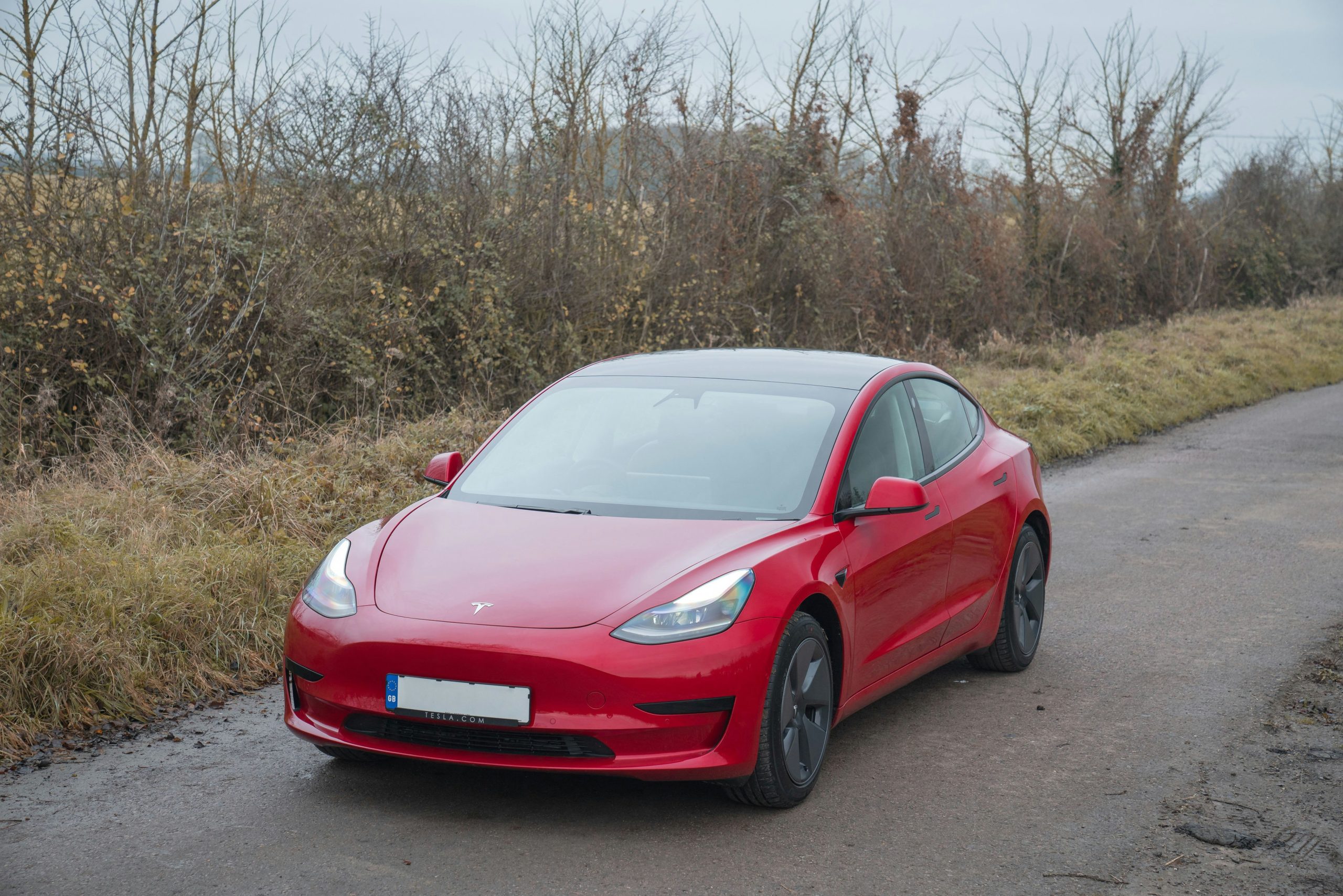
1. Tesla Model 3: High Insurance Costs and Specialized Repairs
The Tesla Model 3 is a popular electric sedan in the American automobile market. Its modern technology, electric powertrain, and advanced driver assistance features make it attractive to buyers seeking an alternative to conventional gasoline vehicles.
Insurance can represent a significant annual expense for Model 3 owners. The vehicle contains expensive electronic components, cameras, sensors, and body parts that can increase the cost of repairing accident damage.
Electric vehicle insurance rates can also reflect battery replacement expenses and the specialized equipment required for certain repairs. Insurers consider these potential costs when calculating premiums.
Routine maintenance is generally less demanding than that of a comparable gasoline-powered sedan. The Model 3 does not require conventional engine oil changes, spark plug replacements, or exhaust system servicing.
Owners still need to budget for tires, cabin air filters, brake fluid checks, wheel alignment, and other scheduled inspections. Tire expenses can be particularly noticeable because electric vehicles often deliver substantial torque and carry heavy battery packs.
Regenerative braking can reduce conventional brake wear under suitable driving conditions. This may lower certain maintenance expenses compared with vehicles that rely entirely on friction braking.
For buyers comparing electric sedans, the Model 3 demonstrates why a lower routine servicing requirement does not automatically translate into cheaper ownership. Insurance quotations should be reviewed before making a purchase decision.
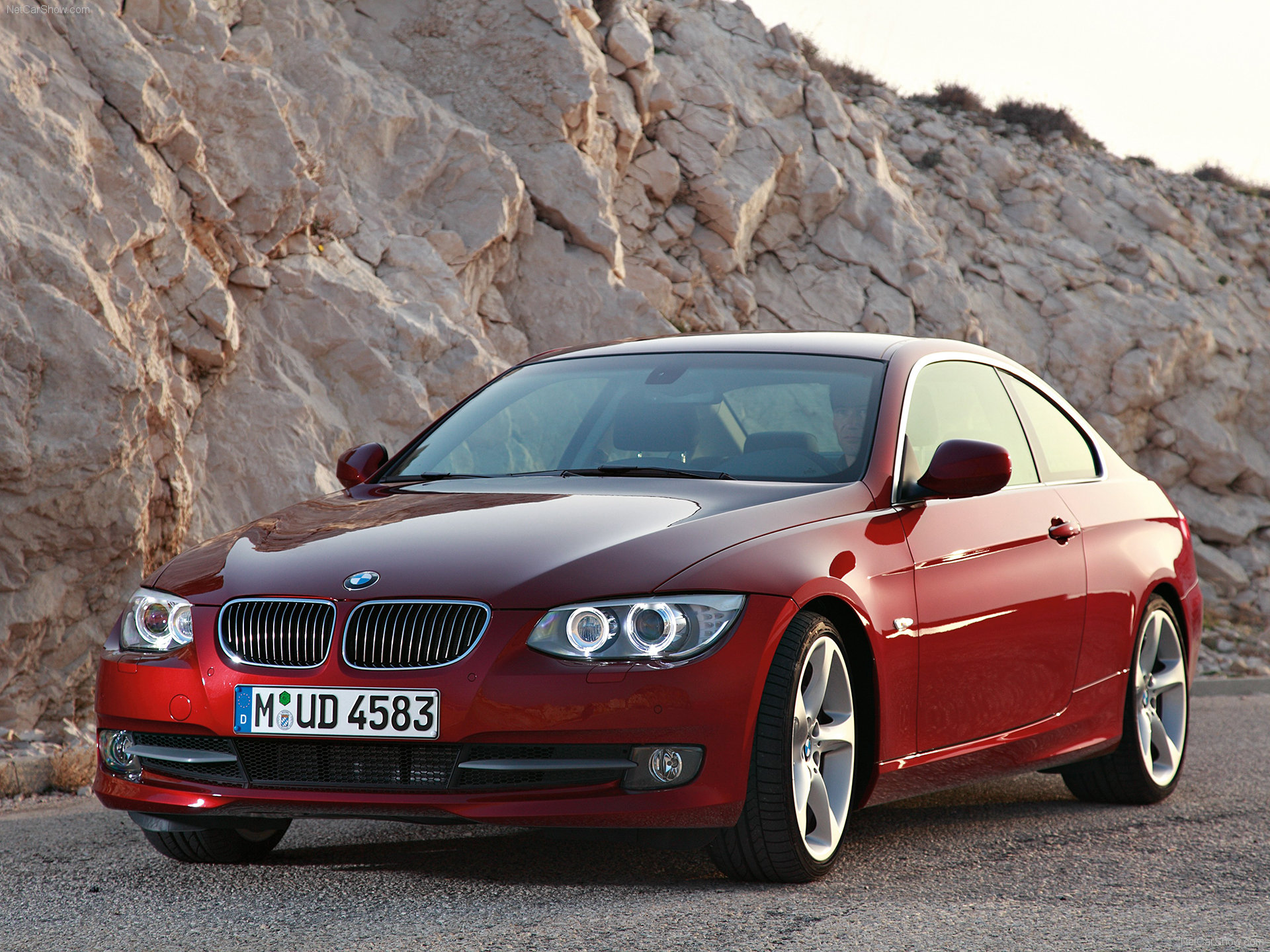
2. BMW 3 Series: Premium Coverage for a Luxury Sedan
The BMW 3 Series has established a strong position in the American luxury sedan segment. It combines performance, technology, comfort, and a premium interior, making it a popular choice among drivers seeking a sporty daily vehicle.
Insurance premiums for luxury sedans can be higher than those for mainstream compact cars. The BMW 3 Series features sophisticated electronic systems, specialized components, and relatively expensive replacement parts.
Repair costs also influence insurance calculations. Even a relatively minor accident involving exterior panels, lighting systems, parking sensors, or advanced driver assistance equipment can result in a substantial repair bill.
Routine maintenance includes oil changes, filter replacements, brake inspections, tire servicing, and scheduled mechanical checks. These expenses depend on the engine, model year, driving conditions, and service history.
BMW maintenance costs can exceed those of basic economy sedans because the vehicle uses premium components and requires specialized servicing. However, insurance may still become the larger annual expense for certain drivers.
The difference becomes more noticeable when owners select comprehensive and collision coverage with lower deductibles. Newer vehicles with higher replacement values can require more expensive coverage.
Potential buyers should obtain insurance quotations for the exact model year and trim level. Comparing several insurers can help identify meaningful differences in premiums.
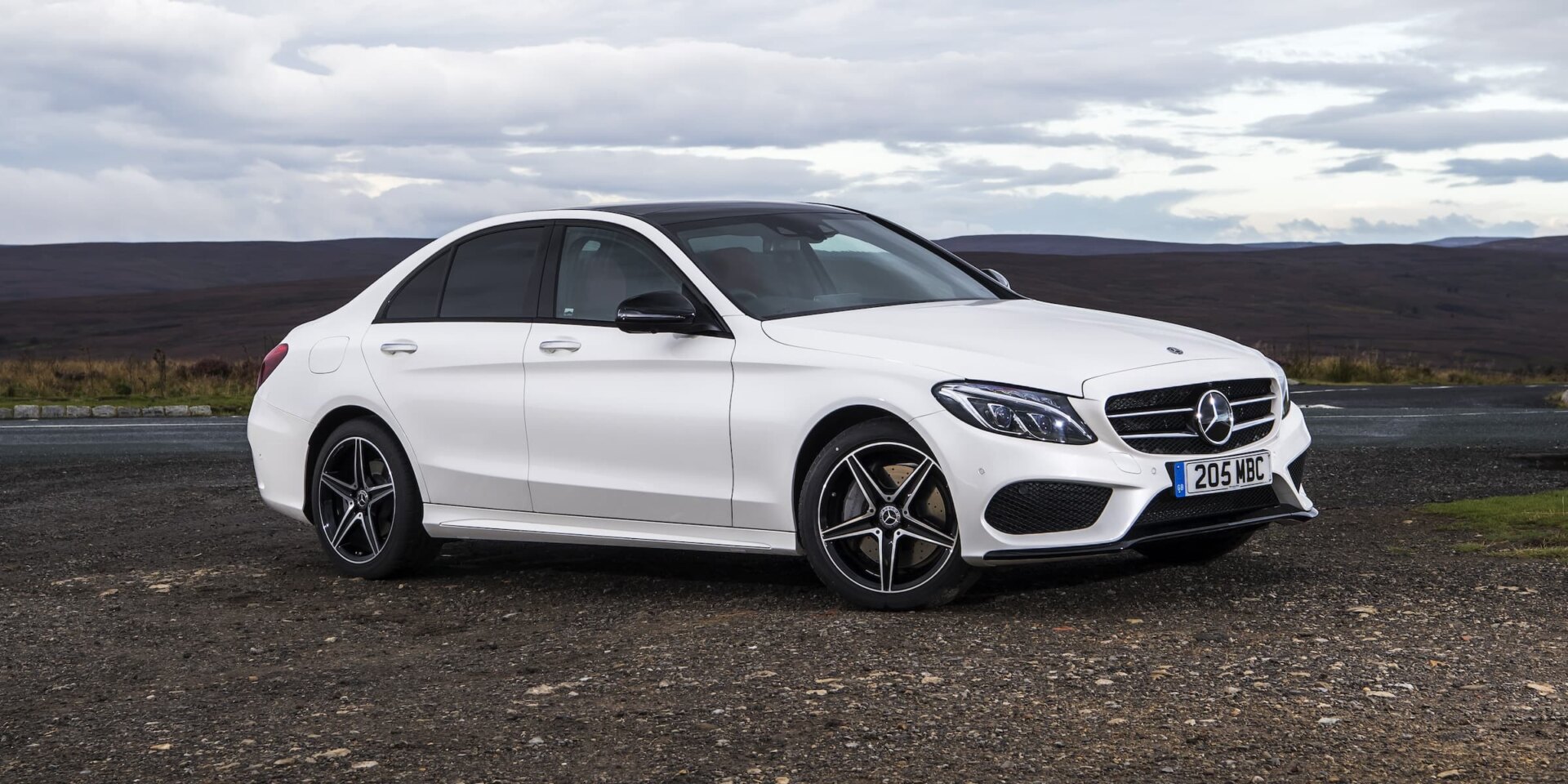
3. Mercedes-Benz C-Class: Expensive Components Influence Insurance Premiums
The Mercedes-Benz C-Class is another luxury sedan that illustrates the relationship between vehicle value and insurance expenses. Its premium design, sophisticated electronics, and advanced comfort features contribute to its appeal in the American market.
Insurance providers consider the potential financial consequences of repairing or replacing a vehicle. Luxury models can cost more to repair because of their specialized components, sophisticated lighting systems, and integrated electronic equipment.
The C-Class includes technology that can make accident repairs more complicated. Sensors, cameras, digital systems, and driver assistance equipment may require additional calibration after certain repairs.
Maintenance costs depend on the particular engine and model year. Regular servicing generally includes oil and filter changes, brake inspections, tire replacement, and checks of important mechanical systems.
Owners may also encounter higher servicing charges when they use authorized dealerships or specialized independent repair facilities. Genuine replacement components can increase maintenance bills.
However, routine maintenance is usually a predictable expense. Insurance premiums are recurring costs that owners must account for throughout the policy period, regardless of whether the vehicle requires servicing.
The C-Class can therefore present a situation where insurance consumes a larger portion of the annual budget than ordinary maintenance. This is particularly relevant for newer examples with comprehensive coverage.
Buyers should compare insurance costs across different trims before purchasing. Performance-oriented versions may have different premiums from standard configurations.
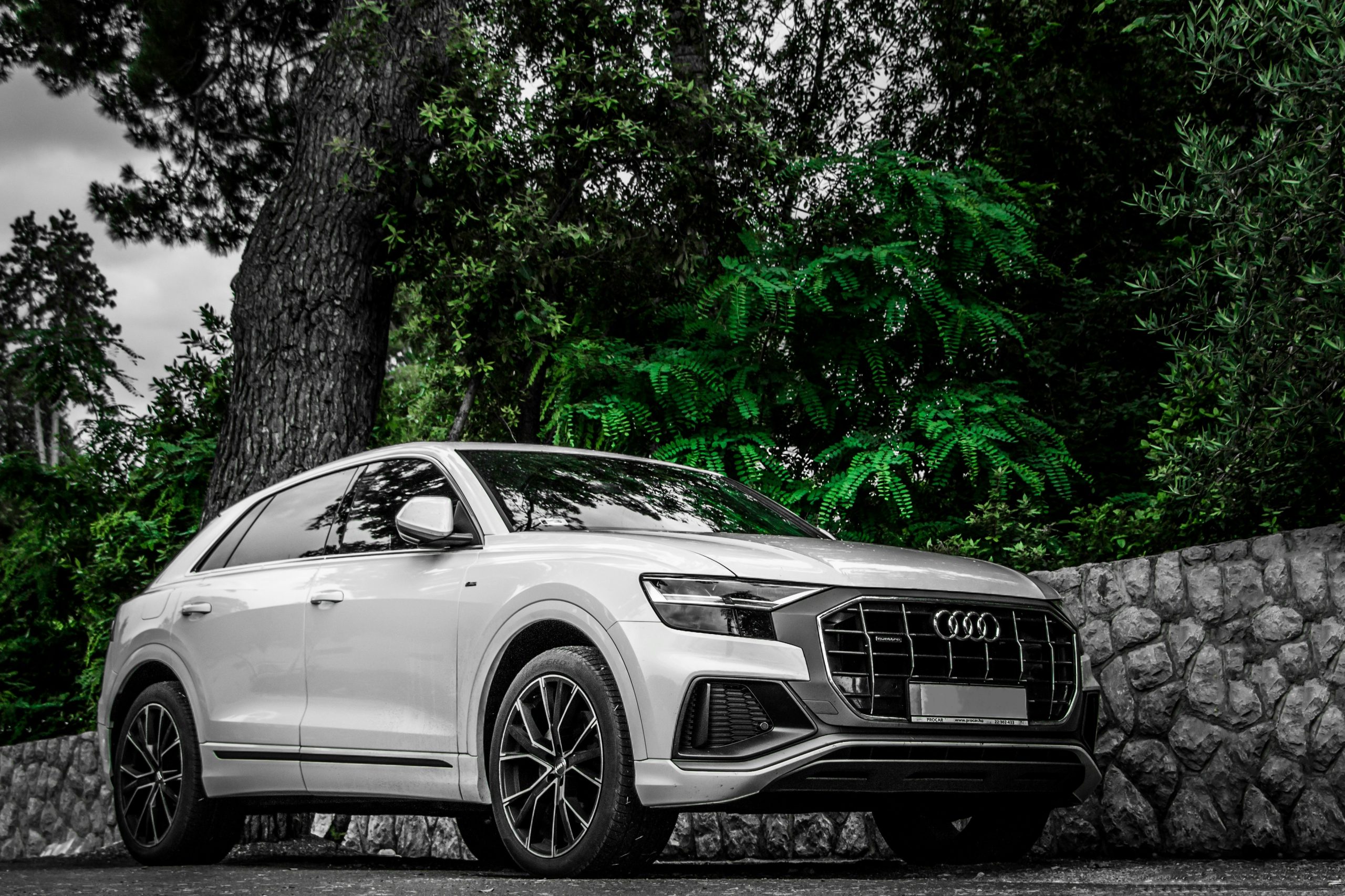
4. Audi Q5: Premium SUV Ownership Expenses
The Audi Q5 is a luxury compact SUV that competes in a segment where buyers expect advanced technology, comfortable interiors, and strong road performance. Its premium positioning can influence both insurance and maintenance expenses.
Insurance costs may be higher than those associated with ordinary compact SUVs. Replacement value, expensive exterior components, electronic equipment, and the cost of repairing accident damage all contribute to insurer calculations.
The Q5 also uses sophisticated safety and driver assistance technology. Depending on the damage, repairing these systems may involve specialized equipment and calibration procedures.
Routine maintenance includes engine oil servicing, air filter replacement, brake inspections, tire rotation, and scheduled mechanical checks. The exact requirements depend on the model year and powertrain.
Audi maintenance can be more expensive than servicing a basic family vehicle. Premium components and specialized service requirements contribute to the difference.
Nevertheless, routine maintenance can remain manageable when owners follow the manufacturer’s recommended service schedule and address minor problems early.
Insurance expenses can become the higher annual cost for drivers with expensive coverage requirements or higher-risk insurance profiles. Local repair costs and claim statistics also influence the final premium.
The Q5 highlights why buyers should compare insurance estimates before deciding between luxury and mainstream SUVs. The purchase price alone does not provide a complete picture of ownership expenses.
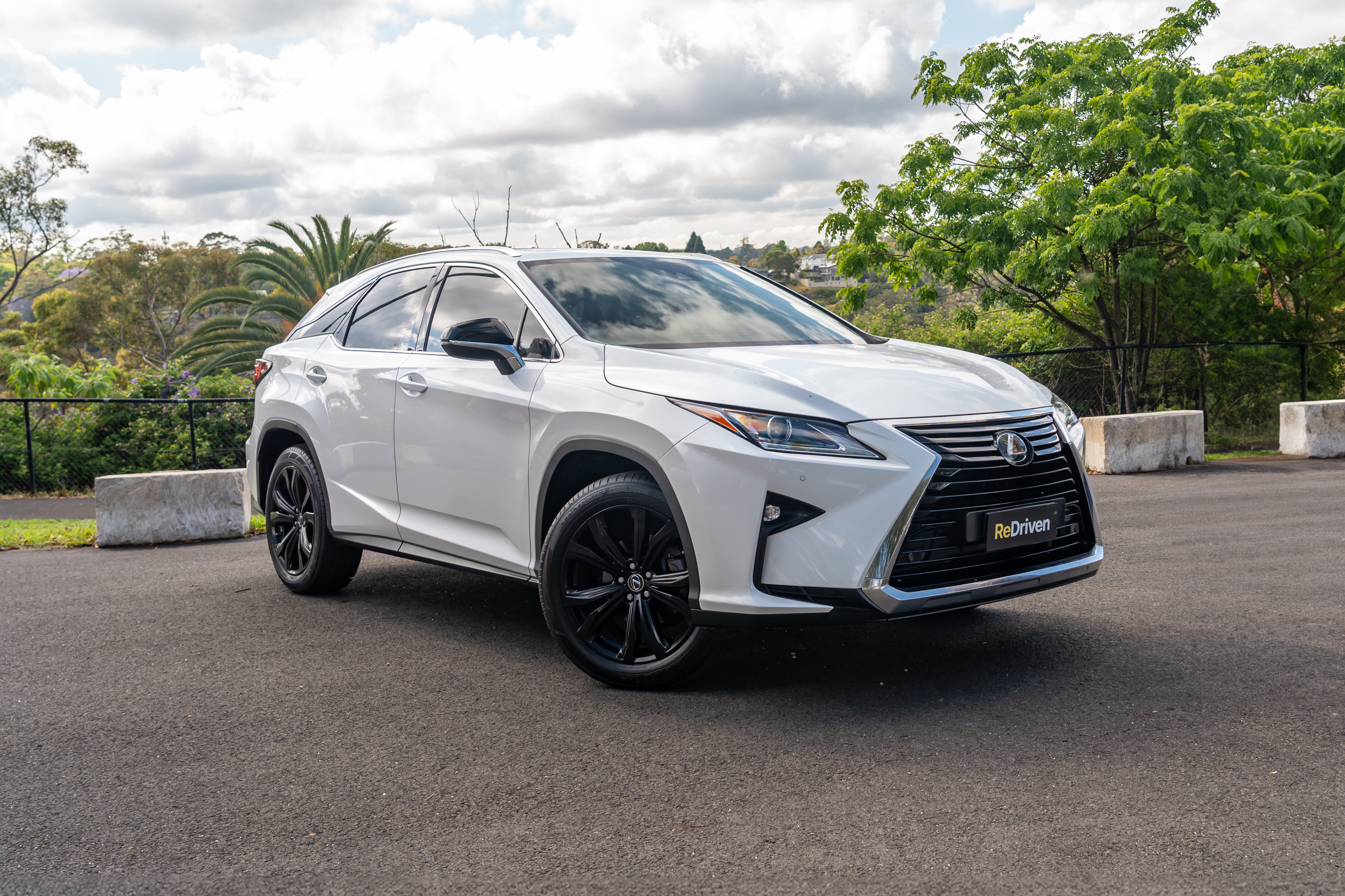
5. Lexus RX: Luxury Protection Costs and Routine Servicing
The Lexus RX is a well-known luxury SUV in the United States. Its reputation for comfort, quiet driving, and premium features makes it a common choice among families and professionals.
Insurance expenses can be substantial because the RX belongs to the premium SUV category. Higher replacement values, advanced safety equipment, and specialized exterior components can affect coverage prices.
The vehicle’s sophisticated electronic systems may also increase repair costs following certain accidents. Insurance companies account for these potential expenses when assessing the financial risk associated with a particular vehicle.
Maintenance requirements depend on whether the owner selects a conventional gasoline or hybrid version. Both configurations require regular inspections and attention to tires, brakes, and other wear components.
Hybrid versions can benefit from regenerative braking, which may reduce friction brake usage in suitable driving conditions. However, hybrid systems still require proper maintenance and periodic inspections.
Oil changes, filters, fluids, tire replacements, and scheduled servicing remain part of regular ownership. Following the recommended maintenance intervals can help prevent avoidable repair expenses.
For some owners, insurance can become a larger annual expense than routine maintenance. This is especially relevant when the vehicle is relatively new and carries comprehensive and collision coverage.
The RX shows that even vehicles with a reputation for dependable operation can involve considerable insurance expenses. Buyers should evaluate both recurring costs rather than focusing exclusively on reliability.
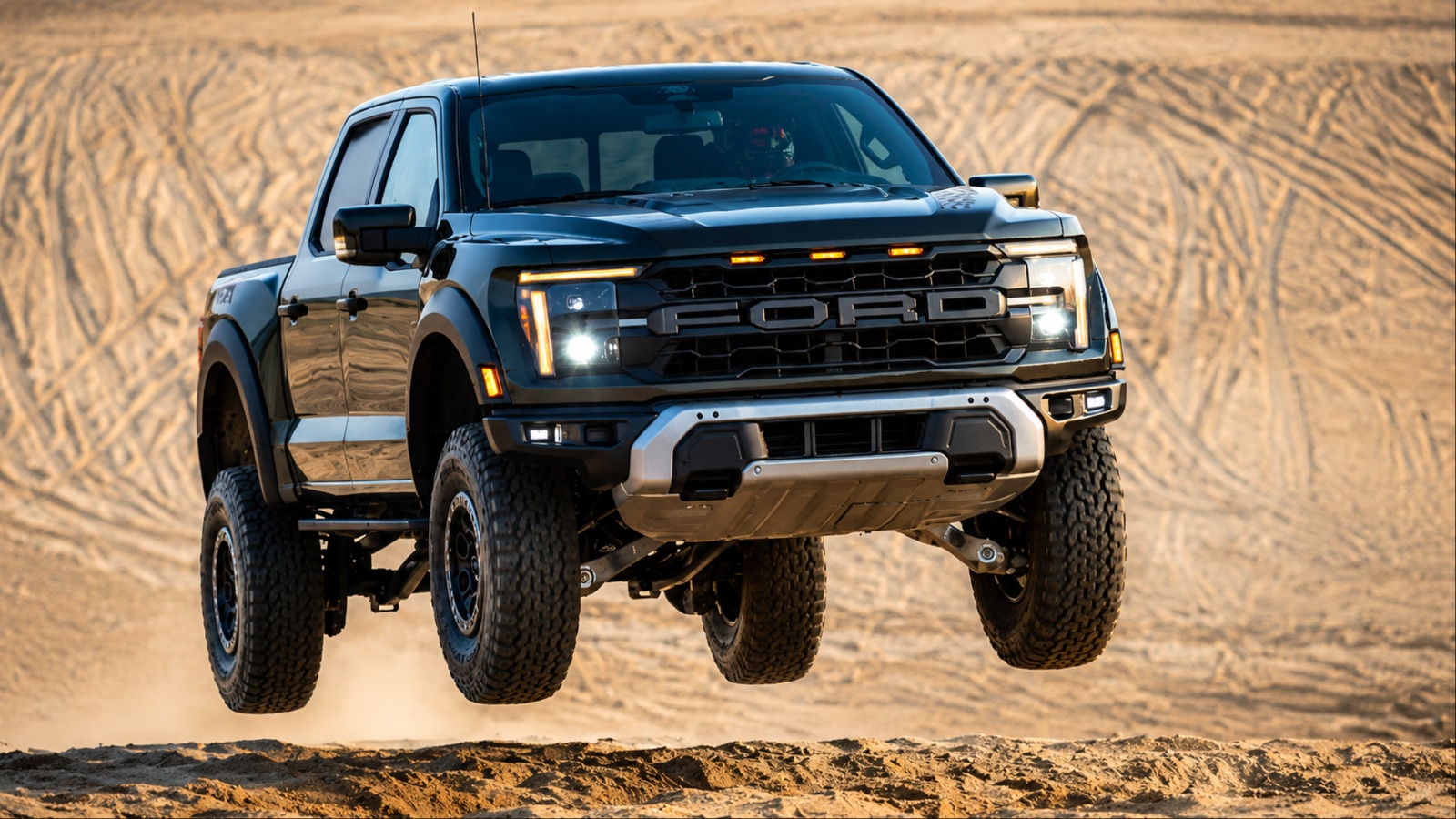
6. Ford F-150: Pickup Truck Insurance and Repair Costs
The Ford F-150 is among the most recognizable pickup trucks in the American market. It serves personal, commercial, recreational, and work-related purposes, making it a versatile option for many households.
Insurance costs depend on engine selection, trim level, vehicle value, driving history, location, and intended usage. Higher-priced configurations can require more expensive coverage than basic work-truck versions.
Pickup trucks can also involve expensive accident repairs. Large body panels, lighting equipment, advanced driver assistance systems, and specialized components can increase repair bills.
Maintenance expenses include oil changes, tire replacement, brake servicing, fluid checks, and inspections of suspension and steering components. Heavy-duty usage can increase wear and shorten maintenance intervals.
Owners who regularly tow trailers or carry heavy loads may experience greater demands on tires, brakes, transmission components, and suspension systems.
The truck’s maintenance requirements therefore depend heavily on its working conditions. A vehicle used mainly for commuting may have a different annual servicing budget from one used for construction or towing.
Insurance may exceed routine maintenance for owners who use their F-150 primarily as a personal vehicle and have relatively modest servicing requirements. Commercial use can produce a different financial picture.
Before buying, drivers should compare insurance quotes for the exact cab style, engine, trim, and model year. These details can influence the premium considerably.
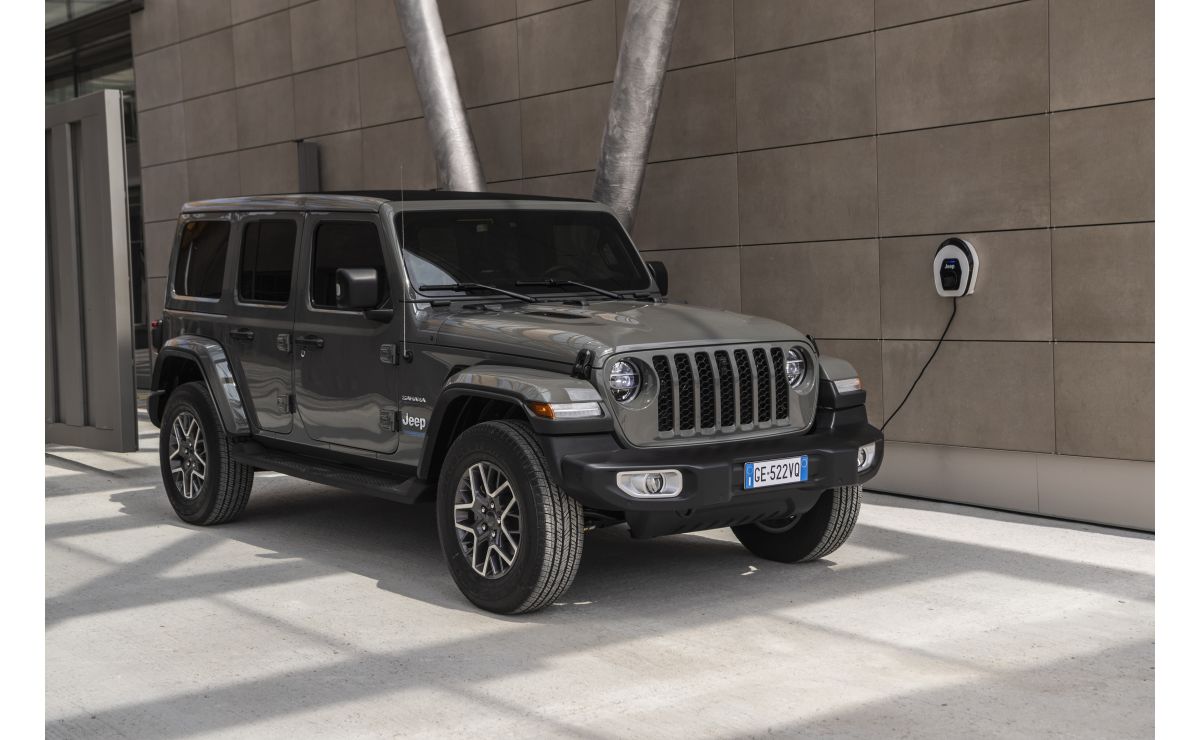
7. Jeep Wrangler: Insurance Costs for an Off-Road SUV
The Jeep Wrangler is known for its off-road capability, removable roof panels, distinctive styling, and extensive customization options. It attracts buyers who want a vehicle suitable for everyday driving and outdoor activities.
Insurance expenses can be influenced by the Wrangler’s replacement value, trim level, accident history, and local theft experience. Modified vehicles may also require additional insurance considerations.
Off-road equipment and aftermarket accessories can change the vehicle’s replacement value. Owners should check whether their insurance policy covers approved modifications and additional equipment.
Routine maintenance includes oil changes, tire inspections, brake servicing, fluid checks, and suspension inspections. Off-road driving can increase the frequency of certain maintenance requirements.
Driving over rough surfaces may place additional stress on tires, steering components, suspension parts, and underbody equipment. Regular inspections become particularly important for vehicles used in demanding conditions.
Wrangler maintenance costs vary according to the engine, model year, mileage, and driving environment. Owners who mainly drive on paved roads may have a different expense pattern from frequent off-road users.
Insurance can become a larger annual expense when the vehicle is relatively new and requires comprehensive protection. The relationship between the two costs is not identical for every Wrangler owner.
Prospective buyers should consider their intended driving habits when calculating ownership expenses. A vehicle designed for demanding terrain can require more attention than a conventional family crossover.
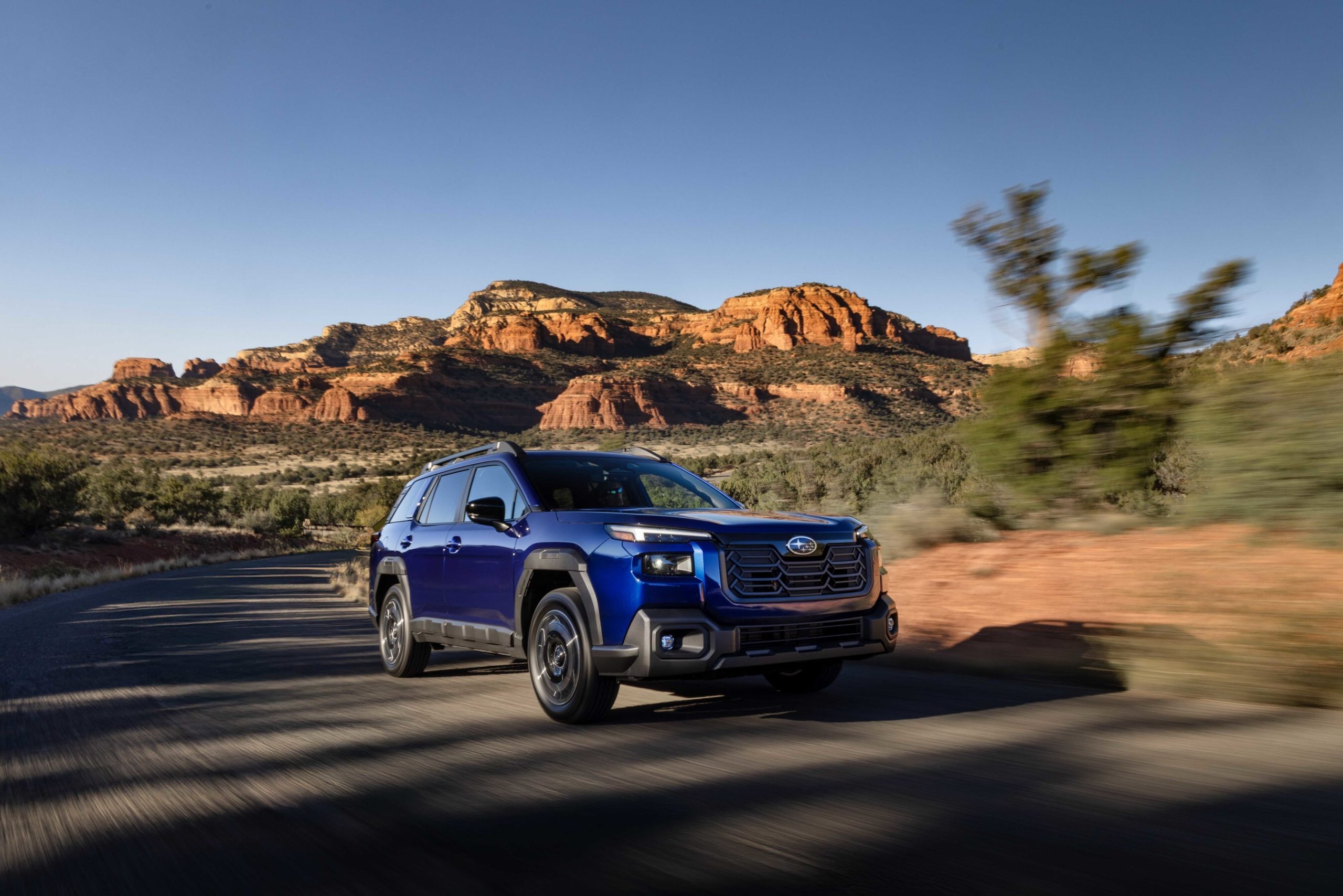
8. Subaru Outback: Safety Technology and Insurance Expenses
The Subaru Outback combines the practicality of a wagon with the appearance and capabilities of a crossover SUV. It is popular among American drivers who value interior space, all-wheel drive, and everyday versatility.
Insurance expenses depend on several vehicle-specific and driver-related factors. Replacement costs, repair expenses, claims history, and the location where the vehicle is registered can influence annual premiums.
The Outback features advanced driver assistance equipment in many configurations. Cameras, sensors, and related components can require specialized repairs or calibration after certain collisions.
Routine maintenance includes oil changes, filter replacements, tire rotations, brake inspections, and fluid checks. All-wheel-drive systems also require attention to the manufacturer’s servicing recommendations.
Tire maintenance is particularly important for all-wheel-drive vehicles. Significant differences in tire circumference can affect drivetrain operation, making appropriate replacement practices essential.
Maintenance costs can vary according to engine configuration and model year. Owners should also consider the cost of scheduled services and any repairs that develop as mileage increases.
For some drivers, insurance may account for a larger share of annual ownership expenses than regular maintenance. This is more likely when the vehicle has a relatively high insured value.
The Outback illustrates that insurance differences are not limited to luxury brands. Mainstream vehicles with advanced technology and specialized equipment can also have meaningful coverage expenses.
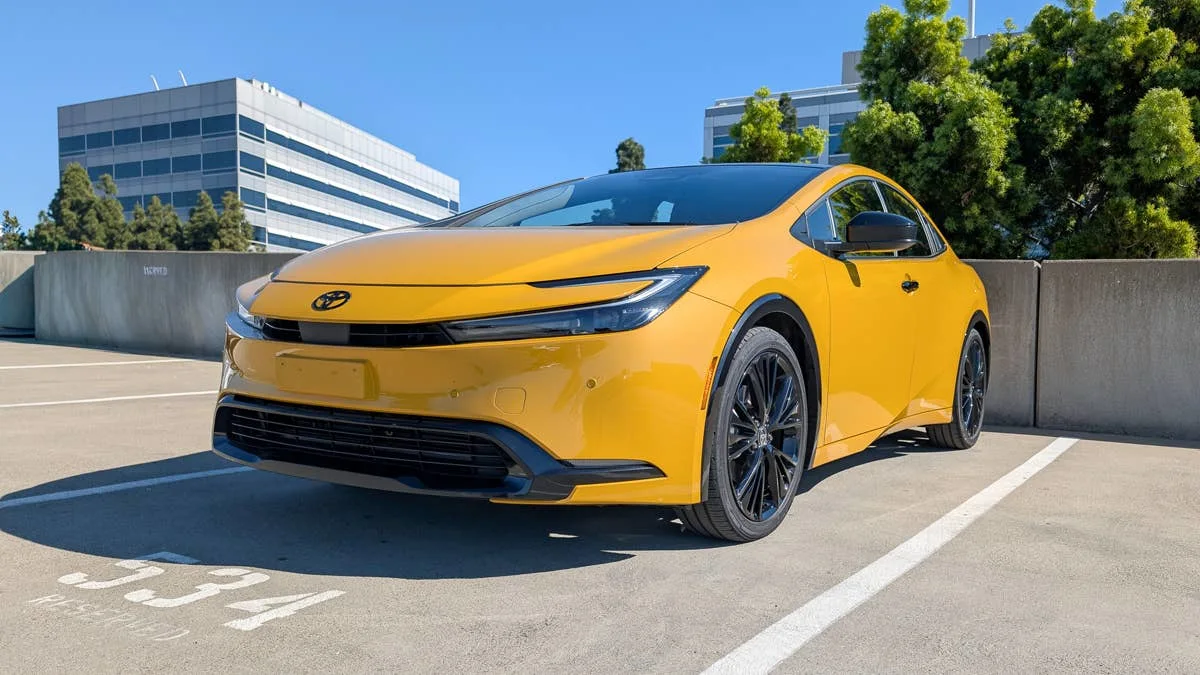
9. Toyota Prius: Hybrid Efficiency With Insurance Considerations
The Toyota Prius is widely recognized for its hybrid powertrain and fuel-efficient driving characteristics. It appeals to American motorists who want to reduce gasoline consumption without switching entirely to an electric vehicle.
Fuel savings can make the Prius attractive from a long-term ownership perspective. However, fuel economy does not determine insurance premiums, which are calculated using different factors.
Hybrid components, electronic equipment, and specialized repair requirements may influence insurance costs. The exact effect depends on the model year, vehicle value, local repair network, and insurer.
Routine maintenance includes oil changes, filter replacements, tire servicing, brake inspections, and checks of the hybrid system. The gasoline engine still requires regular servicing.
Regenerative braking can reduce friction brake wear in certain driving conditions. This may help control some maintenance expenses over time.
The hybrid battery is designed for long-term operation, but its condition and potential replacement cost remain relevant considerations for used-vehicle buyers. Warranty coverage also varies by model year and applicable terms.
Insurance may exceed routine maintenance for certain Prius owners, particularly when annual servicing requirements are relatively modest. This should not be interpreted as a guarantee that every Prius has higher insurance costs.
The model demonstrates an important distinction between fuel efficiency and total ownership expenses. A vehicle can save money at the fuel pump while still carrying substantial insurance costs.
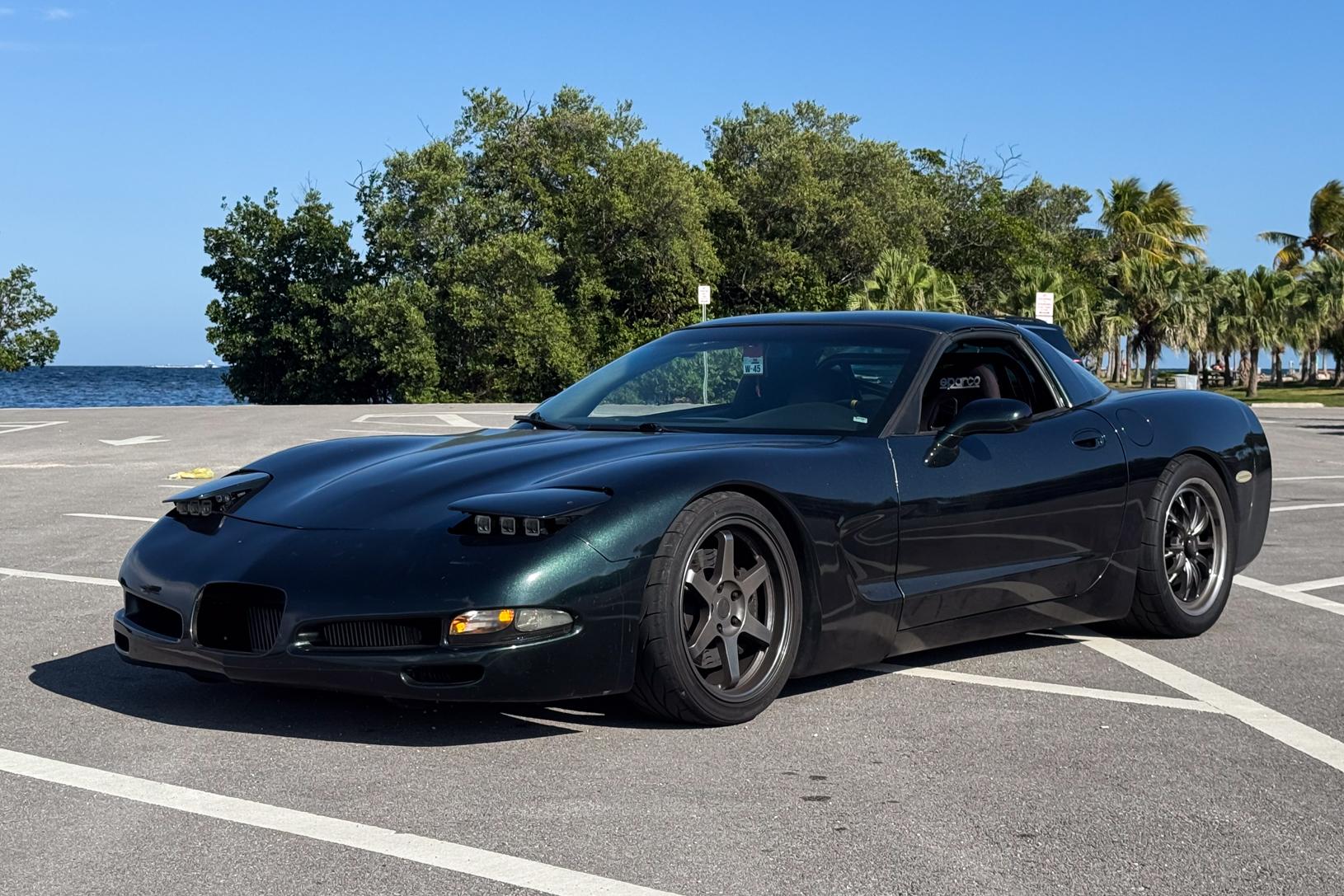
10. Chevrolet Corvette: Performance Comes With Higher Insurance Expenses
The Chevrolet Corvette represents the performance-oriented end of the American automobile market. Its powerful engine, distinctive styling, and sports car engineering attract buyers who prioritize driving performance.
Insurance premiums for performance cars can be higher than those for ordinary passenger vehicles. Vehicle value, engine performance, repair costs, theft exposure, and claims experience may all influence insurance pricing.
The Corvette also uses specialized components that can increase the cost of repairing accident damage. Body panels, performance tires, brakes, and electronic systems may require more expensive replacement parts.
Maintenance expenses depend on the particular generation, engine configuration, mileage, and driving habits. Regular servicing includes oil changes, tire inspections, brake checks, and fluid replacements.
Performance tires can be a significant recurring expense. Aggressive driving and track use can accelerate tire and brake wear, increasing maintenance requirements.
Owners who use their Corvette primarily for occasional road trips may experience a different maintenance pattern from drivers who frequently participate in performance events.
Insurance costs can exceed routine maintenance when the vehicle is covered by a comprehensive policy and receives limited annual use. However, specialized coverage for track activities may change the calculation.
The Corvette highlights the financial considerations associated with owning a high-performance vehicle. Buyers should obtain accurate insurance estimates before committing to a purchase.