
A dependable vehicle should do more than avoid breakdowns. It should hold its value, survive years of regular use, and avoid draining the owner’s budget through frequent repairs. That is why comparing Consumer Reports, Kelley Blue Book, iSeeCars, and RepairPal can reveal more than relying on a single reliability ranking.
Each organization measures a different part of ownership, from predicted dependability and resale value to long-term mileage potential and repair expenses. The vehicles in this list are selected for strong evidence across those areas, not because the four organizations publish identical rankings.
It is important to understand that each organization focuses on a different aspect of vehicle performance. Consumer Reports assesses predicted reliability, KBB examines resale value, iSeeCars evaluates long-term mileage potential, and RepairPal focuses on repair costs, frequency, and severity.
So a vehicle does not need to hold the exact same rank in all four to qualify. The strongest candidates are those supported by positive findings across the four different measures.
1. Honda Civic
The Civic makes a compelling case because its reputation is supported by evidence that goes beyond its popularity on American roads. Consumer Reports expects the 2026 model to be more reliable than the average new vehicle, using data from the 2023, 2024, and 2025 model years.
That is an encouraging signal for buyers who want a compact car without taking a gamble on an unfamiliar design.
Its resale performance is another major strength. Kelley Blue Book named the Civic its 2025 Best Resale Value winner in the compact-car category. That recognition matters because depreciation can quietly become one of the highest costs of owning a vehicle.
A car that retains a stronger share of its original value can make the eventual trade-in or private sale less painful.
The long-distance evidence is equally interesting. iSeeCars estimates that the Civic has a 15% probability of reaching at least 250,000 miles, compared with a 5.4% average across the vehicles in its 2026 study. This is a statistical estimate based on vehicle-history data, not a promise that every Civic will reach that mileage.
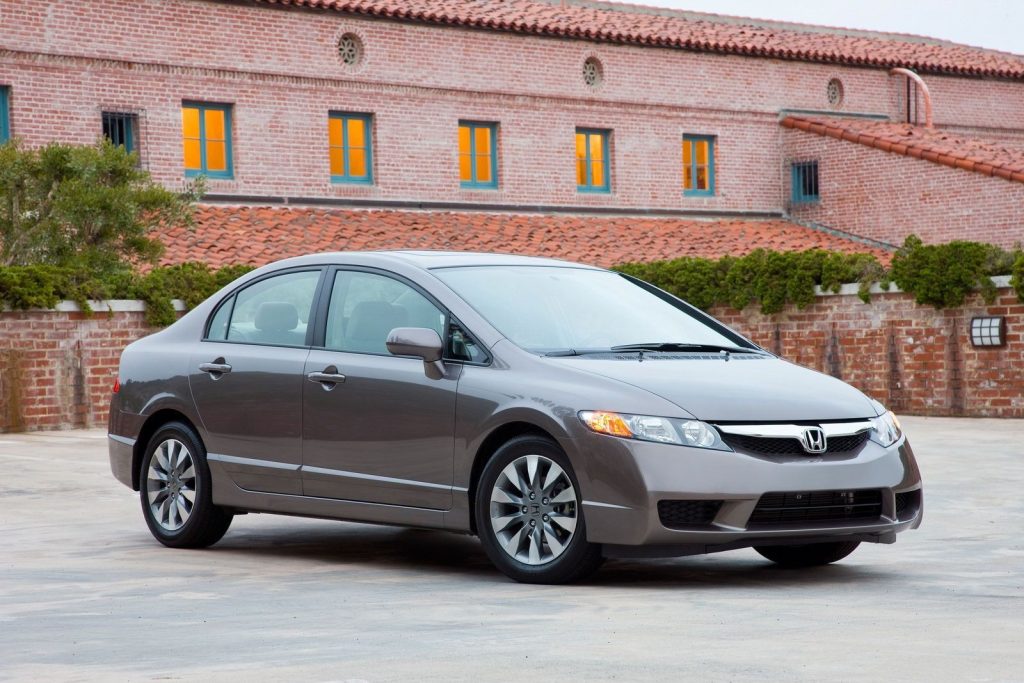
RepairPal provides a practical look at ownership costs. The Honda Civic receives a reliability rating of 4.5 out of 5 and ranks third among 36 compact cars. Its estimated annual repair cost is $368, which is considerably lower than the $652 average for all vehicle models.
The Civic therefore combines favorable resale recognition, above-average predicted reliability, encouraging longevity data, and relatively modest repair costs.
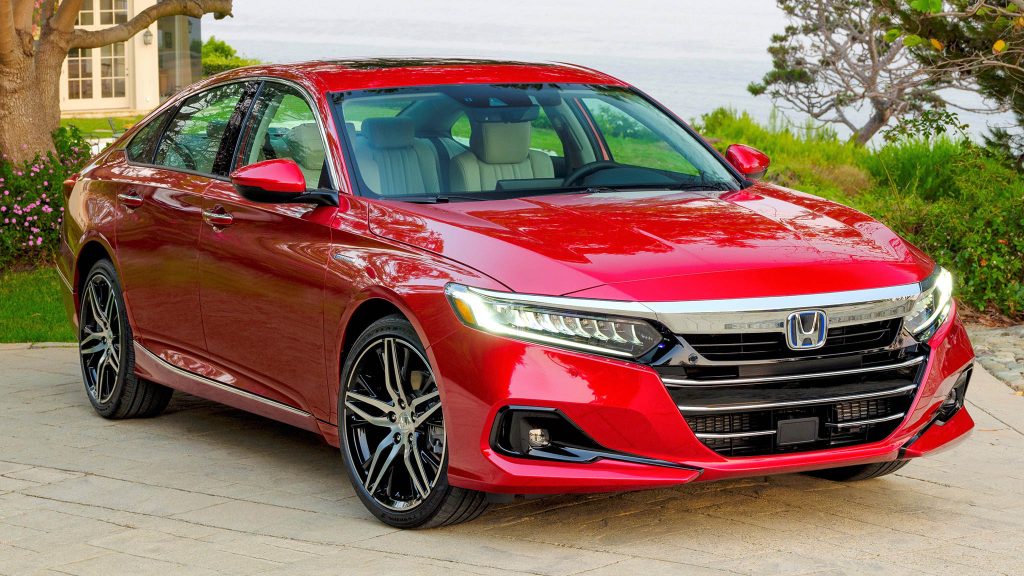
2. Honda Accord Hybrid
The Accord Hybrid stands out because it combines the practicality of a midsize sedan with a powertrain designed to reduce fuel consumption during everyday driving. Consumer Reports expects the 2026 Accord to be more reliable than the average new car, basing that prediction on data from the 2023 through 2025 models.
It is important to note that the prediction covers the Accord model lineup as a whole, whereas the hybrid’s long-term mileage performance is based on a separate dataset.
Kelley Blue Book gave the Accord a strong resale endorsement by naming it the 2025 Best Resale Value winner in the midsize-car category. The award is based on projected value retention over the first five years, giving buyers another reason to consider it beyond its fuel economy and cabin space.
The iSeeCars longevity study gives the hybrid version particularly impressive support. It estimates an 18.5% chance of reaching 250,000 miles, more than three times the 5.4% average for all vehicles included in the study.
That does not mean a high-mileage example will be maintenance-free, but it places the Accord Hybrid among the stronger long-term candidates in the passenger-car category.
RepairPal also reports positive results for the Accord lineup, giving it a reliability rating of 4.5 out of 5 and ranking it first among 24 midsize cars. Its estimated average annual repair cost is $400. However, these figures represent the Accord across different model years and do not specifically reflect the repair costs of the hybrid version.
Still, the combination of KBB’s resale award, CR’s positive prediction, iSeeCars’ hybrid longevity result, and RepairPal’s repair data makes the Accord a strong all-around candidate.
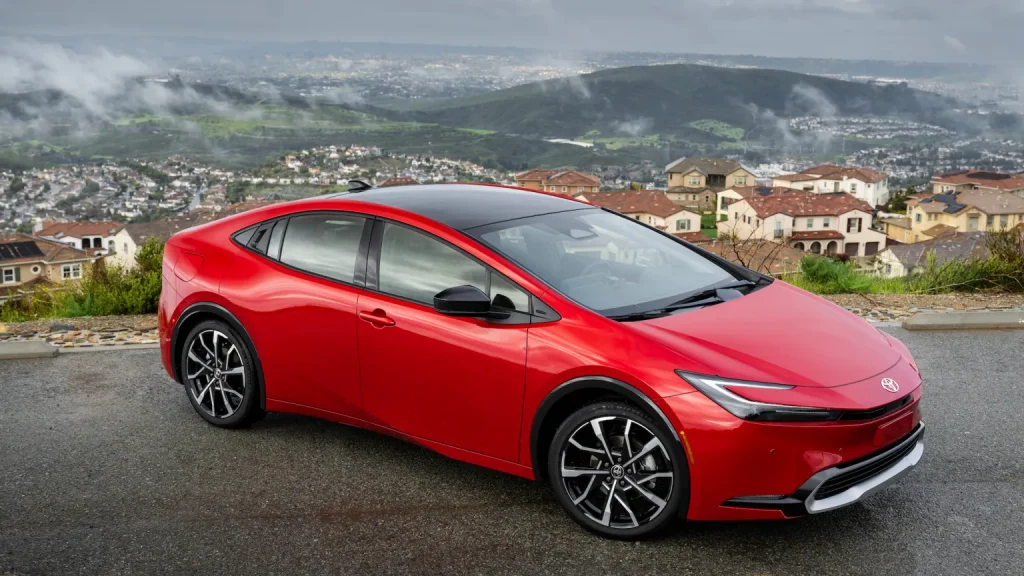
3. Toyota Prius
The Prius has spent decades challenging the assumption that a fuel-efficient hybrid must sacrifice durability. Its latest evidence is encouraging. Consumer Reports predicts the 2026 Prius will be more reliable than the average new car, drawing on owner-reported data from the 2023, 2024, and 2025 model years.
That gives buyers a positive reliability signal based on several years of feedback rather than a single first impression.
Kelley Blue Book added a significant resale endorsement in 2026 by naming the Prius its Best Resale Value winner in the hybrid category. That award is particularly relevant to hybrid shoppers, who may be weighing the initial purchase price against years of fuel savings.
Strong projected resale value can help protect more of that investment when it is time to sell or trade in.
There is meaningful mileage evidence, too. In its 2025 longest-lasting vehicle study, iSeeCars estimated that the Prius had a 12.2% chance of reaching at least 250,000 miles. That was nearly five times the 2.6% average for passenger cars in the study.
Its separate 2026 reliability profile estimates a 44.1% chance of reaching 200,000 miles. These are statistical probabilities, not guarantees for an individual vehicle.
RepairPal gives the Prius a 4.0-out-of-5 reliability rating and reports average annual repair costs of $408, compared with $652 across all vehicle models. Its repair frequency is somewhat higher than the midsize-car average, so it is not trouble-free.
Nevertheless, positive CR predictions, KBB’s hybrid resale award, iSeeCars’ longevity results, and RepairPal’s below-average repair spending make the Prius a particularly well-supported choice.
4. Toyota Camry
A midsize sedan can be a worthwhile financial choice without relying on complicated calculations. What matters most is its ability to deliver consistent reliability, maintain a good resale value, and keep repair costs manageable. The Camry shows promising results in all three areas.
Consumer Reports predicts that the 2026 model will be more reliable than the average new car, although this forecast is based on the 2025 model because the current generation has a shorter reliability history.
Resale value is another clear advantage. Kelley Blue Book selected the Camry as its 2026 Best Resale Value winner among midsize cars. That recognition is useful for shoppers who plan to keep a vehicle for several years but still want flexibility when their needs change.
A strong resale outlook can reduce the financial impact of depreciation, one of the biggest expenses involved in buying a new vehicle.
The iSeeCars data provides a longer-term perspective. Its 2025 study estimated that the standard Camry had a 9% probability of reaching 250,000 miles, compared with a 2.6% average for passenger cars.
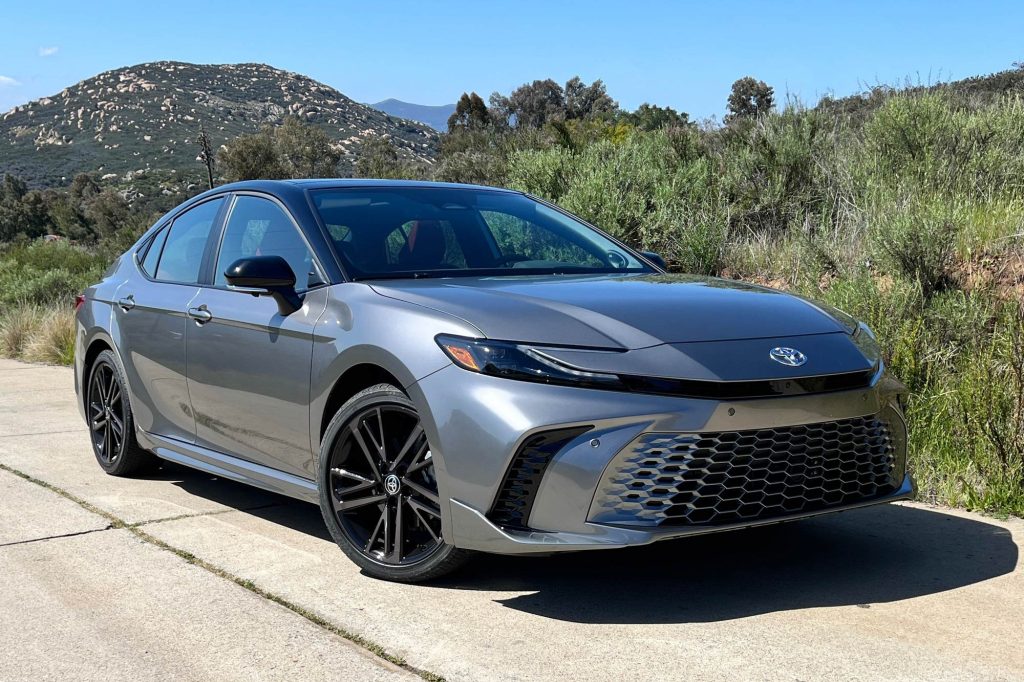
The hybrid version recorded a higher 10.2% probability in the same study. These figures should not be confused with a guaranteed lifespan, but they show that both versions have encouraging high-mileage records in the dataset.
RepairPal rates the Camry 4.0 out of 5, placing it third among 24 midsize cars. Its estimated annual repair cost is $388, below the $652 average across all vehicle models.
The Camry’s reputation is further supported by the consistency of findings from different sources. Consumer Reports’ reliability predictions, KBB’s recognition for resale value, iSeeCars’ long-term mileage analysis, and RepairPal’s repair-cost data all suggest that the Camry is a strong choice for long-term ownership.
5. Honda CR-V
The compact SUV market is crowded, but the CR-V has a particularly strong argument for buyers who want a vehicle that can handle years of commuting, family duties, and long-distance travel without becoming an expensive ownership project.
Consumer Reports predicts the 2026 model will be more reliable than the average new vehicle. Its forecast draws on owner-reported data from the 2023, 2024, and 2025 model years, giving the assessment a broader foundation than a prediction based on a brand-new model alone.
Kelley Blue Book’s 2026 Best Resale Value Awards provide another important endorsement. The CR-V was named the winner in the compact SUV category, with a projected five-year resale value of 53.2%. That means KBB expects it to retain just over half of its original value after five years, a meaningful advantage for owners who expect to sell or trade it later.
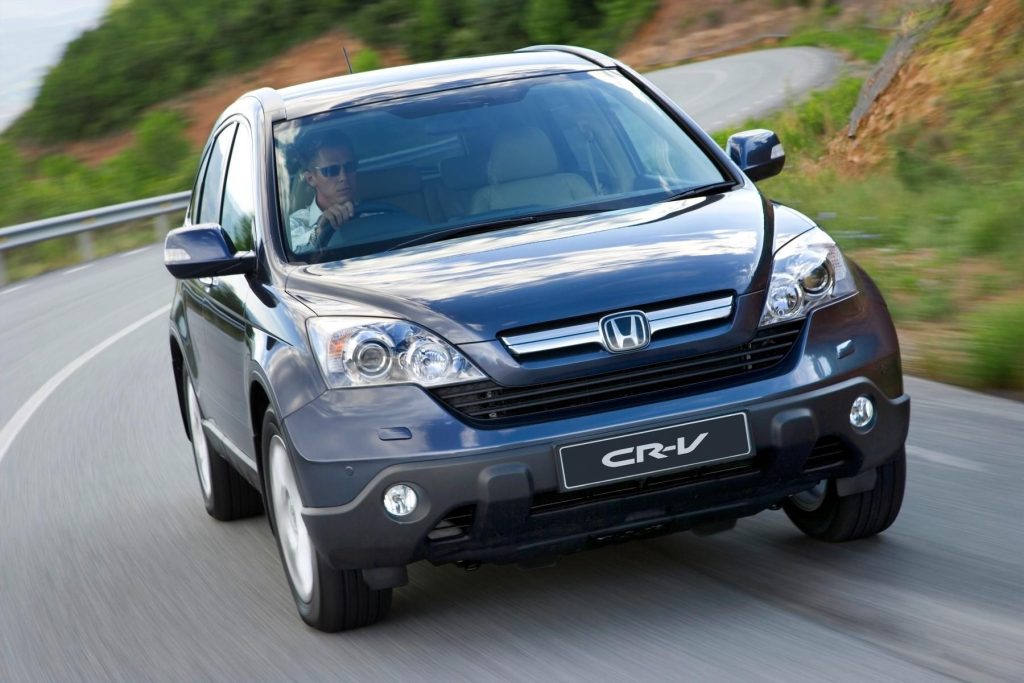
Its long-term mileage results are especially noteworthy. iSeeCars estimates the CR-V has a 12.7% probability of reaching at least 250,000 miles, approximately 2.4 times the average for compact SUVs in its 2026 study. The estimate comes from a large vehicle-history dataset and describes a statistical likelihood, not a guaranteed lifespan for every example.
RepairPal gives the CR-V a 4.5-out-of-5 reliability rating, ranking it second among 26 compact SUVs. Its estimated annual repair cost is $407, compared with $521 for the compact SUV category and $652 across all vehicle models.
These figures cover multiple model years, rather than just the newest version. Taken together, the four datasets support the CR-V through predicted reliability, resale strength, high-mileage potential, and relatively affordable repairs.
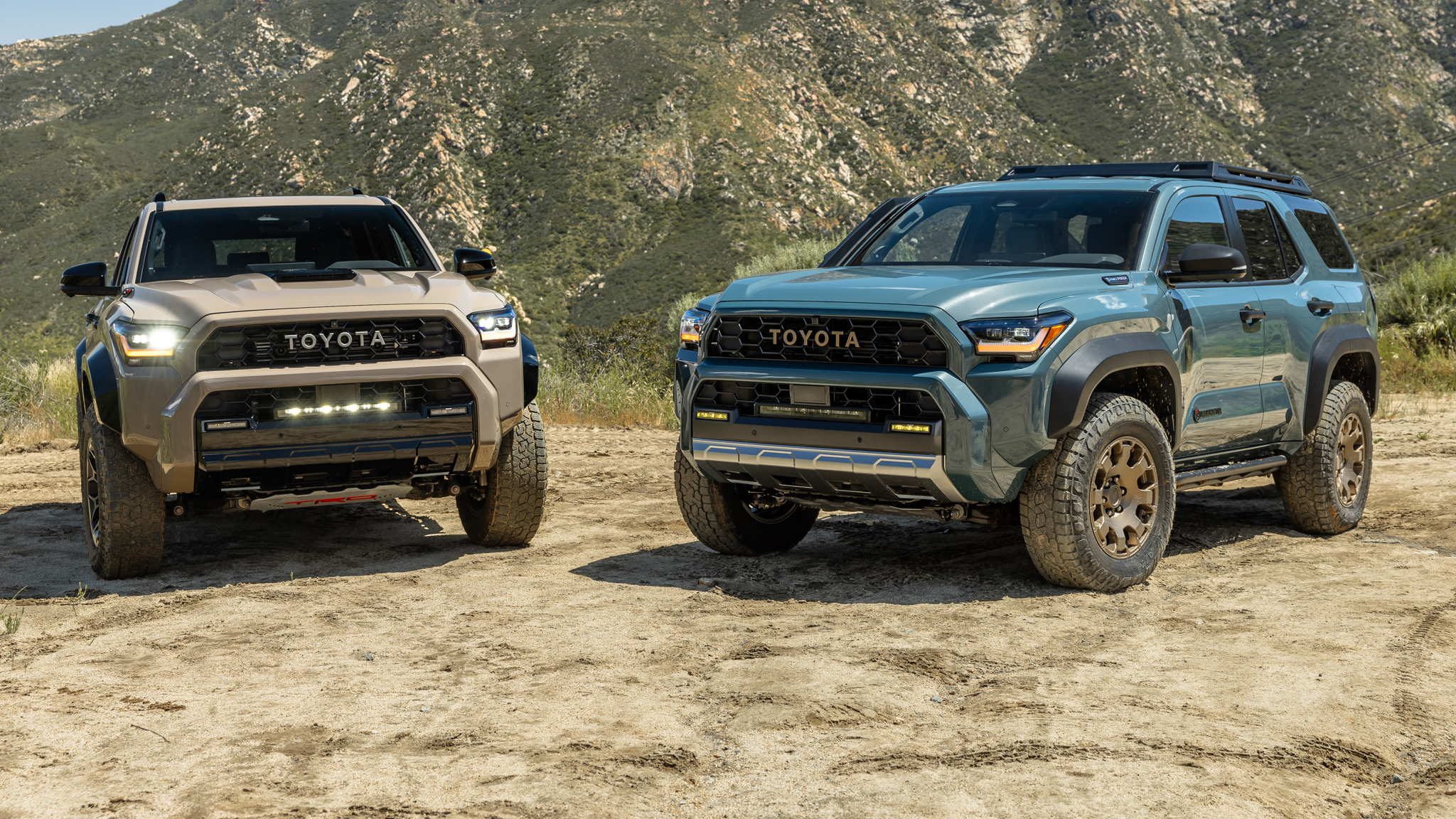
6. Toyota 4Runner
Some vehicles earn their reputations through comfort or fuel economy. The 4Runner has built its following around durability and off-road ability, and the available data gives that reputation substantial support.
Consumer Reports predicts that the 2026 model will be significantly more reliable than the average new vehicle. However, this assessment comes with an important limitation. The prediction is based on the redesigned 2025 model, meaning it should not be viewed as evidence of decades of established reliability for the latest generation.
Its resale figures are difficult to ignore. Kelley Blue Book named the 4Runner the 2026 Best Resale Value winner in the off-road SUV category and projects it will retain 58% of its original value after five years.
iSeeCars also presents a positive outlook based on its analysis of used vehicles. According to its findings, the model retains approximately 74% of its value after five years, ranking first among midsize SUVs in the study. Any differences in reported percentages can be attributed to the organizations using different datasets and valuation methods.
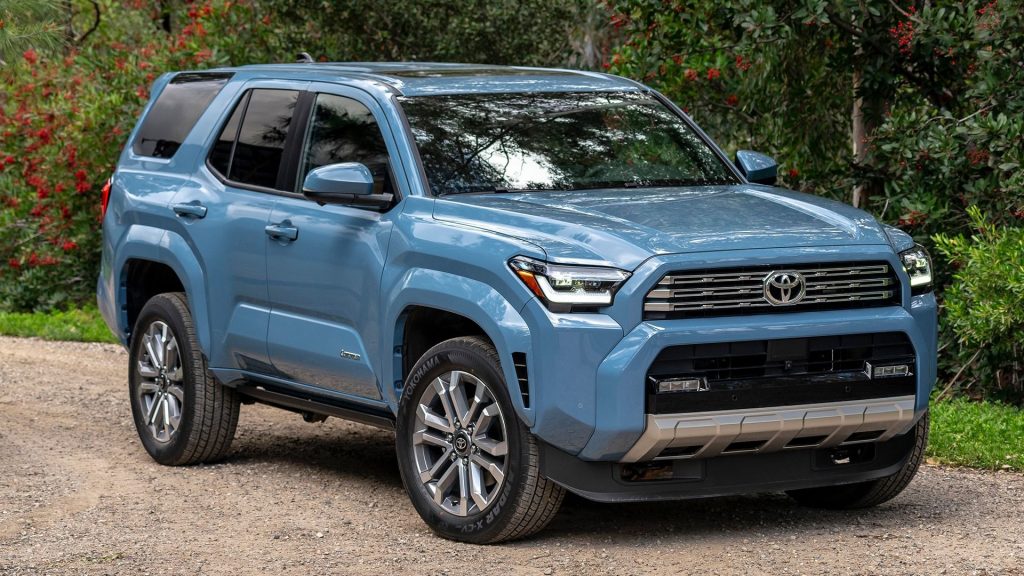
Longevity is where the SUV makes an even bigger impression. iSeeCars estimates a 33.1% chance of reaching at least 250,000 miles, roughly 6.9 times the average for SUVs in its 2026 study. Its separate reliability profile estimates an average lifespan of about 211,810 miles. These are historical-data-based estimates, not guarantees for an individual vehicle.
RepairPal assigns the 4Runner a 4.0-out-of-5 reliability rating and estimates annual repair costs at $514, below the $573 midsize SUV average. That is not the cheapest repair bill in this group, but the combination of resale strength and exceptional mileage potential makes the 4Runner a strong candidate.
7. Lexus RX
Luxury ownership does not have to mean accepting unpredictable repair bills. The RX is a useful example of a premium SUV whose long-term credentials are supported by several independent sources.
Consumer Reports predicts the 2026 model will be more reliable than the average new vehicle, using data from the 2023, 2024, and 2025 model years. That forecast is encouraging, although it should not be mistaken for a guarantee that every new model will be trouble-free.
Kelley Blue Book gives the RX a clear advantage in the resale department. It named the 2026 model the Best Resale Value winner in the luxury midsize SUV category, projecting that it will retain 51.5% of its original value after five years.
That is a meaningful result in a segment where expensive vehicles can lose substantial amounts of money through depreciation.
The hybrid version delivers an especially strong result in iSeeCars’ 2026 longevity study. It has an estimated 28.9% chance of reaching at least 250,000 miles, compared with the 5.4% average across all vehicles in the study.
The gasoline-powered RX also performs well, with a 12.8% probability. These figures are modeled estimates based on vehicle-history data, not promises about an individual SUV.
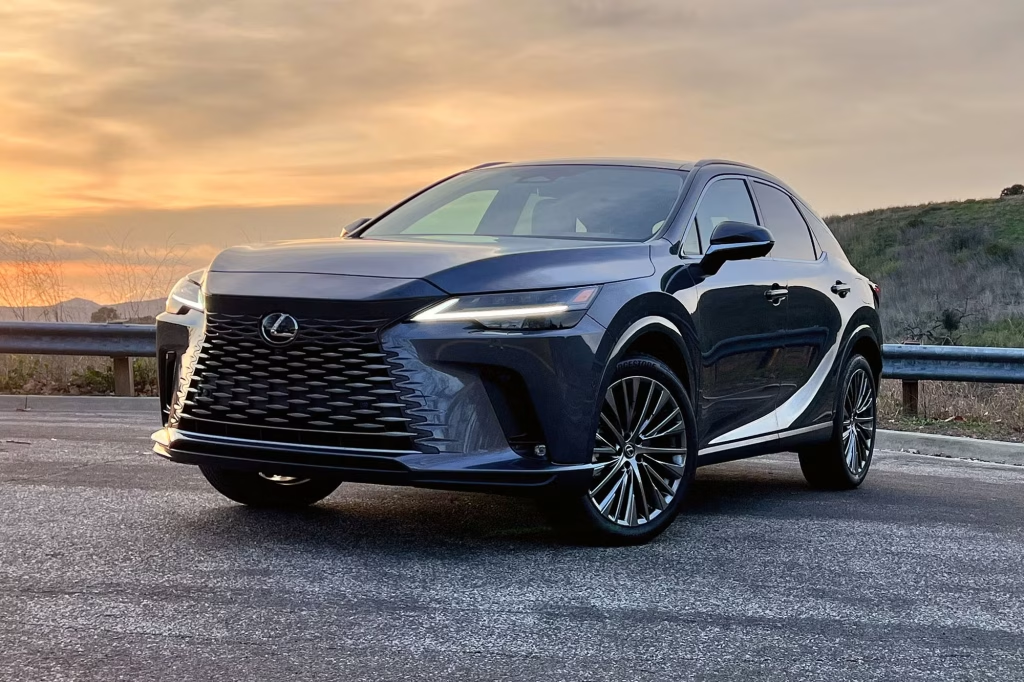
RepairPal’s RX 350 figures add a practical ownership measure. It gives the model a 4.0-out-of-5 reliability rating, ranks it third among 14 luxury midsize SUVs, and estimates annual repair costs at $550.
This is significantly lower than the $807 average annual repair cost for luxury midsize SUVs. The RX’s reputation is therefore supported by more than just its premium branding. Consumer Reports’ reliability forecast, KBB’s resale recognition, iSeeCars’ mileage analysis, and RepairPal’s repair-cost data all reinforce its strong position as a long-term ownership choice.
8. Toyota Highlander
The Highlander stands out for its straightforward ownership advantage. It offers three rows of seating while maintaining the potential to serve families reliably even as mileage increases. Consumer Reports predicts that the 2026 model will be more reliable than the average new vehicle, based on data from the 2023, 2024, and 2025 model years.
That multi-year foundation is useful for shoppers comparing it with newer SUVs that have much less real-world history.
Its resale performance also deserves attention. The Highlander is not the midsize SUV category winner in KBB’s 2026 awards, so it would be inaccurate to claim that it won that title.
However, iSeeCars’ separate resale analysis places the Highlander Hybrid among the stronger-retaining hybrid midsize SUVs, estimating a five-year retained value of 65.4%. That is a distinct result from KBB’s awards and should be read as an independent resale estimate.
For long-distance durability, the hybrid version has a particularly strong statistical record. iSeeCars estimates a 20.7% probability of reaching at least 250,000 miles, around 3.8 times the 5.4% average across vehicles in its 2026 study.
The gasoline Highlander is also above that benchmark, at 12.3%. Neither percentage guarantees that a particular vehicle will reach the milestone, but both are encouraging signals for buyers planning to keep their SUV for many years.
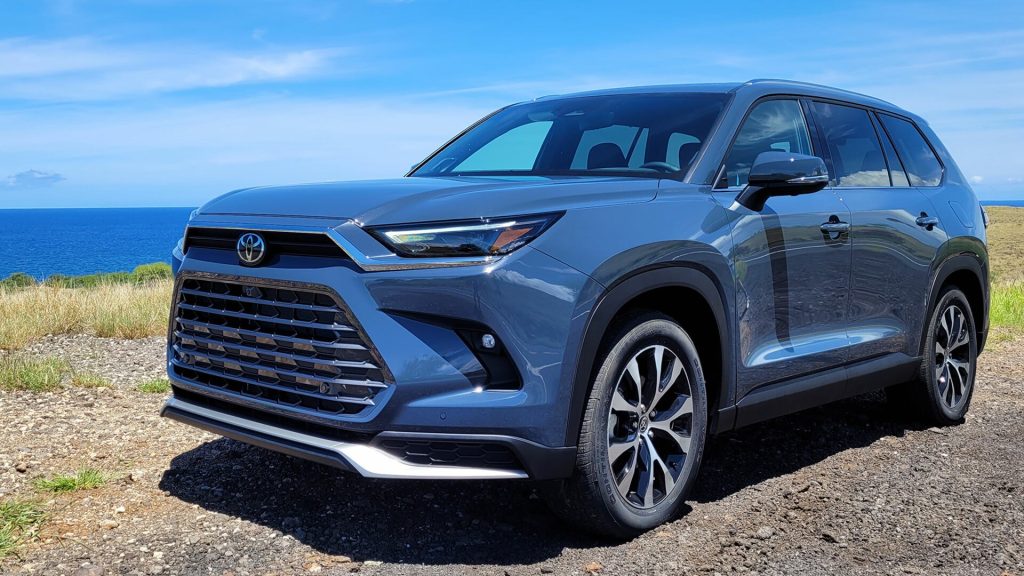
RepairPal gives the Highlander a 4.0-out-of-5 reliability rating and ranks it seventh among 26 midsize SUVs. Its estimated annual repair cost is $489, below the segment average of $573 and the all-vehicle average of $652.
The repair-cost data covers several model years, whereas Consumer Reports’ reliability prediction specifically applies to the 2026 model. Recognizing this distinction provides a clearer picture of the Highlander’s ownership advantages, including promising predicted reliability, strong hybrid resale value, long-term mileage potential, and lower-than-average repair costs.
9. Toyota Corolla
The Corolla is a strong example of a car whose appeal comes from sensible engineering rather than expensive features or headline-grabbing performance. Consumer Reports expects the 2026 model to be more reliable than the average new car, using owner-reported information from the 2023, 2024, and 2025 model years.
That is a useful endorsement for buyers who want a straightforward commuter with a positive reliability outlook.
Kelley Blue Book recognized Toyota as the Best Resale Value brand in its 2026 awards, although the Corolla did not win an individual category. This distinction is worth noting because the award reflects Toyota’s strong resale reputation as a brand, while iSeeCars offers a more specific assessment of the Corolla, assigning it a value-retention score of 8.6 out of 10.
Its separate longevity analysis estimates a 5.4% chance of reaching 250,000 miles. That matches the average for all vehicles in the 2026 study, but exceeds the 3.4% average for passenger cars.
RepairPal provides one of the Corolla’s strongest numbers. It awards the compact car a 4.5-out-of-5 reliability rating, placing it first among 36 compact cars. Its estimated annual repair cost is $362, compared with $526 for compact cars and $652 across all vehicle models.
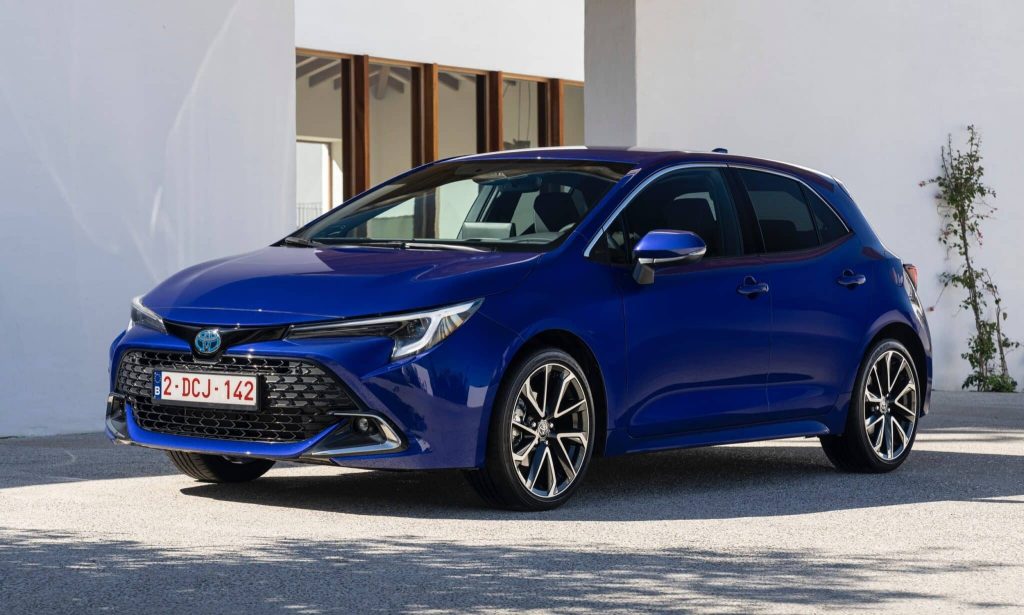
RepairPal also reports that major repairs are relatively uncommon, even though the frequency of smaller repair visits is average.
The Corolla is not being presented as a guaranteed 250,000-mile car, nor as a model-specific KBB resale award winner.
The Corolla’s reputation is supported by several independent findings. Consumer Reports’ favorable reliability forecast, Toyota’s brand-level resale recognition, iSeeCars’ strong value-retention rating, and RepairPal’s low estimated repair costs all make it a compelling option for buyers seeking dependable, long-term ownership.
10. Lexus NX
A luxury SUV can be a sensible long-term purchase when its resale performance and repair history justify the higher initial price. The NX has a strong case on that front.
Consumer Reports expects the 2026 model to be more reliable than the average new car, using information from the 2023, 2024, and 2025 model years. That gives the current generation a positive reliability forecast backed by multiple years of owner feedback.
Kelley Blue Book recognized the NX as the 2026 Best Resale Value winner in the luxury compact SUV category. iSeeCars further supports this recognition with model-specific data, estimating that the NX 350 retains 68.8% of its original value after five years, highlighting its strong resale potential.
That is substantially higher than the 51.4% average for luxury small and compact SUVs in the same analysis. These are separate organizations’ findings, using different valuation methods, but both point toward strong value retention.
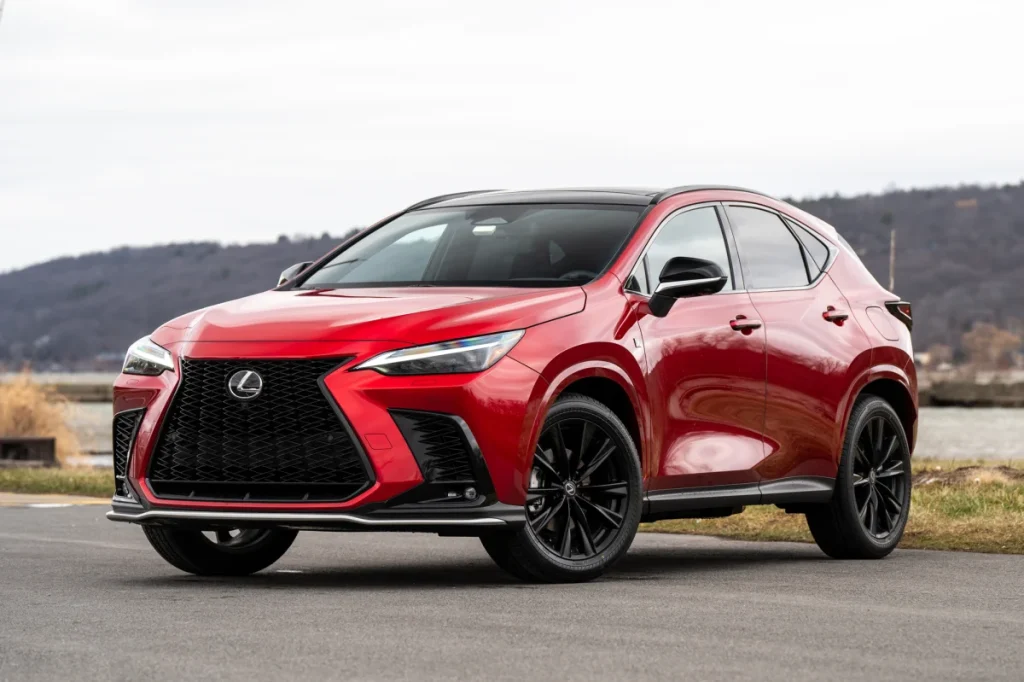
RepairPal’s data requires a little more care because its detailed figures are for the earlier NX 200t, rather than the current NX 350. The NX 200t receives a 4.0-out-of-5 reliability rating and ranks second among 11 luxury compact SUVs.
Its estimated annual repair cost is $690, below the $859 segment average. RepairPal also reports a lower rate of severe repairs than the category benchmark.
The NX’s evidence is therefore strongest in predicted reliability and resale value, with encouraging repair history from an earlier version of the model. Buyers should not treat older repair figures as a precise forecast for a new vehicle, but the independent findings give this luxury SUV a credible long-term ownership argument.
