
A vehicle can look dependable in one study and disappointing in another. That happens because reliability rankings, repair bills, resale forecasts, and high-mileage survival rates measure different things.
Consumer Reports, Kelley Blue Book, iSeeCars, and RepairPal do not use identical methods, so their findings can sometimes point in opposite directions. This comparison examines ten vehicles where those differences become especially interesting.
Rather than declaring one organization right and another wrong, the aim is to understand what each dataset actually measures, why the results diverge, and what buyers should consider before making a decision.
1. Jeep Wrangler
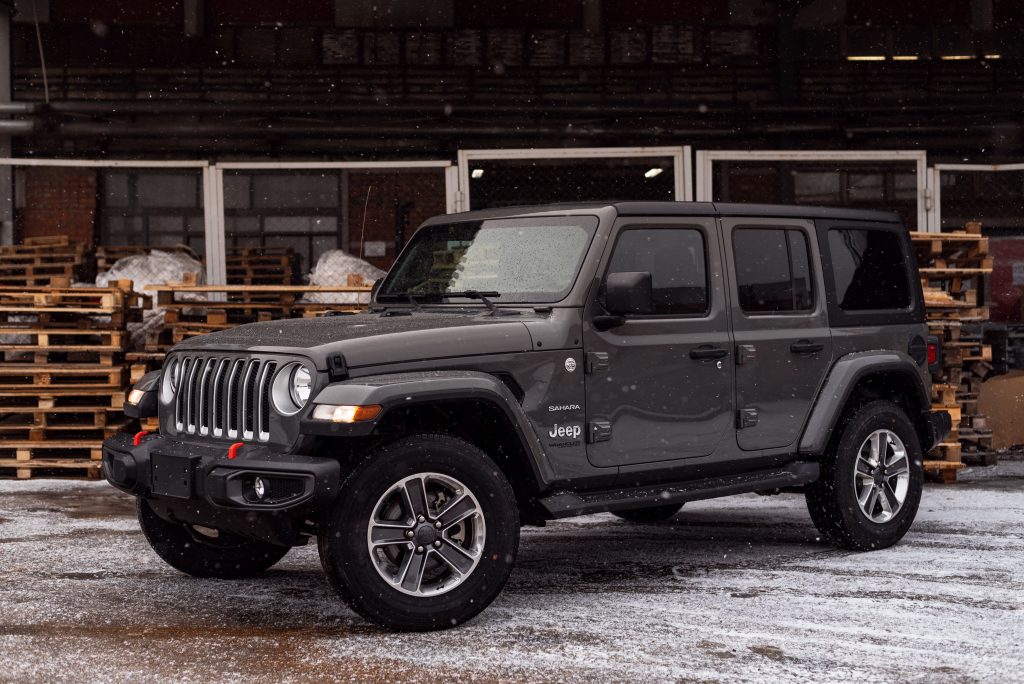
The Wrangler demonstrates how a vehicle can earn a strong long-term reputation while still receiving criticism for reliability. Consumer Reports rated the 2025 model less reliable than other vehicles from the same model year.
That assessment reflects owner-reported trouble across areas such as the powertrain, electronics, and build quality. It is a warning for shoppers who expect a new Wrangler to deliver trouble-free daily transportation.
iSeeCars presents a notably different picture. Its 2026 reliability analysis gives the Wrangler a score of 7.7 out of 10, ranking it fourth among 31 midsize SUVs. The study estimates an average lifespan of approximately 137,082 miles and an 8.8% probability of reaching 200,000 miles.
Those figures are based on a large vehicle-history dataset, so they describe the model’s statistical performance rather than guaranteeing the lifespan of a particular SUV.
RepairPal sits between these two assessments. It gives the Wrangler 3.5 out of 5 for reliability, placing it 25th among 26 compact SUVs. Its estimated annual repair cost is $694, compared with $521 for the compact SUV category. RepairPal also reports a 16% probability of a severe repair, above the segment’s 11% figure.
The disagreement makes more sense when the methods are separated. iSeeCars measures longevity using vehicle-history patterns, while RepairPal evaluates repair costs, frequency, and severity.
Consumer Reports asks owners about problems experienced in recent model years. A Wrangler may accumulate substantial mileage over its life yet still require more repairs than its class rivals.
Buyers should therefore judge a used example by its maintenance records, inspection results, and intended use, not by one headline rating.
2. Ram 1500
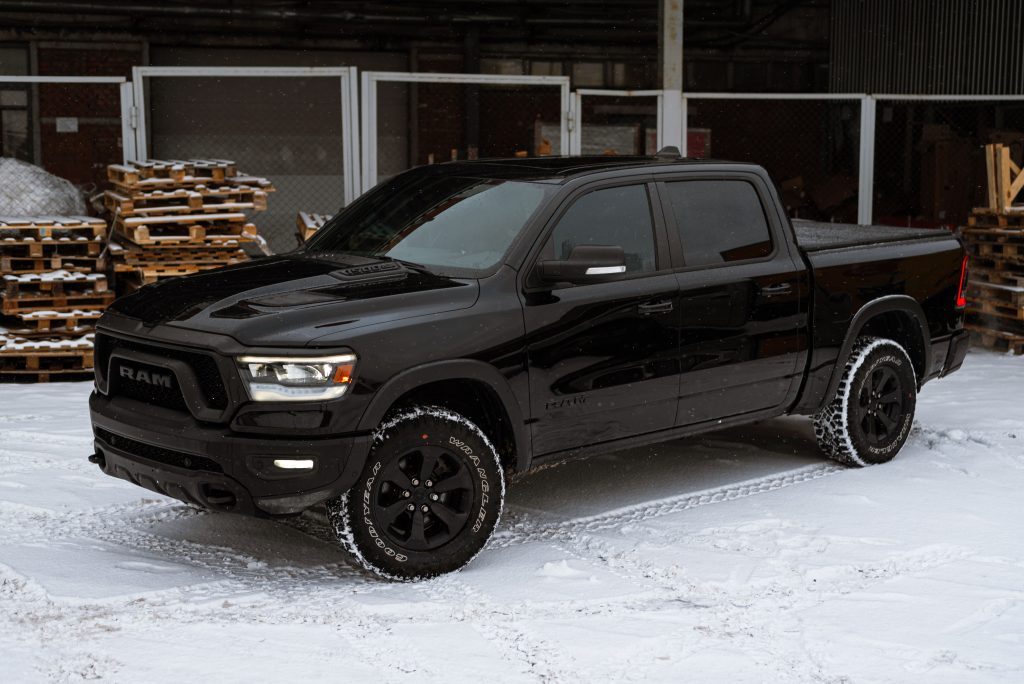
The Ram 1500 creates an unusual split between predicted reliability and repair-shop performance. Consumer Reports expects the 2026 truck to be much less reliable than the average new vehicle.
Its prediction is based on the 2025 model, so the result reflects a relatively short evidence window for the current version. CR also notes nine NHTSA recalls for the 2026 model at the time of its published assessment.
RepairPal tells a far more favorable story within the full-size truck category. It gives the Ram 1500 a 3.5-out-of-5 reliability rating and ranks it first among 17 full-size trucks. Its estimated annual repair cost is $691, substantially below the segment average of $936.
That does not make the truck inexpensive to maintain compared with every type of vehicle, but it does suggest that its repair costs are competitive with direct truck rivals.
iSeeCars adds another positive measure. Its 2026 analysis gives the truck a reliability score of 7.2 out of 10 and estimates a 19.6% chance of reaching 200,000 miles. Its resale study estimates that the Ram retains 61.8% of its value after five years, placing it second among full-size pickups.
Kelley Blue Book’s 2026 full-size pickup resale award went to the Toyota Tundra, not the Ram. That distinction should not be interpreted as a poor resale rating for the Ram, because an award identifies a category winner rather than every vehicle’s precise standing.
The findings present a mixed picture. Consumer Reports highlights potential reliability concerns, while RepairPal and iSeeCars offer more favorable assessments of repair costs and long-term durability. Before making a decision, buyers should carefully examine the specific engine, model year, maintenance history, and repair records rather than relying on any single organization’s assessment.
3. Ford F-150
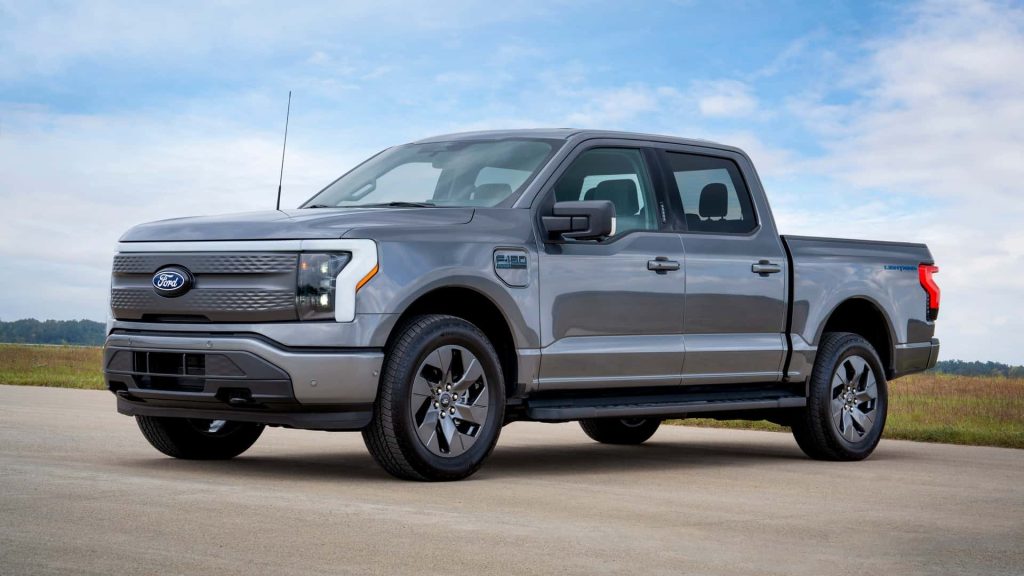
The F-150 illustrates why a reliability prediction and a vehicle’s ability to accumulate mileage should not be treated as interchangeable measurements. Consumer Reports expects the 2026 model to have about average reliability compared with other new vehicles.
Its forecast draws on owner-reported information from the 2023, 2024, and 2025 models. That is a fairly neutral assessment, rather than a warning that the truck is unusually troublesome.
iSeeCars offers a more encouraging long-term picture. Its 2026 analysis estimates an average lifespan of 163,092 miles and a 25% probability of reaching at least 200,000 miles.
The F-150 receives a reliability score of 7.2 out of 10 and ranks eighth among the ten most reliable full-size trucks in that analysis. These figures come from vehicle-history data covering millions of vehicles, not a controlled mechanical test.
RepairPal’s assessment is more reserved. It rates the F-150 3.5 out of 5, ranking it seventh among 17 full-size trucks. The estimated annual repair and maintenance cost is $788, below the full-size truck average of $936 but above the $652 average across all vehicle models.
RepairPal also reports that repairs can be more severe than average, although they occur less frequently.
The difference is not necessarily a contradiction. A truck can cover substantial mileage over its lifetime while still requiring expensive repairs along the way. iSeeCars measures survival patterns, whereas RepairPal focuses on repair invoices and shop visits.
CR adds a forecast based on recent owner experiences. For someone considering an F-150, the engine, transmission, towing history, maintenance records, and previous commercial use deserve as much attention as the headline reliability score.
4. Chevrolet Silverado 1500
The Silverado 1500 is a particularly interesting case because Consumer Reports’ assessment changes depending on the model year being examined. Its 2025 reliability page says that model is more reliable than other vehicles from the same year.
Yet its prediction for the 2026 Silverado 1500 is less favorable, placing it below the average new vehicle. CR bases that newer forecast on data from the 2023 through 2025 models.
iSeeCars produces a considerably stronger result. Its 2026 data gives the Silverado a reliability score of approximately 8.7 out of 10, estimates an average lifespan of 172,965 miles, and calculates a 32.5% probability of reaching at least 200,000 miles.
That is a substantial longevity estimate, although it reflects historical vehicle survival rather than a guarantee for a newly purchased truck.
RepairPal’s published Silverado 1500 maintenance page estimates annual repair and maintenance spending at $714. That is below the $936 average RepairPal reports for full-size trucks. Its available brand-level reliability rating for Chevrolet is 3.5 out of 5, but that brand rating should not be presented as a Silverado-specific score.
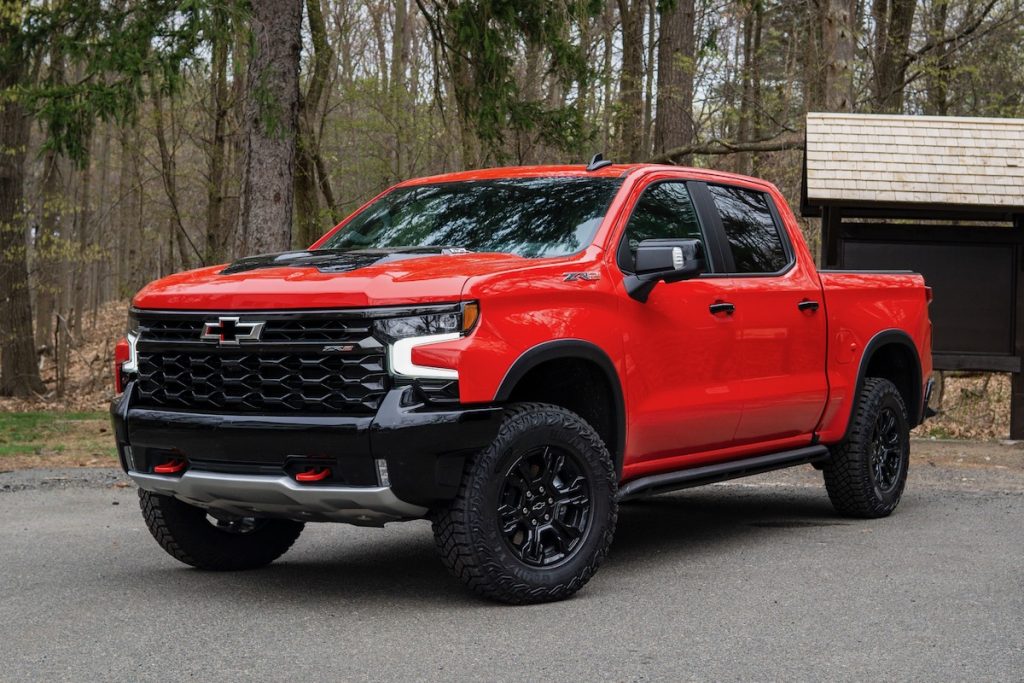
The contrast is useful because the datasets are answering different questions. CR’s latest forecast raises concerns about the newer model year’s expected trouble rate, while iSeeCars finds that the nameplate has a strong historical record for reaching high mileage.
RepairPal’s cost figure offers another perspective, but it combines different model years. Buyers should pay close attention to the exact engine and transmission combination, because a broad nameplate average cannot reveal the history of every configuration.
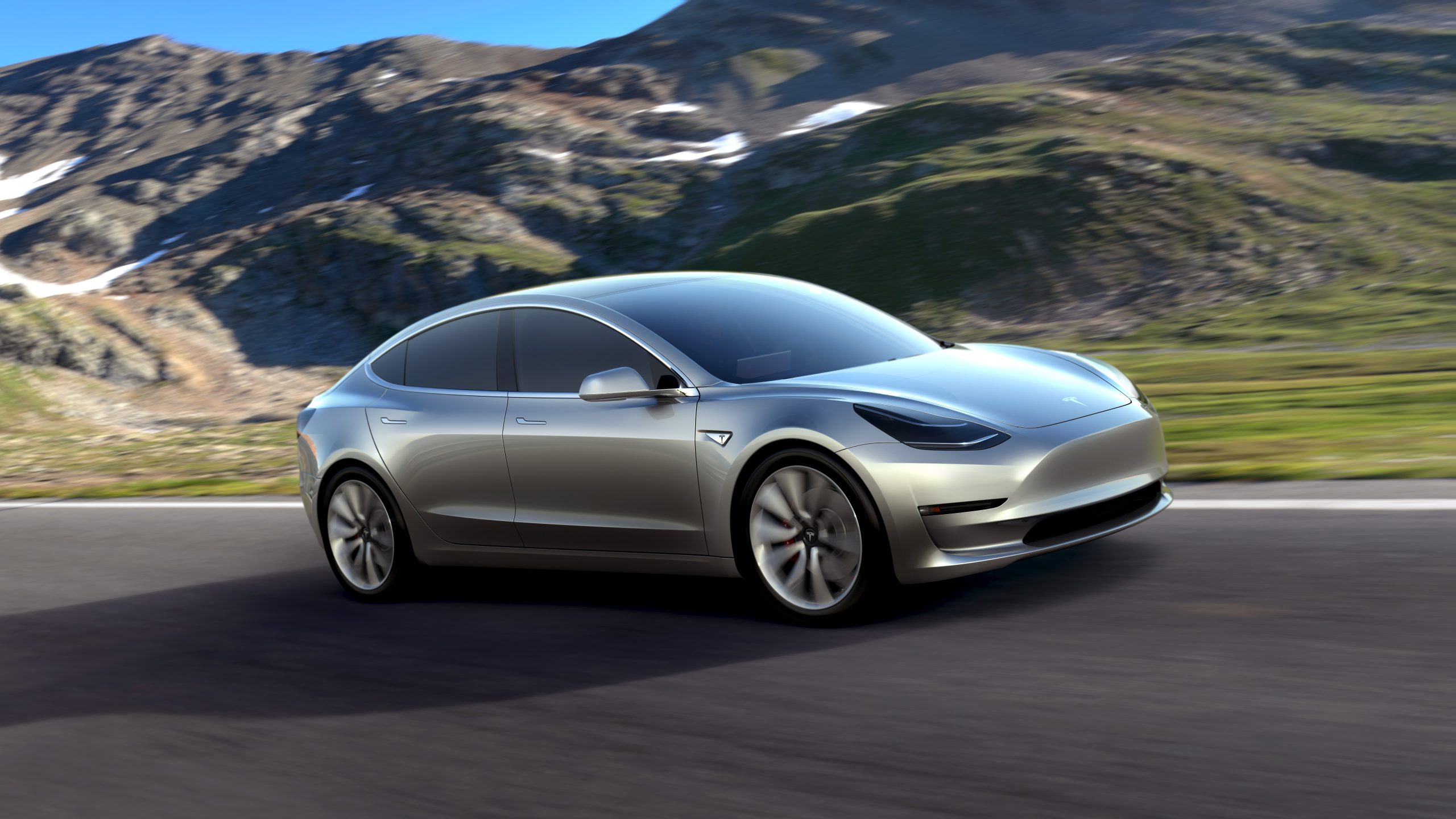
5. Tesla Model 3
Few modern cars demonstrate the gap between reliability perceptions and resale performance as clearly as the Model 3. Consumer Reports rated the 2025 version less reliable than other vehicles from the same model year.
The owner survey highlighted several areas of concern, including body hardware, the battery system, brakes, electronics, and charging components. However, Consumer Reports offers a more balanced outlook for the 2026 model, predicting reliability that is roughly on par with the average new vehicle.
Kelley Blue Book offers a different kind of recognition. The Model 3 won KBB’s 2026 Best Resale Value award in the electric-car category, with a projected five-year retained value of 35%. That is a category-leading result within KBB’s award system, but it does not mean the car retains as much value as some gasoline-powered vehicles.
iSeeCars calculates a much higher five-year resale estimate of 46.4% for the Model 3, based on its own analysis of vehicle prices and depreciation. The gap between 35% and 46.4% is not evidence that one organization made a mistake. KBB and iSeeCars use different datasets, valuation models, and award methodologies.
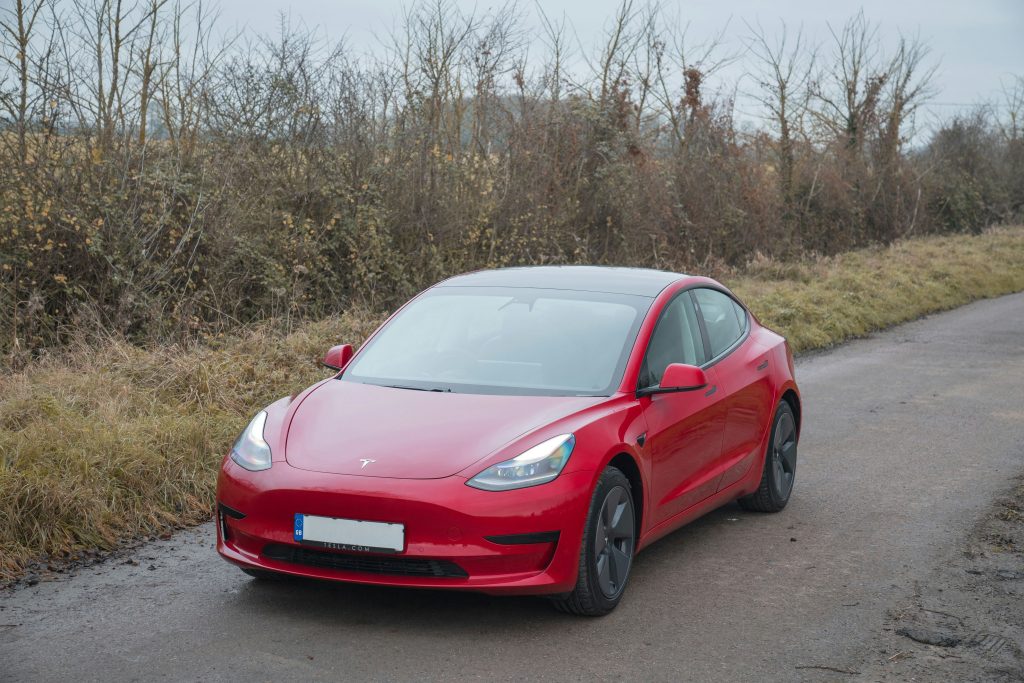
One limitation is worth noting. iSeeCars currently has no available reliability rating for the Model 3. Therefore, its positive resale findings should not be treated as evidence of exceptional mechanical reliability, since retaining value and maintaining long-term dependability are two different measures.
The Model 3’s case is therefore a disagreement between CR’s reliability findings and the stronger resale signals from KBB and iSeeCars. Buyers should consider software, charging equipment, battery warranty coverage, repair access, and the condition of the individual vehicle rather than treating resale strength as proof of reliability.
6. Tesla Model Y
The Model Y produces a striking change in Consumer Reports’ findings across model years. CR rated the 2025 version less reliable than other vehicles from that year, with owner-reported concerns involving paint and trim, noises, leaks, the drive system, and electrical equipment.
Consumer Reports presents a much more favorable outlook for the 2026 Model Y, predicting that it will be significantly more reliable than the average new vehicle. Notably, this assessment is based on data from the 2026 model itself, making it more directly relevant to buyers considering the latest version.
That shift should not be interpreted as proof that every issue has disappeared. A new model-year assessment can reflect changes to the vehicle and the information available to the organization.
It also has a shorter track record than a study covering many years of ownership. Buyers comparing a 2025 example with a 2026 version should therefore pay attention to the exact production year and any completed service campaigns.
The resale evidence is less flattering. iSeeCars estimates that the Model Y loses 55.4% of its value after five years. Its projected retained value is therefore 44.6%, which is considerably below the 55.2% retained value implied by the average five-year depreciation rate for all vehicles in its study.
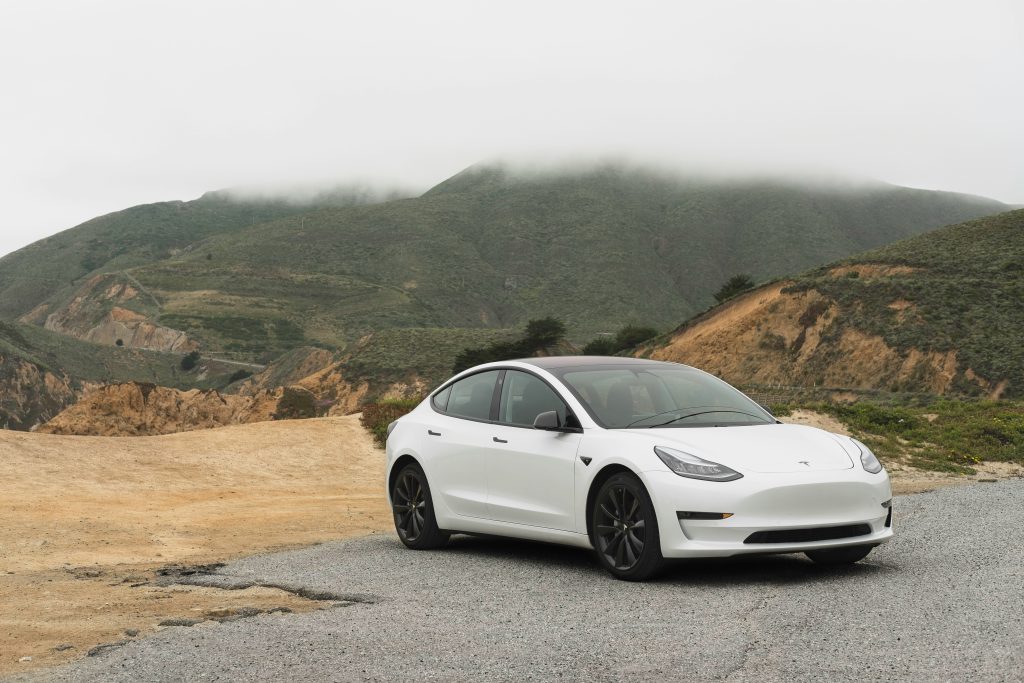
RepairPal’s available Tesla figures are brand-wide rather than specific to the Model Y. They show an average annual repair and maintenance cost of $941 across Tesla models, with an 18% probability of a severe repair. Those numbers should not be mistaken for a Model Y-only estimate.
The disagreement here concerns different ownership priorities. CR’s latest forecast is positive, while the depreciation analysis points to substantial value loss. A vehicle may become more dependable without becoming a strong resale performer.
For used buyers, purchase price and remaining warranty coverage can make a major difference to the financial calculation.
7. BMW X5
The BMW X5 shows how a vehicle can receive a favorable reliability assessment from one organization while looking expensive to maintain in another. Consumer Reports reports that the 2025 X5 is more reliable than other vehicles from the same model year.
Its assessment is based on feedback from owners of that model, with reported trouble areas including the exhaust system. The result is positive within its model-year comparison, although it does not mean the X5 is inexpensive to repair.
RepairPal’s numbers tell a tougher story. It gives the X5 a reliability rating of 2.0 out of 5, placing it 13th among 19 luxury full-size SUVs.
Its estimated annual repair cost is $1,166, slightly above the $1,127 average for that luxury SUV category and far above the $652 average across all vehicle models. RepairPal also reports an average of 0.8 unscheduled repair visits per year.
iSeeCars provides a middle-ground assessment. It rates the X5 7.3 out of 10 for reliability and estimates an average lifespan of 135,593 miles. Its model analysis calculates a 10% probability of reaching 200,000 miles. That is a useful historical estimate, but it is not equivalent to a prediction that every X5 will last that long.
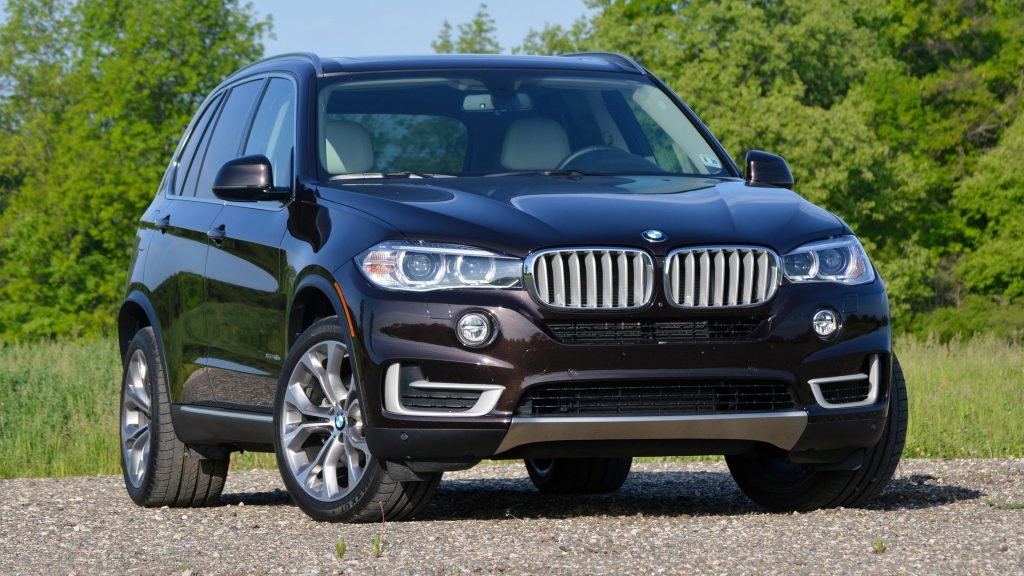
Why do the results differ? Consumer Reports compares recent owner-reported reliability with other vehicles from the same year. RepairPal measures repair costs, frequency, and severity across a broader range of model years.
iSeeCars looks at long-term vehicle survival. A premium SUV may perform respectably in a recent owner survey while still generating high bills as it ages. Anyone buying a used X5 should budget for premium parts and labor, obtain a detailed inspection, and verify its maintenance history before purchase.
8. Nissan Rogue
The Nissan Rogue provides one of the clearest examples of how a low repair-cost estimate can coexist with a poor model-year reliability result. Consumer Reports rated the 2025 Rogue less reliable than other vehicles from the same model year.
Its owner survey identified in-car electronics as a trouble area, while the model has also been subject to recalls involving components such as the throttle body and engine. Recall coverage varies by production date and vehicle identification number, so owners should check their specific vehicle rather than assume every Rogue is affected.
RepairPal’s long-term figures are much more favorable. It gives the Rogue a reliability rating of 4.0 out of 5, ranking it 13th among 26 compact SUVs.
Average annual repair costs are estimated at $467, below the compact SUV average of $521 and the all-vehicle average of $652. Its reported probability of a severe repair is 12%, close to the 11% compact SUV benchmark.
iSeeCars adds another positive result, estimating a 7.3-out-of-10 reliability score and a 15.4% chance of reaching 200,000 miles. It calculates an average lifespan of approximately 149,873 miles. However, its depreciation study estimates that the Rogue loses 44.2% of its value after five years, compared with 39.9% for compact SUVs.
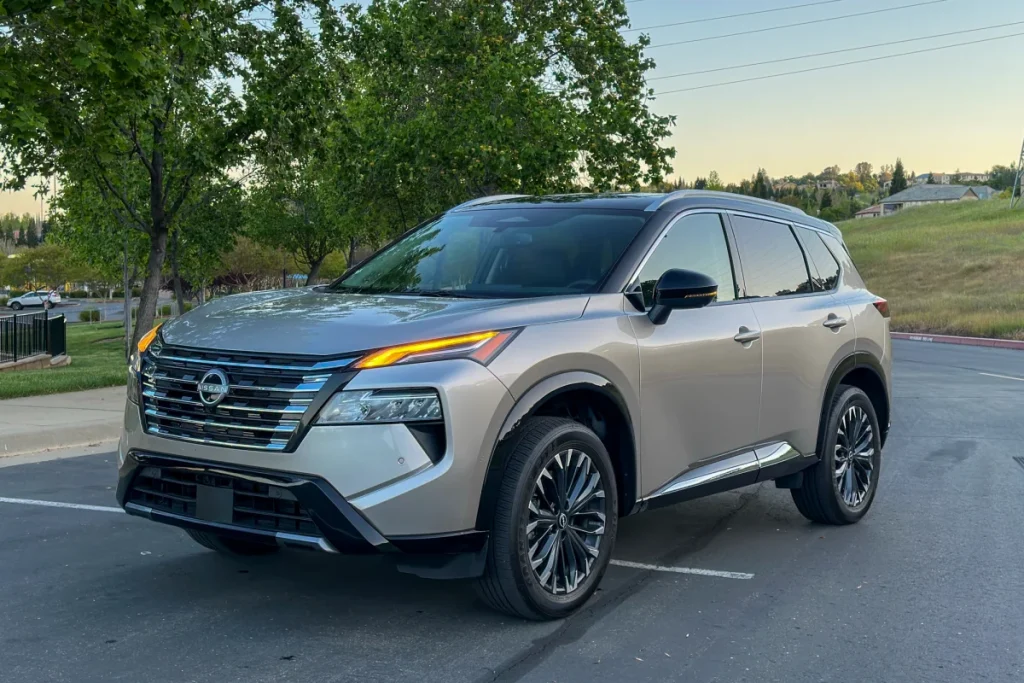
These figures do not describe the same ownership period. RepairPal combines repair experience across multiple model years, while CR’s result focuses on the 2025 version. iSeeCars measures historical longevity and depreciation.
The Rogue may therefore look affordable to repair across its broader history without being a particularly strong choice for every recent model year. Shoppers should investigate the specific engine, transmission, recall completion, and service history before buying.
9. Subaru Outback
The Outback’s reputation for covering long distances receives strong support from iSeeCars, but the repair-cost picture is less impressive. Its 2026 analysis estimates an average lifespan of 177,828 miles and a 33.8% probability of reaching at least 200,000 miles.
It also gives the vehicle a reliability score of 7.9 out of 10, placing it third among 19 small SUVs in that study. These figures reflect historical vehicle data, not a promise about a particular model year.
Consumer Reports’ findings are more restrained. Its 2025 Outback page reports that the model is more reliable than other vehicles from the same model year.
However, the published model information also shows a predicted reliability score of 61 out of 100 in the 2025 assessment, indicating that a favorable comparison within a category should not automatically be interpreted as an exceptional absolute score.
For the redesigned 2026 model, CR expects about average reliability, drawing on brand history and the previous Outback generation.
RepairPal gives the Outback 3.5 out of 5 and ranks it tenth among 26 midsize SUVs. The estimated annual repair cost is $607, higher than the $573 midsize SUV average, though still below the $652 average across all vehicle models.
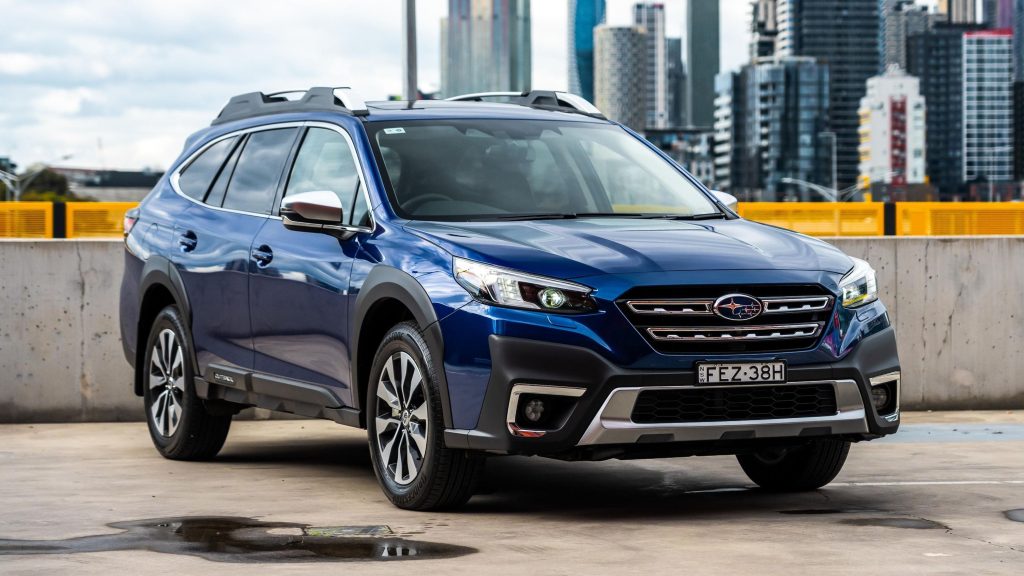
The contrast is especially important for high-mileage buyers. iSeeCars suggests that many Outbacks remain in service for a long time, but RepairPal indicates that keeping one running can cost more than the typical midsize SUV.
This does not necessarily make the Outback a poor choice for long-term ownership, as its durability may justify some additional maintenance expenses. However, buyers considering a used model should carefully inspect the engine, transmission, suspension, and maintenance records, especially if the vehicle already has high mileage.
10. Hyundai Santa Fe
The Santa Fe shows how a model can look strong when repair history across several generations is combined, yet raise concerns when a specific newer version is examined. Consumer Reports rated the 2025 Santa Fe less reliable than other vehicles from the same model year.
Its owner survey identified trouble areas that included in-car electronics, exhaust components, and major transmission issues. The page also records multiple recalls affecting certain model years and configurations, making it important to check the vehicle identification number before purchase.
RepairPal’s broader assessment is considerably more positive. It gives the Santa Fe a 4.0-out-of-5 reliability rating and ranks it second among 26 midsize SUVs. Its estimated annual repair cost is $515, below the segment average of $573.
RepairPal also reports an average of 0.2 unscheduled repair visits per year and a 10% probability of a severe repair, compared with 13% for midsize SUVs.
iSeeCars estimates an average lifespan of 147,393 miles and a 14.7% probability of reaching at least 200,000 miles. Its reliability score is 7.1 out of 10, placing it 12th among 31 midsize SUVs.
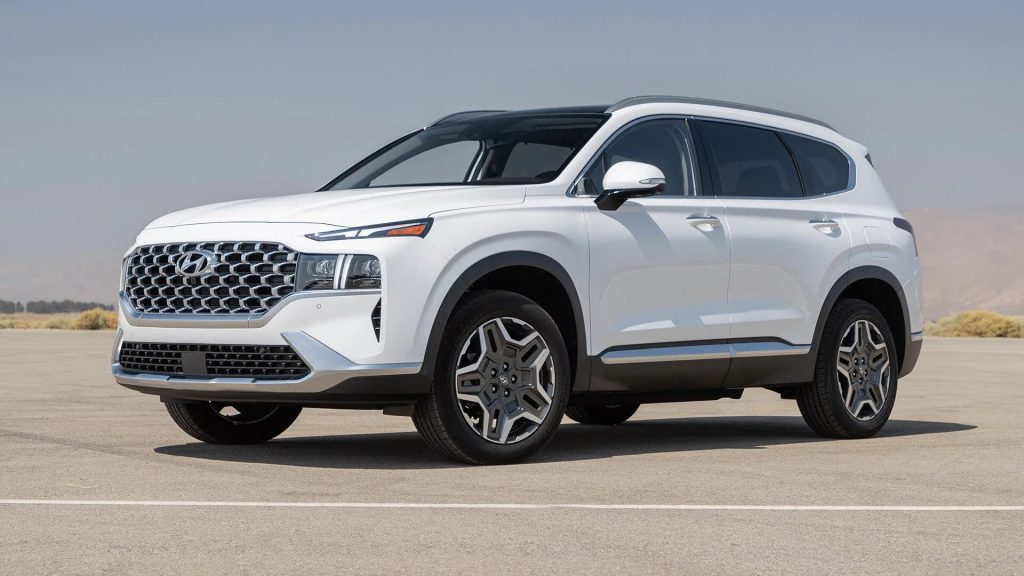
One important limitation is that iSeeCars does not yet have enough reliability data for the 2024 to 2026 generation. As a result, its reliability estimate for the nameplate as a whole should not be considered a conclusive assessment of the redesigned model.
This is a case where the year and generation matter enormously. RepairPal’s favorable figures cover a wider collection of vehicles, while CR highlights problems reported by owners of the 2025 model. iSeeCars’ mileage estimate also draws on a wider historical population.
Buyers should not use the Santa Fe’s broad repair rating as a substitute for checking the newer generation’s specific engine, transmission, recalls, and warranty status.
