A car manufacturer may perform well in one reliability study but receive a lower ranking in another. This does not automatically mean the findings conflict. Consumer Reports considers several factors, including road-test results, predicted reliability, owner satisfaction, and safety. In comparison, J.D. Power focuses on problems reported by vehicle owners during their first three years of ownership.
Kelley Blue Book focuses on resale value, and iSeeCars examines long-term vehicle survival. This comparison brings their 2026 findings together to show where the major automotive brands stand. The goal is not to force four different measurements into one artificial ranking but to reveal what each dataset says about ownership.
1. Subaru
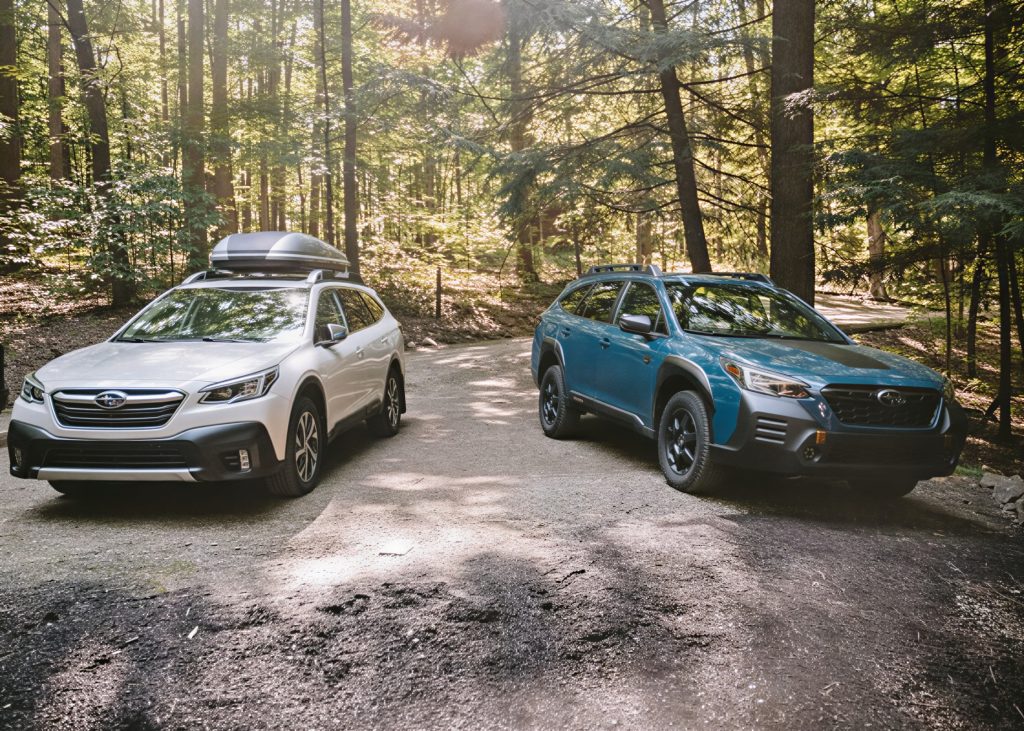
Subaru’s position at the top of Consumer Reports’ 2026 Brand Report Card is a major achievement. It finished first for the second consecutive year, combining road-test performance, predicted reliability, owner satisfaction, and safety ratings across its tested lineup.
This recognition is not based on reliability alone. Consumer Reports considers several factors when evaluating vehicle quality, which helps explain why the brand can rank highly even when other organizations use different standards and assessment methods.
J.D. Power’s results are positive, but not quite as dominant. Subaru recorded 181 problems per 100 vehicles in the 2026 U.S. Vehicle Dependability Study, placing it sixth among the listed brands.
The industry average was 204 PP100, so Subaru performed better than the average. The study surveyed original owners of 2023 model-year vehicles after three years of ownership, meaning it measures a different generation of vehicles from CR’s newer brand report.
The iSeeCars longevity result is less impressive. Subaru vehicles have an estimated 2.8% probability of reaching 250,000 miles, compared with the study’s 5.4% average. This does not mean Subaru vehicles are unreliable in everyday use.
Reaching a quarter-million miles is an unusually demanding benchmark, and the result reflects the brand’s entire mix of models and their usage patterns.
Kelley Blue Book’s 2026 Best Resale Value awards named Toyota the best brand and Lexus the best luxury brand. Subaru did not receive either brand title.
However, this does not represent a complete resale ranking and should not be taken as evidence that all Subaru models depreciate poorly. Subaru’s results present a mixed picture, with first place in Consumer Reports’ brand rankings, above-average dependability according to J.D. Power, and below-average performance in iSeeCars’ extreme-mileage survival analysis.
2. BMW
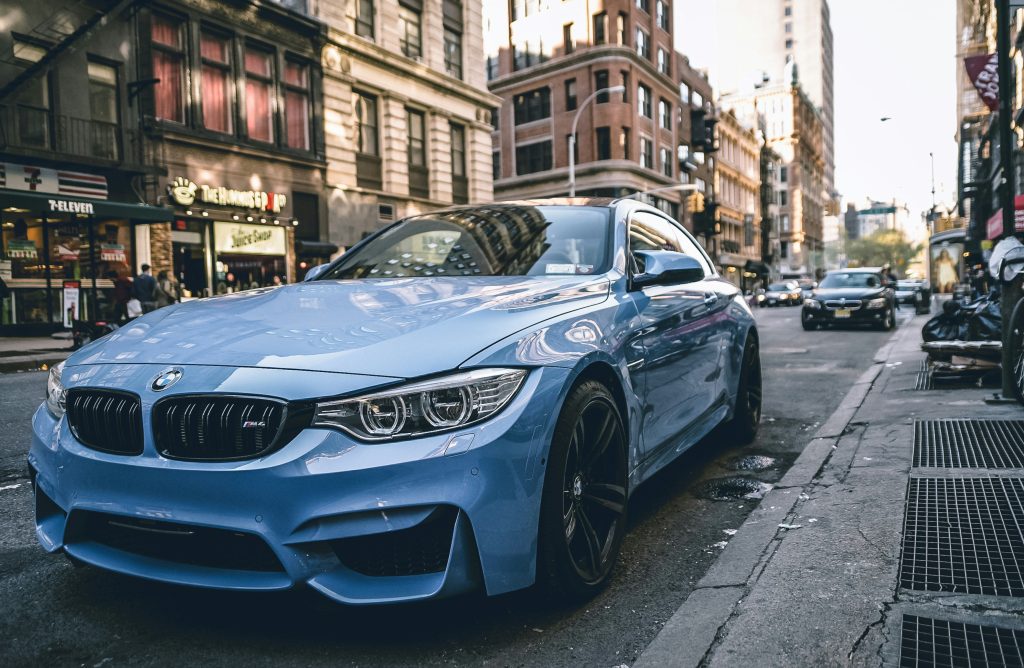
BMW’s second-place finish in Consumer Reports’ 2026 Brand Report Card is particularly interesting because the organization evaluates more than reliability. Its overall brand score incorporates road-test results, predicted reliability, owner satisfaction, and safety.
BMW finished just behind Subaru, showing that its current lineup performed strongly across CR’s combined assessment. That result should not be confused with a claim that every BMW model is equally dependable or inexpensive to maintain.
J.D. Power’s 2026 Vehicle Dependability Study gives BMW a more middle-of-the-pack result. The brand recorded 198 problems per 100 vehicles, six fewer than the industry average of 204. It ranked 11th in the published brand table.
This is a reasonably favorable result, but it is not close to Lexus’s leading 151 PP100. The survey measures problems experienced by owners of three-year-old vehicles, including technology, infotainment, powertrain, and interior concerns.
iSeeCars delivers the sharpest contrast. BMW has only a 0.5% estimated probability of reaching 250,000 miles, far below the 5.4% average across the brands in the study. That statistic is not a direct reliability score.
It estimates the likelihood of reaching an exceptionally high odometer reading, and luxury vehicles can be driven and retired differently from mainstream models.
KBB’s 2026 awards selected Toyota as its best resale-value brand and Lexus as its best luxury brand. BMW did not receive either title, but KBB does not publish a complete brand-by-brand numerical ranking through those awards.
The result is a useful reminder that a brand can score highly in road tests and owner satisfaction while having a very different profile for extreme longevity and resale recognition.
3. Porsche
Porsche’s third-place position in Consumer Reports’ 2026 Brand Report Card is impressive, particularly for a manufacturer focused on premium performance vehicles. It earned an overall score of 79, supported by an 84 road-test score and strong predicted reliability and owner satisfaction ratings.
CR’s ranking considers road-test performance, reliability, owner satisfaction, and safety, so Porsche’s position reflects more than acceleration or driving excitement.
J.D. Power’s findings are also favorable. Porsche recorded 182 problems per 100 vehicles in the 2026 U.S. Vehicle Dependability Study, placing seventh among the brands in the published ranking. That is better than the industry average of 204 PP100.
The study examines problems experienced by original owners of three-year-old vehicles during the previous 12 months, so it provides a different perspective from CR’s broader brand assessment.
The biggest contrast appears in iSeeCars’ longevity research. Porsche vehicles have an estimated 0.3% probability of reaching 250,000 miles, far below the 5.4% average. This is an extreme-mileage benchmark, not a conventional reliability rating.
Sports cars and luxury vehicles may also have different ownership patterns from high-mileage commuter vehicles.
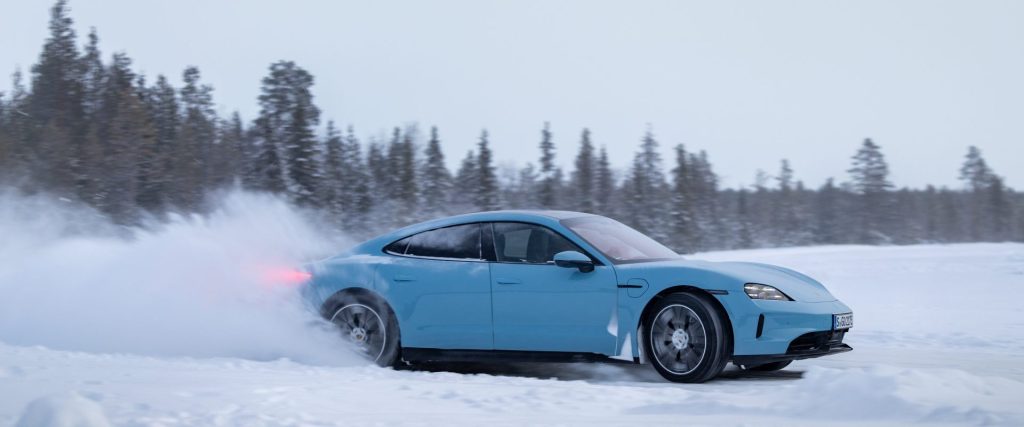
Kelley Blue Book did not name Porsche its best luxury resale-value brand. That recognition went to Lexus. However, the Porsche Taycan won the 2026 luxury electric car resale category, showing that individual models can perform strongly even when their manufacturer does not win the brand award.
Porsche therefore combines excellent CR and J.D. Power results with a much weaker extreme-mileage statistic.
4. Honda
Honda’s fourth-place finish in Consumer Reports’ 2026 Brand Report Card reinforces its position among the strongest mainstream manufacturers. The brand earned an overall score of 76, including an 83 road-test score. CR also gave Honda favorable predicted reliability and owner satisfaction ratings.
Its result is particularly relevant to buyers who want strong vehicle quality without moving into the premium price brackets occupied by several brands above it.
J.D. Power, however, produces a less flattering result. Honda recorded 211 problems per 100 vehicles in the 2026 Vehicle Dependability Study, putting it below the industry average of 204 PP100. It ranked 17th in the published brand table.
This does not mean every Honda model is unreliable. The study measures problems reported by owners of three-year-old vehicles, and results can vary considerably between individual models and powertrains.
iSeeCars offers a strong counterpoint. Honda has a 13.3% probability of reaching at least 250,000 miles, compared with the study’s 5.4% average. It ranks third among the 33 brands included, behind Toyota and Lexus.
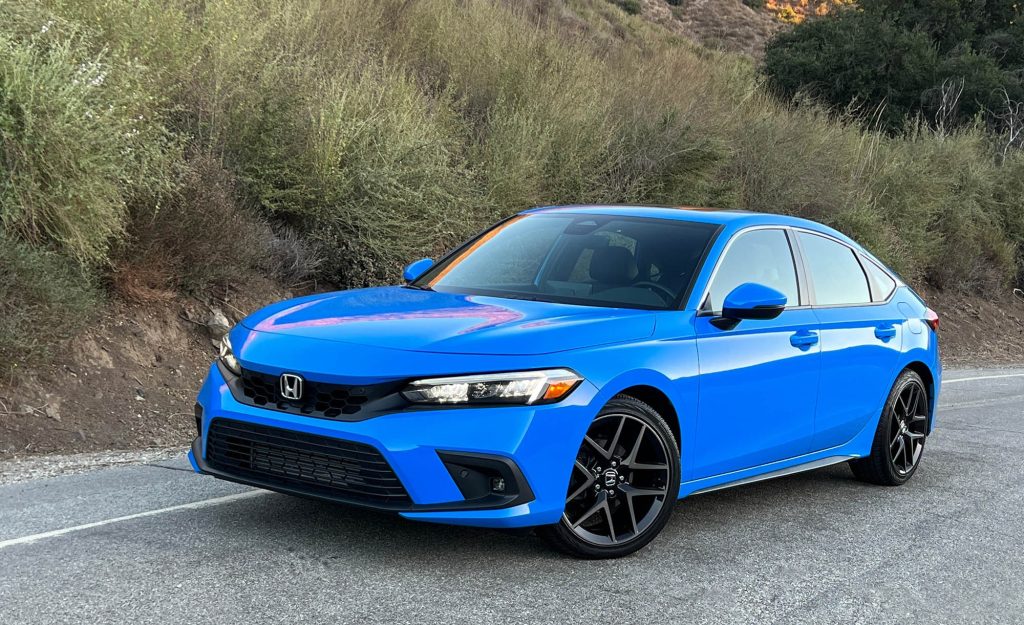
That is a substantial long-term mileage advantage, although the statistic describes historical survival patterns rather than guaranteeing that a particular vehicle will reach the milestone.
KBB’s 2026 awards provide further model-level evidence. The Civic won the compact-car category, while the HR-V and CR-V received awards in their respective SUV categories. Honda did not win. KBB’s best mainstream brand title, which went to Toyota.
This distinction is worth noting because several Honda models earned notable recognition for resale value, even though Honda did not secure the top position in the brand-level rankings.
5. Toyota
Toyota’s fifth-place finish in Consumer Reports’ 2026 Brand Report Card may surprise shoppers who automatically associate the manufacturer with the number-one reliability position.
The distinction is that CR’s overall ranking combines road-test performance, predicted reliability, owner satisfaction, and safety. Toyota scored 75 overall, while Subaru and BMW each scored 82.
However, Toyota did claim first place in CR’s separate 2026 reliability survey, narrowly moving ahead of Subaru. Its reliability leadership and fifth-place overall result are therefore not contradictory.
J.D. Power reinforces Toyota’s dependability reputation, although it does not place the brand at the very top. Toyota recorded 185 problems per 100 vehicles in the 2026 Vehicle Dependability Study, better than the 204-problem industry average. It ranked eighth in the published brand table.
The study measures problems reported by owners of three-year-old vehicles, rather than the road-test and predicted reliability factors included in CR’s overall score.
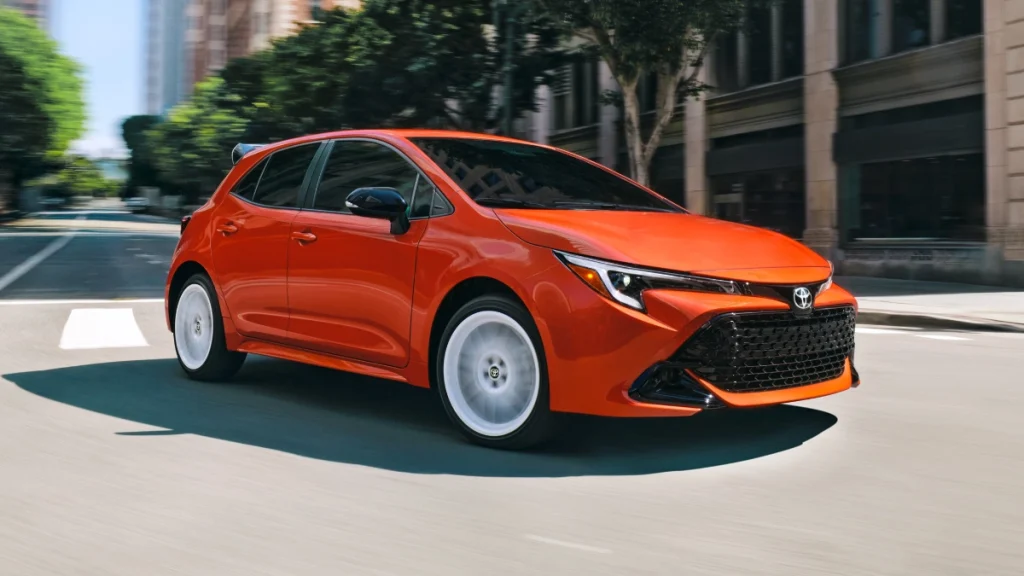
iSeeCars provides Toyota’s strongest long-term result. Its 2026 study estimates a 19.7% probability of reaching at least 250,000 miles, compared with 5.4% across all brands. Toyota leads the 33-brand study, giving it more than three times the average likelihood of reaching that demanding mileage milestone.
Kelley Blue Book also named Toyota its 2026 Best Resale Value brand. Its category winners include the Camry, 4Runner, Tacoma, Tundra, and several other models.
The findings present a particularly strong case for Toyota. Although it does not rank first in Consumer Reports’ brand score or J.D. Power’s dependability rankings, it leads Consumer Reports’ reliability survey, iSeeCars’ extreme-mileage analysis, and Kelley Blue Book’s brand-level resale awards.
6. Lexus
Lexus presents one of the clearest examples of why a brand should not be judged by a single ranking. Consumer Reports placed it sixth in its 2026 Brand Report Card, with an overall score of 75. That is a strong position, but it sits below Subaru, BMW, Porsche, Honda, and Toyota.
CR’s score combines road-test results, predicted reliability, owner satisfaction, and safety, so it is not a pure dependability leaderboard. Lexus nevertheless received a strong predicted reliability rating in the report.
J.D. Power tells a different story. Lexus recorded just 151 problems per 100 vehicles in the 2026 U.S. Vehicle Dependability Study, earning first place among premium brands for the fourth consecutive year. The industry average was 204 PP100. Lower numbers indicate fewer reported problems, making Lexus’s result a substantial lead over the industry benchmark.
iSeeCars supports that long-term reputation with a 14.4% estimated probability of reaching 250,000 miles. That places Lexus second among 33 brands, behind Toyota and ahead of Honda. Its result is nearly three times the 5.4% study average. This is a statistical estimate from historical vehicle data, not a guarantee for every Lexus model.
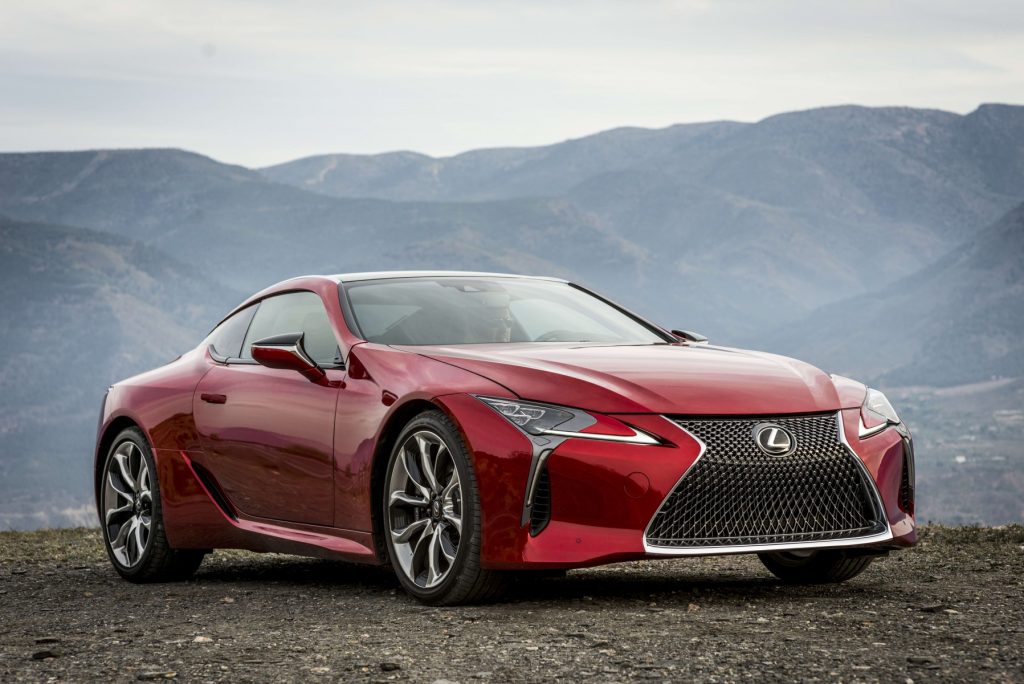
Kelley Blue Book named Lexus its 2026 Best Resale Value luxury brand. Individual award winners included the UX, NX, RX, and other models in their respective categories.
The combined findings position Lexus as one of the strongest premium brands in this comparison. It leads J.D. Power’s dependability rankings, performs well in iSeeCars’ longevity research, and earns recognition from KBB for luxury resale value. Its sixth-place ranking in Consumer Reports reflects a broader evaluation that considers several aspects of vehicle quality.
7. Lincoln
Lincoln’s seventh-place finish in Consumer Reports’ 2026 Brand Report Card is one of the year’s most notable improvements. The brand climbed 17 positions compared with the previous report, making it the highest-ranked domestic manufacturer in the top ten.
Lincoln earned an overall score of 75 and a road-test score of 82. Its predicted reliability score was 3 out of 5, while owner satisfaction also received 3 out of 5. CR attributed much of the improvement to stronger reliability results.
J.D. Power’s 2026 Vehicle Dependability Study delivers a less encouraging result. Lincoln recorded 217 problems per 100 vehicles, compared with the industry average of 204. That places it below the industry benchmark, despite its improvement in CR’s assessment.
The J.D. Power study surveyed owners of 2023 model-year vehicles after three years of ownership, whereas CR’s brand report combines several measures of newer vehicles.
iSeeCars gives Lincoln a more favorable position in its extreme-mileage research. It estimates a 4.7% probability of reaching 250,000 miles, slightly below the 5.4% average across all brands. Lincoln ranks seventh in the study’s brand table, making it stronger than several other luxury manufacturers, although it does not exceed the overall benchmark.
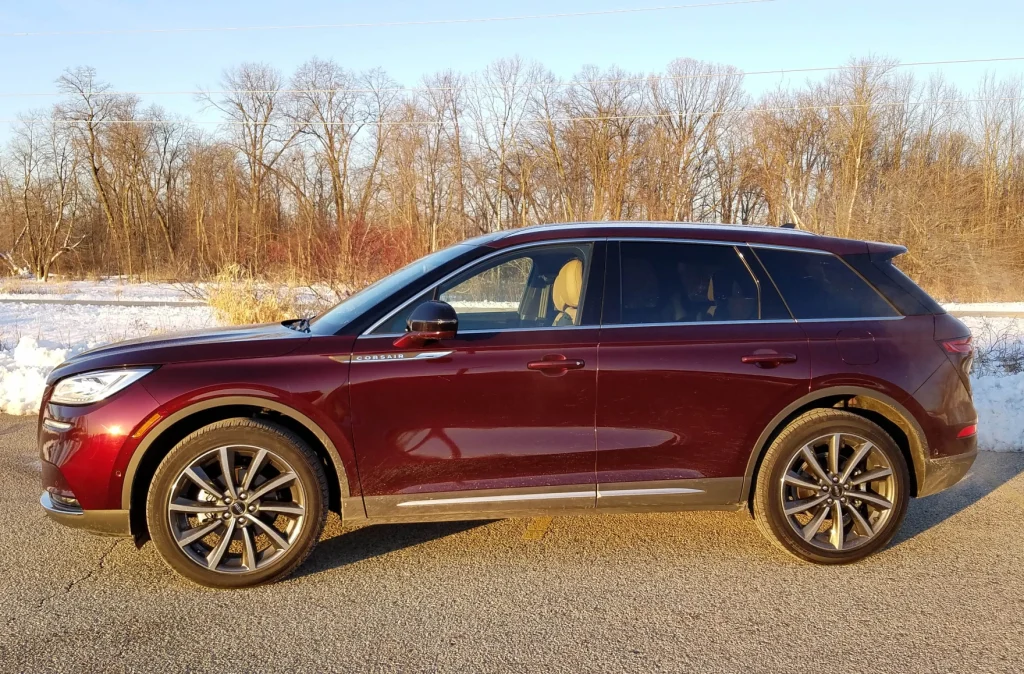
Kelley Blue Book’s 2026 awards named Lexus the Best Luxury Brand and Toyota the Best Brand. Lincoln did not receive either brand-level title. This does not establish that every Lincoln has poor resale value, because KBB’s awards recognize winners rather than publishing a complete brand ranking.
Lincoln’s results show how a manufacturer can make a major improvement in CR’s assessment while still facing less favorable dependability and mileage findings elsewhere.
8. Hyundai
Hyundai’s eighth-place position in Consumer Reports’ 2026 Brand Report Card is a strong result for a mainstream manufacturer. It earned an overall score of 74 and a road-test score of 85, placing its tested lineup ahead of several established competitors.
CR also gave Hyundai a favorable owner-satisfaction rating, although its predicted reliability rating was less impressive. The report highlights a mixture of strong individual models and reliability concerns that prevent the brand from matching the leaders.
J.D. Power produces a more moderate assessment. Hyundai recorded 198 problems per 100 vehicles in the 2026 Vehicle Dependability Study, six fewer than the industry average of 204. It shared that score with BMW, although the two brands occupy different market segments.
This result suggests better-than-average dependability among the three-year-old vehicles surveyed, but it does not put Hyundai among the study’s top five brands.
iSeeCars delivers the most concerning result. Hyundai vehicles have only a 0.8% estimated probability of reaching 250,000 miles, compared with the 5.4% average across all brands. That places Hyundai near the bottom of the 33-brand longevity study.
This is an extreme-mileage measure, however, and should not be confused with the likelihood of a Hyundai completing an ordinary ownership period without major trouble.
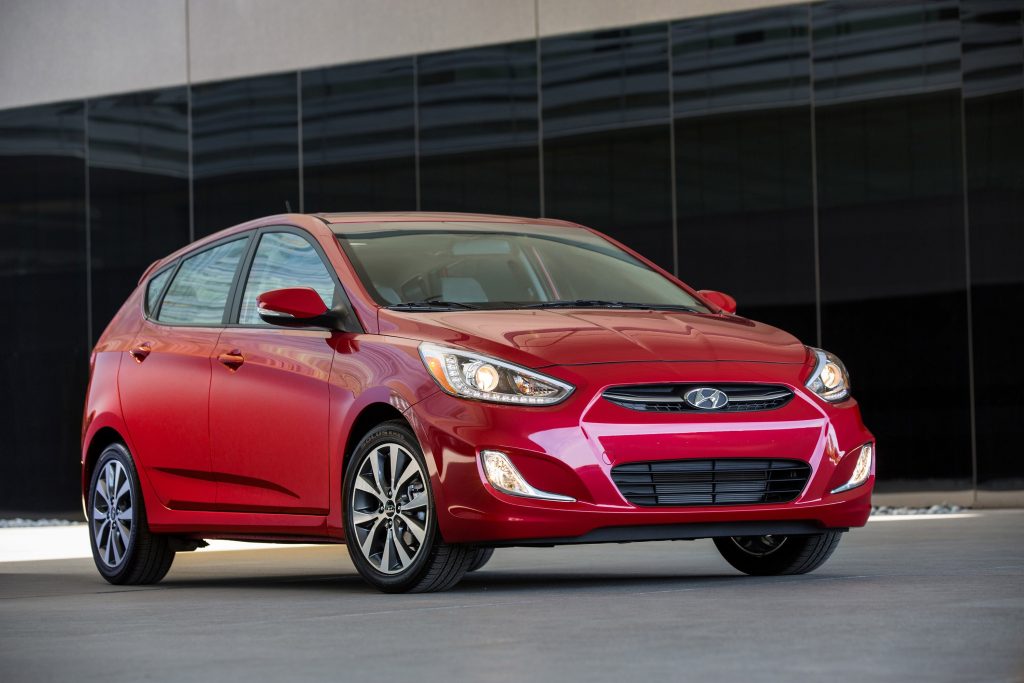
Kelley Blue Book did not name Hyundai its 2026 Best Resale Value brand or luxury brand. Toyota and Lexus received those titles. That does not mean every Hyundai has weak resale value, since KBB’s awards identify selected winners rather than publishing a full brand ranking.
Hyundai’s performance varies across the different evaluations. It earns strong marks in Consumer Reports’ road tests and performs slightly above average in J.D. Power’s dependability rankings. However, iSeeCars’ historical data shows weaker results when it comes to reaching exceptionally high mileage.
9. Acura
Acura’s ninth-place finish in Consumer Reports’ 2026 Brand Report Card puts it among the ten highest-rated brands. It earned an overall score of 73, with an 80 road-test score and favorable owner-satisfaction results.
CR’s predicted reliability rating was also stronger than several luxury competitors. This is a positive assessment of Acura’s current lineup, but it does not automatically mean that every model will be inexpensive to maintain as it ages.
J.D. Power’s 2026 Vehicle Dependability Study produces a much less flattering result. Acura recorded 233 problems per 100 vehicles, compared with the 204 PP100 industry average. That placed it near the bottom of the published brand table.
The difference between Consumer Reports and J.D. Power is important because the two organizations use different evaluation methods and time frames. Consumer Reports considers multiple aspects of new-vehicle quality, while J.D. Power measures problems reported by owners of vehicles that are three years old. This helps explain why their rankings may differ.
iSeeCars offers a strong counterargument to the J.D. Power result. Acura has a 9.5% estimated probability of reaching at least 250,000 miles, placing it fourth among 33 brands and well above the 5.4% average. That suggests Acura vehicles have a meaningful presence in the highest-mileage portion of the used-car population.
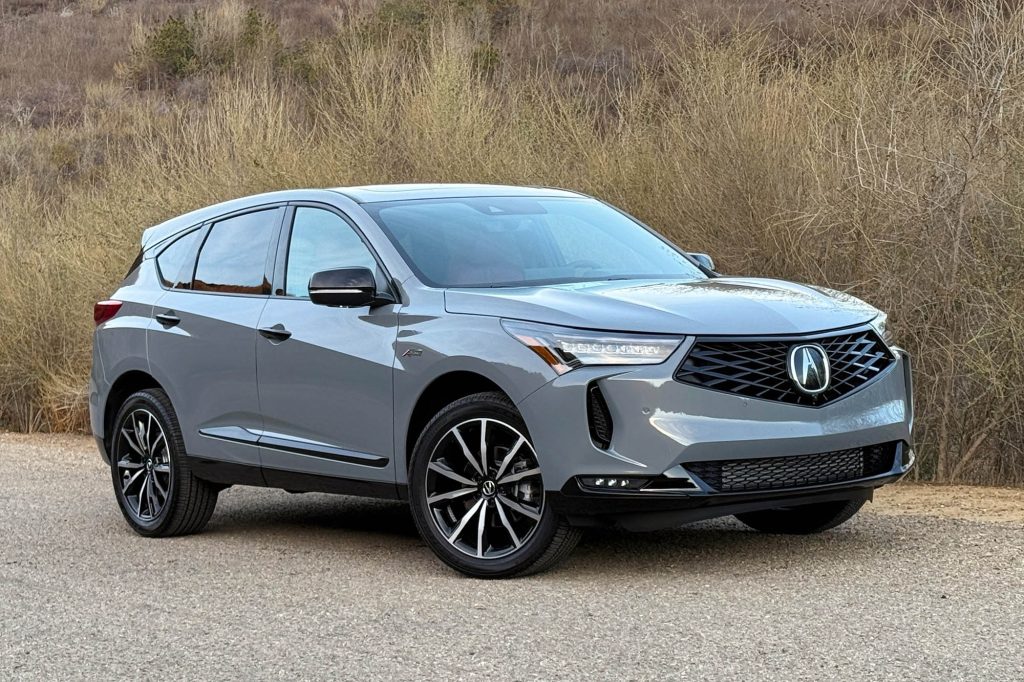
Kelley Blue Book also recognizes the Acura Integra for its resale value, naming it the 2026 winner in the luxury compact car category. However, Acura did not receive the top luxury-brand award, which was given to Lexus. This distinction highlights the Integra’s individual achievement without suggesting that Acura leads the brand-level rankings.
This distinction matters because awards recognizing an entire brand measure something different from those honoring individual models. Acura’s results are mixed, with strong showings in Consumer Reports ratings and long-term survival data, but a relatively high number of reported problems in J.D. Power’s three-year dependability study.
10. Tesla
Tesla completes Consumer Reports’ 2026 top ten, finishing in tenth place with an overall score of 72 and a road-test score of 81. Its position is significant because the brand reached its highest placement in CR’s rankings to date.
The report credits improved reliability performance across the lineup, with the Cybertruck remaining the exception to the brand’s otherwise stronger reliability picture. CR also gives Tesla a predicted reliability score of 3 out of 5 and an owner-satisfaction score of 4 out of 5.
J.D. Power’s results are less flattering. Tesla recorded 226 problems per 100 vehicles in the 2026 Vehicle Dependability Study, compared with the industry average of 204.
Importantly, Tesla was marked as not rank-eligible because it did not meet the study’s award criteria. Its PP100 figure can still be compared with the industry benchmark, but it should not be presented as an official ranked position.
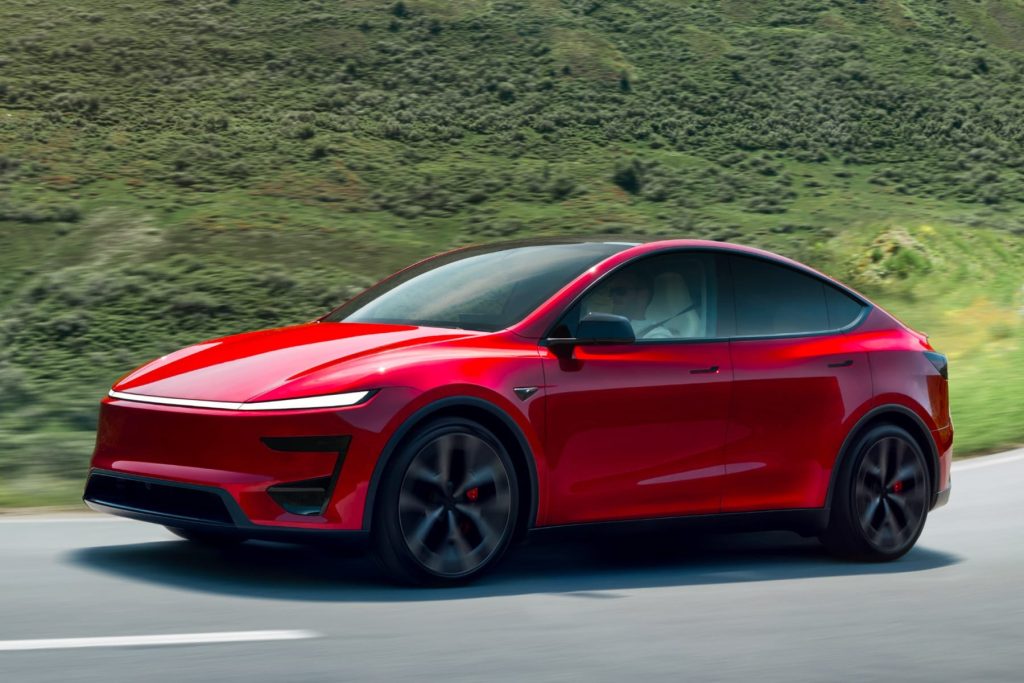
iSeeCars estimates that Tesla vehicles have a 3.3% probability of reaching at least 250,000 miles, below the 5.4% average across all brands. This is a statistical estimate of extreme mileage survival, not a direct measure of battery health or everyday reliability.
Kelley Blue Book offers a more positive resale result at the individual-model level. The Tesla Model 3 appears among the 2026 Best Resale Value category winners, with a projected five-year retained value of 35%. Tesla did not win KBB’s overall brand award.
The results present a varied assessment, with CR performance showing improvement and certain models demonstrating strong resale value recognition, despite higher-than-average reported issues and weaker survival rates at extremely high mileage.