A vehicle can win a reliability award and still disappoint in another ownership study. One organization may praise its long-term durability, while another reports expensive repairs, weak resale value, or a high number of owner complaints.
These differences matter because buyers rarely keep a car for just one year or judge it by one quality alone. This comparison examines ten vehicles that achieved strong results in at least one major automotive study but received noticeably weaker findings elsewhere.
The aim is to understand the reasons behind those contrasting results, not simply label a vehicle good or bad.
1. Toyota Sequoia
The Toyota Sequoia is a perfect example of how a vehicle can dominate a longevity study without receiving an equally impressive reliability assessment for its newest generation. In iSeeCars’ 2026 longest-lasting vehicle study, it ranked first, with an estimated 42.3% probability of reaching at least 250,000 miles.
That is nearly eight times the 5.4% probability calculated for the average vehicle. The research analyzed more than 395 million vehicles, making this a substantial historical-data comparison rather than a small owner poll.
Consumer Reports offers a much more cautious view of the newer SUV. Its assessment says the 2024 Sequoia was less reliable than other vehicles from that model year. For the 2026 version, CR expects average reliability but specifically notes that its prediction relies on limited data from the 2024 model and Toyota’s brand score.
That is a significant contrast with iSeeCars’ long-term result, although the studies examine different vehicle populations and time periods.
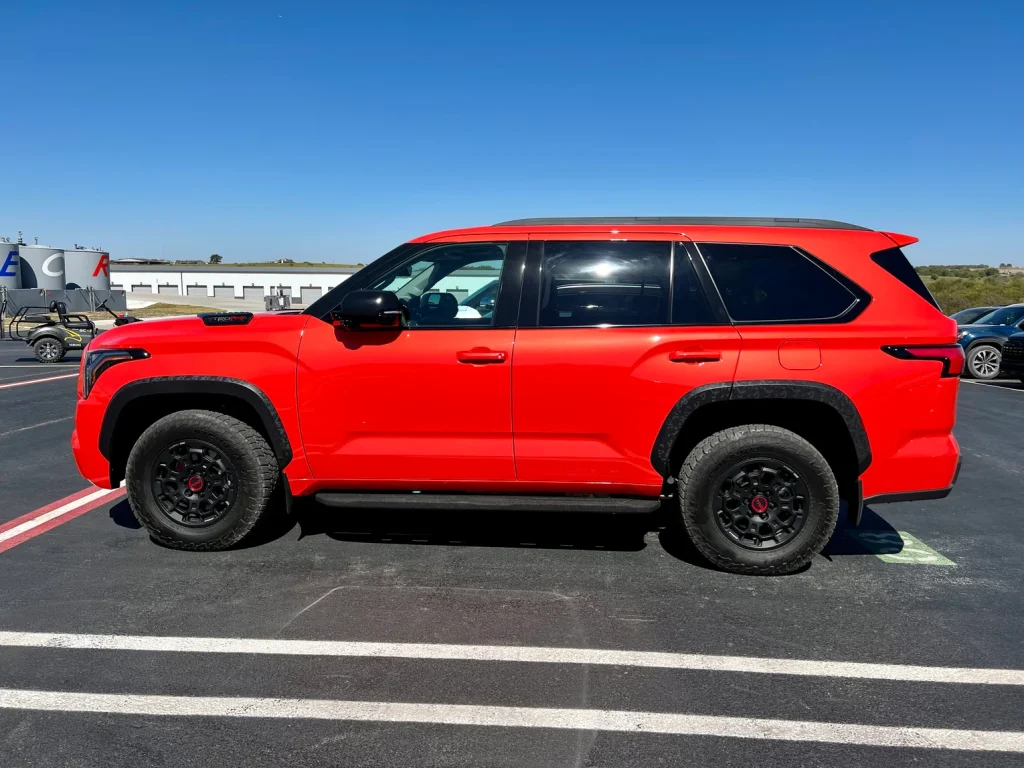
RepairPal adds another qualification. It rates the Sequoia 3.5 out of 5, ranking it fifth among 14 full-size SUVs. Its estimated annual repair cost is $642, below the segment’s $784 average and the $652 average across all vehicles. However, RepairPal notes that when repairs occur, they have a higher chance of being severe than on comparable models.
The apparent contradiction is understandable. iSeeCars measures the probability of reaching exceptional mileage, while CR examines problems reported by owners of recent model years and RepairPal evaluates repair spending and severity.
The Sequoia’s historical durability is impressive, but shoppers should not assume that a newly purchased example will reproduce the same ownership experience without careful maintenance.
2. Jeep Wrangler
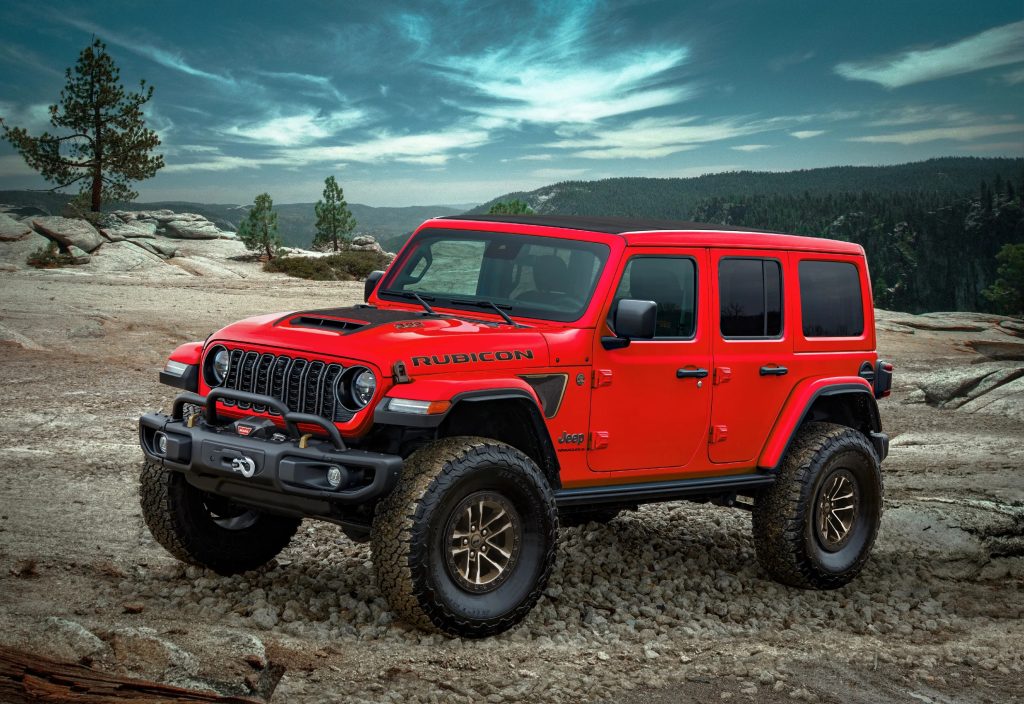
Few SUVs have a more recognizable identity than the Wrangler, and its long-term mileage record is better than its recent reliability reputation might suggest. iSeeCars gives the model a reliability score of 7.7 out of 10 and ranks it fourth among 31 midsize SUVs.
Its analysis estimates an average lifespan of 137,082 miles and an 8.8% chance of reaching 200,000 miles. That is a meaningful result for an off-road vehicle that may experience demanding driving conditions.
Consumer Reports tells a different story about the 2025 model. Its owner-survey assessment rates that version as less reliable than other vehicles from the same model year. CR’s survey examines problems across 20 areas, including powertrain, electrical equipment, body hardware, and in-car electronics.
The page also listed six NHTSA recalls for the 2025 Wrangler when the assessment was retrieved. Recall counts can change, so buyers should verify the status of a specific vehicle by its VIN.
RepairPal’s results are even less flattering in its compact SUV comparison. The Wrangler receives 3.5 out of 5 for reliability and ranks 25th among 26 models.
Its estimated annual repair cost is $694, compared with $521 for compact SUVs and $652 across all vehicle models. RepairPal also says repairs are more likely to be severe than average, although major repairs are relatively uncommon.
This is not proof that every Wrangler is unreliable. iSeeCars measures long-term survival, while CR captures recent owner complaints and RepairPal measures repair experience across multiple model years.
A Wrangler can remain on the road for years while still requiring more expensive attention than many rivals. Buyers should inspect its service history, especially if it has been used frequently off-road or modified.
3. Honda Pilot
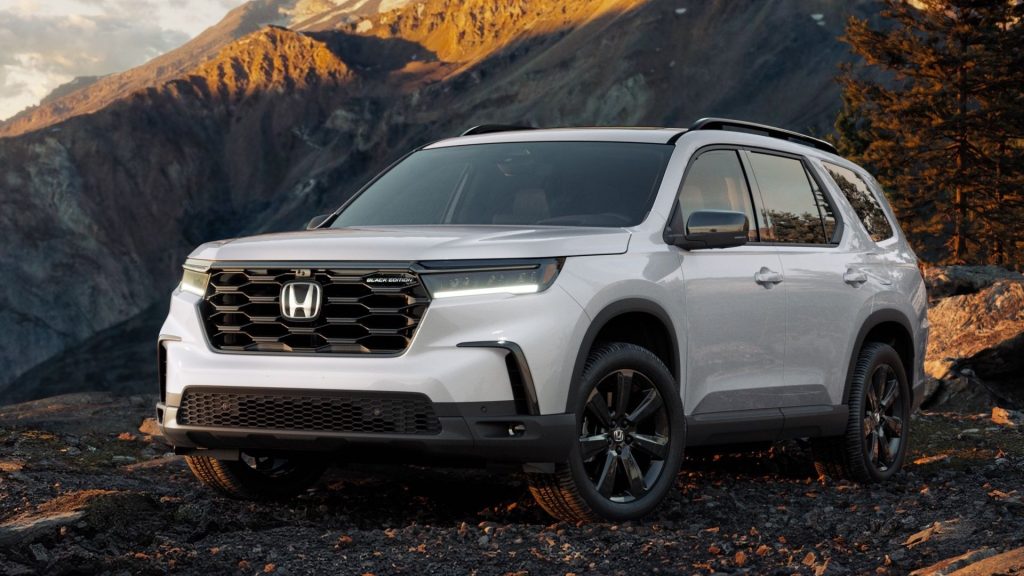
The Honda Pilot has a fascinating split between its long-term mileage record and its more recent owner-reported reliability results. In iSeeCars’ 2026 longest-lasting vehicle study, the Pilot has an estimated 14.3% probability of reaching 250,000 miles.
That is approximately 2.7 times the 5.4% average across all vehicles. Its separate reliability analysis estimates an average lifespan of 188,150 miles and a 42.5% chance of reaching 200,000 miles. These figures give the three-row SUV a strong historical durability profile.
Consumer Reports paints a less encouraging picture of the 2025 model. Its owner-survey assessment says that version is less reliable than other vehicles from the same model year.
Reported trouble areas include in-car electronics, noises and leaks, minor engine problems, and transmission concerns. CR also lists four NHTSA recalls for the 2025 model on its reliability page. These findings concern a specific model year, not every Pilot ever produced.
RepairPal provides a more balanced assessment. It gives the Pilot a 3.5-out-of-5 reliability rating, ranking it 13th among 26 midsize SUVs. Its estimated annual repair and maintenance cost is $542, slightly below the segment average of $573 and the all-vehicle average of $652. Repair frequency is higher than normal, although the severity of those repairs is average.
The contradiction is worth understanding before buying. iSeeCars measures historical mileage survival, whereas CR focuses on problems reported by owners of a particular recent model year.
The Pilot can have a strong long-term record, while a newer version experiences quality concerns. Buyers should examine the transmission, electronics, recall completion, and maintenance history rather than assuming the historical longevity estimate guarantees a problem-free purchase.
4. Toyota Tundra
The Tundra’s position in iSeeCars’ 2026 truck longevity study is difficult to overlook. It ranks second among full-size pickups, with an estimated 28.2% probability of reaching 250,000 miles. That is approximately 3.1 times the 9.2% average for full-size trucks.
The result places it ahead of the Chevrolet Silverado 1500, Nissan Titan, GMC Sierra 1500, Ford F-150, and Ram 1500 in the same analysis.
Consumer Reports has documented a very different experience with the newer generation. Its 2025 reliability survey identified below-average results for the Tundra, following the redesign introduced for the 2022 model year.
CR explained that Toyota needed time to address problems associated with the new platform and engines. Its later assessment showed improvement, with the 2026 Tundra reaching average predicted reliability. This change makes the model-year distinction especially important.
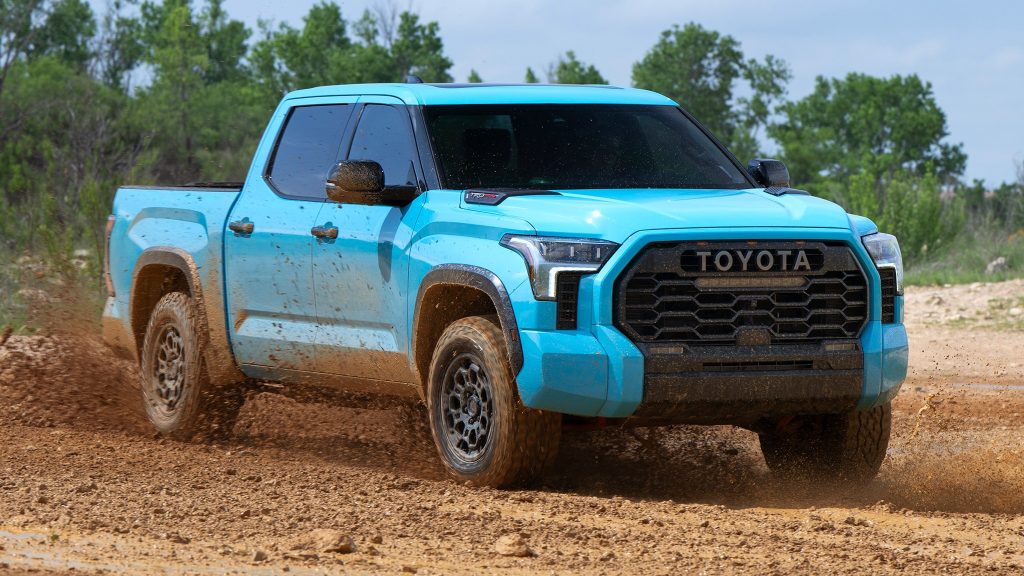
RepairPal places the pickup between those two extremes. It awards the Tundra 3.5 out of 5 for reliability and ranks it sixth among 17 full-size trucks. Average annual repair costs are estimated at $606, considerably below the $936 full-size truck average. However, RepairPal notes that repairs can be more severe than average, even though they occur less frequently.
The disagreement is not necessarily a verdict against the truck. iSeeCars evaluates high-mileage survival across a broad vehicle population, while CR identified problems with a particular generation, and RepairPal measures repair experience across multiple years.
Someone shopping for a used Tundra should distinguish the older V8 models from the newer turbocharged versions and investigate engine history, recall completion, service records, and any previous heavy towing use.
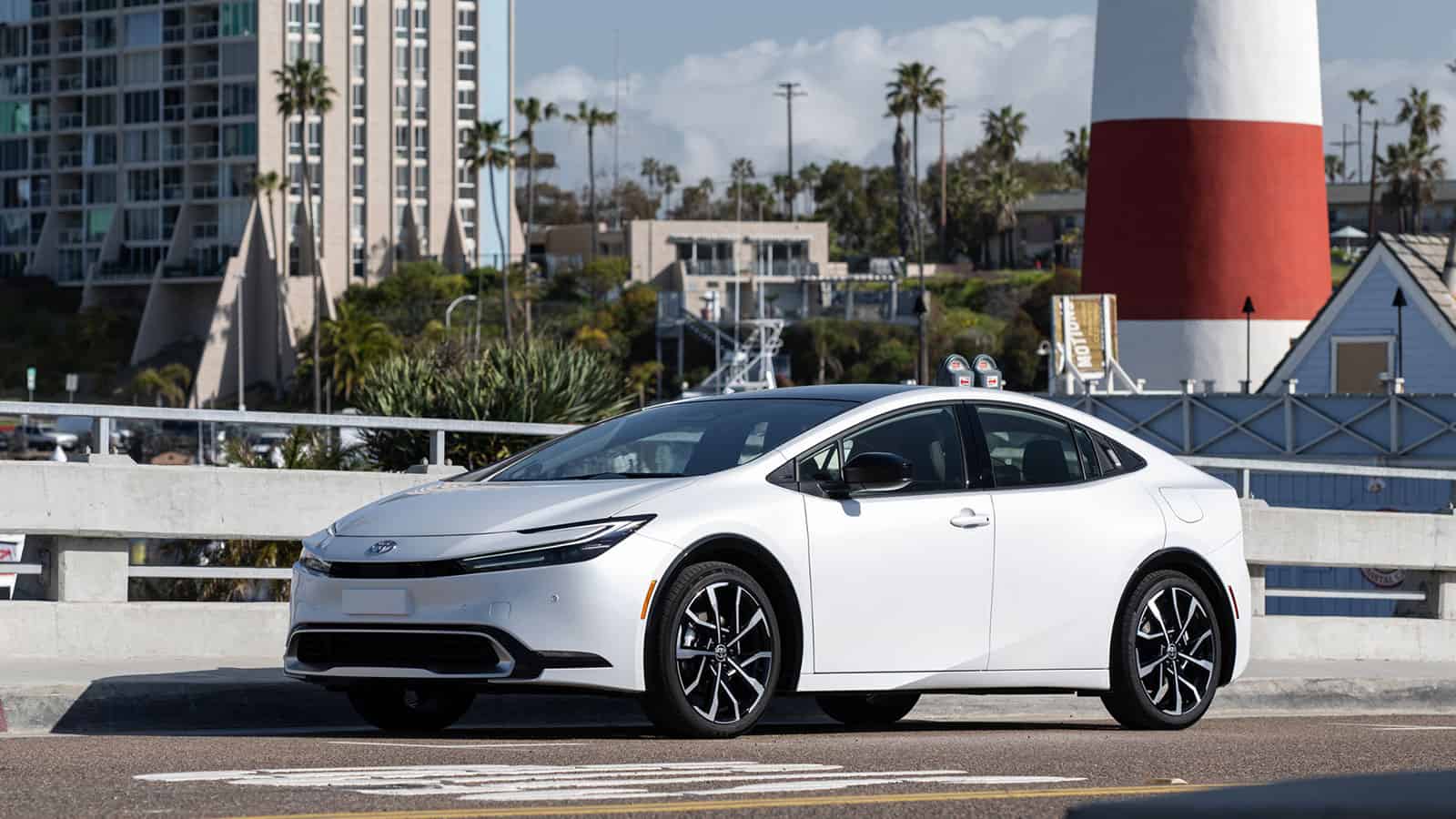
5. Toyota Prius
The Prius has a strong reputation for fuel efficiency, but its longevity research provides another reason it attracts long-term owners. iSeeCars’ 2025 longest-lasting vehicle study estimated a 12.2% probability of reaching at least 250,000 miles.
That was nearly five times the 2.6% average for passenger cars in that particular study. Its 2026 analysis also places the Prius among the models with a meaningful chance of reaching 200,000 miles. These are historical survival estimates, not guarantees for an individual hybrid.
Consumer Reports’ 2026 reliability survey offers a more cautious model-specific picture. The redesigned 2023 Prius had below-average reliability in its first year, with reported concerns involving the climate system, in-car electronics, and other components.
The newer 2026 prediction benefits from additional model-year information, but buyers should still distinguish the early redesigned vehicles from later production.
RepairPal rates the Prius 4.0 out of 5 for reliability and estimates average annual repair costs at $408. That is well below the $652 average across all vehicle models. However, its repair frequency is higher than the midsize-car average, illustrating that relatively affordable repairs do not necessarily mean fewer visits to a shop.
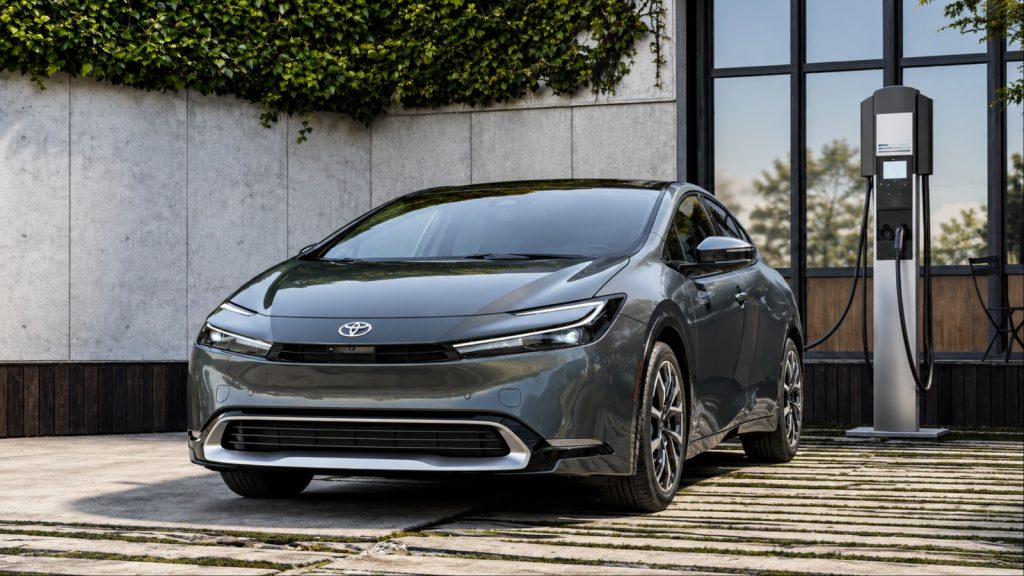
Kelley Blue Book named the Prius its 2026 Best Resale Value winner in the hybrid category, offering another positive ownership signal. The disagreement is therefore not that the Prius is simply dependable or unreliable.
It is that its long-term mileage and resale results are strong, while certain model years have shown specific reliability concerns. Anyone shopping for an older example should review hybrid-system service history, battery warranty coverage, and any outstanding recalls rather than relying on the nameplate’s reputation alone.
6. Ford F-150
The F-150 has a long record as one of America’s most widely used pickups, and iSeeCars’ research gives it a strong long-distance result. Its 2026 longevity analysis estimates an average lifespan of 163,092 miles and a 25% probability of reaching at least 200,000 miles.
That places it among the better-performing full-size pickups for high-mileage survival. The study reflects historical vehicle records, however, and does not guarantee the same outcome for every engine or model year.
Consumer Reports’ 2026 reliability findings are more measured. The F-150 improved from below-average to average reliability, with the F-150 Hybrid and Lightning also improving to average.
That is progress, but it is not the same as being among the highest-rated vehicles for reliability. CR’s result is based on owner-reported trouble across multiple model years and includes different powertrain configurations.
RepairPal gives the F-150 a 3.5-out-of-5 reliability rating and ranks it seventh among 17 full-size trucks. Its estimated annual repair and maintenance cost is $788, below the $936 full-size truck average but above the $652 average for all vehicles. RepairPal also reports that repairs can be more severe than average, even though they occur less frequently.
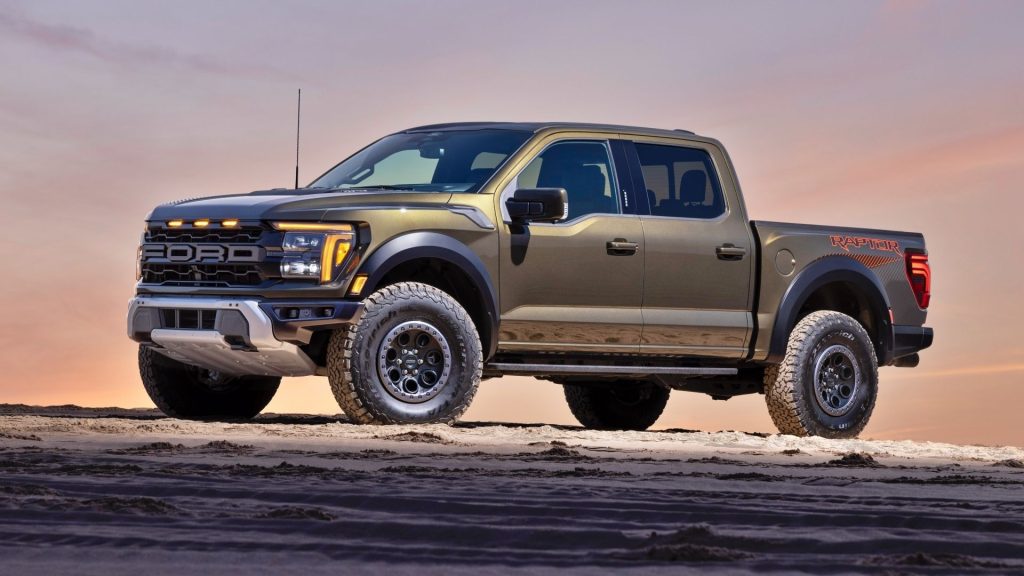
The F-150’s results show why a high-mileage record is not the same as low-cost ownership. A truck may remain in service for many years because owners repair it and keep it working, even when some of those repairs are costly.
Buyers should identify the engine, transmission, towing history, and maintenance schedule of the exact truck they are considering. A fleet-used pickup with extensive work history deserves a different assessment from a privately owned truck used mainly for commuting.
7. Chevrolet Suburban
The Chevrolet Suburban has a remarkable ability to accumulate mileage, but that does not necessarily translate into inexpensive ownership. iSeeCars’ 2026 reliability analysis estimates an average lifespan of 180,795 miles and a 37.9% probability of reaching at least 200,000 miles.
Its reliability score is 7.2 out of 10, placing it fifth among 12 full-size SUVs. For families who need substantial passenger and cargo space, that historical longevity is an encouraging finding.
Consumer Reports delivers a much less favorable assessment of the 2026 model. It predicts that the Suburban will be less reliable than the average new car, using owner-reported data from the 2023, 2024, and 2025 models.
The 2025 version was also rated less reliable than other vehicles from that model year. Reported trouble areas included exhaust components, in-car electronics, engine cooling, and body hardware.
RepairPal reinforces the financial concern. It rates the Suburban 3.0 out of 5 and ranks it 11th among 14 full-size SUVs. Its estimated annual repair and maintenance cost is $944, compared with $784 for the segment and $652 across all vehicle models. Owners also experience more unscheduled repair visits than the full-size SUV average.
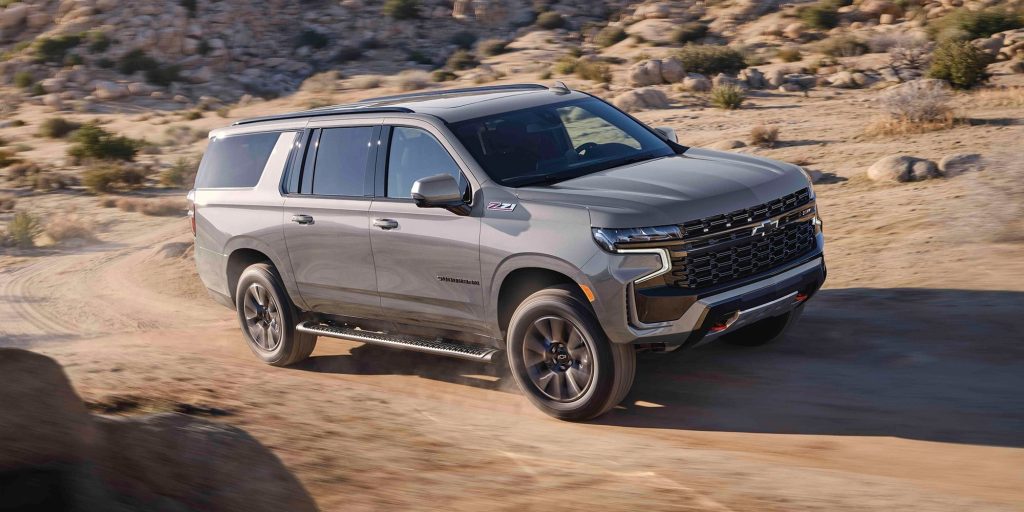
This difference matters because a vehicle may stay on the road for many years simply because its owner continues to invest in repairs. iSeeCars focuses on vehicle longevity, CR assesses reported reliability issues, and RepairPal evaluates the costs associated with maintenance and repairs.
The Suburban’s mileage record is impressive, but prospective owners should budget for its substantial maintenance needs and inspect its cooling, electrical, and drivetrain systems carefully.
8. Chevrolet Corvette
The Corvette delivers sports-car performance, but its research results reveal a surprising difference between longevity-based reliability rankings and repair-shop experience. iSeeCars gives the 2026 Corvette coupe a reliability score of 9.0 out of 10, placing it second among 39 luxury sports cars.
Its analysis estimates an average lifespan of 116,515 miles. However, only 0.8% of examples are estimated to reach 200,000 miles, illustrating why a high reliability score should not automatically be interpreted as exceptional high-mileage durability.
Consumer Reports provides a favorable forecast for the 2026 model, expecting it to be more reliable than the average new car. That prediction uses information from the 2023, 2024, and 2025 models. CR also lists three NHTSA recalls for the 2026 Corvette on its reliability page, so buyers should check whether any applicable recall work has been completed.
RepairPal produces the sharpest disagreement. It rates the Corvette 3.0 out of 5, ranking it 23rd among 24 midsize cars. Its estimated annual repair cost is $737, above the $526 category average and the $652 average across all vehicle models.
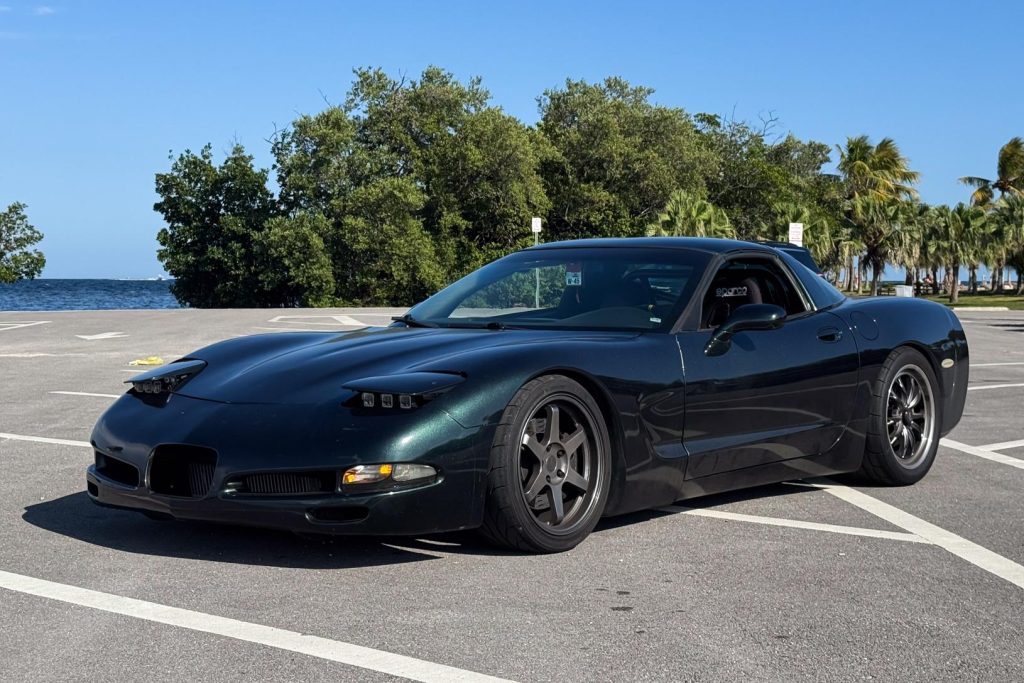
RepairPal also estimates that 22% of repairs are severe, compared with 12% for midsize cars. Major repairs are relatively infrequent, but they can be expensive when they occur.
The Corvette’s high iSeeCars score and positive CR prediction do not erase its repair-cost concerns. Its performance hardware, specialized components, and premium repair requirements can make ownership different from that of an ordinary commuter car.
Buyers should assess the specific generation, previous track use, tires, brakes, and service records before assuming that a favorable reliability score means low running costs.
9. Mercedes-Benz G-Class
The G-Class has an unusual position in iSeeCars’ 2026 longevity research. It ranks seventh among SUVs, with an estimated 17.3% probability of reaching at least 250,000 miles. That is approximately 3.6 times the 4.8% average for SUVs in the study.
For a heavy, expensive luxury off-roader, that is a striking result and places it alongside several well-known Japanese SUVs in the high-mileage comparison.
Consumer Reports gives Mercedes-Benz a much weaker brand-level assessment. In its 2026 rankings, the manufacturer placed 23rd overall, 19th in new-car reliability, and 27th in maintenance and repair costs.
These are Mercedes-Benz brand figures, not a G-Class-specific reliability score, so they should be treated as context rather than a direct verdict on this particular SUV.
RepairPal’s G-Class figures make the contrast more specific. The model receives a 2.5-out-of-5 reliability rating and ranks 26th among 29 luxury midsize SUVs. Its estimated annual repair cost is $965, compared with $602 for the category.

RepairPal also estimates that 23.6% of repairs are severe, substantially higher than the 9.4% category figure. These repair estimates cover selected older model years, rather than every current G-Class configuration.
The difference is a reminder that surviving for a long time and being inexpensive to maintain are separate achievements. The G-Class has a strong historical high-mileage result, but its repair costs and severity figures are much less attractive.
Buyers considering a used example should budget for premium parts and labor, obtain a specialist inspection, and verify maintenance records before treating the iSeeCars result as a reason to buy.
10. Lexus LS
The Lexus LS is one of the most impressive examples of long-term survival in iSeeCars’ 2026 research. It ranks second among all vehicles, with an estimated 38.8% probability of reaching at least 250,000 miles.
Only the Toyota Sequoia performs better in the study. The LS figure is more than seven times the 5.4% average across all vehicles, placing this luxury sedan far ahead of many mainstream models in the extreme-mileage comparison.
Consumer Reports offers a more restrained assessment of the current car. Its 2026 LS reliability page expects the 2025 model to have about average reliability compared with other new vehicles.
That prediction draws on the LS’s history and Lexus’s brand score. CR’s assessment does not suggest that the latest LS is exceptionally dependable, despite the nameplate’s remarkable historical mileage result.
RepairPal’s available figures also require careful interpretation. Its data for the older Lexus LS 460 gives that model a 3.5-out-of-5 reliability rating and an estimated annual repair cost of $767.
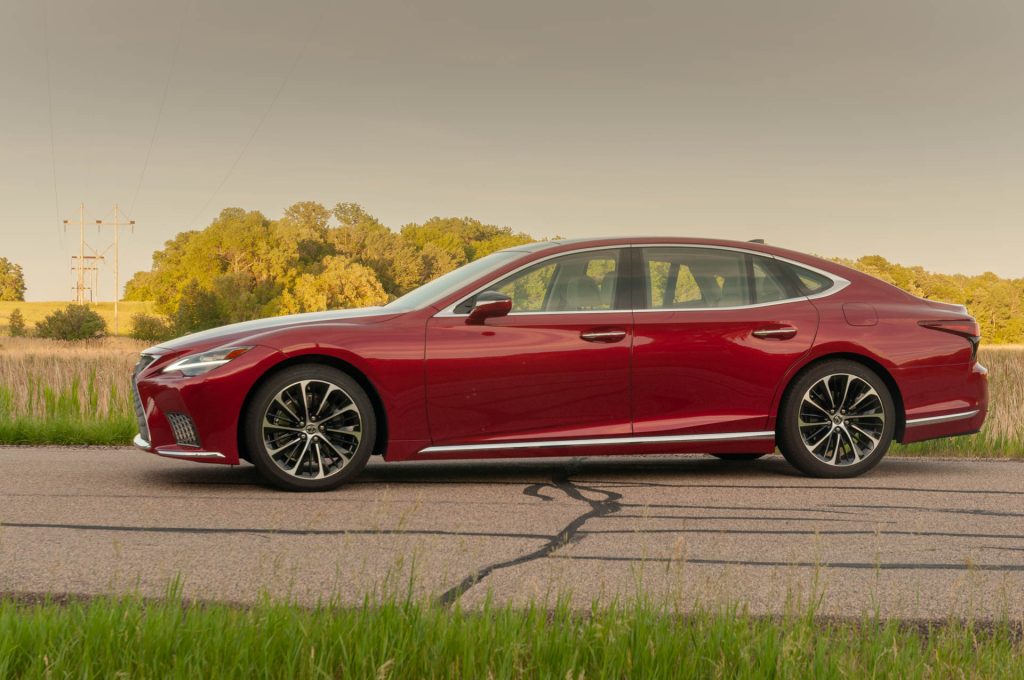
That is higher than the $551 average across Lexus models reported by RepairPal. The LS 460 figures relate to an earlier generation, not the current LS, so they should not be treated as a direct repair-cost forecast for a 2026 vehicle.
This is a case where the nameplate’s historic durability is stronger than its recent reliability and repair-cost picture. iSeeCars measures the chance of reaching exceptionally high mileage, while CR predicts reliability for a newer model, and RepairPal’s LS 460 data reflects an older generation.
The LS may last a very long time, but keeping an older luxury sedan in excellent condition can require substantial spending on maintenance, electronics, suspension, and specialized components.