
A low sticker price does not automatically make a vehicle a bargain. The better question is how much reliability, longevity, resale strength, and everyday usability buyers receive for the money they spend.
This comparison brings together Consumer Reports’ 2026 reliability findings, Kelley Blue Book’s five-year Cost to Own estimates, iSeeCars’ long-term mileage research, and RepairPal’s repair-cost data.
Since there is no universally recognized score-per-dollar rating, the selections are based on a balanced assessment that combines independent performance evaluations with reasonable ownership expenses. The focus is on vehicles sold in the American market that offer practical value and affordability over the long term.
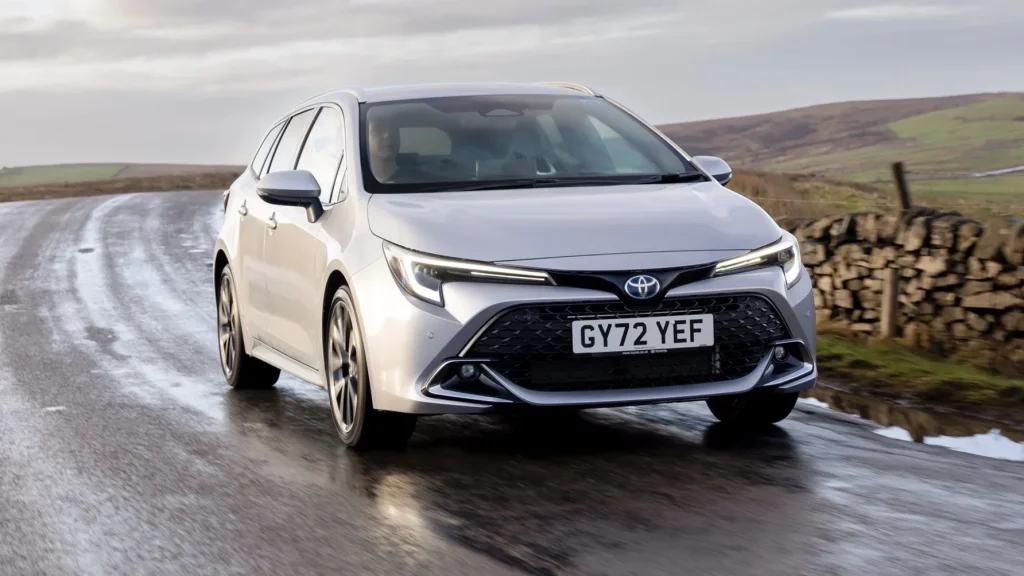
1. Toyota Corolla
The Corolla stands out because it offers a combination that appeals to cost-conscious buyers, including relatively low five-year ownership expenses and particularly favorable repair-cost figures. According to Kelley Blue Book, the estimated five-year cost of owning a 2026 Corolla is $39,656.
That total includes $8,226 in depreciation and $31,430 in operating expenses, covering fuel, insurance, maintenance, repairs, financing, and state fees. KBB places it in the middle range for compact-car ownership costs, so it is not the cheapest car in every comparison, but the projected total remains competitive.
Consumer Reports gives the Corolla a predicted reliability score of 76 in its 2026 reliability analysis, placing it fifth among the ten highest-scoring models in that list.
RepairPal further supports the Corolla’s reputation for affordable ownership, giving it a reliability score of 4.5 out of 5 and estimating annual repair expenses at just $362. This is considerably lower than the $526 average for compact cars and the $652 average across all vehicle models.
There is one important qualification in the iSeeCars data. The Corolla has a 5.4% probability of reaching 250,000 miles, equal to the average for all vehicles in the study but higher than the 3.4% passenger-car average. It is a respectable result, not a class-leading one.
The Corolla’s appeal is not based on a spectacular win in every category. It is the balance between predictable costs, low repair spending, and above-average passenger-car longevity that makes the model a sensible value candidate.
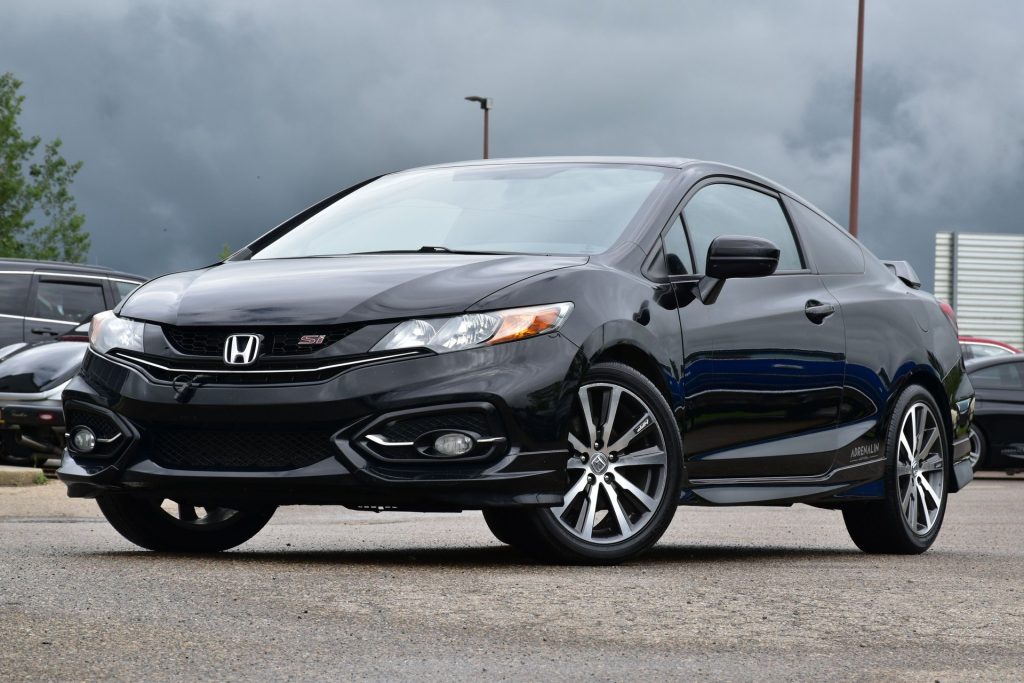
2. Honda Civic
The Civic costs more to own in KBB’s current five-year estimate than some smaller rivals, but its stronger results in several other studies help explain why buyers continue to consider it a high-value compact car.
KBB estimates a 2026 Civic’s five-year cost to own at $48,018, including $10,984 in depreciation and $37,034 in operating expenses. Insurance accounts for $20,980 of that operating total, making the estimate particularly sensitive to the insurance assumptions used. Actual premiums vary substantially by driver, location, and coverage.
Where the Civic gains ground is in independent recognition. Consumer Reports selected it as a 2026 Top Pick, citing its combination of driving performance, dependability, and practicality. Kelley Blue Book also named it the 2026 Best Buy in the compact-car category.
These are separate editorial evaluations, but both recognize the Civic as a strong choice within its segment.
RepairPal gives the model 4.5 out of 5 for reliability, with estimated annual repair costs of $368. That is $158 below the compact-car average. iSeeCars estimates a 15% chance of reaching 250,000 miles, compared with 5.4% for the average vehicle. The Civic’s long-distance probability is therefore one of its strongest value indicators.
The Civic is not the lowest-cost choice in this group, and its KBB estimate deserves attention before purchase. Its value proposition comes from the combination of strong third-party recognition, relatively inexpensive repairs, and a notably high probability of reaching exceptional mileage.
For buyers planning to keep a compact car for many years, those advantages can justify paying more at the outset.
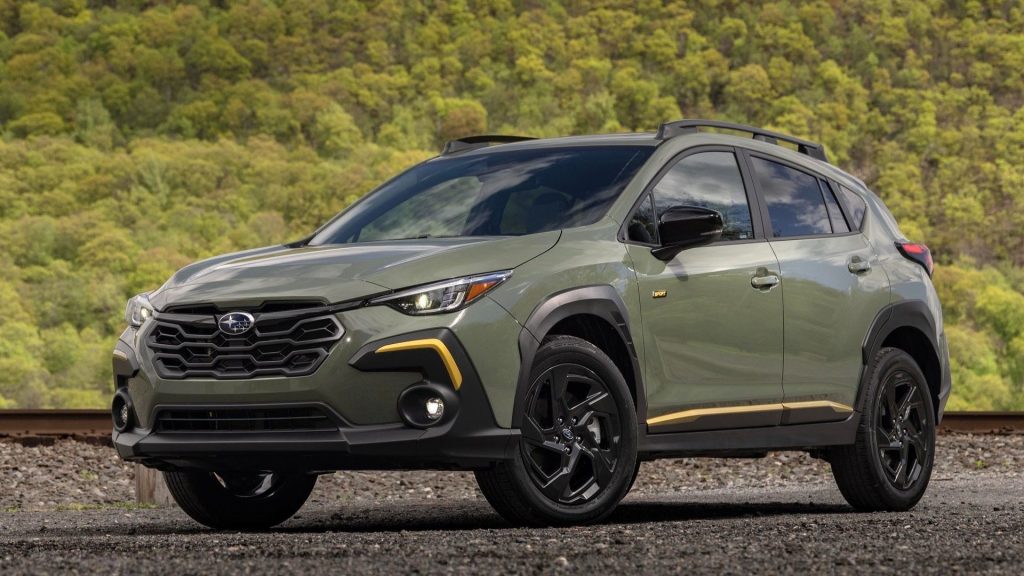
3. Subaru Crosstrek
The Crosstrek makes a convincing case for buyers who want all-wheel drive without moving into a much larger or more expensive SUV. Kelley Blue Book’s dedicated 2026 Cost to Own estimate puts its five-year ownership total at $42,353, including $11,102 in depreciation and $31,251 in operating expenses.
KBB places it in the top 10% for ownership costs among subcompact SUVs, which is a stronger category-specific result than simply calling it affordable.
Consumer Reports further strengthens the Crosstrek’s standing by including it in its 2026 Top Picks. The model also delivered an impressive reliability performance, placing third in the 2026 reliability rankings with a score of 78 points.
That combination matters because the vehicle is not being selected on price alone. CR’s testing also considers driving performance, safety, and owner experience.
RepairPal gives the Crosstrek a 4.5-out-of-5 reliability rating and estimates annual repair costs at $492. That is below the $521 compact SUV average and the $652 average for all vehicles. It also reports an unusually low average of 0.1 unscheduled repair visits per year.
iSeeCars estimates a 6.8% probability of reaching 250,000 miles, above its 4.8% SUV average. This is not a guarantee, but it adds a useful longevity signal.
The Crosstrek’s value comes from its combination of low projected ownership costs, strong CR recognition, and favorable repair data. It is particularly appealing to buyers who need standard all-wheel drive and practical ground clearance without paying for a larger vehicle.
4. Honda HR-V
A small SUV can deliver excellent financial value when repair bills stay low and its purchase price does not bring unnecessary complexity. The HR-V is a standout in that respect. Kelley Blue Book estimates a five-year cost to own of $45,077 for the 2026 model.
The estimate includes $11,449 in depreciation and $33,628 in operating expenses, including fuel, insurance, maintenance, repairs, financing, and state fees. KBB places it in the middle range for subcompact SUV ownership costs, so its strongest case comes from repair and reliability evidence rather than a category-leading total.
RepairPal gives the HR-V an exceptional 5.0-out-of-5 reliability rating, ranking it first among seven subcompact SUVs. Its average annual repair cost is only $301, compared with $466 for the segment and $652 across all vehicle models. RepairPal also estimates just 0.1 unscheduled repair visits per year and a 5% probability of a severe repair.
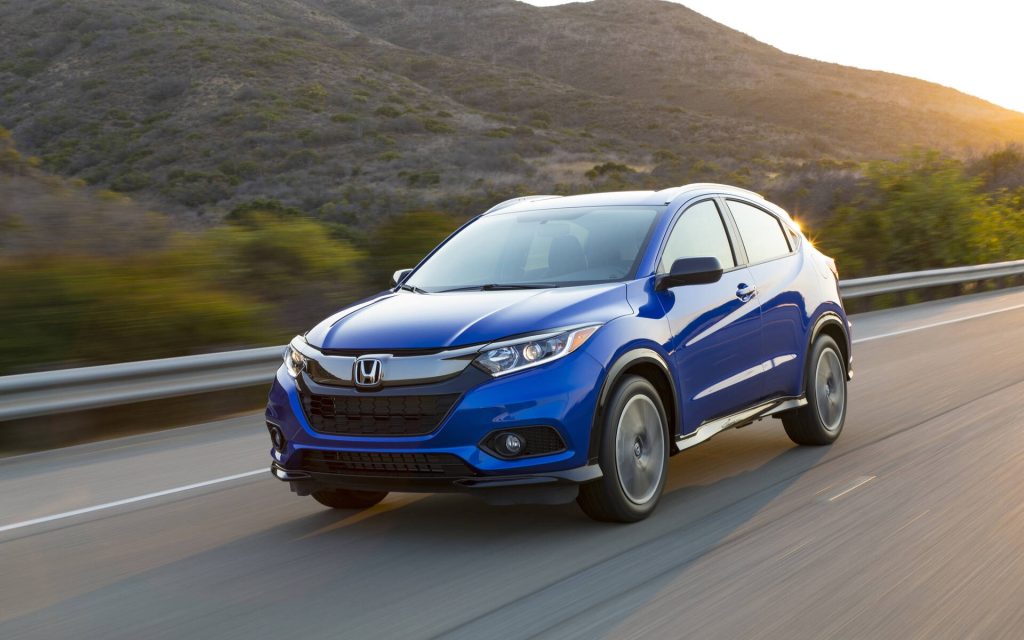
The iSeeCars longevity analysis strengthens the argument. The HR-V has a 17.6% probability of reaching 250,000 miles, compared with 4.8% for the average SUV in the study. That is an unusually strong result for a small crossover.
The HR-V was not one of KBB’s 2026 Best Buy category winners, nor was it among Consumer Reports’ ten Top Picks.
Its score-per-dollar case is built instead on RepairPal’s low repair estimate, iSeeCars’ strong mileage probability, and a manageable five-year ownership projection. For a buyer prioritizing practical transportation over acceleration or towing ability, that is a persuasive combination.
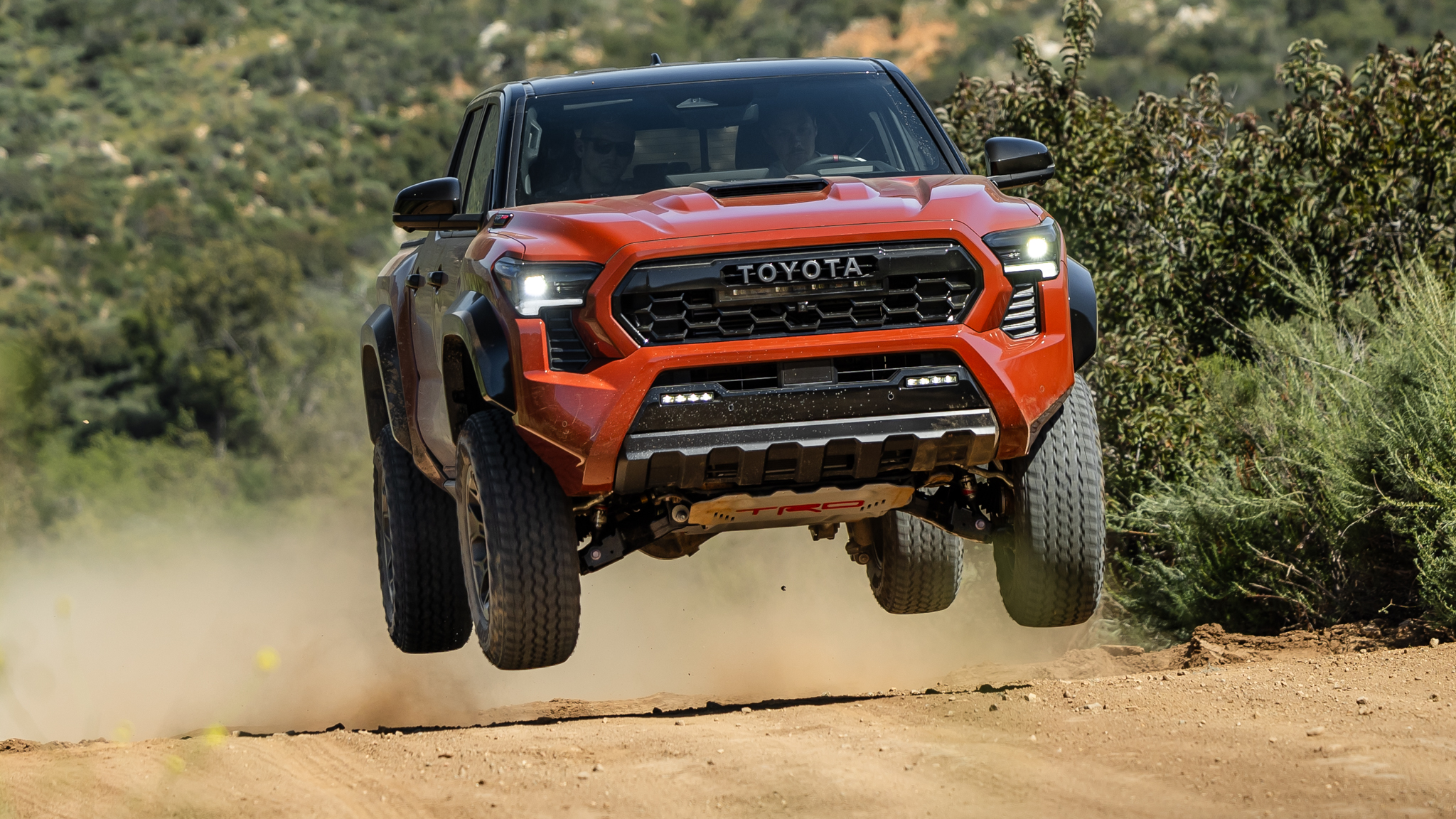
5. Toyota Camry
The Camry makes a strong case for buyers who need a comfortable midsize sedan but do not want luxury-car ownership expenses. Kelley Blue Book named the 2026 model its Best Buy in the midsize-car category and its Best Resale Value winner for that segment.
The resale recognition is particularly useful because KBB projects value retention over the first five years, when depreciation can make a substantial difference to the real cost of buying a new vehicle.
KBB’s five-year Cost to Own estimate for the 2026 sedan is $52,237. This includes $14,843 in depreciation and $37,394 in operating expenses. The estimate varies with trim and assumptions, so it should be treated as a planning figure rather than a guaranteed bill.
Consumer Reports selected the Camry as one of its 2026 Top Picks, praising its combination of comfort, fuel economy, and dependability. RepairPal gives the model a 4.0-out-of-5 reliability rating and estimates annual repair costs at $388, compared with $526 for midsize cars and $652 across all models.
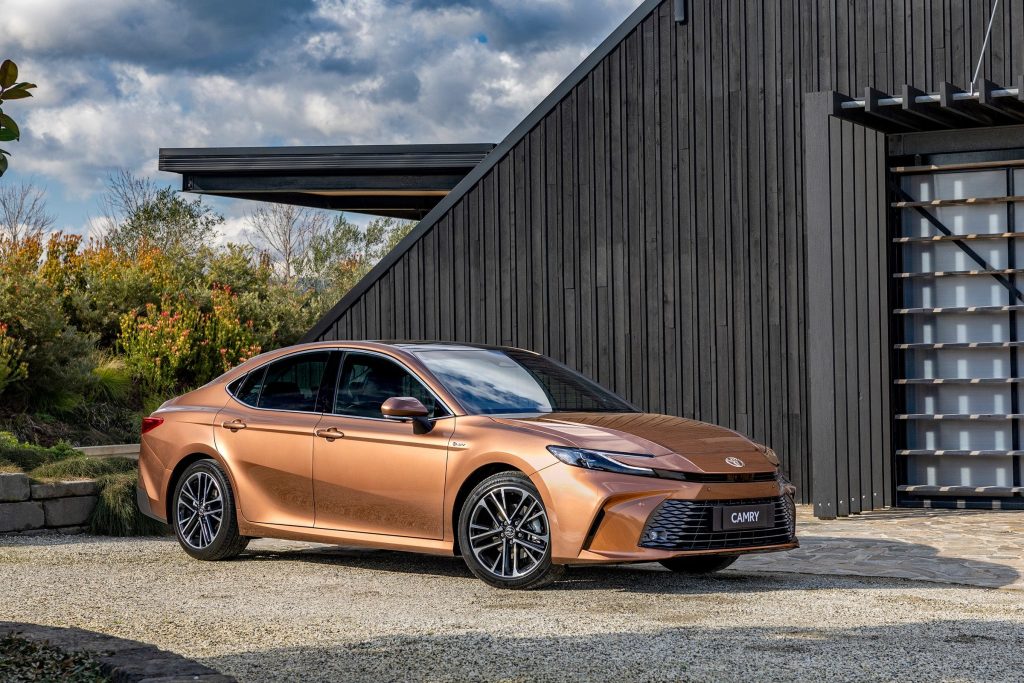
iSeeCars estimates an 8.8% chance of the Camry reaching 250,000 miles, more than twice the 3.4% passenger-car average. That is a useful longevity signal, although the probability applies to historical vehicles rather than promising the same result for every new Camry.
Its five-year estimate is higher than a compact car’s, but the Camry delivers more cabin space and strong resale recognition. That combination makes it a sensible value choice for drivers who want a family-friendly sedan and intend to keep it for several years.
6. Toyota Prius
The Prius is an unusual value proposition because its purchase price is only one part of its financial appeal. Fuel efficiency, resale strength, and a long history of hybrid use all contribute to its case.
Kelley Blue Book projects that the 2026 Prius will retain 53.1% of its original value after five years, earning it the 2026 Best Resale Value award in the hybrid category. Strong retained value can reduce the effective cost of ownership when the vehicle is eventually sold or traded.
KBB estimates the 2026 model’s five-year cost to own at $52,237, including $14,157 in depreciation and $38,080 in operating expenses. That estimate includes insurance, fuel, maintenance, repairs, financing, and state fees. Buyers should remember that insurance and financing assumptions can change the total considerably.
The reliability evidence is encouraging. Consumer Reports expects the 2026 Prius to be more reliable than the average new vehicle, based on the 2023 through 2025 models. RepairPal gives the nameplate a 4.0-out-of-5 rating and estimates annual repair costs at $408, below the $526 midsize-car average.
iSeeCars estimates an 11.5% probability of reaching 250,000 miles, compared with 5.4% across all vehicles. That is more than twice the study average.
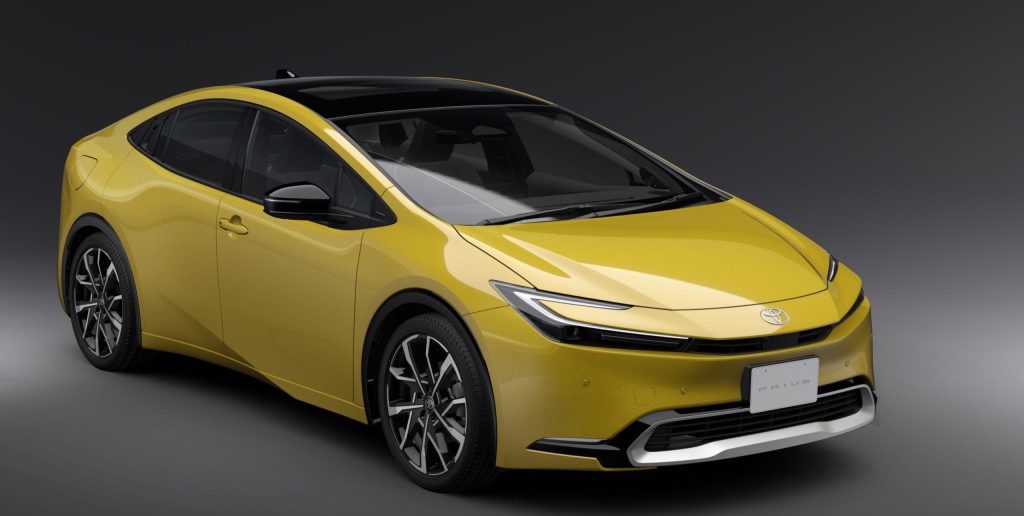
The Prius is not the cheapest vehicle to purchase or own over five years, but its combination of hybrid efficiency, strong resale projections, positive reliability expectations, and below-average repair spending gives it a compelling long-term value argument. It particularly suits drivers who cover substantial annual mileage.
7. Toyota Tacoma
A pickup truck rarely looks inexpensive when compared with a compact sedan, so the Tacoma needs to be judged within its own category. Kelley Blue Book estimates that the 2026 XtraCab has a five-year Cost to Own of $45,649, including $11,006 in depreciation and $34,643 in operating expenses.
KBB places it in the lower-cost 11% to 25% of midsize pickups. That is a meaningful result for buyers who need an actual truck rather than a car-based crossover.
Resale performance is a major part of the equation. KBB named the Tacoma its 2026 Best Resale Value winner among midsize pickup trucks. Its five-year retained value is supported by the model’s strong demand in the used-truck market. It also won KBB’s 2026 Best Buy award in the midsize-truck category, giving it recognition for more than depreciation alone.
Consumer Reports expects the 2026 Tacoma to be more reliable than the average new vehicle, using data from the 2024 and 2025 models. iSeeCars estimates a 25% probability of reaching 250,000 miles, compared with an 11.1% average for trucks in its study.
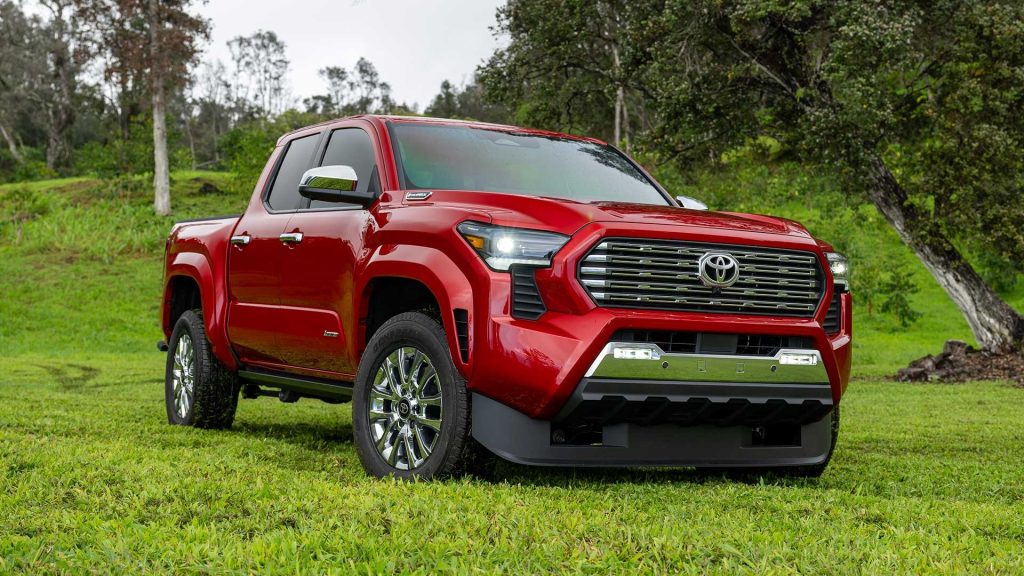
There is a qualification in RepairPal’s findings. It gives the Tacoma a 3.5-out-of-5 reliability rating and estimates annual repair costs at $478, below the $548 midsize-truck average. However, it reports a 17% probability of a severe repair, above the segment’s 13%.
The Tacoma earns its place through resale strength and longevity, not because every repair metric is perfect. Buyers should compare cab styles, engine choices, and actual five-year costs before deciding whether its truck capability justifies the higher spending.
8. Honda CR-V
The CR-V is a practical example of how a family SUV can justify its purchase price through resale strength and manageable repair spending. Kelley Blue Book estimates a five-year Cost to Own of $48,229 for the 2026 model.
The figure includes $11,007 in depreciation and $37,222 in operating expenses, covering fuel, insurance, maintenance, repairs, financing, and state fees. KBB places it in the middle range for compact SUV ownership costs, rather than among the segment’s cheapest models.
Its resale performance is considerably stronger. KBB named the CR-V the 2026 Best Resale Value winner in the compact SUV category. That recognition matters because depreciation is one of the largest expenses many new-car owners face. Retaining more of its original value can reduce the financial loss when the vehicle is eventually sold.
Consumer Reports expects the 2026 CR-V to be more reliable than the average new car, using data from the 2023, 2024, and 2025 models. RepairPal gives the nameplate a 4.5-out-of-5 reliability rating and estimates annual repair costs at $407, below the $521 compact SUV average.
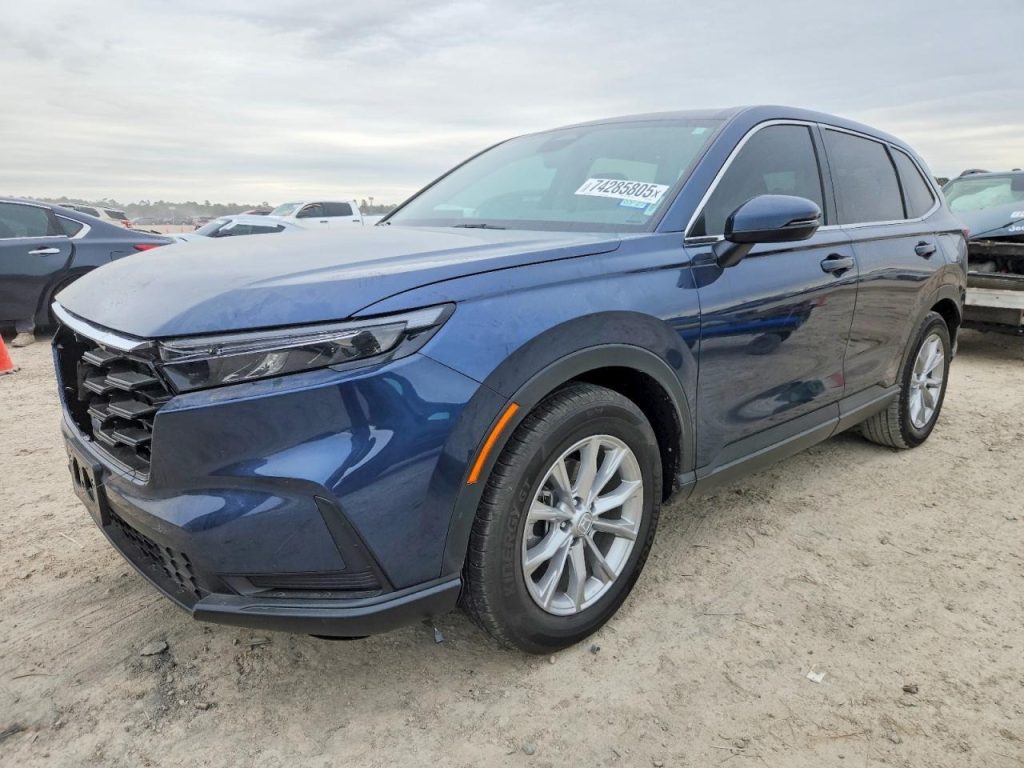
iSeeCars estimates a 12.7% probability of reaching 250,000 miles, approximately 2.4 times the 5.4% average across all vehicles in its study.
The CR-V is not a bargain simply because it is inexpensive to buy. Its value comes from a combination of resale protection, favorable repair figures, and above-average longevity. For households that need passenger space and everyday versatility, those qualities can make its five-year spending easier to justify.
9. Honda Accord
The Accord deserves attention because its five-year ownership projection is lower than several larger family vehicles, while its repair record remains strong. Kelley Blue Book estimates a 2026 Accord will cost $47,122 to own over five years.
Of that amount, $11,390 is projected depreciation and $35,732 represents operating expenses such as fuel, insurance, maintenance, repairs, financing, and state fees. KBB places it in the middle range for midsize-car ownership costs, making it a competitive choice rather than an absolute cost leader.
Consumer Reports expects the 2026 model to be more reliable than the average new vehicle, based on information from the 2023, 2024, and 2025 model years. That gives the Accord a positive reliability forecast with a longer evidence base than a completely new design would have.
RepairPal gives the Accord a 4.5-out-of-5 reliability rating, ranking it first among 24 midsize cars. Its estimated annual repair cost is $400, compared with $526 for the segment and $652 across all vehicle models. That is a meaningful advantage for owners planning to keep their sedan after its factory warranty expires.
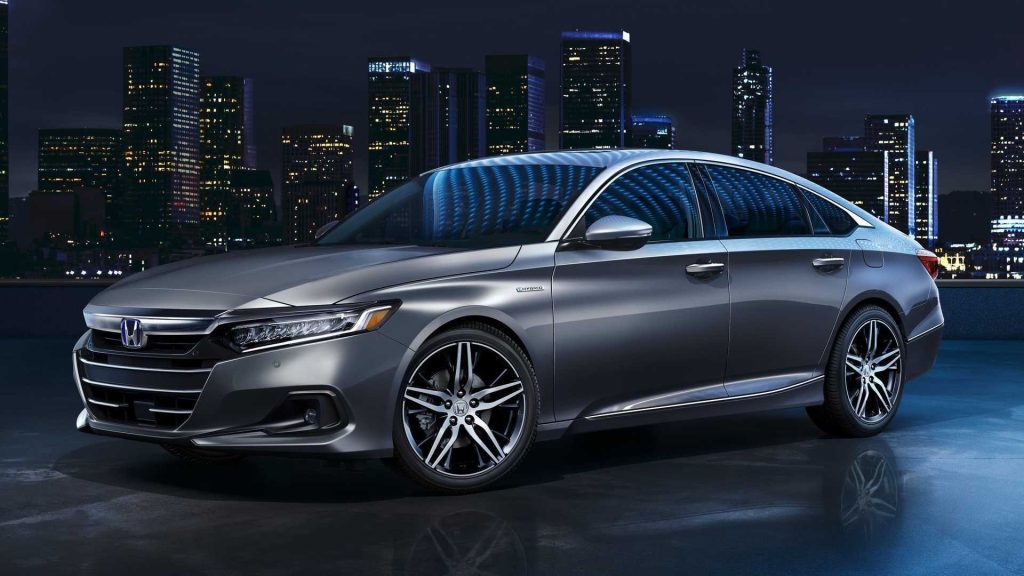
iSeeCars estimates an 8.4% probability of reaching 250,000 miles, compared with a 3.4% average for passenger cars. This is a historical probability, not a promise that a particular Accord will reach that distance.
The Accord offers a well-rounded ownership experience, combining reasonable five-year costs, favorable repair ratings, strong predicted reliability, and above-average potential for long-term use. It is a practical choice for drivers who want the comfort and space of a midsize sedan without moving up to a larger SUV.
10. Toyota Highlander Hybrid
Although a three-row hybrid SUV comes with higher purchase and ownership costs than a compact car, the Highlander Hybrid offers a different set of advantages. Its value comes from providing generous space for families, improved fuel efficiency, and a well-established reputation for long-term durability.
Kelley Blue Book estimates its 2026 five-year Cost to own at $59,889. That includes $19,695 in depreciation and $40,194 in operating expenses. KBB places it in the lower-cost 11% to 25% of midsize SUVs, a useful comparison for shoppers who specifically need three rows and hybrid power.
Consumer Reports included the Highlander Hybrid among its ten most reliable 2026 models, assigning it a predicted reliability score of 71. That result is encouraging for a vehicle with a more complex hybrid powertrain, although buyers should still check the exact model year and service history.
iSeeCars estimates a 20.7% probability of reaching at least 250,000 miles, around 3.8 times the 5.4% average across all vehicles in its study.
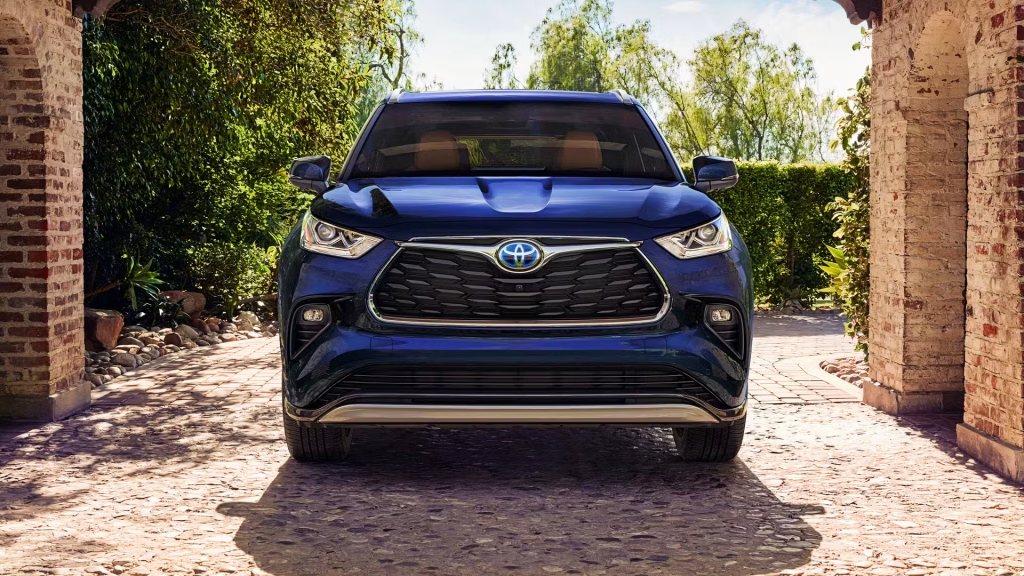
RepairPal gives the broader Highlander nameplate a 4.0-out-of-5 reliability rating and estimates annual repair costs at $489, below the $573 midsize SUV average. RepairPal’s figure covers the nameplate across multiple years, rather than the 2026 hybrid alone.
This SUV is not a low-budget purchase, and its five-year estimate is the highest in this selection. Its score-per-dollar case depends on the buyer needing three-row space and valuing hybrid efficiency alongside long-term durability.
For families who would otherwise purchase a similarly sized vehicle, the Highlander Hybrid offers a strong combination of capability and ownership evidence.
