
A new car can feel like a safe investment while its factory warranty covers unexpected repairs. The calculation changes when that protection expires, particularly if the vehicle has expensive replacement parts, disappointing resale value, or a history of reliability concerns.
Some owners choose to trade rather than risk paying thousands of dollars for repairs they previously expected the manufacturer to cover. Others simply move on to something newer. From expensive electric vehicles to aging family SUVs, these ten models illustrate why ownership costs can influence trade-in decisions.
The important question is not just how a car drives, but what happens when warranty protection disappears.
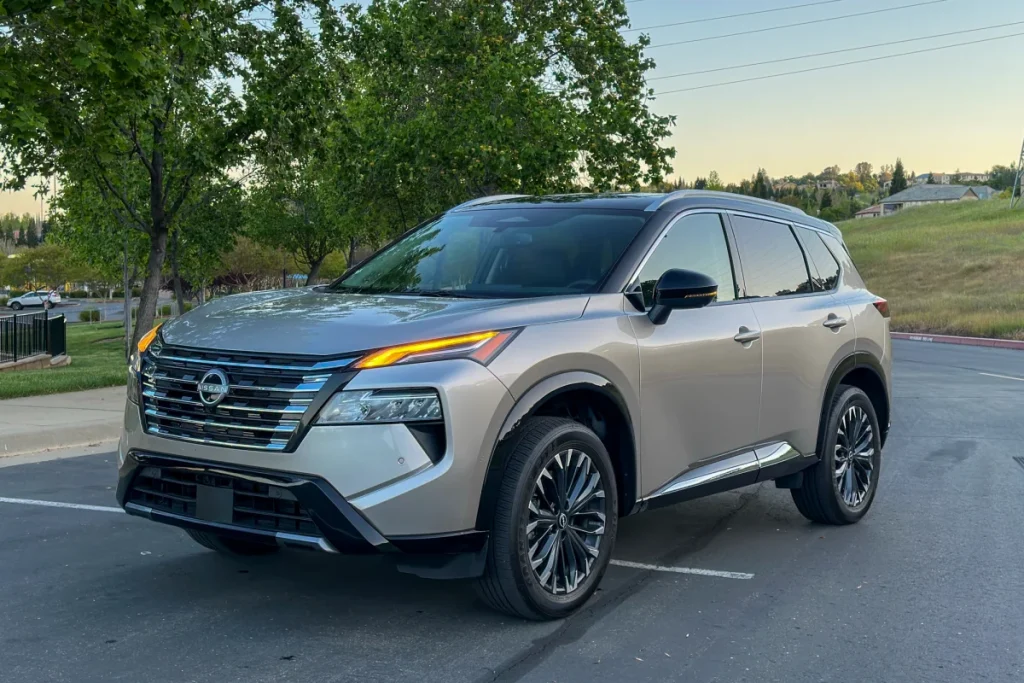
1. Nissan Rogue: Owners Move On Earlier Than Expected
The Nissan Rogue takes the first position because it recorded the shortest average ownership period among the 24 popular vehicles examined by iSeeCars. Original owners kept the compact SUV for approximately 6.8 years, compared with the study’s 8.4-year average.
That difference makes it an interesting example of how quickly some owners move on from a vehicle they originally purchased new.
Interestingly, the Rogue’s relatively short ownership period does not automatically indicate poor reliability. iSeeCars specifically suggested that changing family requirements could explain its position.
Owners may initially purchase a compact SUV for commuting, shopping, and occasional family trips, only to discover that they need a larger vehicle as their household grows.
There is also a financial consideration. As the Rogue accumulates mileage, maintenance requirements become increasingly important. Its continuously variable transmission deserves particular attention when evaluating used examples.
Nissan has used different CVT versions across model years, and their performance and service histories should not be treated as identical. A prospective buyer should examine transmission servicing, driving behavior, and any documented repairs.
The factory warranty can also influence an owner’s decision. Nissan’s conventional new-vehicle limited warranty covers three years or 36,000 miles, while its powertrain coverage generally extends to five years or 60,000 miles, whichever comes first. Once that protection expires, owners must consider potential repair expenses themselves.
The Rogue’s 6.8-year figure suggests a relatively short ownership cycle, but it does not establish that owners routinely sell immediately after warranty expiration. Changing family needs, depreciation, and replacement preferences can all influence that decision.
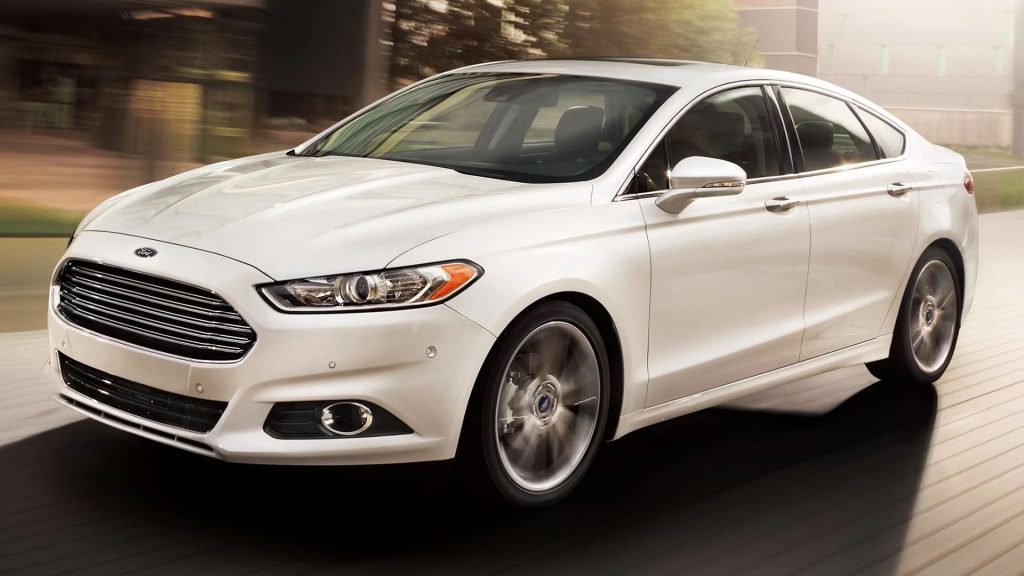
2. Ford Fusion: Discontinuation Changed the Ownership Equation
The Ford Fusion recorded an average original-owner retention period of 7.1 years in the iSeeCars study, placing it near the bottom of the popular-vehicle comparison.
Although that figure does not establish that mechanical failures caused owners to sell, the sedan’s position becomes more interesting when its changing place in the American automotive market is considered.
Ford discontinued Fusion production in North America after the 2020 model year. The decision reflected a broader industry shift toward SUVs and pickups, with manufacturers investing less in traditional passenger sedans.
For Fusion owners approaching the end of their warranty coverage, this changing market could provide another reason to consider a replacement vehicle.
The Fusion was offered with several engine configurations, including naturally aspirated four-cylinder engines, turbocharged EcoBoost options, and hybrid powertrains. Consequently, it would be misleading to describe every Fusion as having the same reliability profile.
Different engines and transmissions have different service requirements, and particular model years have experienced different reported problems.
Its discontinued status also creates a resale consideration. A discontinued vehicle does not automatically become difficult to repair because Ford continues to support older vehicles through its parts and service network.
Nevertheless, buyers may prefer newer models with updated technology, while used-car shoppers may negotiate more aggressively depending on condition and demand.
Ford’s original basic warranty generally covered three years or 36,000 miles, while powertrain protection extended to five years or 60,000 miles. Once those limits expire, an owner must budget for repairs without that original coverage.
The Fusion’s ownership figure reflects a relatively short holding period, but its market history provides an important explanation beyond mechanical reliability.
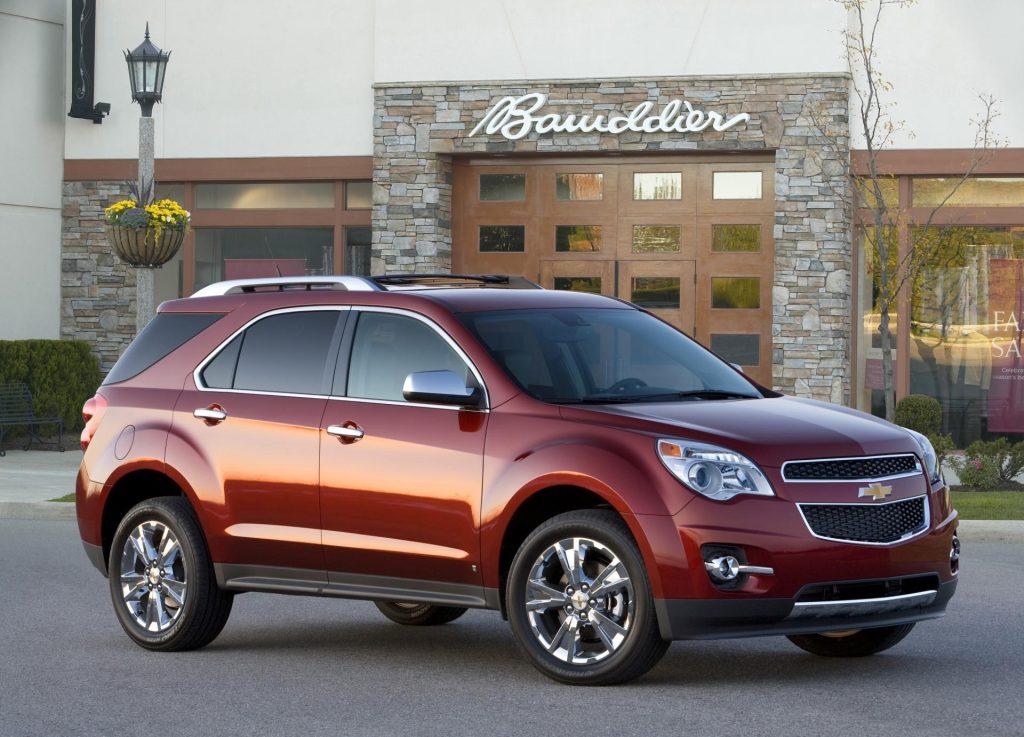
3. Chevrolet Equinox: Depreciation and Repair Decisions Can Change Ownership Plans
The Chevrolet Equinox shares a 7.1-year average ownership period with the Ford Fusion in the iSeeCars comparison. Its position makes it particularly relevant because compact SUVs are generally purchased for their practicality, family-friendly dimensions, and everyday usability.
However, those advantages do not necessarily guarantee that owners will keep them for a decade.
The Equinox has been sold across multiple generations, with different engines, transmissions, and equipment packages. This is an important distinction when discussing its ownership costs.
A 2015 Equinox and a 2024 Equinox are not mechanically identical vehicles, so reliability concerns associated with one generation should not automatically be applied to another.
For example, certain earlier Equinox models equipped with the 2.4-liter four-cylinder engine received attention for excessive oil consumption complaints. The specific vehicle’s maintenance history, engine condition, and repair records therefore deserve close examination. That does not mean every Equinox develops the same issue.
The end of factory warranty coverage can make these considerations more important. Chevrolet’s standard new-vehicle limited warranty generally provides three years or 36,000 miles of bumper-to-bumper protection, while its powertrain warranty generally covers five years or 60,000 miles. Afterward, major repairs may become the owner’s responsibility.
Depreciation adds another consideration. When a vehicle loses substantial market value, spending several thousand dollars on an unexpected repair can become a difficult decision. Some owners may prefer to trade it toward another SUV rather than continue investing in an aging vehicle.
However, the 7.1-year ownership statistic does not establish that warranty expiration caused Equinox owners to sell. It simply identifies a comparatively short ownership period among popular vehicles.
For used-car shoppers, checking the exact engine, maintenance documentation, and recall status is considerably more useful than judging the entire model lineup by one historical figure.
4. Hyundai Elantra: Changing Technology Can Encourage Earlier Trade-Ins
The Hyundai Elantra recorded an average original-owner retention period of 7.9 years in the iSeeCars study. Although this is closer to the 8.4-year average than the first three vehicles on this list, it still places the sedan among the shorter-held popular models.
One reason the Elantra deserves attention is the competitive nature of the compact sedan market. Buyers frequently compare it against the Honda Civic and Toyota Corolla, particularly when shopping for fuel efficiency, interior technology, safety equipment, and affordable transportation.
As manufacturers introduce redesigned interiors and improved driver-assistance features, existing owners may become more interested in upgrading.
Warranty coverage is another important part of Hyundai’s ownership proposition. In the United States, Hyundai generally offers a five-year or 60,000-mile new-vehicle limited warranty.
Its original-owner powertrain warranty generally extends to ten years or 100,000 miles, subject to the applicable terms and exclusions. This is considerably longer than the basic coverage offered by several competitors.
However, owners should understand that the powertrain warranty does not cover every component of the vehicle. Wear items, maintenance expenses, and certain electrical or convenience-system repairs may still become the owner’s responsibility.
The Elantra has also been offered with different engine configurations across generations. Some earlier models equipped with certain gasoline engines were included in engine-related investigations, recalls, or warranty-extension programs. That makes checking the vehicle’s model year and VIN particularly important.
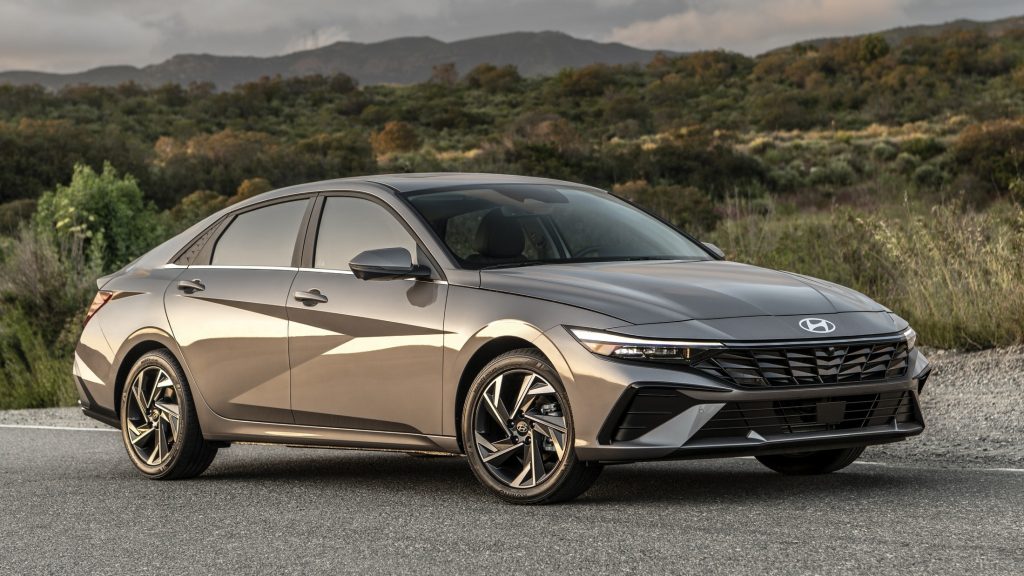
The historical ownership figure should not be interpreted as evidence that Elantra owners abandon their cars when the warranty expires. A combination of changing preferences, vehicle upgrades, and household requirements can influence trade-in timing.
For someone considering a used Elantra, the longer Hyundai powertrain warranty may be attractive, but buyers should verify eligibility and remaining coverage rather than assuming every secondhand vehicle retains the original owner’s benefits.
5. Ford Escape: An SUV That Faces Tough Competition in the Used Market
The Ford Escape recorded an average original-owner retention period of 8.0 years, according to the iSeeCars comparison. While this is only slightly below the study’s 8.4-year average, it places the Escape among the ten shortest-held popular vehicles in that research.
The Escape has remained an important name in Ford’s compact SUV lineup, offering a combination of practical passenger space, available all-wheel drive, and several powertrain choices.
Across its different generations, buyers could choose conventional gasoline engines, hybrid versions, and plug-in hybrid models. This variety makes the Escape attractive to different types of households, but it also means ownership experiences can vary considerably.
Powertrain selection is particularly important when evaluating an older example. Certain Escape generations have experienced documented transmission, engine, and cooling-system concerns.
However, those problems are not universal across every model year. A buyer should identify the exact engine and transmission before researching common faults or arranging a mechanical inspection.
Ford’s factory warranty generally includes three years or 36,000 miles of basic coverage and five years or 60,000 miles of powertrain protection. Once the original coverage ends, owners may begin weighing the cost of continued maintenance against the trade-in value of their SUV.
The used-car market can influence this decision. Compact SUVs face competition from numerous manufacturers, and a newer model may offer better infotainment technology, improved driver assistance, or a different hybrid system. Owners who prioritize these features may trade before their vehicle becomes particularly old.
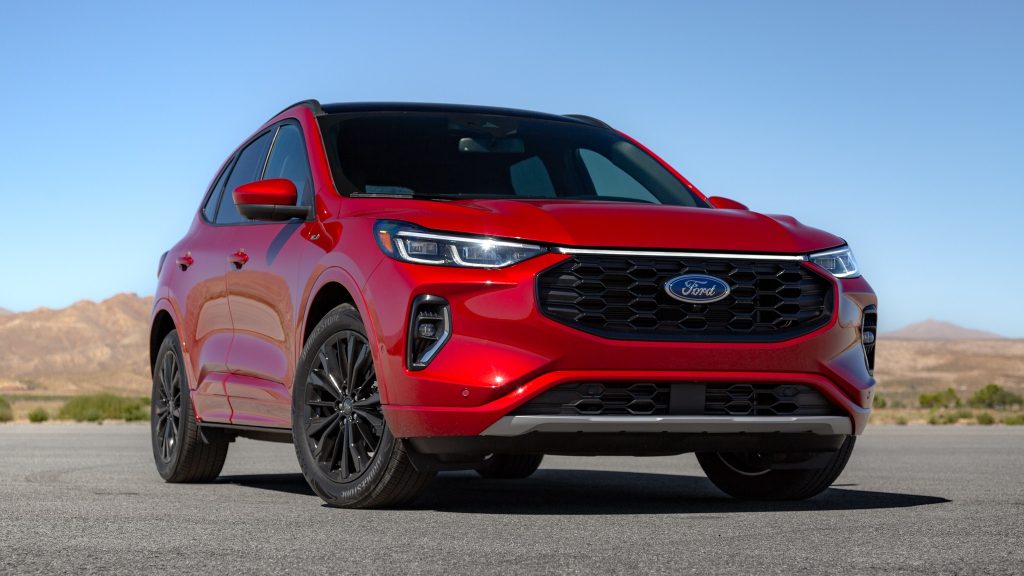
Still, the eight-year ownership figure does not prove that Escape owners routinely leave once their warranties expire. It measures how long original owners kept their vehicles before resale, not the reason for selling.
For buyers, a complete service history and an inspection of the specific powertrain matter much more than assuming every Escape has the same mechanical weaknesses.
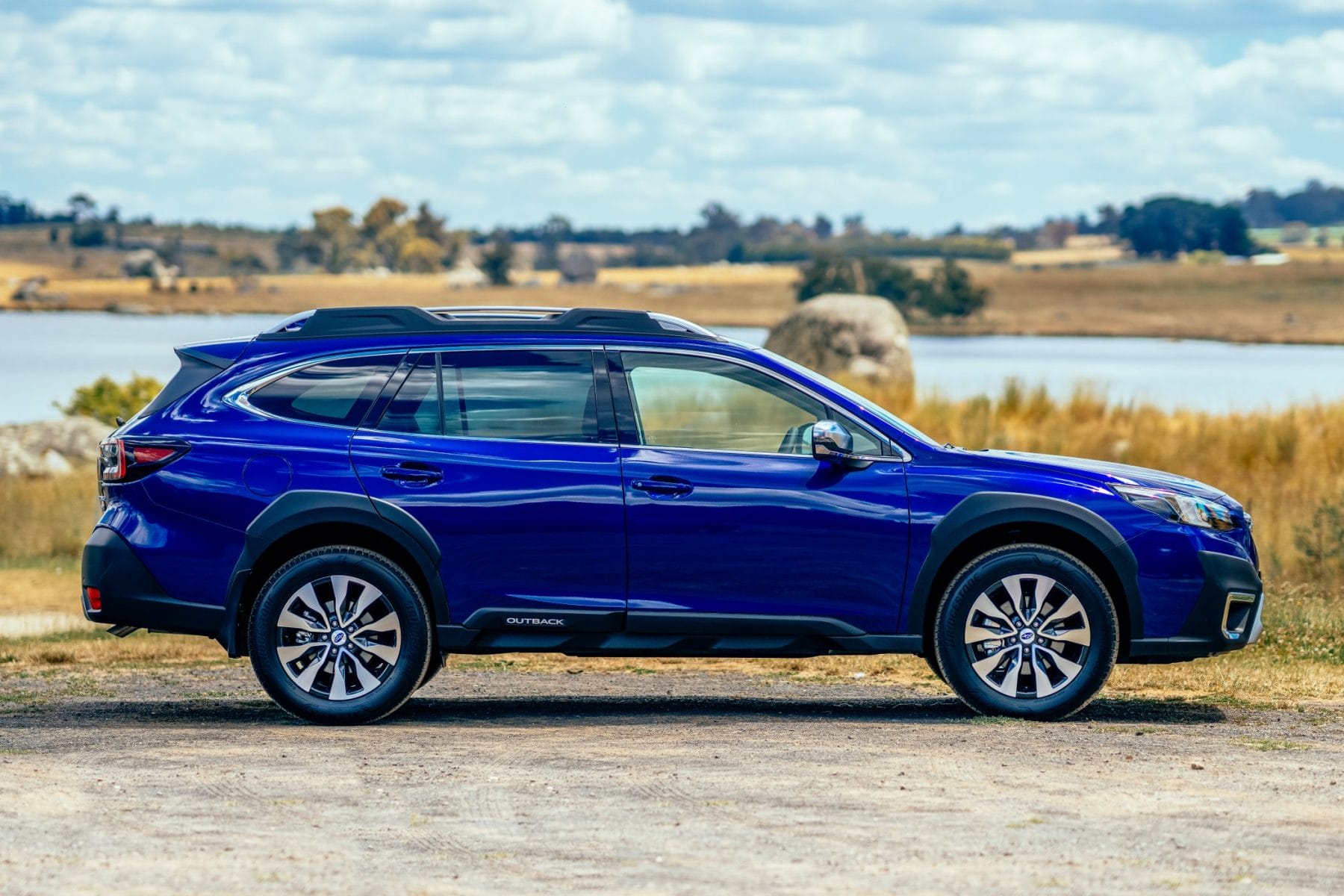
6. Subaru Outback: Practicality Does Not Always Mean Permanent Ownership
The Subaru Outback recorded an average original-owner retention period of 8.1 years in the iSeeCars popular-vehicle study. Its position is interesting because the Outback has a loyal customer base and offers a distinctive combination of wagon-like practicality, SUV-inspired ground clearance, and standard all-wheel drive.
Unlike some conventional compact SUVs, the Outback appeals to people who regularly travel on unpaved roads, visit outdoor destinations, or need additional cargo flexibility. Its interior packaging and all-weather capability make it particularly attractive to households that want something different from a traditional sedan.
However, buyers should remember that Subaru has used different engines and continuously variable transmissions across Outback generations.
Some older vehicles have experienced oil consumption, head-gasket, and CVT-related concerns, depending on the specific model year and powertrain. These historical issues should not be presented as universal defects affecting every Outback.
The warranty calculation is also worth considering. Subaru’s standard new-vehicle limited warranty generally covers three years or 36,000 miles, while its powertrain warranty generally extends to five years or 60,000 miles. Beyond those limits, repairs involving major mechanical components can become more expensive for the owner.
For some drivers, that is the point at which replacing an older vehicle becomes attractive. Others may prefer to continue maintaining their Outback because its capability still suits their lifestyle. The vehicle’s resale condition, mileage, and maintenance history can significantly change that calculation.
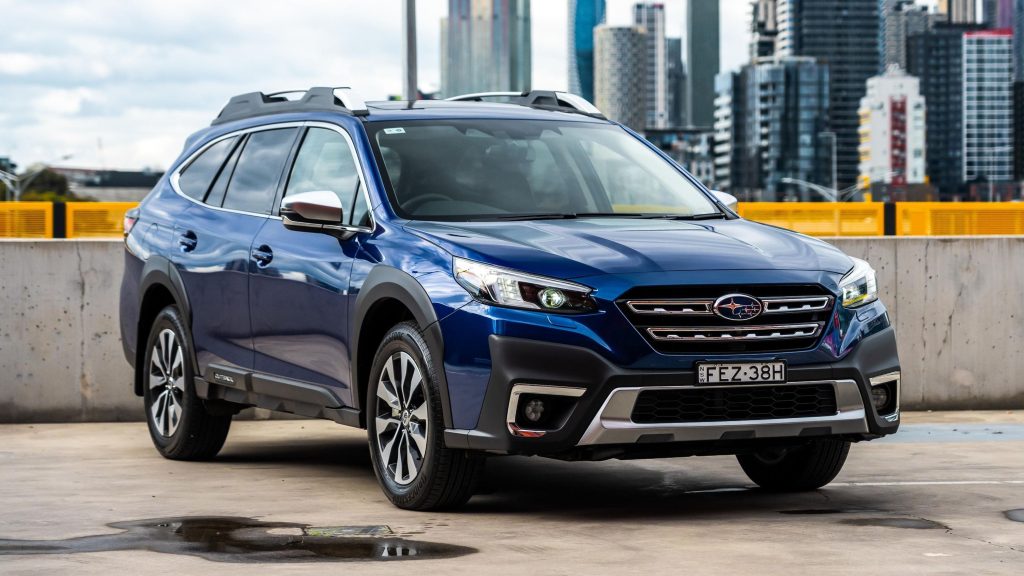
The 8.1-year figure is not proof that Outback owners sell because of warranty expiration. It simply places the model below the historical average in this particular ownership comparison.
A prospective buyer should pay attention to maintenance records, CVT servicing where applicable, engine condition, and any outstanding recalls. A properly maintained Outback can remain a practical choice well beyond its original warranty period.
7. Nissan Sentra: Affordable Transportation Still Has an Ownership Limit
The Nissan Sentra recorded an average ownership period of 8.4 years in the iSeeCars research. This figure matches the study’s average for all vehicles, but places the Sentra toward the shorter end of the popular-model comparison.
The Sentra’s appeal has traditionally centered on affordability, fuel economy, and straightforward everyday transportation. It attracts commuters and buyers who want a reasonably priced sedan without paying for a larger vehicle. However, purchasing a budget-friendly car does not necessarily mean owners intend to keep it indefinitely.
One consideration for used Sentra buyers is the continuously variable transmission used in several generations. Certain model years have attracted transmission-related complaints and warranty extensions. The specific year matters enormously, because Nissan has made changes to its powertrains and transmission systems over time.
This is particularly relevant after factory coverage expires. Nissan generally provides three years or 36,000 miles of basic warranty protection and five years or 60,000 miles of powertrain coverage. Once those limits are reached, an owner facing a major repair may compare the expense with the value of replacing the vehicle.
There is also the question of changing expectations. Newer Sentra models offer updated infotainment systems, modern safety features, and refreshed cabin designs. An owner who purchased an older version for basic transportation may eventually decide that a newer vehicle better suits daily commuting.
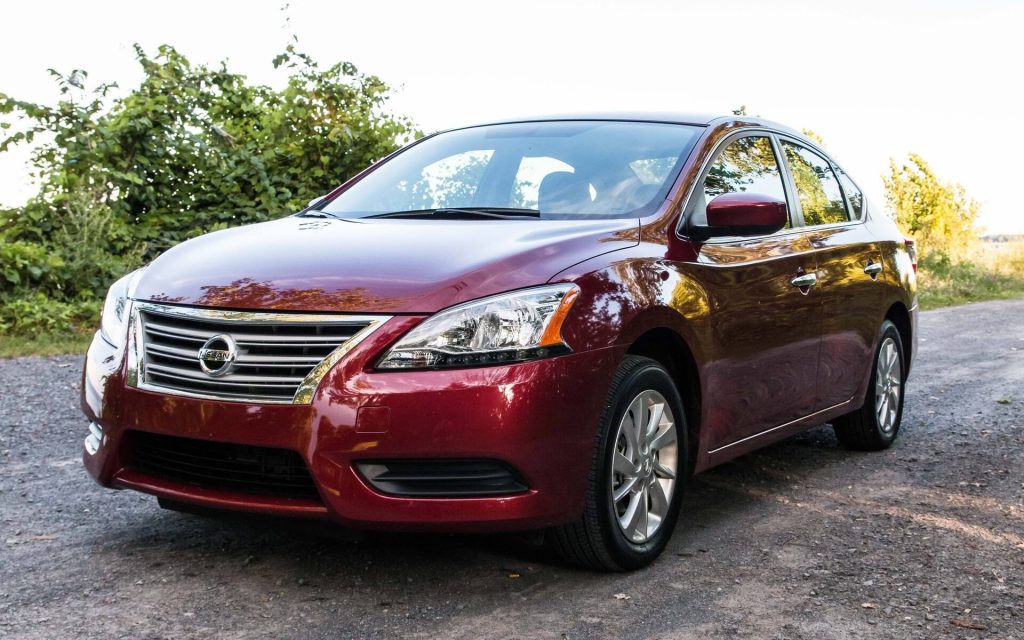
Nevertheless, the 8.4-year statistic does not indicate that the Sentra has a guaranteed mechanical problem at that age. It also does not establish that warranty expiration is the reason owners trade.
For anyone purchasing a used example, the most important checks include transmission behavior, documented maintenance, previous repairs, and recall completion. A clean history can make a substantial difference to the ownership experience.
8. GMC Sierra 1500: Pickup Owners Also Face Expensive Long-Term Decisions
The GMC Sierra 1500 recorded an average original-owner retention period of 8.5 years in the iSeeCars comparison. Although pickup trucks often remain in service for longer than passenger cars, the Sierra’s figure shows that even popular full-size trucks eventually reach a point where owners decide to sell or upgrade.
The Sierra serves a wide range of buyers. Some use it for commuting and family transportation, while others depend on its towing and hauling abilities for work. This variety makes its ownership costs different from those of a conventional sedan. Heavy usage, frequent towing, and high annual mileage can accelerate wear on certain components.
GMC has offered the Sierra with several engines, including V6, V8, and diesel options across different generations. Buyers should not assume that every engine has identical reliability characteristics. Certain model years have faced reported problems involving transmission operation, engine components, electrical systems, or emissions equipment.
The financial implications can become significant once warranty protection expires. A major repair involving a transmission, engine, or diesel emissions system may cost considerably more than routine maintenance. Owners who depend on their trucks for work may also need to consider lost productivity while the vehicle is being repaired.
GMC’s standard new-vehicle limited warranty generally includes three years or 36,000 miles of bumper-to-bumper coverage and five years or 60,000 miles of powertrain protection, subject to the specific warranty terms.
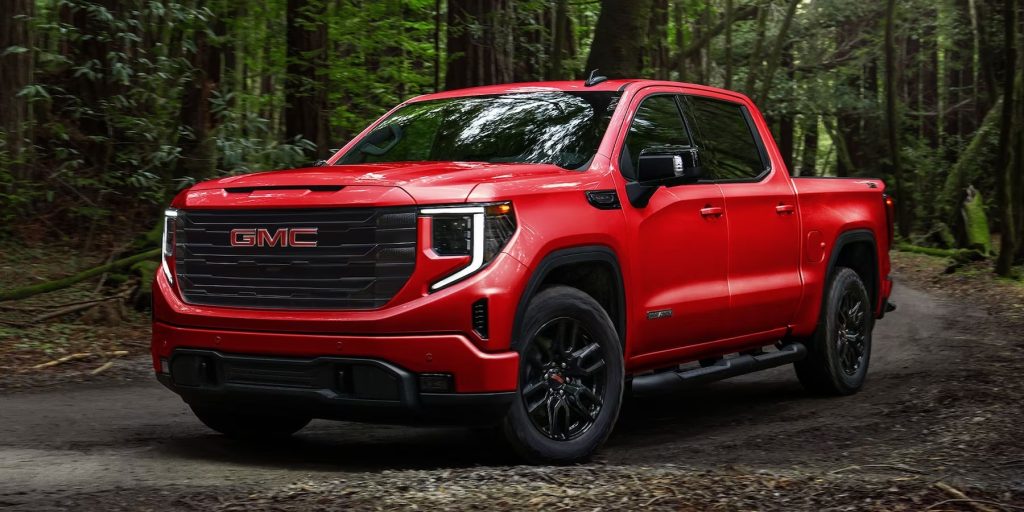
However, an 8.5-year ownership figure does not demonstrate that Sierra owners trade immediately after reaching those limits. Many pickup owners sell because their towing requirements change, they want a newer truck, or they no longer need the same capabilities.
Used buyers should check engine configuration, towing history, service records, and outstanding recalls before purchasing.
9. Subaru Forester: Owners May Want Something Different After Several Years
The Subaru Forester recorded an average original-owner retention period of 8.5 years, tying it with the GMC Sierra 1500 and Ford F-150 in the iSeeCars comparison. Its position is notable because the Forester has built its reputation around practicality rather than luxury or high-performance driving.
The compact SUV offers standard all-wheel drive, a spacious cabin, good outward visibility, and useful cargo capacity. These qualities make it appealing to families and drivers who regularly encounter rain, snow, or poorly maintained roads.
However, the Forester’s ownership experience depends on its generation and maintenance history. Subaru has used different naturally aspirated engines and CVT systems over the model’s lifespan.
Some earlier model years have attracted complaints involving oil consumption, while certain newer vehicles have faced separate engine or electrical-system concerns. It is important to distinguish documented model-specific issues from claims that every Forester is unreliable.
Warranty expiration can change how owners approach maintenance. Subaru generally provides three years or 36,000 miles of basic coverage and five years or 60,000 miles of powertrain protection. Afterward, owners must handle qualifying repairs themselves unless another warranty, service contract, or applicable coverage remains available.
A driver who has experienced several years of trouble-free ownership may happily keep the vehicle. Another owner might decide that a newer SUV offers improved technology, updated safety systems, or better fuel economy.
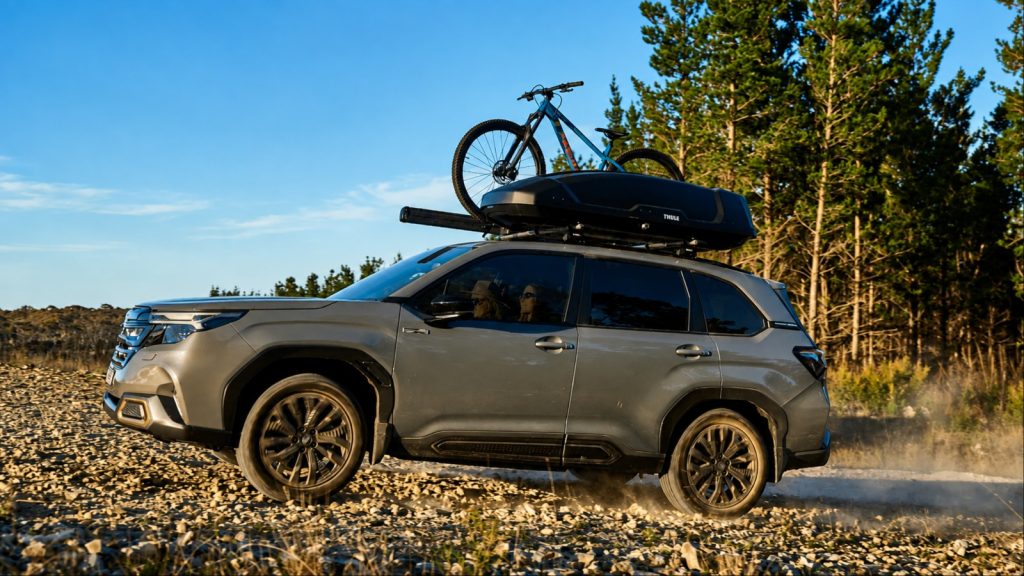
The historical 8.5-year figure cannot establish which of these decisions was responsible for the trade-in. It measures original-owner retention rather than mechanical failure or warranty-related selling behavior.
For used-car buyers, checking oil consumption history, CVT maintenance, service documentation, and recall completion is particularly worthwhile.
10. Ford F-150: America’s Best-Selling Truck Does Not Guarantee Long-Term Ownership
The Ford F-150 completes this list with an average original-owner retention period of 8.5 years in the iSeeCars comparison. That figure is particularly interesting because the F-150 has been America’s best-selling vehicle for decades and attracts buyers who depend on their trucks for both personal and professional use.
Its popularity does not necessarily mean every owner wants to keep the same truck for ten or fifteen years. Pickup buyers frequently upgrade to access newer towing technology, improved cabin equipment, updated safety features, or different engine configurations. Others trade when their work requirements change.
The F-150 has been offered with several powertrains, including naturally aspirated V6 and V8 engines, EcoBoost turbocharged engines, and hybrid configurations in more recent generations. Consequently, its maintenance costs and potential repair requirements differ depending on the model year and engine.
Transmission history also deserves attention. Certain F-150 model years have experienced complaints and technical service bulletins involving transmission operation. That does not mean every truck will develop a problem, but buyers should investigate the specific vehicle rather than relying on the model name alone.
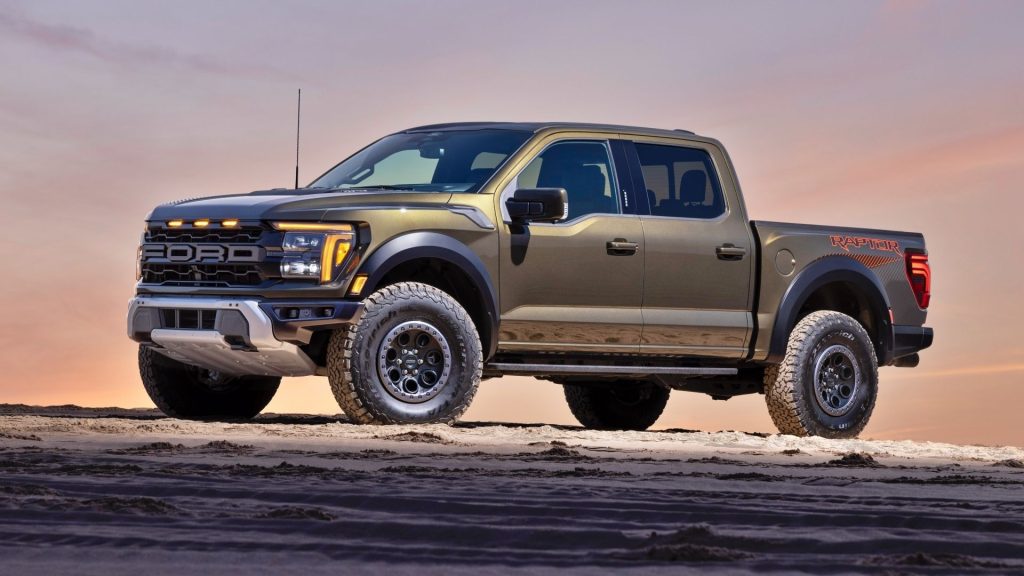
Ford generally provides three years or 36,000 miles of basic warranty coverage and five years or 60,000 miles of powertrain protection on new F-150 models. Once those periods expire, the financial responsibility for covered-component failures generally shifts to the owner.
For a work truck, an unexpected repair can create two expenses: the repair bill itself and the potential loss of working time. This can make trading for a newer truck attractive even when the existing vehicle remains operational.
Still, the 8.5-year ownership figure does not prove that F-150 owners sell after their warranties end. It simply shows that original owners in the historical study kept their trucks for less time than several other popular vehicles.
