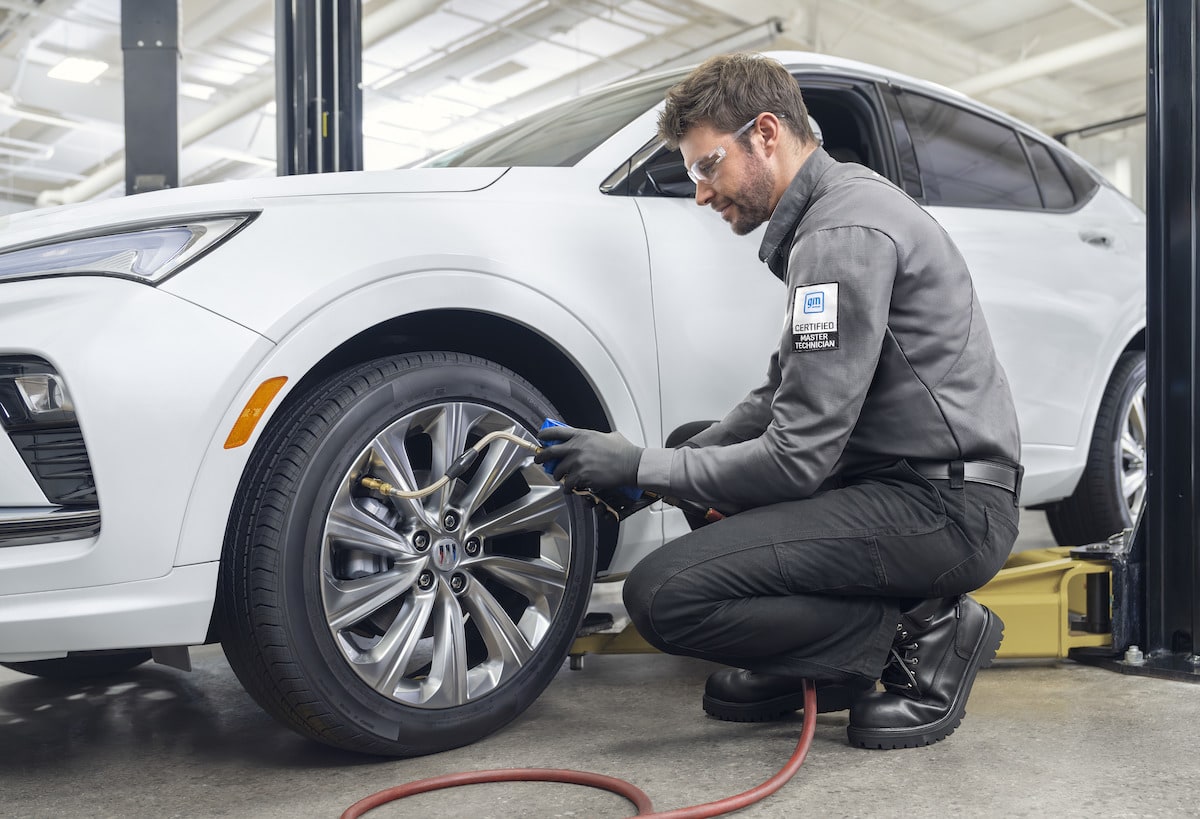
Wheel-and-tire protection is one of the optional products dealerships offer when customers finance or purchase a vehicle. It promises to help cover eligible tire and wheel damage caused by road hazards such as potholes, nails, and debris.
For buyers, the appeal is avoiding an unexpected repair or replacement bill. For dealerships, the product can create additional revenue beyond the vehicle sale and financing arrangement.
The amount a dealer makes depends on the plan’s selling price, the cost paid to the protection provider, commission arrangements, and the number of contracts sold. However, the full amount charged to the customer is not necessarily dealership profit.
What Customers Pay for Wheel-and-Tire Protection
Wheel-and-tire protection is generally sold as an optional finance-and-insurance (F&I) product when someone purchases or leases a vehicle. Depending on the agreement, it can cover eligible tire repairs or replacements and wheel repairs or replacements after damage from road hazards such as potholes, nails, and debris.
Some plans also include mounting, balancing, towing, or other benefits, but coverage limits, deductibles, and exclusions vary by provider and contract.
The retail price depends on the vehicle and the level of protection. A vehicle with expensive low-profile tires and large alloy wheels may be offered a more expensive plan than a basic sedan with smaller wheels. The coverage term, mileage limit, number of permitted claims, and whether cosmetic wheel damage is included can also affect the price.
One 2026 F&I industry guide gives an indicative retail range of $600 to $1,200 for tire-and-wheel protection. This is a market illustration, not an official national average or a regulated price. Dealerships and providers can set different prices, and customers may encounter plans outside that range.
For example, assume a dealership sells a five-year protection plan for $900. That $900 is the amount charged to the customer, not what the dealership necessarily earns.
The store may owe a wholesale or administrator cost, pay a salesperson or finance manager commission, and face potential cancellations or chargebacks. The remaining amount is the product’s gross contribution before the dealership’s broader operating expenses.
How Much the Dealership Can Make on One Contract
The dealer’s potential earnings come from the difference between the retail price and the amount it must pay the product provider, along with any compensation arrangements. The provider supplies or administers the protection agreement and handles eligible claims under its terms. The dealership typically does not simply keep the full customer payment.
Consider a hypothetical contract sold for $900. If the dealership’s cost for the product is $400, the initial difference is $500. If the finance manager receives a $100 commission or other sales compensation allocated to the deal, the dealership has $400 remaining before other expenses and adjustments.
| Example transaction | Amount |
|---|---|
| Customer price | $900 |
| Dealer’s product cost | $400 |
| Initial gross difference | $500 |
| Illustrative sales compensation | $100 |
| Remaining gross contribution | $400 |
This example is not a published provider rate or a guaranteed dealer margin. Actual wholesale costs and commission plans are private and vary by administrator, dealership group, product design, and contract terms. Some dealers receive a commission, while others use a different profit-sharing or participation arrangement.
Industry guidance from Rework’s 2026 ancillary-products overview estimates a 50% to 65% margin for tire-and-wheel protection. That figure should be treated as an industry guide’s estimate rather than a verified national benchmark.
It does, however, illustrate why dealerships may view the product as an attractive addition to their F&I menu.
The potential contribution can change considerably with the selling price and provider cost. A store that sells a plan for $1,100 with a $450 product cost has a $650 initial spread. Another dealership selling a similar plan for $700 with a $450 cost has only $250. Neither figure accounts for sales compensation, cancellations, chargebacks, or overhead.
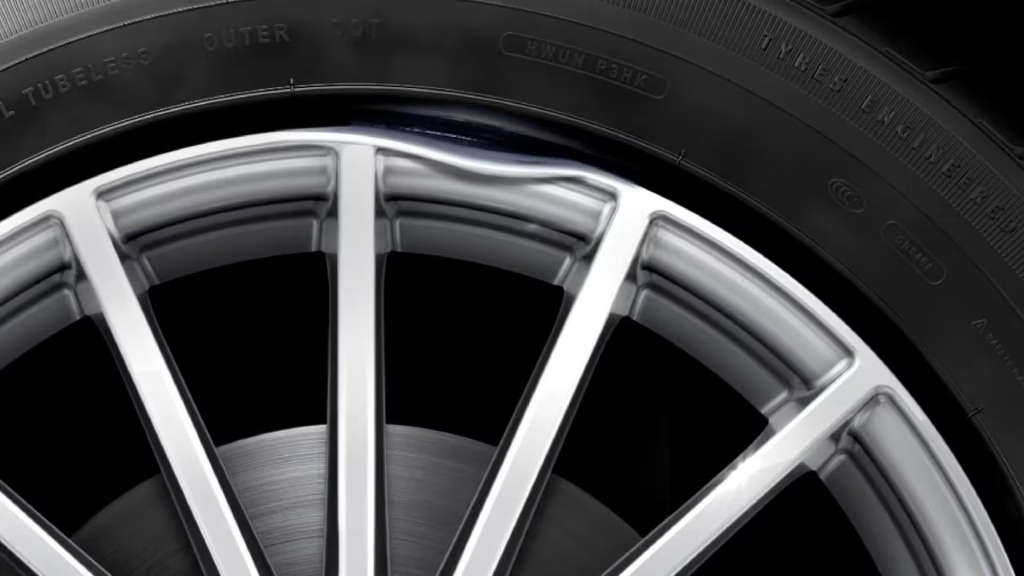
This is also why two customers buying the same vehicle may be quoted different protection prices at different dealerships. The stores may use different administrators, contract terms, pricing policies, and commission structures. A higher retail price does not automatically mean the product offers better coverage or that the dealership keeps more money.
Why the Initial Margin Is Not Guaranteed Profit
A dealership’s initial gross contribution can shrink if the customer cancels the contract, refinances the vehicle, sells it, or receives a refund under the agreement’s cancellation provisions.
Depending on the provider’s arrangement, the dealership may have to return some or all of its commission or absorb a chargeback. That means a contract that appears profitable when the customer signs can create a later expense.
Claims performance also matters, even when the dealership is not directly paying every repair. The administrator is responsible for handling eligible claims according to the agreement, but poor claims experiences can damage the dealership’s reputation and lead to complaints, cancellations, and lost future business.
A plan that is difficult to use may generate short-term revenue while creating longer-term problems.
The product itself needs to be evaluated carefully. A plan might cover structural wheel damage but exclude cosmetic scratches. It may repair a punctured tire when possible rather than automatically replace it.
Some agreements impose per-claim limits, maximum aggregate benefits, deductibles, or restrictions on tire condition. Those details determine the actual protection the customer receives.
Dealerships therefore monitor more than the amount collected at signing. Finance managers and F&I directors can track product penetration, average revenue per vehicle, cancellations, chargebacks, claims activity, and customer complaints.
A high sales rate is not necessarily a sign of a successful program if customers regularly misunderstand the coverage or struggle to receive benefits.
The number of contracts sold is another important part of the calculation. Consider a dealership selling 30 wheel-and-tire plans in a month, with an illustrative gross contribution of $400 per contract before broader overhead and later adjustments.
That would produce $12,000 in initial gross contribution from the product. If the store sells 50 contracts at the same contribution, the figure rises to $20,000. These are hypothetical results, not typical dealership earnings or guaranteed monthly income.
There is also a reason dealerships offer these plans alongside vehicle service contracts, GAP protection, and prepaid maintenance. Each product addresses a different potential expense, allowing the finance department to generate additional revenue from a completed vehicle sale.
Rework’s 2026 F&I strategy guide identifies tire-and-wheel protection as one of several ancillary products that can increase backend revenue per vehicle.
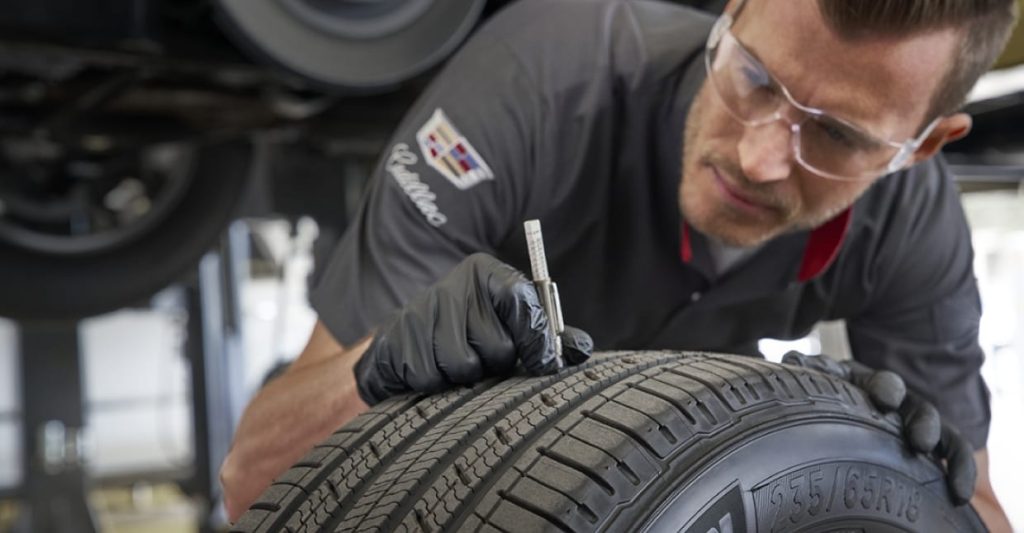
For buyers, the important question is whether the protection is worth its price. Someone driving on rough roads with expensive tires and large wheels may see more value in the coverage than someone with inexpensive replacement tires, limited annual mileage, or an existing road-hazard benefit.
Comparing the dealer’s contract with alternatives, checking exclusions and understanding the claims process are more useful than judging a plan by its monthly payment alone.
A dealership might initially generate a few hundred dollars in gross contribution from one wheel-and-tire protection contract. In the $900 example, the modeled contribution after product cost and sales compensation was $400. However, the final amount depends on the provider agreement, dealership pricing, commissions, cancellations, and other expenses.
Wheel-and-tire protection can be a profitable F&I product, but the dealership does not simply pocket the entire amount charged to the customer. Its real earnings depend on the difference between retail price and product cost, how the contract is administered, and whether the sale remains in force.