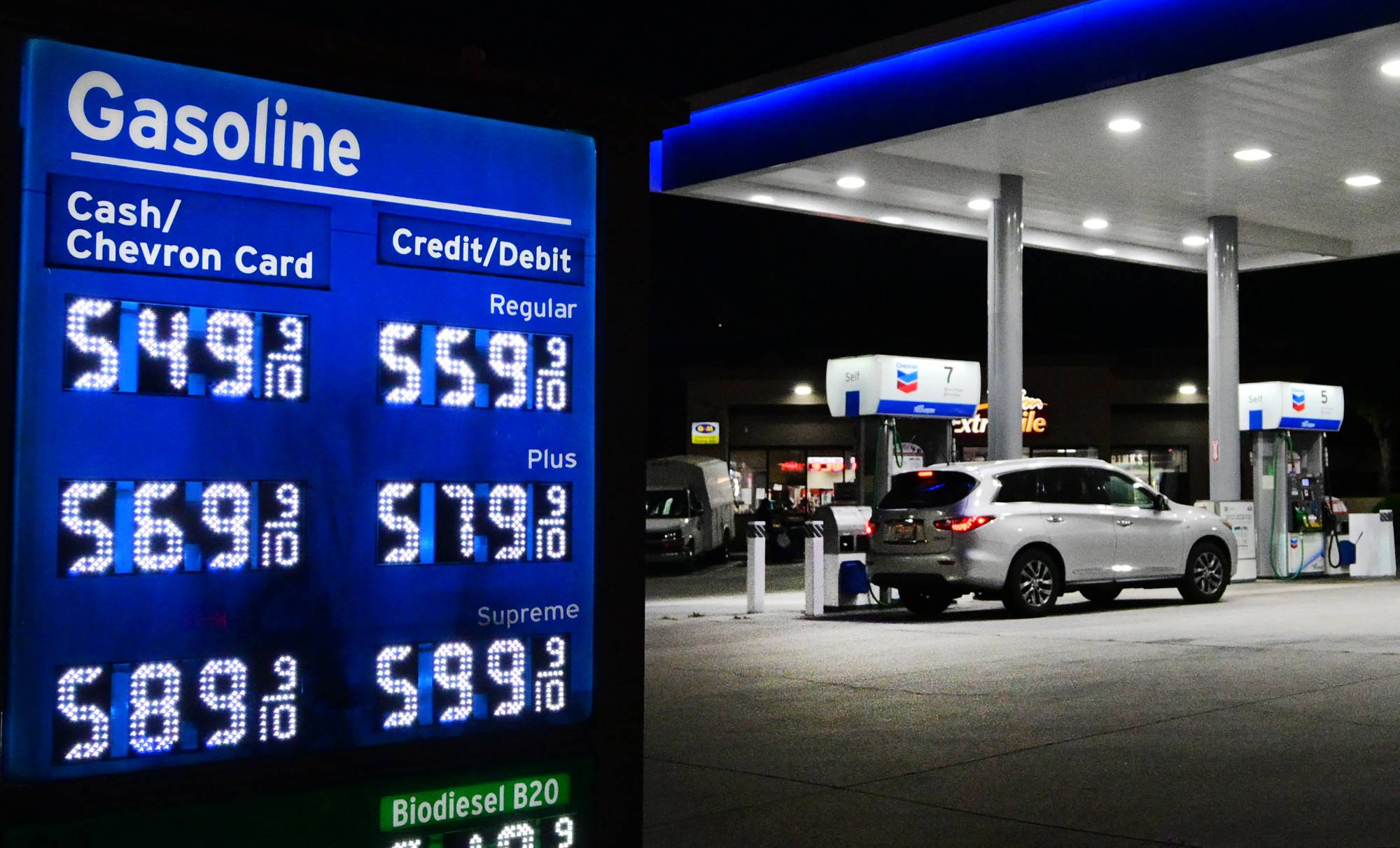
Gas stations sell thousands of gallons of regular gasoline every week, so it is easy to assume that fuel sales generate enormous profits. The reality is less impressive. A station may add several dozen cents to the wholesale cost of each gallon, but credit card processing, fuel delivery, labor, equipment, and other operating expenses consume much of that margin.
The amount left can be surprisingly small, particularly for independent stations competing with nearby retailers. Recent U.S. industry figures provide a clearer picture of what happens to the money from one gallon of regular gas and why convenience stores often depend on customers buying items inside to make the business more profitable.
How Much a Gas Station Makes Before Expenses
The most useful starting point is the difference between the wholesale cost of gasoline and the price displayed at the pump. This is known as the retailer’s gross margin, sometimes described as the fuel markup. It is not the same as net profit because the station still has to pay the expenses associated with selling the fuel.
According to the National Association of Convenience Stores (NACS), the average U.S. retail gasoline gross margin reached 39.7 cents per gallon in 2025. That represented approximately 12.7% of the year’s average retail gasoline price of $3.12. The figure was unchanged from 2024 and higher than the 29.9-cent margin recorded in 2021.
In simple terms, if a station sells one gallon of regular gasoline and its gross margin is 39.7 cents, that is the amount available to cover fuel-related operating expenses before the business calculates what it actually earns. It does not mean the owner receives nearly 40 cents as personal income from every gallon.
The margin also changes from one location to another. A station near a busy highway may sell large volumes but face intense competition from nearby retailers.
An independent station in a less competitive area might have more pricing flexibility, although its wholesale purchasing costs and customer traffic can be less favorable. Branded stations may also face different supply agreements and fuel purchasing arrangements.
The price of gasoline itself does not determine how much the retailer earns. When wholesale prices rise quickly, stations may hesitate to increase pump prices immediately because customers can switch to a cheaper competitor.
That can squeeze margins. When wholesale prices fall, retailers may temporarily maintain higher pump prices and recover some margin, depending on local competition and how quickly their inventory costs change.
NACS reported that the average U.S. gasoline price was $3.12 per gallon in 2025, compared with $3.30 in 2024. Convenience stores sold $476.3 billion worth of fuel during 2025, but fuel represented only 38.8% of their gross profit dollars despite accounting for 65% of sales.
This illustrates how much revenue can pass through the fuel business without generating a comparable share of profit.
Where the 39.7 Cents Goes
A gas station has several expenses to pay before its gross margin becomes operating profit. Some costs are directly connected to the fuel, while others come from operating the pumps and maintaining the property.
Credit card processing is one of the biggest expenses. Most customers pay at the pump using debit or credit cards, and the station must pay processing fees on those transactions. NACS reported that card fees averaged 8.4 cents per gallon in 2024. For a retailer selling large volumes of gasoline, those fees can consume a substantial portion of the gross margin.
Fuel transportation is another cost. Gasoline must travel from a terminal to the retail station, usually in tanker trucks. Delivery expenses depend on distance, transportation availability, fuel prices, and the volume purchased.
NACS estimates that distribution typically costs around 8 cents per gallon, although costs can increase when diesel prices rise or delivery conditions become more expensive.
The station must also pay for employees, utilities, insurance, maintenance, and equipment. Fuel pumps, underground storage tanks, canopies, lighting, and monitoring systems require investment and regular upkeep. Even a station that operates mostly through self-service pumps has ongoing expenses associated with keeping the fueling area safe and functional.
NACS estimates that retailers’ expenses for selling fuel generally fall between 20 and 25 cents per gallon. Using the 2025 gross margin of 39.7 cents, a simplified calculation looks like this:
| Fuel economics per gallon | Amount |
|---|---|
| Average gross margin | 39.7 cents |
| Credit card processing, approximate | 8.4 cents |
| Distribution, approximate | 8 cents |
| Other fuel-related operating expenses | 3.6 to 8.6 cents |
| Estimated amount remaining | 14.7 to 19.7 cents |
This is an illustrative calculation using industry averages, not a guaranteed profit statement for an individual station. The expense categories vary by location and business model, and some costs may be accounted for differently by different operators.
The important point is that the retailer’s 39.7-cent gross margin can shrink to approximately 15 to 20 cents before taxes and any additional business-level expenses.
The result can be even less favorable for stations with expensive leases, low fuel volumes, or unfavorable supply agreements. A retailer may also temporarily sell gasoline at a very narrow margin to attract customers away from competing stations. In particularly difficult market conditions, some locations can lose money on individual gallons.
How Much a Station Can Make From Selling Thousands of Gallons
The small amount remaining from one gallon becomes more meaningful when a station sells thousands of gallons every day. Consider a hypothetical gas station selling 4,000 gallons daily. If it retains 15 cents per gallon after fuel-related operating expenses, that produces $600 per day before taxes and other expenses not included in the calculation.
| Daily fuel sales | Amount remaining at 15 cents per gallon |
|---|---|
| 1,000 gallons | $150 |
| 2,000 gallons | $300 |
| 4,000 gallons | $600 |
| 6,000 gallons | $900 |
| 8,000 gallons | $1,200 |
At 4,000 gallons per day, the station would sell approximately 1.46 million gallons annually. At the illustrative 15-cent contribution, that would produce $219,000 a year before taxes and any additional expenses outside the fuel calculation.
This is not the owner’s take-home income. The business still needs to account for property costs, financing, corporate overhead, and other expenses that may not be included in the per-gallon estimate.
This explains why convenience stores place so much importance on selling products inside the building. A customer stopping for regular gasoline might also purchase coffee, bottled water, snacks, cigarettes, or prepared food.
Those purchases can provide additional gross profit beyond what the station earns from the fuel transaction.
NACS data for 2025 show that convenience stores sold $476.3 billion in gasoline, representing 65% of their total sales dollars but only 38.8% of gross profit dollars.
In other words, fuel brought customers and substantial revenue through the door, but other merchandise generated a much larger share of gross profit relative to its sales.
Customer behavior supports this business model. NACS reported that 62% of gas customers went inside a convenience store in its February 2026 consumer survey, whether to purchase something, pay at the register, or use a facility. That gives retailers the ability to earn additional revenue from people who initially arrived just to refuel.
Location and volume therefore matter enormously. A highway station with thousands of daily customers may generate substantial income from fuel and in-store purchases. A smaller neighborhood station selling fewer gallons might struggle to cover its operating expenses, even if its pump prices appear high.
For a typical U.S. gas station, the 2025 industry figures suggest a gross margin of approximately 39.7 cents per gallon, with perhaps 15 to 20 cents remaining after common fuel-related expenses in a simplified model. That amount is before taxes and additional business costs, so it should not be mistaken for pure net profit.
The surprising reality is that a gas station may earn only a small fraction of the pump price from selling one gallon of regular gasoline. Fuel creates traffic and generates enormous sales revenue, but convenience-store purchases and efficient operations are often what make the business financially sustainable.