
Your vehicle doesn’t recognize holidays. An alternator can fail just as easily on the Wednesday before Thanksgiving as it can on an ordinary Tuesday in March. The real difference lies in what happens afterward.
Parts stores may close early, trusted repair shops might remain shut until Monday, and the only available tow truck operator may be working a holiday shift with higher service rates. The breakdown itself hasn’t changed, but getting back on the road has become considerably more difficult and expensive.
A small $200 repair can quickly escalate into a $900 bill once additional expenses start piling up. The actual mechanical work is often the least costly part of the ordeal. Unexpected towing fees, overnight hotel stays, rental cars, higher emergency labor charges, and hurried decisions made while stranded in the cold with hungry children can drive the total much higher.
Much of that added expense can be avoided by understanding where the costs come from and planning ahead. Here’s a breakdown of how quickly the bills add up and what you can do before finding yourself stranded with an unresponsive dashboard.

Why This Weekend Breaks the Usual Rules
Most breakdowns happen inside a system that works. There are shops with open bays, parts counters with stock, and tow trucks with nothing to do. Thanksgiving weekend quietly switches much of that off.
Traffic comes first. Millions of people hit the road at once, so highways crawl and every tow operator in the region is already running behind. More cars on the road means more cars breaking down, and the same trucks have to cover all of them. Demand for rescue jumps while the supply of drivers shrinks.
Staffing is the second problem. Plenty of independent shops close Wednesday afternoon and don’t reopen until Monday. The ones that stay open often run with a skeleton crew and a full schedule. Dealership service departments commonly go dark Thursday and Friday, and many skip Saturday too. You can call all day and get a voicemail greeting that wishes you a happy holiday.
Parts are the problem people forget. Say you find a mechanic willing to work Friday. If the supplier warehouse isn’t making deliveries, a part that normally arrives in two hours might not show up until Monday. Even small items like a serpentine belt or a specific sensor can turn into a three-day wait. The car sits, and you sit with it.
These factors highlight how quickly an unexpected breakdown can become an expensive ordeal. Under normal conditions, getting back on the road involves a simple sequence: arranging a tow, diagnosing the problem, completing the repair, and continuing the journey. Holiday breakdowns complicate that process, as limited service availability and longer waiting times create additional expenses at every stage.
An extra night in a hotel, transportation while the vehicle is being repaired, and higher prices for limited emergency services can quickly inflate the bill. The problem isn’t necessarily that your vehicle is less reliable. It’s that repair shops, roadside assistance, and other essential services become harder to access just when you need them most.
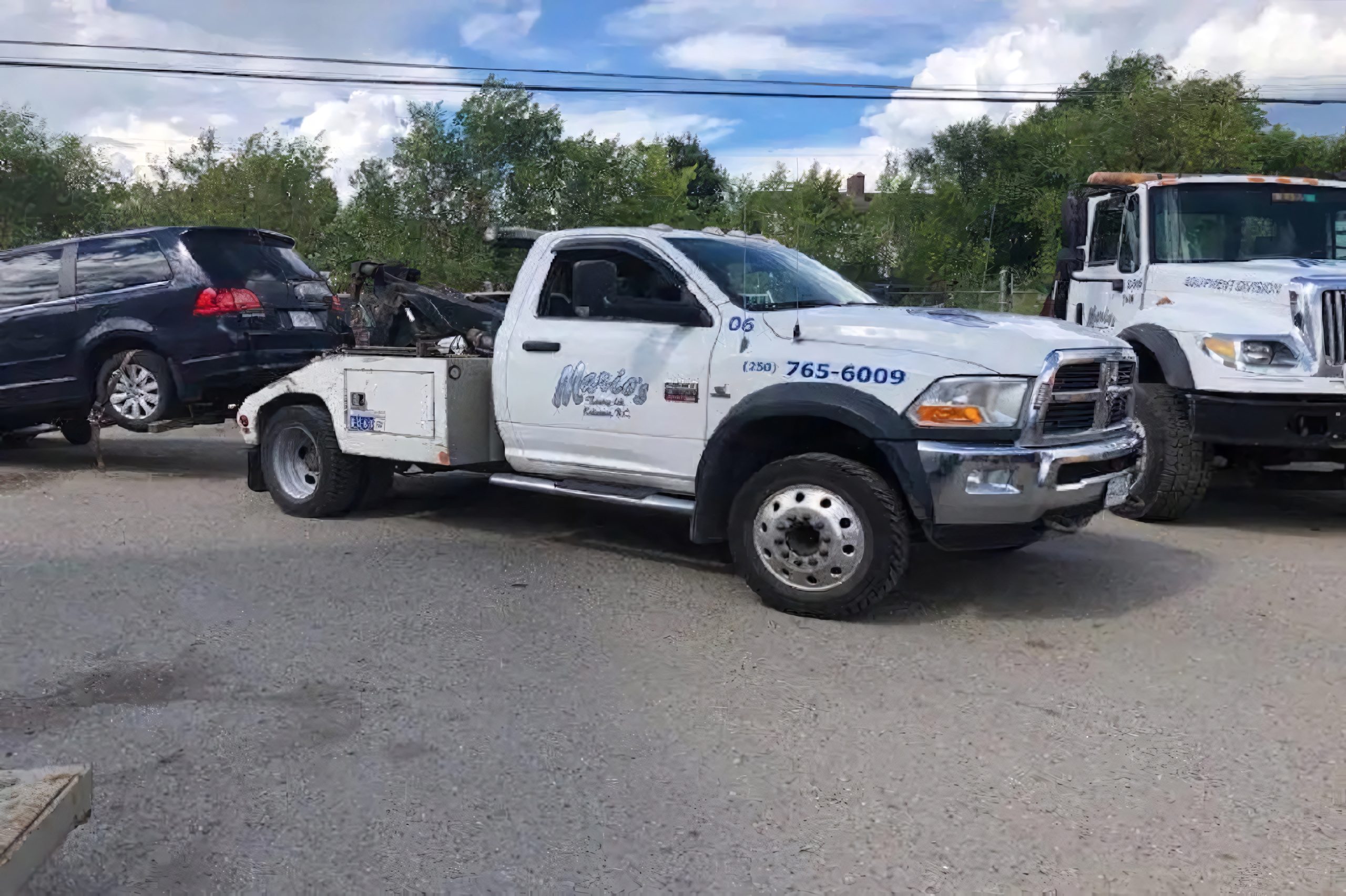
The Tow: What You Wait For and What You Pay
In normal conditions, a tow costs a hook-up fee plus a per-mile rate. Holiday dispatch tends to change both.
Many companies add a holiday surcharge, and the size of it varies a lot by region. Some quote a flat bump, others raise the per-mile price. After-hours and weekend rates can stack on top, so a 9 p.m. call on Black Friday may produce a quote that makes you look twice at your phone. That’s not always price gouging. Drivers are working short-staffed on a day they’d rather be home, and the company is pricing for it.
The wait is the other cost, and it’s harder to put a number on. On a regular weekday, a truck might reach you in 30 to 45 minutes. On a heavy travel day, an hour and a half isn’t unusual, and on a rural stretch it can stretch to several hours. You’re spending that time beside a highway, possibly in the dark, possibly in the cold, possibly with children in the back seat. That’s the part nobody budgets for.
Distance matters more than most people expect. If the nearest open shop is 40 miles away instead of four, you’re paying for 40 miles. Some drivers pick a tow destination in a panic and learn later that the place they chose is only a parking lot that happens to have a repair sign. The car gets dropped, the doors stay locked, and the driver is left on the curb wondering what comes next.
Before you agree to anything, ask three questions. What’s the total price, including hook-up and mileage? What’s the honest arrival time? And is the destination actually open and able to take the vehicle? A good dispatcher answers all three without making you feel like a nuisance. If someone dodges the price or goes vague on the timing, thank them and call the next company. A two-minute phone call on the shoulder can save a hundred dollars or more.
Where $200 Becomes $900
The tow is only the beginning. Once the car is off the road, a second set of costs shows up, and these are the ones that quietly drain your wallet.
If the shop is closed until Monday, your car waits in the lot. Some shops charge storage after a day or two. Many don’t charge for a weekend, but you should confirm before you walk away, not after. A forgotten storage fee on a $200 repair is a miserable surprise. If you do find a shop that’s open, you’ll probably pay for the privilege. Emergency or after-hours labor can run well above the usual rate, and a shop that’s open on Black Friday often has a long list of stranded customers ahead of you. “Open” doesn’t mean “available.”
Then there’s the diagnosis. Without a mechanic and a scanner on hand, a holiday breakdown feels like a mystery. Is it the battery, the alternator, or a loose belt? Guess wrong and you pay for a part you never needed. Guess wrong and rush-ship it, and the markup lands on the bill too.
Here’s what the numbers can look like. These are illustrative, not quotes, since real prices depend on your car, your region, and the shop. Take a failed alternator that would cost around $200 for parts and labor at a local shop on a normal Tuesday. Run that same failure through Thanksgiving weekend:
- Tow with holiday pricing and a longer distance: $150 to $300
- A hotel night, since nothing gets fixed until Monday: $120 to $220
- Rental car or rideshare to get everyone home: $80 to $200
- Rush or after-hours labor, if you find an open shop: $50 to $150 above the normal rate
- The repair itself: the same $200
That adds up to roughly $600 to $1,070 for the exact same dead alternator. And it leaves out the restaurant meals, the missed Monday shift, and the dinner you didn’t make it to. The repair never changed. The calendar charged you.
Being far from home adds another layer of difficulty. A breakdown in your hometown is frustrating enough, but experiencing one 300 miles away while traveling to visit family creates a much bigger problem. You’re unfamiliar with local repair shops, have no reliable way to judge their reputation, and must depend on online searches and customer reviews while exhausted and worried about your passengers.
These circumstances make it easier to make costly decisions. Some drivers agree to the first repair estimate simply to avoid further delays, while others authorize additional work they don’t fully understand because a mechanic presents it with confidence. In worse cases, dishonest shops may take advantage of stranded travelers, charging inflated prices because they know customers have few alternatives, especially during the holidays.
Get the quote in writing, even if it’s just a text message, because vague verbal numbers have a way of growing. Ask what’s broken and why, and ask to see the old part when you can. If a number feels off, call one more shop. And when you read reviews, look for the ones that mention emergency or holiday work, since those tell you how a shop treats people in your exact situation.

How to Protect Yourself, Before and During a Breakdown
The first half hour decides how the next few days go, so it helps to know the order of operations.
Get safe first. Pull off the road as far as you can, turn on your hazards, and if you’re on a highway, it’s usually safer to stand well away from the vehicle, behind a barrier, than to sit inside it. Then, before you call a random tow company, check what coverage you already have. Roadside help can come from an auto club, your insurer, your credit card, or even the car manufacturer, and plenty of people pay full price for a tow they were already entitled to. Look at the mileage limits, since some plans cap the distance.
Whoever you call, ask about holiday surcharges, mileage limits, and storage fees. It feels awkward to negotiate from the shoulder of a highway. Do it anyway. While you’re at it, check whether your insurance policy or credit card covers lodging, a rental car, or trip interruption after a breakdown. Most people never look until the bill arrives, and a five-minute call can recover hundreds of dollars. Finally, decide whether to wait or move. Sometimes the cheapest answer is to leave the car somewhere safe and get everyone home another way. A $60 rideshare beats a $200 hotel night if the repair can’t happen until Monday anyway.
The better plan is to do most of this work before you leave. Get the car checked a week or two ahead if you’re driving far. A quick look at the battery, tires, belts, fluids, and brakes covers the usual suspects, and most holiday breakdowns trace back to worn parts that had been complaining for months. Read your roadside assistance terms now, not on the shoulder, and save the number in your phone. Know the towing distance limit and whether the plan covers a holiday weekend at all.
Prepare an emergency kit with essentials such as jumper cables or a portable jump starter, a flashlight, a phone charger, drinking water, a blanket, and a tire pressure gauge. These inexpensive items can make a major difference if you end up stranded. Before leaving, fill the fuel tank and fully charge your phone.
Electric vehicle owners should also map out charging stops and identify backup stations, as popular chargers can become crowded during holiday weekends. Timing matters, too. Leave early, or even a day ahead if your schedule allows. A tight itinerary leaves little room for unexpected delays, and drivers under pressure are more likely to make expensive decisions.
You can’t control when something breaks. You can control how ready you are when it does. Check the car beforehand, know what your coverage includes, and keep a clear head about quotes and surcharges. Do that, and the weekend might cost you an afternoon and a couple hundred dollars instead of a few days and nearly a thousand. The goal isn’t to avoid every problem. It’s to make sure a $200 problem stays a $200 problem.