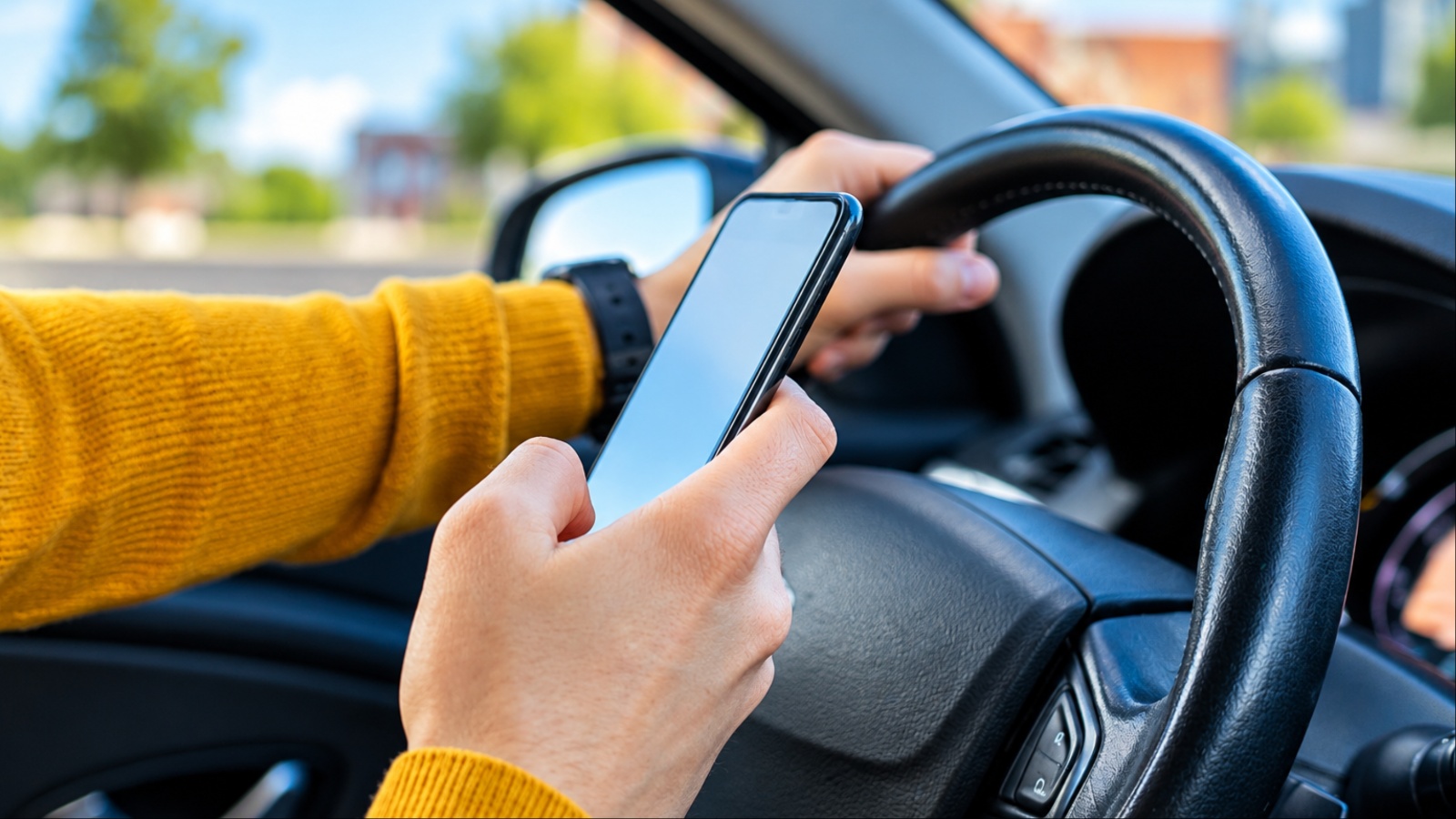
Your phone buzzes while you’re stirring dinner or sitting at a red light. The text says you owe $6.40 in unpaid tolls, or that a parking ticket is about to double, and a link sits right there to make the problem disappear. Most of us have paid a toll or a ticket at some point, so the message doesn’t feel absurd. That split second of “wait, did I forget something?” is exactly what the sender is counting on.
These texts cost almost nothing to send, and they work often enough that the waves keep coming. They’ve hit drivers in nearly every state, and the wording changes faster than the warnings do. The six below cover most of what lands in people’s inboxes. Learn what each one is really after and you can delete it in two seconds, without a second thought.
1. The “Outstanding Toll Balance” Text
This is the one you’ve probably seen. The message claims you have an unpaid toll, usually somewhere between $3 and $15, and says a late fee is coming unless you pay by the end of the day. It names a real-sounding toll system, sometimes even the one used in your area, and includes a link to “settle your balance.”
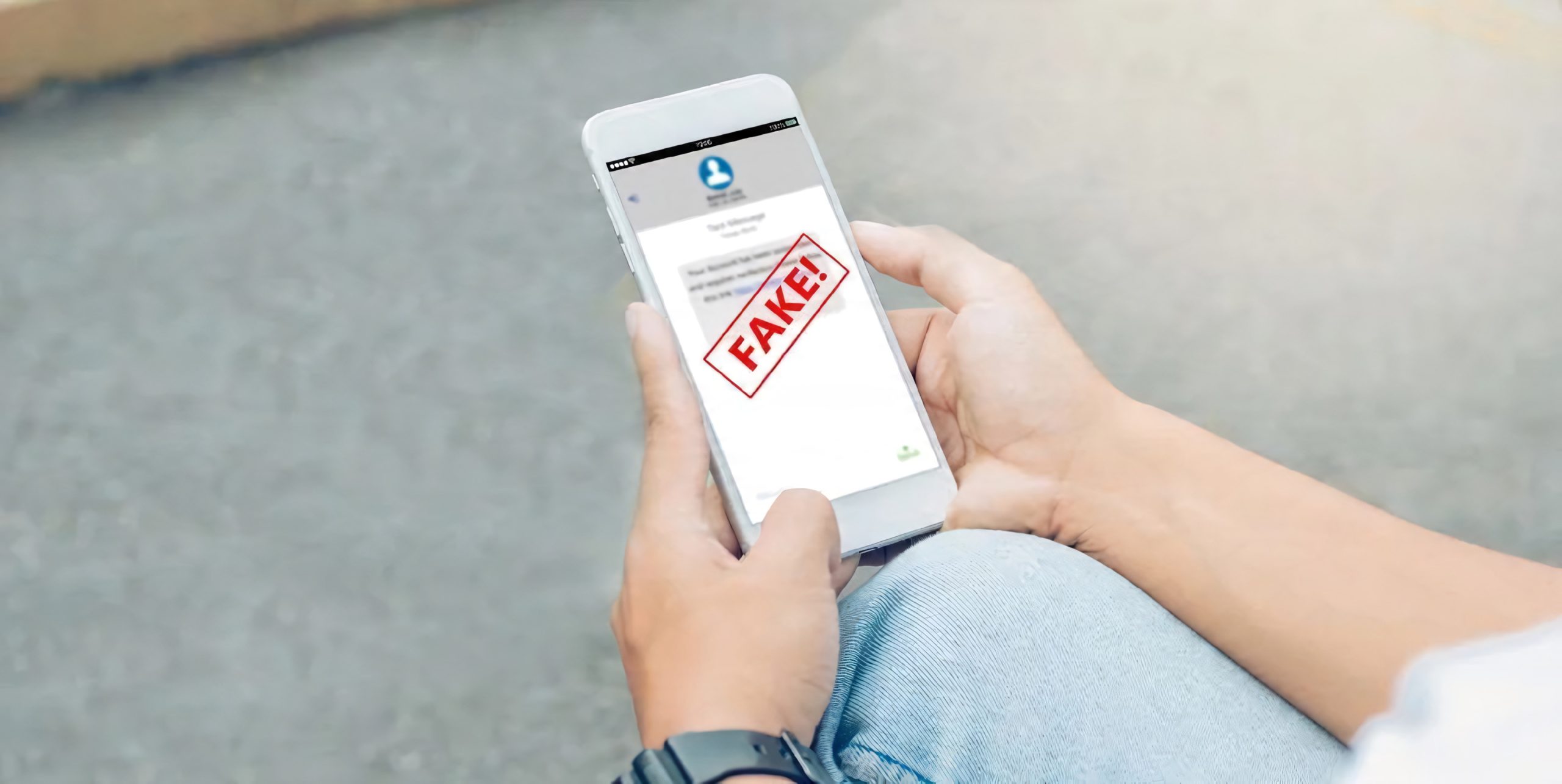
The amount is small on purpose. Few people argue over six dollars, and the low figure makes the whole thing feel routine. The link opens a page that copies a real payment portal, with similar colors, logos, and a form asking for your card number, billing address, and often your phone number. Some pages then ask for the verification code your bank texts you, which hands the scammer a way to approve charges while you watch.
Real toll agencies do send notices, but they usually arrive by mail, through an account you already opened, or inside the official app. They don’t threaten you from a random number. If you’re unsure, open your toll account yourself or type the agency’s address into your browser and check your balance there. Never use the link in the message.
2. The “Final Notice” Ticket Text
This version borrows the language of a legal threat. It says you have an unpaid traffic or parking ticket, that this is your final notice, and that your license, registration, or vehicle will be suspended unless you pay right away. Some versions add a case number or a deadline measured in hours, which is designed to make you feel there’s no time to check.
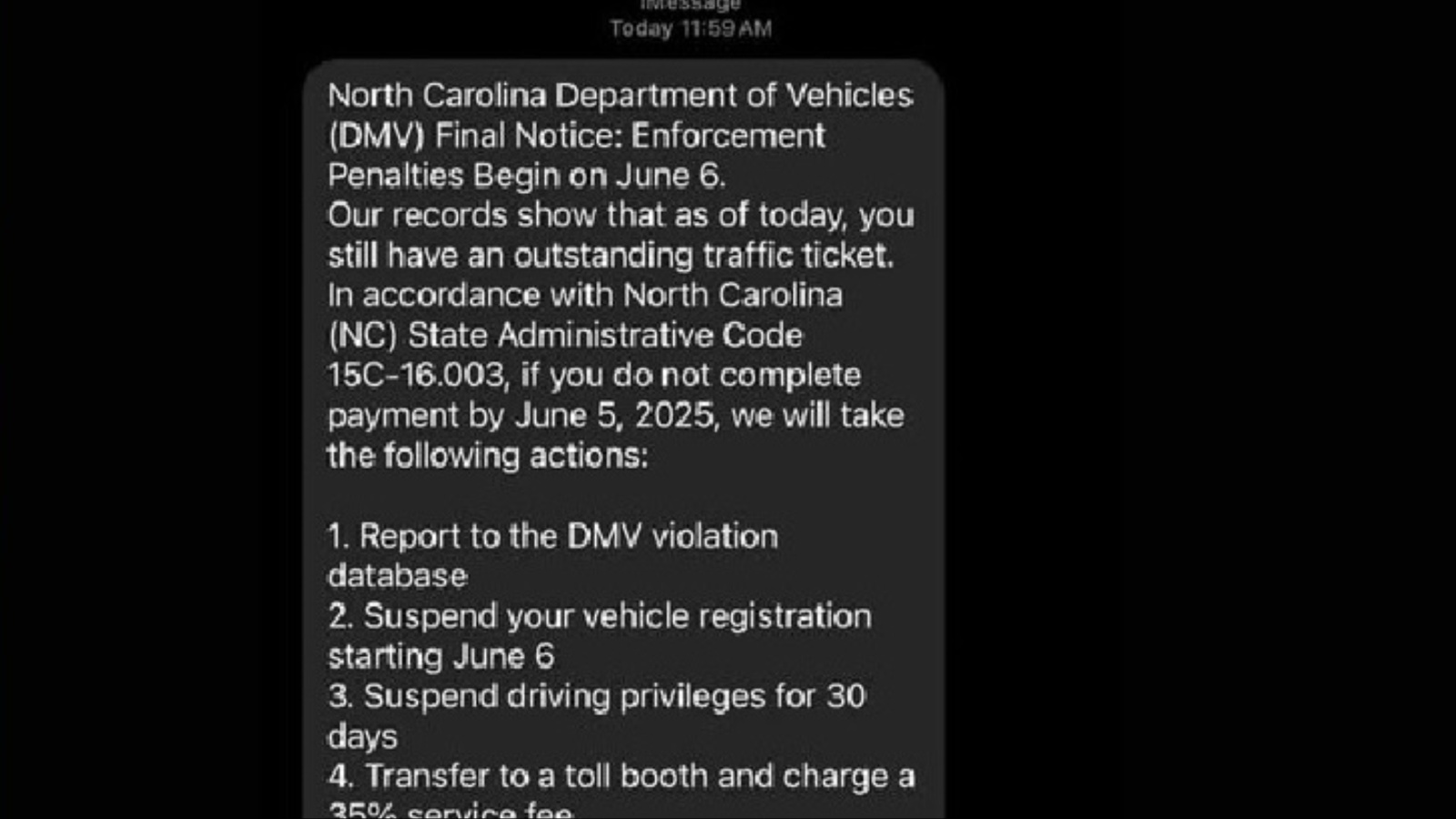
Look at what’s missing. A genuine citation tells you where and when it happened, lists your plate number, and arrives on paper or through a portal tied to the issuing court or city. A scam text stays vague on all of it. It rarely names a specific street, date, or violation, because the sender has no idea whether you got a ticket at all. They’re blasting the same message to thousands of numbers and waiting for the few people who happen to feel guilty.
Courts and motor vehicle agencies don’t suspend licenses by text, and they don’t collect payment through a link in an unsolicited message. If you think there might be a real ticket, search for your local court or DMV yourself and use the contact details on its official site. The call takes five minutes and settles the worry either way.
3. The “Delivery Fee for Your Plate or Sticker” Text
This one is quieter. The message says there’s a problem with your registration renewal, a license plate sticker, or an E-ZPass or toll transponder, and that you owe a small processing or re-delivery fee. It sounds administrative, and that’s part of the trick. It doesn’t threaten you. It just asks for a few dollars so something can be “mailed out.”
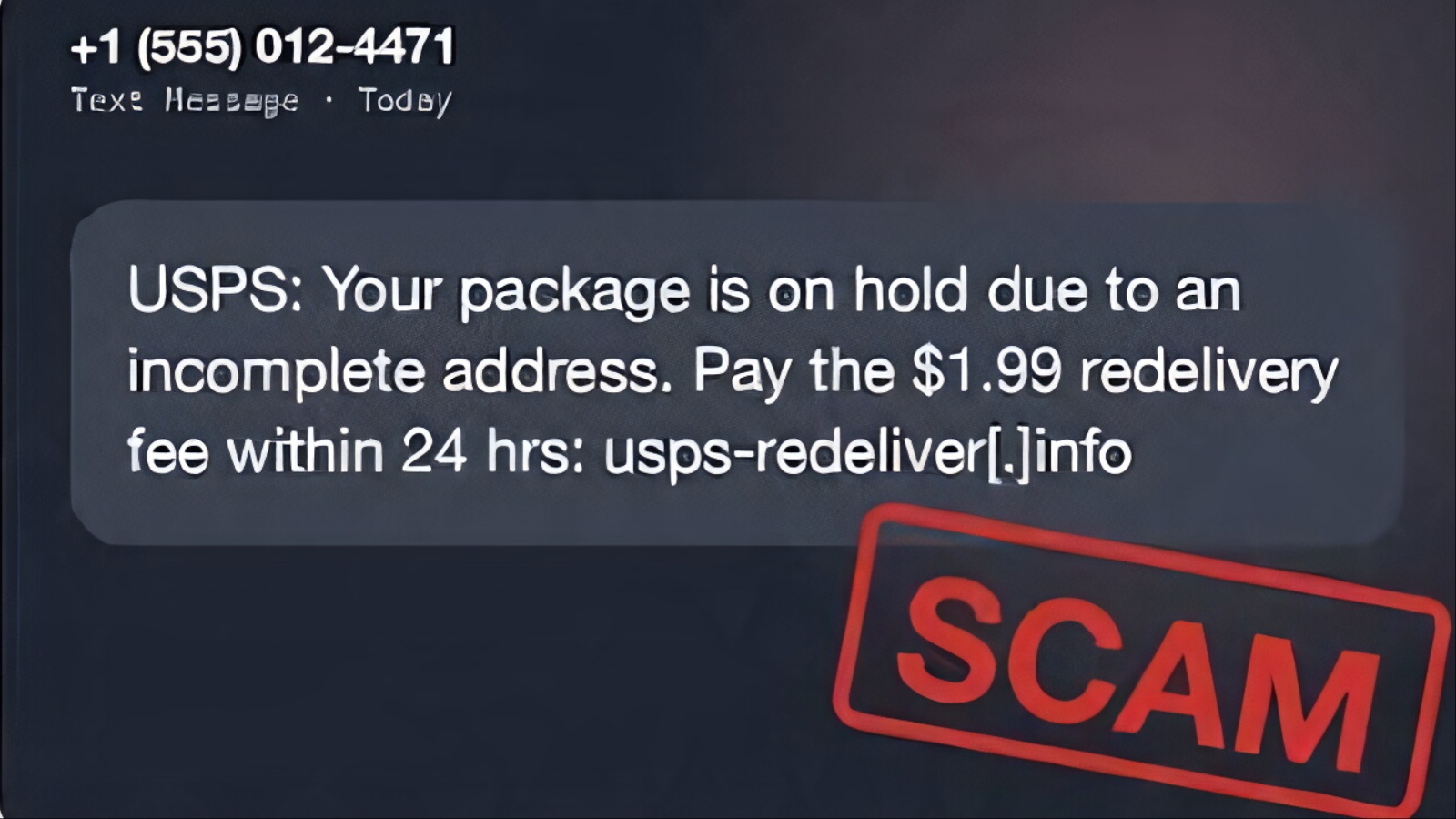
Scammers like this angle because it lowers your guard. You might genuinely have a renewal coming up, and the message can land at a believable moment. The link leads to the same kind of fake payment page, collecting card details and personal information. Some versions also ask you to confirm your address, date of birth, or driver’s license number “for verification,” which feeds identity theft long after the fake charge is gone.
Your registration doesn’t depend on a surprise text. Motor vehicle agencies send reminders by mail, by email you signed up for, or through the official state portal. A toll transponder is tied to an account with your own login. When a message mentions either one, skip the link and go straight to the source. Check your registration status or account balance on the real website, and you’ll know within a minute whether anything is wrong.
4. The “Toll Violation” Photo Text
Here, the sender claims a camera caught your car going through a toll lane without paying, and says a violation fee will rise if you don’t act fast. The amounts tend to run higher than the basic toll text, sometimes $25 to $75 or more, because the message wants to sound like a penalty rather than a bill.
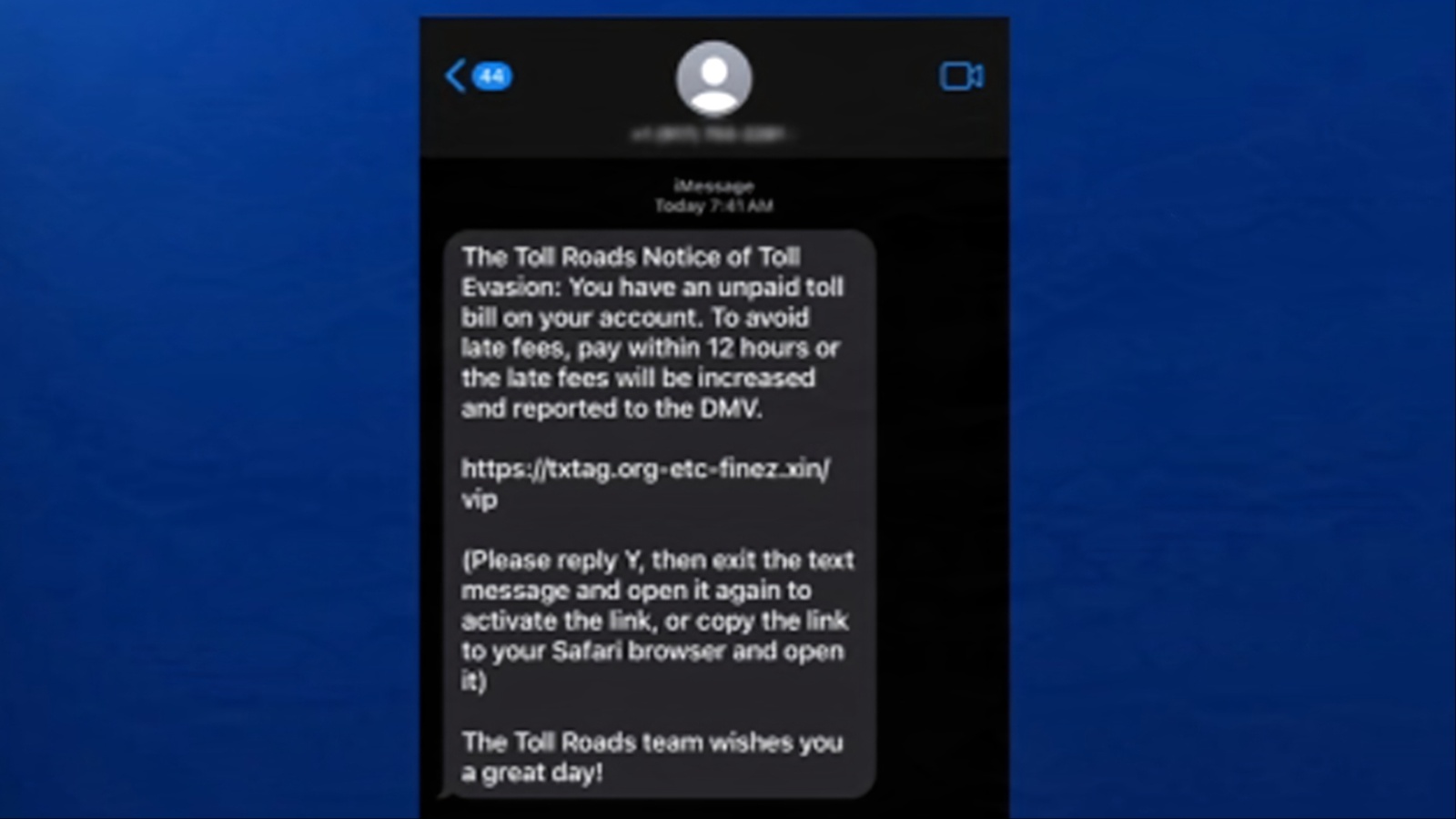
It plays on a real system. Cashless tolling is everywhere, and missed-toll notices do exist, which gives the scam a thin layer of believability. The difference is in how the real process works. A legitimate violation notice comes by mail to the registered owner, includes images or details of the specific trip, and gives you a way to dispute the charge. A text with a mystery link and a countdown offers none of that.
If you often drive through cashless lanes, keep your account and plate numbers current with your toll agency, because real missed-toll notices do happen when a payment card expires. That’s a reason to check your actual account, not a reason to trust a text. If a message mentions a violation, log in to your toll account directly and look for open charges. If nothing shows up there, there’s nothing to pay.
5. The “Court Date and Fine Reduction” Text
A more aggressive version tells you a court date has been set over unpaid fines, and that you can avoid showing up by paying a reduced amount through the link. It might use phrases like “avoid additional penalties” or “settle before enforcement.” The tone is official, the stakes sound serious, and the offer of a discount makes paying feel like the smart move.
The pressure works differently here. Instead of a small bill you’d rather not think about, it’s a threat of consequences paired with a way out. That combination pushes people to act before they think, especially drivers who don’t remember every old ticket and aren’t sure what they might owe.
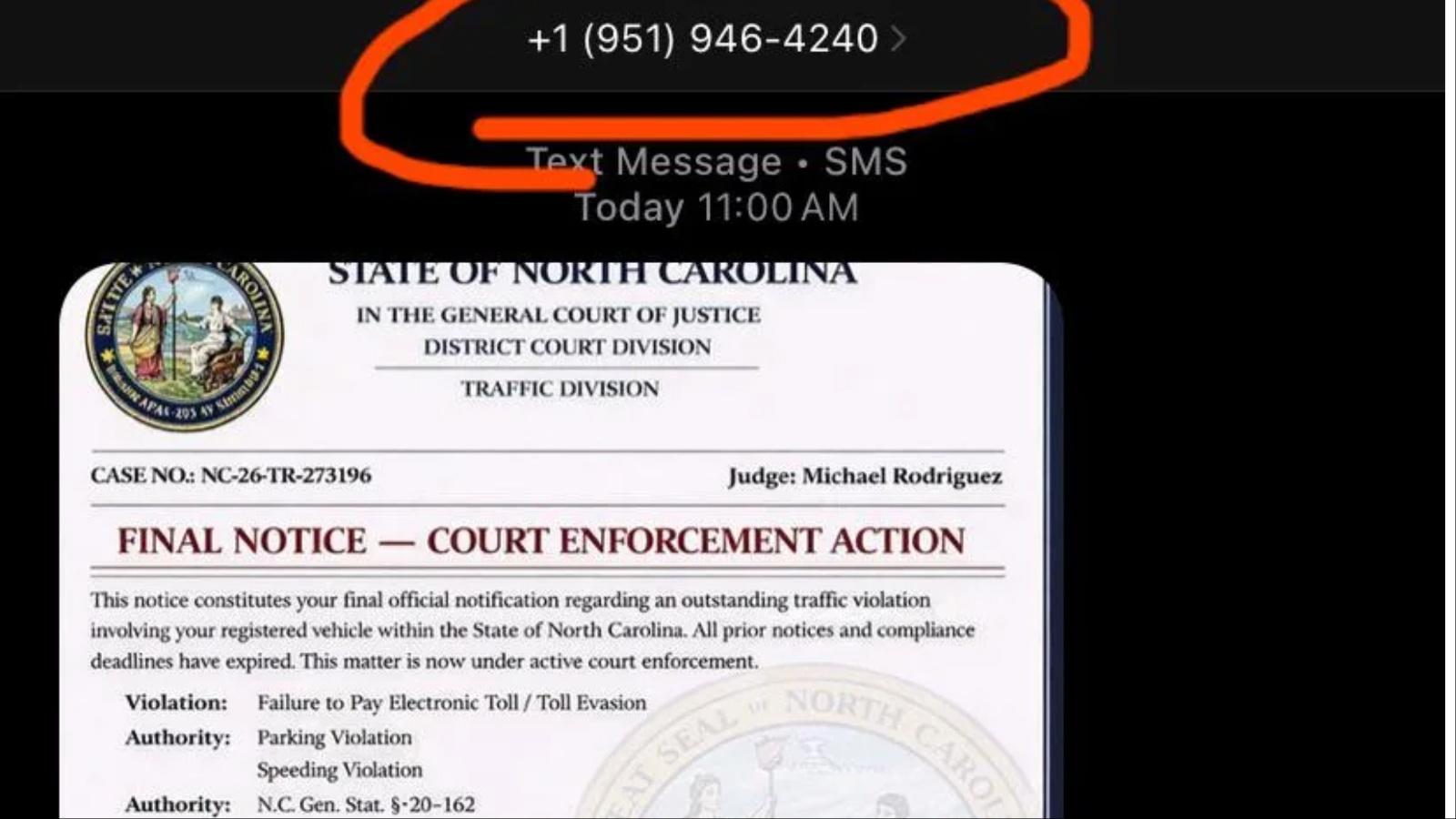
A few of these messages include a phone number to call, and the person who answers will pose as a court clerk or collections agent and happily take a payment over the phone.
A real court doesn’t schedule hearings or offer settlements by text from an unknown number. If you’re worried, look up the court’s official website yourself and check case records there, or call the number listed on it.
Never call a number from the message. And be wary of any request to pay with gift cards, a wire transfer, cryptocurrency, or a payment app. Scammers prefer those methods because they’re nearly impossible to reverse, and no real agency collects fines that way.
6. The “Reply Y to Confirm” Text
The last one doesn’t look dangerous at all. It might say there’s a problem with your toll account or a pending notice, then tell you to reply “Y” or “YES” so the link becomes clickable. Some versions claim your phone blocked the link and ask you to add the sender to your contacts first.
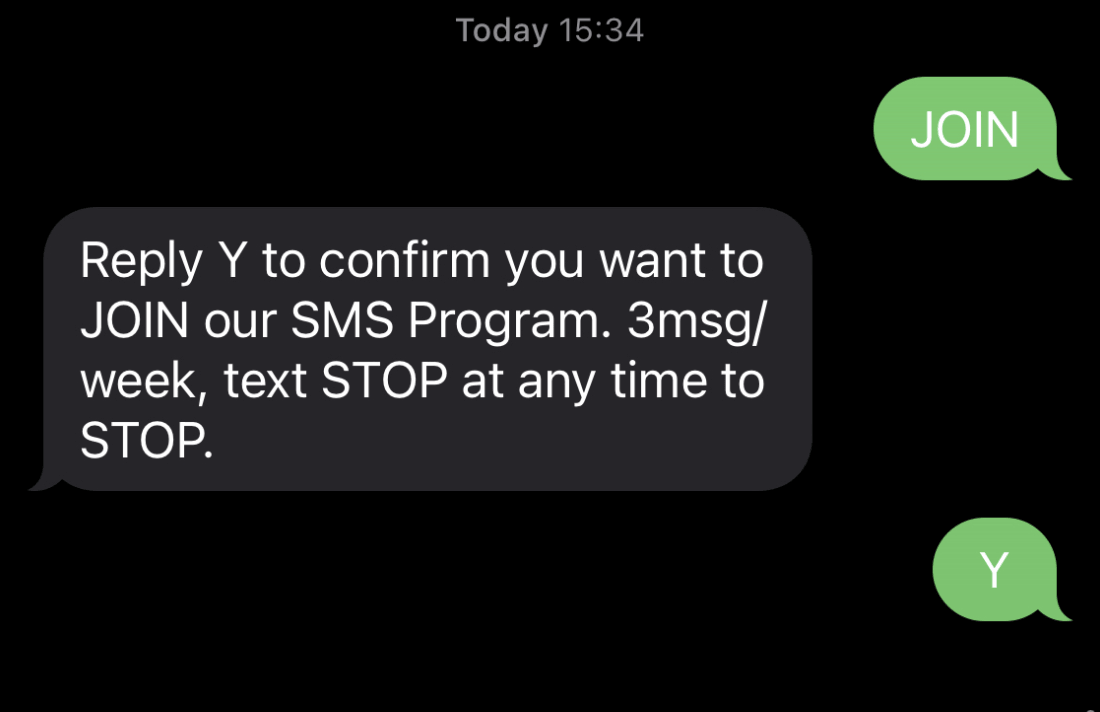
That instruction is the trick. Many phones disable links in messages from unknown senders, so getting you to reply or save the contact is a way around the built-in warning. A reply also tells the scammer your number is active and that a real person is reading, which makes your number more valuable. Expect more messages afterward, and some of them will be more convincing.
You don’t owe anyone a response, and any reply, even a “STOP,” can confirm the line is live. Skip it. Report the message as spam, then delete it. If your phone offers a “report junk” option, use that. Otherwise, forward the text to 7726, the spam-reporting shortcut most US carriers support, and block the number.