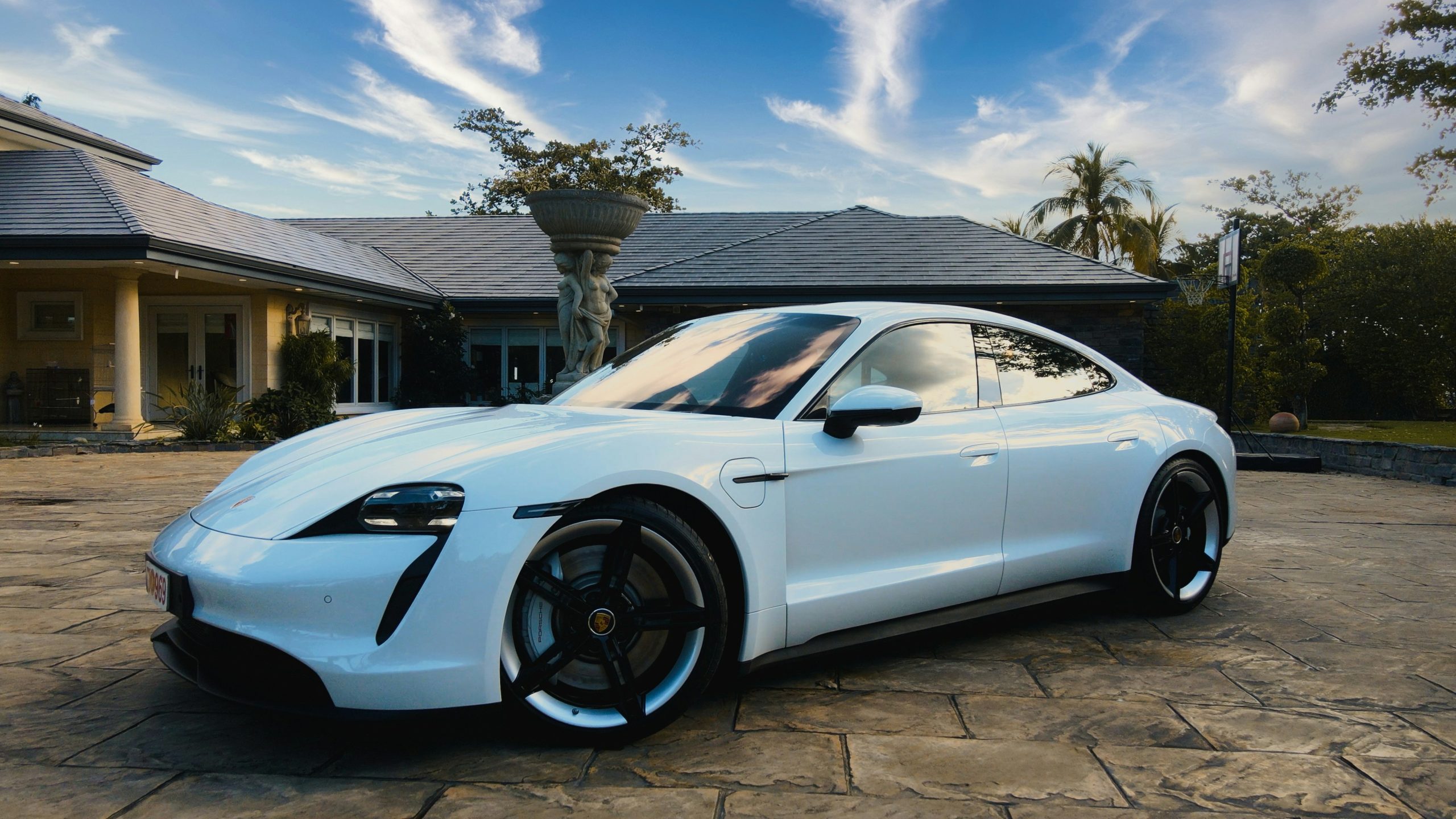
Electric vehicles promise lower running costs, reduced maintenance expenses, and freedom from frequent gasoline purchases. For American drivers, these benefits can make switching from a traditional gasoline car seem financially attractive.
However, the purchase price tells only part of the story. Depreciation can significantly reduce the financial benefits of owning an electric vehicle, particularly when resale values fall faster than expected.
Research from AAA and iSeeCars on vehicle values and ownership costs points to a significant consideration for EV buyers. Some electric vehicles experience considerable depreciation within just a few years of ownership. Understanding how quickly a vehicle loses value is therefore important when evaluating the long-term financial impact of a purchase.
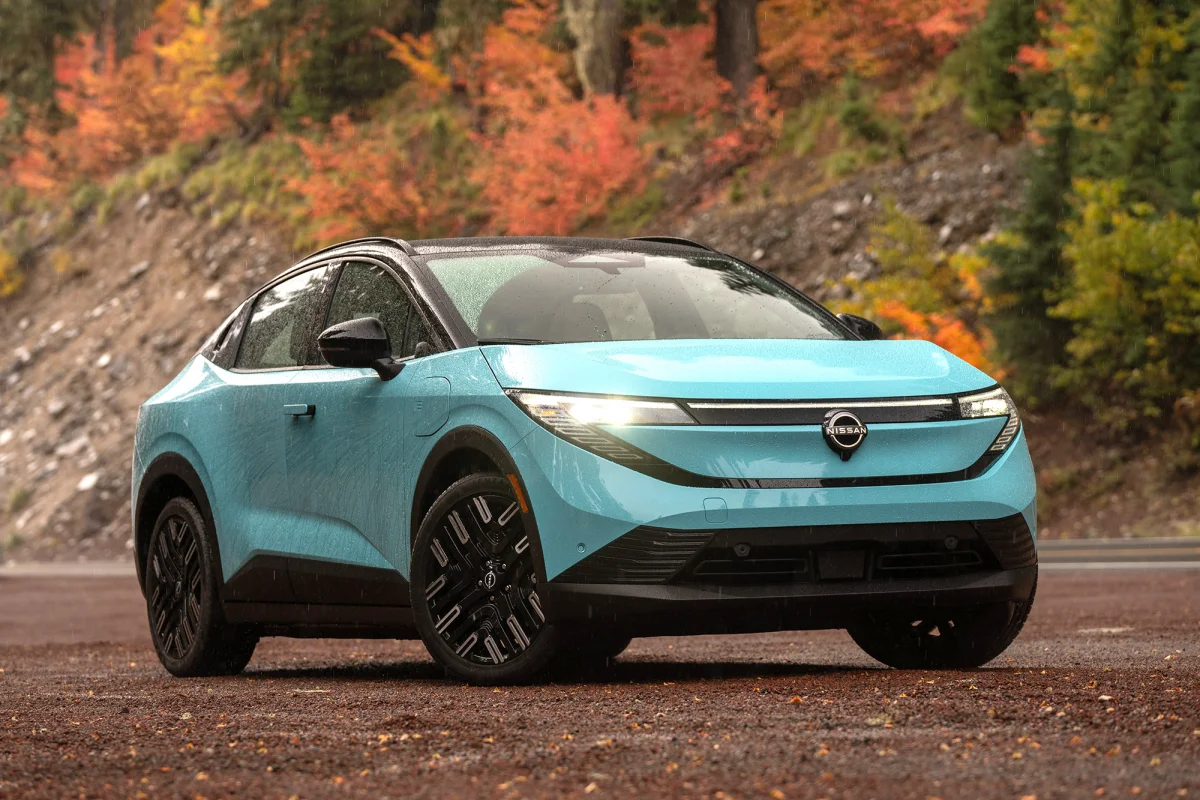
1. Nissan Leaf: Affordable Entry Price, Significant Depreciation
The Nissan Leaf has remained a recognizable name in the American electric vehicle market. Its relatively accessible purchase price helped introduce many drivers to electric mobility. However, used-market demand, battery technology changes, and competition from newer electric models have affected its resale performance.
The Leaf has experienced substantial depreciation in several used-car market analyses. Buyers considering an older model can find attractive prices, but original owners may face considerable losses when selling.
The difference between the initial purchase price and resale value can reduce the financial benefits of lower electricity costs.
Battery technology is an important consideration for used Leaf buyers. Earlier versions offered smaller battery packs and shorter driving ranges than many newer electric vehicles. As manufacturers introduced longer-range models, older Leafs became less competitive for drivers who regularly travel long distances.
Battery condition also influences resale value. Electric vehicle batteries gradually lose capacity through normal use, and potential buyers often consider remaining range before purchasing a used model. A Leaf with reduced battery capacity may attract fewer offers than a comparable vehicle with a healthier battery.
The Leaf also faces competition from newer affordable EVs. Several manufacturers now offer improved charging speeds, modern infotainment systems, and longer driving ranges.
These developments make older electric vehicles less appealing to buyers who prioritize technology and convenience.
Electricity savings can still make the Nissan Leaf economical to operate. Charging at home is generally cheaper than purchasing gasoline for a comparable gasoline-powered vehicle. However, savings depend on electricity rates, annual mileage, charging habits, and local gasoline prices.
For original owners, depreciation remains an important financial concern. The Leaf can make sense for someone purchasing it at a substantial used-market discount. Buyers should compare battery health, remaining warranty coverage, insurance costs, and expected resale value before deciding.
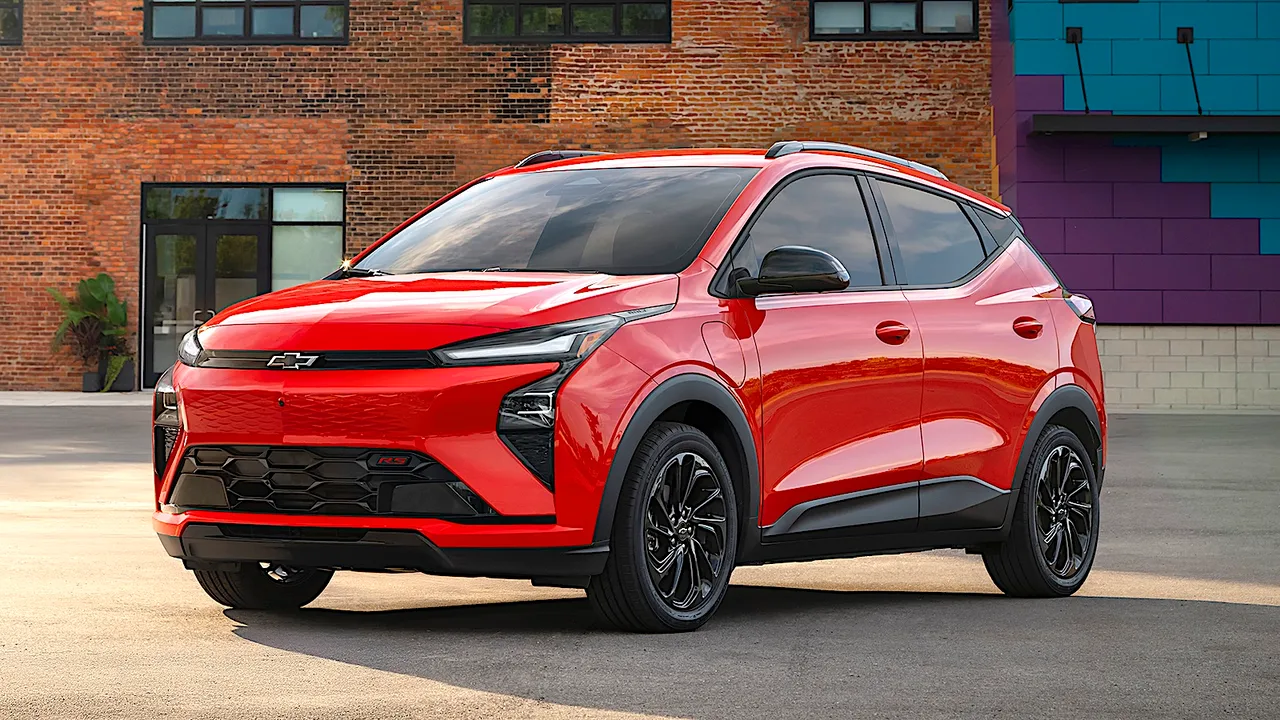
2. Chevrolet Bolt EV: Strong Efficiency Meets Resale Pressure
The Chevrolet Bolt EV became popular among American drivers seeking an affordable electric vehicle with practical everyday range. Its compact design, relatively efficient powertrain, and accessible pricing helped it compete with gasoline-powered hatchbacks. However, depreciation has remained a consideration for owners.
The Bolt’s used-market performance has been influenced by changing EV prices. When manufacturers reduce the prices of new electric vehicles, used examples can lose value because buyers compare them against newer models. This creates additional pressure on vehicles purchased at higher original prices.
Government incentives also affect resale calculations. Eligible buyers may qualify for federal or state incentives when purchasing new or used electric vehicles, subject to applicable requirements.
These benefits can reduce the effective purchase price and make previously owned vehicles less attractive at certain asking prices.
The Bolt’s practical driving range remains suitable for many daily commuting needs. Its compact dimensions make it convenient for urban driving, parking, and short regional trips. Owners who can charge at home may experience meaningful savings compared with operating a gasoline-powered compact car.
Battery-related concerns have also influenced consumer confidence. General Motors previously conducted a major battery recall involving certain Chevrolet Bolt models.
The recall and subsequent battery replacements are important considerations when evaluating individual vehicles. Buyers should verify completed recall work through the vehicle identification number.
Charging technology can influence long-term desirability. The Bolt EV uses a charging system that differs from newer electric vehicles adopting more advanced charging standards and faster charging capabilities. This may matter to drivers who frequently depend on public charging stations.
The Bolt can offer strong value when purchased used at the right price. However, original buyers need to consider depreciation alongside electricity savings. A low operating cost does not automatically produce a low total ownership cost when resale value falls substantially.
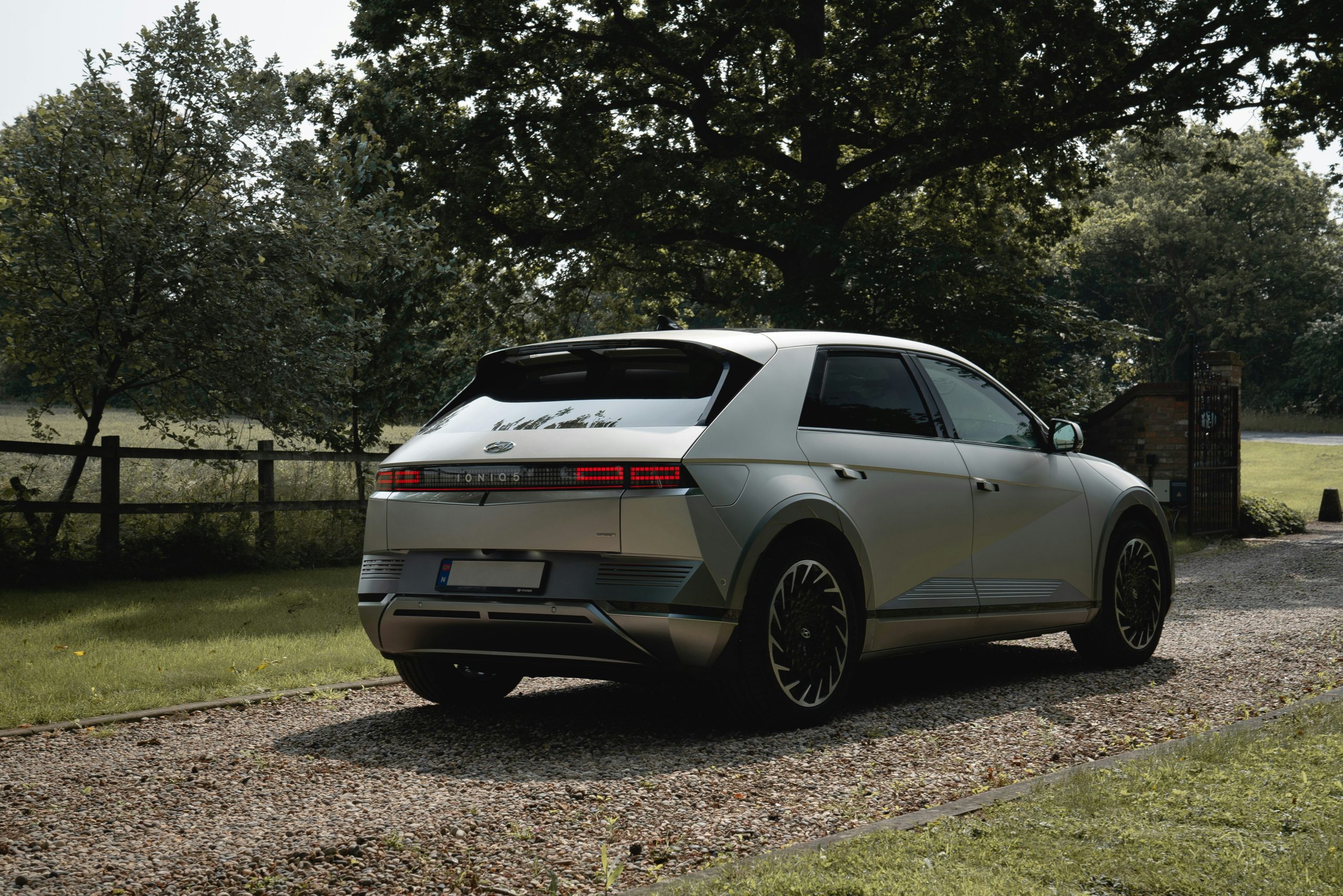
3. Hyundai Ioniq Electric: Older Technology Affects Resale Value
The Hyundai Ioniq Electric offered American buyers an efficient alternative to conventional gasoline-powered compact cars.
Its aerodynamic design, lightweight construction, and economical electric powertrain made it attractive to commuters. However, older versions face challenges in a market increasingly focused on range and charging performance.
Early Ioniq Electric models offered relatively limited driving range compared with newer EVs. This specification was sufficient for many urban commuters, but changing consumer expectations have affected their appeal in the used-car market. Buyers increasingly expect electric vehicles to handle longer journeys without frequent charging stops.
Depreciation becomes particularly noticeable when a vehicle’s technology ages quickly. Improvements in battery capacity and charging systems have changed what consumers expect from an electric car.
Consequently, older models can lose their competitive advantage even when their mechanical condition remains satisfactory.
The Ioniq Electric benefits from a reputation for energy efficiency. Its efficient powertrain allows owners to travel considerable distances using comparatively little electricity. For people with predictable daily driving schedules, this can help control monthly transportation expenses.
However, efficiency alone does not determine resale value. Driving range, battery condition, interior features, charging compatibility, and available technology all influence buyer interest.
A vehicle can remain inexpensive to operate while becoming less desirable in the secondhand market.
Potential buyers should also examine the vehicle’s battery warranty and service history. Warranty coverage varies by model year, market, and original purchase conditions. Understanding the remaining coverage can help prevent unexpected expenses and provide greater confidence when purchasing a used example.
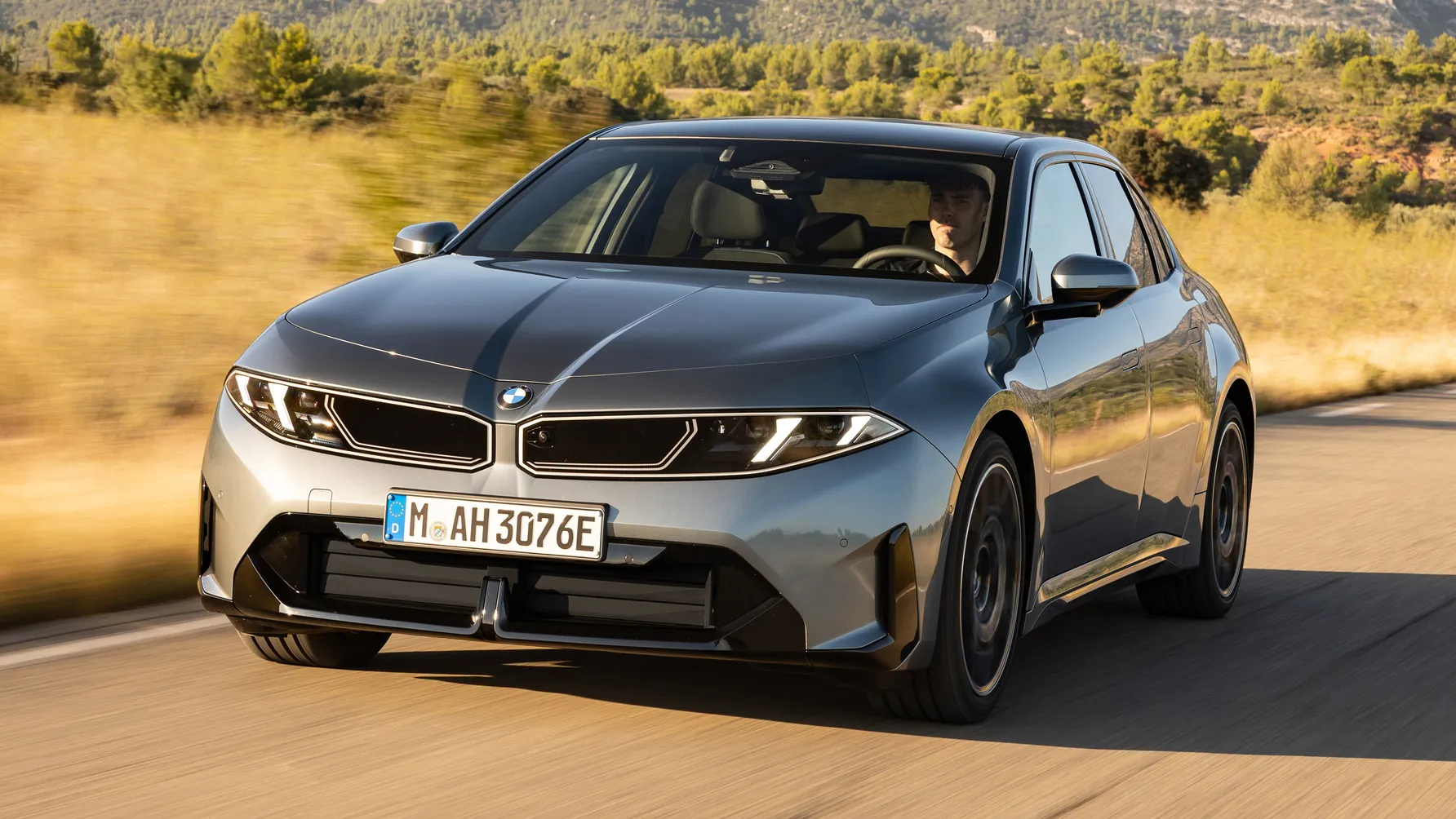
4. BMW i3: Premium Pricing and a Changing EV Market
The BMW i3 entered the American market as a distinctive premium electric vehicle. Its unusual exterior styling, lightweight construction, and innovative cabin materials helped it stand apart from conventional compact cars. However, its original premium positioning has not guaranteed strong resale performance.
BMW offered the i3 with different battery configurations throughout its production period. Later versions provided improved driving range, while earlier models had more limited capabilities. This difference matters considerably when comparing used examples because battery size affects everyday usefulness.
Depreciation has been a challenge for the i3. Premium electric vehicles can experience substantial value reductions when newer models introduce better batteries, longer range, and more advanced driver assistance features. The i3’s discontinued status also influences long-term buying decisions.
Its compact dimensions make the vehicle particularly suitable for city driving. Drivers who primarily travel short distances may appreciate its maneuverability and electric performance. Home charging can further reduce daily transportation expenses, especially for people who regularly commute.
However, the i3’s specialized construction can make repair considerations important. Its carbon-fiber-reinforced plastic passenger cell and distinctive components require appropriate service expertise. Buyers should check the availability of qualified repair facilities in their area before purchasing.
Another consideration is the vehicle’s charging and battery technology. Although the i3 remains a functional electric car, newer competitors offer capabilities that may be more appealing to modern buyers. This technological difference can affect future resale demand.
The BMW i3 may offer an interesting used-car opportunity for buyers who appreciate its design and driving characteristics. Original owners, however, should account for its premium purchase price and potential resale losses. Electricity savings alone cannot guarantee an attractive financial outcome.
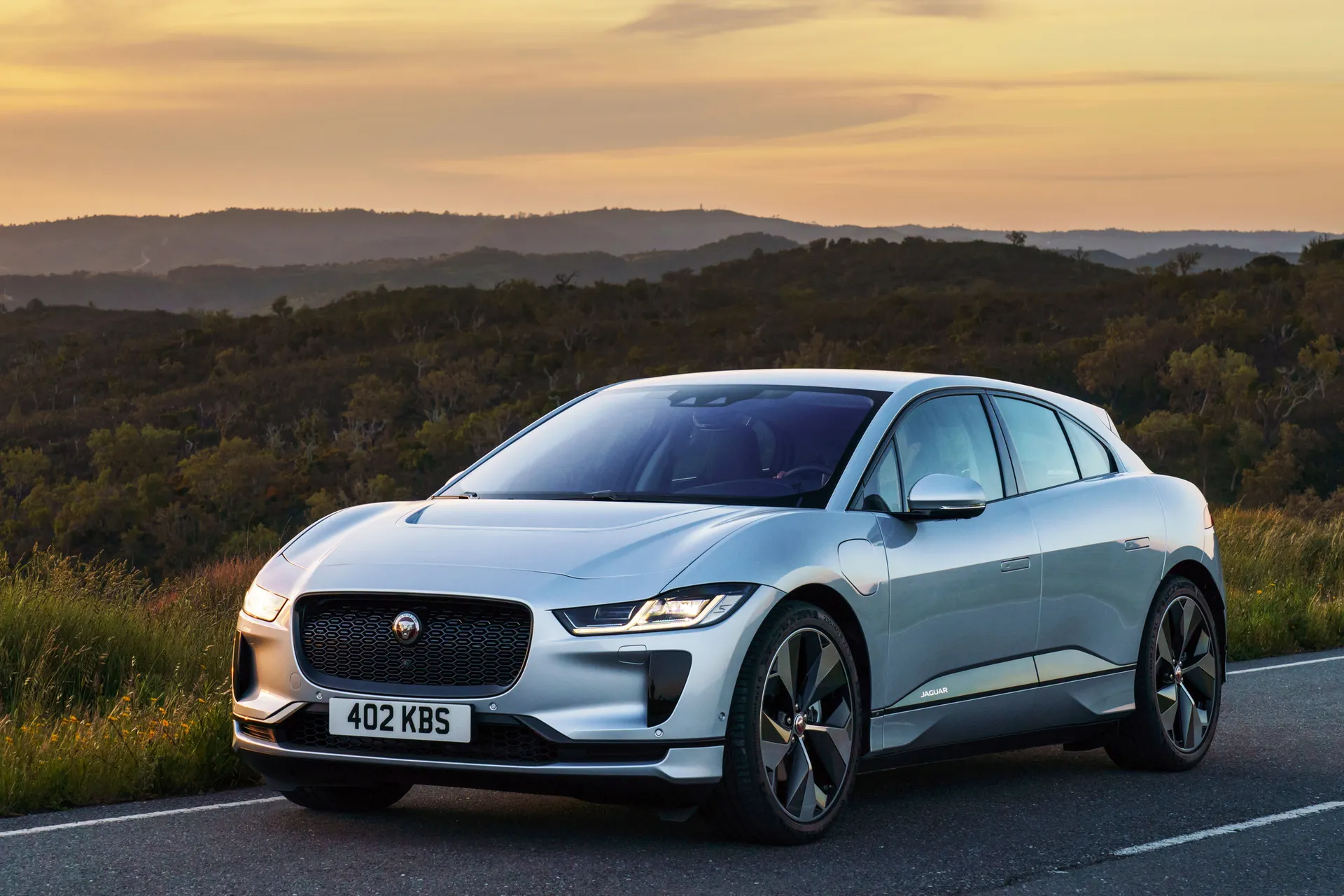
5. Jaguar I-Pace: Luxury EV Ownership Comes With Higher Financial Risk
The Jaguar I-Pace brought British luxury design and electric performance into the American SUV market. Its sporty driving characteristics, premium cabin, and distinctive styling helped it attract attention among early luxury EV buyers. Nevertheless, its depreciation profile deserves careful consideration.
Luxury vehicles frequently experience higher absolute depreciation because their original purchase prices are substantial. When a premium electric SUV loses a significant percentage of its value, the resulting dollar loss can be considerable. This can outweigh several years of fuel savings.
The I-Pace also competes in a rapidly changing luxury EV segment. Newer electric SUVs offer updated software, improved charging capabilities, larger batteries, and more modern interior technology. These developments can make earlier models less competitive in the used market.
Running costs depend on how owners charge and use the vehicle. Home charging can be more economical than gasoline, but the I-Pace’s larger battery requires more electricity than smaller electric cars. Electricity rates and driving habits therefore influence the actual savings.
Maintenance expenses also deserve attention. Electric vehicles generally have fewer routine powertrain service requirements than gasoline cars, but luxury models can still involve expensive tires, suspension components, electronics, and body repairs. Insurance premiums may also be higher than those of mainstream vehicles.
Buyers should carefully investigate battery condition, software updates, recall history, and warranty coverage. A comprehensive inspection by a technician familiar with Jaguar electric vehicles can help identify potential issues. Repair access is particularly important for buyers living far from authorized service facilities.
The I-Pace may appeal to used-car shoppers seeking luxury features at a reduced price. However, the original owner faces a different financial equation. High initial pricing, substantial depreciation, and premium ownership expenses can reduce the value of its electricity savings.
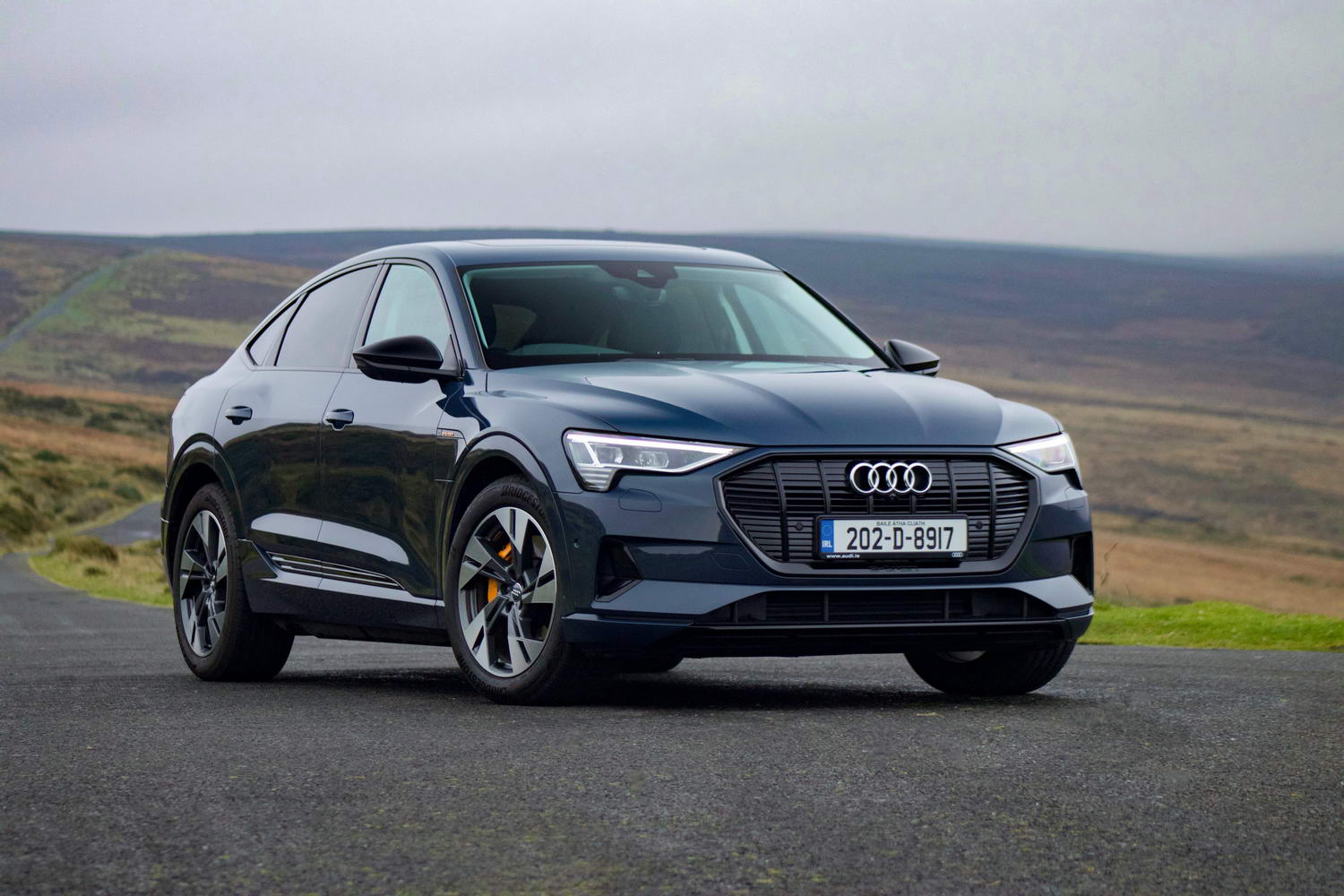
6. Audi e-tron: Premium Electric SUV With Heavy Depreciation Exposure
The Audi e-tron, now known as the Q8 e-tron following its model evolution, entered the American market as a premium electric SUV. Its comfortable cabin, refined ride quality, and familiar Audi design attracted buyers seeking an alternative to gasoline-powered luxury SUVs.
Its original pricing placed it in a premium category. Vehicles in this segment can experience substantial depreciation because buyers purchasing used examples expect significant discounts compared with new models. This creates a financial challenge for first owners.
Competition has also increased considerably. Several manufacturers now offer electric SUVs with competitive driving ranges, updated battery systems, and modern technology. Used e-tron models must compete with these newer products, placing pressure on their resale prices.
The vehicle’s comfort and interior quality remain attractive features. Drivers benefit from a quiet cabin, smooth acceleration, and the convenience of electric driving. For families who primarily use their SUV for commuting and local travel, these characteristics can provide a pleasant ownership experience.
However, larger electric SUVs consume more electricity than many compact EVs. Their heavier construction and greater battery capacity can increase charging expenses. Owners should compare electricity consumption per mile rather than assuming every electric vehicle produces identical savings.
The cost of ownership also includes insurance, tires, registration, and potential repairs. Premium SUVs often require larger and more expensive tires, while specialized components can increase service costs. These expenses should be included when calculating the financial benefits of electric ownership.
The Audi e-tron can represent an attractive used purchase when its resale price reflects its age and condition. New-car buyers should be more cautious about depreciation. A substantial reduction in resale value can quickly consume the money saved on gasoline.
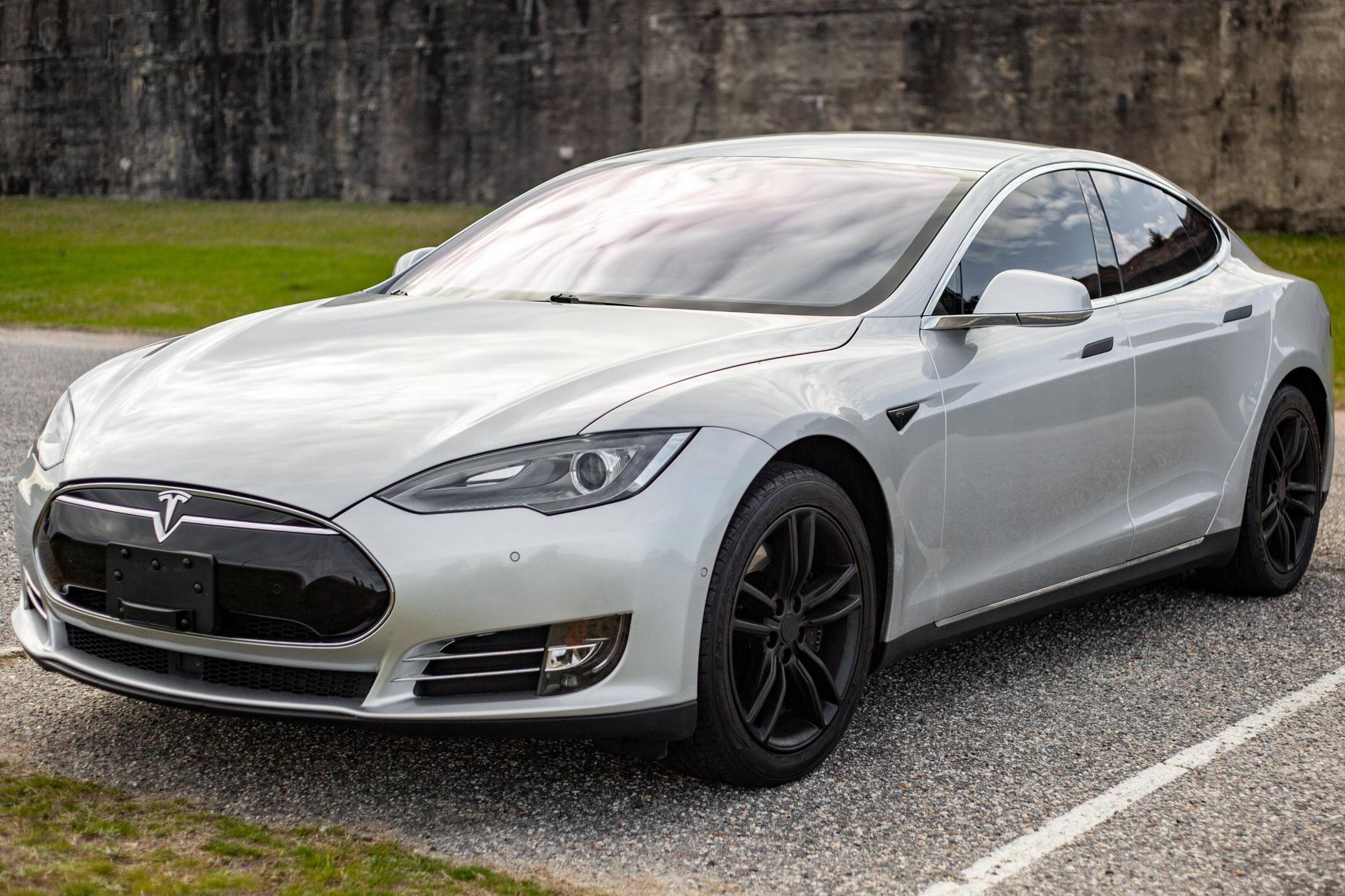
7. Tesla Model S: Expensive Original Pricing and Rapid Market Changes
The Tesla Model S helped establish the modern luxury electric sedan category in the United States. Its strong acceleration, long-distance driving capability, software features, and charging network advantages made it highly desirable among early EV buyers.
However, its resale value has been influenced by Tesla’s pricing decisions. Changes in new-vehicle prices can affect the value of existing vehicles because used-car shoppers compare their options against current new-car offerings. Price reductions can therefore create losses for previous owners.
The Model S has also experienced several generations of technology improvements. Newer versions feature updated interiors, improved computing systems, and revised driving capabilities. Older models may still perform well, but technological differences can influence buyer preferences.
Electricity savings can be meaningful for owners who drive substantial annual distances. Compared with a similarly powerful gasoline luxury sedan, the Model S can cost less to operate per mile when electricity prices are favorable. Home charging generally offers the strongest opportunity for savings.
However, purchase price remains central to the financial calculation. A buyer who paid a premium price for a new Model S may lose a substantial amount through depreciation. The total financial benefit depends on how much the owner saves during the period of ownership.
Potential buyers should examine battery and drive-unit warranty coverage, vehicle history, tire condition, and repair records. Older vehicles may also differ in charging hardware and software support. These details can influence both ownership costs and future resale demand.
The Model S can still be appealing in the used market, particularly for drivers seeking performance and technology at a lower purchase price. Original owners should recognize that electricity savings cannot protect against significant changes in vehicle values.

8. Porsche Taycan: High Purchase Price Creates Large Depreciation Losses
The Porsche Taycan brought high-performance electric driving into the American luxury sports sedan market. Its engineering, handling, interior quality, and acceleration helped establish it as a serious alternative to traditional high-performance vehicles.
However, its premium purchase price creates considerable depreciation exposure. Even when a luxury vehicle retains a reasonable percentage of its original value, the dollar amount lost can be substantial. This is particularly important for buyers comparing ownership costs against gasoline-powered alternatives.
The luxury EV market has become more competitive since the Taycan’s introduction. New models and updated versions offer changing combinations of range, performance, charging speed, and technology. Older vehicles may therefore require larger price reductions to attract secondhand buyers.
The Taycan delivers impressive performance, but performance-oriented driving can increase energy consumption. Frequent hard acceleration, high speeds, and larger wheel configurations can reduce efficiency. Owners should not assume that the vehicle will deliver the same electricity savings as a smaller commuter EV.
Maintenance and repair expenses also matter. Although the electric powertrain avoids many traditional engine-related services, the Taycan remains a sophisticated luxury vehicle. Tires, brakes, suspension components, electronics, and specialized repairs can contribute significantly to ownership expenses.
Used buyers should check battery health, service records, warranty coverage, software history, and applicable recalls. They should also compare different model years because specifications and equipment can vary. A professional inspection is especially valuable when purchasing a high-performance electric vehicle.
The Taycan makes sense for buyers who prioritize driving enjoyment and can afford premium ownership costs. However, it may not be the strongest choice for someone whose main objective is saving money. Large depreciation losses can easily exceed several years of gasoline savings.
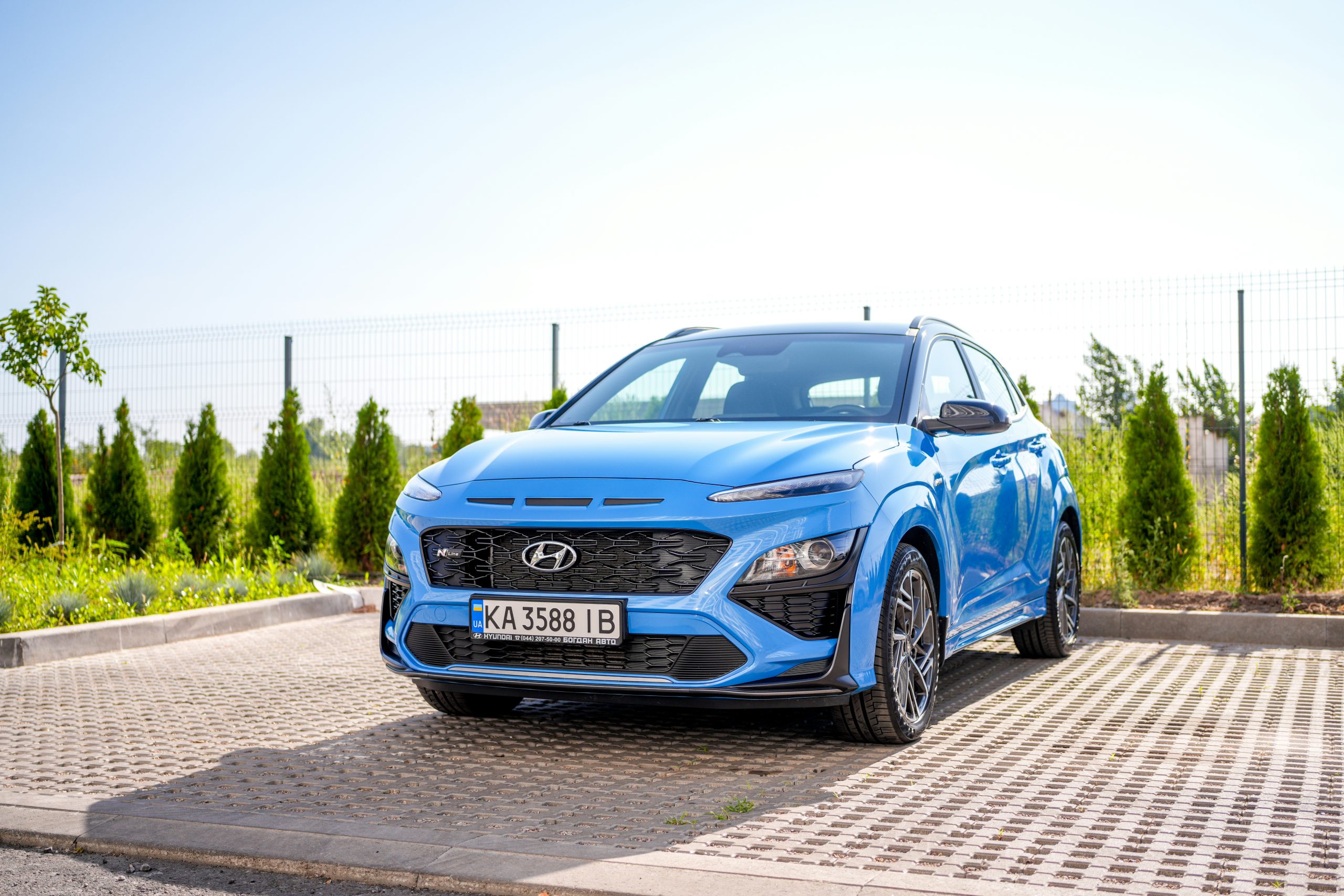
9. Hyundai Kona Electric: Affordable Running Costs Do Not Guarantee Resale Strength
The Hyundai Kona Electric has attracted American buyers seeking a practical electric crossover without paying luxury-car prices. Its compact dimensions, useful driving range, and relatively efficient powertrain make it suitable for daily commuting and urban transportation.
Its financial appeal comes from comparatively low energy consumption. Owners who charge at home can spend less on electricity than they would spend purchasing gasoline for a comparable conventional crossover. The difference becomes more meaningful for drivers who cover substantial distances each year.
However, resale values remain influenced by competition and changing vehicle prices. New electric crossovers with updated interiors, improved technology, and competitive pricing can reduce demand for older versions. This creates depreciation pressure even when an existing vehicle remains dependable.
Battery specifications have changed across different model years. Buyers should compare available range, charging performance, and battery capacity before choosing a used Kona Electric. These differences can affect both practicality and future resale value.
The Kona Electric’s smaller size can be an advantage in crowded cities. It is easier to park than many larger SUVs and generally requires less electricity than heavier electric vehicles. These features support its appeal as an everyday commuter car.
Still, ownership costs extend beyond energy consumption. Insurance, tires, registration, charging equipment, and financing expenses can affect the total amount spent. Buyers should also investigate the vehicle’s recall history and confirm that all applicable safety-related repairs have been completed.
The Kona Electric can provide strong value when purchased at a reasonable price. However, original buyers should evaluate its expected resale value rather than focusing exclusively on fuel savings. The difference between purchase price and eventual selling price remains a major part of the ownership equation.
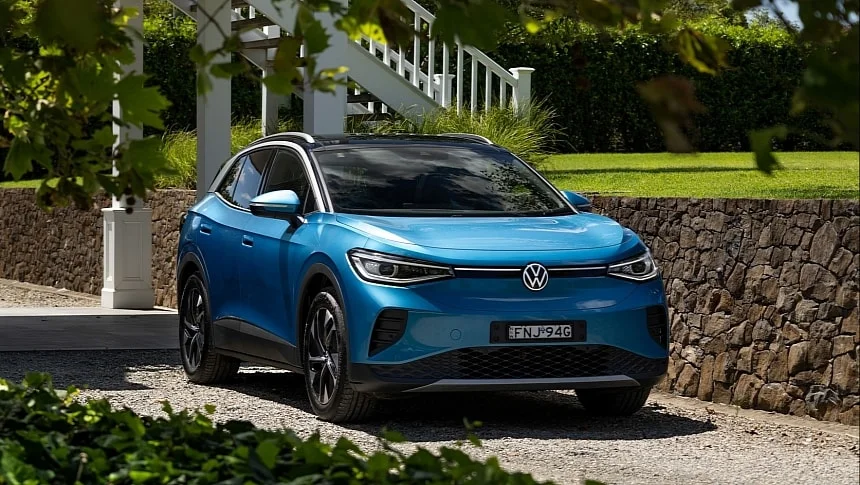
10. Volkswagen ID.4: Competitive Pricing Can Put Pressure on Used Values
The Volkswagen ID.4 was introduced to give American buyers a practical electric SUV with familiar styling and everyday usability. Its spacious cabin, comfortable ride, and electric powertrain helped it compete in the growing family EV segment.
However, the ID.4 operates in a market where manufacturers frequently adjust prices and introduce new incentives. These changes can influence used-car values. When a new vehicle becomes more affordable, buyers may become less willing to pay higher prices for an older example.
The ID.4 has also faced growing competition from electric SUVs offered by Tesla, Hyundai, Kia, Ford, and other manufacturers. Consumers can compare driving range, charging performance, interior space, and technology across several vehicles before making a decision.
Its energy efficiency can help owners reduce their transportation expenses. Drivers who charge at home and cover regular commuting distances may achieve meaningful savings compared with operating a gasoline SUV. The actual amount depends on local electricity and gasoline prices.
Software and infotainment systems have also been important considerations for certain ID.4 model years. Volkswagen introduced updates to address aspects of the user experience, and buyers should check the software version and service history of any used vehicle they consider.
The ID.4’s family-friendly design gives it practical advantages. Its seating arrangement, cargo capacity, and comfortable driving characteristics make it suitable for everyday household transportation. However, practicality alone does not guarantee strong resale performance.
Buyers should compare the original purchase price, available incentives, financing costs, and expected resale value. A used ID.4 purchased at a substantial discount may offer excellent transportation value. For original owners, depreciation can reduce the financial benefit of its lower energy costs.