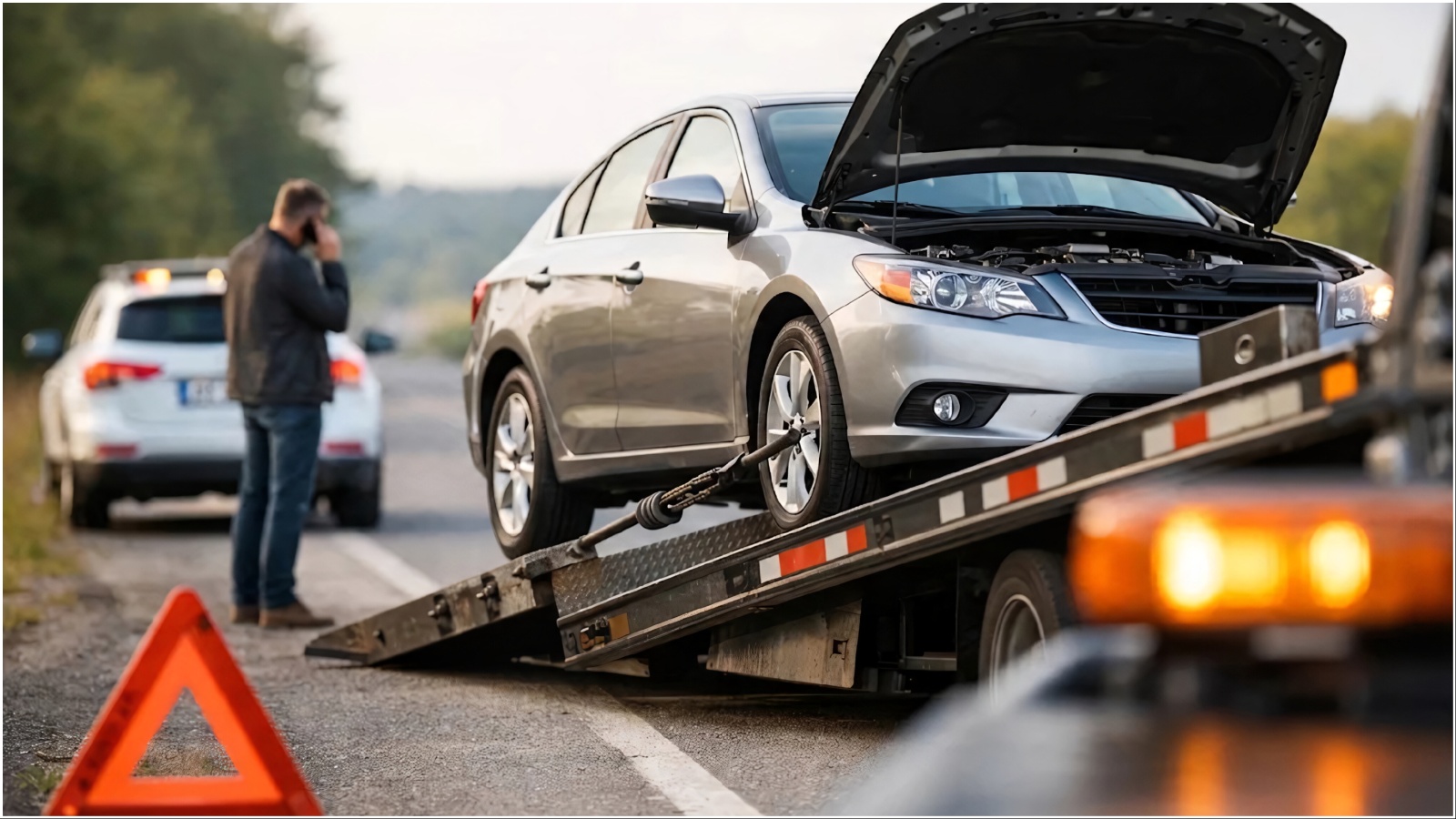
Most drivers know that parking in a fire lane or blocking a driveway can get a car towed. Fewer realize that ordinary situations, such as leaving a car in one spot for several days or letting a registration lapse, can lead to the same result. Towing rules are set by cities, counties, states, and private property owners, so the grounds for removal are broader than many people expect, and the cost of recovering a vehicle can climb quickly.
The seven reasons below are among the less obvious triggers. Each section explains the general rule and notes where requirements commonly differ. Because local ordinances and posted signs control what is enforceable in a given place, checking the rules where you park is the only way to confirm the exact limits that apply to you.
1. Expired Registration, Missing Plates, or Lapsed Insurance
A car does not need to be parked illegally to be towed. In many jurisdictions, a vehicle on a public street with expired registration can be cited and, after a set period, removed. The same applies to missing or invalid license plates and, in some places, to expired inspection stickers.
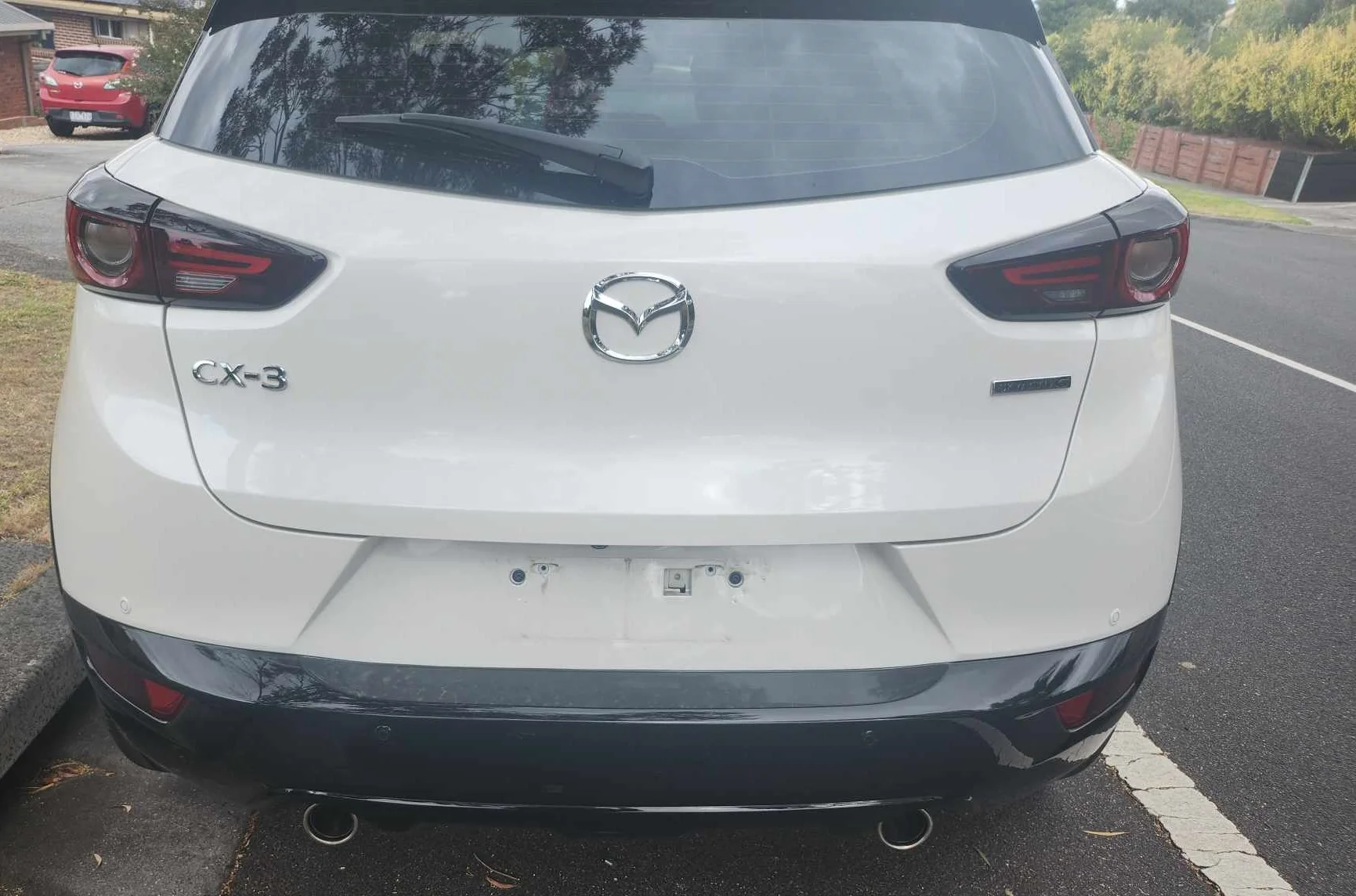
Enforcement usually follows a sequence. An officer or parking enforcement agent first issues a citation or places a warning notice on the vehicle. If the problem is not corrected within the time allowed, the vehicle may be tagged for removal. The grace period varies widely, from a few days to several weeks, and some cities allow towing on the spot for severely expired tags.
Insurance and licensing can also lead to impoundment. In several U.S. states, police may impound a vehicle during a traffic stop if the driver is unlicensed, the license is suspended, or the car is uninsured. Fines, towing charges, and storage fees can all apply, and some jurisdictions require proof of valid insurance or a licensed driver before the vehicle is released.
Owners who park on the street while a registration renewal is pending should keep proof of renewal in the car. Some jurisdictions treat a pending renewal differently from a lapsed one, but the paperwork must usually be available to an officer.
2. Unpaid Parking Tickets
Unpaid parking citations do not simply disappear. In many cities, they accumulate late fees and can eventually make a vehicle eligible for immobilization with a wheel boot or for towing. Municipalities often call vehicles with repeated unpaid citations “scofflaw” vehicles.
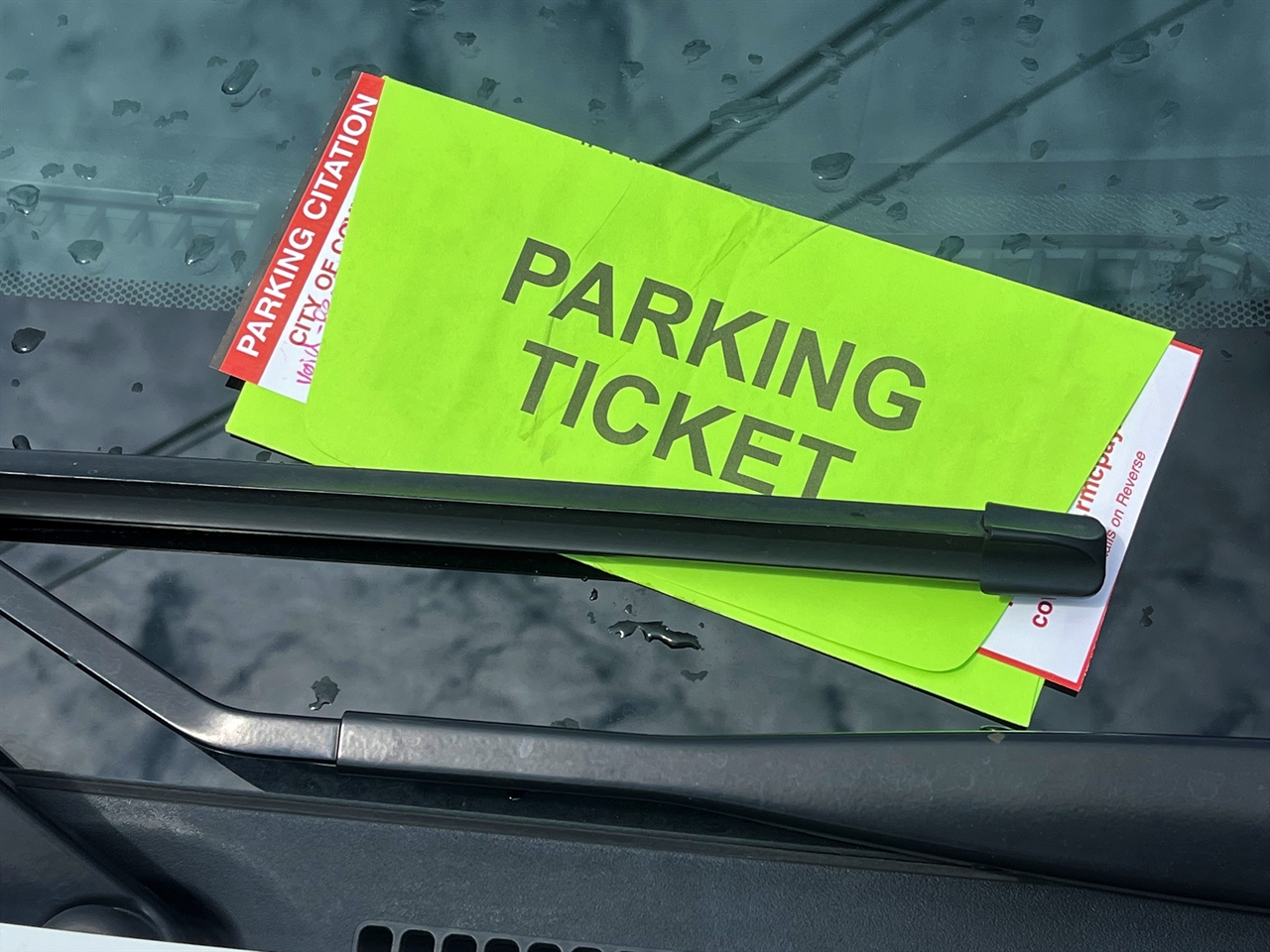
The threshold varies. Some jurisdictions act after a small number of delinquent tickets, while others require a larger number or a minimum total balance. Many cities use license plate readers to find vehicles with outstanding violations, which means a car can be flagged while it is parked on an ordinary block, with no ticket placed on the windshield that day.
Once a vehicle is booted or towed, the owner generally must pay the outstanding tickets and penalties before release, in addition to the towing and storage charges. Some places allow a payment plan or a hearing, but the specific options depend on local rules.
Unpaid tickets can also affect vehicle registration. In several states, an owner cannot renew registration until outstanding citations are resolved, which can lead directly to the problem described in the previous section. Tickets issued by cameras, such as red-light or school-zone speed cameras, are handled differently in different places, so the consequences of leaving them unpaid are not uniform.
Checking a city’s online ticket lookup using a license plate number is a common way to find out whether violations are open.
3. Staying in One Spot Too Long
A legally parked car can become an illegally parked car simply by not moving. Many cities limit how long a vehicle may remain in the same spot on a public street, regardless of whether it is otherwise parked correctly. A 72-hour limit is common, though some places use 24 hours, 48 hours, or longer.
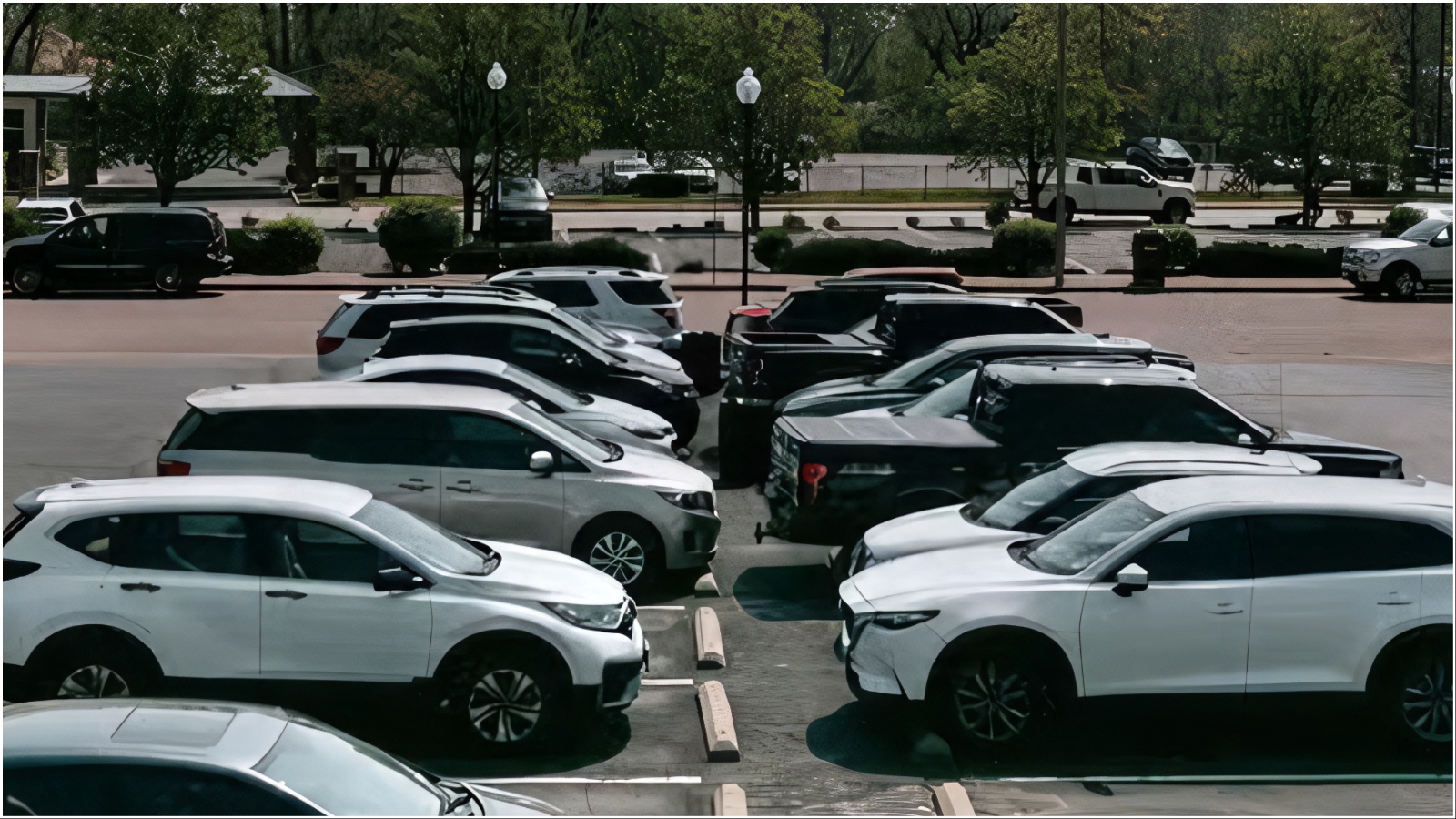
These ordinances exist to deal with abandoned vehicles and to keep curb space available. A car that appears untouched for the set period may be reported by a neighbor or noticed during enforcement patrols. Officers often mark the tire or place a notice on the windshield and return later to see whether the vehicle has moved. If it has not, it can be towed.
Moving a car a few feet may not satisfy the rule. Some ordinances require a vehicle to be moved a minimum distance, such as a block or a specified number of feet, or to leave the area entirely.
Time-limited zones also apply on a smaller scale. Two-hour or four-hour spaces near shops, hospitals, and schools can result in citations and, in some places, towing for repeat violations. Residential permit zones add another layer, since vehicles without the proper permit may be removed.
Travelers who leave a car on the street for an extended trip are among the most common victims of these rules. Arranging off-street parking or asking someone to move the vehicle can avoid the problem.
4. Temporary “No Parking” Signs
A space that was legal when you parked can become illegal while you are away. Cities regularly post temporary no-parking signs for street construction, utility work, moving trucks, parades, filming, and special events. These signs are often posted a set number of hours or days in advance, and a vehicle left in the restricted area after the effective time can be towed.
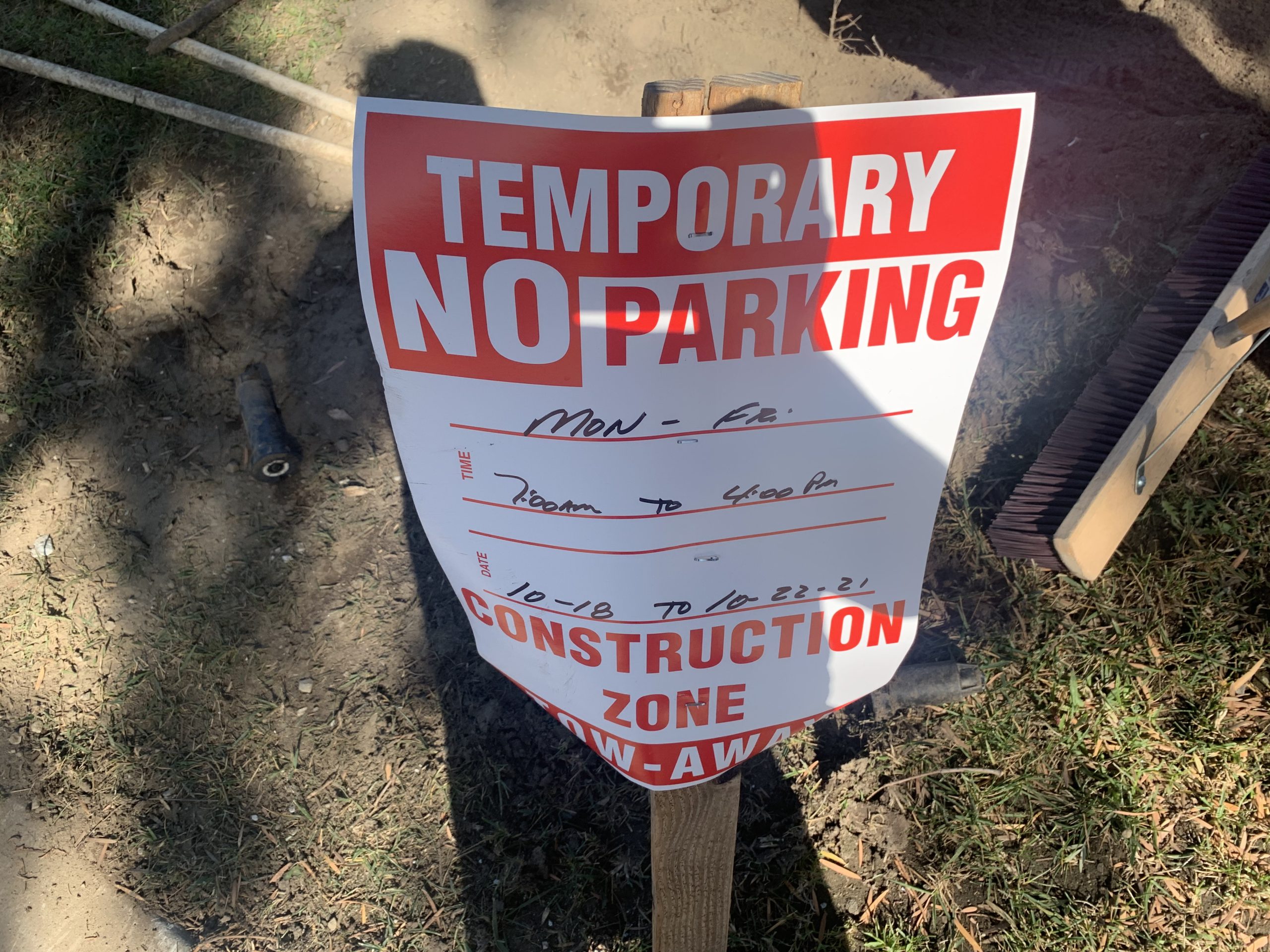
The notice period varies by location. Some jurisdictions require signs to be posted at least 24 to 72 hours before enforcement begins, while others allow shorter notice for emergencies such as water main repairs. Because signs are typically attached to poles or placed on sawhorses, drivers who park late at night and leave early may not notice them.
Regular street-sweeping schedules work the same way. Streets with recurring cleaning days restrict parking during specified windows, and towing is a standard enforcement tool in some cities, particularly where citations alone have not kept the street clear.
When a car is towed because of temporary signage, the owner is usually still responsible for the full towing and storage fees. Some cities will waive or refund charges if the signs were not posted properly, but the owner must typically document the situation, for example, with timestamped photos of the area.
A practical habit is to read every sign on the block, including the ones higher on the pole, before leaving a car for an extended period.
5. Parking Where You Are Not a Customer or Resident
Private property owners have the right to restrict who parks on their lots. Shopping centers, restaurants, apartment complexes, office buildings, and hospitals commonly authorize towing companies to remove unauthorized vehicles. The most common triggers include parking in a lot while visiting a neighboring business, staying beyond the posted time limit, and using a reserved or permit-only space.
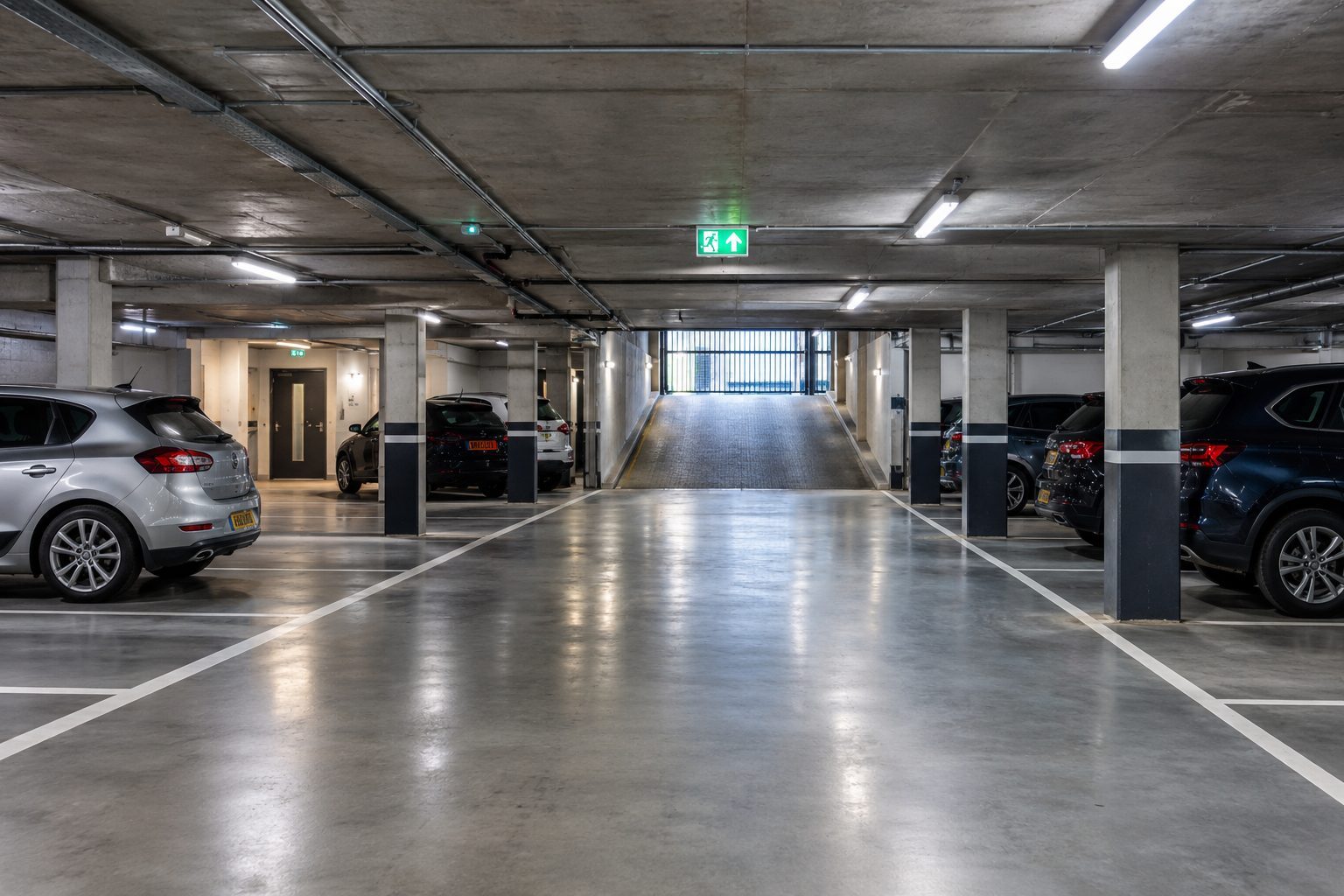
Apartment and condominium communities add further rules. Guest vehicles often require a visitor permit, and residents may be limited to assigned spaces. Many communities also prohibit vehicles that are inoperable, have flat tires, or display expired registration. Homeowner associations can enforce similar restrictions through towing agreements, subject to state law.
Most states require private property towing to follow certain procedures, though they differ considerably. Common requirements include visible signs at the entrance that state towing is enforced and identify the towing company, limits on how much the company can charge, and a requirement that the tow operator notify police of the removal.
In some states, a tow operator may not hook up a vehicle if the driver returns before the tow is complete, while other states allow a “drop fee” in that situation.
Because the signs on private lots are the legal basis for removal, a vehicle owner who believes a tow was improper should photograph the signs, the parking space, and the surrounding area as soon as possible.
6. Blocking Hydrants, Curb Ramps, Driveways, and Crosswalks
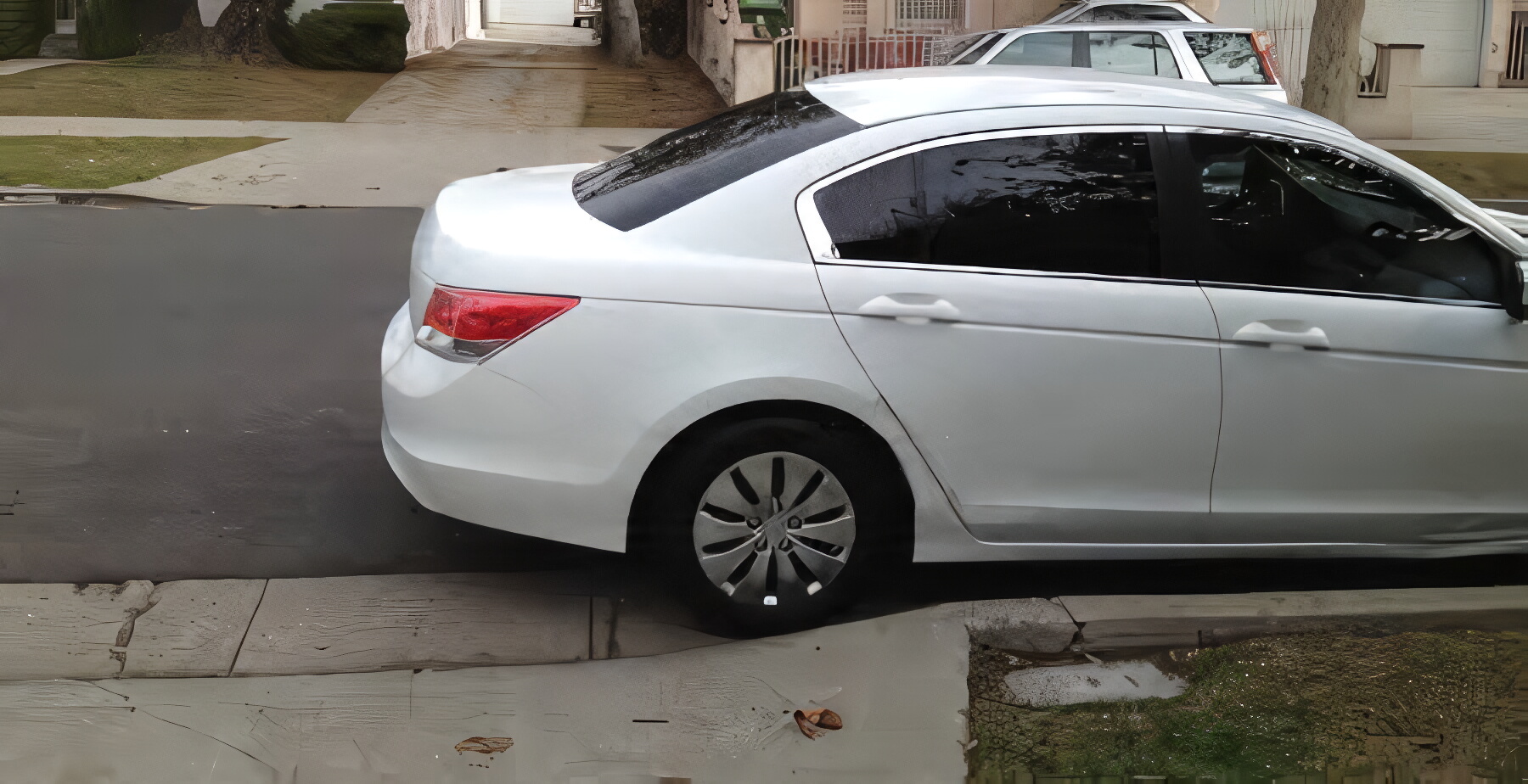
Some of the most heavily enforced parking restrictions protect safety access, and they apply even when no sign is posted. Many states prohibit parking within a set distance of a fire hydrant, and 15 feet is a common standard, though some places use 10 or 20 feet. Painted curbs are not always present, so drivers cannot rely on markings alone.
Other areas that are commonly restricted by law include:
- Crosswalks and the space immediately approaching them
- Curb ramps, which provide access for people using wheelchairs and other mobility devices
- Driveways and the apron that connects a driveway to the street, including a neighbor’s driveway
- Sidewalks, where parking is prohibited in most places
- Areas near stop signs, traffic signals, and intersections, where parked cars can obstruct visibility
- Bus stops and loading zones
Blocking a driveway is a frequent reason for towing because the property owner can often request removal directly. In many cities, a vehicle that blocks any part of a driveway, even one the owner is not using, can be towed on a complaint.
Parking in a disabled-access space or its adjacent striped aisle without a valid placard or plate is treated seriously in every U.S. state. Fines are typically higher than for ordinary parking violations, and towing is a standard enforcement option.
7. Snow Emergency Routes and Weather-Related Restrictions
Weather can change parking rules with little warning. Cities in snowy regions designate snow emergency routes, which are main streets that must stay clear so plows and emergency vehicles can pass. When a declared snow emergency begins, parked vehicles on those routes can be ticketed and towed.
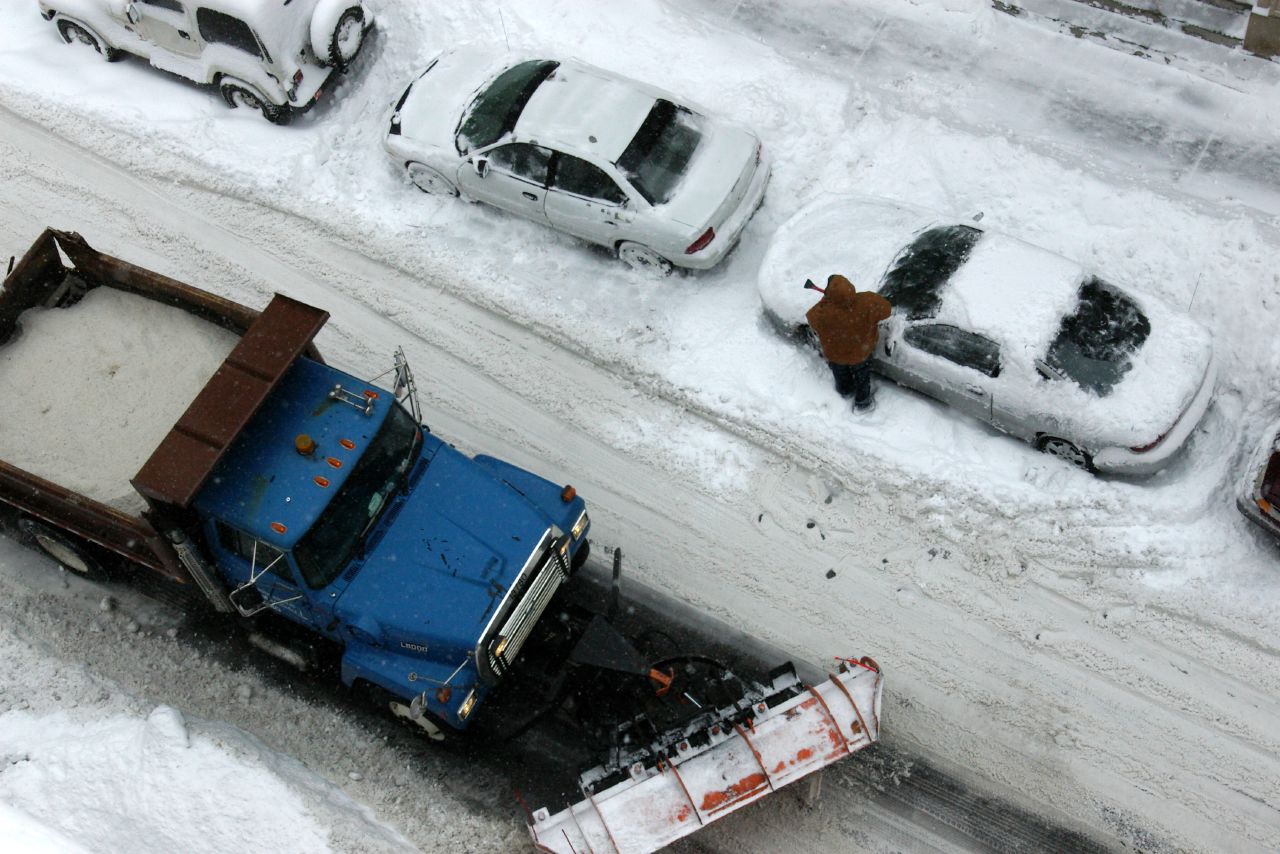
Rules differ by city. Some, such as Boston and Minneapolis, use formal snow emergency declarations that trigger parking bans on specific streets or on alternating sides of the street on specific days. Others, including Chicago, enforce overnight winter parking bans on designated streets during certain months, and may also restrict parking once a certain snowfall has occurred. Many cities announce emergencies through websites, social media, text alerts, and local media, but the burden of finding out falls on the driver.
Some cities provide designated municipal lots or garages where residents may park for free or at a reduced rate during an emergency. Rules for using them vary, and some require the vehicle to be moved after the restrictions end.
Other weather-related events can lead to similar restrictions, including flood-prone streets that close during heavy rain and evacuation routes where parking is banned before hurricanes. A vehicle left in those areas can be removed to keep roads passable, and drivers are generally responsible for the towing and storage charges even when the removal occurred during an emergency.