
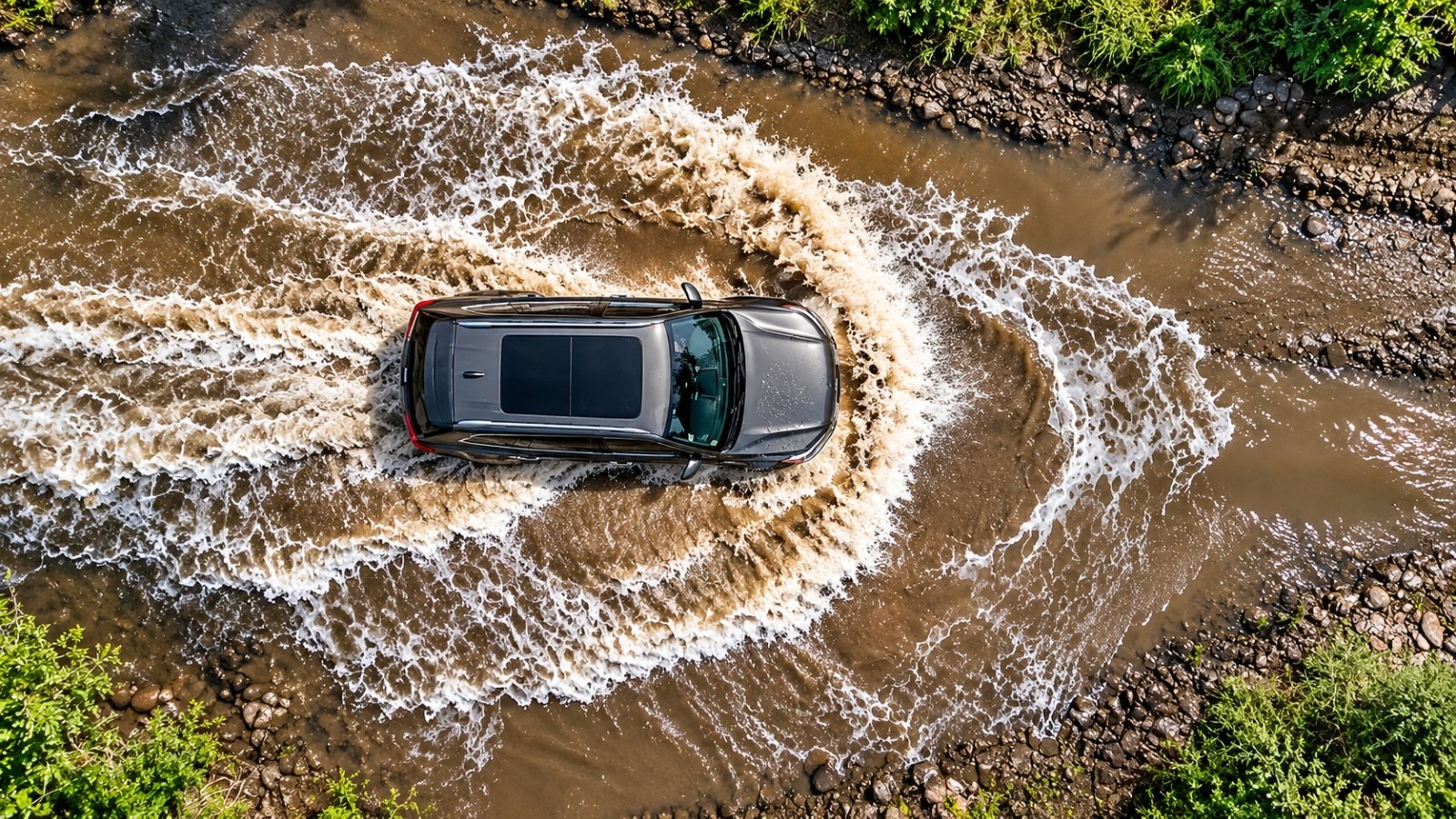
Flooded roads can challenge even capable vehicles, particularly when water reaches the engine intake, electrical components, or transmission. While no ordinary passenger vehicle is designed to drive safely through severe floodwaters, certain SUVs and off-road vehicles offer features that make them better equipped for shallow water crossings and waterlogged roads.
Raised air intakes, sealed electrical systems, specialised drivetrains, and substantial ground clearance can improve their ability to negotiate challenging conditions. Some manufacturers also publish specific wading-depth ratings, providing a measurable indication of a vehicle’s water-crossing capability under controlled conditions.
These specifications, however, should never be confused with flood safety. The following 10 vehicles stand out for their engineering, off-road equipment, and documented water-wading capabilities, although actual performance depends on water depth, current, terrain, and vehicle configuration.
1. Land Rover Defender
Land Rover Defender is among the most capable production SUVs when it comes to negotiating water crossings. Its combination of permanent four-wheel drive, substantial ground clearance, sophisticated suspension, and specialised off-road electronics makes it suitable for challenging terrain where conventional vehicles would struggle.
Depending on the suspension configuration, the Defender 90, 110, and 130 offer a maximum wading depth of up to 900 mm.
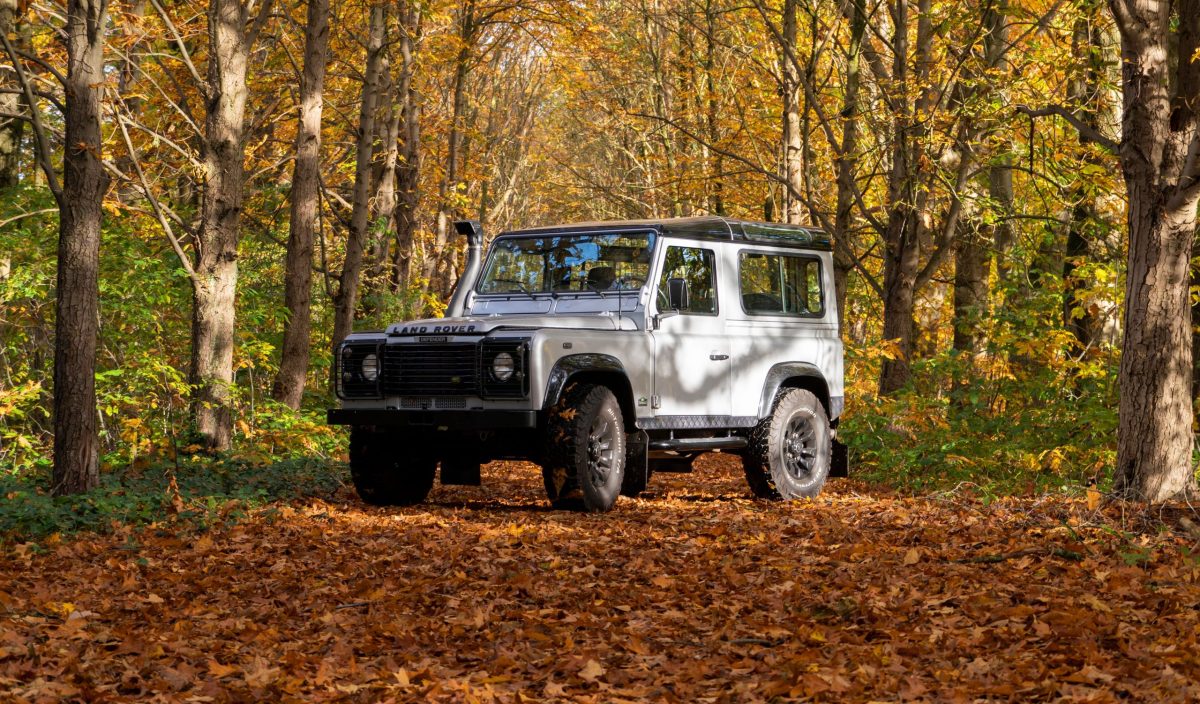
A major advantage is its Terrain Response 2 system, which allows drivers to select settings suited to different surfaces. Its dedicated Wade programme adjusts vehicle systems to help maintain traction and manage water crossings. The available Wade Sensing technology also provides visual information about surrounding water depth through the vehicle’s infotainment display, helping drivers assess conditions before proceeding.
The Defender’s body structure and off-road geometry further contribute to its capabilities. With high ground clearance, short overhangs, and a two-speed transfer case, it can navigate uneven approaches and exits without relying exclusively on engine power. These characteristics are particularly relevant on rural roads where water may conceal potholes, loose stones, or damaged surfaces.
However, its 900 mm rating is a controlled-condition maximum, not a recommended depth for ordinary flood travel. Suspension configuration, equipment, vehicle load, and water movement all affect the practical limit. The Defender’s greatest strength is its comprehensive approach to off-road engineering rather than simply its ability to drive through deep water.
2. Toyota Land Cruiser
Toyota Land Cruiser has built its reputation around durability, mechanical reliability, and long-distance off-road capability. Used in remote regions, mountainous environments, and demanding working conditions, it is designed to operate where road infrastructure is limited or inconsistent. Its water-crossing ability makes it particularly relevant to drivers who regularly encounter shallow flooded roads and difficult rural routes.
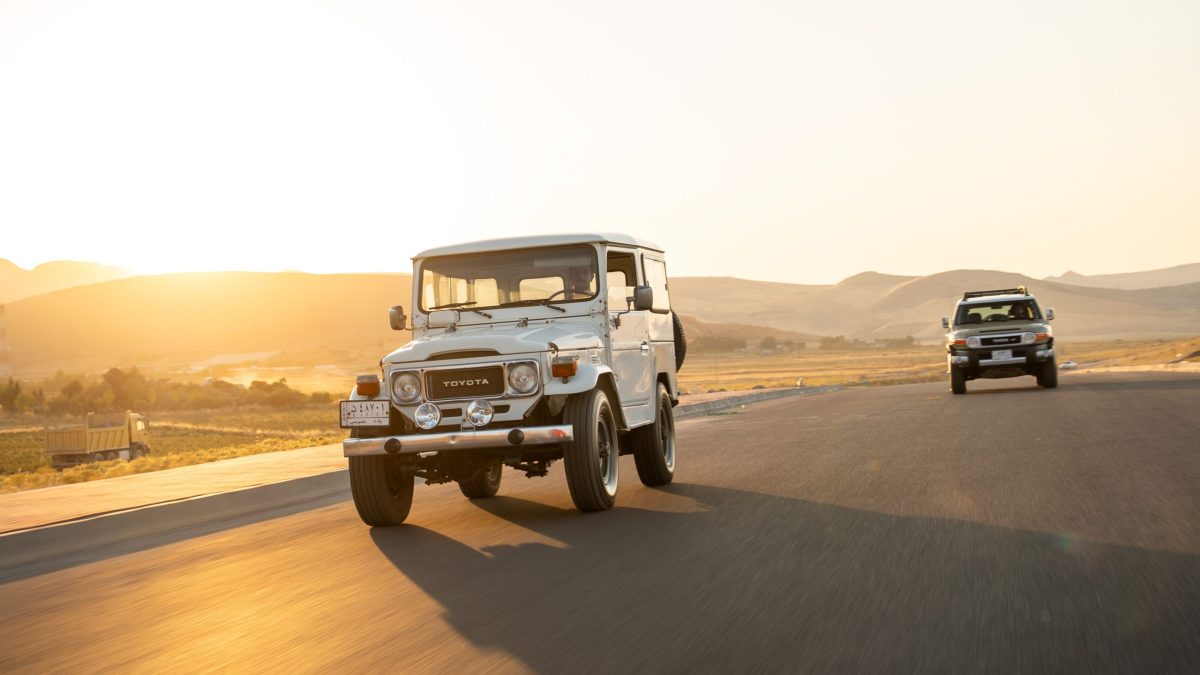
Several Land Cruiser generations and configurations have offered substantial wading capability, with commonly published specifications reaching approximately 700 mm. However, the exact rating varies by model year, market, engine, and equipment. Buyers should therefore verify the specification for the particular vehicle rather than assume every Land Cruiser shares the same limit.
Its four-wheel-drive system, low-range gearing, locking differential availability, and robust chassis help maintain traction when the surface beneath the water becomes slippery. The vehicle’s substantial ground clearance also reduces the likelihood of underbody contact with uneven terrain. These characteristics become useful when negotiating muddy roads, shallow streams, or damaged tracks following heavy rainfall.
Another advantage is the Land Cruiser’s established reputation in regions where dependable transportation is essential. Its combination of off-road hardware and practical cabin space makes it suitable for families, expedition users, and organisations operating in remote locations. Nevertheless, its considerable size and weight can become disadvantages on narrow streets or unstable surfaces.
The Land Cruiser is not a flood-rescue vehicle, and its published wading depth should never be interpreted as permission to cross submerged roads. Its strongest application remains demanding off-road travel where the water depth, ground conditions, and exit route can be assessed beforehand.
3. Ford Ranger
The Ford Ranger combines commercial practicality with serious off-road capability. Its pickup configuration makes it useful for transporting tools, equipment, and supplies through rural areas where unpaved roads and seasonal water crossings are common. Certain current Ranger configurations offer a manufacturer-rated maximum wading depth of 800 mm.
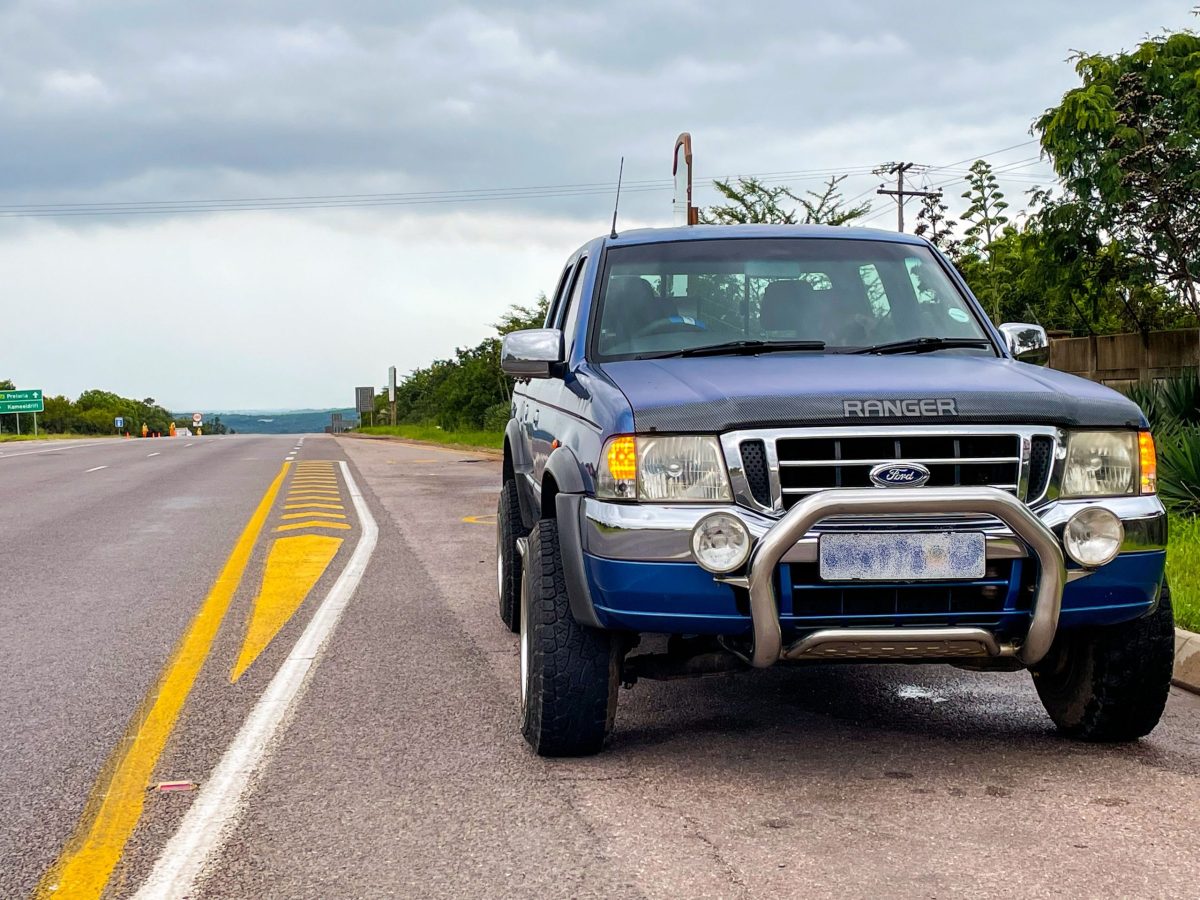
The rating is supported by the vehicle’s raised body construction, substantial ground clearance, and four-wheel-drive availability. Depending on the variant, drivers also receive selectable terrain modes designed to improve performance across different surfaces. Mud and ruts settings can adjust power delivery and traction control to help the vehicle maintain movement over slippery ground.
Ford specifies that the Ranger’s maximum 800 mm wading capability applies when maintaining a steady speed of 7 km/h or less. This detail matters because driving too quickly through water can create waves that reach the air intake or enter vulnerable components. It also demonstrates why a published depth rating must be considered alongside the manufacturer’s operating instructions.
The Ranger’s practical advantage extends beyond water crossings. Its load bed, towing capability, and passenger cabin make it useful for agricultural operations, construction work, and emergency supply transportation. However, carrying heavy equipment or fitting aftermarket accessories can alter vehicle weight and affect its available ground clearance.
For people working in flood-prone regions, the Ranger offers a useful combination of utility and off-road engineering. Its capability is best suited to controlled crossings and difficult working conditions, not roads covered by rapidly rising or moving floodwater.
4. Toyota Hilux
The Toyota Hilux is widely recognised for its durability and ability to operate in demanding working environments. Its body-on-frame construction, four-wheel-drive configuration, and dependable diesel powertrain make it a practical option for users who frequently travel across uneven or poorly maintained roads.
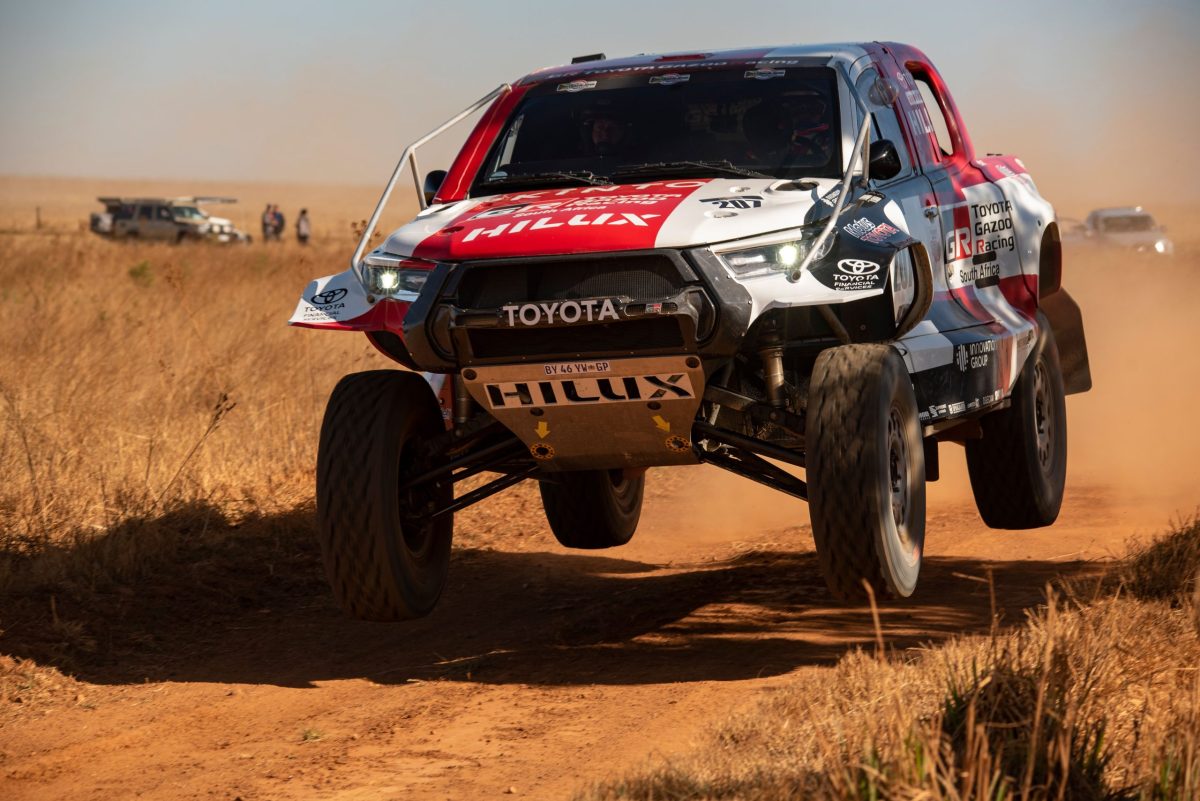
Toyota India specifies a water-wading capacity of up to 700 mm for the Hilux. Its 2.8-litre diesel engine produces substantial torque, with the Indian-market specification offering up to 500 Nm. This low-speed pulling ability is useful when negotiating muddy surfaces, loose gravel, and challenging inclines. The electronic differential lock and traction-management features further support its off-road performance.
Ground clearance and approach geometry also contribute to its suitability for water crossings. The Hilux is designed to handle uneven entry and exit points, reducing the likelihood of the front or underside striking obstacles. Its four-wheel-drive system helps distribute traction when one or more wheels encounter slippery surfaces.
Unlike many lifestyle-oriented SUVs, the Hilux also offers a practical cargo bed. This makes it particularly relevant for agricultural businesses, construction teams, and rural operators who need to transport equipment through areas affected by seasonal rainfall. Its mechanical design and established international presence add to its appeal as a working vehicle.
Nevertheless, 700 mm is a maximum published capability rather than a routine operating recommendation. Water can enter differentials, transmission components, wheel bearings, and electrical connections even when the engine continues running. The Hilux is therefore better understood as a capable work pickup for controlled water crossings, not a solution for driving through flooded streets.
5. INEOS Grenadier
The INEOS Grenadier takes a deliberately traditional approach to off-road engineering. Instead of prioritising crossover-style comfort and urban styling, it focuses on mechanical capability, structural durability, and practical performance in demanding environments. Its manufacturer-published specifications include a maximum wading depth of 800 mm.
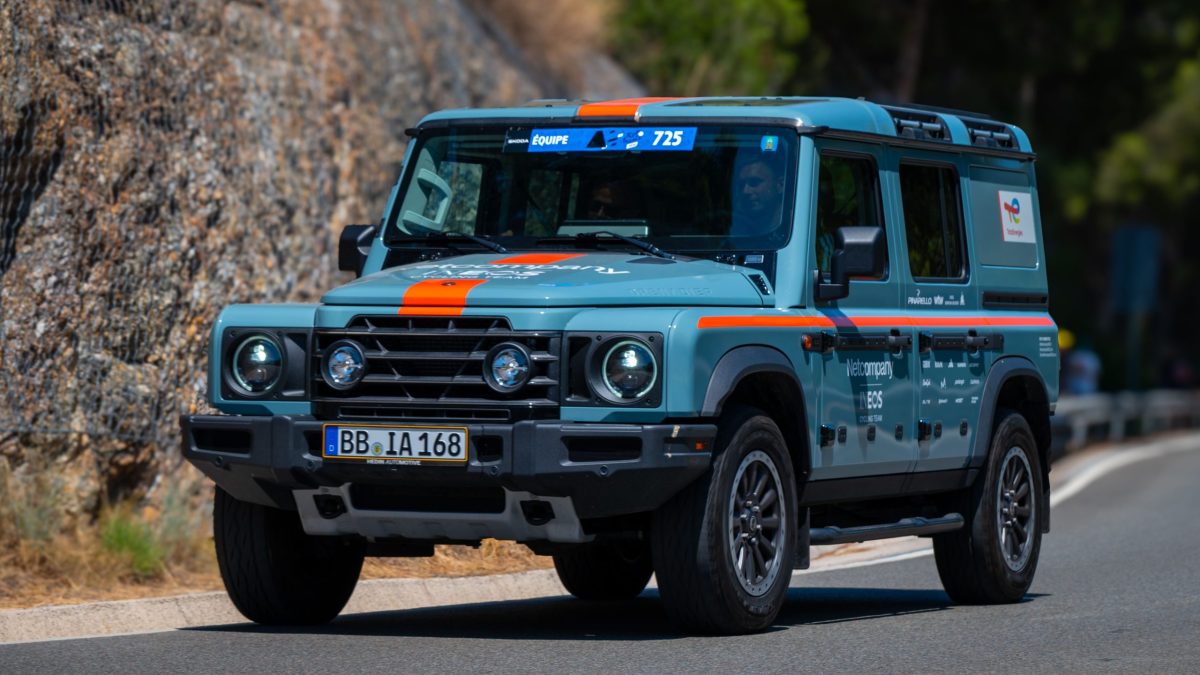
The Grenadier uses a body-on-frame construction, permanent four-wheel drive, and a two-speed transfer case. Its heavy-duty axles and locking differential options are intended to help maintain traction when individual wheels encounter mud, loose surfaces, or uneven ground. These features are particularly useful when a water crossing leads directly into a slippery or rocky section of terrain.
Another important characteristic is its ground clearance, which is specified at 264 mm. Combined with its approach and departure angles, this provides additional protection against obstacles when entering or leaving a water crossing. The vehicle’s relatively straightforward physical controls also reflect its emphasis on practical off-road operation rather than unnecessary electronic complexity.
The Grenadier is available in utility-focused configurations, including the Station Wagon and Quartermaster pickup. This gives it applications beyond recreational driving, particularly for businesses, landowners, and professionals who require a vehicle capable of carrying equipment across challenging terrain.
However, its rugged construction does not eliminate the risks associated with water exposure. A damaged breather, submerged electrical connection, or sudden change in water depth can still create expensive mechanical problems. The Grenadier’s 800 mm rating makes it an impressive off-roader, but its intended advantage lies in carefully assessed terrain rather than unpredictable urban flooding.
6. Jeep Wrangler
The Jeep Wrangler is engineered around traditional off-road priorities, including ground clearance, axle articulation, low-range gearing, and traction management. Its distinctive design is supported by a mechanical foundation that allows it to tackle difficult trails, rocky surfaces, and shallow water crossings.
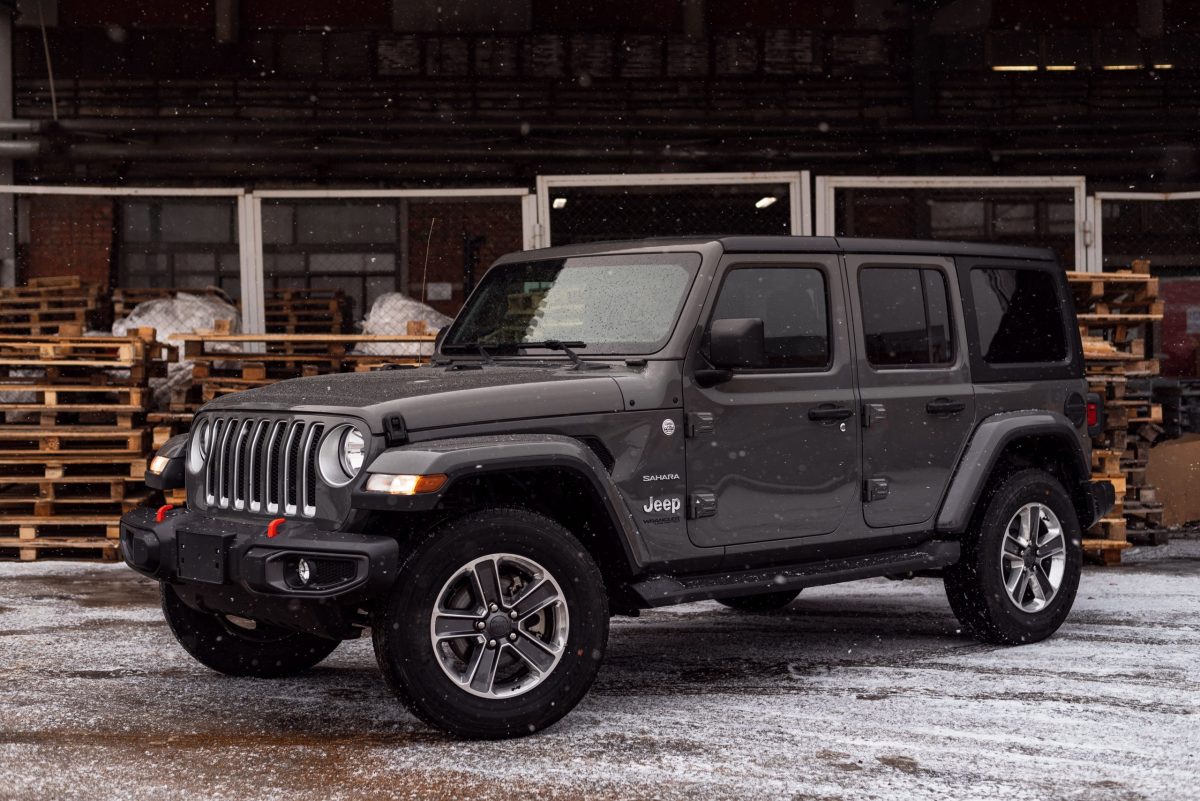
Certain Wrangler specifications offer a maximum water-fording depth of approximately 762 mm. The exact rating depends on the model, generation, and configuration. Its removable roof and door options are popular recreational features, but they should not be mistaken for equipment intended to make the cabin waterproof during deep water exposure.
The Wrangler’s four-wheel-drive systems are central to its capabilities. Depending on the trim, it can feature specialised transfer cases, locking differentials, and off-road-oriented suspension components. The Rubicon variant, in particular, is designed for demanding terrain, offering equipment that helps maintain traction when the vehicle encounters uneven ground or slippery surfaces.
Its short overhangs and substantial ground clearance also help when approaching obstacles. This becomes useful when a water crossing involves a steep or irregular entrance and exit. Rather than relying solely on tyre grip, the Wrangler combines mechanical traction with geometry designed for challenging terrain.
There are limitations, however. The vehicle’s relatively compact cabin and limited everyday practicality may not suit every family, while open-body configurations require additional attention to water exposure. Electrical components, engine air intake, and drivetrain breathers remain vulnerable when submerged.
The Wrangler is an excellent example of a purpose-built recreational off-roader with measurable water-fording capability. Its advantages are most relevant on known trails and controlled crossings, where its mechanical equipment can be used within manufacturer guidelines.
7. Mahindra Thar ROXX
The Mahindra Thar ROXX brings traditional off-road engineering into a more practical five-door SUV package. Developed for Indian driving conditions, it combines a rugged exterior, elevated ground clearance, and specialised terrain-management equipment. Its published water-wading capability of 650 mm places it among the more capable locally developed SUVs in its category.
One of its key features is the 4XPLOR system, which incorporates an electronic locking differential to improve traction in difficult conditions. The system is designed to support driving across surfaces such as mud, sand, and snow. Its terrain modes allow drivers to select settings appropriate to different off-road conditions rather than relying on a single general-purpose driving configuration.
The Thar ROXX also offers 226 mm of ground clearance, helping it negotiate uneven surfaces and obstacles. Its approach, departure, and ramp-over angles are designed for off-road use, reducing the risk of the vehicle’s body making contact with steep terrain. These features can be particularly useful on damaged rural roads following prolonged rainfall.
Unlike the traditional three-door Thar, the ROXX offers a longer body and more accessible rear seating. This makes it a more practical choice for families who want off-road capability without sacrificing everyday usability. Its additional cabin space also provides greater flexibility for carrying passengers and essential equipment.
However, its 650 mm rating is not an indication that it can safely navigate flooded urban roads. Water depth, current, hidden obstacles, and the condition of electrical and mechanical components remain important considerations. The Thar ROXX is better suited to controlled off-road crossings than unpredictable flood emergencies.
8. Mahindra Thar
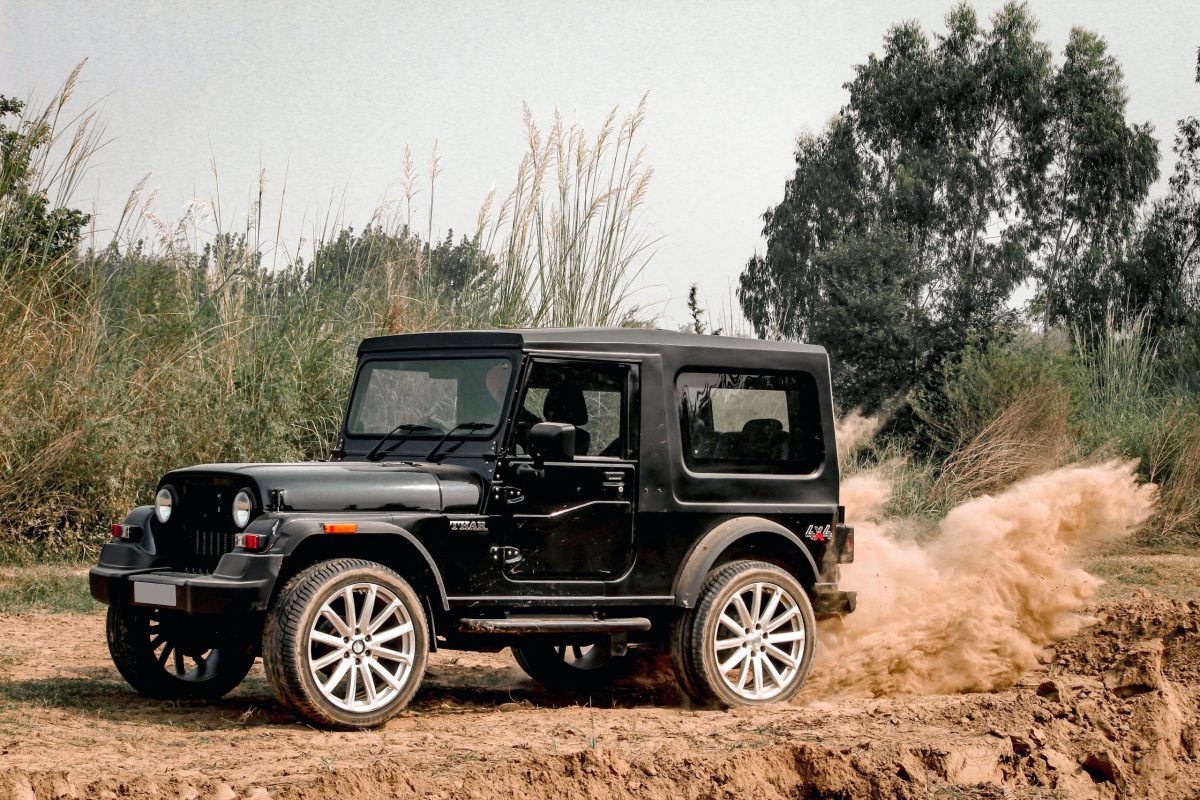
The standard Mahindra Thar remains an important option for drivers seeking a relatively compact vehicle with genuine four-wheel-drive hardware. Its smaller dimensions compared with larger utility vehicles make it easier to manoeuvre along narrow rural roads, forest tracks, and uneven paths. Mahindra publishes a maximum water-wading depth of 650 mm for the current specification.
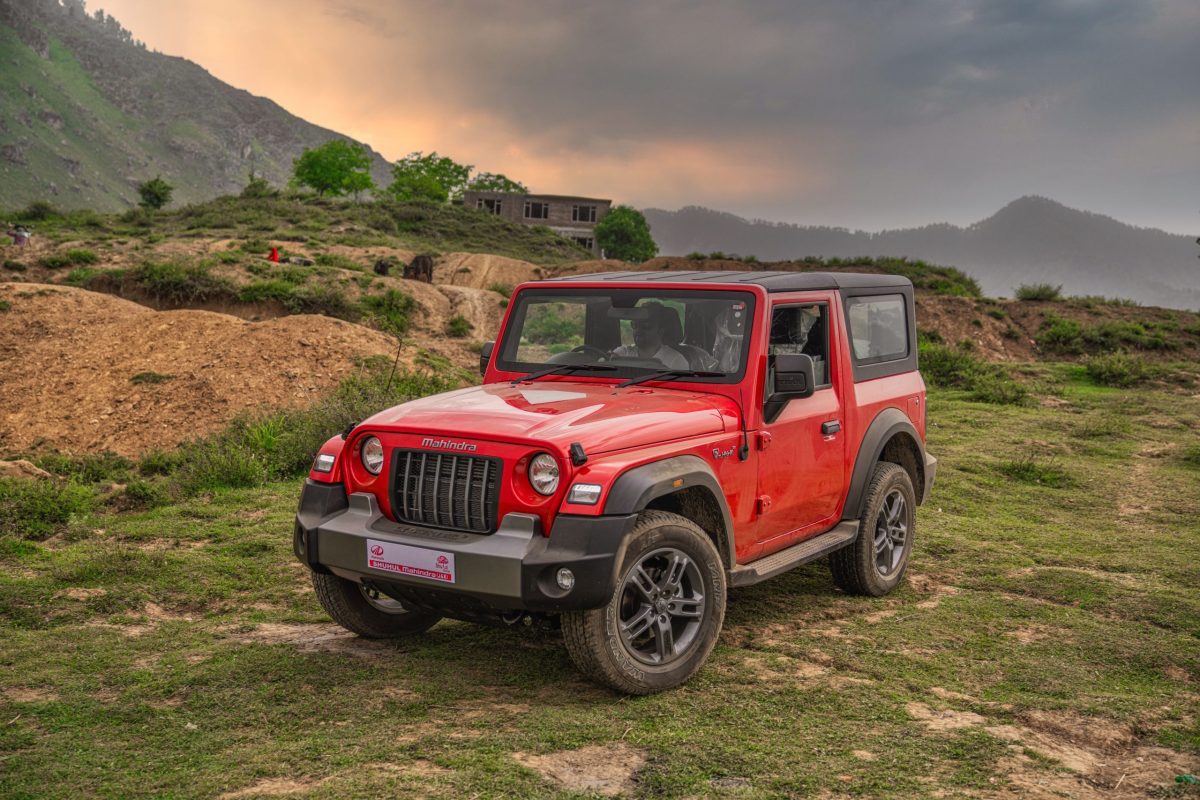
Its off-road capabilities are supported by a body-on-frame construction, high ground clearance, and available four-wheel-drive configurations. The low-range transfer case helps deliver torque at controlled speeds, which is valuable when negotiating slippery inclines or muddy surfaces. Depending on the variant, an electronic locking differential can provide additional traction when wheel slip becomes a problem.
The Thar’s 226 mm ground clearance and off-road-oriented geometry help it travel across terrain that may be difficult for conventional passenger vehicles. Its compact wheelbase also contributes to manoeuvrability, particularly when navigating narrow tracks or making tight turns around obstacles.
There are practical compromises. The three-door layout provides less convenient rear-seat access, while its smaller cabin and luggage capacity may limit its usefulness for families or extended journeys. Its ride and handling characteristics also reflect its off-road priorities rather than those of a conventional urban crossover.
For drivers in areas where seasonal rainfall frequently damages road surfaces, the Thar offers a combination of compact proportions and genuine off-road equipment. Its water-wading specification is useful for understanding its capabilities, but Mahindra’s operating guidance remains important. The manufacturer specifically warns against entering fast-flowing or rising water, even when the vehicle’s rated depth appears sufficient.
9. Range Rover
The Range Rover demonstrates that substantial water-crossing capability is not limited to traditional utility vehicles. It combines a sophisticated four-wheel-drive system with advanced suspension technology, electronic terrain management, and a premium cabin. Certain current Range Rover configurations have a manufacturer-published maximum wading depth of 900 mm.
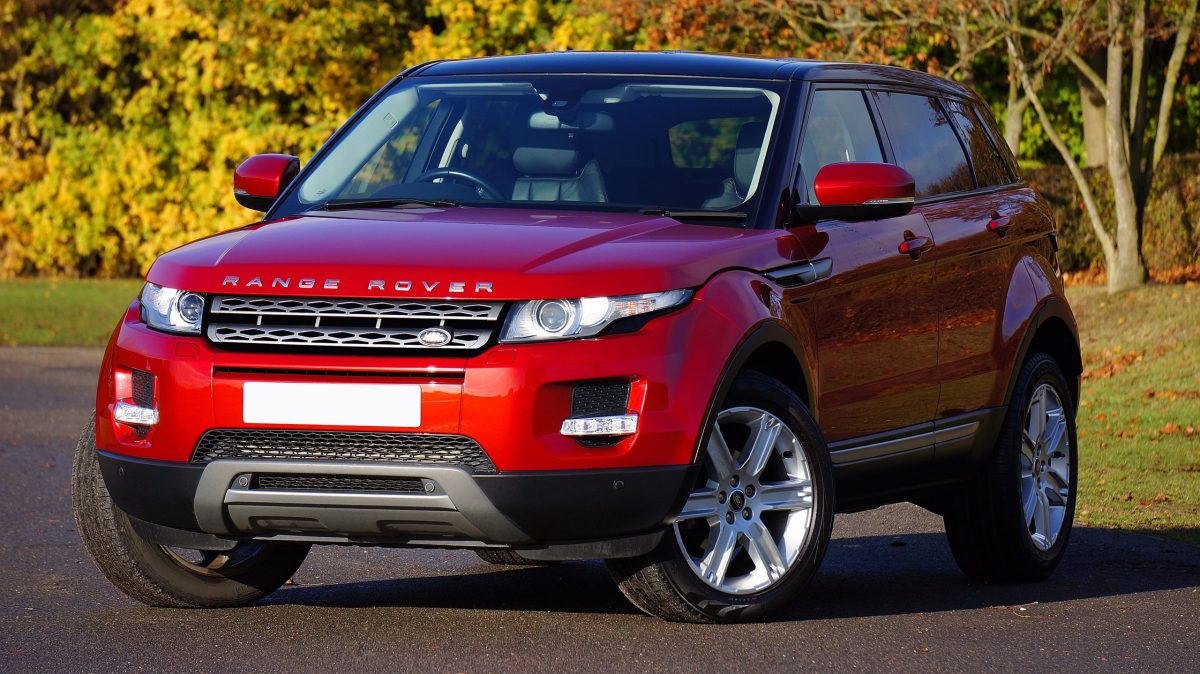
Its electronically controlled air suspension can raise the vehicle’s ride height when additional ground clearance is required. This is particularly relevant when approaching uneven water crossings, where the vehicle may otherwise encounter submerged obstacles. The Terrain Response system also allows the driver to select settings suited to different surfaces, helping manage engine output, transmission behaviour, and traction.
The availability of Wade Sensing adds another layer of assistance. It uses vehicle sensors to display surrounding water-depth information, helping drivers assess a crossing before proceeding. This is especially useful because water can conceal changes in road elevation that are difficult to identify from the driver’s seat.
The Range Rover’s permanent all-wheel-drive capability and advanced traction systems also make it suitable for slippery surfaces. Its combination of passenger comfort and off-road equipment provides a different approach to challenging terrain compared with conventional work-focused 4×4 vehicles.
Nevertheless, the vehicle’s sophisticated electronics and expensive components make post-water inspection particularly important. Even without immediate mechanical failure, prolonged exposure to contaminated water can damage sensors, wiring, suspension components, and interior materials. The 900 mm rating also applies only under specified conditions and should not be treated as a safe flood-depth guarantee.
The Range Rover is therefore a strong example of luxury engineering designed to deliver genuine off-road ability, although its intended use remains controlled water crossings rather than severe flooding.
10. Ford F-150 Raptor
The Ford F-150 Raptor approaches difficult terrain through a combination of powerful performance, specialised suspension, and a reinforced off-road-oriented design. Although it is primarily associated with desert driving and high-speed off-road environments, its elevated chassis and published water-fording capability also make it relevant to discussions about shallow water crossings.
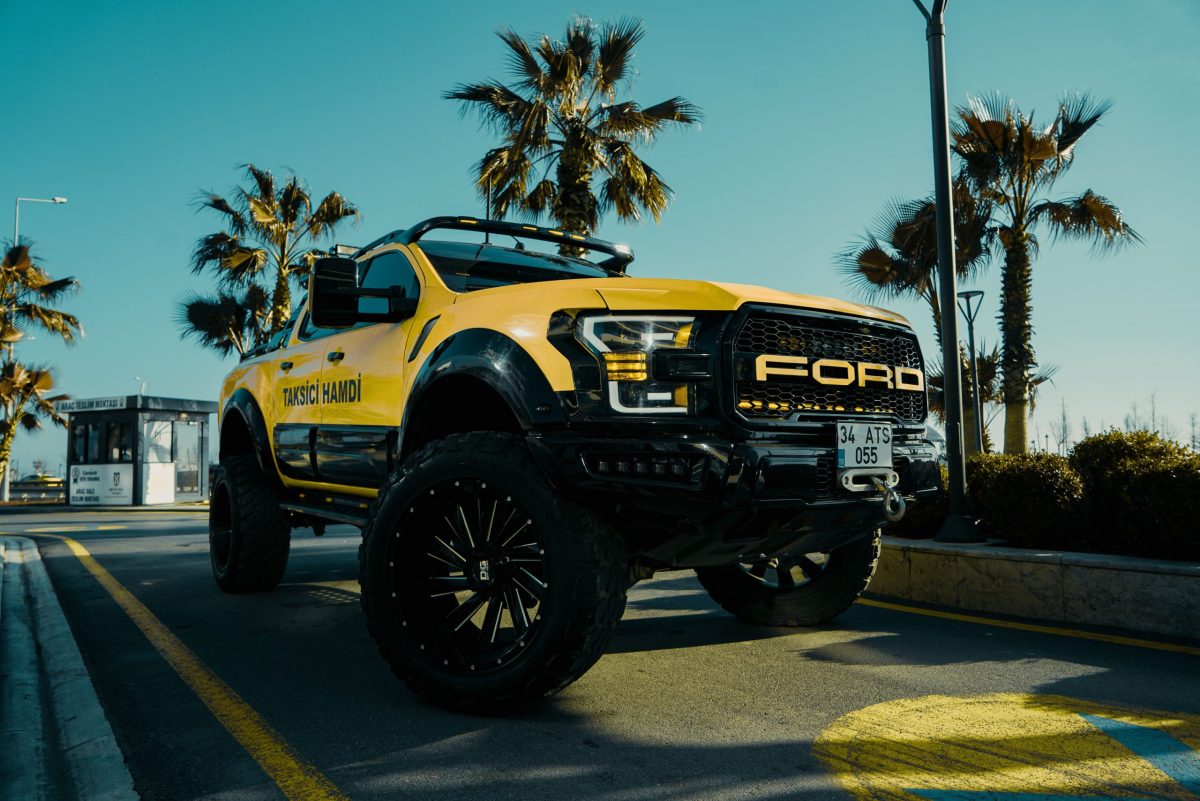
Ford’s 2025 F-150 owner’s documentation specifies a water-fording depth of approximately 810 mm for the Raptor configurations covered by the relevant specification. The figure is associated with both 35-inch and 37-inch tyre configurations. The manual also specifies a maximum water speed of approximately 7 km/h, highlighting the importance of controlled movement during a crossing.
The Raptor’s suspension is one of its defining features. Its specialised long-travel setup is designed to absorb impacts and maintain wheel contact across uneven terrain. Combined with its four-wheel-drive system, this makes it particularly capable on rough tracks where ordinary pickups may struggle to maintain stability.
Its substantial ground clearance also helps protect vulnerable underbody components when negotiating obstacles. However, the Raptor’s large dimensions and considerable weight can become disadvantages on narrow or unstable roads. Its performance-oriented suspension is not a substitute for careful assessment of submerged terrain.
Another consideration is its market availability. The F-150 Raptor is primarily offered in selected international markets, and its specifications differ across model years and configurations. Buyers should confirm the precise water-fording limit in the owner’s manual for their vehicle.
The Raptor demonstrates how performance-oriented pickup engineering can deliver meaningful off-road capability. Its water-fording rating, however, should remain a reference for controlled crossings rather than a reason to enter floodwater.
