
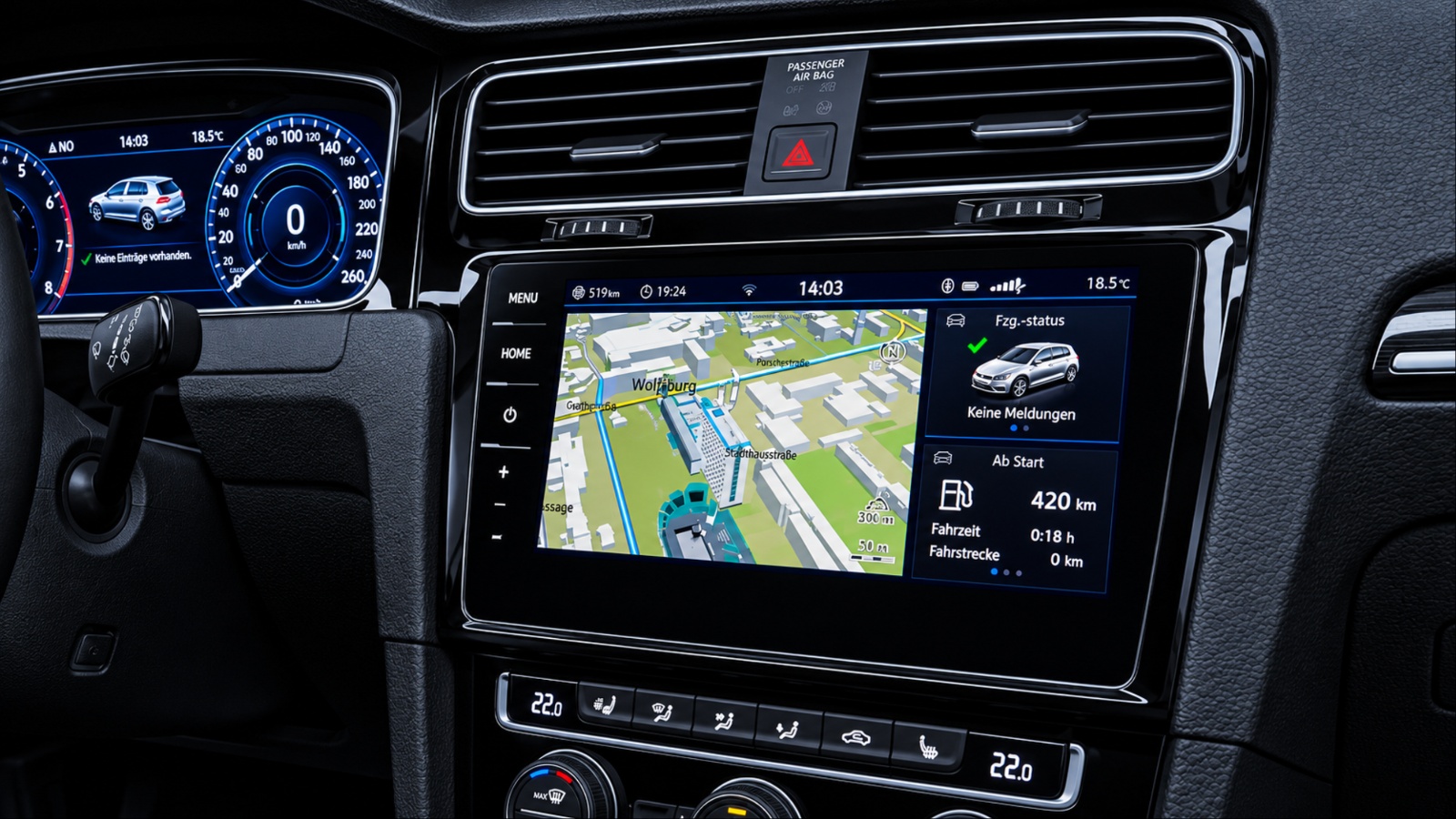
Modern cars are sold on technology, and the prices reflect it. J.D. Power’s research has repeatedly found that owners leave a large share of that technology untouched. In its 2015 study of 33 technology features, 16 were never used by more than 20 percent of the 4,200-plus owners surveyed during the first 90 days of ownership. More recent studies show the pattern has not gone away, even as screens, software, and automation have multiplied.
This article lists seven features that J.D. Power surveys show many owners never use. The first, the passenger screen, comes from the 2026 U.S. Tech Experience Index, which Cars24 reported in September 2026.
The other six come from earlier J.D. Power studies, from 2015 and 2021, as reported by trade and consumer outlets. Percentages describe owners who have the feature, and they vary by study year, so they are not directly comparable. Treat them as evidence of a recurring pattern, not a current ranking.
1. The Front Passenger Screen
The most recent data point concerns the display built into the dashboard on the passenger side. J.D. Power’s 2026 U.S. Tech Experience Index found that 35 percent of owners with a passenger screen have never used it, and only 6 percent use it every time they drive. The study surveyed 68,084 owners of new 2026 model-year vehicles after 90 days of ownership and examined 40 technologies.
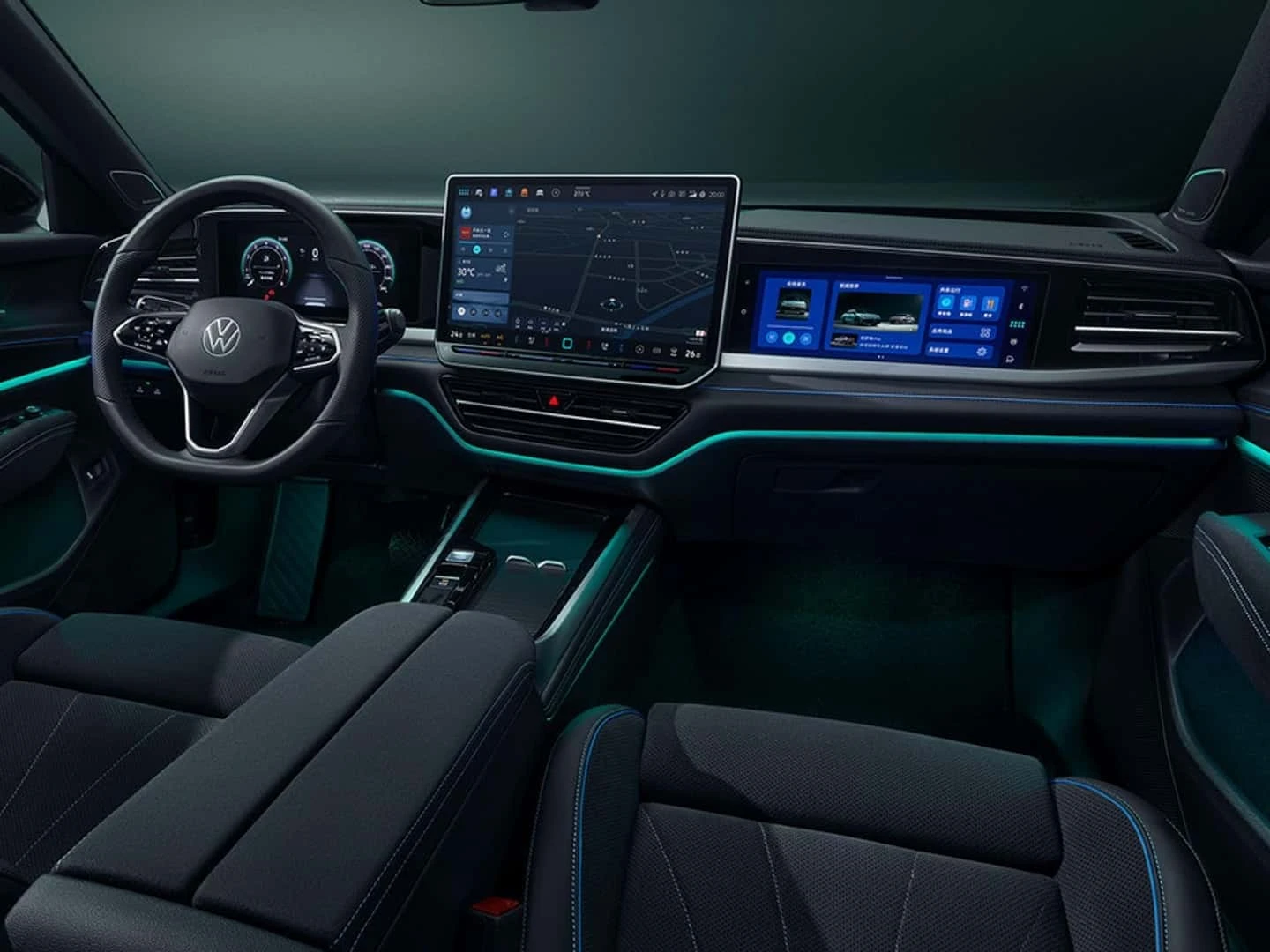
Passenger screens also generate complaints. J.D. Power reported 21.3 problems per 100 vehicles for them, among the highest rates in the index, even though they are more common and more actively used in premium vehicles. Carscoops, summarizing the study, describes them as almost always optional, which means buyers usually pay extra for them.
The usage pattern has a plausible explanation. J.D. Power’s earlier research on 2024 models noted that only about 10 percent of vehicles carry a front-seat occupant on a daily basis. A feature that needs a second person in the car goes unused on most trips.
The 2026 study revealed that owners tend to appreciate technologies that work seamlessly without requiring much attention. Smart ignition received the highest satisfaction rating, recording just 2.4 reported problems per 100 vehicles.
2. The In-Vehicle Digital Marketplace
The digital marketplace lets owners buy goods and services through the vehicle’s display. In J.D. Power’s 2021 Tech Experience Index, it was among the least used features measured. Sixty-one percent of owners said they had never used it, and 51 percent said they did not need it.
The 2021 study put these figures in a broader context. For more than one in three advanced technologies, fewer than half of owners had used the technology within the first 90 days. J.D. Power also tied the problem to vehicle prices.
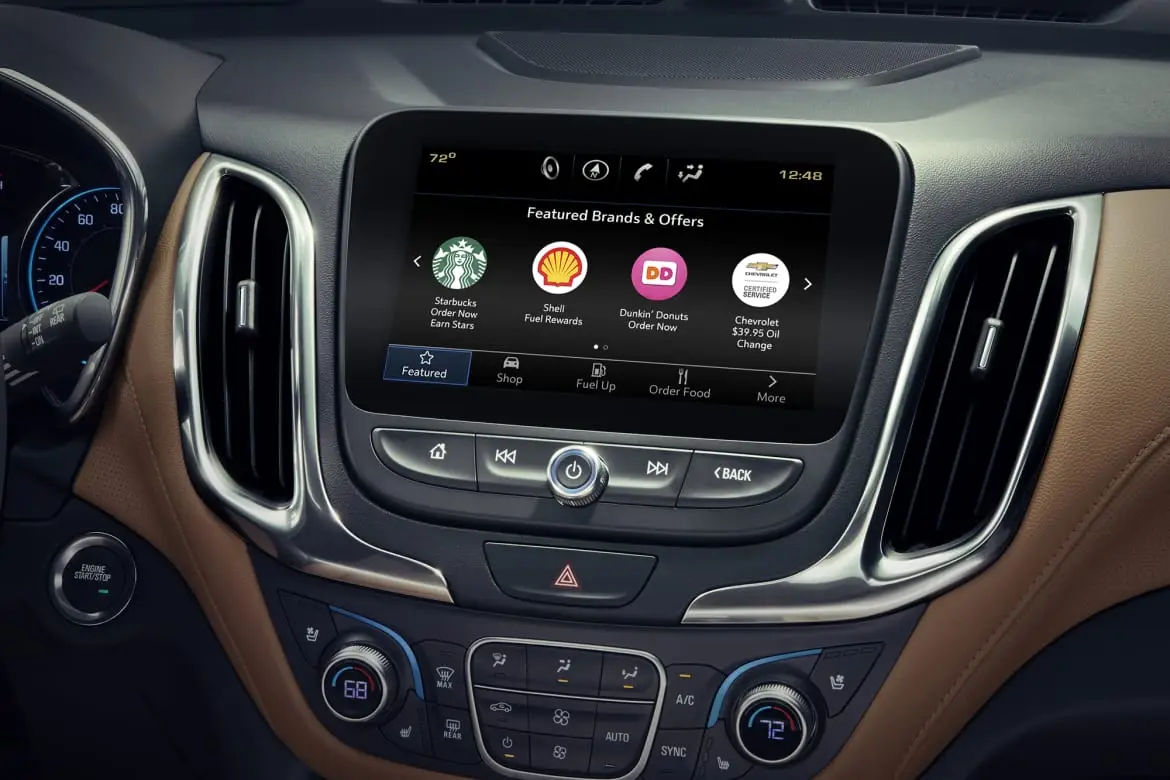
Kristin Kolodge, then J.D. Power’s executive director of human-machine interface, said new-vehicle prices were at an all-time high partly because of increased content. That means buyers pay for content through the purchase price whether or not they ever open the feature.
Dealers influence what gets used. The 2021 study found that when dealers demonstrate a feature, owners engage with it more, and satisfaction rose by more than 10 percent for technologies such as trailer-assist. Owners were more than twice as likely to learn about vehicle technology from someone other than the dealer.
3. Driver and Passenger Communication Systems
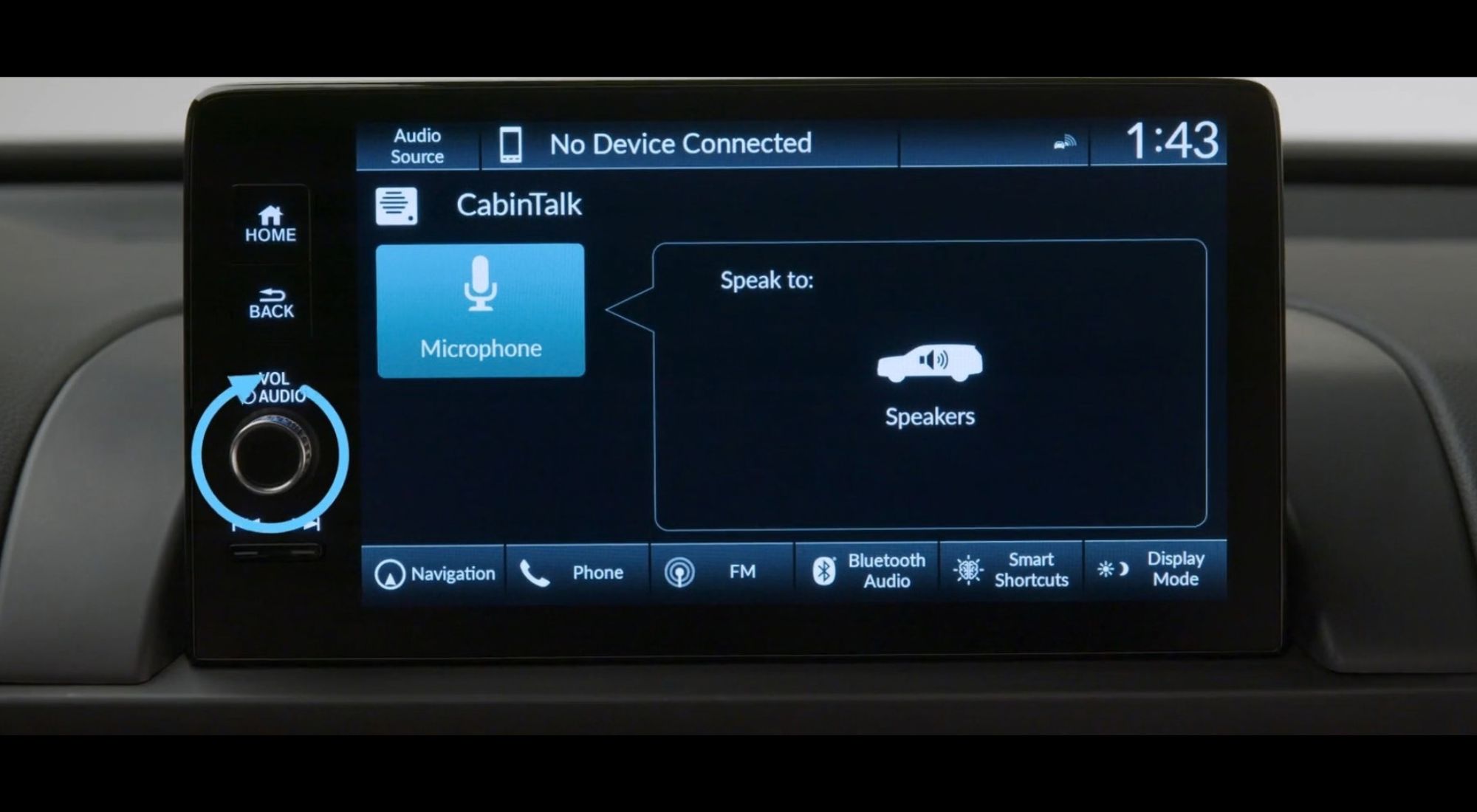
J.D. Power’s 2021 study measured a category it calls driver and passenger communication technology. Fifty-two percent of owners said they had never used it, and 40 percent of those owners said they had no need for it.
The 2021 study examined 36 automotive technologies across four main categories, namely convenience, emerging automation, energy and sustainability, and infotainment and connectivity. Among the examples highlighted were driver and passenger communication features and digital marketplaces, which at least half of vehicle owners reportedly did not use during their first 90 days of ownership.
The reasons owners gave are consistent across J.D. Power’s research. In many cases, a feature duplicates something the owner can already do with a phone, a conversation, or another device. J.D. Power found in an earlier study that owners were most likely to want in-car features they could not get on their smartphones. A system that replaces nothing the owner lacks has little to offer.
The category also illustrates how a feature can be counted as present on a vehicle and still be effectively absent from daily use. The survey asks owners who have the technology whether they have used it, so a 52 percent never-used rate applies to people whose vehicles already include it.
4. Concierge Services
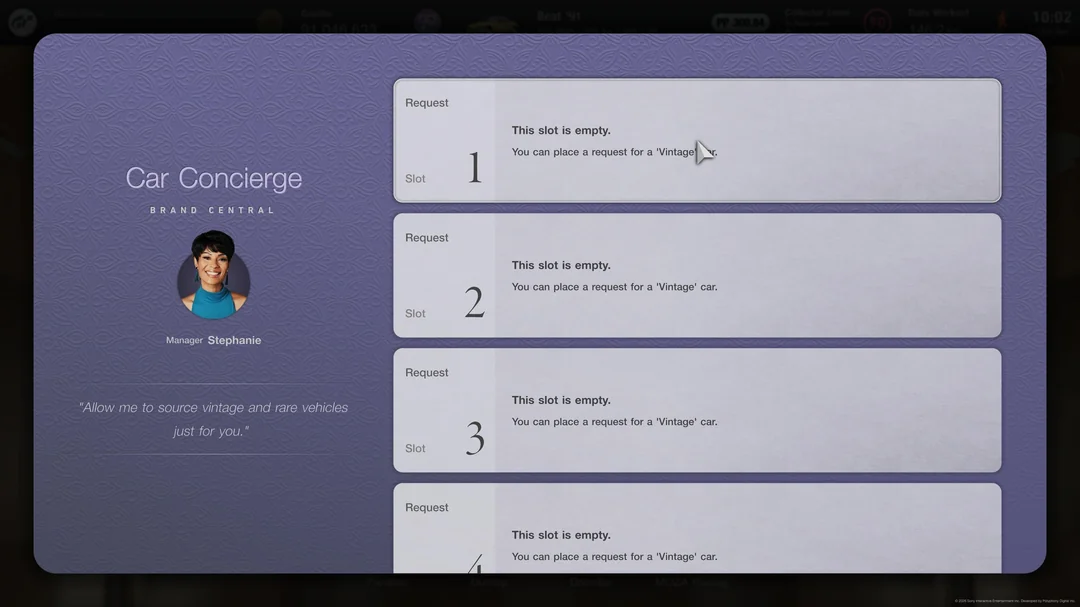
In-vehicle concierge services top the 2015 list. J.D. Power’s 2015 Driver Interactive Vehicle Experience (DrIVE) report found that 43 percent of owners with the feature said they never used it, the highest figure among the technologies measured. These services connect the driver to an operator who can provide directions or make a reservation.
The report also identified vehicle delivery as a key part of the problem. According to J.D. Power, many new technologies are poorly explained during the purchasing process, while some features are not even activated before the vehicle reaches the customer. The findings further showed that owners were more likely to overlook certain features when dealership staff failed to demonstrate how they worked.
Concierge services are often part of a larger subscription or connected-services bundle, and the bundle can contain features owners do use. Autoblog noted that suites such as OnStar include valuable features, but that concierge is not among the ones owners rely on.
The 2015 report had a wider conclusion. At least 20 percent of owners ignored half of the 33 features measured, and 14 features were specifically unwanted by at least 20 percent of owners. Concierge service was one of the clearest examples.
5. Built-In Wi-Fi Hotspots
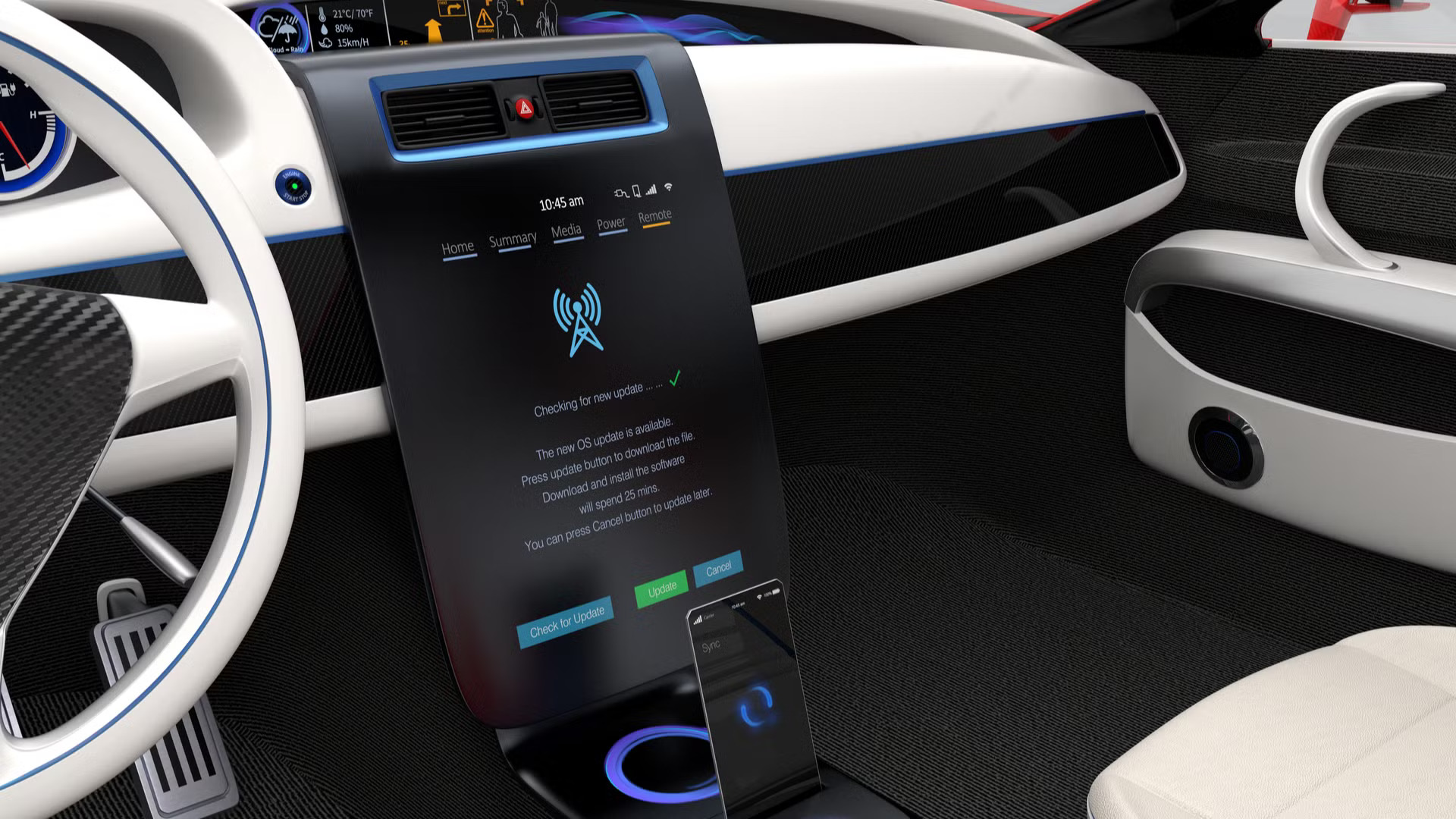
Mobile routers, which turn the vehicle into a Wi-Fi hotspot, ranked second among the least-used features in the 2015 study. Thirty-eight percent of owners said they never used the wireless hotspot. Built-in apps were close behind. Thirty-two percent of owners said they never used them.
J.D. Power attributed much of this to the phone in the owner’s pocket. Researcher Kristin Kolodge said that in many cases owners prefer a smartphone or tablet because it meets their needs, they are familiar with it, and it is accurate.
A 2016 J.D. Power study measured this substitution directly. Among owners who never used a given in-car technology, 39 percent used another device in its place, and navigation was the most common feature replaced. Of those who used another device, 57 percent had never tried the in-car version. Among owners who had tried a feature and then stopped, 56 percent stopped within the first month.
Those figures suggest that habits form early. An owner who connects a phone to the car on the first day and finds it adequate rarely returns to the built-in option.
6. Automatic Parking Systems
Automatic parking, which steers the car into a space, was never used by 35 percent of owners with the feature in the 2015 study. The same report listed it among the five features most owners said they never use.
One caveat applies to this figure. J.D. Power told Cars.com that automatic parking was the only feature with a small sample, roughly 100 owners, because few vehicles in the survey had it. The percentage is a useful indicator, but it rests on fewer responses than the other 2015 figures.
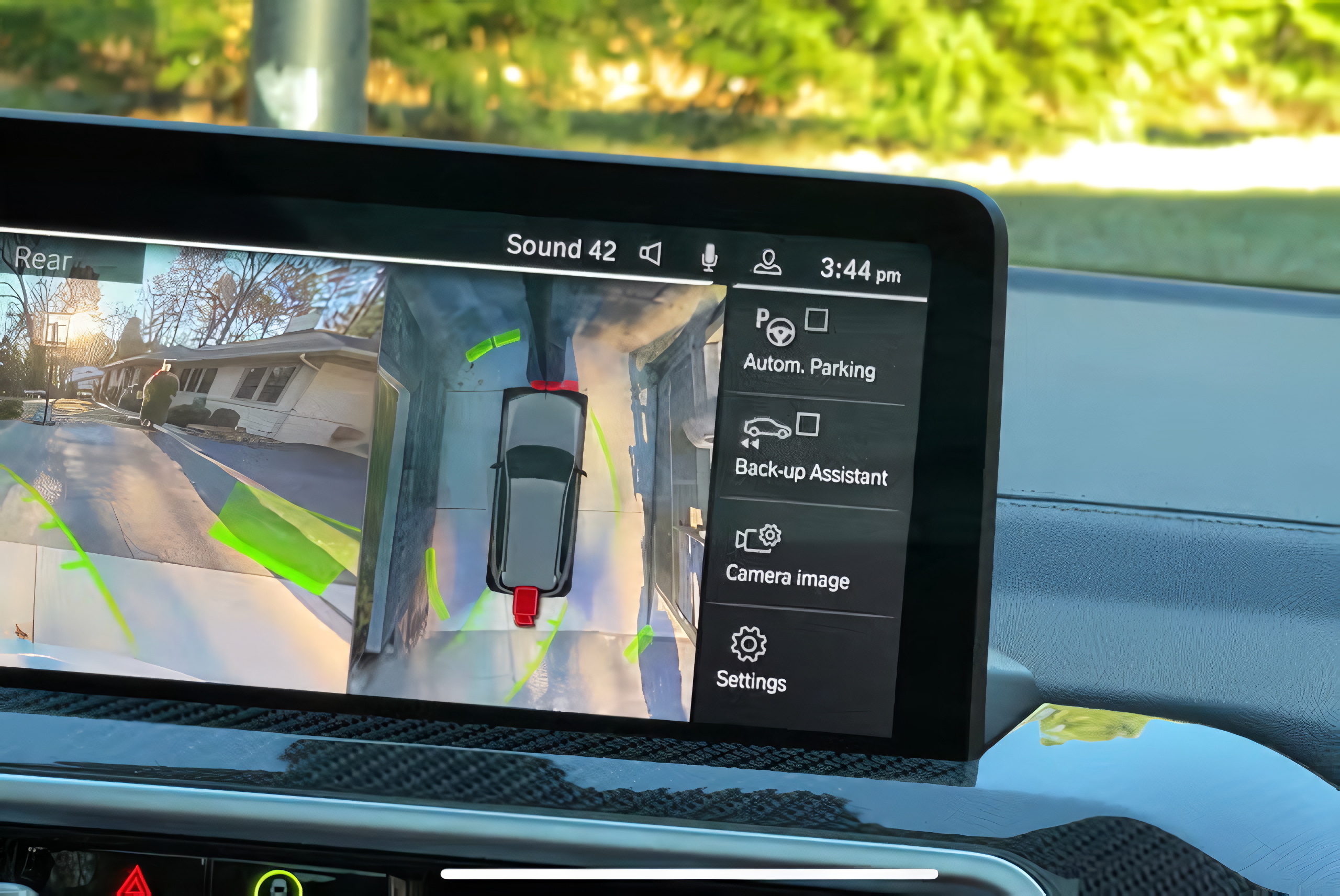
The contrast with safety features is sharp. J.D. Power’s 2016 study found that backup cameras and blind-spot warnings were both the most used and most wanted technologies, with at least three-quarters of owners using them every time they drive. Features that help the driver see or avoid a hazard get used. Features that take over a manoeuvre the driver already handles confidently get ignored.
The 2026 findings also reveal a preference for simpler driver-assistance technology. SAE Level 2 systems, which require drivers to keep their hands on the steering wheel, received higher satisfaction ratings for performance and user experience than hands-free Level 2+ systems. However, Level 2+ recorded slightly fewer problems, with 13.8 reported issues per 100 vehicles compared with 14.3 for Level 2.
7. Head-Up Displays
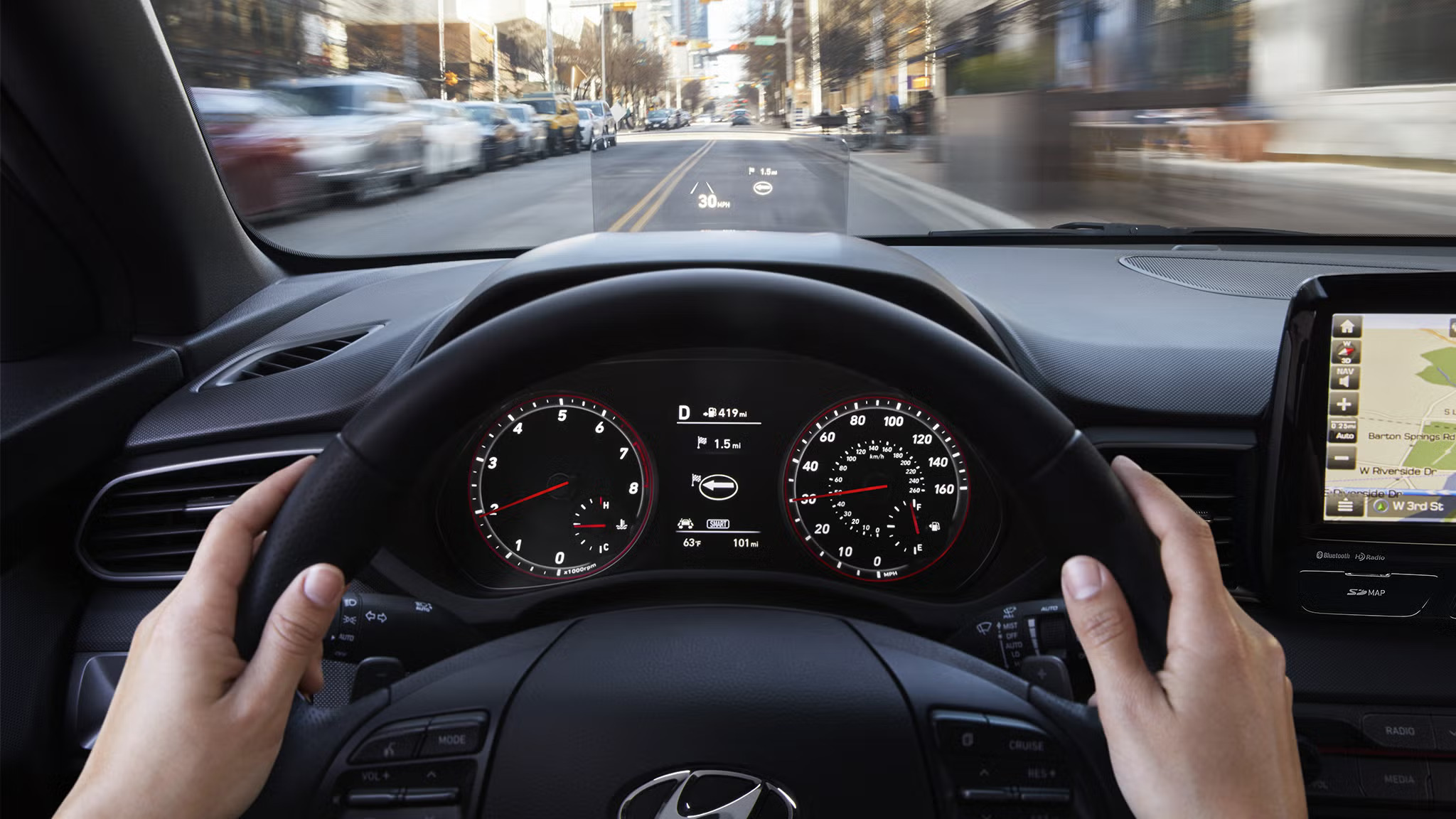
A head-up display projects speed, navigation, and other information onto the windshield. J.D. Power’s 2015 study found that 33 percent of owners who had one never used it. The display ranked fourth among the least-used technologies that year, behind concierge services, mobile routers, and automatic parking.
Many owners get a head-up display as part of a package. J.D. Power found that one major reason owners did not want certain technologies in their next vehicle was that the feature came as part of a package they did not want. Motor1’s summary of the research notes that buyers often must accept features they do not want in order to get the ones they do.
J.D. Power’s later work shows that unused features are not limited to older technology. Its 2024 research found that recognition technologies such as gesture controls can struggle when owners do not see a clear benefit.
The consistent finding across J.D. Power’s 2015, 2021, 2024, and 2026 studies is that unused technology tends to be optional, bundled, duplicated by a smartphone, or poorly explained at delivery. Owners who value a feature use it within the first weeks, and those who rarely return to it do not.
