

Choosing the right fuel is important for maintaining engine performance, efficiency, and reliability. While most everyday vehicles run perfectly well on regular gasoline, certain cars are engineered to operate with higher-octane fuel.
These vehicles often feature turbocharged engines, high compression ratios, or advanced performance systems that depend on premium gasoline to prevent engine knocking. Using the wrong fuel can affect performance and, in some cases, increase the risk of engine damage.
Here are ten cars that require premium gas, along with details about their engines, performance characteristics, and why the recommended fuel matters.

1. BMW M5
The BMW M5 is a high-performance luxury sedan designed to combine everyday comfort with impressive acceleration. Its powerful engine and sophisticated engineering make fuel quality an important part of its operation.
BMW specifies high-octane premium gasoline for the M5, with the exact minimum requirement depending on the model year and market.
The M5 has traditionally used powerful twin-turbocharged V8 engines. These engines produce substantial horsepower and torque, allowing the sedan to accelerate rapidly while maintaining impressive highway performance. Modern versions also incorporate hybrid technology, adding electric assistance to the combustion engine.
Premium gasoline helps the engine manage the high pressures and temperatures associated with performance driving. Higher octane resistance reduces the likelihood of uncontrolled combustion, commonly known as knocking. This is particularly important when the engine operates under heavy acceleration or high boost pressure.
The vehicle’s engine management system continuously monitors operating conditions. It adjusts ignition timing and other parameters to maintain safe operation. Using fuel that meets BMW’s recommended octane rating helps the system deliver the intended performance without unnecessary adjustments.
Drivers who regularly use their M5 for spirited driving may notice differences when using fuel that meets the manufacturer’s premium recommendation. Proper fuel quality supports consistent power delivery and helps maintain the engine’s intended operating characteristics.
The M5 also features advanced cooling systems, performance-oriented transmission technology, and carefully engineered engine components. These systems work together to handle the demands of a high-output powertrain.
Fuel requirements can vary between generations and regional specifications. Owners should check the fuel information displayed inside the fuel door or listed in the owner’s manual before filling the tank.
For anyone purchasing a used BMW M5, checking its maintenance history is equally important. Regular servicing, suitable engine oil, and the correct fuel grade contribute to long-term reliability.
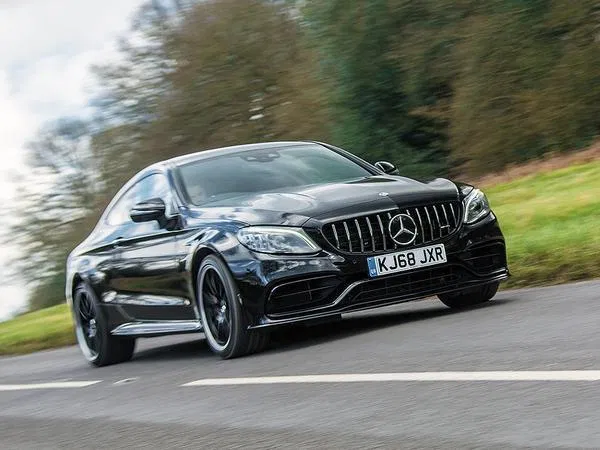
2. Mercedes-AMG C63
The Mercedes-AMG C63 is known for its powerful engine, aggressive styling, and performance-focused engineering. Its fuel requirements depend on the generation. Earlier models featured naturally aspirated or turbocharged V8 engines, while newer generations introduced a high-output four-cylinder hybrid powertrain.
Premium gasoline is recommended or required for many C63 variants because their engines operate with performance-oriented combustion settings. High-octane fuel helps prevent knocking when cylinder pressures and temperatures rise.
The older V8-powered C63 models are particularly popular among enthusiasts. Their large-displacement engines deliver strong acceleration and distinctive exhaust characteristics. These engines were developed to provide substantial power without sacrificing the comfort expected from a Mercedes-Benz sedan.
The newer C63 uses a turbocharged 2.0-liter four-cylinder engine supported by an electric motor. Its advanced technology produces considerable output from a relatively small displacement. Such an engine depends on precise combustion control and suitable fuel quality.
Premium gasoline helps the engine maintain the ignition timing and boost conditions intended by its engineers. When lower-octane fuel is used, the engine management system may reduce performance to protect internal components.
Another important factor is driving style. Frequent acceleration, high-speed driving, and demanding road conditions place additional stress on a performance engine. Following the recommended fuel specification becomes particularly important under these circumstances.
The C63 also includes advanced electronic controls that monitor engine temperature, combustion, and other operating parameters. These systems help protect the powertrain, but they do not eliminate the need for appropriate gasoline.
Owners should verify the fuel requirement for their particular model year. Mercedes-AMG specifications can differ across markets, so the owner’s manual remains the most reliable reference.
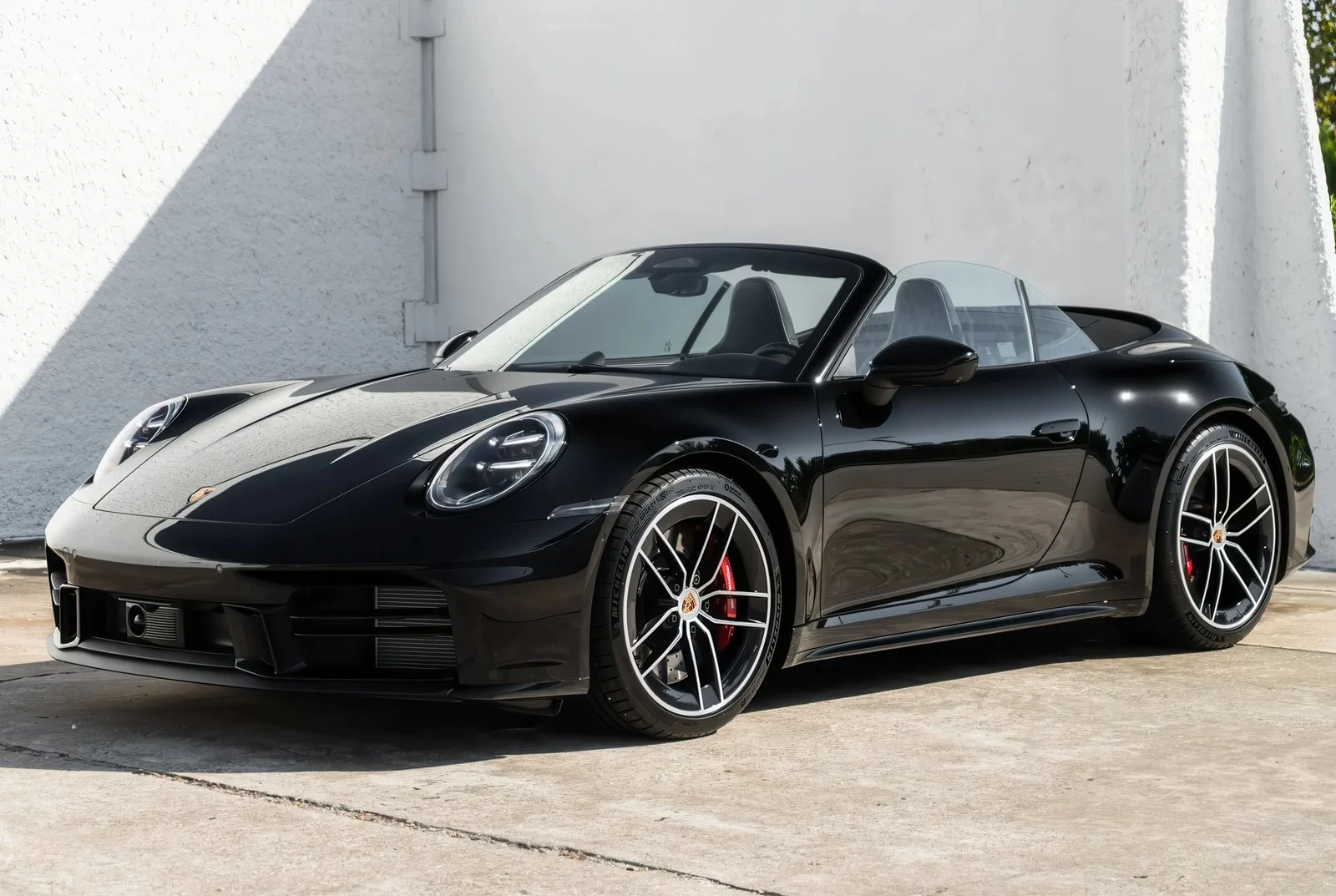
3. Porsche 911 Carrera
The Porsche 911 Carrera is a famous sports car with a rear-mounted flat-six engine and carefully developed performance technology. Its engineering prioritizes responsiveness, stability, and consistent power delivery.
Many modern 911 Carrera versions use turbocharged flat-six engines. These powerplants are designed to produce substantial performance while maintaining smooth operation across different driving conditions. Porsche recommends high-octane premium gasoline for these models.
Octane rating matters because turbocharged engines compress incoming air before it enters the cylinders. This allows more air and fuel to be burned, generating additional power. However, increased cylinder pressure also raises the possibility of premature combustion when the fuel has insufficient knock resistance.
Premium gasoline provides the necessary resistance to knocking for the engine’s intended operating conditions. This helps the vehicle maintain its designed ignition timing and power output.
The 911 Carrera’s engine management system continuously adjusts operation according to driving conditions. Sensors monitor combustion behavior, allowing the system to respond when conditions become demanding.
The car’s performance capabilities make fuel quality particularly relevant during aggressive driving. High engine loads and sustained acceleration can create conditions where knock resistance becomes increasingly important.
Porsche also focuses on thermal management and engine durability. Cooling systems, lubrication technology, and electronic controls work together to support reliable performance.
Fuel recommendations may differ between older naturally aspirated generations and newer turbocharged models. Owners should follow the specific octane rating listed for their vehicle rather than assuming every 911 has identical requirements.
For drivers who want to preserve the intended driving experience, using the specified premium gasoline is a straightforward part of proper maintenance.
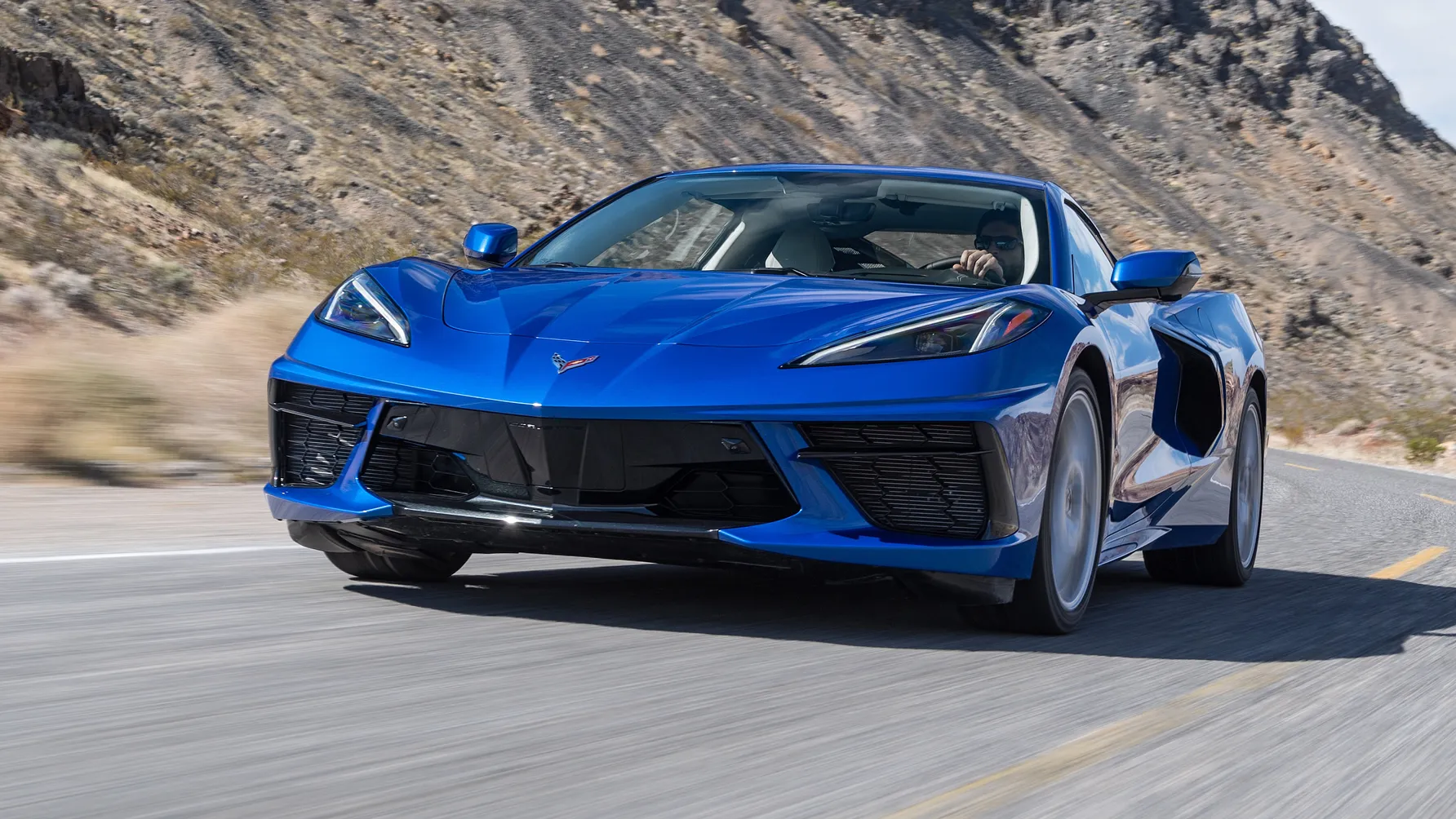
4. Chevrolet Corvette Stingray
The Chevrolet Corvette Stingray offers a combination of American V8 performance and modern sports car engineering. Its naturally aspirated V8 engine provides strong acceleration, impressive throttle response, and a distinctive exhaust note.
The C8-generation Corvette Stingray uses a 6.2-liter LT2 V8 engine. Chevrolet recommends premium gasoline for achieving the engine’s rated performance. The recommended octane rating should be checked against the owner’s manual for the specific model and market.
Unlike many turbocharged performance cars, the Stingray’s V8 relies on natural aspiration. However, its high-performance design still creates demanding combustion conditions. Higher-octane fuel helps the engine resist knocking when operating under substantial load.
Premium gasoline supports the ignition timing required for the engine to deliver its intended horsepower and torque. It is particularly useful when the vehicle is driven aggressively or exposed to high temperatures.
The Corvette’s mid-engine layout also contributes to its performance characteristics. Placing the engine behind the passenger compartment improves weight distribution and helps the vehicle maintain stability during cornering.
The engine is paired with an eight-speed dual-clutch transmission. This transmission allows rapid gear changes and helps keep the engine within its effective power range.
Drivers who use the Corvette for track sessions should pay particular attention to fuel recommendations. Sustained high engine loads place additional demands on the combustion system, making the correct gasoline specification important.
The Corvette also includes electronic engine controls that help manage ignition and other operating conditions. However, these protective systems should not be treated as a substitute for using the recommended fuel.
For owners seeking the performance Chevrolet engineered into the Stingray, following the specified premium gasoline requirement is an important part of responsible ownership.

5. Nissan GT-R
The Nissan GT-R has earned a reputation for combining advanced engineering with exceptional acceleration. Often called Godzilla by automotive enthusiasts, the GT-R features a sophisticated twin-turbocharged V6 engine designed to deliver impressive power and precise performance.
The R35-generation GT-R uses a 3.8-liter twin-turbocharged V6 engine. Nissan specifies premium unleaded gasoline for this performance-focused powertrain. Its high-output design makes the correct octane rating important for maintaining the intended engine performance.
Turbochargers force additional air into the engine, allowing it to generate more power than a naturally aspirated engine of similar displacement. However, this process also increases cylinder pressure and operating temperatures. Fuel with adequate octane resistance helps prevent unwanted combustion.
The GT-R’s engine management system monitors several operating conditions to maintain safe and consistent performance. It can adjust ignition timing when necessary, but using the recommended fuel helps avoid unnecessary performance limitations.
One of the most impressive aspects of the GT-R is its ability to deliver strong acceleration through its advanced all-wheel-drive system. The transmission, differential, and engine work together to distribute power effectively.
Premium gasoline is particularly important when the vehicle is driven hard. Repeated acceleration, high engine loads, and sustained performance driving can place considerable demands on the turbocharged powertrain.
Owners should also pay attention to maintenance. Regular oil changes, cooling system inspections, and proper servicing help support the reliability of the GT-R’s complex mechanical systems.
For buyers considering a used Nissan GT-R, fuel requirements should be part of the ownership budget. Choosing the correct gasoline is a relatively small expense compared with the cost of maintaining its specialized performance components.
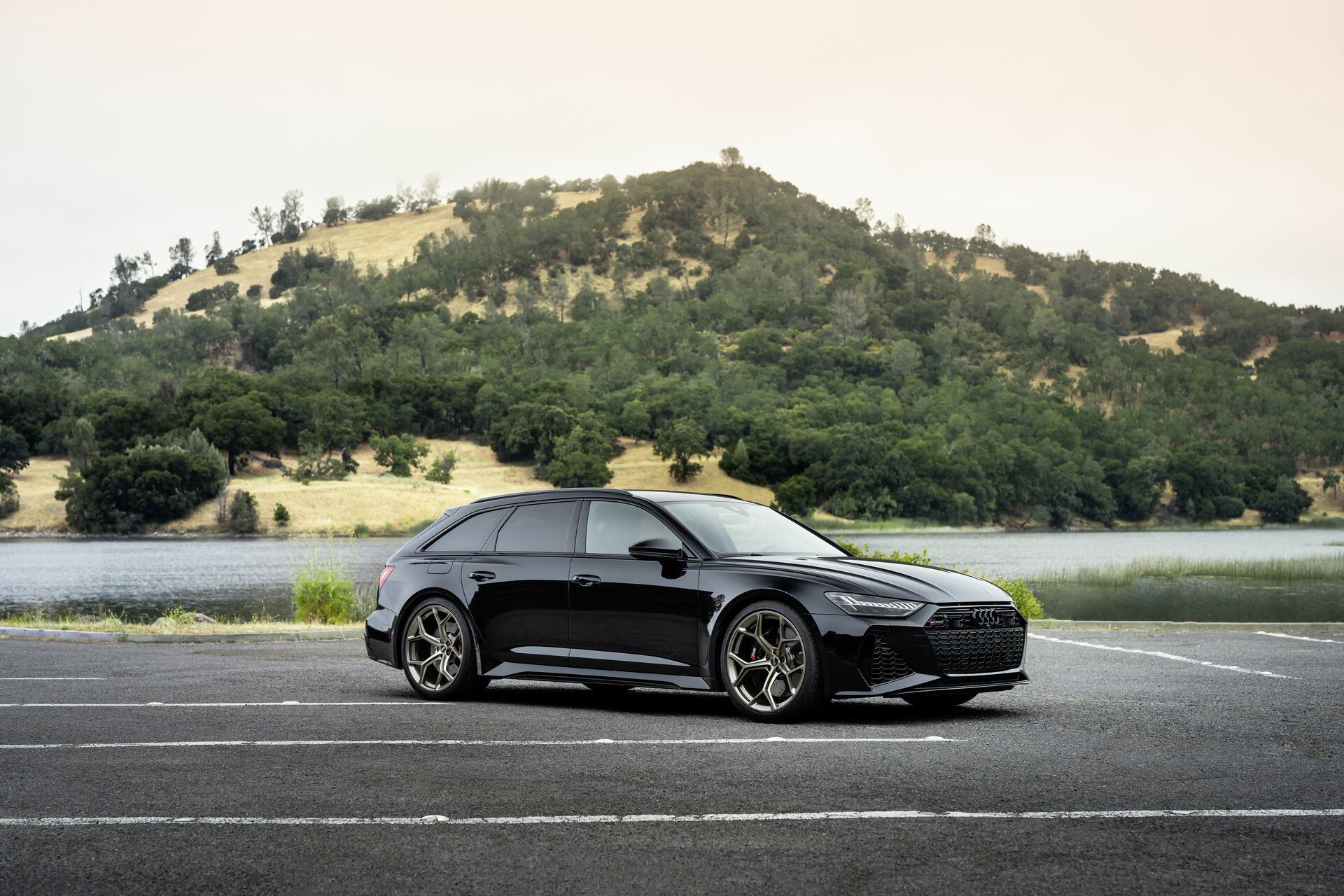
6. Audi RS6 Avant
The Audi RS6 Avant is a performance wagon that combines practicality with sports car acceleration. Its spacious interior and large cargo area make it suitable for everyday use, while its powerful V8 engine delivers impressive performance.
Modern RS6 Avant models use a 4.0-liter twin-turbocharged V8 engine. This powerplant produces substantial horsepower and torque, allowing the wagon to accelerate with remarkable speed for its size.
Premium gasoline is specified for the RS6 in many markets. Its high-performance engine relies on suitable fuel quality to maintain its intended combustion characteristics, particularly when the turbochargers are producing significant boost pressure.
Octane rating is especially important in turbocharged engines because increased air pressure inside the cylinders can raise the likelihood of engine knock. Premium gasoline offers greater resistance to this type of uncontrolled combustion.
The RS6 also features Audi’s quattro all-wheel-drive system. This technology helps distribute engine power between the wheels, improving traction during acceleration and providing stability in different road conditions.
Its eight-speed automatic transmission is calibrated to handle the engine’s considerable torque. The transmission works with the engine management system to deliver smooth gear changes and responsive acceleration.
Drivers who use the RS6 for long highway journeys can benefit from following the recommended maintenance schedule. High-performance engines require suitable lubricants, regular inspections, and proper cooling system care.
Fuel specifications can vary depending on the model year and market. Checking the owner’s manual is essential because the recommended octane rating may differ between regional versions.
The RS6 demonstrates that a vehicle does not need to look like a traditional sports car to require premium fuel. Its combination of a powerful turbocharged engine and performance-focused engineering makes correct gasoline selection important.
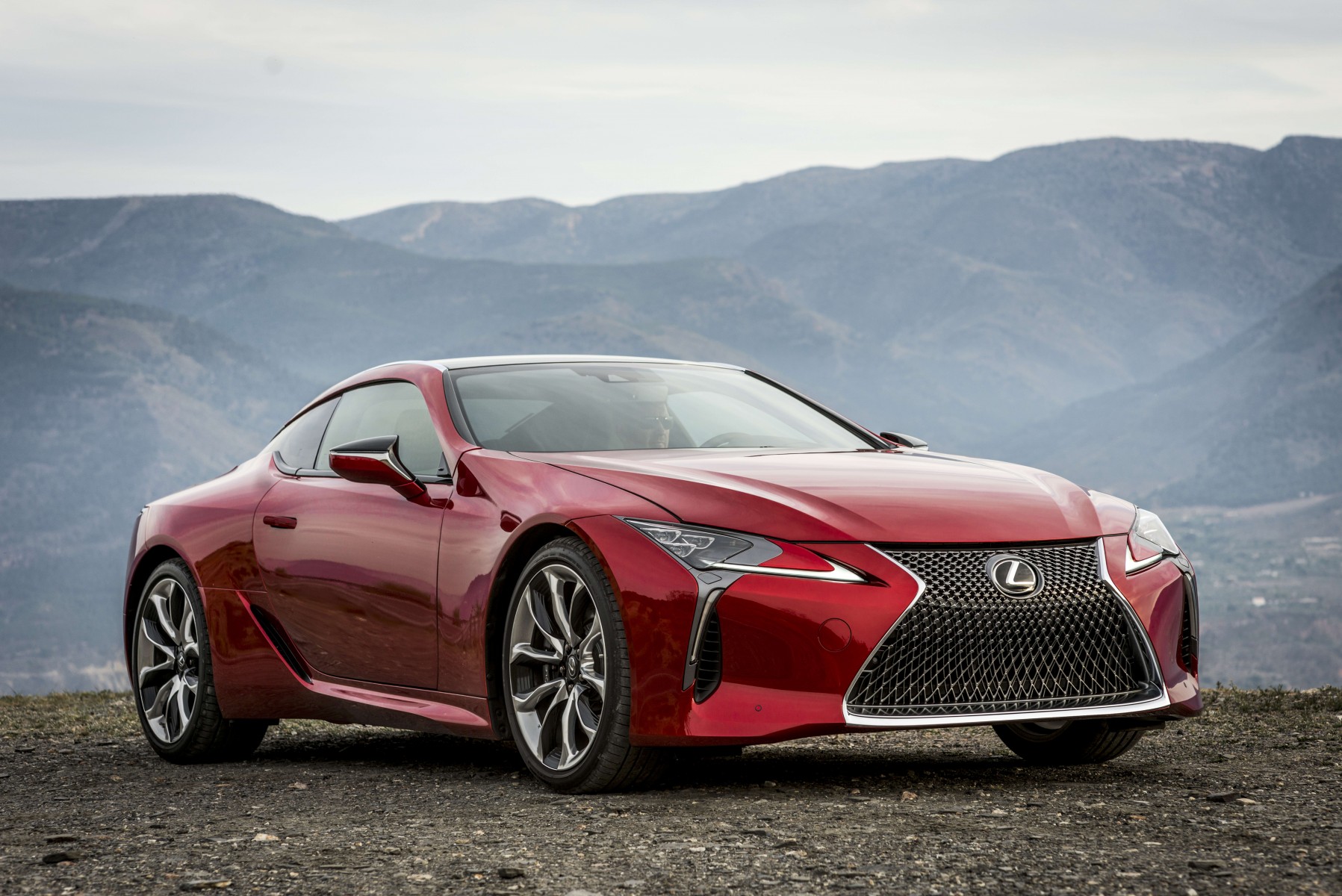
7. Jaguar F-Type R
The Jaguar F-Type R is a powerful sports car recognized for its distinctive design and supercharged V8 engine. It combines British styling with strong acceleration and a performance-focused driving experience.
Many F-Type R models feature a 5.0-liter supercharged V8 engine. Unlike turbochargers, which use exhaust gases to compress incoming air, a supercharger is mechanically driven by the engine. Both systems increase the amount of air entering the cylinders.
This additional air allows the engine to produce more power, but it also creates demanding combustion conditions. Premium gasoline helps the engine resist knocking and maintain the performance characteristics intended by Jaguar’s engineers.
The F-Type R’s V8 engine delivers strong torque across a broad range of engine speeds. This provides responsive acceleration without requiring the driver to constantly operate at high revolutions per minute.
The vehicle’s automatic transmission is designed to handle the engine’s substantial output. Its gear ratios help balance acceleration, highway cruising, and everyday drivability.
Premium fuel is especially important when the car is driven aggressively. Hard acceleration and high engine loads increase combustion pressure, making adequate octane resistance valuable for protecting engine operation.
The F-Type also includes electronic engine controls that monitor performance and operating temperatures. These systems help manage the powertrain, but they cannot replace the manufacturer’s fuel recommendations.
Maintenance is equally important for owners who want dependable performance. Regular oil changes, cooling system inspections, and servicing of the supercharger-related components help keep the vehicle in good condition.
Different F-Type versions have different engines and fuel specifications. Buyers should check the requirements for their exact year and trim rather than assuming every model carries the same premium gasoline requirement.
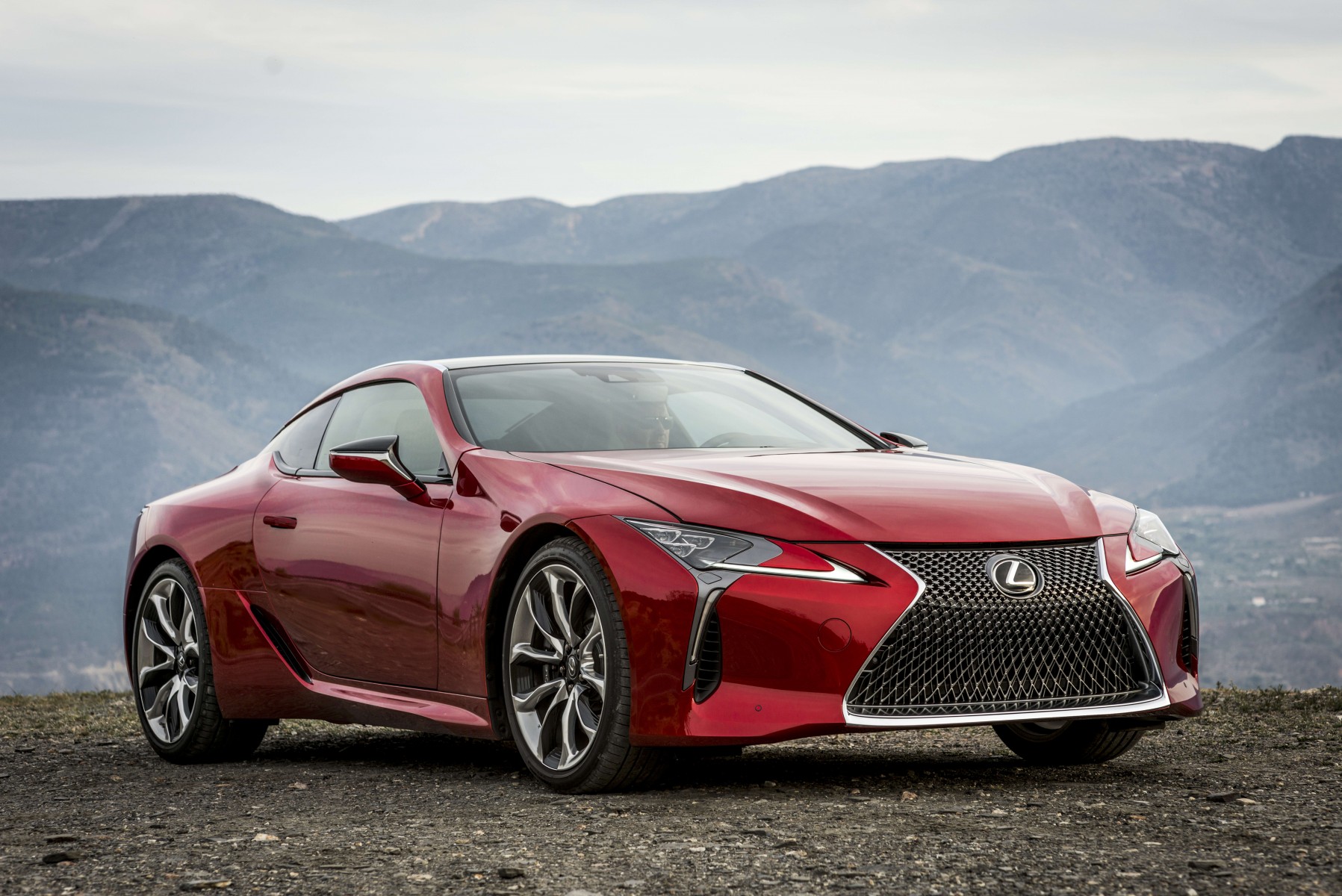
8. Lexus LC 500
The Lexus LC 500 is a luxury grand touring car that combines striking styling with a naturally aspirated V8 engine. It is designed to offer refined driving characteristics without sacrificing the excitement associated with a powerful sports car.
Under its hood sits a 5.0-liter V8 engine that produces strong horsepower and a distinctive exhaust sound. Unlike smaller turbocharged engines, this naturally aspirated powerplant draws air into its cylinders without forced induction.
However, naturally aspirated engines can also require premium gasoline. The LC 500’s performance-oriented engine design and compression characteristics make high-octane fuel important for achieving its specified performance.
Premium gasoline helps prevent knocking during demanding operating conditions. It supports the engine’s intended ignition timing and allows the powertrain to operate according to its original engineering specifications.
The LC 500 is also designed with comfort in mind. Its suspension, interior materials, and advanced cabin technology make it suitable for longer journeys and daily driving.
Its transmission is calibrated to provide smooth acceleration and responsive gear changes. The combination of a naturally aspirated V8 and carefully tuned transmission gives the vehicle a distinctive driving character.
Using the correct fuel is particularly important when owners expect the engine to deliver its rated output. Lower-octane gasoline may cause the engine management system to adjust ignition timing, potentially reducing performance.
Lexus has also developed the LC 500 with an emphasis on build quality and long-term ownership. Following the recommended servicing schedule helps maintain the condition of its engine and related components.
The LC 500 is a useful example of why premium gasoline is not exclusively associated with turbocharged engines. High-compression naturally aspirated engines can also benefit from, or require, higher-octane fuel.

9. Dodge Challenger SRT Hellcat
The Dodge Challenger SRT Hellcat is an American muscle car built around a powerful supercharged V8 engine. It is designed to deliver substantial straight-line acceleration while maintaining the traditional appearance and character of a modern muscle car.
The Hellcat’s 6.2-liter supercharged HEMI V8 is engineered to produce extremely high power. Its supercharger forces additional air into the engine, allowing it to generate considerably more output than a naturally aspirated V8 of similar size.
This high-performance configuration makes fuel quality particularly important. Dodge specifies high-octane gasoline for Hellcat models, with the precise requirement depending on the version and model year.
Premium fuel helps prevent engine knock when the engine operates under high boost pressure. This is especially relevant during hard acceleration, when the engine produces substantial torque and cylinder pressure.
The Hellcat’s engine management system monitors combustion conditions and adjusts operating parameters when necessary. However, drivers should not rely on electronic safeguards to compensate for consistently using unsuitable fuel.
Its performance is supported by a strong transmission and specialized cooling systems. These components are designed to handle the additional demands associated with a high-output supercharged engine.
Owners who use the Hellcat for performance driving should follow the recommended fuel specification carefully. Track use and repeated hard acceleration can place additional stress on the engine, making correct gasoline selection important.
Regular maintenance also plays a significant role in protecting the powertrain. Engine oil, coolant, filters, and other service items should be inspected according to Dodge’s maintenance schedule.
The Hellcat illustrates why premium gasoline is an important ownership expense for high-powered muscle cars. Its supercharged engine is engineered around specific combustion requirements that ordinary gasoline may not satisfy.
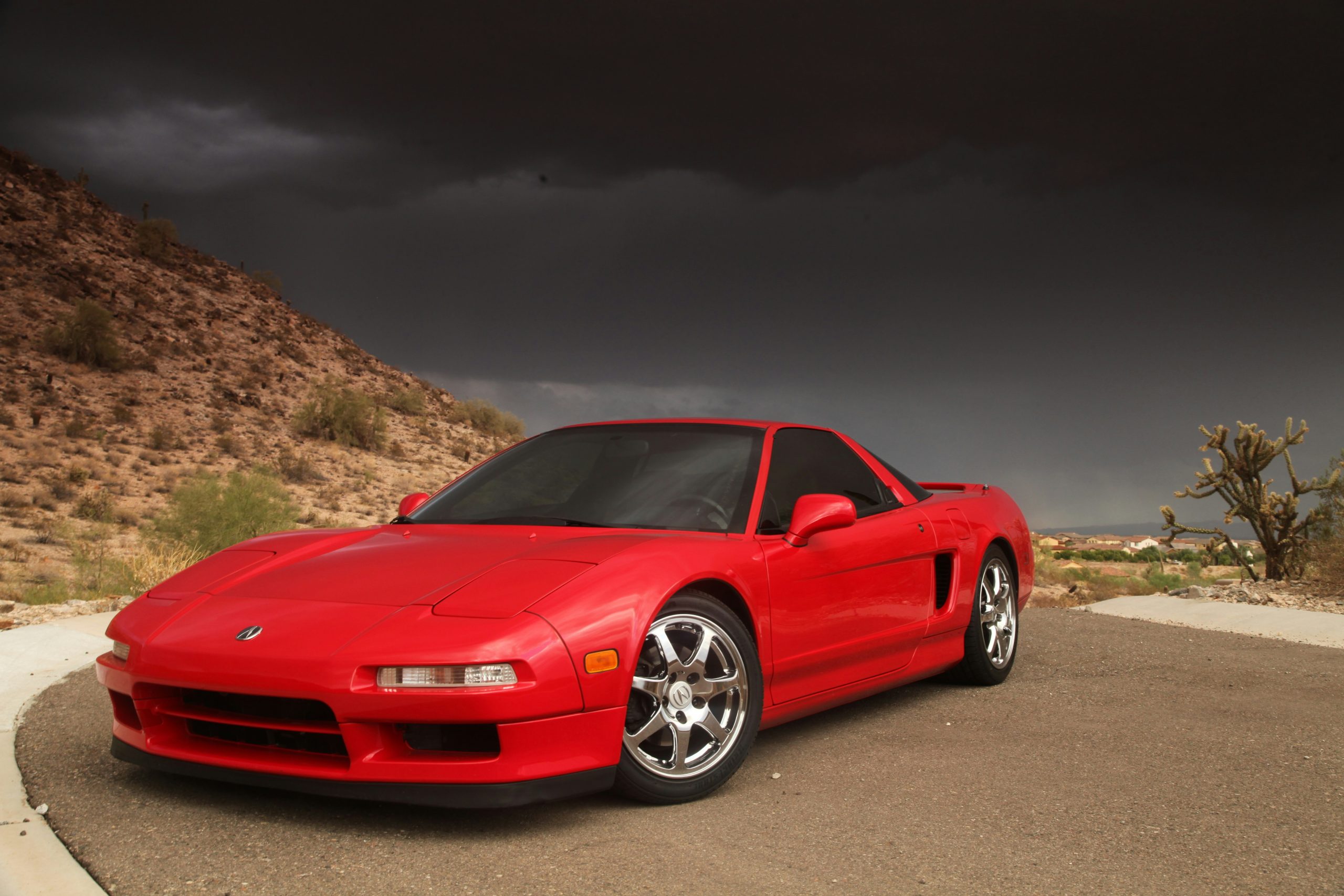
10. Acura NSX
The Acura NSX is a technologically advanced sports car that combines a twin-turbocharged V6 engine with electric motors. Its hybrid powertrain was developed to provide strong acceleration, precise handling, and sophisticated energy management.
The second-generation NSX features a 3.5-liter twin-turbocharged V6 engine supported by three electric motors. This arrangement allows the vehicle to deliver impressive performance through a combination of combustion power and electric assistance.
Premium gasoline is specified for this high-performance engine. Its turbocharged design and demanding operating conditions make suitable octane levels important for maintaining the intended combustion characteristics.
The twin turbochargers increase the amount of air entering the engine, supporting higher power output. Premium gasoline provides the knock resistance needed when the engine operates under elevated pressure and temperature.
The electric motors also contribute to the NSX’s acceleration. They provide immediate torque assistance and help manage power distribution, particularly during cornering and rapid changes in driving conditions.
Its advanced hybrid system makes the NSX different from conventional sports cars. However, the gasoline engine still requires the correct fuel specification, regardless of the assistance provided by its electric components.
Owners should follow Acura’s maintenance recommendations to protect the engine and hybrid powertrain. Routine inspections and appropriate servicing help keep the vehicle operating as intended.
The NSX is a good example of how modern hybrid technology does not remove the need for premium gasoline. When a hybrid vehicle uses a high-performance internal combustion engine, its fuel requirements remain important.
For anyone considering this model, understanding the fuel specification and maintenance costs is essential. Premium gasoline is part of the ownership requirements rather than an optional upgrade.
