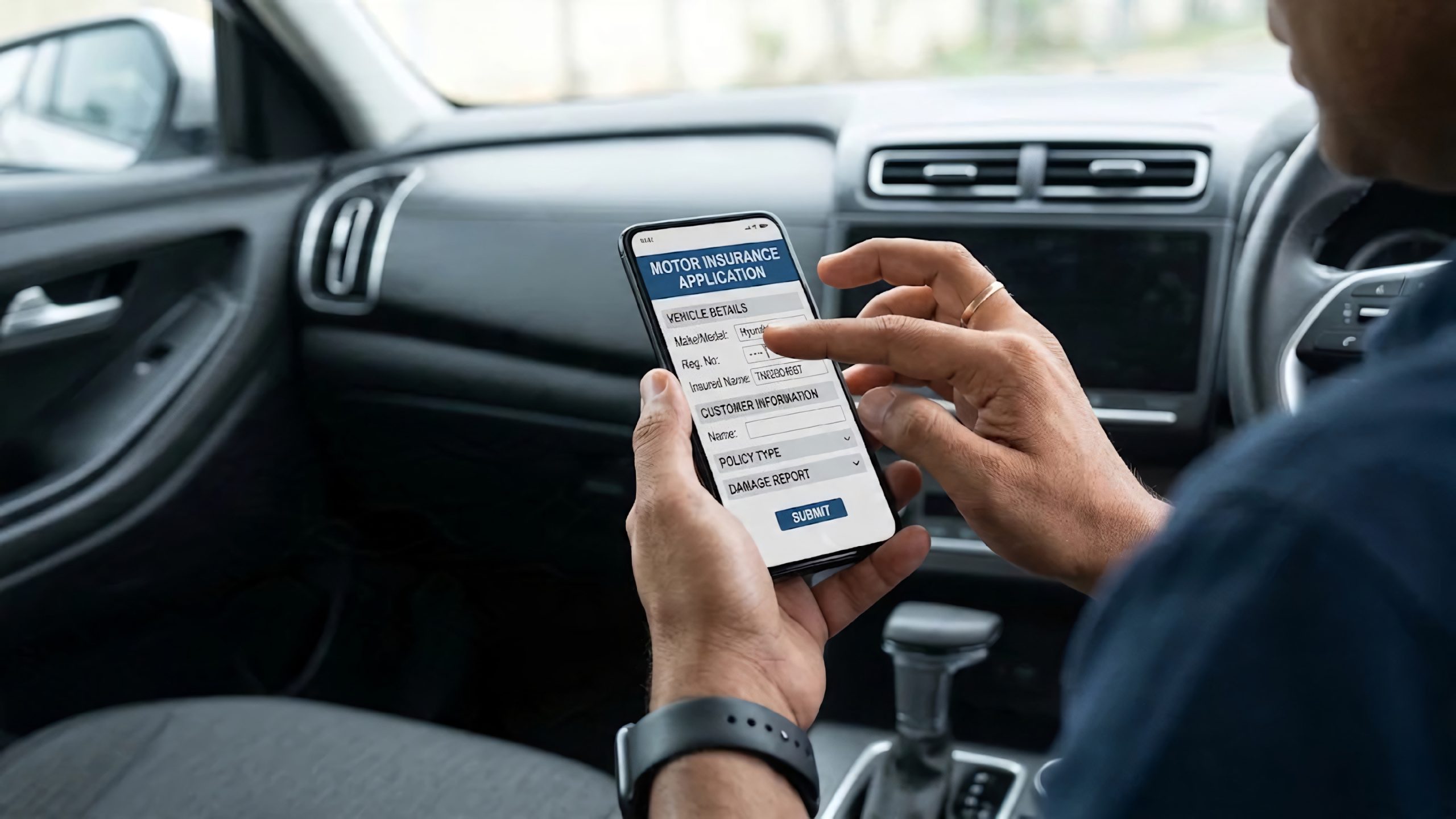
January is an important time for American drivers to review their household expenses, particularly car insurance. Drivers renewing their policies at the beginning of the year may notice changes in their premiums due to factors such as insurance rates, vehicle repair costs, accident claims, regional risks, and driving records. However, not everyone will experience an increase.
The U.S. auto insurance market is showing signs of stabilization following several years of significant premium hikes. While this is encouraging, insurance costs remain higher than previous levels, and savings will vary among policyholders. Insurers continue adjusting premiums based on claims history, operating expenses, and local conditions.
Drivers approaching their January renewal should understand what factors influence their insurance costs and whether their premiums may increase or decrease. Before renewing coverage for another six or 12 months, motorists should carefully review their policy details, compare potential changes, and consider whether their current coverage still meets their needs.
Premium Changes Will Depend on Your Insurer and State
The first thing drivers should expect in January is that their renewal premiums may not follow a single nationwide pattern. Auto insurance companies calculate prices using their own underwriting models, claims experience, and approved rating structures.
State insurance regulations also influence how much companies can charge and when changes can take effect. Consequently, two drivers with similar vehicles and driving records can receive noticeably different renewal offers, particularly when they live in different states or use different insurers.
The market has already experienced several years of substantial premium growth. According to NerdWallet’s 2026 Auto Insurance Rates Report, the median estimated annual auto insurance premium increased from $1,784 in January 2023 to $2,359 in January 2026.
That represents a 32.3% increase over three years. These figures are modeled estimates rather than actual payments made by every American driver, but they demonstrate how significantly insurance costs changed during that period.
More recent industry figures suggest that the pace of increases has slowed. AM Best reported that the average approved rate increase for private passenger auto insurance was 3.7% in 2025, down from 9.7% in 2024. The difference indicates that insurers have been moving away from some of the unusually large adjustments seen during the previous period.
However, a slower rate of increase does not guarantee a lower renewal bill. An insurer can reduce the size of its average rate adjustment while still charging an individual customer more. A driver living in an area with expensive accident claims, frequent vehicle theft, or substantial weather-related damage may face a different outcome from someone in a lower-cost insurance market.
State-level rate filings also matter. Insurance companies generally must follow state-specific rules when changing their rates. Depending on the jurisdiction, regulators may review, approve, or oversee proposed adjustments before insurers apply them to policies.
Washington’s Office of the Insurance Commissioner, for example, reviews rate filings to determine whether the supporting financial and statistical information justifies the requested changes.
For January renewals, this means drivers should pay attention to their actual renewal documents rather than assume that national averages predict their individual costs.
Repair Costs and Accident Claims Will Continue Influencing Prices
Vehicle repair expenses remain an important factor behind auto insurance premiums. Even when accident frequency does not increase, insurers can spend more money settling claims if repairing damaged vehicles becomes more expensive. Those costs eventually influence the premiums companies need to collect to cover expected losses and operating expenses.
Modern vehicles are one reason repair bills have become more complicated. Many newer models contain cameras, radar equipment, parking sensors, driver-assistance systems, and other electronic components.
When a collision damages these systems, repairs may require specialized equipment, replacement parts, and calibration procedures. A relatively minor accident involving a modern vehicle can therefore involve more work than repairing an older model with fewer electronic features.

Parts availability and labor expenses also affect repair estimates. Body shops need replacement panels, lighting assemblies, electronic components, and other materials to complete insurance repairs. When parts are expensive or difficult to obtain, repair costs can rise. Higher technician wages and specialized labor requirements add another expense.
The financial impact extends beyond physical damage claims. Bodily injury liability claims can become more expensive when medical treatment, legal expenses, and settlements increase. According to NerdWallet’s 2026 report, personal auto liability claim severity recorded an annual growth rate of 10.9% between 2019 and 2024, based on information from the Insurance Information Institute and the Casualty Actuarial and Statistical Society.
These developments help explain why insurance companies continue monitoring the cost of individual claims when setting premiums. An insurer that pays more to repair vehicles or settle injury claims may eventually seek higher rates, even if the number of accidents in its market remains relatively stable.
Electric vehicles can also influence insurance calculations. Their battery systems, specialized components, and repair requirements can make certain collision repairs particularly expensive. The cost of replacing a damaged battery pack can be high, especially when the damage affects the vehicle’s structural or electrical systems.
This does not mean every EV owner will automatically receive a higher January renewal premium. Insurance prices vary by model, location, driver profile, coverage selection, and insurer. However, the cost of repairing or replacing a particular vehicle remains part of the risk assessment.
Comprehensive coverage protects drivers against non-collision incidents, including theft, fire, and weather-related damage. In contrast, collision coverage applies to vehicle damage caused by a collision, depending on the policy’s conditions and deductible. Claims filed under either coverage type may affect how insurers calculate their total losses.
Personal Risk Factors and Driving History That Influence Renewal Premiums
January insurance renewals give insurers an opportunity to reassess policyholders’ personal information and driving risks. Premiums are influenced not only by nationwide repair costs and insurance company expenses but also by individual circumstances that may have changed during the previous policy period.
Driving history is a major factor in determining insurance costs. Accidents, traffic violations, and serious driving offenses can lead to higher premiums, depending on state regulations and the insurer’s policies. However, maintaining a clean driving record does not automatically guarantee lower rates.

Insurers also consider age, driving experience, claims history, annual mileage, vehicle usage, and where the car is primarily kept. Drivers who change jobs, work remotely, or commute less frequently should update their mileage estimates, as reduced road exposure may affect their premiums.
Vehicle characteristics also influence insurance costs. Factors such as make, model, age, market value, safety features, repair expenses, and theft risk help insurers estimate potential claims. More expensive or frequently stolen vehicles may cost more to insure.
In some states, credit-based insurance scores may also affect premiums, although regulations vary. Other factors, including marital status and household drivers, can influence costs. Adding a newly licensed teenager, for example, may significantly increase a family’s insurance bill.
The National Association of Insurance Commissioners identifies several factors insurers may consider when calculating premiums, although not all are permitted in every state.
Drivers should carefully review their renewal documents to correct outdated mileage, vehicle details, household driver information, and missing discounts. Keeping personal information accurate helps ensure insurance premiums reflect their actual circumstances.
Reviewing Coverage Limits, Deductibles, and Available Discounts at Renewal
Drivers reviewing their January car insurance renewal should look beyond the premium amount and carefully examine coverage limits, deductibles, optional protections, and available discounts. A lower premium does not always mean better value if it comes with reduced financial protection.
Liability coverage is essential because it pays for injuries or property damage caused to others in an accident. While most states require minimum liability insurance, requirements vary. Some also mandate personal injury protection or uninsured motorist coverage. Collision and comprehensive coverage are generally optional but may be required by lenders for financed or leased vehicles.

Deductibles also affect insurance costs. Choosing a higher deductible can lower premiums, but drivers must pay more out of pocket when filing a claim. Therefore, motorists should compare potential premium savings against the additional financial responsibility.
Discounts offer another opportunity to reduce insurance expenses. Insurers may provide savings for clean driving records, multiple vehicles, bundled home and auto policies, defensive driving courses, and vehicle safety features. Usage-based insurance programs can also reward safer driving habits by monitoring mileage, braking, acceleration, and driving times through mobile apps or telematics devices. However, drivers should understand how their information is collected and whether certain behaviors could increase premiums.
Insurance transparency is also improving. Washington state will introduce additional requirements in March 2027, requiring insurers to disclose up to three primary reasons for premium changes when requested.
Before renewing, drivers should compare premiums, verify coverage, check discounts, and obtain competing quotes. Any new policy should begin before the existing one expires to prevent a coverage lapse.