A car can be expensive to buy, but the bigger financial problem sometimes appears after an accident. Modern vehicles increasingly rely on expensive sensors, specialized body materials, complex electronics, and battery systems that can make even relatively minor collisions costly to repair.
When replacement parts are difficult to obtain or qualified repair facilities are limited, insurers face larger claims, longer repair times, and a greater chance that a damaged vehicle will be declared a total loss. Those expenses can influence which vehicles an insurance company is willing to cover.
However, insurers are not universally dropping all owners of these models. Some restrict new policies, impose higher premiums or deductibles, or decline particular configurations in certain markets. New York’s Department of Financial Services maintains a difficult-to-insure vehicle list that identifies models facing underwriting restrictions.
The following ten examples illustrate vehicles that have attracted insurance scrutiny or present documented repair-cost challenges, particularly when expensive replacement parts and specialized repair requirements increase claim exposure.
1. Tesla Cybertruck
The Tesla Cybertruck is one of the clearest examples of a vehicle that can create underwriting difficulties because of its unusual construction, limited repair infrastructure, and potentially expensive collision claims.
Its stainless-steel exterior panels and distinctive structural design are unlike the conventional body construction found on most pickup trucks. That difference can complicate collision repairs, particularly when damaged components require specialized replacement procedures or equipment.
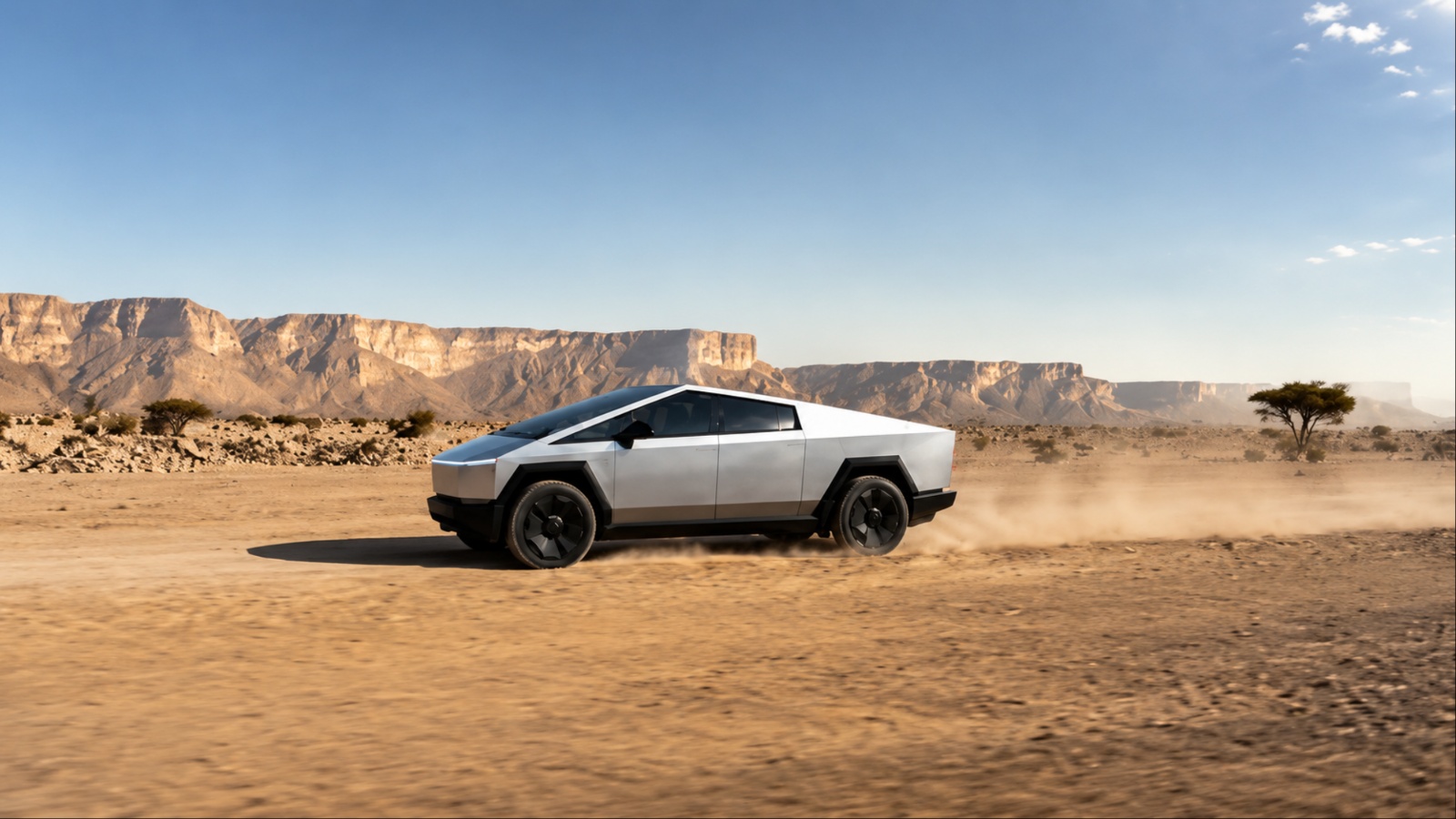
The insurance concerns are not entirely theoretical. In August 2025, reports described a Cybertruck owner whose Hanover Insurance policy was not renewed. The reported explanation included the insurer’s difficulty adequately rating and underwriting the vehicle because of its limited production volume and extraordinary collision or comprehensive repair and replacement expenses. Other owners have also reported coverage difficulties.
Consumer Reports subsequently examined complaints from Cybertruck owners who said insurers had dropped their coverage. However, the situation should not be confused with a universal industry ban. GEICO previously denied rumors that it had stopped insuring the Cybertruck altogether, illustrating how individual underwriting decisions can differ.
The New York Department of Financial Services also includes the Cybertruck on its difficult-to-insure vehicle list. Its inclusion does not mean every insurer refuses coverage, but it demonstrates that the vehicle has attracted underwriting attention.
For buyers, the important consideration is obtaining an actual insurance quote before purchasing. A vehicle’s purchase price alone does not reveal whether a particular carrier is willing to cover its unusual repair requirements.
2. Tesla Model X
The Tesla Model X combines an expensive electric powertrain with complex body hardware and electronic equipment. Its distinctive falcon-wing rear doors are among its most recognizable features, but their construction also introduces additional components that can become expensive to repair following a collision.
Damage around the doors, hinges, sensors, and surrounding body structures may require specialized assessment rather than straightforward conventional bodywork.
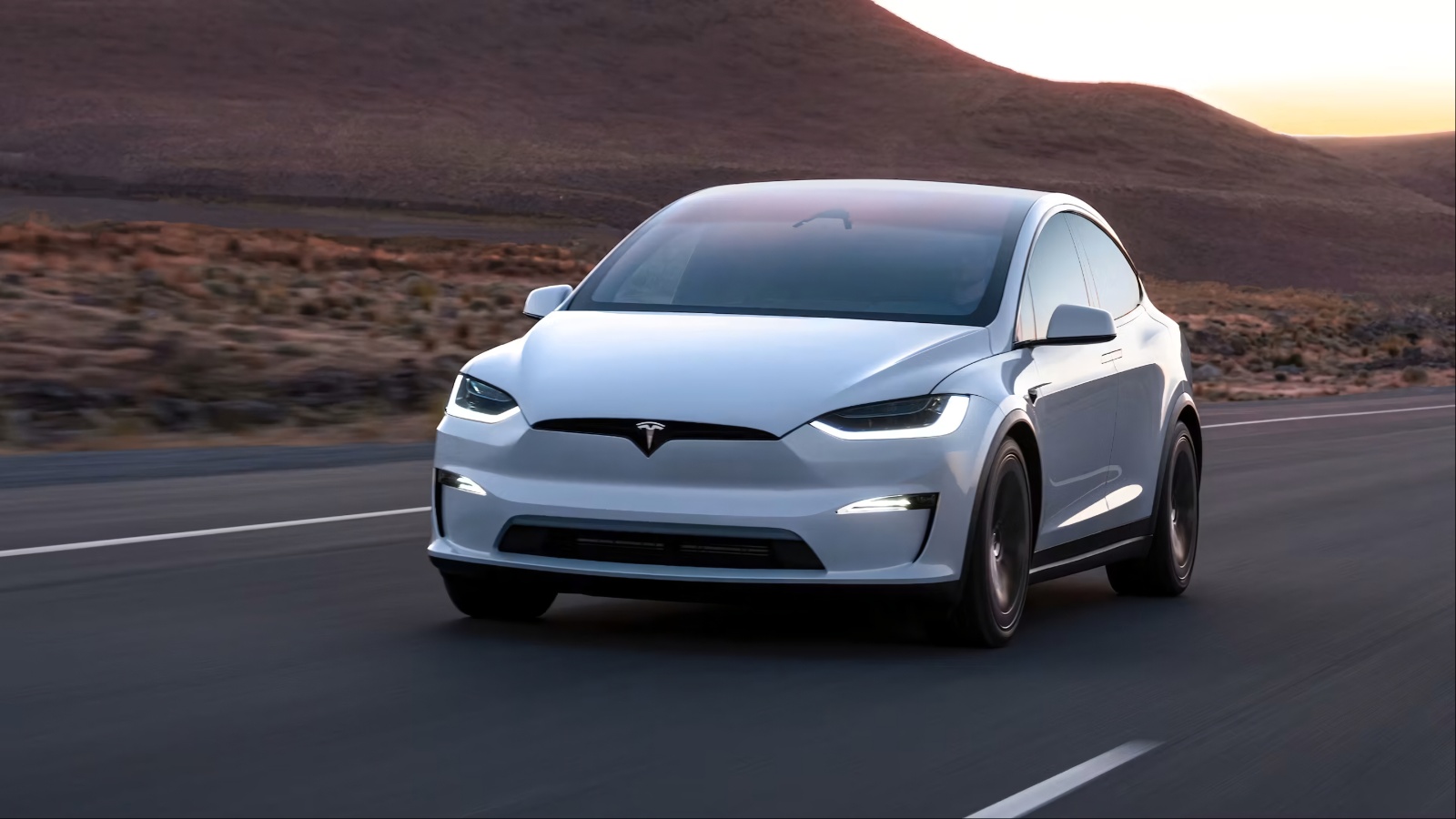
The Model X also uses a large battery pack, electric drive components, cameras, and driver-assistance technology. Collision damage involving these systems can require specialized diagnostics and repair procedures. Battery repair or replacement expenses, specialized repair facilities, and parts availability are factors that can contribute to higher electric-vehicle insurance costs.
Tesla Model X appears on New York’s difficult-to-insure vehicle list. This is significant because the state identifies models that a number of insurers are unwilling to cover voluntarily or will insure only under particular conditions. The list also includes Tesla’s other major passenger vehicles, indicating that underwriting concerns extend beyond one unusual model.
However, the Model X should not be described as universally uninsurable. Insurance premiums and acceptance decisions depend on the carrier, location, driver, vehicle configuration, and claims history. The more defensible concern is that its expensive equipment and specialized repair requirements can increase the financial exposure associated with collision coverage.
3. Rivian R1T
The Rivian R1T is an electric pickup that combines a high-value battery system, sophisticated electronics, and a relatively specialized repair network. Its construction and equipment create repair considerations that differ from those associated with traditional gasoline-powered pickups. For insurers, the concern is not simply how frequently the vehicle gets into accidents, but how much an individual covered accident can cost.
Electric pickup trucks contain expensive components, including battery packs, electric drive units, and electronic control systems. Damage to these components can make repairs more complicated, particularly when replacement parts are not readily available. The availability of qualified repair facilities can also influence how quickly a damaged vehicle returns to service.
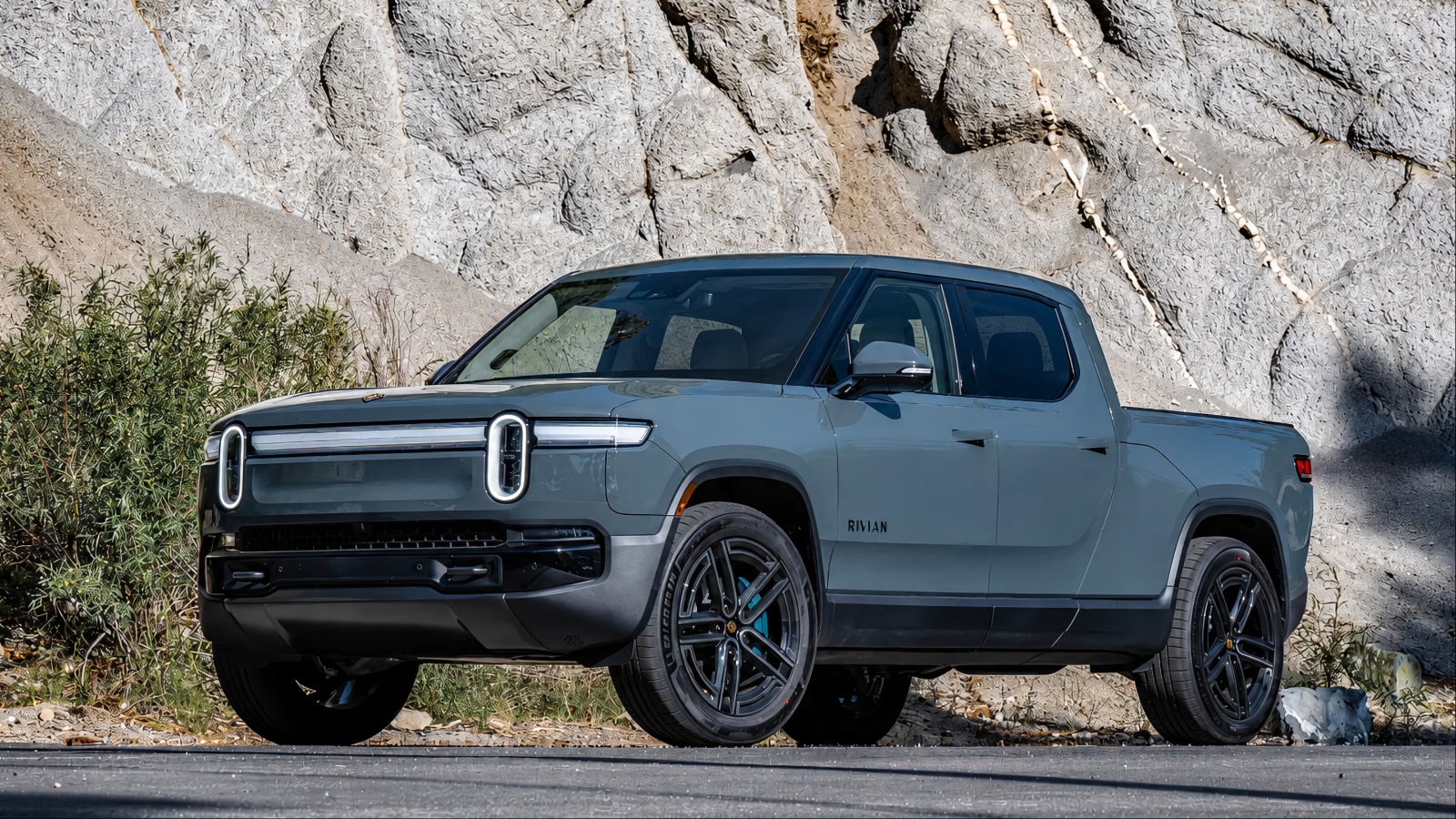
Insurance.com published average annual premium estimates of $3,771 for a 2023 Rivian R1S and $3,178 for a 2023 R1T. Its comparison also showed substantial differences among insurers, with some companies offering considerably lower premiums than others. These figures are estimates from a particular rate analysis, not universal prices or evidence that insurers are dropping the R1T.
Rivian therefore illustrates an important distinction between expensive insurance and insurance rejection. A carrier may accept the vehicle while charging more to account for its potential repair expenses. Other carriers may be more selective depending on their experience with electric pickups and the availability of qualified repair facilities.
For prospective owners, comparing multiple full-coverage quotations is particularly important. Liability-only coverage does not protect the owner’s vehicle against covered collision damage or theft.
4. Lucid Air
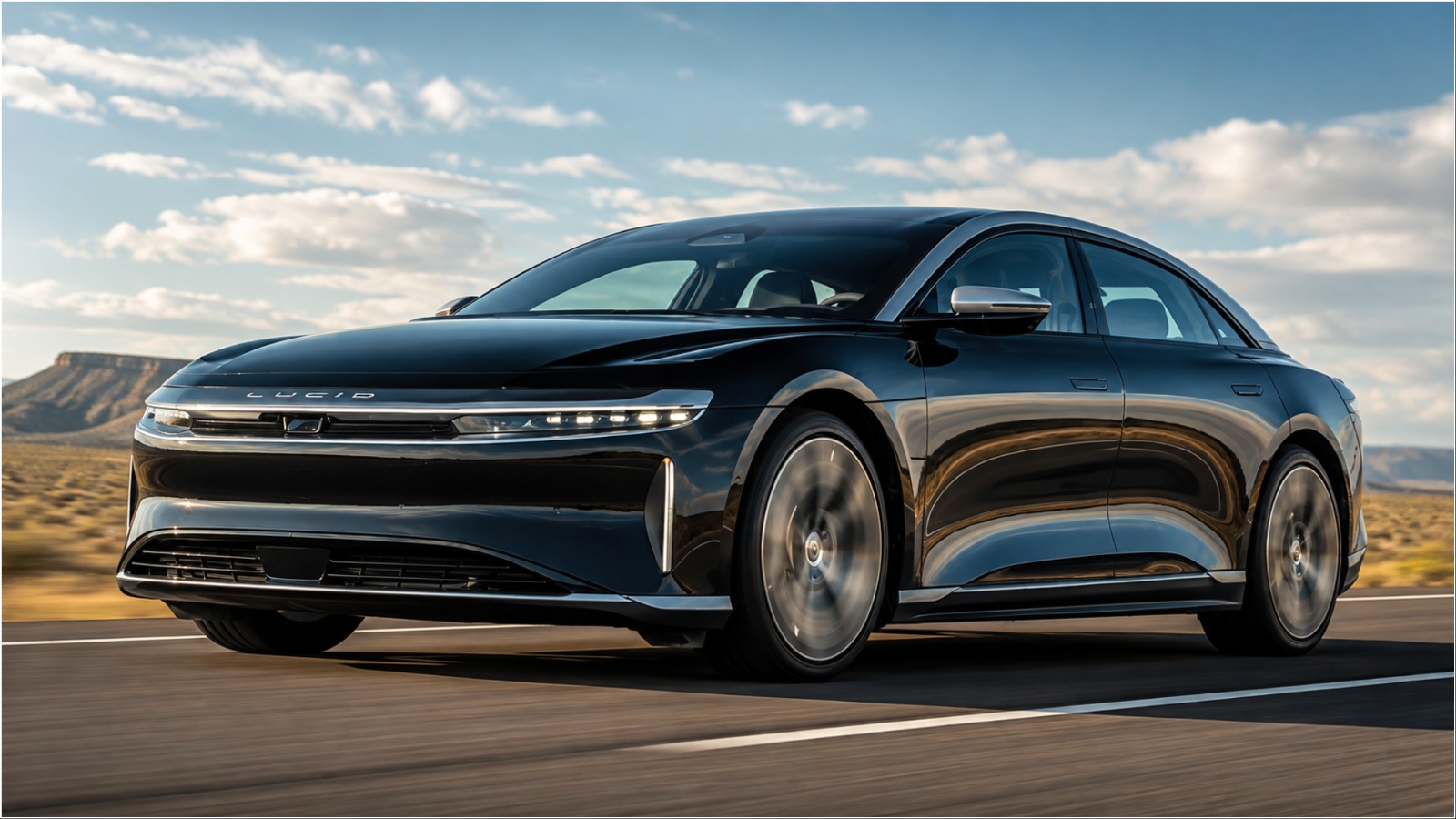
The Lucid Air is a luxury electric sedan built around advanced battery technology, electric drive components, and a sophisticated electronic architecture. Its premium positioning creates a different insurance exposure from that of an inexpensive conventional sedan. When a vehicle has a high replacement value, expensive electronic equipment, and specialized repair requirements, the financial consequences of a collision can be substantial.
One challenge facing vehicles from relatively specialized electric-vehicle manufacturers is access to replacement parts and trained repair technicians. Unlike high-volume conventional vehicles, some luxury EVs have fewer repair facilities familiar with their construction. That can affect repair scheduling, labor requirements, and the amount an insurer ultimately pays for a claim.
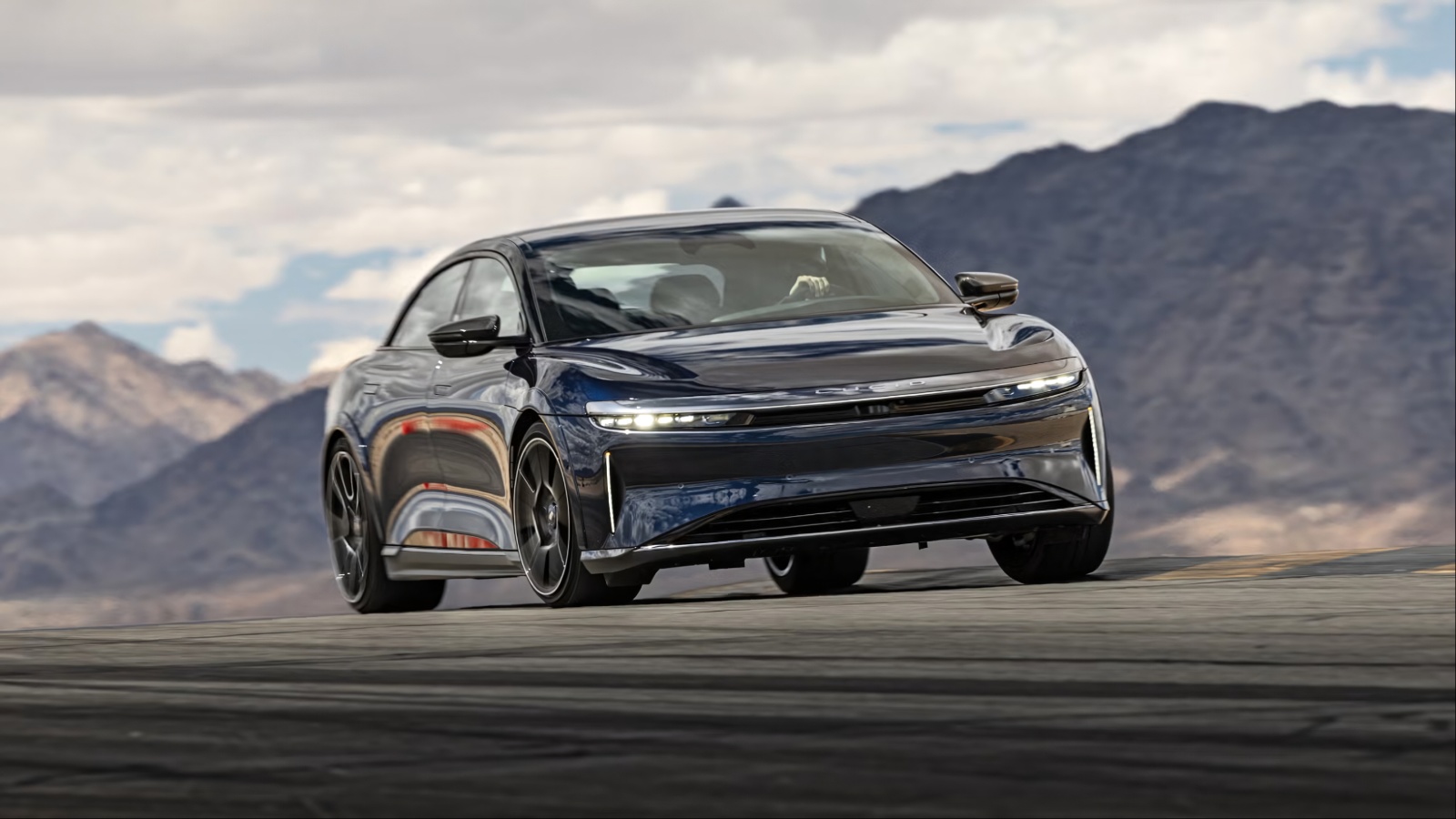
Higher vehicle values, specialized repair needs, battery replacement expenses, and the availability of qualified repair facilities are important factors in electric-vehicle insurance pricing. These factors apply to the broader electric-vehicle market rather than establishing a specific rejection rate for Lucid Air owners.
The Lucid Air’s insurance situation should not be interpreted as proof that every insurer rejects the model. The more important consideration is whether a particular insurance company has suitable repair arrangements and can provide comprehensive and collision coverage at an acceptable price.
For Lucid Air buyers, the practical issue is whether the insurer can accommodate the vehicle’s specialized equipment and replacement requirements. An attractive purchase agreement does not guarantee that every carrier will offer competitive insurance.
5. Porsche Taycan
The Porsche Taycan combines high-performance engineering with expensive electric-vehicle components, making repair costs an important consideration for insurers. Its high-voltage battery system, electric motors, sophisticated suspension, and electronic controls can require specialized attention following a collision.
Even when damage appears limited to the exterior, technicians may need to inspect surrounding components before determining whether the vehicle can safely return to the road.
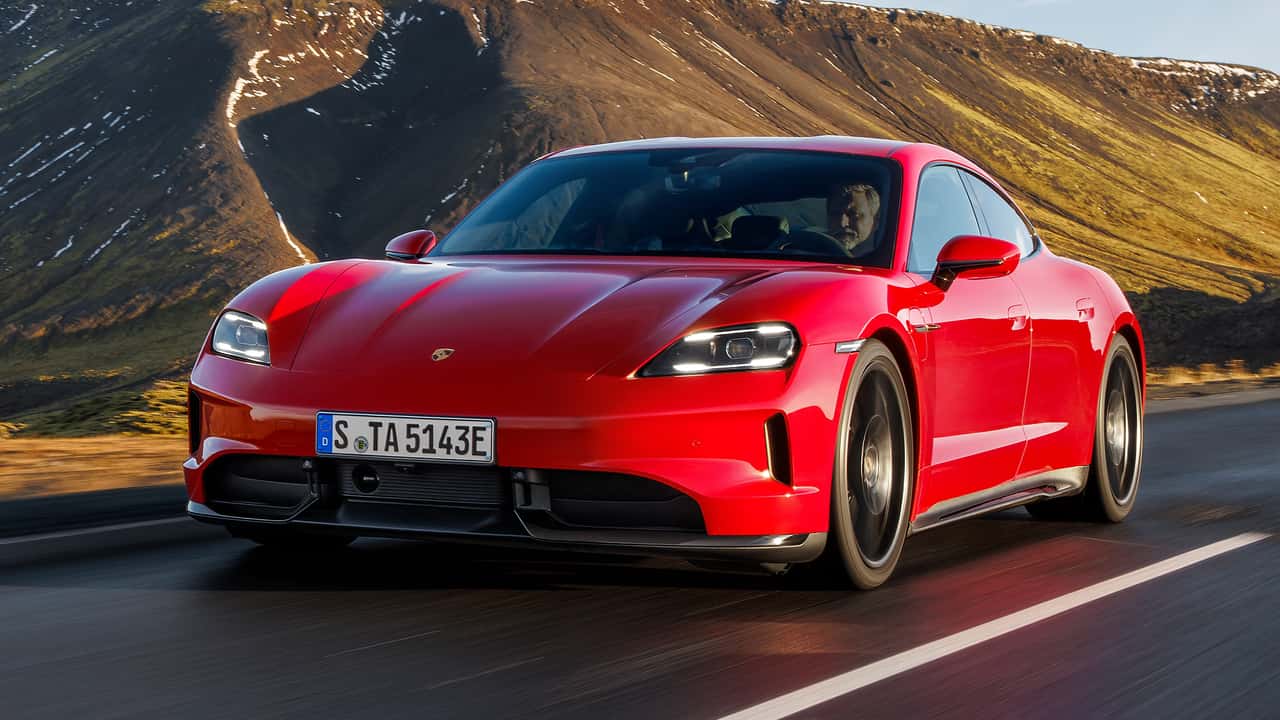
Porsche also operates within a premium parts and service environment. Replacement components, specialist labor, and manufacturer-specific repair procedures can increase the cost of restoring a damaged vehicle. The financial exposure becomes particularly important when a collision affects expensive electronic systems or structural components.
The Taycan is included in New York’s difficult-to-insure vehicle listing. The state identifies the Porsche Taycan and several other Porsche performance models among vehicles that some insurers are unwilling to cover voluntarily or will only insure under specific conditions. The list reflects factors such as unfavorable loss experience, expensive or unavailable replacement parts, and theft records rather than assigning one reason to every model.
Electric vehicles also face insurance challenges associated with battery repair and the availability of qualified repair facilities. These factors can influence the cost of coverage and the willingness of certain companies to accept particular vehicles.
The Taycan’s appearance on the state list does not mean Porsche owners cannot obtain insurance. Instead, it demonstrates why buyers should investigate coverage availability and collision deductibles before purchasing an expensive electric sports sedan.
6. Audi e-tron GT
The Audi e-tron GT is another premium electric vehicle that presents insurers with potentially expensive collision claims. Its design combines a high-performance electric drivetrain, sophisticated electronics, and premium body components. These systems can increase repair complexity compared with a conventional sedan, especially when an accident affects multiple interconnected components.
The vehicle’s electric architecture requires technicians familiar with high-voltage systems. Battery-related inspections and repairs also involve safety procedures that differ from ordinary mechanical work. If replacement parts are unavailable locally, a repair can take longer, potentially extending the period for which an insurer must provide rental-car benefits under an applicable policy.
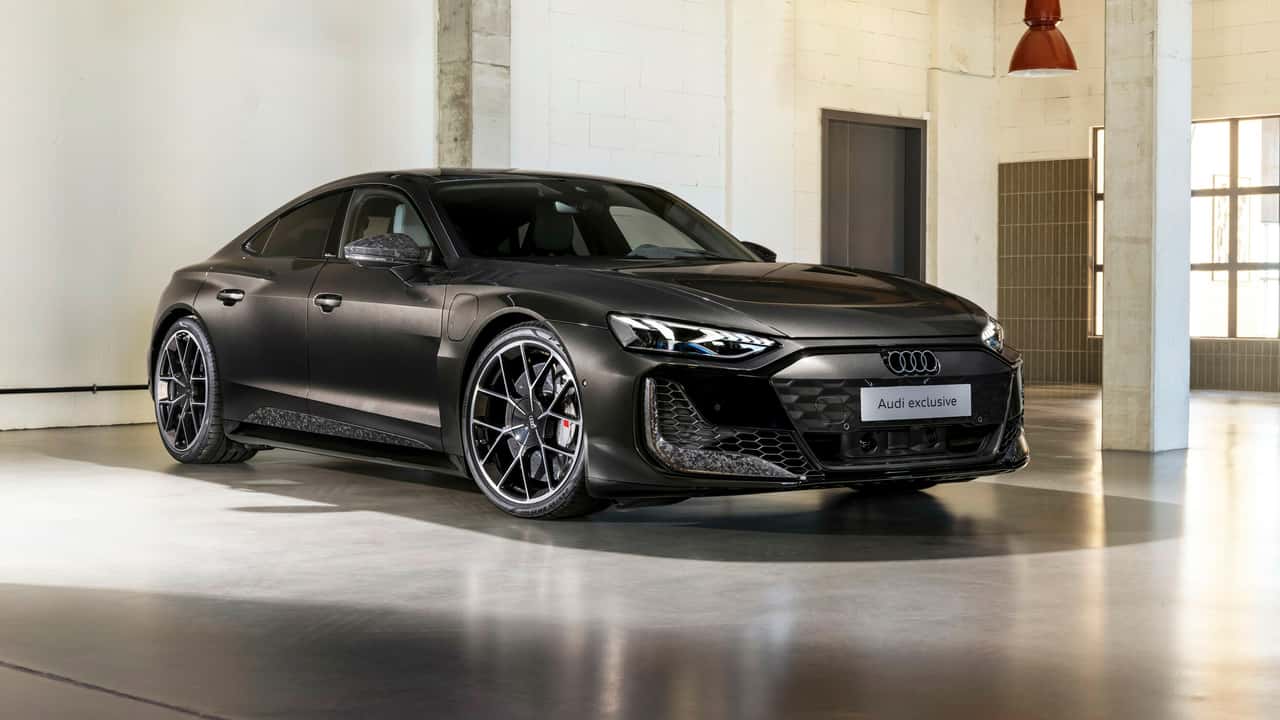
Audi’s e-tron models appear in New York’s difficult-to-insure vehicle listing. The state includes the e-tron and e-tron GT among the models that a significant number of insurers may decline or accept only under particular conditions. The list does not establish that every insurer rejects every Audi electric vehicle.
The broader economics of electric-vehicle repairs help explain why insurers scrutinize these vehicles. Battery replacement expenses, specialized repair needs, parts availability, and the number of suitable repair facilities can influence insurance rates.
The e-tron GT also illustrates why a vehicle’s original purchase price is only one part of its ownership cost. Buyers should consider whether their insurer can arrange qualified repairs and whether the policy provides adequate protection for expensive manufacturer-specific components.
7. BMW i7
The BMW i7 is a large luxury electric sedan with advanced electronic equipment, premium interior systems, and a high-value battery-powered drivetrain. Its equipment and construction create several potential sources of expensive collision claims. Damage to cameras, sensors, exterior components, or electronic systems can require more than conventional panel replacement.
Modern luxury vehicles increasingly depend on advanced driver-assistance systems. These technologies use cameras, radar sensors, and other equipment to support functions such as automatic emergency braking and lane assistance. After certain collisions, affected components may need replacement and recalibration before the vehicle can operate correctly.
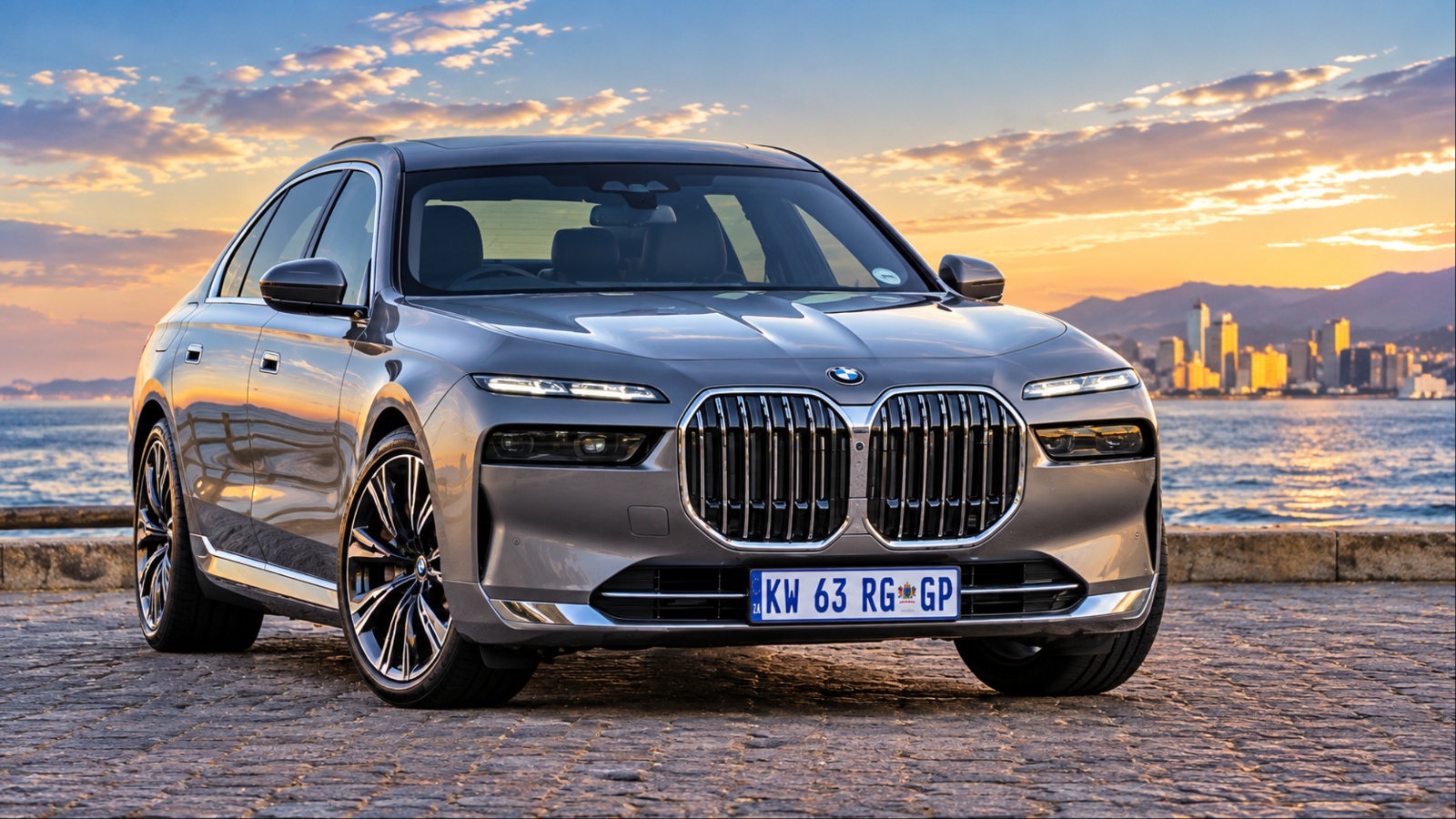
Repair complexity is a growing insurance concern across the automotive industry. The American Property Casualty Insurance Association reported that vehicle damage claim severity increased 42.3% from 2020 through the third quarter of 2025, while claim frequency increased just 1.4%.
The association attributed the growing severity partly to repair costs involving advanced driver-assistance components, replacement parts, and specialized procedures.
BMW’s i7 appears on the New York Department of Financial Services’ difficult-to-insure list. The listing indicates that some insurers may be reluctant to cover the model voluntarily or may apply specific underwriting conditions. It does not establish that all companies refuse BMW i7 policies or that repair costs are the only reason.
For buyers, the important question is whether the selected insurer can handle expensive electronic and body repairs without imposing coverage restrictions that leave the owner exposed.
8. Cadillac Lyriq
The Cadillac Lyriq brings luxury electric-vehicle technology into a midsize SUV, combining a battery-powered drivetrain with extensive electronic equipment and modern driver-assistance features. Its high-value components can create substantial repair exposure when a collision affects more than the visible exterior panels.
One important consideration is the integration of sensors and electronic equipment into modern vehicle designs. A damaged bumper, windshield, or front-end assembly may require inspections and recalibration if it contains or sits near driver-assistance components. These additional procedures can increase the final repair bill even when the initial damage does not appear severe.
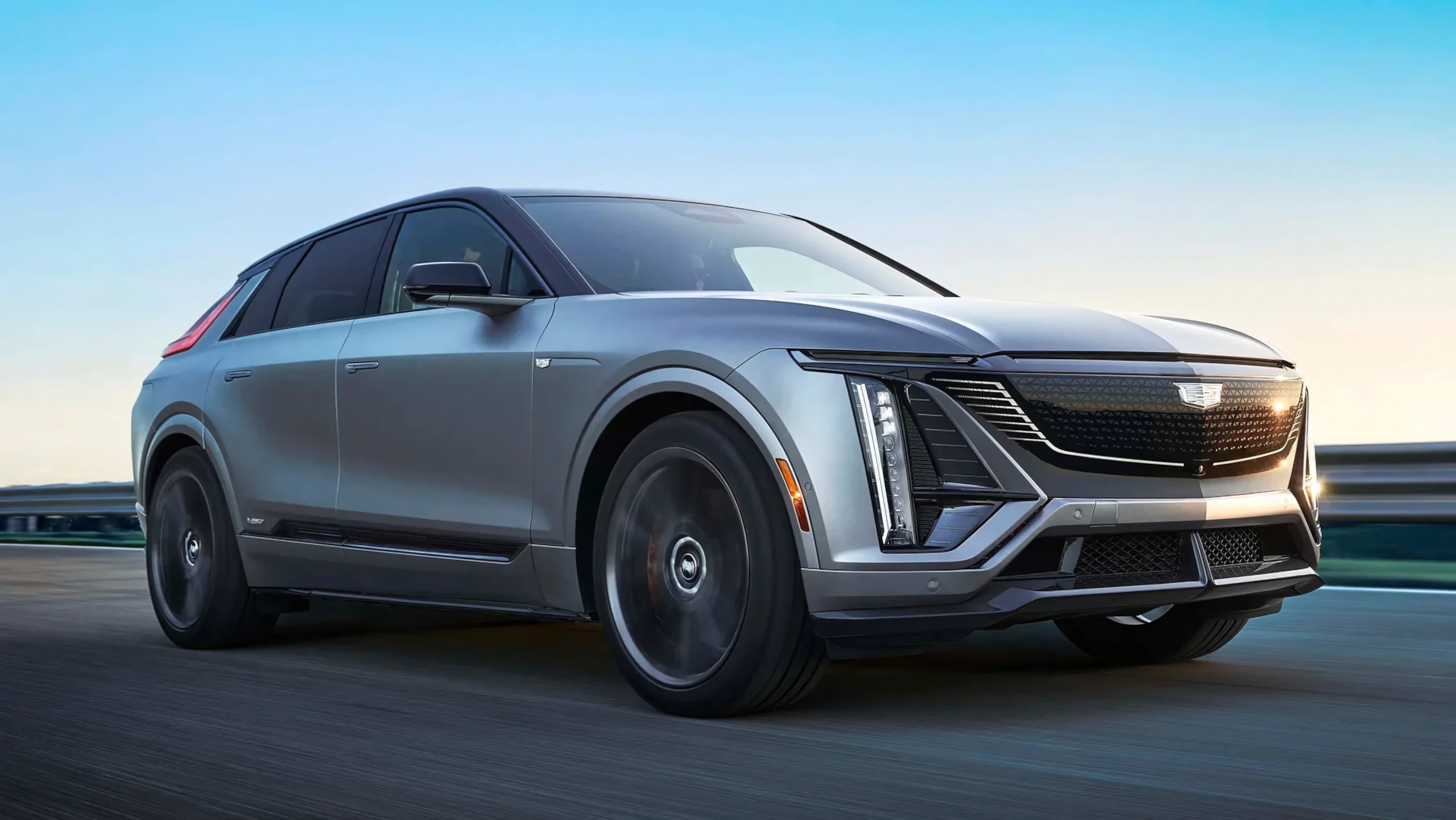
The Lyriq appears on New York’s difficult-to-insure vehicle list. The department’s inclusion of the model indicates that some insurers have identified it as a vehicle they may not wish to cover voluntarily or may accept only under specific conditions. However, the department does not identify the individual reason for every vehicle’s inclusion.
The wider insurance market also provides evidence of increasing repair-cost pressure. Vehicle damage claim severity has risen considerably in recent years, with advanced electronics, replacement parts, and repair complexity contributing to the increase.
The Lyriq should therefore be considered a vehicle requiring careful insurance research rather than one that is automatically impossible to insure. Buyers should obtain quotes for both collision and comprehensive coverage and confirm that their insurer has access to suitable repair facilities.
9. Jaguar I-Pace
The Jaguar I-Pace combines a premium electric drivetrain with specialized components and a relatively limited vehicle population compared with mainstream crossovers. Its battery system, electric motors, and electronic equipment create repair requirements that can be more demanding than those associated with conventional gasoline-powered vehicles.
Replacement-part availability is an important factor for insurers because a repair cannot be completed efficiently if essential components are difficult to obtain. Delays can increase the total cost of a claim when rental-car coverage or other temporary transportation benefits apply. Limited availability can also make repair estimates more difficult to predict.
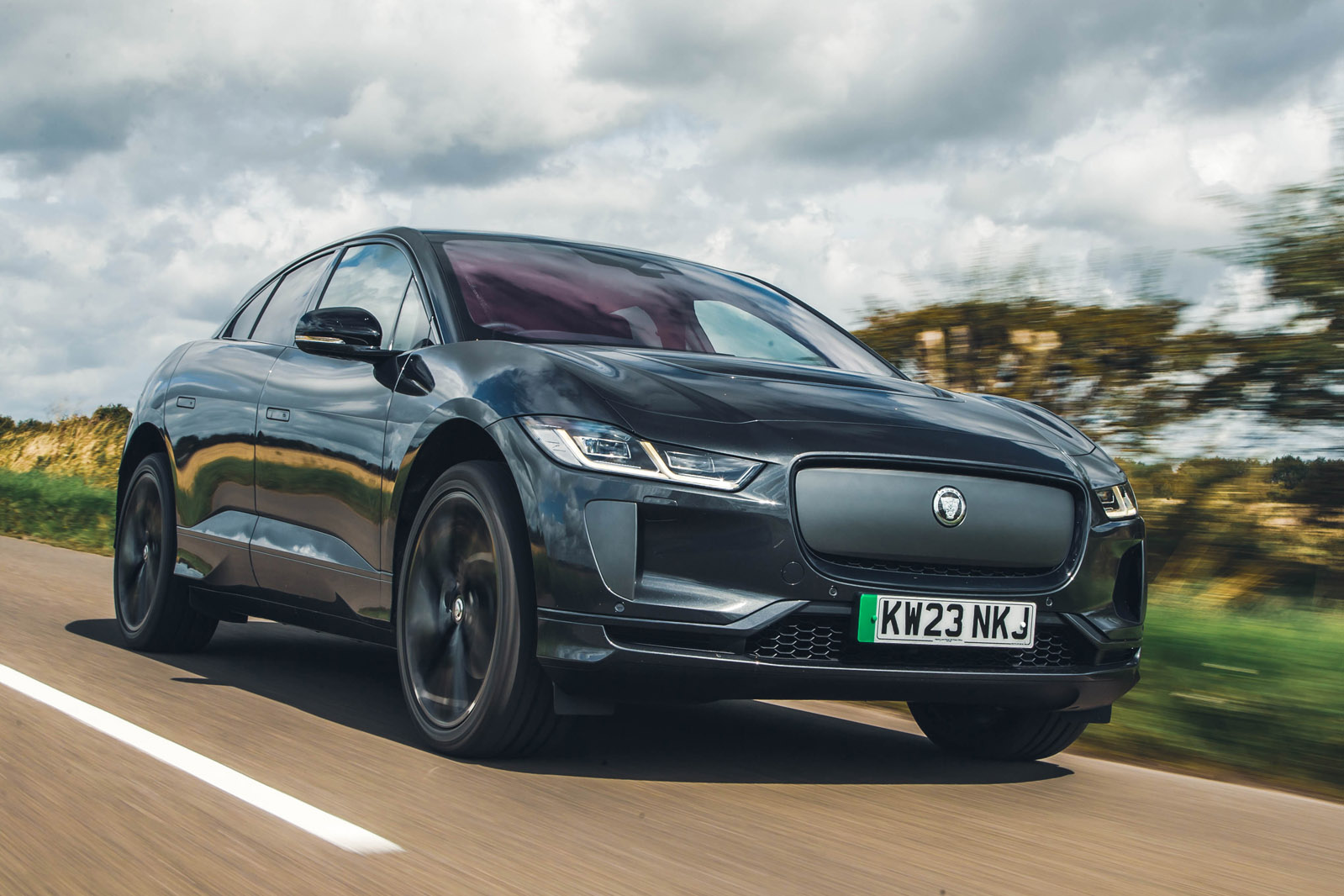
Jaguar’s I-Pace appears on New York’s difficult-to-insure vehicle list. The state identifies several Jaguar models, including the I-Pace, among vehicles that some insurers may decline or accept only with restrictions. The department’s broader explanation includes unfavorable loss experience, high repair costs or limited replacement-part availability, and theft records.
The availability of qualified repair facilities is another factor affecting electric-vehicle insurance costs. These concerns are particularly relevant when a vehicle requires manufacturer-specific components or specialist technicians.
The I-Pace’s insurance situation should not be confused with a blanket refusal by all carriers. Some insurers may continue to offer full coverage, while others may impose higher premiums, deductibles, or eligibility requirements. Buyers should compare actual policy offers rather than rely on assumptions about the entire insurance market.
10. Hyundai Ioniq 5 N
The Hyundai Ioniq 5 N demonstrates that expensive insurance and repair concerns are not limited to traditional luxury manufacturers. This high-performance electric vehicle combines a large battery system, powerful electric motors, sophisticated electronic controls, and performance-oriented equipment. Its additional technology can create repair expenses that differ from those associated with an ordinary compact crossover.
High-performance electric vehicles also require specialized knowledge when technicians inspect or repair their electrical systems. Battery-related damage requires particular attention because high-voltage components cannot be handled using ordinary mechanical repair procedures. The availability of qualified technicians and appropriate replacement parts can influence how quickly a damaged vehicle returns to the road.
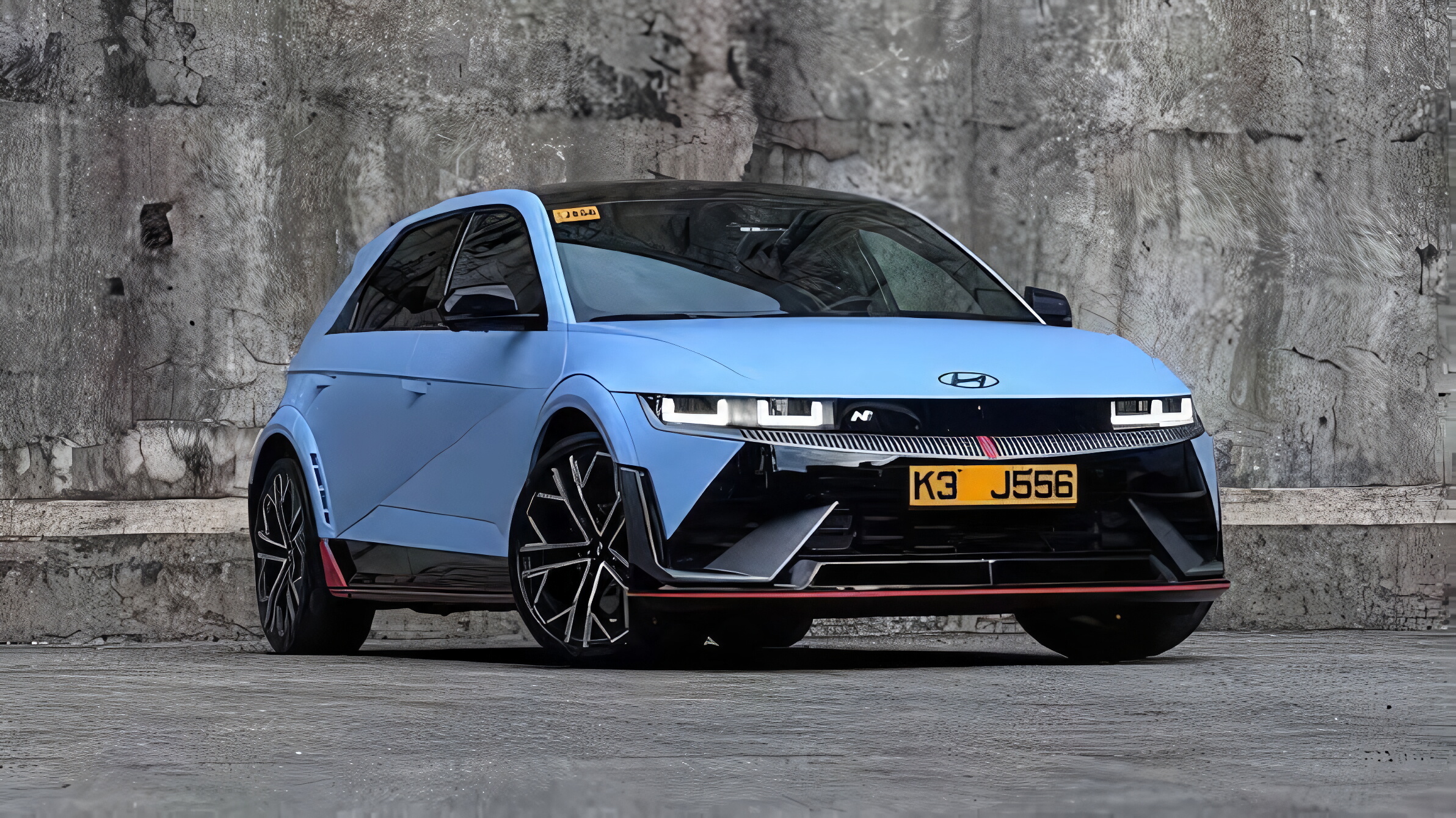
The Ioniq 5 N is specifically named in New York’s difficult-to-insure vehicle listing. The state includes it among Hyundai models that some insurers may decline or accept only under certain conditions. This does not establish that insurers are universally dropping the Ioniq 5 N because of repair expenses. The department’s broader explanation includes unfavorable claims experience, expensive or limited replacement parts, and theft records.
The wider electric-vehicle insurance market helps explain the underwriting concerns. Specialized repair requirements, battery replacement costs, vehicle value, and repair-facility availability are factors that can affect insurance pricing.
For potential owners, the Ioniq 5 N’s performance capabilities should be considered alongside its insurance requirements. Obtaining a quote before purchase can reveal whether a preferred insurer is comfortable covering the vehicle and whether its collision deductible makes sense for the owner’s budget.