
Renting a car can look affordable when you first compare daily rates, but the final bill often tells a different story. Rental companies can add charges for insurance, fuel, toll payments, vehicle damage, cleaning, and airport services.
Some of these fees are legitimate business expenses or optional services, while others become questionable when customers are not properly informed, never agree to the charges, or receive bills for services they never used. The difference between a normal rental expense and a deceptive charge usually comes down to disclosure, consent, and documentation.
The problem is particularly frustrating because customers often discover unexpected costs after arriving at the rental counter or returning the vehicle. A low advertised rate can become considerably more expensive once additional charges appear.
Federal and state consumer protection agencies have addressed misleading rental practices, including undisclosed toll fees and improper damage claims. Knowing which charges deserve closer attention can help renters recognize questionable billing practices before paying more than their agreements require.
1. Mandatory Fees Hidden Until You Reach the Rental Counter
One of the most common rental car pricing problems involves mandatory fees that appear only after a customer has already selected a vehicle and completed most of the booking process. An advertisement might promote an attractive daily rate, but the actual cost can increase substantially once airport concession recovery fees, vehicle licensing charges, facility fees, tourism assessments, and other surcharges are added.

Not every additional fee is fraudulent. Airports can charge rental companies concession fees, and governments can impose taxes and other assessments. Rental companies may also recover certain operating expenses through disclosed charges. The problem arises when a company advertises a price that does not accurately represent the mandatory amount customers must pay.
The Federal Trade Commission has previously taken action against deceptive rental pricing practices. In a historical case involving Value Rent-A-Car, the agency addressed failures to disclose mandatory airport surcharges and underage driver fees near advertised rental prices. The case illustrates why important charges cannot simply be hidden behind an attractive headline rate.
Consumers should pay particular attention to vague descriptions such as miscellaneous fees, service recovery charges, or additional facility expenses. A company should be able to explain what each charge covers, whether it is mandatory, and how much it costs.
Before confirming a reservation, compare the full estimated price rather than the advertised daily rate. Save screenshots of the original offer, the final checkout amount, and the booking confirmation. If a mandatory fee suddenly appears at pickup without adequate prior disclosure, ask the company to identify where it was included in the original pricing terms.
2. Insurance and Damage Waivers Added Without Proper Consent
Rental car insurance and collision damage waivers are among the most expensive extras customers encounter at the counter. Rental representatives may explain that additional protection can reduce financial responsibility if the vehicle is damaged, stolen, or involved in an accident. These products can provide useful protection, but problems arise when customers are pressured into purchasing coverage or charged after explicitly declining it.
A Collision Damage Waiver, commonly called a CDW, or Loss Damage Waiver, known as an LDW, is generally a contractual agreement that limits or eliminates certain financial responsibilities for damage or theft. It is not necessarily the same as a traditional insurance policy. Its coverage depends on the agreement, including exclusions, conditions, and circumstances that may invalidate the protection.

Some renters already have relevant protection through their personal auto insurance, credit card benefits, or travel insurance. However, coverage varies considerably. Customers should verify the actual terms rather than assume an existing policy covers every rental situation.
The Florida Attorney General’s Office has specifically warned consumers about questionable sales tactics involving damage waivers. In a settlement involving Dollar and Thrifty, the companies were required to improve disclosures concerning their toll products and damage waiver charges. The agreement also prohibited imposing a damage waiver fee after a customer had declined the coverage.
An insurance charge deserves investigation when it appears on the final receipt despite the renter rejecting it, when the quoted price differs from the disclosed price, or when employees falsely claim that purchasing the company’s protection is mandatory.
Always examine the rental agreement before signing. Check whether insurance products have been selected, ask the representative to remove unwanted options, and request a revised receipt. Never rely solely on a verbal promise that an unwanted charge will be removed later.
3. Toll Transponder and Administrative Fees for Roads You Barely Use
Toll-related charges can become surprisingly expensive because rental companies may bill more than the actual toll amount. Many rental vehicles have electronic toll transponders or license-plate billing arrangements that allow customers to travel through cashless toll systems without stopping to pay manually.
The convenience can come with several different pricing structures. A company might charge a daily transponder service fee, a fee for each day the vehicle is used on a toll road, or an administrative fee for every toll transaction. Depending on the agreement, some charges may apply even when the customer uses toll roads only once or does not use them at all.
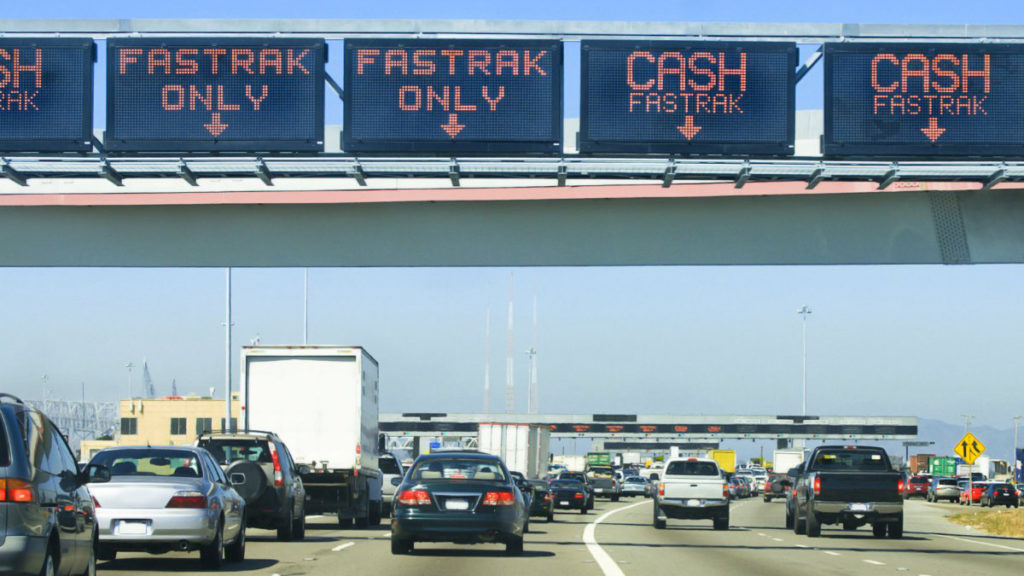
The most serious concern is misleading customers about whether a toll package is optional and how its pricing works. A representative might suggest that purchasing a daily toll package is necessary to avoid penalties, even though the renter has other permitted payment options. Another problem occurs when a customer is not clearly informed that the company charges a separate administrative fee on top of the actual toll.
Florida provides a documented example. In 2019, the state’s Attorney General announced a settlement with Dollar Thrifty concerning disclosures for cashless toll charges and its PlatePass product. The investigation involved complaints about an additional $15 charge per toll, subject to a maximum of $105 in company fees, and a daily PlatePass option. The agreement required clearer disclosures about prices and ways customers could avoid the charges.
This does not mean every toll administration fee is a scam. Rental companies can charge disclosed fees under their agreements. However, renters should question charges that contradict the stated pricing, include tolls they never used, or apply an optional service they never accepted.
Ask whether the toll program charges per day, per toll, or for the entire rental period. Also request an itemized record showing the actual toll transactions, dates, locations, and associated administrative charges.
4. False Vehicle Damage Charges After Returning the Car
Damage claims are among the most financially serious rental disputes because a company may attempt to bill a customer for scratches, dents, windshield damage, or interior problems that existed before the rental began.
A rental company has a legitimate reason to recover documented costs when a customer damages its vehicle. However, charging someone for pre-existing damage or damage that cannot reasonably be connected to the rental period raises serious consumer protection concerns.
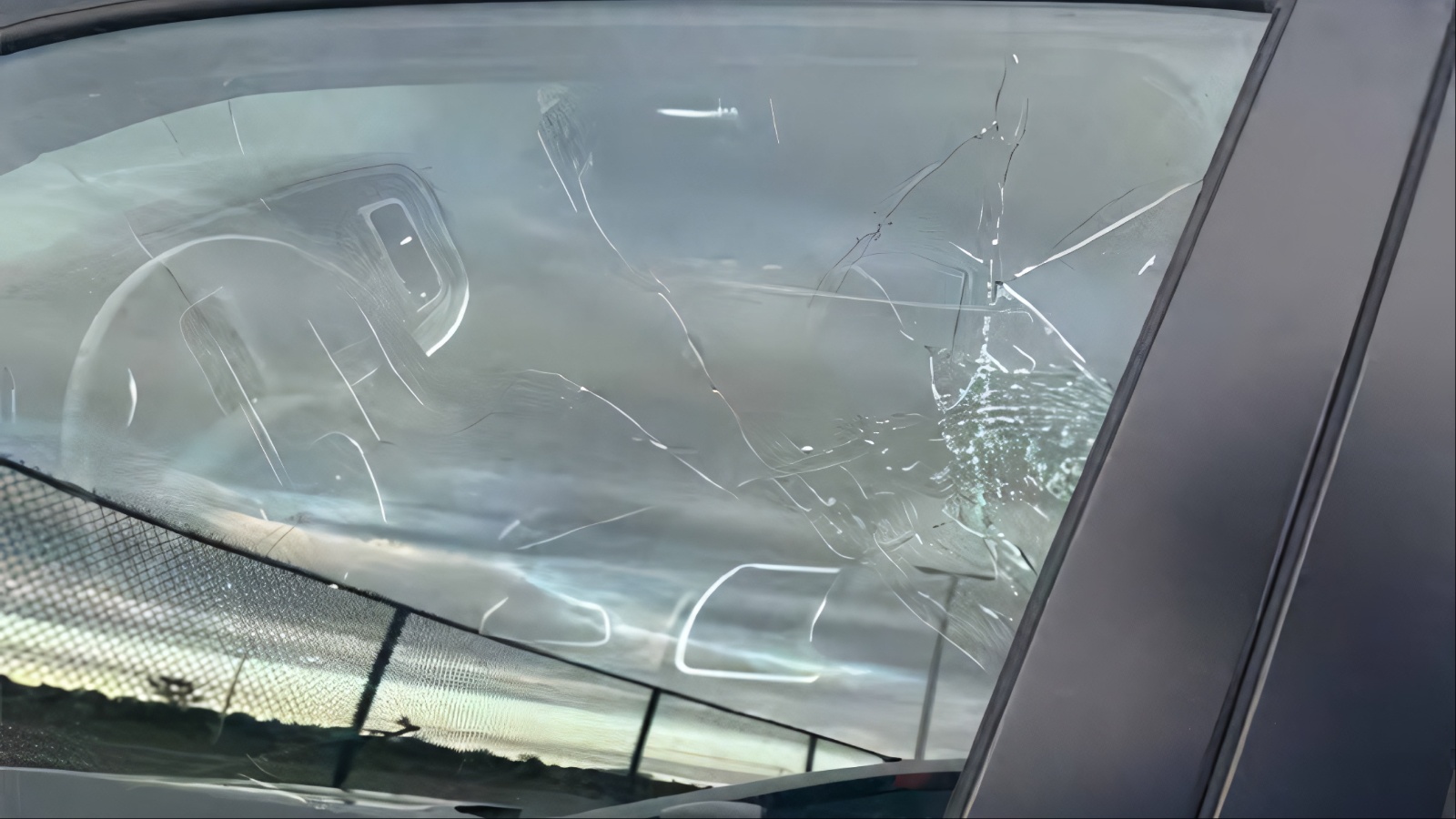
This is not merely a hypothetical problem. In October 2021, New Jersey’s Division of Consumer Affairs announced a settlement with Enterprise Rent-A-Car following an investigation prompted by customer complaints. The allegations included failures to give renters adequate opportunities to inspect vehicles, misrepresentations about responsibility for existing damage, and charges for damage that had not occurred during the rental period.
The settlement required Enterprise to change its procedures, including documenting observable pre-existing damage and presenting the information to customers for acknowledgment.
A common difficulty is that renters sometimes inspect a vehicle quickly because they are in a hurry to leave the airport or rental facility. Small scratches, bumper marks, wheel damage, and windshield chips can easily go unnoticed. When the car is returned, those same imperfections may become the subject of a disputed damage claim.
The best protection is to document the vehicle before driving away. Take clear photographs and videos of every side, the wheels, bumpers, windshield, interior, and dashboard. Make sure the images show existing scratches and dents clearly. Ask an employee to record any damage on the inspection report before accepting the vehicle.
When returning the car, take another set of photographs and request a return inspection receipt. If the company later bills you for damage, request the original inspection report, return inspection records, dated photographs, repair estimates, and an explanation of how it determined that the damage occurred during your rental.
A damage fee without adequate supporting evidence should not simply be accepted as legitimate.
5. Inflated Fuel and Refueling Charges
Fuel charges are another area where renters can encounter unexpected expenses. Most traditional rental agreements require customers to return gasoline-powered vehicles with approximately the same fuel level they had at pickup, often a full tank. If the vehicle is returned with less fuel, the company may charge for the missing gasoline at a rate higher than the price at an ordinary gas station.
This arrangement is generally legitimate when the policy and pricing are disclosed. Rental companies may offer prepaid fuel options that allow customers to purchase a full tank in advance and return the vehicle without refueling. However, these arrangements can become expensive when customers pay for fuel they never use or discover additional refueling charges despite having selected a different option.

A more questionable situation occurs when a company bills for missing fuel even though the renter returned the vehicle with the required amount. Fuel gauges can be difficult to interpret, and a small difference between the pickup and return readings can lead to disputes.
Customers should also watch for charges that combine the cost of gasoline with a separate refueling or service fee. These expenses should be consistent with the signed agreement and the company’s disclosed fuel policy.
The Federal Trade Commission advises renters to understand fuel policies before booking and explains that rental companies commonly charge their own rates when vehicles are returned without the required amount of fuel. It also warns that prepaid fuel can cost more than filling the vehicle independently.
To avoid disputes, photograph the fuel gauge and odometer at pickup and again when returning the vehicle. Keep the receipt from the gas station if you refill shortly before returning the car. Note the time and mileage because these details can help establish that the vehicle was properly refueled.
If the company claims that fuel is missing, request the recorded fuel readings from both inspections and an itemized explanation of the amount charged. A second fuel charge should also be questioned if the rental agreement shows that prepaid fuel was already purchased and no additional fuel obligation was disclosed.
6. Excessive Cleaning and Vehicle Return Fees
Rental companies can charge customers for cleaning when a vehicle is returned excessively dirty, particularly when it requires more than ordinary cleaning between rentals. However, a normal amount of dust, minor dirt, or everyday interior use should not automatically become an excuse for an unexpected cleaning bill.
The distinction between ordinary cleaning and excessive cleaning is important. Rental vehicles are expected to be used, and companies generally have routine cleaning responsibilities between customers. Special cleaning may be justified when renters leave substantial mud, excessive sand, strong odors, significant spills, pet hair, or other conditions that require additional work.

The problem occurs when companies impose large cleaning charges without explaining what made the vehicle unusually dirty or providing evidence of its condition at return.
For example, a renter might return a vehicle with a few crumbs, light dust on the floor mats, or ordinary marks from shoes. A substantial detailing charge for such conditions deserves closer examination, particularly if the agreement does not clearly explain the cleaning standards and associated costs.
A similar concern involves unexplained fees described as sanitation, odor removal, interior restoration, or excessive vehicle preparation. These descriptions should be supported by actual conditions and applicable contract terms rather than used as vague justifications for additional revenue.
Customers should inspect the interior before leaving the rental location and photograph the seats, carpets, floor mats, dashboard, trunk, and other visible surfaces. At return, take another set of photographs showing the vehicle’s condition. If an employee identifies a cleaning issue, ask for a written description before leaving.
When a cleaning fee appears on the final bill, request photographs, an itemized invoice, and the contractual provision authorizing the charge. If the company cannot explain what additional cleaning was necessary, or the evidence contradicts the claim, dispute the amount in writing.
A legitimate cleaning fee should reflect a disclosed policy and a condition that actually warrants additional work, not ordinary use of a rented vehicle.