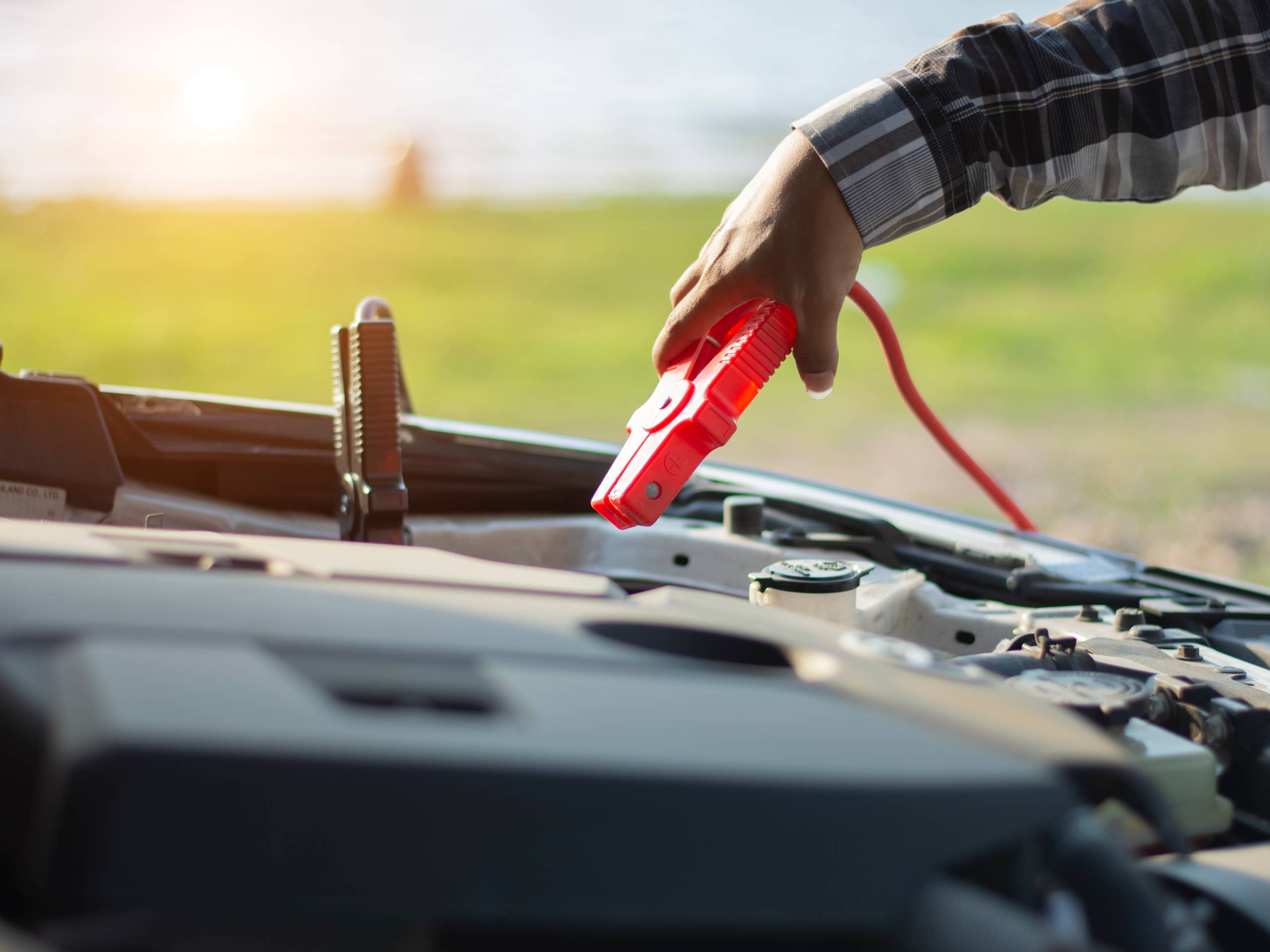
A dead car battery can turn an ordinary day into a frustrating experience, especially when you are in a hurry to get somewhere. Fortunately, jump-starting a vehicle can often get you moving again without waiting for professional assistance.
However, what seems like a simple task requires care, the right equipment, and a proper understanding of the process. One wrong connection or careless move can damage expensive electrical components, destroy the engine control unit (ECU), or even cause a battery to explode.
Many drivers make avoidable mistakes because they assume every battery can be jump-started the same way. Knowing what to avoid can protect your vehicle, your safety, and your wallet. Here are seven common mistakes to watch out for whenever you need to jump-start a car.
1. Reversing Cable Polarity (+/-)
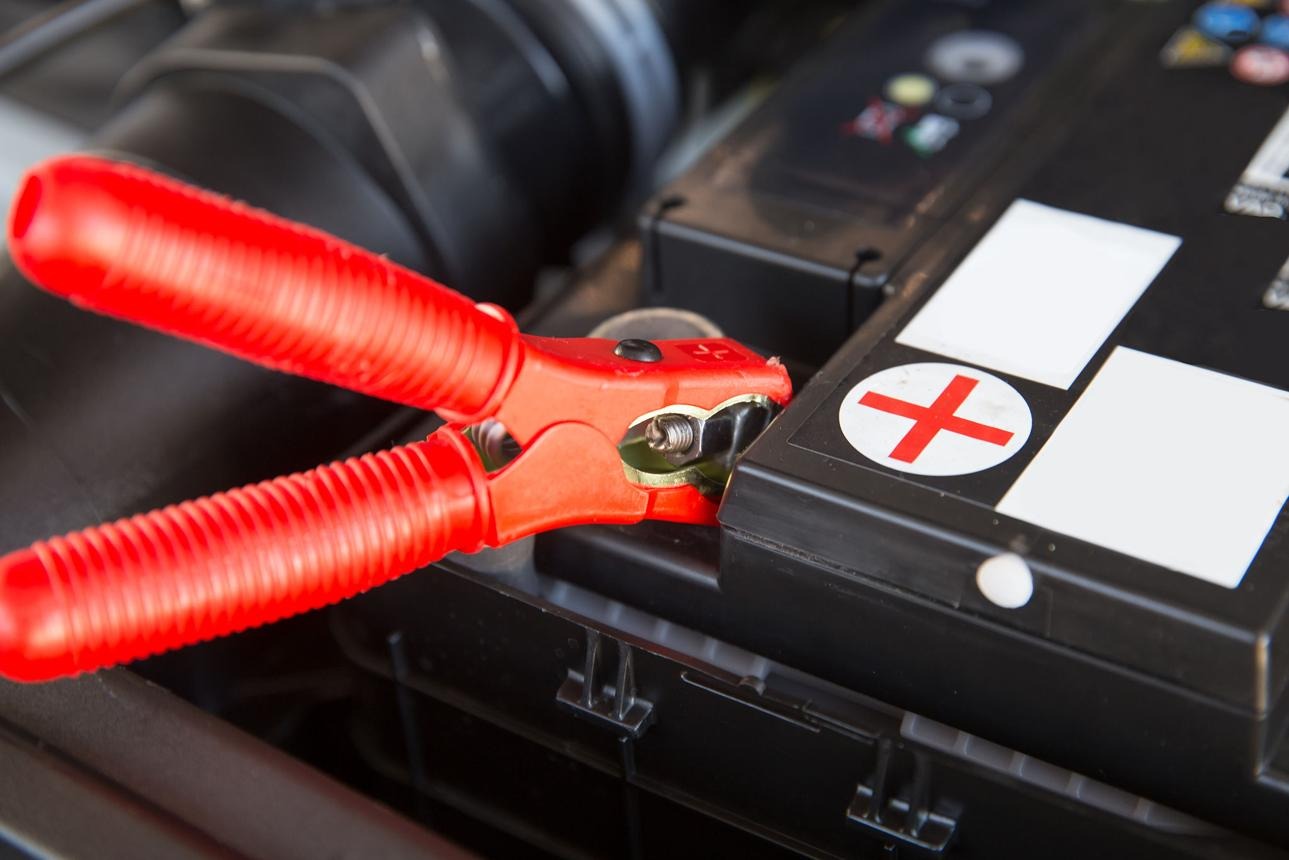
Red goes to positive, and black goes to negative. It sounds simple enough, yet drivers still mix up these connections, particularly when working in dim light, dealing with unfamiliar vehicles, or rushing to get back on the road.
Unfortunately, connecting jumper cables to the wrong battery terminals can cause serious electrical damage. When the positive and negative connections are reversed, electricity flows in an unintended direction through the vehicle’s electrical system.
This can blow major fuses, damage sensitive electronic components, and even destroy the engine control unit (ECU). Since modern vehicles depend on computer-controlled systems, repairing this type of damage can become an expensive exercise.
Before attaching any clamp, take a close look at both batteries. The positive terminal usually carries a plus (+) symbol, while the negative terminal has a minus (-) symbol.
Many batteries also use red covers for positive terminals and black covers for negative terminals. However, never depend on color alone because covers may be missing, dirty, or difficult to identify.
If the markings are unclear, use a flashlight and consult the vehicle’s owner’s manual. Wipe away dirt that might hide the terminal symbols, and double-check each connection before proceeding.
There is no prize for completing a jump-start in record time. Taking a few extra seconds to confirm cable polarity can save you from costly electrical repairs and unnecessary stress. When in doubt, stop and ask a qualified technician for assistance.
2. Allowing Cable Clamps to Touch
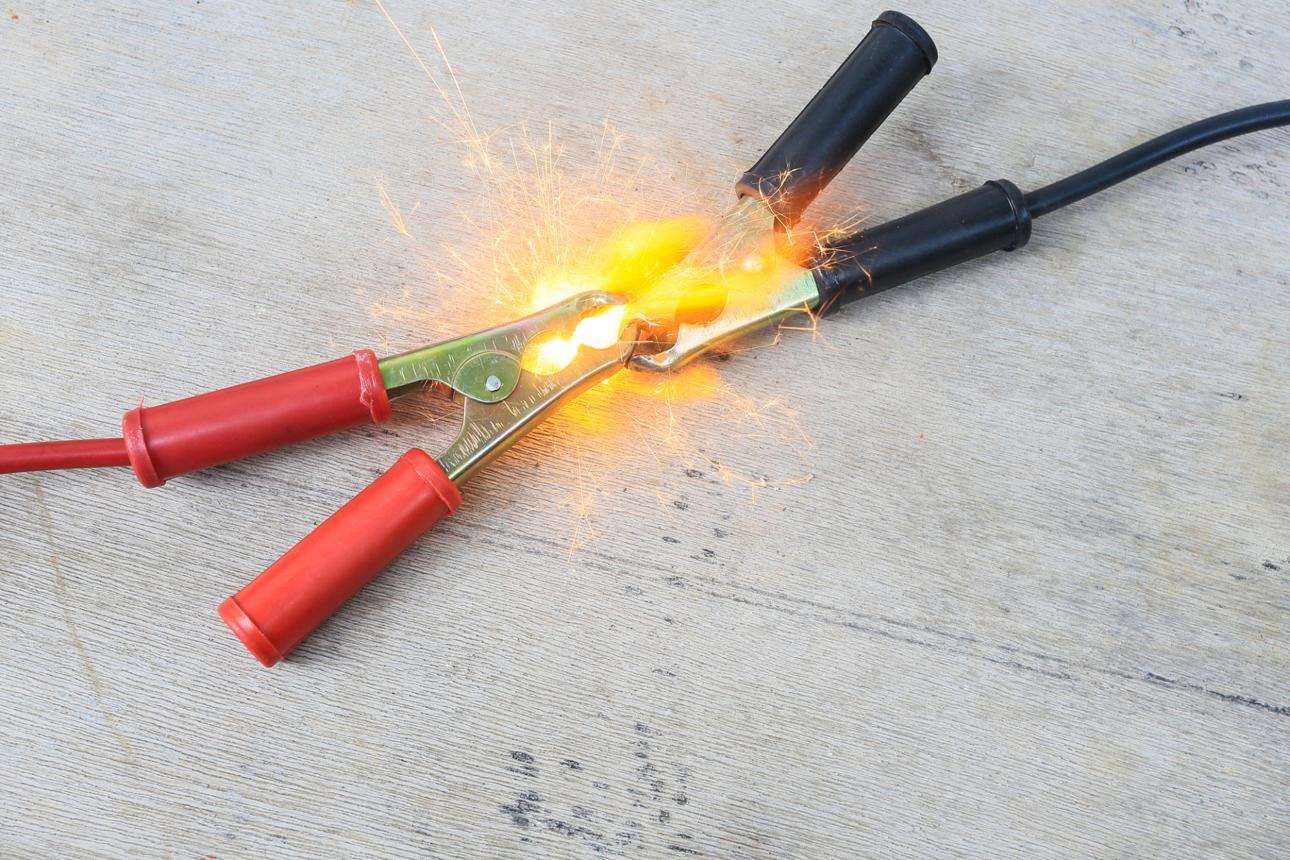
Jumper cable clamps may look like ordinary metal clips, but they carry electrical current once connected to a battery. Allowing the positive and negative clamps to touch each other can create a direct short circuit, producing dangerous sparks and intense heat within seconds.
This is one mistake that can turn an ordinary roadside repair into a serious safety incident. Consider what happens when both clamps meet while the cables are connected to a power source. Instead of transferring electricity through the intended circuit, the current takes an unintended path between the two clamps.
The resulting electrical discharge can burn your skin, damage the cable insulation, and create enough heat to harm nearby components. In certain circumstances, the sparks can also ignite flammable gases around a battery.
Fortunately, avoiding this problem does not require special equipment. Start by arranging the jumper cables carefully before making any connections. Keep the metal clamps separated, and make sure loose cable ends cannot fall against one another.
Connect each clamp individually, following the vehicle manufacturer’s recommended procedure. Never leave connected clamps dangling freely or toss them carelessly onto the engine compartment.
Their metal surfaces should remain away from each other and from unintended electrical contact points.
If a clamp slips or moves unexpectedly, do not grab the exposed metal without considering the electrical hazard. Keep your hands clear and stop the process safely before correcting the connection.
Good cable management might seem like a small detail, but it plays an important part in preventing accidental short circuits. A little attention can protect your hands, your vehicle, and anyone assisting you.
3. Connecting the Negative Clamp Directly to the Dead Battery
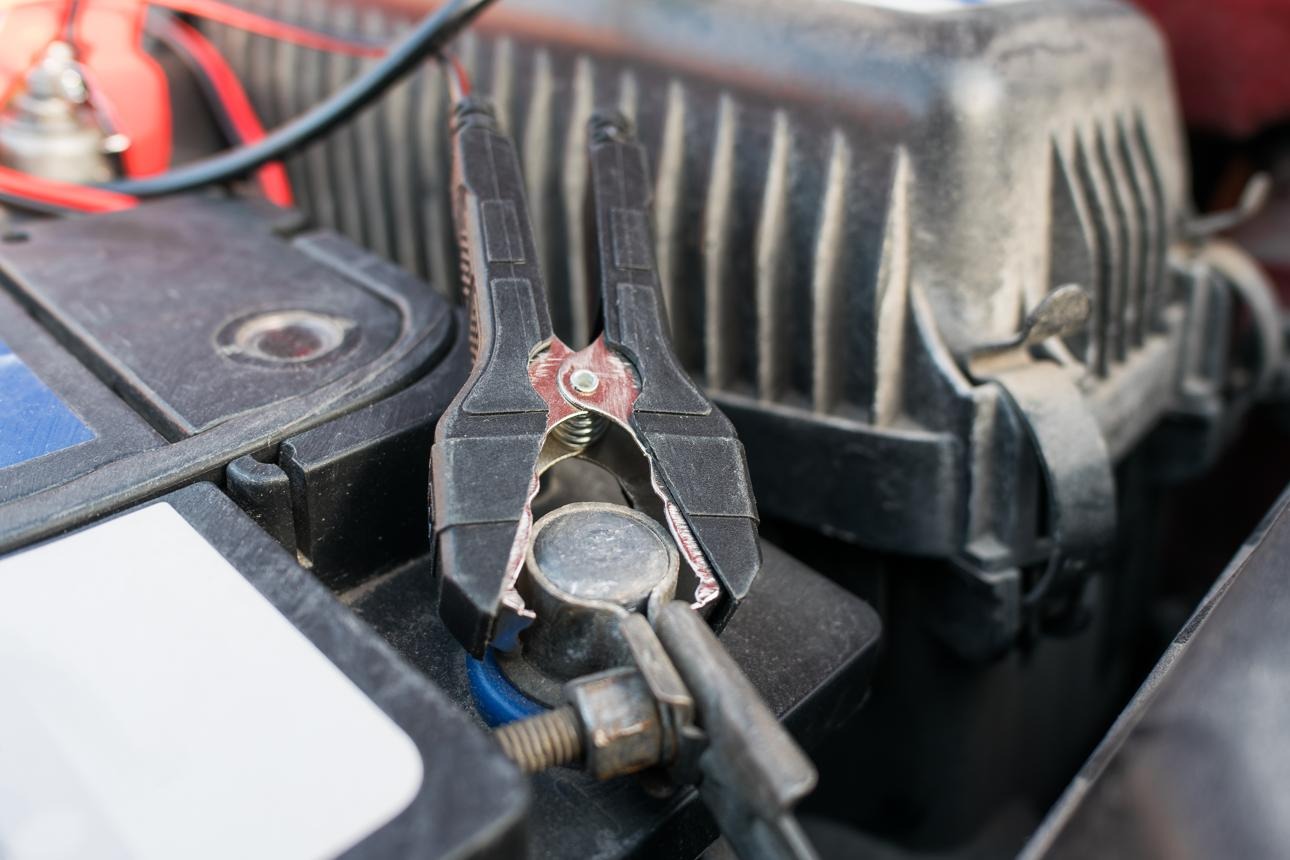
Attaching the final black jumper cable clamp directly to the negative terminal of a dead battery may seem like the most natural thing to do.
After all, both batteries have positive and negative terminals, so connecting them directly might appear logical. However, this approach can introduce an avoidable ignition hazard during the jump-starting process.
A lead-acid car battery can release hydrogen gas, particularly while charging. Hydrogen is highly flammable, and even a small spark can ignite it under the right conditions.
The final jumper cable connection may produce a spark, which is why making that connection close to the battery can be dangerous. A safer method is to connect the final negative clamp to an approved grounding point on the disabled vehicle.
This is usually a suitable section of bare, unpainted metal on the engine block or vehicle frame, positioned away from the battery. Some manufacturers also provide dedicated grounding points specifically for jump-starting.
Choosing the correct location matters. Painted or heavily corroded surfaces may prevent a reliable electrical connection, while unsuitable engine components can introduce additional hazards.
Never attach the clamp to fuel lines, moving parts, or random metal components simply because they are nearby. You should also consult the owner’s manual because different vehicles have different grounding requirements.
Hybrid vehicles and certain modern models may have specific jump-starting terminals that must be used. Although connecting directly to the negative battery post may seem quicker, following the manufacturer’s recommended grounding procedure helps keep potential sparks away from battery gases.
Those extra seconds are worth taking, especially when your safety is involved.
4. Jump-Starting a Damaged, Swollen, or Frozen Battery
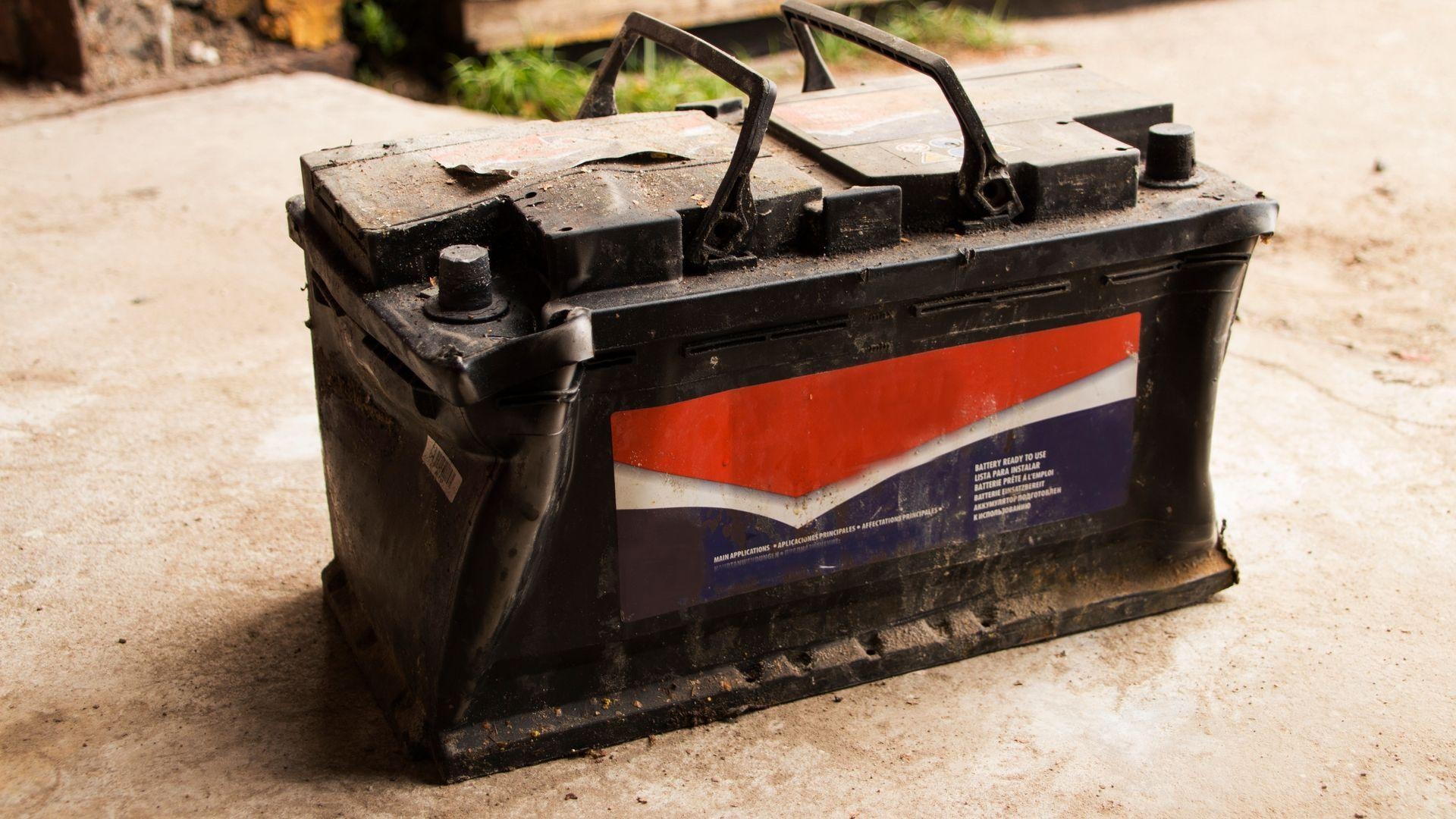
A dead battery does not automatically mean it is safe to jump-start. Sometimes, the battery itself has physical damage that makes connecting jumper cables a serious risk. Ignoring visible warning signs because you want to get the vehicle running can put you and anyone nearby in danger.
A cracked battery casing, leaking liquid, unusual swelling, or signs of freezing should immediately raise concerns. These conditions can indicate internal battery damage. Applying an electrical charge to a compromised battery may cause it to overheat, rupture, or explode.
Freezing is another condition drivers should take seriously. When a lead-acid battery becomes frozen, its internal components may be damaged, and charging it can create dangerous pressure. A battery that looks swollen may also have experienced excessive heat or internal gas buildup.
Take a close look at the battery before attempting any jump-start. Check for cracks, wet areas, bulging sides, corrosion, and other signs of physical deterioration. Do not touch leaking battery fluid with bare hands.
If you notice any of these warning signs, do not connect jumper cables. Arrange for a qualified technician to inspect the battery and determine whether it needs replacement.
Remember, getting a vehicle started is never worth risking a battery explosion or serious injury. A damaged battery requires proper attention, not an emergency charging attempt.
5. Using Cheap or Thin Jumper Cables
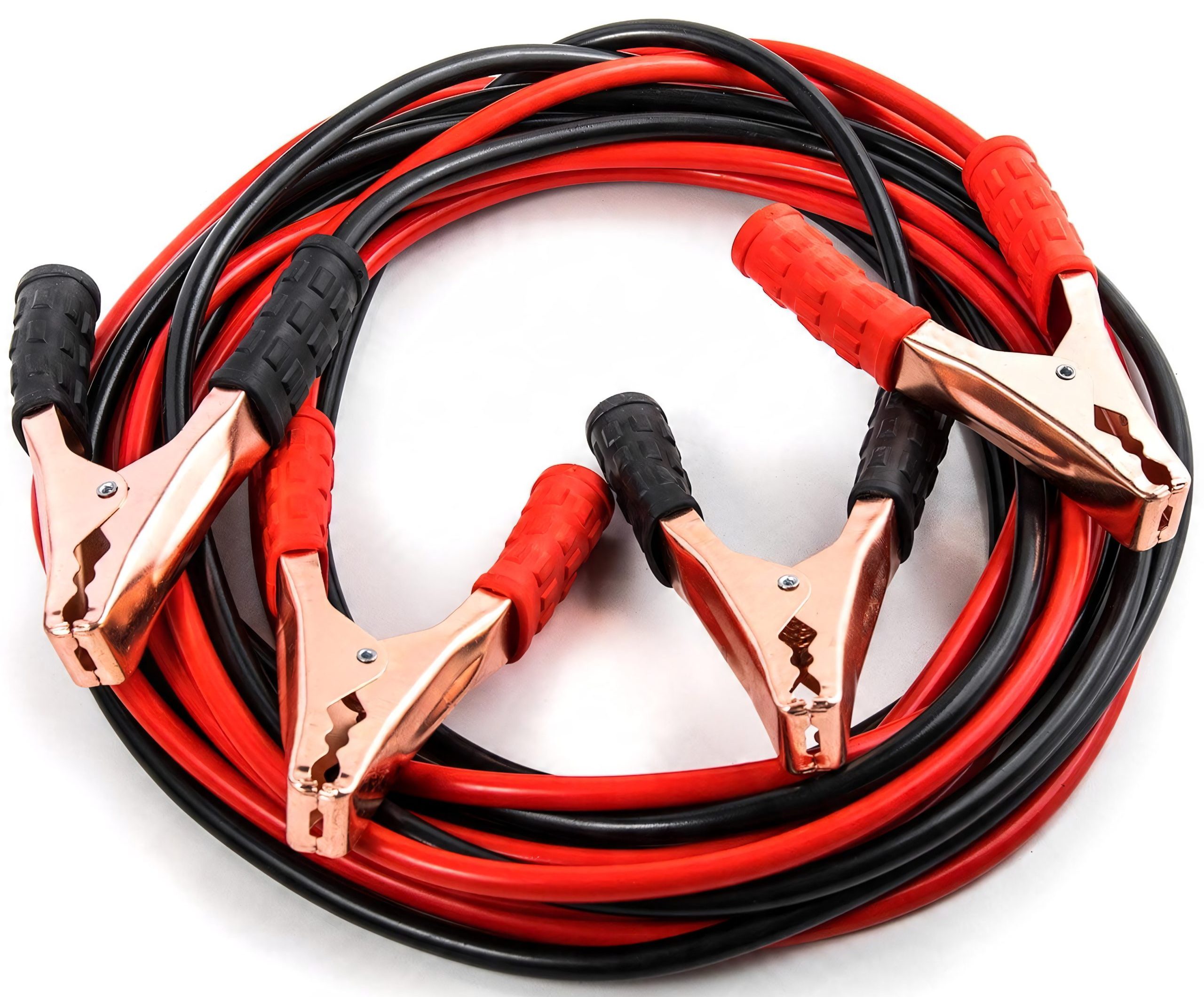
Not all jumper cables are made to handle the same amount of electrical current. Choosing a cable simply because it is inexpensive or readily available can leave you with equipment that performs poorly when you need it most.
Thin, low-quality jumper cables often have higher electrical resistance than properly sized cables. This resistance can cause excessive heat buildup as electricity passes through them. In some cases, the cables may become extremely hot, melt their insulation, or fail before they deliver enough current to start the disabled vehicle.
Cable thickness matters because starter motors require a large amount of electrical current. A cable that works for a small vehicle may not be suitable for a larger engine. Length also plays a part, since longer cables can experience greater electrical resistance.
When choosing jumper cables, check their wire gauge, current rating, length, insulation quality, and compatibility with your vehicle.
Lower American Wire Gauge (AWG) numbers generally indicate thicker conductors. Heavy-duty cables with strong insulation and well-made clamps are usually a better choice.
Do not judge cable quality by appearance alone. A thick-looking outer covering does not always mean the internal wiring is adequate.
It is worth spending a little more on dependable jumper cables that meet your vehicle manufacturer’s recommendations. Good equipment can make an emergency easier to manage and reduce the risk of overheating or failed connections.
6. Revving the Donor Car Aggressively
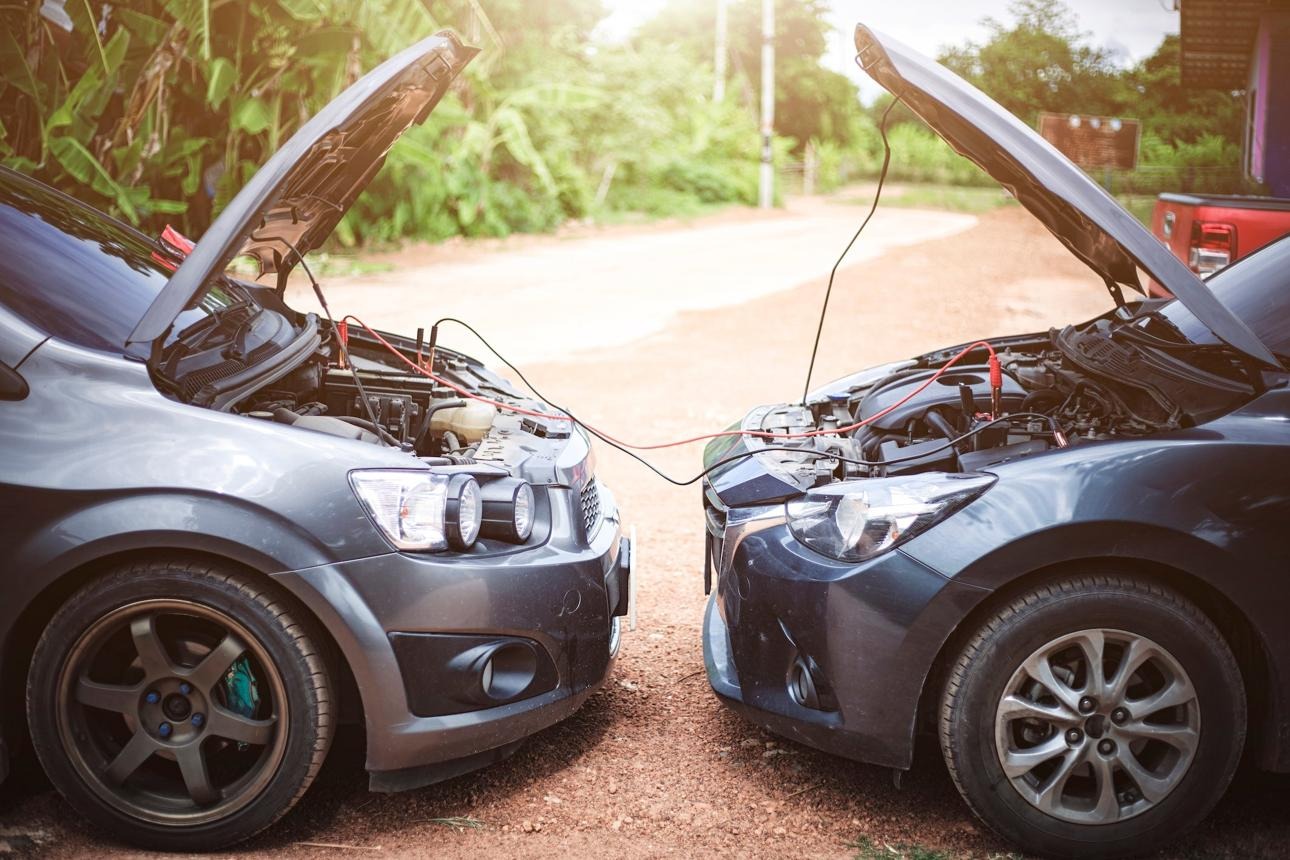
Once the jumper cables are connected, some drivers believe they need to press the accelerator hard to make the donor vehicle supply more electricity. This approach is unnecessary and can place additional stress on the electrical systems of both vehicles.
The donor car’s alternator generates electricity while its engine runs. However, aggressively increasing engine speed does not guarantee a better or safer jump-start. Modern vehicles have voltage regulators and electronic systems designed to manage electrical output within appropriate limits.
Repeatedly revving the engine to high speeds can create unnecessary strain, particularly if the vehicle is already experiencing mechanical or electrical problems. It may also encourage careless handling while someone is attempting to start the disabled car.
A better approach is to follow the manufacturer’s recommended jump-starting procedure. If the instructions call for the donor vehicle to remain running, allow it to idle normally unless the manufacturer specifies otherwise.
Avoid pressing the accelerator repeatedly or treating the process like a race. The goal is to provide the disabled battery with enough assistance to start the engine, not to force additional power through the cables.
If the vehicle does not start after a reasonable attempt, stop and reassess the situation. The problem may involve a faulty battery, damaged connections, a failing starter motor, or another electrical fault.
Patience and proper technique are more useful than aggressive acceleration.
7. Turning Off the Car Too Soon
Getting the engine running after a successful jump-start can feel like the hardest part is over. However, switching off the vehicle immediately afterward can leave you facing the same problem a short time later.
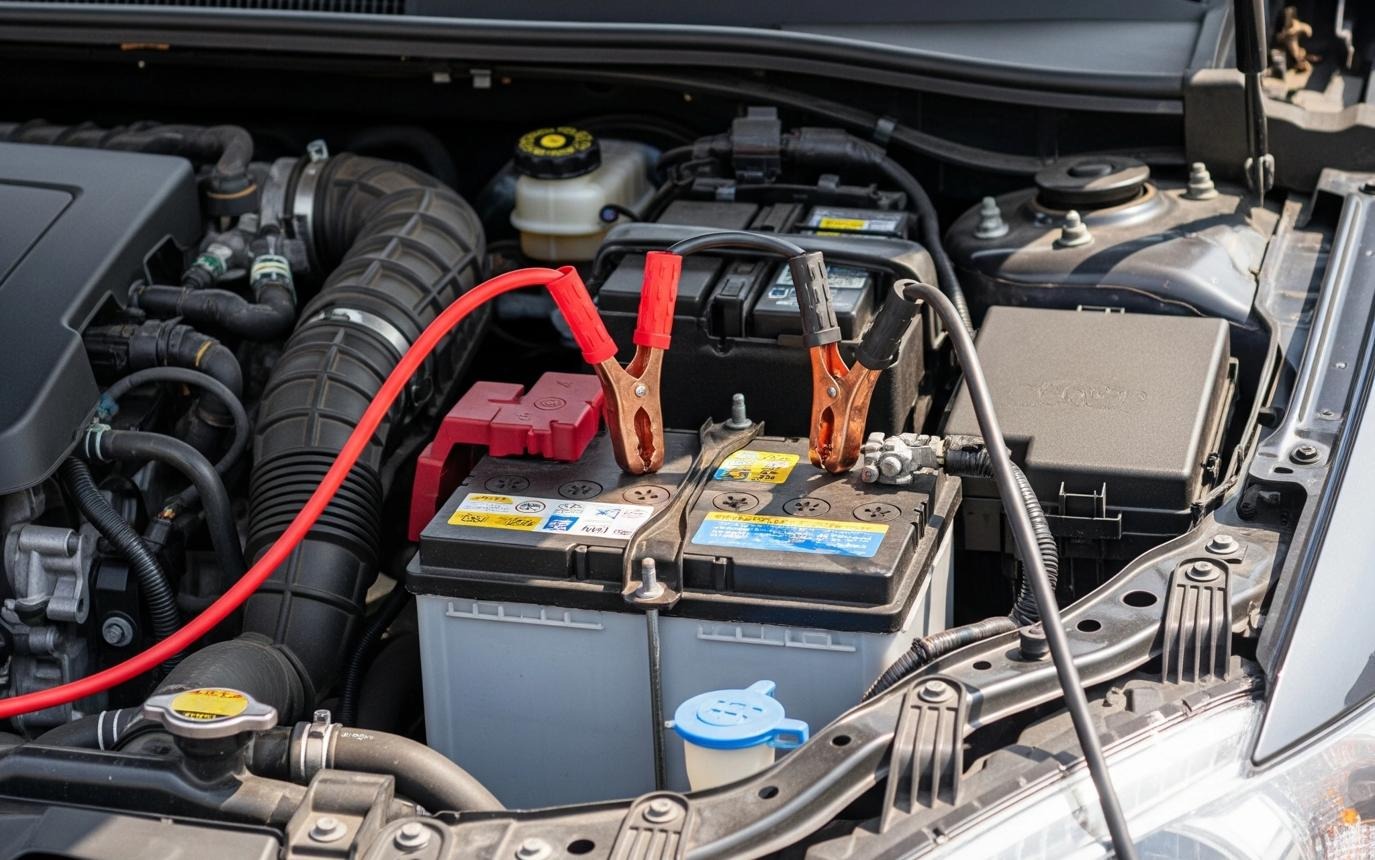
A jump-start provides enough electrical assistance to get the engine running, but it does not necessarily restore the discharged battery to a healthy charge level. Once the engine starts, the alternator begins supplying electricity to the vehicle and replenishing the battery.
If you turn off the engine immediately, the battery may not have received enough charging time to start the vehicle again. This is especially frustrating if you stop somewhere without access to another vehicle or a portable jump starter.
After a successful jump-start, allow the engine to run for approximately 15 to 30 minutes, or drive the vehicle when it is safe and practical to do so. Follow your manufacturer’s recommendations because charging behavior varies between vehicles.
Keep in mind that idling does not always recharge a deeply discharged battery completely. Some modern vehicles also use smart charging systems that regulate alternator output according to driving conditions.
If the battery repeatedly loses its charge, do not assume that another jump-start will solve the problem. The battery may be nearing the end of its service life, or the alternator or charging system may need attention.
Have the battery and charging system tested if the problem continues. A proper diagnosis can prevent repeated breakdowns and help you avoid unnecessary battery replacements.
Jump-starting a car is a useful skill, but doing it carelessly can create problems that extend far beyond a vehicle that refuses to start. Reversing cable polarity, allowing clamps to touch, choosing an unsafe grounding point, and attempting to charge a damaged battery can all put people and vehicles at risk.