
Your car can tell you when something is wrong long before a warning light appears on the dashboard. Sometimes, the first clue comes from an unusual smell that suddenly fills the cabin or becomes noticeable when you open the hood. While certain odors may disappear quickly, others can point to mechanical problems that require immediate attention.
Ignoring them could lead to expensive repairs, poor vehicle performance, or even a safety hazard. From the smell of rotten eggs to the unpleasant scent of burning oil, each odor can reveal something about your vehicle’s condition. Learning to recognize these smells makes it easier to respond before a minor issue becomes a serious problem. Here are six strange car smells you should never ignore and what they could mean.
1. Rotten Eggs or Sulfur
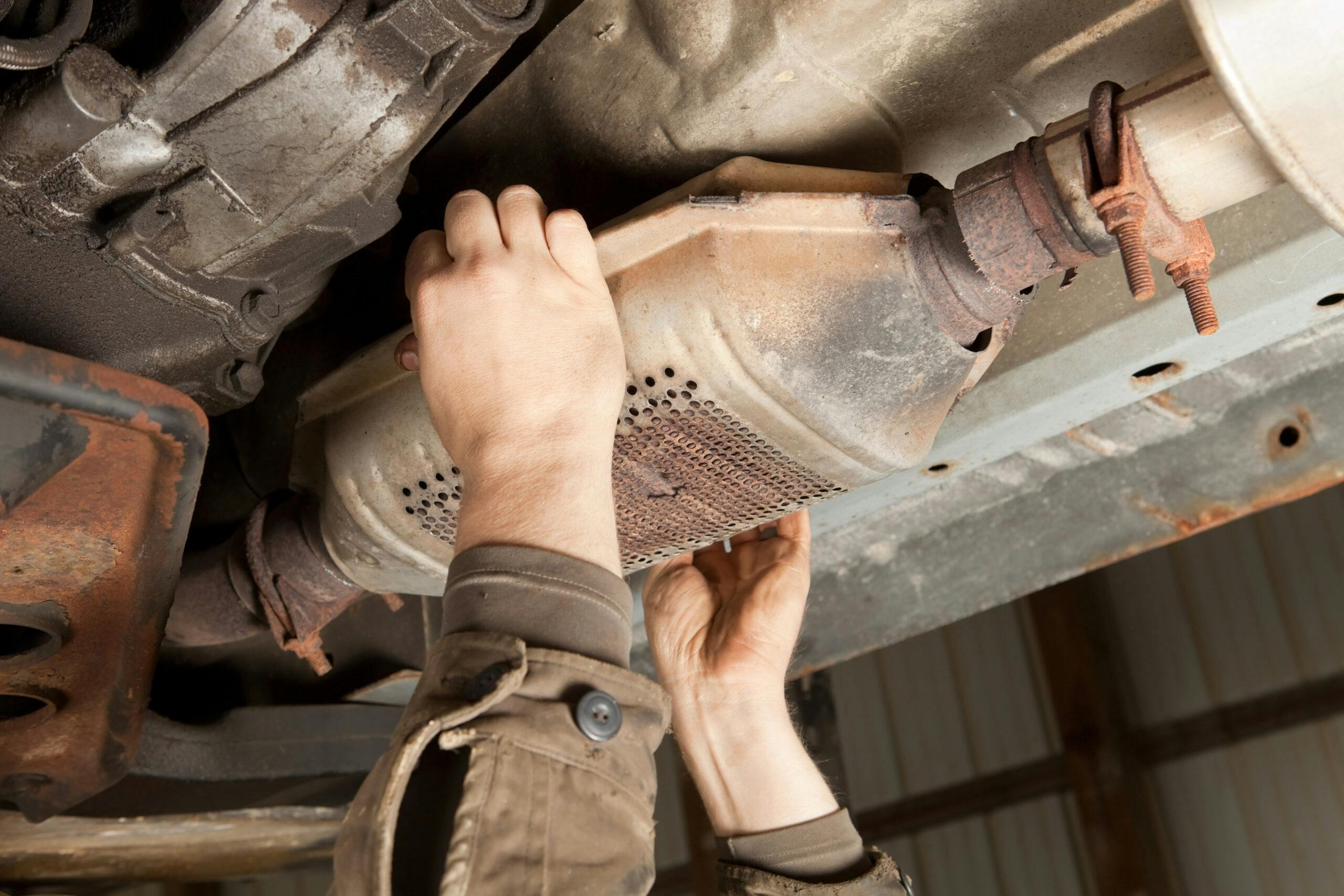
A rotten egg smell coming from your car is more than an unpleasant experience. It can indicate a problem with the catalytic converter, fuel system, or battery charging system. This odor is commonly associated with hydrogen sulfide, a gas that has a strong sulfur-like smell.
Your catalytic converter helps reduce harmful emissions by processing gases produced during combustion. When it works properly, it converts certain harmful compounds into less dangerous substances.
However, a failing or damaged catalytic converter may struggle to process hydrogen sulfide effectively, allowing the unpleasant smell to become noticeable around the vehicle.
Fuel injection problems can also contribute to this odor. If the engine receives too much fuel, incomplete combustion may cause excess sulfur-containing compounds to reach the exhaust system.
A faulty fuel pressure regulator, leaking injector, or malfunctioning oxygen sensor could contribute to this condition.
Another possible cause is an overcharging battery. Excessive charging can cause battery electrolyte to overheat and release gases with an unpleasant sulfur-like odor.
Do not ignore this smell, particularly if it becomes stronger while driving or is accompanied by poor engine performance. If you suspect a battery problem, avoid touching it or attempting repairs without proper knowledge.
Have a qualified mechanic inspect the charging system, fuel delivery components, and catalytic converter. If the smell is strong inside the cabin, stop driving somewhere safe and arrange professional assistance.
2. Sweet Maple Syrup
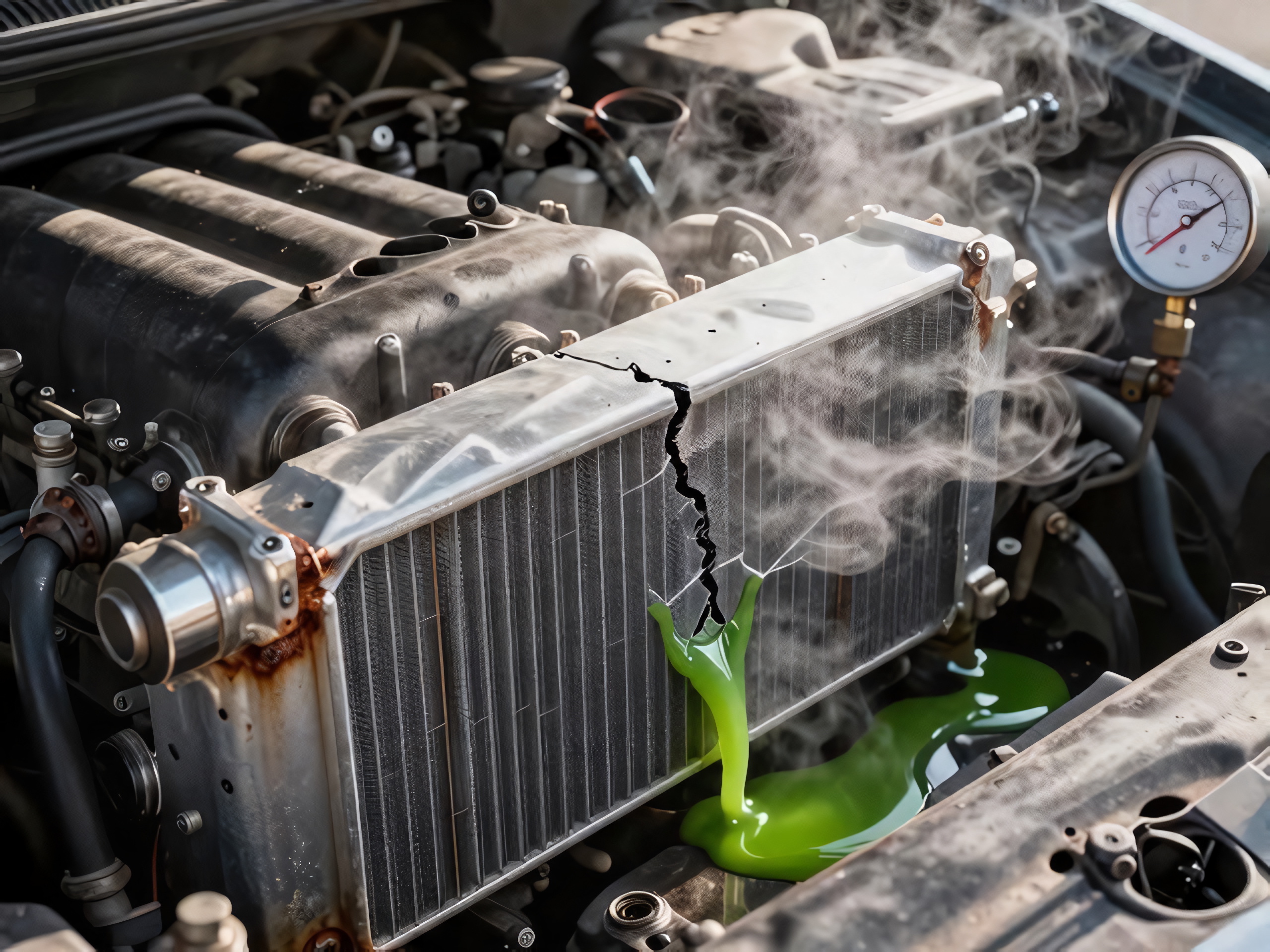
Not every unusual car smell is unpleasant. Sometimes, the odor that catches your attention resembles sweet maple syrup, caramel, or butterscotch. Although it may seem harmless, this sugary smell can indicate a coolant leak that needs attention.
Engine coolant usually contains ethylene glycol, a chemical that has a sweet odor. Its job is to regulate engine temperature by absorbing excess heat and carrying it through the cooling system.
When coolant escapes from a damaged component, its smell may become noticeable inside the cabin or around the engine compartment.
Several parts can be responsible for the leak. A cracked radiator, loose hose connection, damaged water pump, or leaking heater core can allow coolant to escape.
The location of the smell may provide a useful clue. For instance, a sweet odor inside the cabin could point to a leaking heater core, particularly when accompanied by foggy windows or damp carpeting.
Pay attention to your temperature gauge, too. A coolant leak can reduce the amount of fluid available to regulate engine temperature, increasing the risk of overheating. You might also notice a puddle beneath the vehicle or steam coming from under the hood.
Do not open the radiator cap while the engine is hot. The cooling system can remain pressurized and release scalding coolant when opened. Allow the engine to cool before checking the coolant reservoir.
If the temperature rises above its normal range, pull over safely and switch off the engine. Have the cooling system inspected before continuing your journey.
3. Gasoline / Raw Fuel
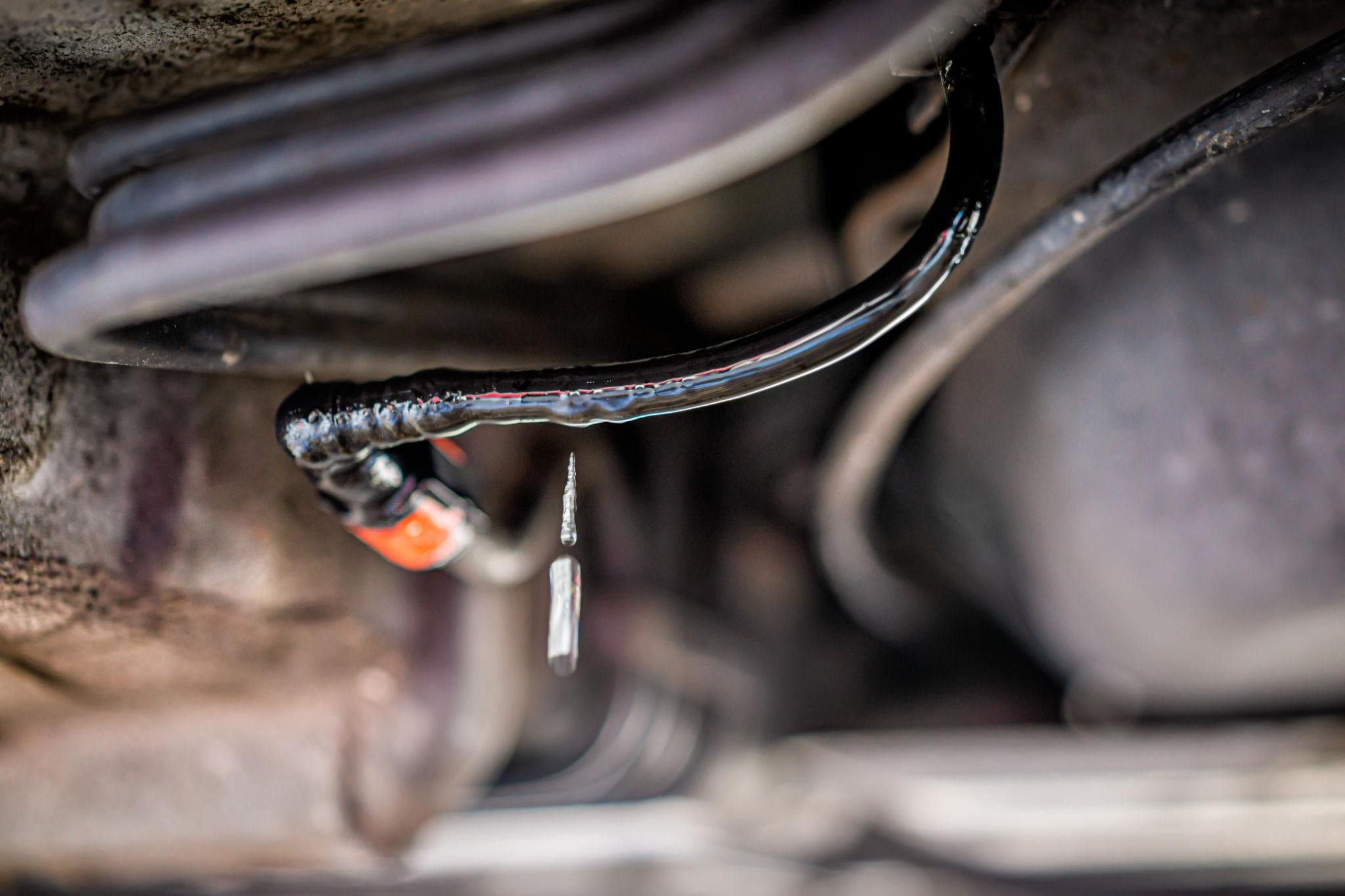
Smelling gas when you’re nowhere near a pump should make you stop and think. It’s a warning, and a serious one. Raw fuel odor can come from a leaking fuel injection line, a cracked tank vent hose, or even a loose gas cap.
Start by checking the gas cap, since it is usually the simplest issue to address. Tighten it until you hear it click, then check whether the fuel smell goes away. If the odor persists, however, the problem may be more serious. A fuel leak poses a significant fire risk, particularly when gasoline comes into contact with hot engine components or nearby sparks.
Don’t smoke, don’t idle in a closed garage, and don’t keep driving for days hoping it clears up. Park somewhere safe and look for drips or wet spots beneath the car.
If you see a puddle or the odor is strong, call for a tow rather than risking a drive. Some repairs look expensive, yet none costs as much as a fire.
4. Burning Carpet
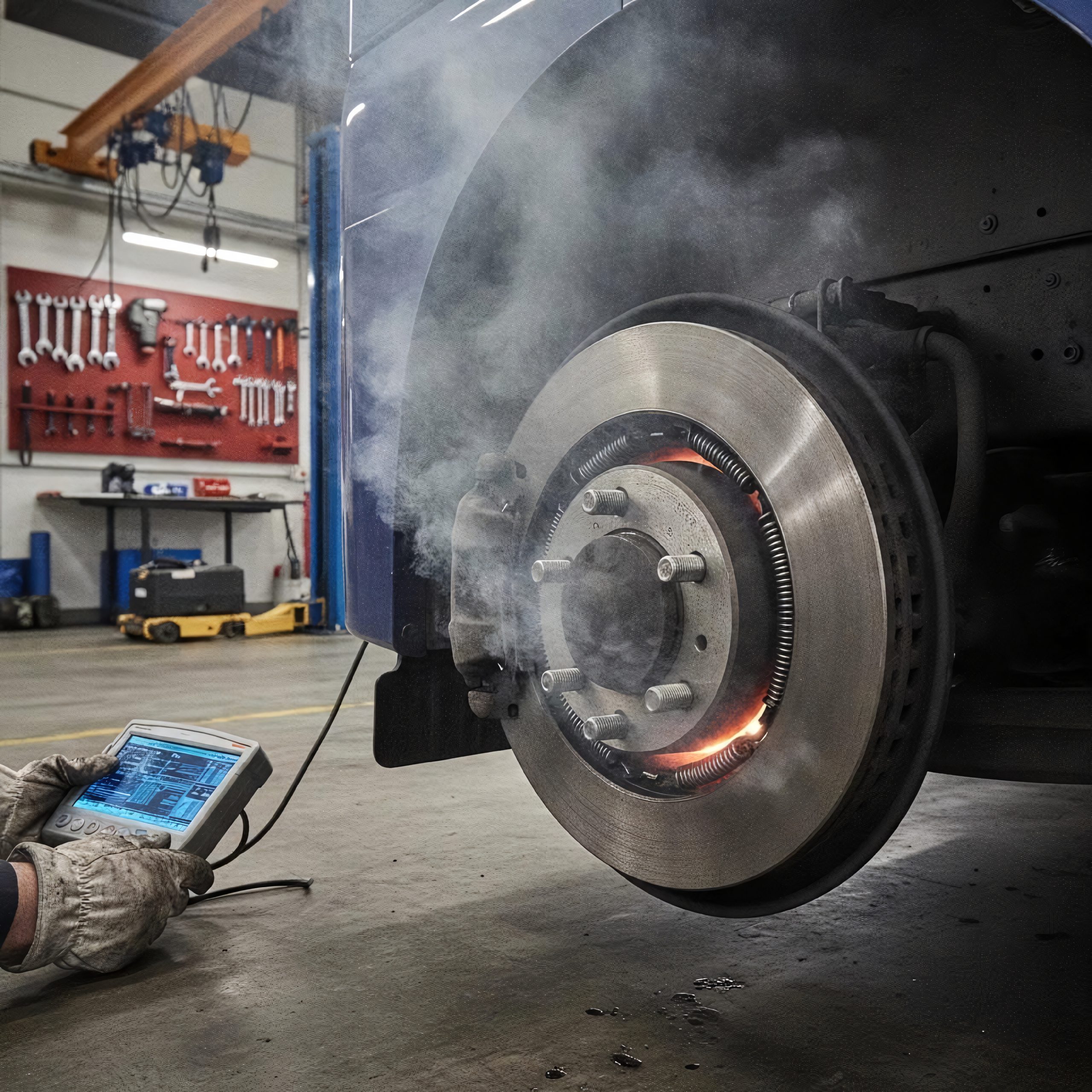
A burning carpet smell inside your car can be confusing, especially when there is no visible smoke or obvious source of heat. However, this odor may indicate that your braking system is overheating.
Since brakes are essential for controlling and stopping your vehicle, this is a warning you should take seriously. Brake pads create friction against the rotors whenever you apply the brakes.
This friction produces heat, which is normal during regular operation. However, excessive heat can develop when the brakes are used too aggressively, particularly during repeated hard stops or long downhill drives.
A partially engaged parking brake is another possible cause. If the handbrake is not fully released, the braking components may remain in contact and generate continuous friction. This can produce a strong burning smell, especially after driving for some distance.
A stuck brake caliper piston can also prevent the brake pads from releasing properly. When this happens, the affected brake may remain partially engaged even when your foot is off the pedal.
You might notice unusual heat around one wheel, reduced fuel efficiency, or the vehicle pulling to one side. Never assume that the smell will disappear simply because you have stopped pressing the brake pedal.
Pull over somewhere safe and allow the brakes to cool naturally. Avoid touching the wheels or braking components because they may be extremely hot.
If the odor continues, the vehicle pulls to one side, or braking performance changes, arrange a professional inspection. Do not pour water on hot brakes, as sudden temperature changes can damage components.
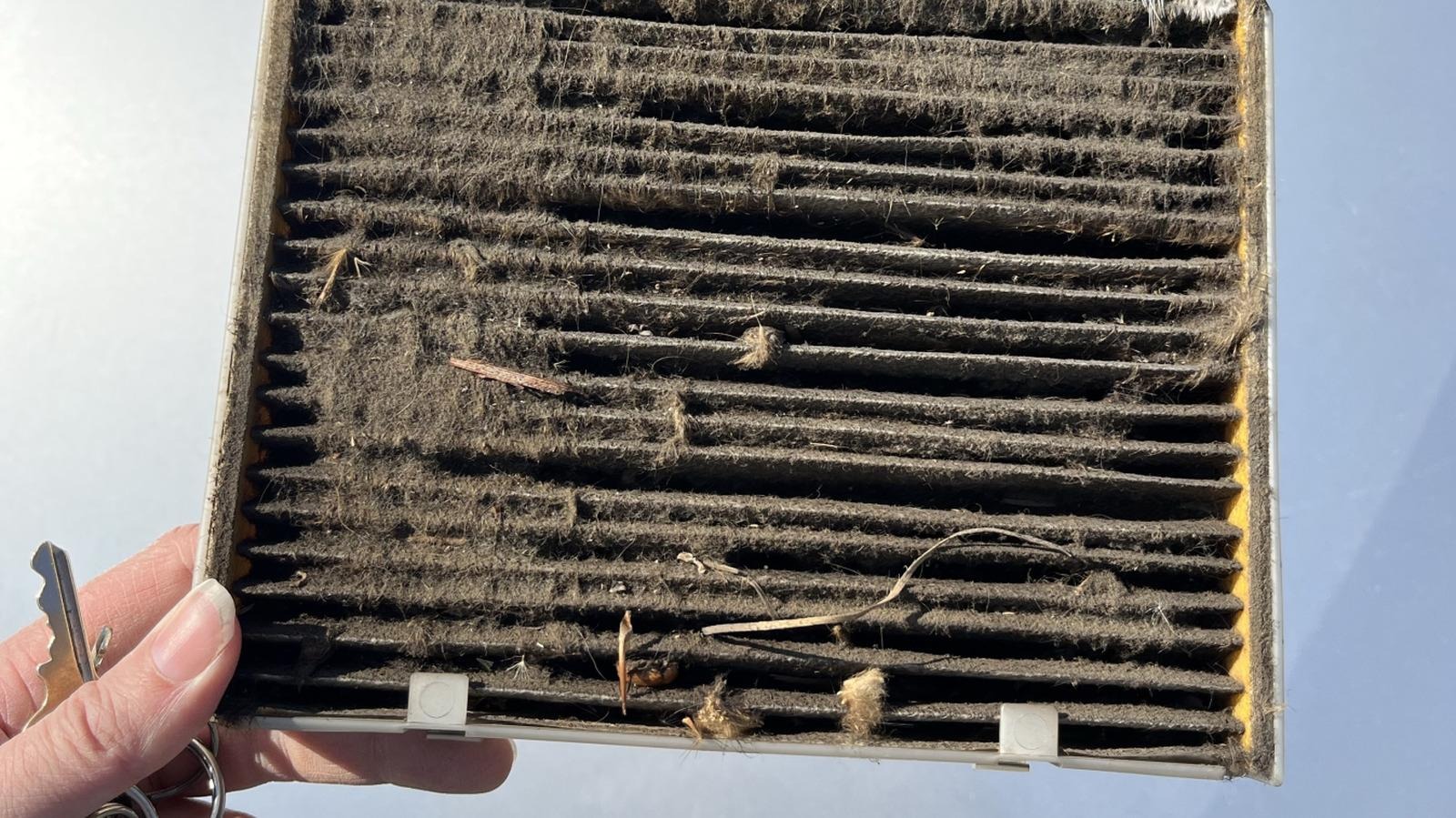
5. Musty or Gym Locker Room Odor
Turn on the air conditioner and get hit with the scent of an old gym bag. Gross, but fixable. A damp, moldy smell usually means mold or mildew has built up in the A/C evaporator or condenser.
Another common cause is a dirty cabin air filter that has trapped moisture. Both create a comfortable home for funky growth, and every blast of air spreads it right to your face. This isn’t only unpleasant.
Those with allergies or asthma may experience symptoms such as sneezing, coughing, and eye irritation. A good first step is to replace the cabin air filter, a simple task that typically takes around ten minutes and requires only a small expense.
Then try running the fan for a minute or two before you shut off the engine, since drying the system helps prevent new growth. If the odor sticks around, a professional A/C cleaning can clear the vents and the evaporator.
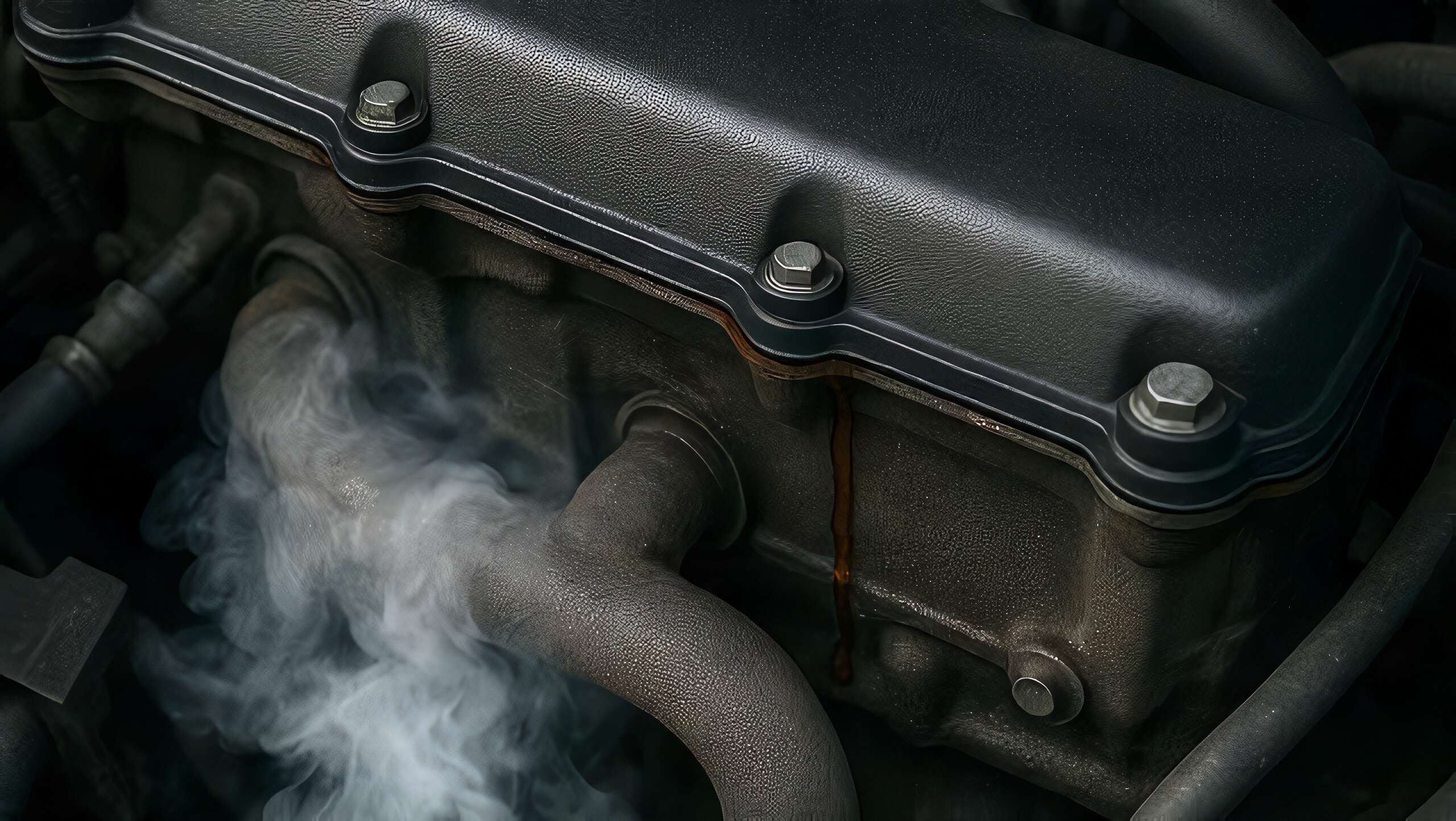
6. Burning Oil
Hot oil has a sharp, heavy smell that’s hard to miss, especially when you stop after a drive. It typically means engine oil is leaking onto a hot part, such as the exhaust manifold, where it burns off and sends up smoke.
Another possibility is that your oil level has dropped dangerously low. Check the dipstick as soon as the engine cools. If the level sits below the mark, add the right oil and keep a close watch on it.
Low oil can cause serious engine damage, sometimes within a short time. Look for dark stains on your driveway, wet spots around the valve cover, or blue-gray smoke from the hood.
A leaking gasket or loose oil filter may be the cause, and both are often affordable to repair when caught early. Waiting turns a modest fix into an expensive one, so don’t delay.
A strange smell inside or around your car should never be dismissed without a second thought. Whether it resembles rotten eggs, sweet syrup, gasoline, burning carpet, damp clothing, or hot oil, each odor can provide an early warning about a developing mechanical problem.
Paying attention to these signs can help you identify trouble before it leads to expensive repairs or puts your safety at risk.
When an odor is strong, persistent, or accompanied by smoke, warning lights, or unusual vehicle behavior, stop somewhere safe and seek professional help. A quick inspection today could save you from a much bigger repair tomorrow.