
Trading in your car can make upgrading to another vehicle easier, but the amount a dealership offers may not match what you expected. Even if your car looks attractive at first glance, certain problems can reduce its value during an appraisal. Dealers consider several factors, including the vehicle’s condition, mileage, repair history, and demand among potential buyers.
A few issues that seem minor to you may represent additional expenses or resale risks for the dealership. The good news is that understanding what affects your car’s trade-in value gives you an opportunity to address some problems before visiting a dealer. From accident records to aftermarket modifications, here are six common things that can reduce your vehicle’s trade-in offer.

1. Accident History and Structural Damage
A car’s accident history can have a major effect on how much a dealership is willing to offer. Even when a vehicle looks perfectly fine after repairs, its previous damage may appear on a vehicle history report.
Dealerships typically examine these records because past accidents can affect resale demand, safety concerns, and future repair expenses.
Not every accident automatically ruins a car’s trade-in value. Minor incidents involving scratches, dents, or replaced exterior panels may have a limited effect, especially when repairs were completed professionally.
However, serious collisions involving the frame, suspension, airbags, or other structural components can make a vehicle much less attractive to potential buyers.
A salvage title can create an even bigger problem. This designation generally means an insurance company previously declared the vehicle a total loss. Even if someone has repaired it and returned it to the road, many dealerships will be cautious about accepting it.
Depending on the severity of the damage, title status, and local market conditions, accident history can reduce a vehicle’s value by 20% to 30% or more.
Before requesting an appraisal, gather documentation showing the repairs completed after an accident. Professional repair invoices and inspection reports can help establish the vehicle’s current condition.
Never hide previous damage or attempt to misrepresent the car’s history. Honest documentation gives the dealership a clearer picture of what it is evaluating.
2. High Mileage and Excessive Wear
Mileage is one of the first things a dealership checks when evaluating a used vehicle. A car with fewer miles on its odometer will generally attract more interest than an identical model with substantially higher mileage, assuming both have similar maintenance histories and conditions.
Why does mileage matter so much? Every mile adds another opportunity for components to experience wear.
Engine parts, suspension components, transmission systems, wheel bearings, and other mechanical systems can require attention as a vehicle accumulates miles. A dealership considers these potential expenses when calculating its offer.
However, the odometer does not tell the entire story. A vehicle with higher mileage that has received consistent maintenance may be in better condition than a low-mileage car that has been neglected. This is why service history and physical condition also matter during an appraisal.
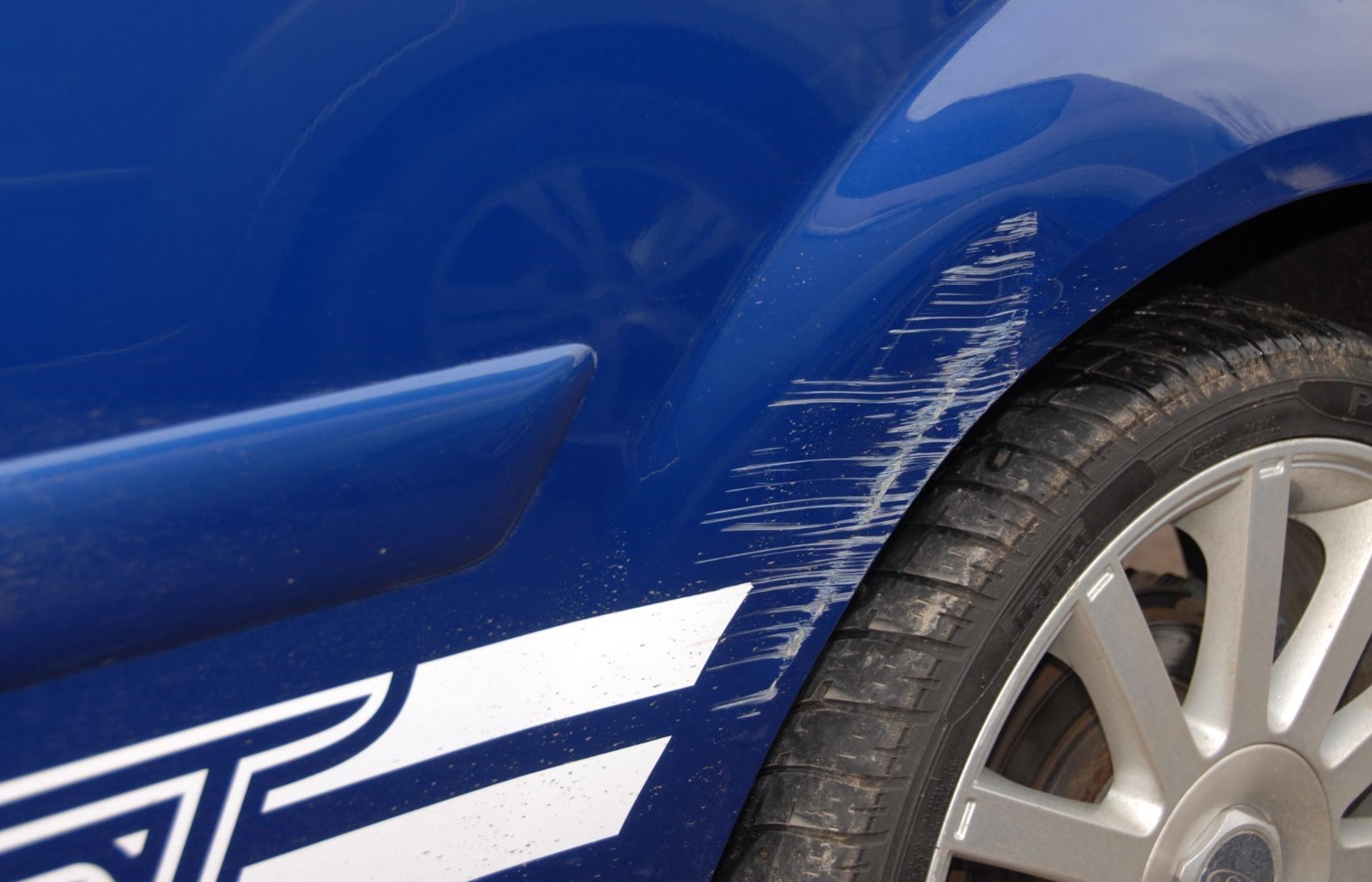
Excessive interior and exterior wear can make the problem worse. Torn seats, damaged carpets, scratched dashboards, worn steering wheels, and faded paint can suggest heavy daily use. Even if the vehicle runs properly, these cosmetic problems may require additional work before resale.
You cannot reverse the miles already recorded on your odometer, but you can limit unnecessary wear. Keep the interior clean, address minor cosmetic damage, maintain proper tire pressure, and follow the recommended service schedule.
If you have receipts showing recent maintenance or replacement of major components, bring them along. Evidence of responsible ownership can help reassure the appraiser that the vehicle has received proper care despite its mileage.
3. Rust and Body Deterioration
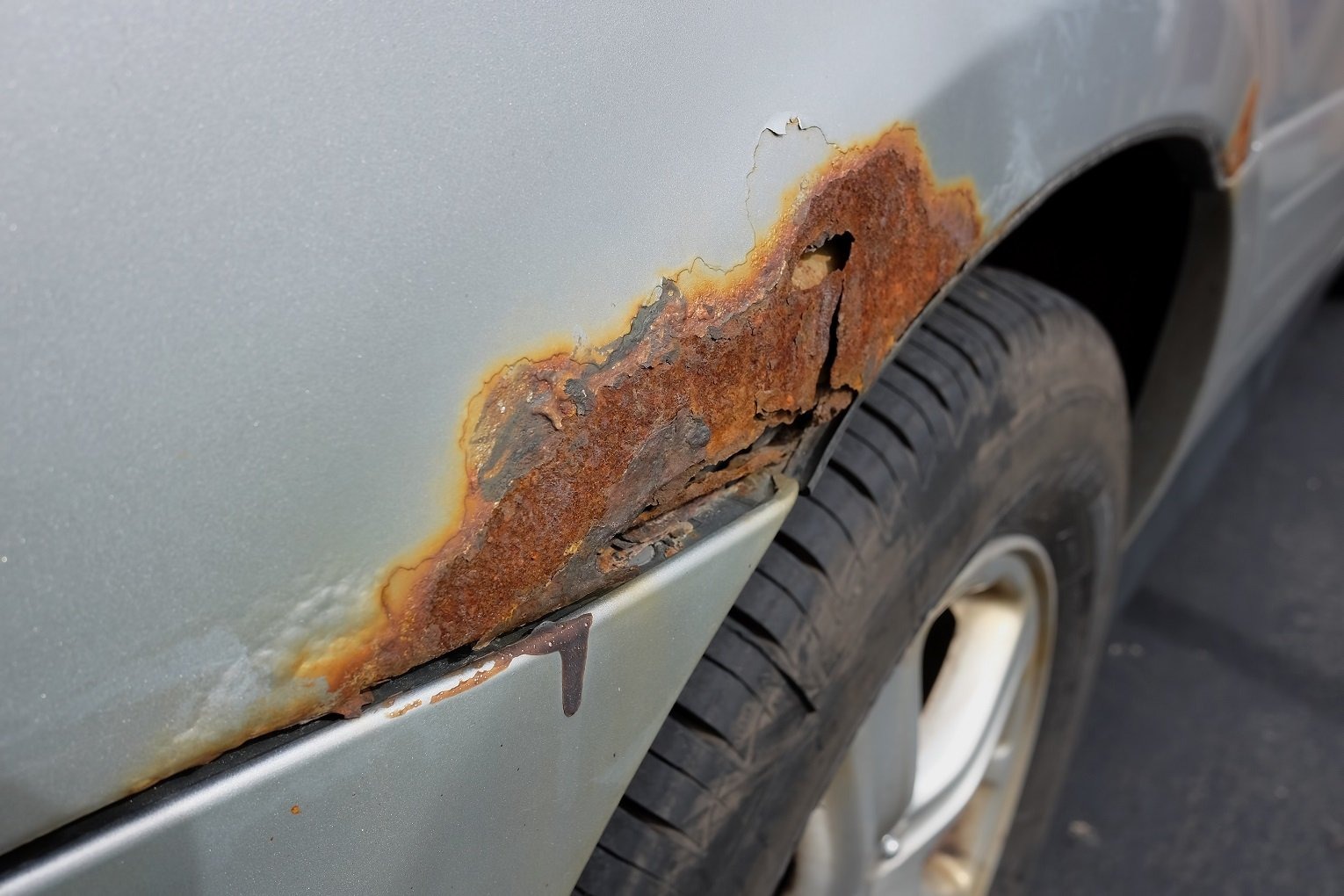
Rust is a red flag that appraisers spot from across the lot. Whether it’s structural or cosmetic, rust on the undercarriage, brake lines, or body panels signals deep neglect and high repair costs, and that drags the price down quickly.
Surface bubbles on a fender may look minor, but they often hint at corrosion spreading underneath. Brake lines are a special worry because rust there affects safety.
Washing your car regularly, especially after winter road salt, slows the process. Waxing helps protect paint, and touching up chips early stops moisture from creeping in.
If you spot rust starting, a small repair now beats a big discount later. Ask a body shop for a quote, then compare it with what the dealer might deduct.
Sometimes fixing it yourself pays off, and sometimes it doesn’t. Either way, knowing the numbers helps you negotiate with confidence.
4. Dashboard Warning Lights and Mechanical Issues
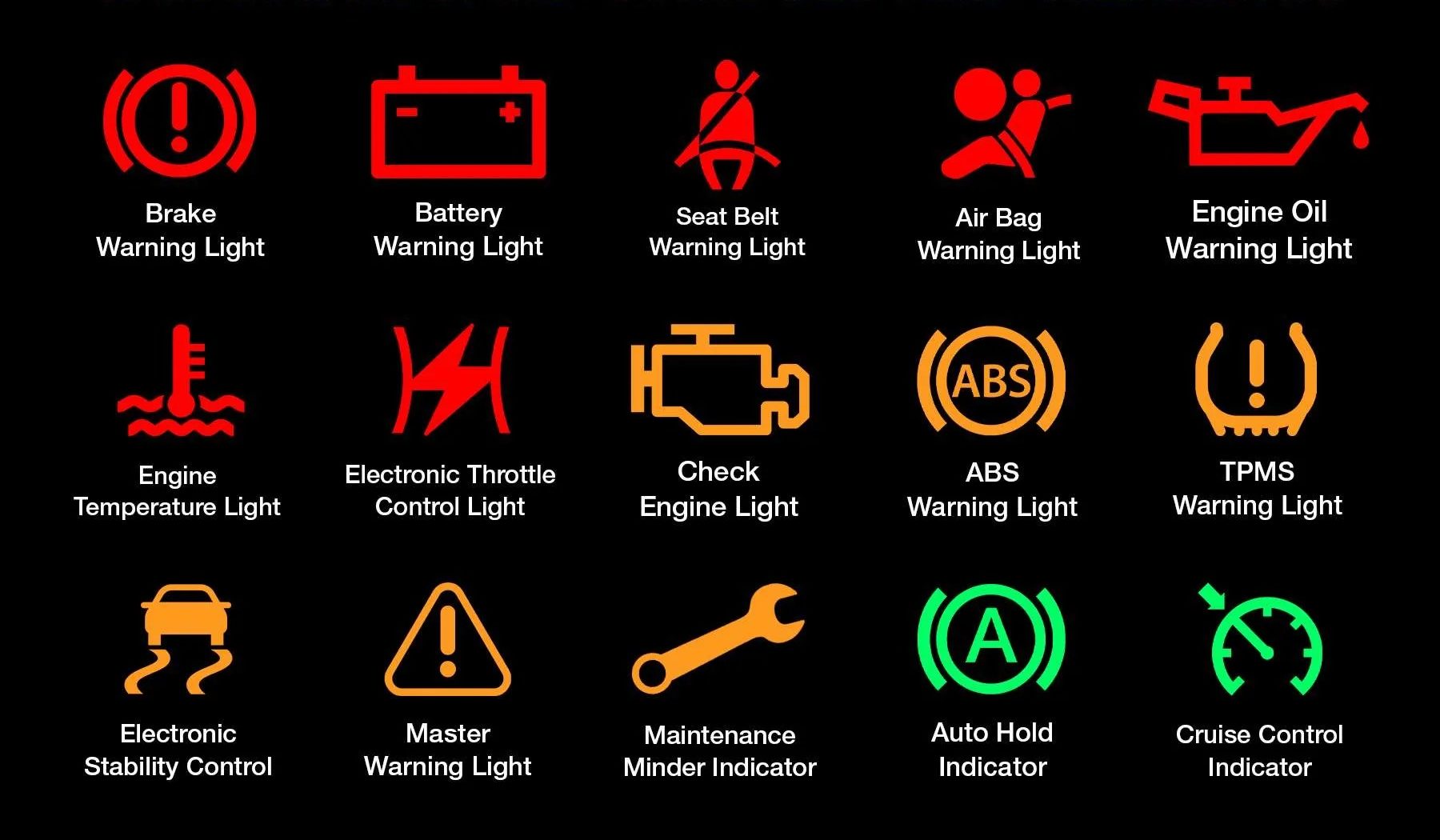
A dashboard warning light can change a dealership’s opinion of your vehicle within seconds. Even if the engine starts normally and the car seems to drive well, an illuminated warning light tells an appraiser that something may need further investigation.
The check engine light is a common example. It can indicate anything from a loose gas cap to a problem involving the oxygen sensor, ignition system, fuel delivery, or emissions equipment.
Some causes are inexpensive to fix, while others may require costly diagnostic work and replacement parts. Other warning lights can also affect your trade-in offer.
An illuminated ABS light may indicate a problem with the anti-lock braking system, while an airbag warning could suggest an issue with the supplemental restraint system. These are concerns that dealerships cannot simply ignore.
Physical mechanical problems add another layer of expense. Bald tires, worn brake pads, unusual engine noises, transmission problems, fluid leaks, and faulty suspension components can all reduce the amount a dealer is prepared to pay.
Before scheduling an appraisal, have a mechanic inspect the vehicle and identify any unresolved problems. Obtain a repair estimate so you can decide whether fixing an issue makes financial sense.
Minor repairs may cost less than the reduction a dealership would otherwise make to its offer. Never remove a warning light or disconnect a sensor simply to make the dashboard appear clear.
Such actions do not repair the underlying fault and can create additional problems during the inspection. A properly functioning vehicle with documented repairs is much easier to evaluate.
5. Missing Maintenance Records
Receipts feel boring until they’re worth real money. Skipping scheduled oil changes or failing to keep service records makes it impossible to prove how well the car was cared for, and that lowers confidence for buyers and dealers alike.
A thick folder of receipts says you took care of business. An empty glovebox says maybe you didn’t. Start gathering paperwork now. Call the shops you’ve used and ask for copies of past invoices, since many keep digital records.
Check your email and bank statements for payments to service centers. Going forward, store receipts in one folder, or snap photos and save them in a labeled album on your phone.
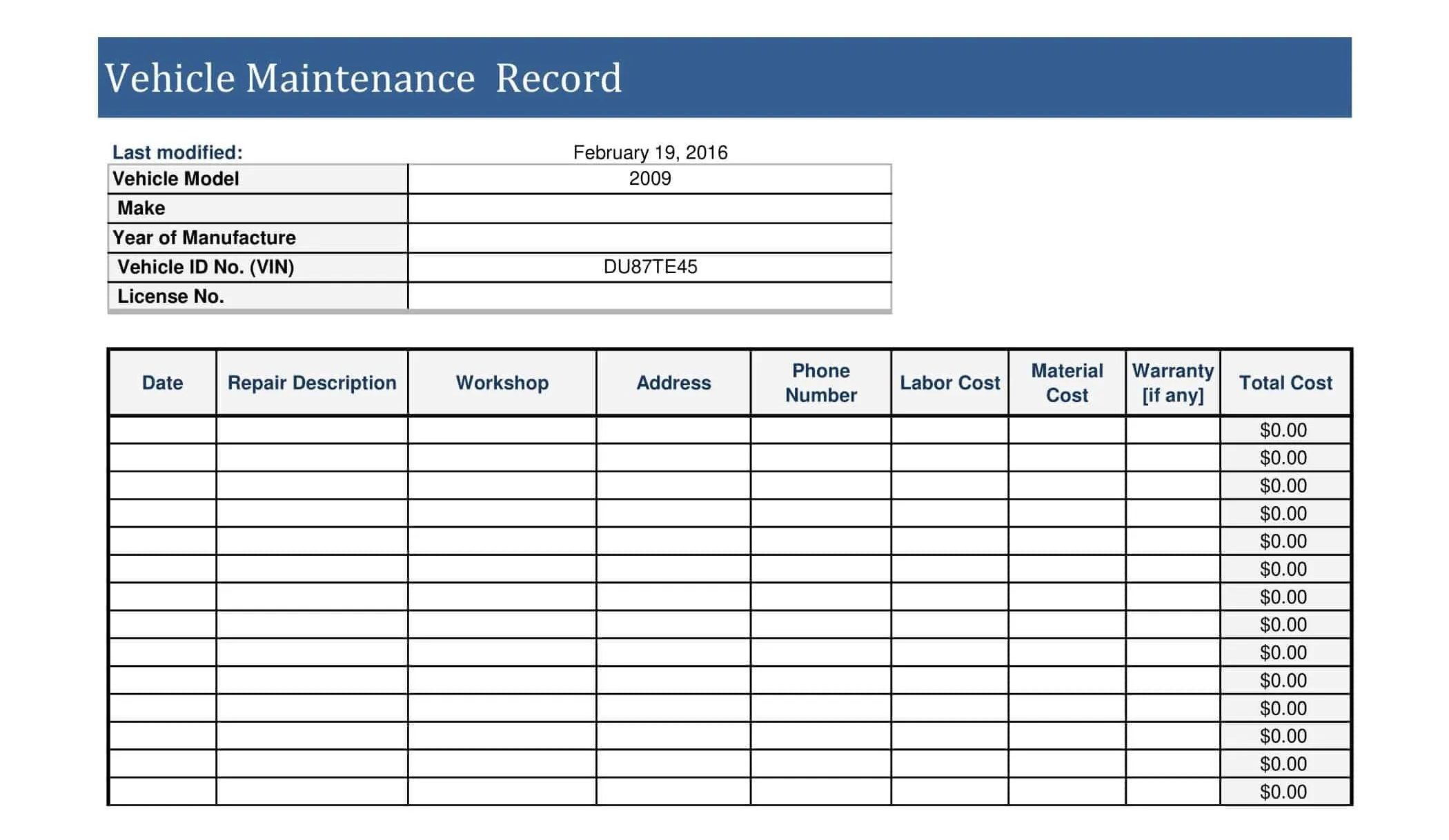
Follow the schedule in your owner’s manual, because consistent upkeep is the best insurance for resale value. Even a simple spreadsheet listing dates, mileage, and services can help. When you walk in organized, appraisers tend to take you more seriously.

6. Aftermarket Modifications
Your custom build may be your pride and joy, but dealers see it differently. Lift kits, performance tuning, loud exhausts, and non-factory electronics narrow the pool of potential buyers, and that causes many dealerships to lower their offers.
A trade-in has to appeal to the average customer, and heavy personalization rarely does. Modifications can also raise worries about warranty problems, extra wear, or poor installation.
If you still have the original parts, put them back before you trade. Reinstalling a stock exhaust or removing a bolt-on accessory may take an afternoon and earn you a stronger offer.
If the changes are permanent, consider selling the car privately to an enthusiast who values them. Those buyers often pay more than a dealer ever would.
Keep receipts for quality parts and professional installation, since they show the work was done right. Next time, think about resale before you modify, because the cheapest upgrade is the one you never need to undo.
Getting a good trade-in offer starts long before you visit the dealership. Accident history, high mileage, rust, warning lights, missing maintenance records, and aftermarket modifications can all influence what your vehicle is worth.
While some factors cannot be changed, others can be addressed through proper maintenance, minor repairs, and better documentation. Take time to inspect your car, gather its service records, and compare repair costs with the potential improvement in its trade-in value.
A little preparation can help you avoid unnecessary deductions and put you in a better position when negotiating your next vehicle purchase.