Facebook Marketplace makes it easy to find used cars, compare prices, and communicate with sellers without leaving home. However, not every listing is genuine, and not every person offering a vehicle has good intentions.
Scammers use attractive prices, emotional stories, fake payment confirmations, and convincing websites to trick unsuspecting buyers and sellers. Some disappear after collecting a deposit, while others attempt to sell stolen vehicles or obtain sensitive financial information.
Whether you are purchasing your first car or selling an old vehicle, knowing how these schemes work can help you avoid losing money. Before agreeing to a deal, take time to verify the vehicle, inspect the paperwork, and confirm every payment. Here are six Facebook Marketplace car scams you should recognize before making a transaction.
1. Upfront Deposit & Holding Scams
A seller advertises an attractive vehicle on Facebook Marketplace, and within minutes, several interested buyers appear to be competing for it. When you express interest, the seller claims that the car is receiving plenty of attention and asks you to send a deposit to reserve it.
This may sound reasonable, especially if you genuinely want the vehicle, but it could be an attempt to steal your money.
Upfront deposit scams usually involve requests for payments through wire transfers, cryptocurrency, gift cards, or mobile payment applications. The seller may promise to hold the car for 24 or 48 hours after receiving the money.
Unfortunately, once the payment arrives, the person may delete the listing, block your account, or disappear completely.
Pressure is often part of the trick. You might hear that another buyer is already on the way, that the seller is leaving town, or that the vehicle will be sold within the hour. These claims are designed to make you act before checking the details.
Be cautious whenever someone refuses to let you inspect the car before requesting money. A genuine seller should be willing to arrange a reasonable inspection and answer questions about the vehicle.
Never send a deposit simply because someone claims there are other interested buyers. If a reservation payment is genuinely necessary, use a documented agreement and a payment method with appropriate protections.
Verify the seller’s identity and vehicle ownership before transferring funds.
2. Suspiciously Low-Price Listings
Everyone appreciates finding a good deal, but a used car advertised for a fraction of its normal market value deserves extra attention. Scammers understand that an unusually low price can attract people who are eager to save money or believe they have found a rare opportunity.
For example, a vehicle commonly listed for $18,000 might suddenly appear on Facebook Marketplace for $5,000. The seller may claim that they need money urgently, are relocating, have inherited another vehicle, or simply want the car gone immediately.
Although genuine sellers sometimes have personal reasons for accepting less money, scammers frequently use emotional explanations to make unrealistic prices seem believable.
Another variation involves listings that advertise a vehicle’s full market value but reveal later that the displayed amount is only a down payment. You may contact the seller expecting to purchase the entire car for the advertised price, only to discover that the actual cost is much higher.
Before getting excited about an unusually cheap listing, compare the vehicle with similar models in your area. Check its year, mileage, trim level, condition, and accident history. Ask why the seller is offering such a low price and request recent photographs showing the actual vehicle.
Be especially careful if the seller avoids direct questions, refuses an in-person inspection, or keeps inventing reasons why you must pay immediately.
A genuine bargain should still withstand basic checks. If the explanation sounds too convenient and the price seems impossible, walk away rather than risking your money.
3. Fake Vehicle History Report Links
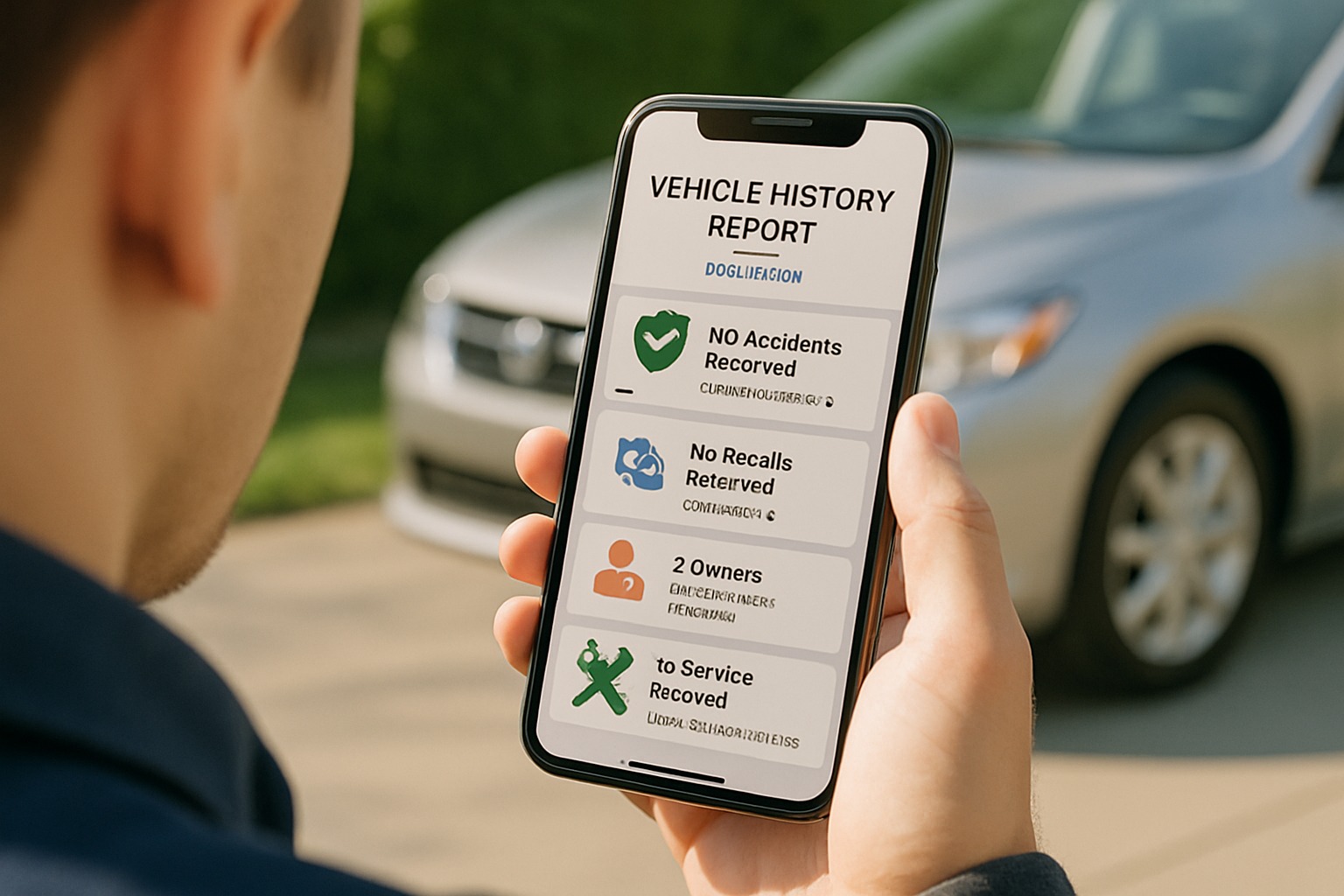
Smart buyers check a car’s history, and scammers know it. In this trick, the person on the other end insists you click a link to run a vehicle history report on a website you’ve never heard of.
The site looks professional, asks for your name, address, and credit card details, and then either delivers a fake report or nothing at all. Meanwhile, your payment information is in the wrong hands.
The red flag is the demand to use a specific, unknown tracking site instead of established platforms like Carfax or AutoCheck. Run the VIN yourself through a service you trust, and never click a link sent by a stranger to do it.
If a seller supplies a report, verify it independently. Honest sellers don’t care which reputable service you choose. They want you to feel confident, and they know a real report helps.
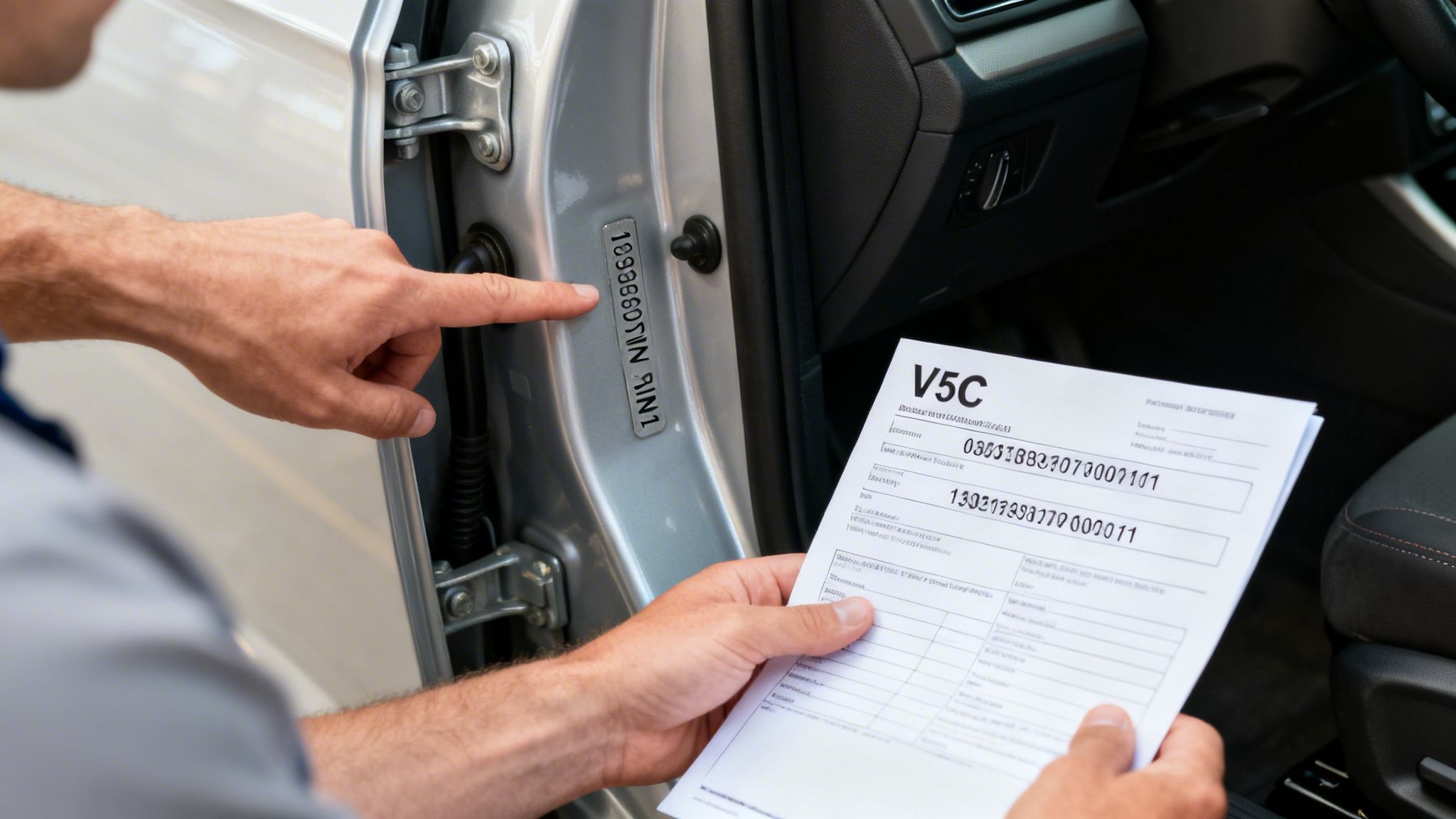
4. Stolen, Cloned, or VIN-Swapped Vehicles
A vehicle can look perfectly legitimate in photographs and still have a serious ownership problem. Some scammers advertise stolen cars or vehicles with altered identification numbers, hoping that buyers will focus on the attractive price and overlook inconsistencies in the paperwork.
Every vehicle has a Vehicle Identification Number (VIN), a unique code used to identify it. This number appears in designated locations, commonly on a plate visible through the windshield and on a label or marking around the driver’s door area. It also appears on ownership and registration documents.
In a VIN-swapping scam, criminals alter or replace identification details to make a stolen vehicle appear to belong to another legally registered car. This practice is often called vehicle cloning.
A buyer may believe the paperwork is genuine because the displayed VIN matches the documents, even though the physical vehicle has a different identity.
Watch for warning signs such as damaged VIN plates, unusual scratches around identification markings, mismatched numbers between different locations, or documents containing inconsistent vehicle details.
Never rely entirely on photographs or documents supplied by the seller. Arrange an independent inspection with a qualified mechanic or dealership, and have the vehicle’s identification checked against official records through the appropriate local authorities.
You should also confirm that the seller has the legal right to transfer ownership. Ask to see the original title or relevant ownership documents and verify that the name and vehicle details match.
If a seller becomes aggressive when you request an independent inspection or refuses to let you examine the VIN, treat that behavior as a serious warning. Walking away is much cheaper than purchasing a vehicle that could later be seized as stolen property.
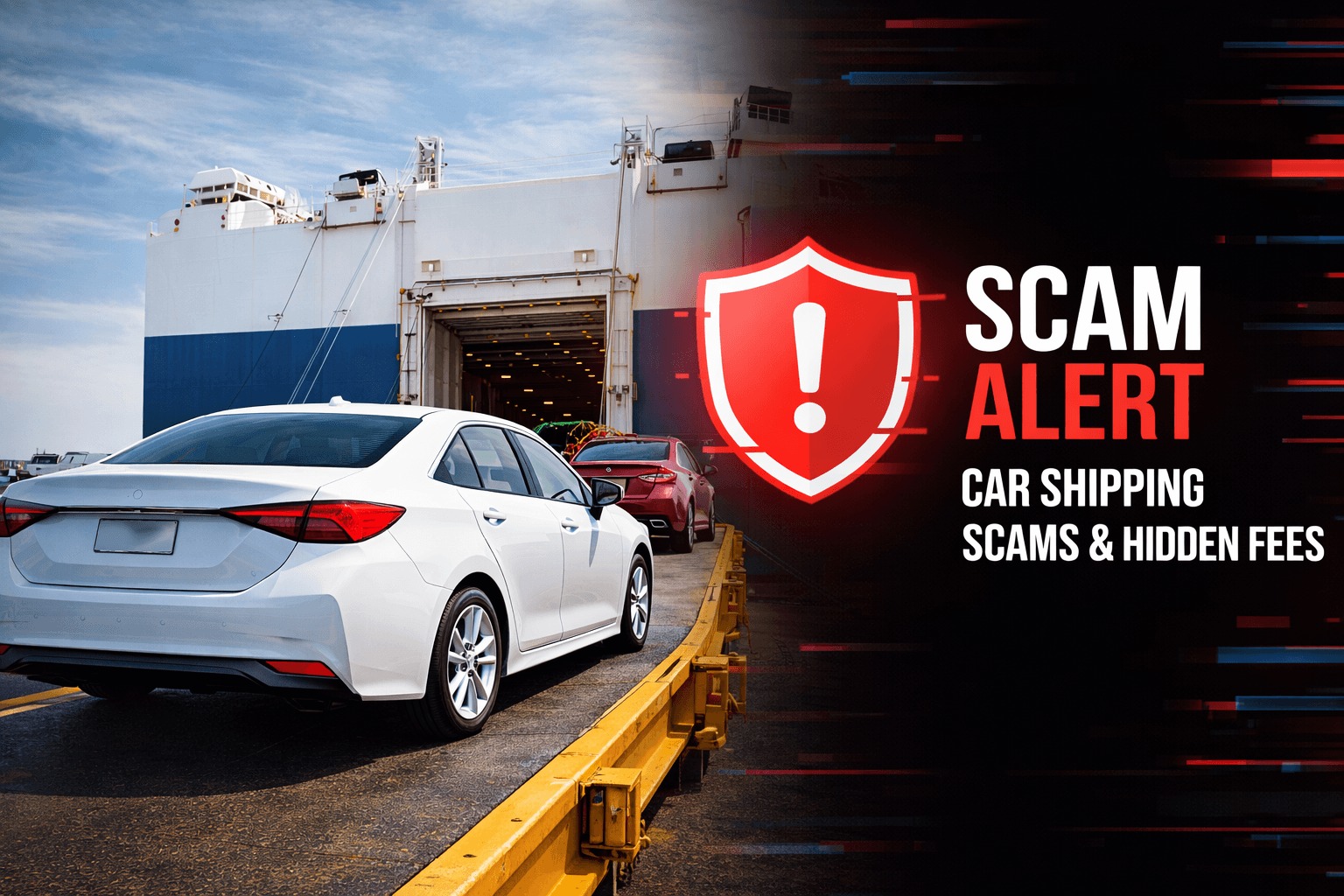
5. Fake Escrow & Delivery Services
Here’s a scam that sounds official enough to relax even careful buyers. The seller says the car is already sitting at a shipping warehouse and that a third-party service, or even “Facebook Escrow,” will protect your money during a trial period.
They promise you can inspect the car after delivery and get a full refund if you don’t like it. It’s a story with no basis in reality. The escrow site is fake, and the buyer protection program doesn’t exist.
Be alert when the seller asks you to move the conversation off the platform to email or text, since that makes it harder to report the fraud. Any mention of a protection program you can’t verify should stop you cold.
Use a legitimate escrow company you’ve researched yourself, or better yet, complete the sale in person at a bank. Real deals don’t require mysterious warehouses.
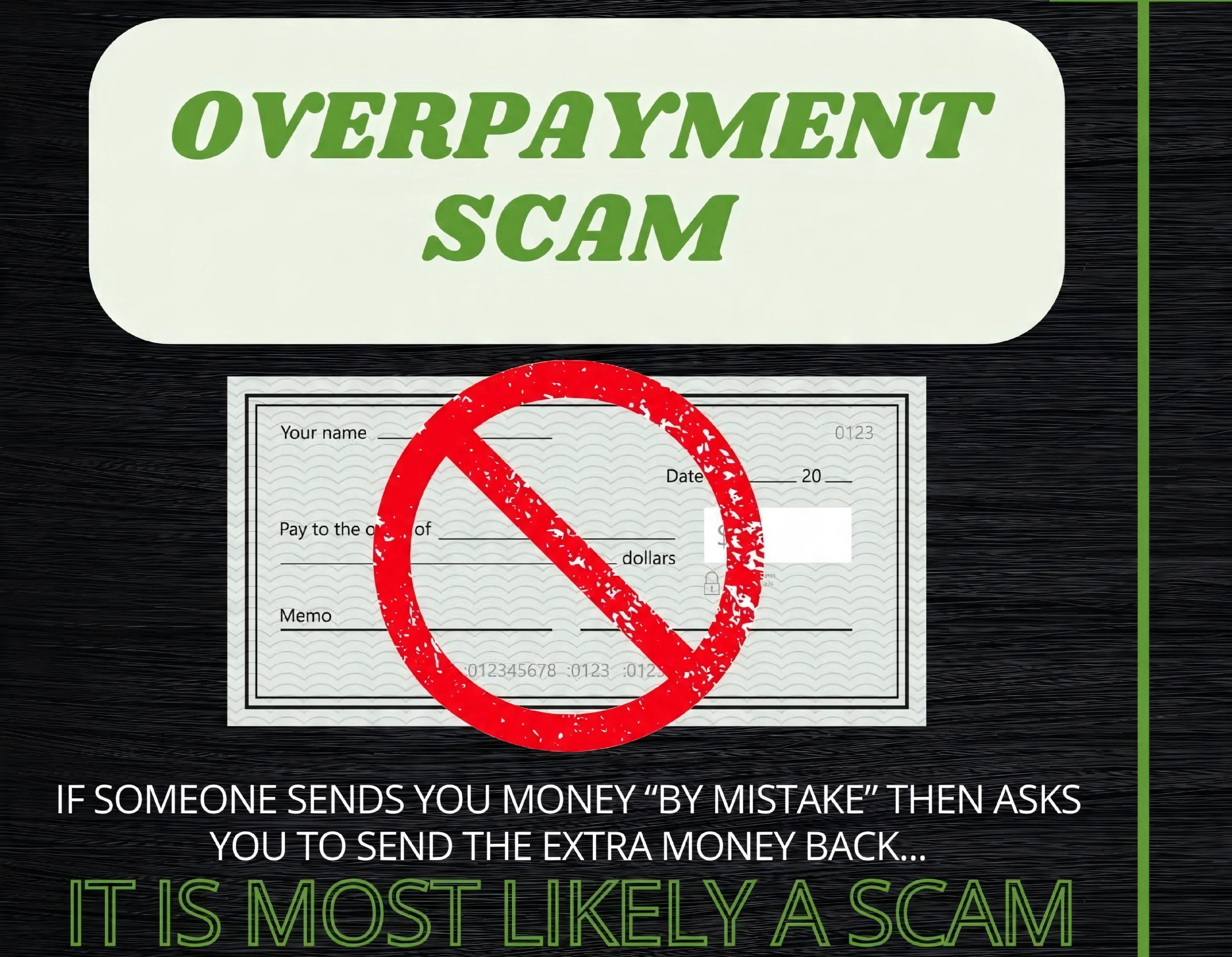
6. Overpayment & Fraudulent Screenshots
Sellers get targeted too, and this scam hits them hardest. A buyer shows interest, agrees to your price, and then “accidentally” sends too much money through a fraudulent check or a payment app.
The next message asks you to wire back the difference. You do it, feeling helpful, and days later the original payment bounces. Now you’ve lost the extra cash you sent, and possibly the car.
Watch for buyers who rely on static screenshots as “proof” of a transfer, since screenshots are easy to fake. Another warning sign is an overpayment meant to cover third-party movers that don’t exist.
Never release a car or refund anything until the funds have fully cleared in your own account. Confirm the balance directly with your bank, not through a screenshot or a text. Patience costs nothing, and it keeps your money where it belongs.
Staying safe on Facebook Marketplace starts with treating every vehicle transaction with care. Upfront deposit requests, unrealistic prices, fake history report links, stolen vehicles, fraudulent escrow services, and overpayment tricks can all result in financial losses.
Never allow pressure or excitement to replace proper verification. Inspect the vehicle, confirm ownership, use trusted payment methods, and keep a record of your conversations and agreements.
If a seller or buyer refuses reasonable precautions, do not feel obligated to continue the deal. There are plenty of legitimate vehicles and genuine buyers available, so protecting your money and personal information should always come before completing a transaction.