A vehicle’s price tag tells only part of the financial story. Once you drive it home, expenses such as fuel, insurance, maintenance, repairs, registration, and depreciation begin adding up. Some vehicles are surprisingly affordable to own, while others can consume thousands of dollars annually even when they are running perfectly. The difference often comes down to the vehicle’s size, powertrain, performance, and the type of maintenance it requires.
For anyone planning to purchase a vehicle or reconsidering their current choice, understanding these expenses can prevent unpleasant financial surprises. So, how much does it really cost to keep different vehicles on the road each year? Here are seven common vehicle types, their estimated annual ownership costs, and the reasons behind their price differences.
1. Hybrid Cars
Estimated annual cost: $5,734
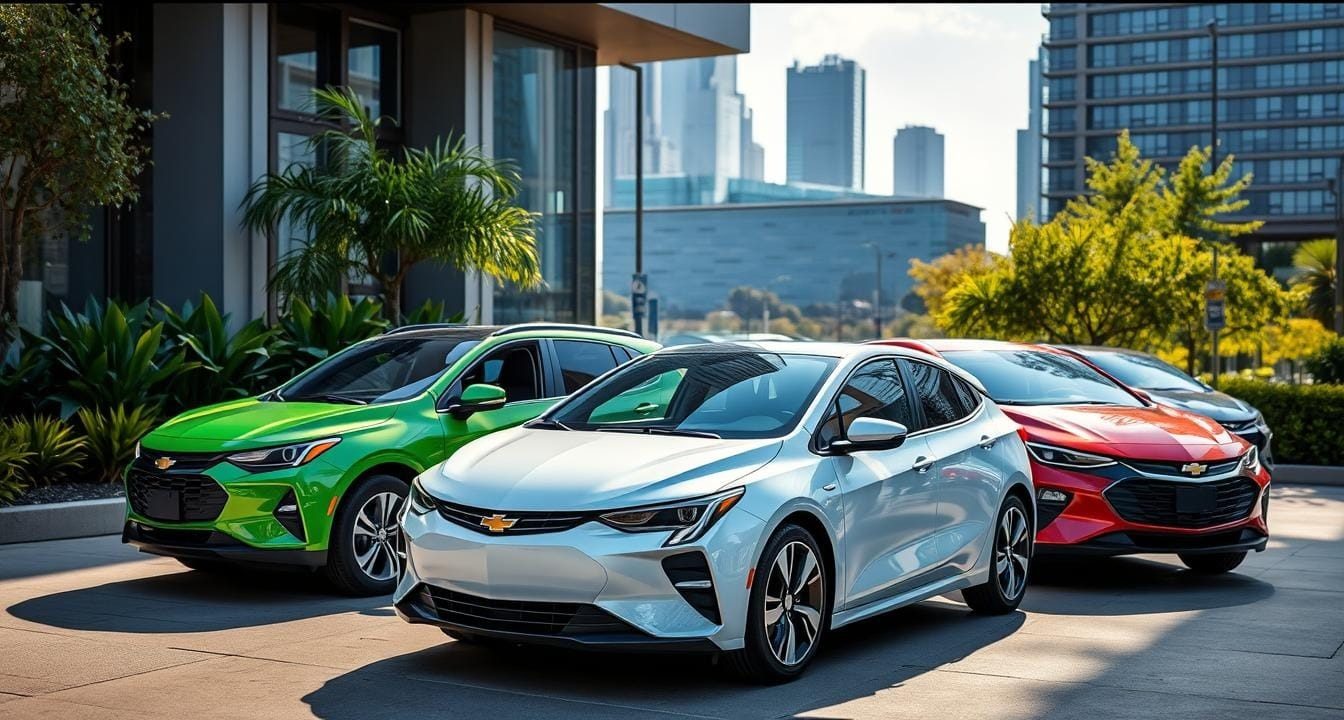
Hybrid cars offer an appealing balance between fuel efficiency and everyday practicality. They combine a traditional gasoline engine with an electric motor, allowing the vehicle to use less fuel than many conventional gas-powered models.
That improved efficiency can make a real difference to your annual expenses. Drivers who spend considerable time commuting or dealing with frequent stop-and-go traffic may benefit from reduced gasoline consumption.
The electric motor can assist the engine during acceleration and help recover energy through regenerative braking. Maintenance costs are generally comparable to those of conventional gasoline vehicles.
You still need regular oil changes, tire replacements, brake inspections, and other routine services. However, regenerative braking can reduce brake wear under certain driving conditions.
Hybrid batteries may also require attention as the vehicle ages, although many manufacturers offer lengthy battery warranties.
With an estimated yearly ownership cost of $5,734, hybrids are among the more affordable options in this comparison.
They can be particularly attractive to drivers who want better fuel economy without depending entirely on charging stations.
2. Electric Vehicles (EVs)
Estimated annual cost: $6,189
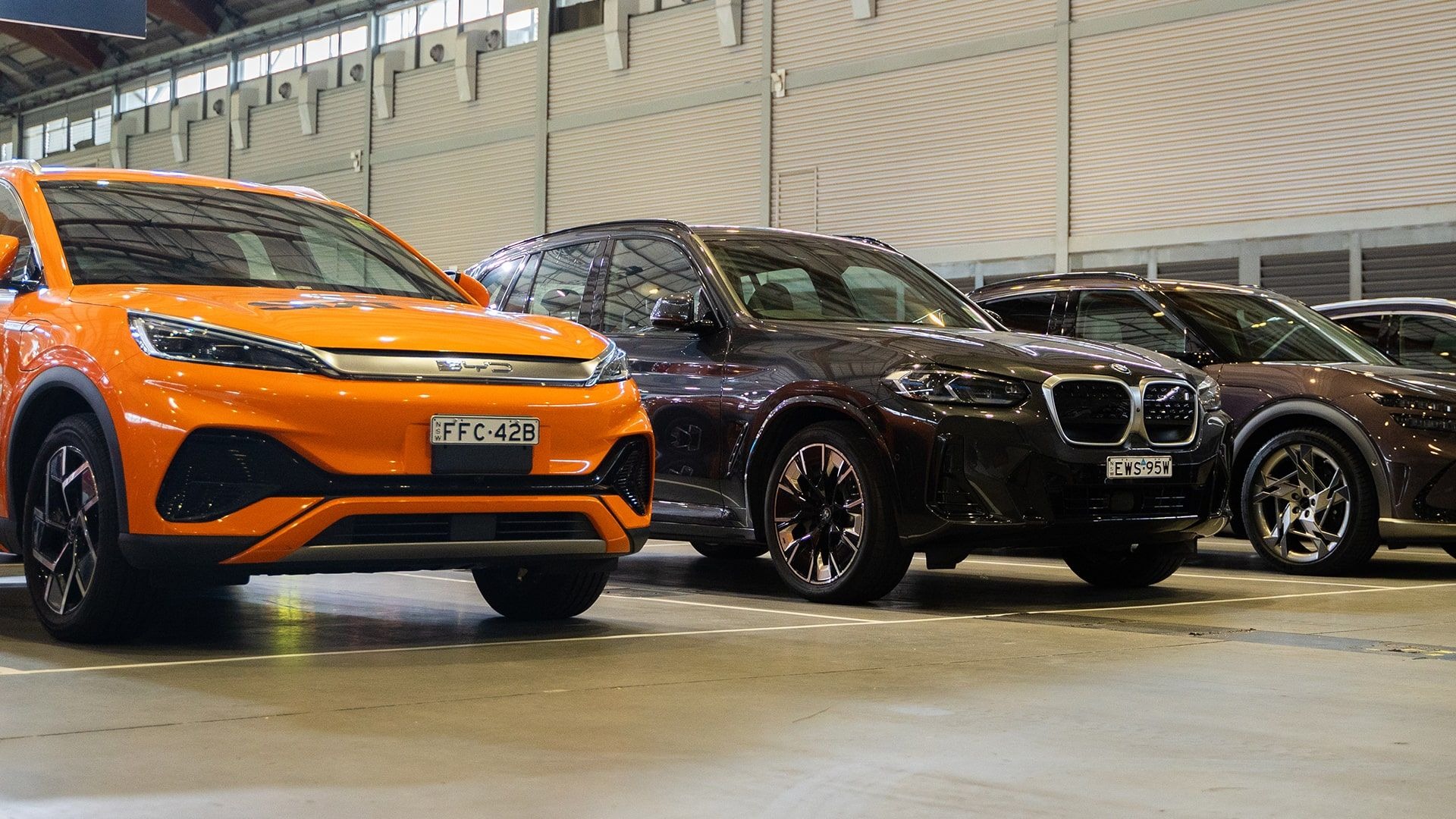
Electric vehicles bring a different approach to transportation, replacing gasoline engines with electric motors powered by rechargeable batteries. Their running costs can be attractive, particularly for owners who have access to affordable home charging.
Electricity expenses average less than $820 annually under the estimates provided, although actual costs depend on driving distance, local electricity rates, and charging habits. Public fast-charging stations can cost more than charging at home.
Another advantage is reduced routine maintenance. EVs do not require engine oil changes, spark plug replacements, or conventional exhaust system repairs. Their regenerative braking systems can also help extend brake life.
However, purchasing and insuring an electric vehicle can be expensive. Some models have higher insurance premiums because of their purchase prices and the cost of repairing specialized components. Battery repairs outside warranty coverage can also create substantial expenses.
The estimated annual ownership cost is approximately $6,189. This figure makes EVs competitive with several gasoline-powered options, particularly when home charging is available.
Before choosing one, consider your daily mileage, charging access, electricity rates, and insurance quote. These details will help determine whether the savings from reduced energy and maintenance expenses justify the initial investment.
3. Gas-Powered Sedans (Compact/Economy)
Estimated annual cost: $7,025
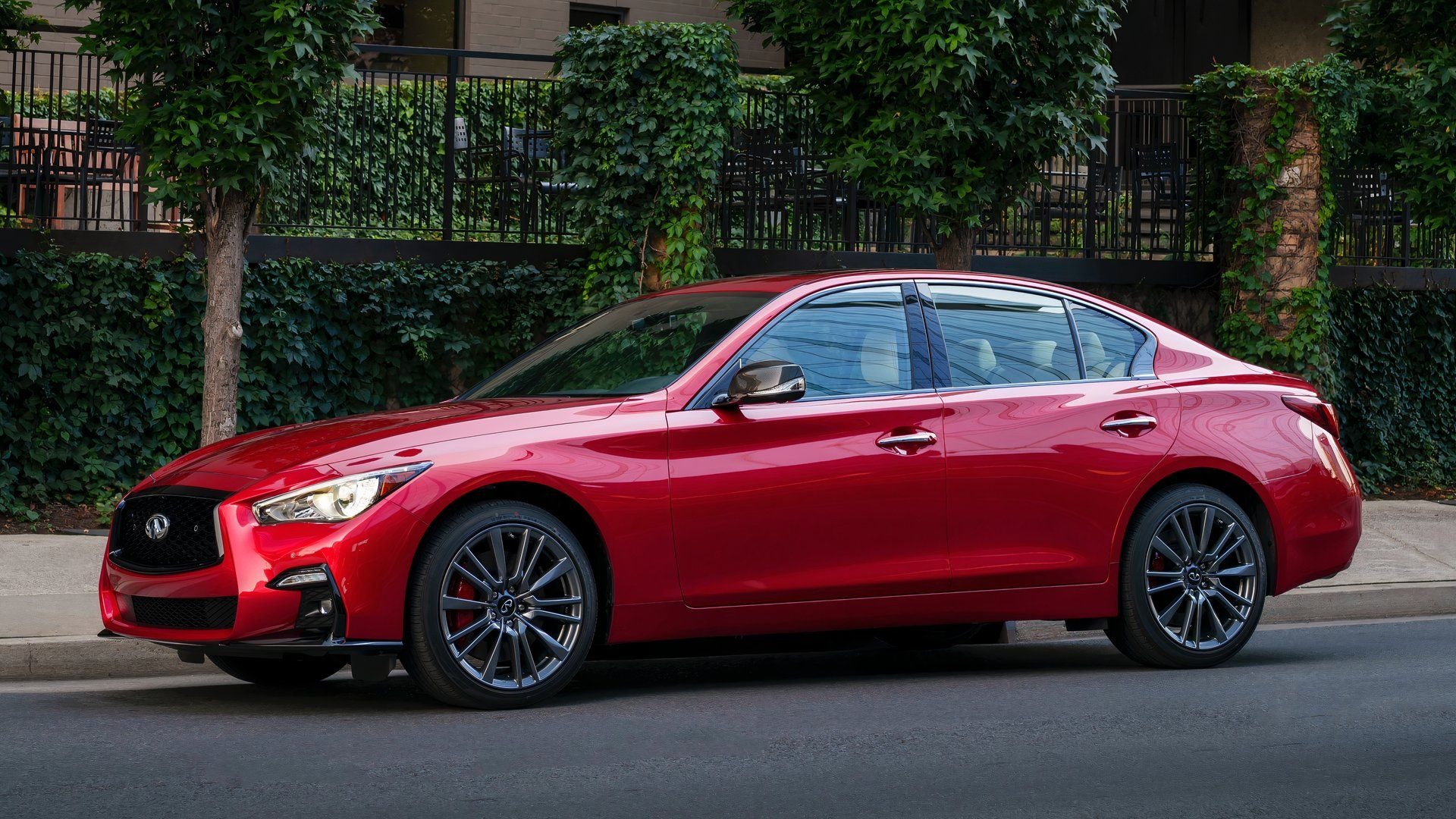
Compact gasoline-powered sedans continue to attract buyers because they provide practical and reliable transportation at a more affordable cost than many premium vehicles.
Models such as the Toyota Corolla are familiar examples. They generally provide reasonable fuel economy, accessible replacement parts, and maintenance procedures that most automotive service centers understand.
Still, affordable purchase prices do not mean these vehicles are free to operate. Gasoline purchases, oil changes, filter replacements, insurance, tire maintenance, and registration fees contribute to yearly ownership expenses.
Depreciation deserves attention, too. A vehicle gradually loses resale value as it accumulates mileage and ages.
For instance, a Toyota Corolla’s estimated five-year ownership expenses can work out to approximately $6,600 to $6,800 annually when depreciation is included, depending on the model and assumptions used.
The broader annual ownership estimate for compact and economy gasoline sedans is around $7,025.
For drivers who prefer familiar mechanical systems and widespread service availability, these cars remain sensible choices. Their predictable maintenance requirements also make budgeting easier.
A good purchasing strategy is to compare fuel economy, insurance premiums, warranty coverage, and expected resale value before settling on a particular model.
4. Midsize SUVs & Crossovers
Estimated annual cost: $8,000-$9,500
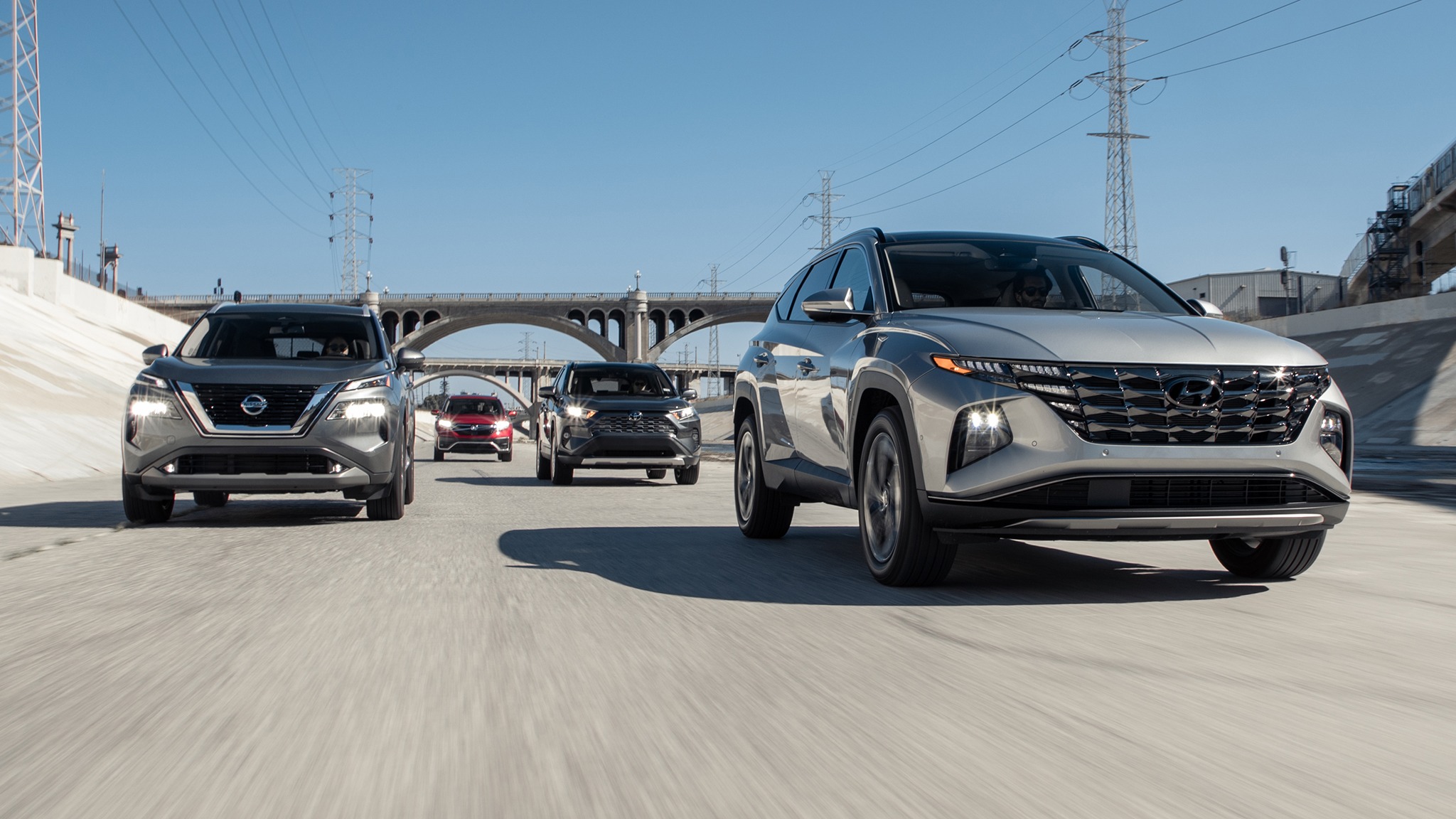
Need extra passenger room, a higher seating position, or additional cargo capacity? Midsize SUVs and crossovers provide these conveniences, but owning one generally requires a larger annual budget than maintaining a compact sedan.
Their greater weight is one reason for the difference. Heavier vehicles typically consume more fuel, particularly when equipped with larger engines or all-wheel-drive systems. They can also place additional demands on tires, suspension components, and braking systems.
Insurance premiums may be higher as well, depending on the model’s purchase price, repair costs, safety features, and claims history.
Consider a family that regularly travels with several passengers and carries luggage, sports equipment, or groceries. An SUV may provide the space and flexibility that a smaller car cannot easily match. However, those benefits come with additional running expenses.
Annual ownership costs typically range from $8,000 to $9,500, depending on the manufacturer, vehicle age, fuel economy, and insurance rates.
Not every SUV costs the same amount to maintain. A fuel-efficient crossover with affordable replacement parts may be cheaper to own than a larger model with an expensive drivetrain.
When comparing options, pay attention to tire prices, recommended maintenance schedules, fuel requirements, and insurance estimates. These expenses can reveal whether a particular SUV fits your household budget.

5. Luxury Sedans (e.g., Mercedes-Benz S-Class / BMW 7 Series)
Estimated annual cost: $12,000-$17,000+
Luxury sedans deliver premium comfort, advanced technology, refined interiors, and powerful performance. Vehicles such as the Mercedes-Benz S-Class and BMW 7 Series offer impressive driving experiences, but their ownership expenses can be demanding.
The first expense worth watching is depreciation. High-end vehicles can lose considerable value after purchase, particularly during their early years.
Some flagship models may experience annual depreciation exceeding $17,000 alone, depending on their original price and resale conditions.
Then there is maintenance. Luxury vehicles often use specialized components, sophisticated electronic systems, and advanced suspension technology.
When something requires repair, replacement parts and qualified labor can cost considerably more than comparable work on an economy sedan.
Insurance is another expense to consider. The high replacement value and repair costs of premium vehicles can contribute to expensive coverage.
Annual ownership expenses commonly range from $12,000 to $17,000 or more.
For someone purchasing a luxury sedan, the purchase price should never be the only financial consideration. A seemingly attractive used-car deal may become expensive if the vehicle needs specialized servicing or costly replacement components.
Before committing, request a detailed inspection, review the service history, and obtain insurance and maintenance estimates. Premium comfort is enjoyable, but it should come with a budget that can support it.
6. Full-Size Heavy-Duty Trucks (e.g., RAM 3500 / Ford F-450)
Estimated annual cost: $11,000-$14,000+
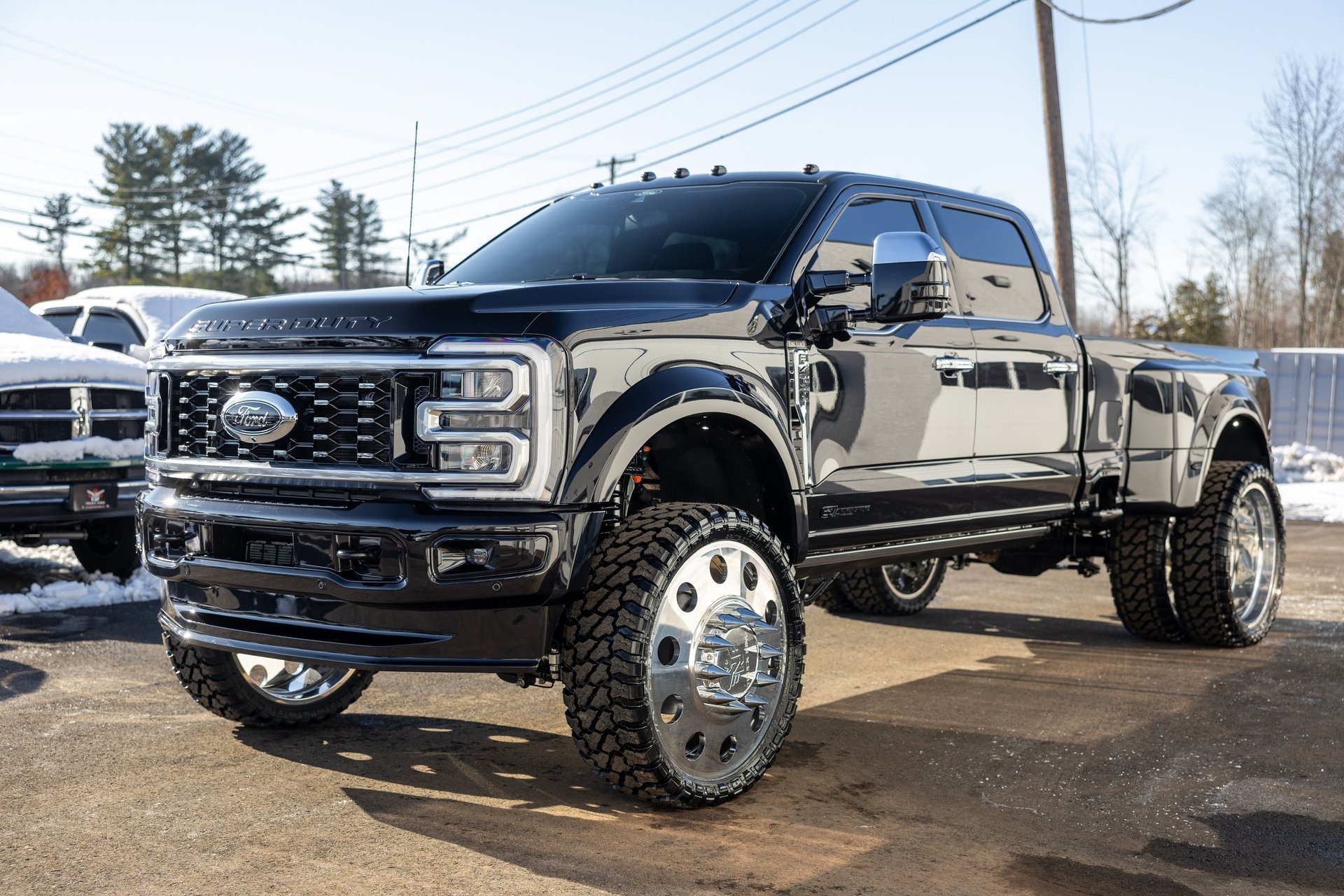
Full-size heavy-duty trucks are designed for demanding jobs, from towing heavy trailers to hauling construction materials and transporting commercial equipment.
Models such as the RAM 3500 and Ford F-450 offer impressive strength and durability, but keeping them on the road requires a considerable budget. Annual ownership expenses typically range from $11,000 to $14,000 or more.
Fuel consumption is one of the biggest expenses. Their large engines and substantial weight require considerable fuel, particularly when towing heavy loads or operating for extended periods.
Insurance can also be expensive, especially for trucks used in commercial activities where specialized coverage may be necessary.
Maintenance bills deserve attention, too. Heavy-duty engines, transmissions, suspension systems, and braking components require appropriate servicing.
Replacement parts can be expensive, and specialized repairs may require experienced technicians. Even tire replacements can take a substantial bite out of your annual budget.
For contractors, business owners, and individuals who regularly transport heavy loads, these expenses may be justified because the truck performs essential work.
However, someone who mainly drives around town or takes occasional weekend trips may find the ownership costs difficult to defend.
Before choosing a heavy-duty truck, consider how frequently you will use its towing and hauling capabilities. A smaller pickup could meet your everyday transportation needs while leaving thousands of dollars available for other expenses.

7. High-Performance Sports Cars (e.g., Porsche 911)
Estimated annual cost: $10,800-$15,000+
Few vehicles deliver the excitement of a high-performance sports car. The Porsche 911, for example, combines impressive acceleration, precise handling, powerful engineering, and premium interior features.
However, enjoying that performance requires more than paying the purchase price. Annual ownership expenses can range from $10,800 to $15,000 or more.
Insurance is one of the first costs to consider. Sports cars often attract higher premiums because of their purchase prices, repair expenses, and performance capabilities.
Financing can also become expensive, particularly when purchasing a high-priced model with a substantial loan balance.
Then comes maintenance. High-performance vehicles use specialized components that often require manufacturer-approved parts and experienced technicians.
Routine servicing can cost more than it would for an ordinary sedan, while unexpected mechanical problems may create expensive repair bills.
Tires deserve special attention because performance models require specialized rubber designed to provide excellent grip and handling. These tires can be costly to replace, particularly when frequent driving or aggressive cornering accelerates wear.
Before purchasing a sports car, request insurance quotes and investigate the prices of replacement tires, scheduled servicing, and common repairs. Setting aside money for unexpected maintenance can also prevent financial pressure.
A Porsche 911 may deliver an unforgettable driving experience, but responsible ownership means preparing for the expenses that come with it.