Nobody enjoys handing over cash for registration, inspection stickers, and license fees. Yet those costs show up every year, and they grow quietly when you are not paying attention. The good news is that you have more control than you think. A few smart habits can trim the bill, cut down on wasted trips, and keep surprise charges out of your wallet.
You do not need special connections or a finance degree, just a little planning and the right information. Whether you drive a brand-new SUV or a ten-year-old sedan, these six practical moves can put real money back in your pocket. Ready to keep more of what you earn? Let’s get started.
1. Avoid Late Renewal Penalties
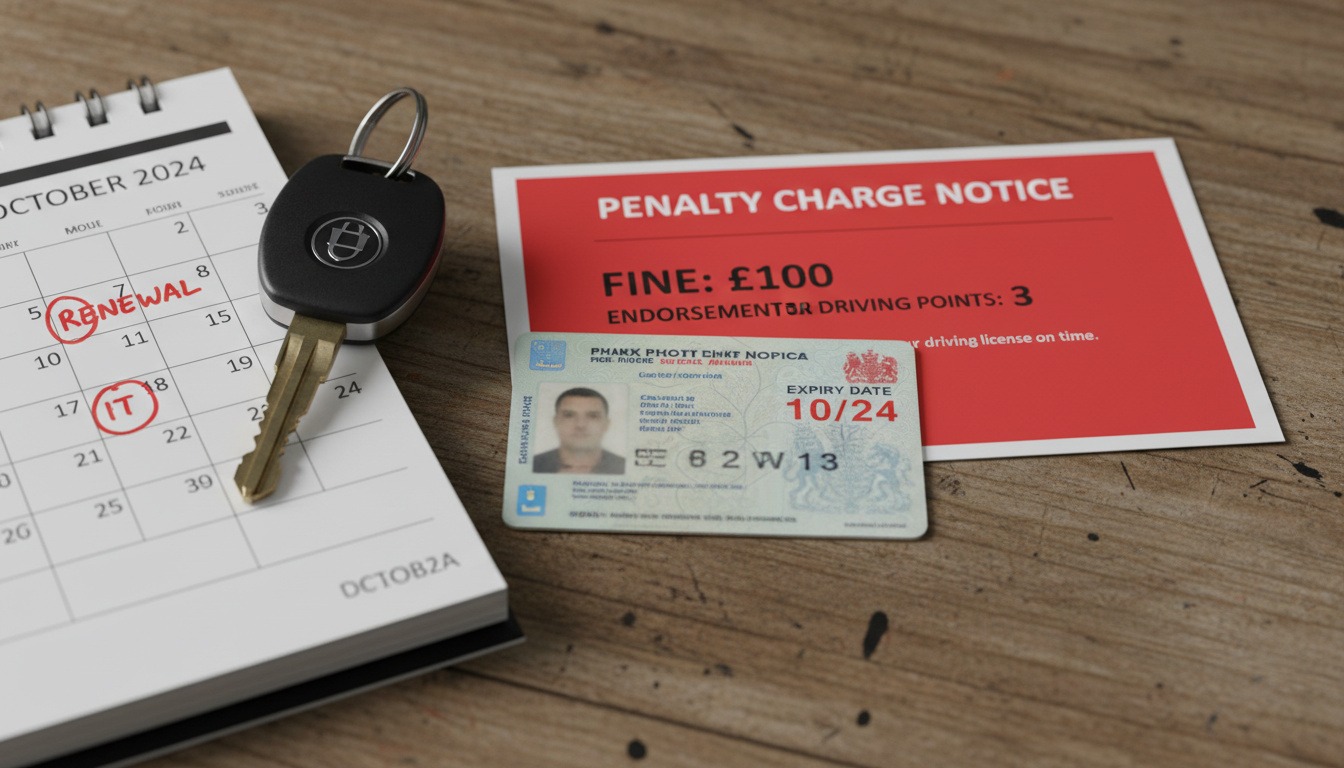
Missing your vehicle registration deadline might seem like a minor mistake, but it can lead to additional expenses that are easy to avoid.
Depending on your local licensing authority, expired vehicle documents may attract late-renewal penalties, administrative charges, or other fees before you can complete the renewal process.
The simplest way to protect your budget is to renew your vehicle license, roadworthiness certificate, and other required documents before their expiration dates. Do not wait until the last day if you can complete the process earlier.
Start by checking the expiration dates printed on your existing documents. If your local authority offers online renewal services, find out whether you can complete the process digitally.
This can save you a trip and reduce the risk of missing the deadline because of long queues or scheduling problems.
It is also worth checking whether your jurisdiction provides a renewal window before the official expiration date. Some authorities allow drivers to renew early without losing any validity period.
Keep digital copies of receipts and confirmation notices after completing payment. These records can help resolve administrative questions if your renewal does not immediately appear in the system.
A little advance planning is cheaper and less stressful than paying avoidable penalties. Make timely renewals part of your regular vehicle maintenance routine.
2. Opt for Basic Compulsory Third-Party Insurance
Insurance is another expense that can increase the amount you spend on keeping your vehicle legally registered. Although comprehensive coverage provides broader financial protection, it generally costs more than basic third-party motor insurance.
Third-party insurance typically covers your legal liability for injuries or property damage caused to other people in an accident. It does not usually pay for damage to your own vehicle or cover every possible loss.
If your immediate priority is meeting the legal insurance requirement while controlling expenses, compare the cost of basic third-party coverage with more extensive policies. Choose an option that satisfies your local regulations and provides the protection you actually need.
For example, someone driving an older vehicle with a relatively low market value may decide that comprehensive coverage is not worth the additional premium.
However, a driver with a newer or expensive vehicle may prefer broader protection against theft, accidental damage, and other insured risks.
Before purchasing a policy, read the coverage terms carefully. Check the exclusions, liability limits, excess payments, and claim requirements. A cheap policy is not necessarily a good deal if it leaves you exposed to expenses you cannot comfortably afford.
Also, compare quotes from licensed insurance providers rather than accepting the first offer. The right policy should meet legal requirements without stretching your budget unnecessarily.
3. Handle Paperwork Directly Without Middlemen (Agents)
Sometimes the shortcut costs more than the road. Hiring an agent to handle your registration sounds convenient, and for some people it is. But every person between you and the licensing office takes a cut.
There is the service charge, the markup on official fees, and sometimes a surprise request for a little extra to speed things along. Those add-ons can double what you would have paid on your own.
Doing it yourself is easier than most people expect. Gather your identification, vehicle identification number, engine number, proof of ownership, and any valid insurance or inspection papers.
Call ahead or check the agency website to confirm what is required, which forms to bring, and which payment methods are accepted. Arrive early in the day, since lines tend to grow after lunch.
You also gain peace of mind. When you deal with the official office directly, you see exactly what you are charged, you get a legitimate receipt, and you avoid the risk of fake documents from unverified middlemen.
A forged sticker can land you in serious trouble, and you will not get your money back. Block out one morning, bring a folder with copies of everything, and pack a book or a charged phone for the wait.
One slightly boring errand can keep a surprising amount of cash in your pocket, and you will know your paperwork is genuine.
4. Time Your Change of Ownership Wisely
A used car can come with expenses that are not immediately obvious during the purchase. One example is unpaid registration fees, expired documents, outstanding penalties, or incomplete ownership records left by the previous owner.
If these issues are discovered after the vehicle has been transferred, you could face additional administrative work and unexpected costs. That is why it is important to review the car’s documentation before completing the purchase.
Start by asking the seller for the existing vehicle registration, proof of ownership, insurance records, and any required inspection certificates. Check the expiration dates and confirm that the vehicle identification details match the documents.
You should also contact the relevant licensing authority to verify whether there are outstanding fees or unresolved registration issues attached to the vehicle. Do not rely entirely on verbal assurances from the seller.
When negotiating the purchase, make it clear that previous registration arrears and applicable penalties must be settled before ownership changes hands. If the seller agrees to handle these expenses, include that arrangement in the written sales agreement.
Remember to complete the official ownership transfer as soon as possible after purchasing the vehicle. Delaying this process can create problems when you need to renew documents, prove ownership, or sell the car later.
A little paperwork checking before payment can prevent expensive surprises after the purchase. It also gives you greater confidence that the vehicle is ready for legal use.
5. Maintain Your Car to Pass Roadworthiness on the First Attempt
Failing an inspection is a bummer, and it is also expensive. You pay for the first test, then pay again for the retest, and in between you may lose a day of work or hand cash to a roadside mechanic who knows you are in a hurry. A rushed repair is rarely a cheap one.
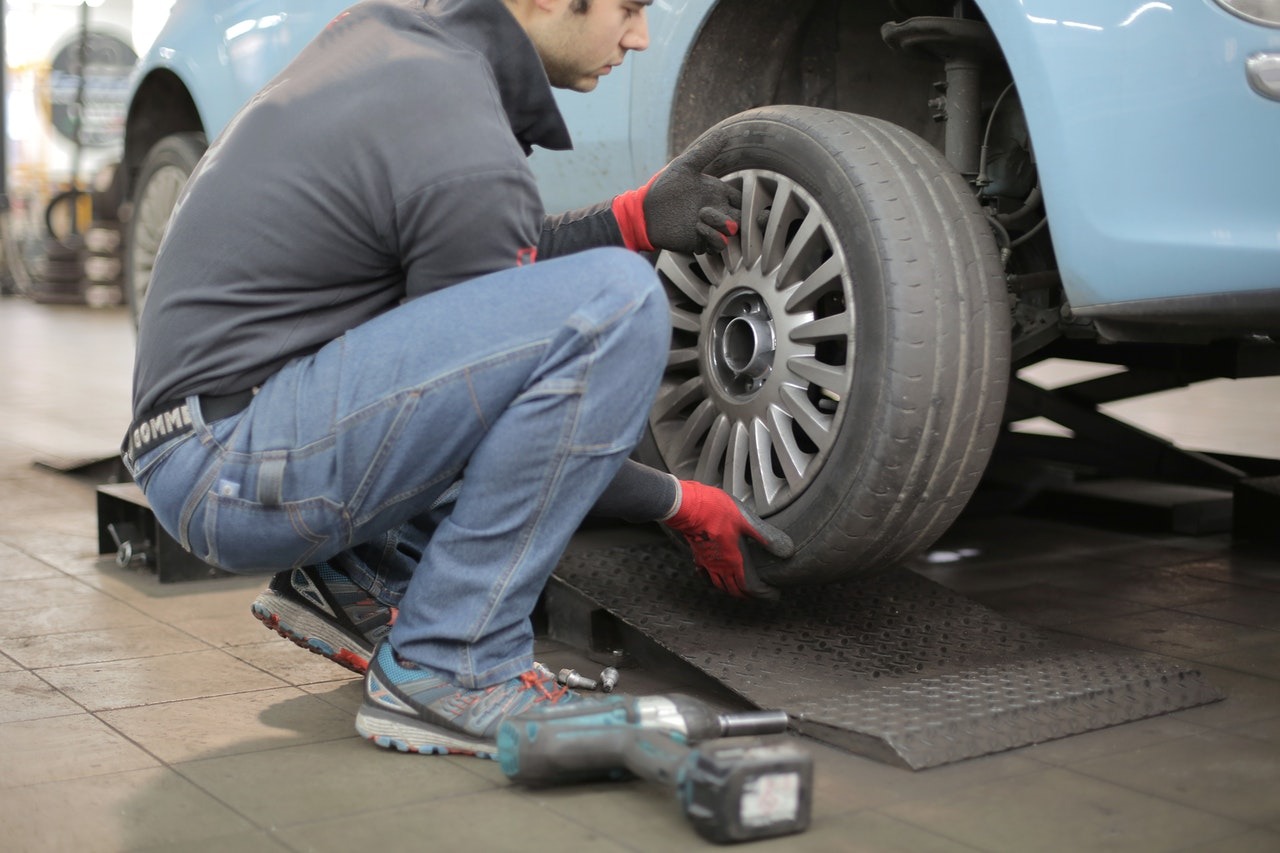
You can avoid most of that with a quick home check a week or two before your appointment. Press the brake pedal and listen for grinding or a spongy feel.
Walk around the car and test your headlights, brake lights, turn signals, and hazard lights, asking a friend to help. Look at the tires for tread depth and uneven wear, and check the pressure.
Make sure the horn works, the windshield wipers clear the glass, and the mirrors are secure. Some regions also expect safety items such as a fire extinguisher or a warning triangle, so confirm what your local rules require.
If something fails your own check, fix it at a trusted shop you picked in advance, not in the inspection station parking lot. Compare two or three quotes for bigger repairs.
Passing on the first try saves the retest fee, protects your schedule, and keeps your car safer every day. Think of the pre-check as a cheap insurance policy for your time and your money, one that pays off every single year.
6. Consolidate and Track Renewal Dates
Keeping track of several vehicle documents can become confusing, particularly when their expiration dates fall in different months.
You might renew your insurance in January, discover that your vehicle license expires in April, and then realize that your roadworthiness certificate needs attention in June.
These separate deadlines can lead to repeated trips, additional administrative work, and unnecessary transport expenses. Missing even one renewal date may also expose you to late fees.
A simple calendar system can make this easier to manage. Record the expiration dates for your vehicle registration, insurance policy, roadworthiness certificate, and any other required documents in one place.
Set reminders at least 30 days before each deadline. You can use your smartphone calendar, a basic reminder application, or a physical planner. Add another notification a week before expiration so you have enough time to complete any outstanding requirements.
Where local regulations permit it, ask whether different vehicle documents can be renewed within the same period. Aligning renewal dates can reduce the number of separate visits and make annual vehicle administration easier.
It also helps to keep scanned copies of important documents in a secure digital folder. Store payment receipts, insurance certificates, inspection records, and renewal confirmations so they are easy to retrieve when needed.
Good recordkeeping does not require expensive software or professional assistance. A simple reminder system can help you stay organized, avoid late charges, and keep your vehicle paperwork current without unnecessary spending.