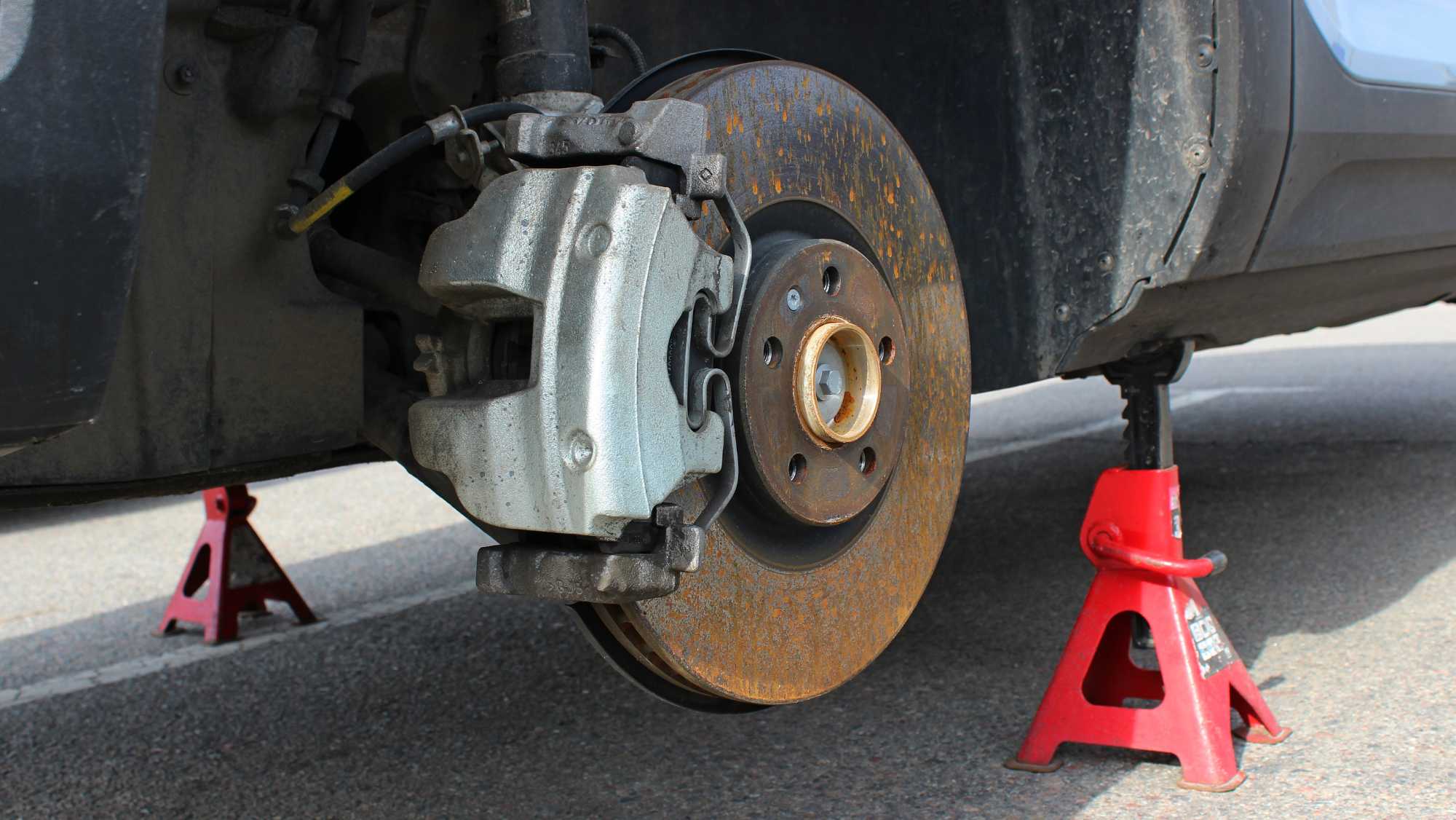
Your vehicle’s brakes handle enormous amounts of work every time you slow down, stop at a traffic light, or navigate busy roads. Although brake pads and rotors are designed to withstand repeated use, certain driving habits can shorten their service life considerably.
Aggressive braking, unnecessary pedal pressure, excessive vehicle weight, and neglecting warning signs can all contribute to premature wear. Replacing brake components before their expected service life can become an expensive recurring expense.
Understanding what damages your braking system and changing a few everyday habits can help preserve components, reduce maintenance costs, and keep your vehicle safer.
1. Slamming on the Brakes at High Speeds
Waiting until the last possible moment to brake is one of the quickest ways to increase wear on your vehicle’s braking system. Drivers who accelerate aggressively and then suddenly apply heavy brake pressure repeatedly force their brake pads and rotors to handle substantial amounts of heat and friction.
This habit becomes particularly expensive when it is part of everyday driving rather than an occasional emergency response.
The physics behind the problem is straightforward. A moving vehicle carries kinetic energy, and its brakes convert that energy into heat to slow the wheels. The faster the vehicle travels, the more energy the braking system must dissipate during a stop.
Consequently, stopping aggressively from highway speeds places considerably greater demands on brake components than slowing gradually from a lower speed.
AAA’s March 2026 brake-maintenance guidance specifically identifies fast, hard braking as a habit that accelerates brake-pad wear. It recommends leaving sufficient stopping distance and anticipating traffic rather than waiting until the vehicle ahead suddenly slows down.
Changing your approach does not mean braking excessively early or driving unpredictably. Instead, maintain a sensible following distance, observe traffic conditions ahead, and release the accelerator when you notice slowing traffic. Apply the brakes progressively when necessary, increasing pressure smoothly as you approach your intended stopping point.
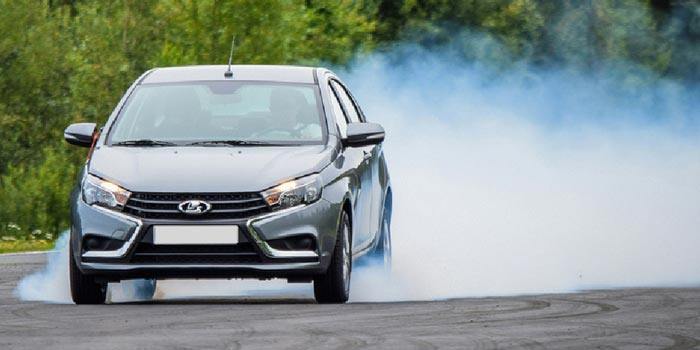
There are situations when emergency braking is unavoidable, and safety must always take priority over component longevity. Never compromise stopping distance just to preserve brake pads. The real objective is to eliminate unnecessary hard stops caused by poor anticipation.
Drivers who regularly commute through congested highways can benefit particularly from smoother speed management. Fewer aggressive stops mean less unnecessary heat and friction, helping brake components last longer.
2. Following Other Vehicles Too Closely
Tailgating is usually discussed as a road-safety problem, but it can also increase the amount of work your braking system performs. When you drive too close to the vehicle ahead, you leave yourself with less time to react to sudden changes in traffic.
Even a relatively small speed reduction can force you to apply the brakes more frequently and more aggressively than necessary.
Imagine driving on an American interstate during rush hour. The vehicle ahead slows down unexpectedly, and because you have left very little space, you must immediately press the brake pedal.
A driver maintaining a greater following distance might have been able to ease off the accelerator and slow down gradually. Repeating these situations throughout a daily commute can increase brake-pad and rotor wear.
AAA identifies tailgating and sudden stopping as driving behaviors that place additional stress on braking components. Its recommendations emphasize maintaining a safe following distance and anticipating traffic movements instead of reacting at the last second.
A useful starting point is the three-second following-distance rule under favorable conditions. Choose a fixed roadside object and count the time between the vehicle ahead passing it and your vehicle reaching the same point. Increase that distance when roads are wet, visibility is poor, traffic is unpredictable, or you are driving a heavier vehicle.
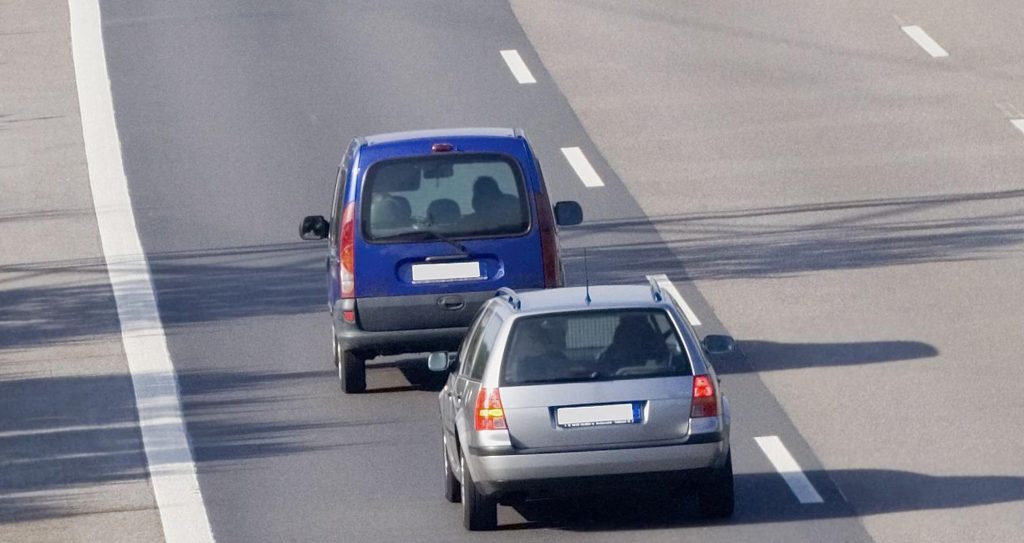
Following distance also gives you more flexibility when approaching traffic lights, highway exits, and slow-moving vehicles. You can reduce speed gradually instead of repeatedly switching between acceleration and heavy braking.
Do not confuse this habit with driving unnecessarily slowly or obstructing traffic. Maintain a suitable speed for road conditions while leaving enough room to respond safely. Creating additional space is a simple behavioral change that can reduce unnecessary braking and improve your ability to avoid collisions.
3. Keeping Your Foot on the Brake Pedal During Long Descents
Driving downhill with constant pressure on the brake pedal can generate excessive heat, particularly on long mountain roads and steep highway descents. This habit is sometimes called riding the brakes, and it can shorten the life of brake pads while increasing the risk of reduced braking performance.
When a vehicle travels downhill, gravity continuously pulls it forward. The braking system must work against that force to control speed. Holding the pedal down for an extended period creates sustained friction between the brake pads and rotors.
As temperatures rise, brake components can become excessively hot, potentially causing brake fade, in which braking effectiveness decreases.
This is particularly important for drivers traveling through mountainous areas in states such as Colorado, Utah, and California. Long downhill stretches can place considerable demands on conventional braking systems, especially when the vehicle is heavily loaded.
The better approach is to select an appropriate lower gear before beginning a steep descent. Engine braking allows the engine and transmission to help control vehicle speed, reducing the amount of work required from the service brakes.
In vehicles with automatic transmissions, use the manufacturer-provided lower gear or downhill-driving mode when appropriate. Follow the owner’s manual for the correct procedure.
The Automobile Association’s brake guidance also recommends using a lower gear and engine braking on long hills to limit brake overheating and reduce excessive brake use. AAA similarly advises drivers to avoid unnecessary braking and anticipate road conditions.
You should still use the brake pedal when needed to maintain a safe speed. Engine braking is an additional control method, not a replacement for the vehicle’s primary braking system. Never descend a steep road in neutral or switch off the engine to reduce speed.
Combining suitable gearing with controlled braking helps manage heat and protect expensive braking components.
4. Using Your Left Foot to Brake While Driving an Automatic
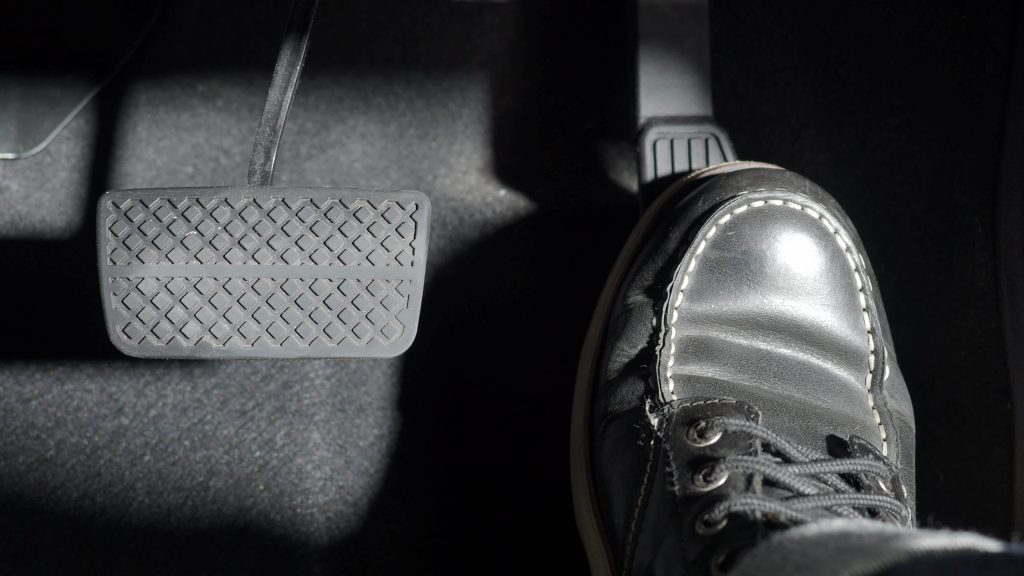
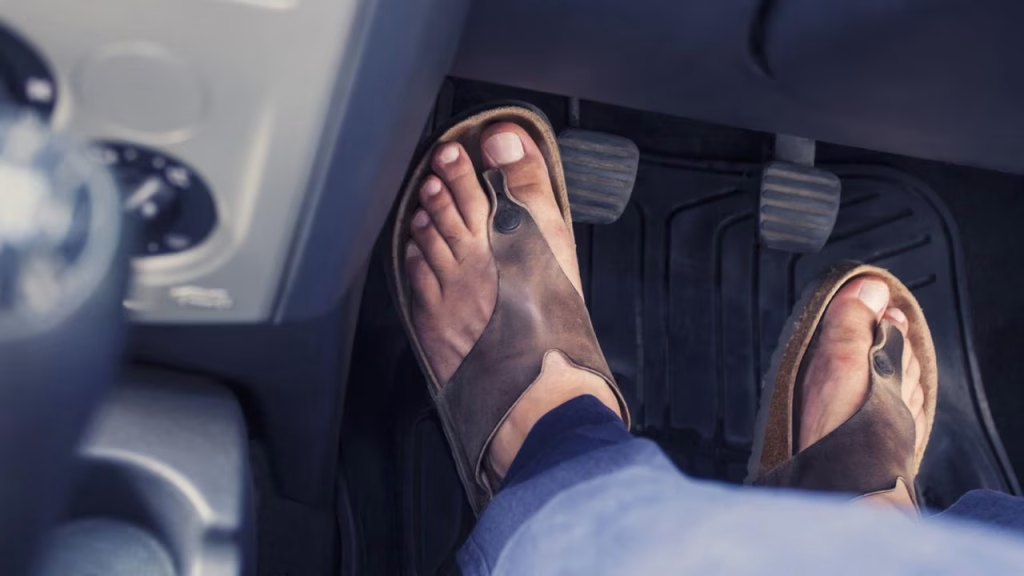
Driving an automatic vehicle with your left foot resting on the brake pedal while your right foot operates the accelerator is a habit worth correcting. Although some drivers believe this technique allows quicker reactions, keeping unnecessary pressure on the brake pedal can create additional friction and heat within the braking system.
The problem is particularly noticeable when the driver unknowingly applies both pedals at the same time. Even light pressure can cause the brake pads to remain in contact with the rotors more than necessary. Depending on the vehicle and the amount of pressure applied, this can contribute to premature pad wear, additional heat, and reduced fuel efficiency.
AAA specifically identifies left-foot braking during ordinary driving as a habit that can encourage simultaneous acceleration and braking. Its recommendation is to avoid unnecessary left-foot use and operate the accelerator and brake with the right foot.
When driving under normal conditions, use your right foot to operate both the accelerator and brake, shifting between the two pedals whenever necessary. Keep your left foot on the footrest instead of using it to control the pedals. This technique promotes better pedal control, reduces the risk of pressing both pedals unintentionally, and helps ensure smoother driving.
There are exceptions. Drivers operating certain specialized vehicles or following specific adaptive-driving arrangements may use different techniques. In performance driving, trained drivers may also use left-foot braking under controlled conditions. These situations should not be confused with resting your foot on the brake during normal road use.
If your vehicle has a brake warning light, unusual resistance, or signs of dragging brakes, do not assume your driving technique is the only explanation. A sticking caliper, damaged brake hardware, or another mechanical fault could be responsible.
For ordinary commuting, using one foot for both pedals is a simple way to avoid unnecessary brake application and help preserve the braking system.
5. Constantly Tapping the Brakes in Stop-and-Go Traffic
Some drivers develop a habit of repeatedly pressing the brake pedal even when traffic is moving slowly, and there is plenty of room to maintain a steady pace. This constant acceleration and braking can increase friction, generate unnecessary heat, and contribute to premature brake-pad wear.
The problem is common in congested urban areas where vehicles move forward a few feet, stop, and repeat the process. Instead of anticipating the movement of surrounding traffic, drivers frequently alternate between the accelerator and brake pedals. Each unnecessary braking event adds another demand on the braking system.
AAA’s brake-maintenance guidance recommends avoiding frequent, unnecessary brake applications. It also advises drivers to anticipate traffic conditions and adjust their speed instead of repeatedly tapping the pedal. This approach is particularly useful during daily commutes through busy American cities.
Try maintaining a consistent gap from the vehicle ahead and allowing traffic to move naturally. When vehicles begin slowing, ease off the accelerator instead of immediately applying the brakes. If traffic is moving steadily at a very low speed, avoid unnecessary pedal inputs while maintaining appropriate control.
However, do not attempt to coast toward another vehicle without maintaining enough stopping distance. Congested traffic can change direction quickly, and your ability to stop safely must always come first.
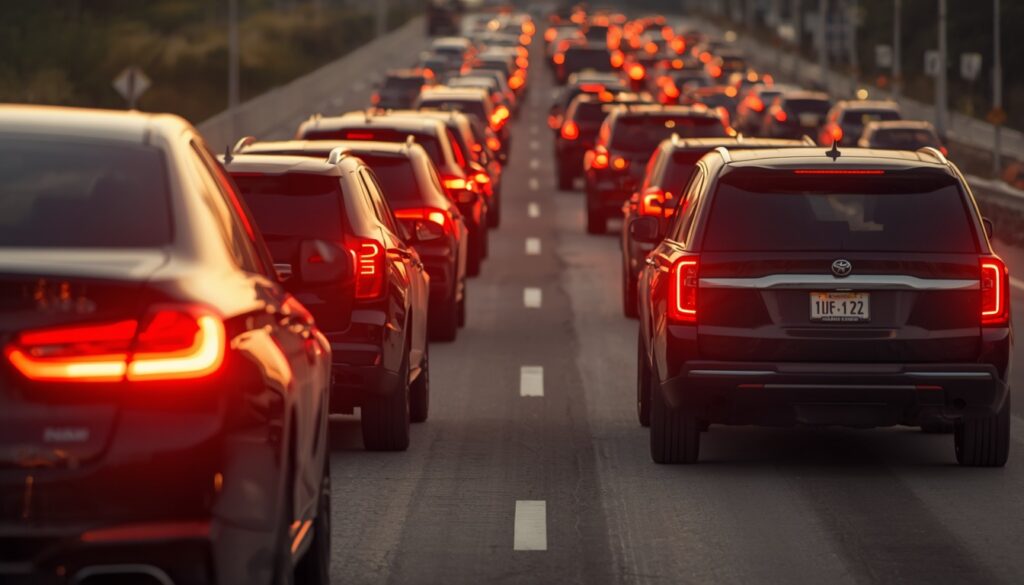
Repeated braking can also contribute to heat buildup when traffic congestion lasts for extended periods. Brake components need opportunities to dissipate heat between demanding applications, particularly in heavy vehicles.
If you regularly drive in stop-and-go conditions, smooth pedal control can make a meaningful difference. You cannot eliminate braking in traffic, but avoiding unnecessary applications helps reduce friction and may extend the useful life of your pads and rotors.
6. Carrying More Weight Than Your Vehicle Is Designed For
Overloading a vehicle does more than affect suspension components, tires, and fuel economy. It also increases the demands placed on the braking system. Every time you slow down, the brakes must dissipate the vehicle’s moving energy.
A heavier vehicle generally carries more kinetic energy at the same speed, requiring greater braking effort to bring it to a stop.
This becomes particularly important for pickup trucks, SUVs, and vehicles used for towing. Carrying heavy equipment, loading the cargo area with unnecessary items, or exceeding the manufacturer’s towing limits can place additional stress on braking components. Repeated stops under these conditions can increase heat generation and accelerate wear.
The Federal Motor Vehicle Safety Standards establish braking performance requirements for vehicles, including requirements addressing loaded vehicle conditions. However, that does not mean exceeding your vehicle’s weight ratings is safe simply because its brakes meet federal standards.
Check the certification label on the driver’s-side doorjamb for your vehicle’s Gross Vehicle Weight Rating (GVWR). This figure represents the maximum permitted loaded vehicle weight specified by the manufacturer. When towing, also follow the vehicle’s trailer-weight and combined-weight ratings.
AAA’s brake guidance identifies vehicle overloading as a factor that can increase braking demands. Its recommendations emphasize avoiding unnecessary weight and using appropriate braking techniques.
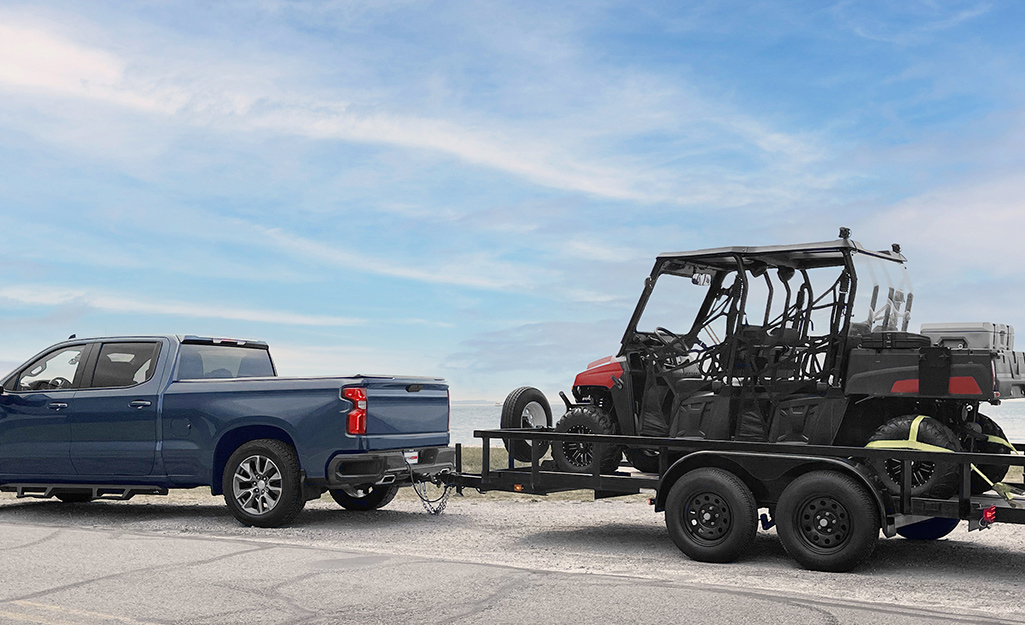
You do not need to empty your vehicle before every journey. Instead, remove heavy items that serve no purpose, distribute necessary cargo correctly, and avoid exceeding rated limits. When towing, use the braking equipment required for the trailer and follow the manufacturer’s instructions.
Reducing unnecessary weight will not eliminate normal brake wear, but it can reduce the demands placed on the braking system, particularly during repeated stops and steep descents.
7. Ignoring Brake Noise and Delaying Necessary Inspections
Unusual brake noises are easy to dismiss, especially when your vehicle still appears to stop normally. However, continuing to drive without investigating persistent squealing, grinding, or scraping can turn a relatively straightforward brake-pad replacement into a much more expensive repair.
Brake pads contain friction material designed to wear down gradually. Many modern brake pads include mechanical wear indicators that produce a high-pitched squealing sound when the material approaches its replacement limit.
This warning should not be ignored. If the friction material wears away completely, the metal backing plate can come into contact with the rotor, potentially damaging its surface.
AAA identifies grinding noises, vibration, unusual pedal behavior, and reduced stopping performance as important warning signs that require brake inspection. Its guidance also explains that worn pads can damage other braking components if replacement is delayed.
The financial difference can be significant. Replacing brake pads before they become completely worn may avoid additional rotor damage, although the actual repair cost depends on the vehicle and condition of the components.
AAA’s published brake guidance places typical pad replacement at approximately $300 to $500 per axle, while more extensive repairs involving pads, rotors, and calipers can cost substantially more.
Do not assume every squeak means your brake pads have reached the end of their service life. Moisture, surface rust, road debris, and other mechanical issues can also create noise. A professional inspection is the best way to identify the actual cause.
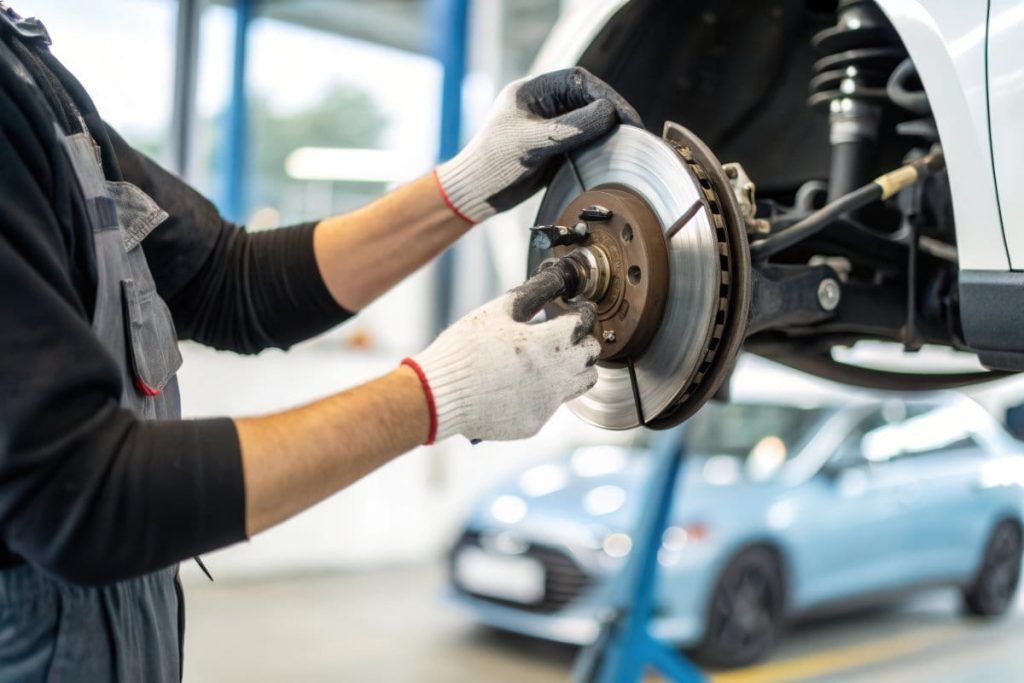
Pay attention to changes in pedal feel, steering vibration during braking, and any increase in stopping distance. If you hear persistent grinding or experience reduced braking performance, stop driving when it is unsafe to continue and arrange professional assistance.
Responding to early warnings is not just about protecting your budget. It is essential for maintaining dependable stopping performance.
8. Driving With the Parking Brake Partially Engaged
One surprisingly damaging habit is forgetting to release the parking brake completely before driving away. This can happen with traditional hand-operated parking brakes, foot-operated systems, and even some electronic parking brakes.
If the system remains engaged while the vehicle moves, the affected braking components can experience unnecessary friction, heat, and premature wear.
The severity depends on the vehicle’s parking-brake design and how long the system remains engaged. In some vehicles, the rear brakes are used for parking, while others use separate drum mechanisms integrated into the rear disc assemblies. Electronic parking brakes can also apply the rear brakes through electric motors.
Hyundai’s US owner documentation specifically warns that driving with the electronic parking brake applied may overheat the braking system and cause premature brake-pad or rotor wear. The manufacturer also advises drivers to ensure the parking-brake warning light is off before moving.
This is why checking your dashboard before setting off is important. If the parking-brake indicator remains illuminated after you release the system, investigate the issue rather than assuming the warning is harmless. Some vehicles provide audible alerts or dashboard messages when the parking brake has not been released.
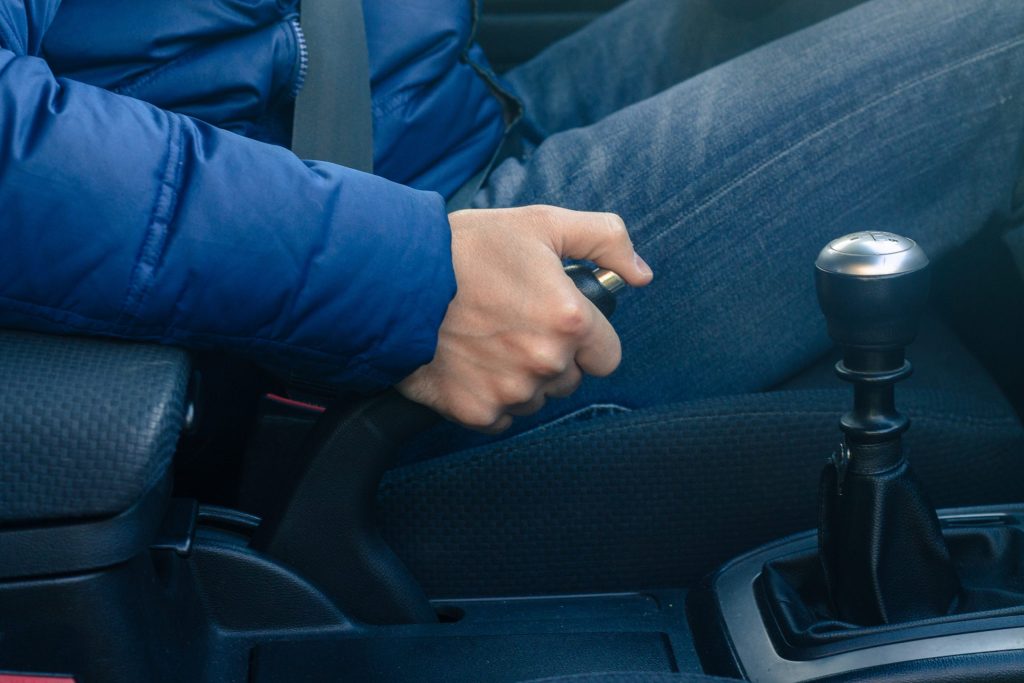
Never attempt to overcome an engaged parking brake by pressing harder on the accelerator. Doing so can increase mechanical stress and potentially damage the braking system. Stop safely and release the brake according to the vehicle’s instructions.
If the warning remains active despite releasing the parking brake, there could be a faulty switch, actuator, cable, or another mechanical problem. Have the system inspected before continuing normal driving.
A simple pre-drive check can prevent unnecessary brake wear and potentially expensive repairs. Make sure the parking brake is fully released every time you set off.