Driving on icy roads requires patience, attention, and a clear understanding of winter road conditions. Even experienced drivers can lose control when their tires encounter hidden ice, slippery intersections, or frozen patches.
Many road accidents happen because motorists underestimate the risks and continue driving as if the road surface were dry. Simple mistakes, such as sudden braking, speeding, or following other vehicles too closely, can quickly lead to dangerous situations.
Understanding common winter driving errors helps drivers make safer decisions, protect passengers, and reduce accident risks. Learning what to avoid can make every journey more predictable and secure.
1. Driving Too Fast for Icy Road Conditions
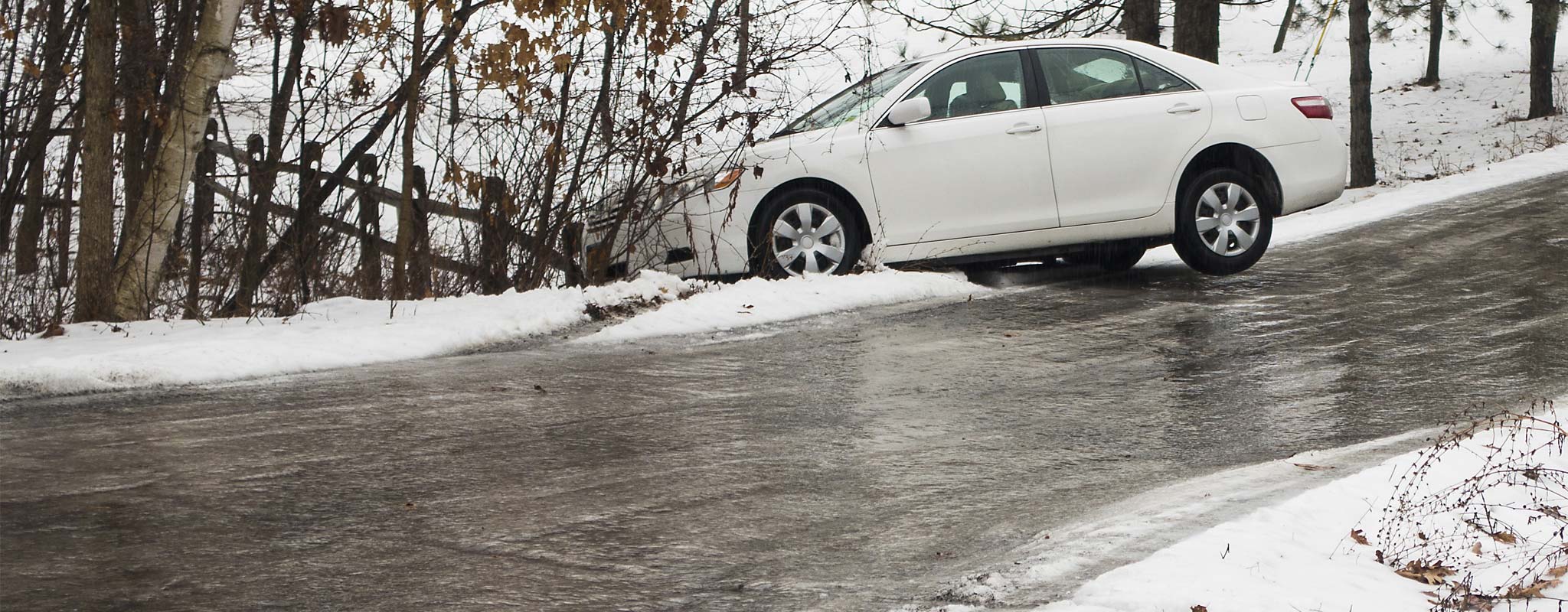
Speeding is among the most common mistakes drivers make when travelling on icy roads. Many motorists continue driving at their usual speed because the road appears clear.
However, a thin layer of ice can significantly reduce tire grip, making it difficult to control a vehicle. Even a small increase in speed can affect the driver’s ability to respond to unexpected situations.
Icy surfaces create less friction between tires and the road. This means vehicles need considerably more distance to slow down or stop. When drivers travel too quickly, they may not have enough time to react to sudden braking, sharp turns, or vehicles entering their path.
Another problem with excessive speed is the increased possibility of losing control. A vehicle travelling quickly can slide sideways when the driver attempts to change direction. Once the tires lose traction, steering becomes less effective, and recovering control can be difficult.
Drivers should reduce their speed whenever temperatures approach freezing, and road surfaces appear wet. Bridges, shaded roads, and elevated sections can freeze before other areas. These locations require additional caution because ice may be present even when surrounding roads appear safe.
It is also important to remember that posted speed limits are designed for normal driving conditions. They do not guarantee safety during winter weather. Drivers should adjust their speed according to visibility, road conditions, traffic, and available tire traction.
Maintaining a slower speed gives motorists more time to recognize hazards and respond appropriately. It also reduces the force involved in a potential collision. Smooth acceleration and gradual speed adjustments help maintain better control.
Drivers should avoid trying to keep up with faster vehicles. Every car has different tires, braking performance, and handling characteristics. Someone else’s driving speed should never determine how quickly you travel on an icy road.
The safest approach is to drive at a speed that allows you to maintain control throughout the journey. Reaching your destination a few minutes later is far better than risking an accident because of unnecessary speed.
2. Braking Suddenly or Too Aggressively
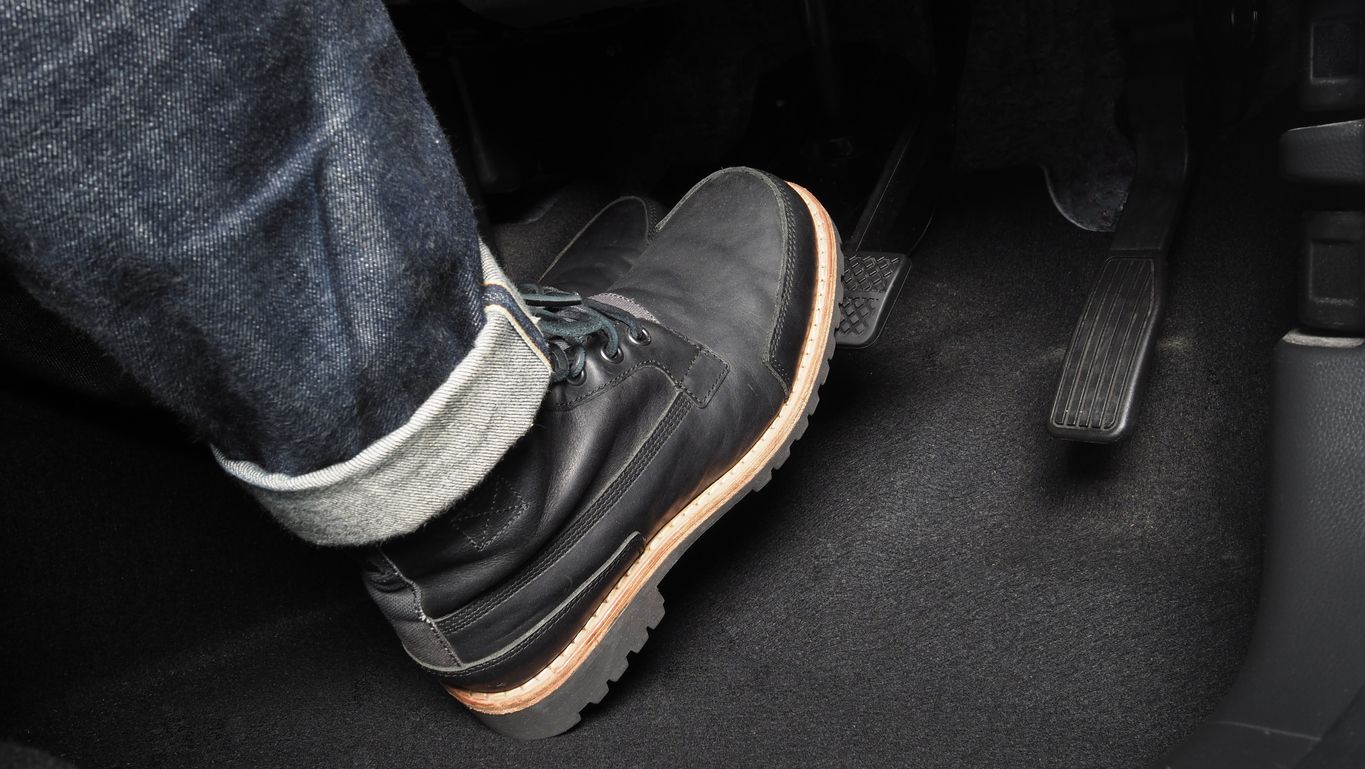
Sudden braking is particularly dangerous when driving on icy roads. On dry pavement, pressing the brake pedal firmly may bring a vehicle to a stop without much difficulty. On ice, however, the same action can cause tires to lose traction and slide across the surface.
When drivers notice an obstacle unexpectedly, their natural reaction is often to press the brakes as hard as possible. This response can make the situation worse, especially when the vehicle is already travelling at a high speed or moving through a turn.
Hard braking can also cause vehicles without anti-lock braking systems to experience wheel lockup. Locked wheels lose their ability to provide effective steering control.
This can make it difficult for drivers to avoid obstacles or maintain their intended direction.
Vehicles equipped with an anti-lock braking system, commonly called ABS, are designed to prevent wheel lockup during hard braking.
Drivers should apply firm, continuous pressure to the brake pedal during emergency braking and allow the system to operate. They should not pump the brake pedal in an ABS-equipped vehicle.
Gradual braking is generally safer during normal winter driving. Drivers should begin slowing down well before reaching intersections, traffic signals, sharp bends, and other potential hazards. This reduces the need for sudden stops.
Maintaining a suitable following distance also helps prevent emergency braking. When there is sufficient space between vehicles, motorists have more time to respond to changing traffic conditions without applying excessive pressure to the brakes.
Drivers should pay attention to how their vehicles respond when braking on slippery surfaces. If the road feels unusually slick, they should reduce speed further and avoid unnecessary stops or abrupt movements.
A smooth braking technique helps maintain stability and reduces the chances of skidding. Combining early braking with lower speeds and greater following distances makes winter journeys considerably safer.
3. Following Other Vehicles Too Closely
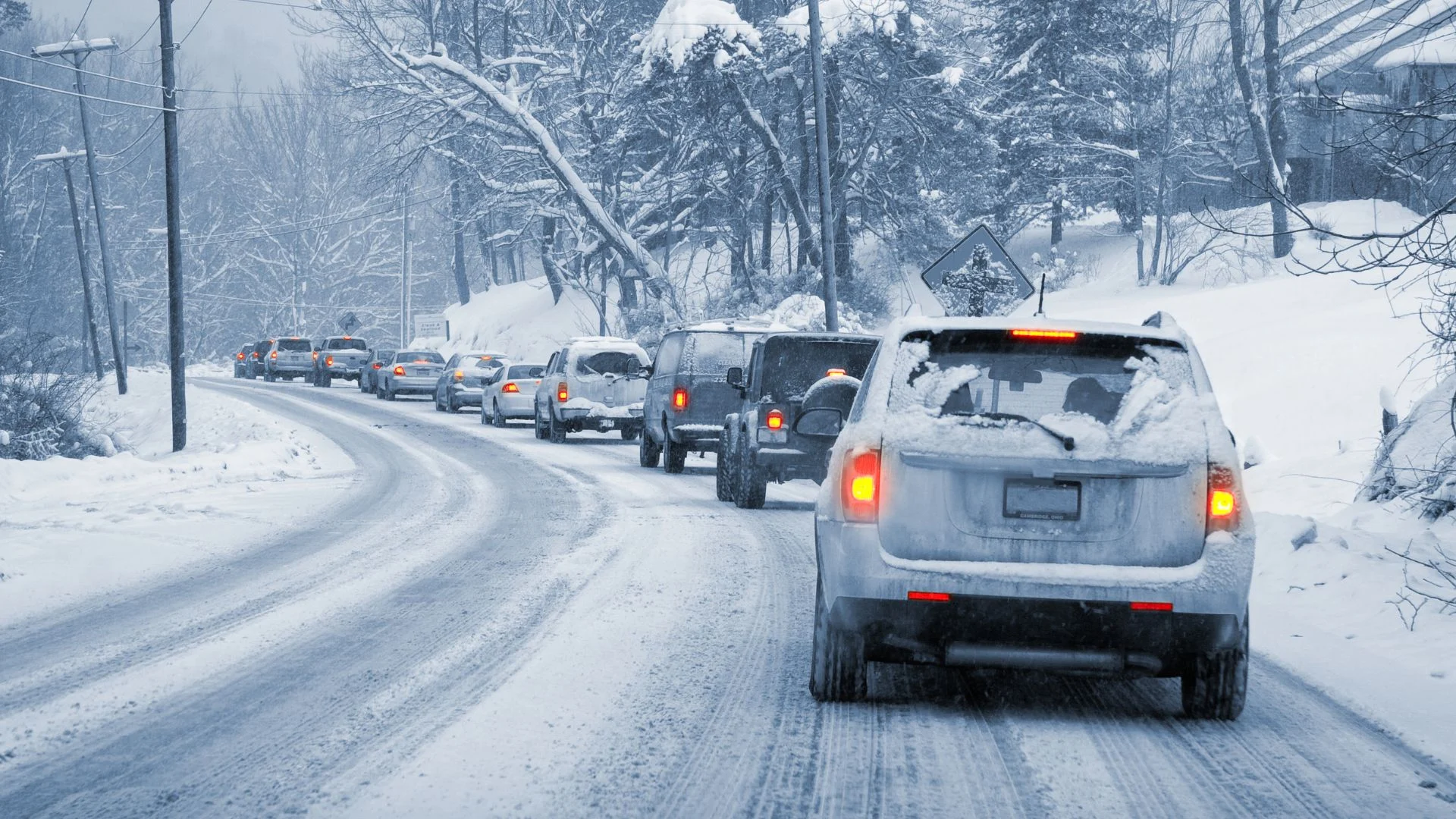
Tailgating becomes especially risky when roads are covered with snow or ice. Many drivers maintain their usual following distance without considering how much traction their tires have lost. This creates a dangerous situation when the vehicle ahead slows down or stops unexpectedly.
On dry roads, a driver may be able to stop within a relatively short distance. Icy conditions can increase stopping distances substantially. The exact distance depends on vehicle speed, tire condition, road temperature, ice thickness, and braking performance.
When motorists follow too closely, they have limited time to recognize a hazard. Even a small delay in reacting can result in a rear-end collision. The vehicle behind may slide forward even when the driver applies the brakes immediately.
A greater following distance provides additional time to respond. During winter conditions, drivers should leave at least five to six seconds of space when appropriate, increasing that distance further on particularly slippery roads. The familiar three-second rule used in normal conditions may not provide enough protection on ice.
Drivers should also avoid focusing exclusively on the vehicle directly ahead. Looking farther down the road helps identify traffic slowdowns, intersections, and potential hazards earlier. This allows motorists to reduce speed gradually instead of reacting at the last moment.
Large vehicles, including buses and trucks, may require more stopping distance because of their weight. Following these vehicles too closely can also block the driver’s view of road conditions ahead.
Motorists should resist pressure from vehicles travelling behind them. If another driver follows too closely, maintaining a safe speed and allowing them to pass when conditions permit is a better decision than speeding up.
Keeping enough space between vehicles is a simple but effective winter driving habit. It provides more opportunities to react calmly and reduces the likelihood of collisions when traffic conditions change suddenly.
4. Making Sudden Steering Movements
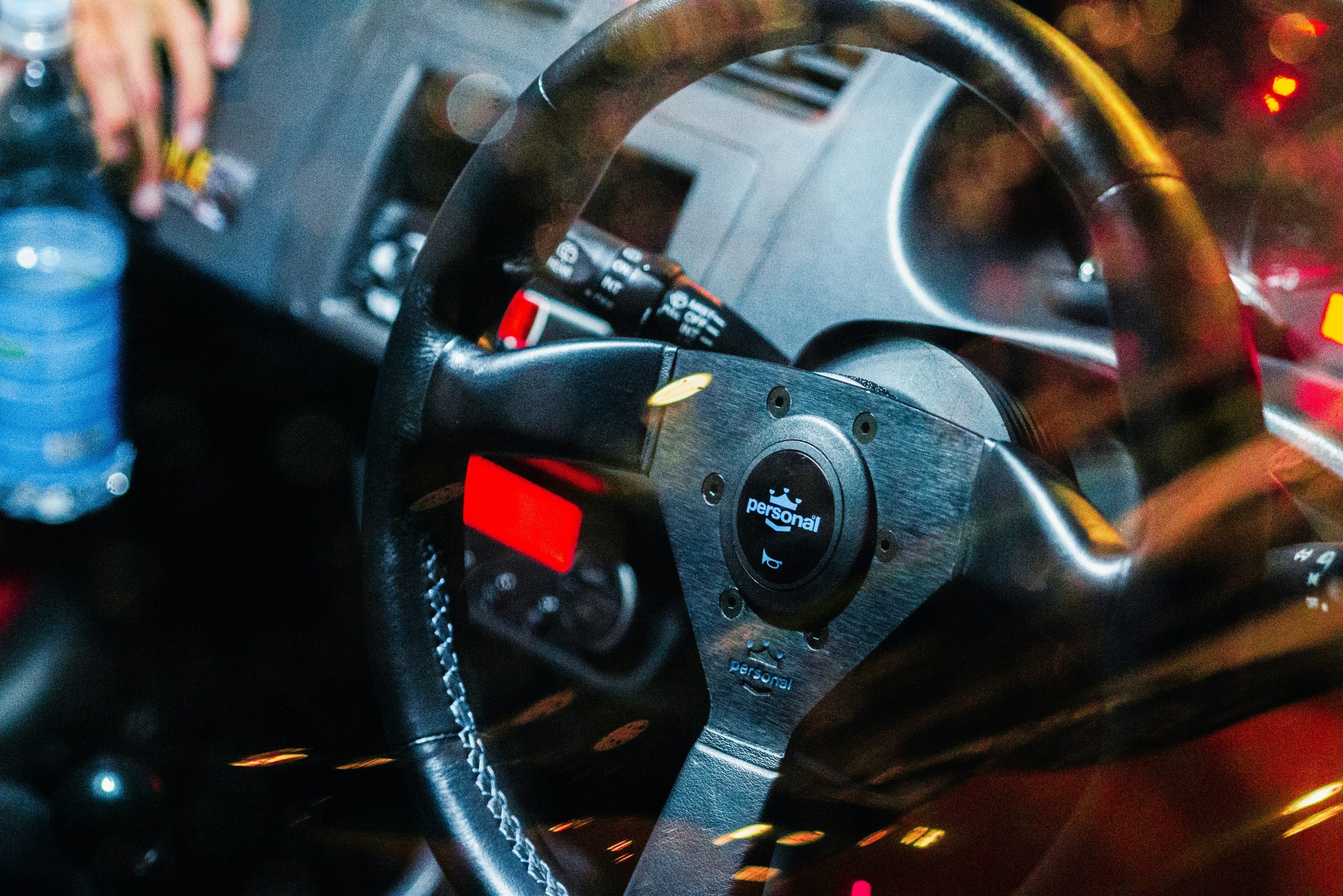
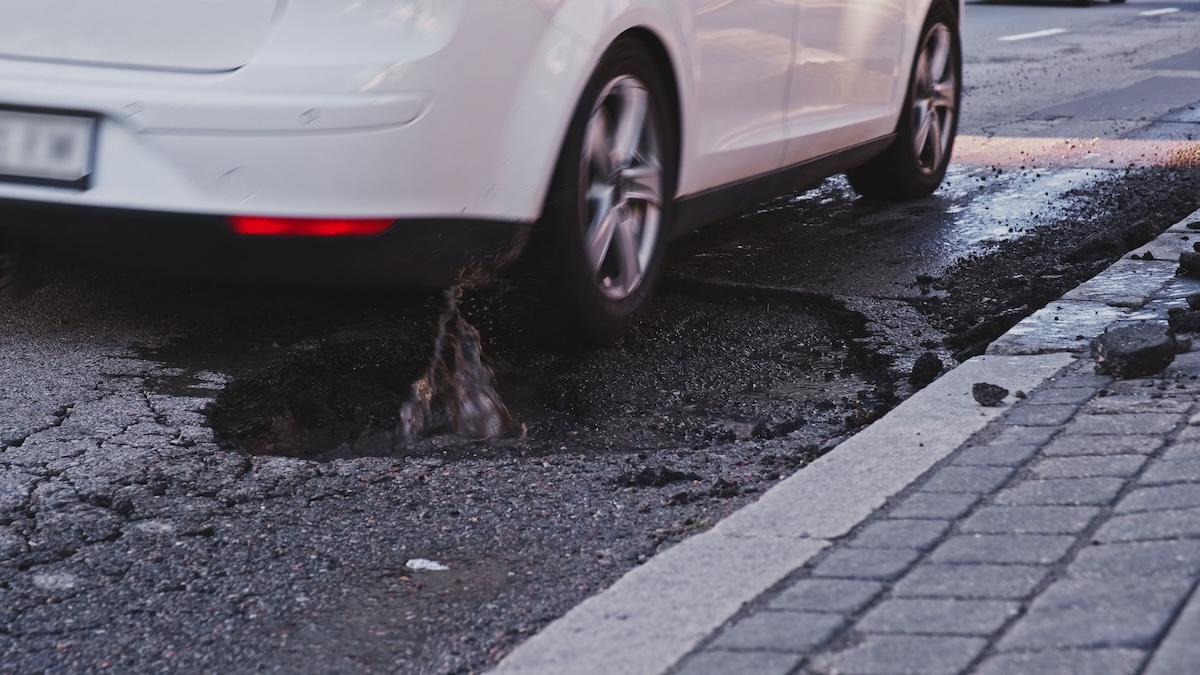
Sudden steering movements can quickly cause a vehicle to skid on icy roads. Drivers sometimes turn the steering wheel sharply when trying to avoid potholes, road debris, or other vehicles. On slippery surfaces, these movements can exceed the available tire grip and cause the vehicle to slide.
Tires depend on friction to maintain contact with the road while changing direction. Ice reduces this friction, which means even a relatively small steering adjustment can have unexpected results. A sharp turn may cause the front tires to lose traction or the rear of the vehicle to slide outward.
Drivers should make steering movements slowly and smoothly. Gentle adjustments allow tires to maintain as much grip as possible. This is particularly important when approaching bends, changing lanes, or entering narrow streets.
Taking corners at a lower speed is equally important. Braking heavily while turning on ice can make a vehicle unstable. Drivers should reduce their speed before entering a curve and maintain smooth steering throughout the turn.
If a vehicle begins to skid, motorists should avoid panicking or making exaggerated steering corrections. They should look toward their intended path and steer gently in that direction while avoiding sudden acceleration or braking. The appropriate response can depend on whether the front or rear tires have lost traction.
Drivers should also avoid unnecessary lane changes. Moving between lanes on icy roads increases the number of steering adjustments required and may expose the vehicle to uneven or untreated road surfaces.
Maintaining a safe distance from roadside obstacles gives drivers additional room to make controlled movements. This is particularly useful on narrow roads where snowbanks, parked vehicles, and barriers limit available space.
5. Ignoring Black Ice
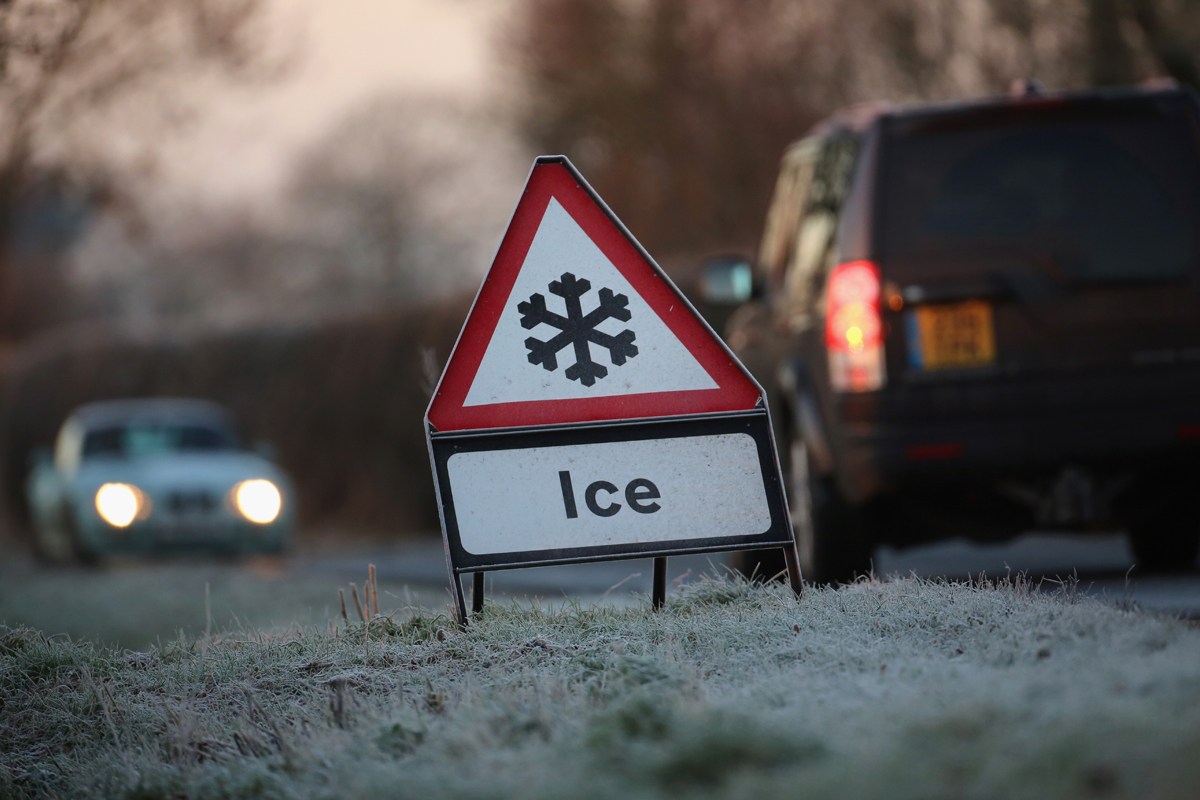
Black ice is among the most dangerous winter road hazards because it can be difficult to see. It is a thin, transparent layer of ice that forms over road surfaces, making the pavement appear dark and wet rather than frozen.
Many drivers mistake black ice for ordinary moisture. They continue travelling at normal speeds without realizing that their tires are moving over an extremely slippery surface. This lack of awareness can lead to sudden skidding and loss of control.
Black ice frequently develops during overnight temperature drops and early morning hours. It is particularly common when temperatures fall near or below freezing after rain, melting snow, or humid conditions.
Certain road sections are more vulnerable to black ice formation. Bridges, flyovers, overpasses, shaded stretches, and roads surrounded by trees may freeze earlier than other areas. These locations deserve extra attention during cold weather.
Drivers should look for unusual road reflections, glossy patches, and surfaces that appear darker than surrounding pavement. However, black ice is not always visible, so motorists should never depend entirely on visual identification.
Reducing speed before reaching potentially icy areas is a sensible precaution. Drivers should avoid sudden braking, acceleration, and steering changes when travelling through locations where black ice may be present.
If a vehicle encounters black ice and begins sliding, the driver should remain calm. Avoiding abrupt pedal movements and making gentle steering corrections can help reduce further instability. Drivers should follow their vehicle manufacturer’s guidance for responding to a skid.
6. Using Worn-Out or Unsuitable Tires
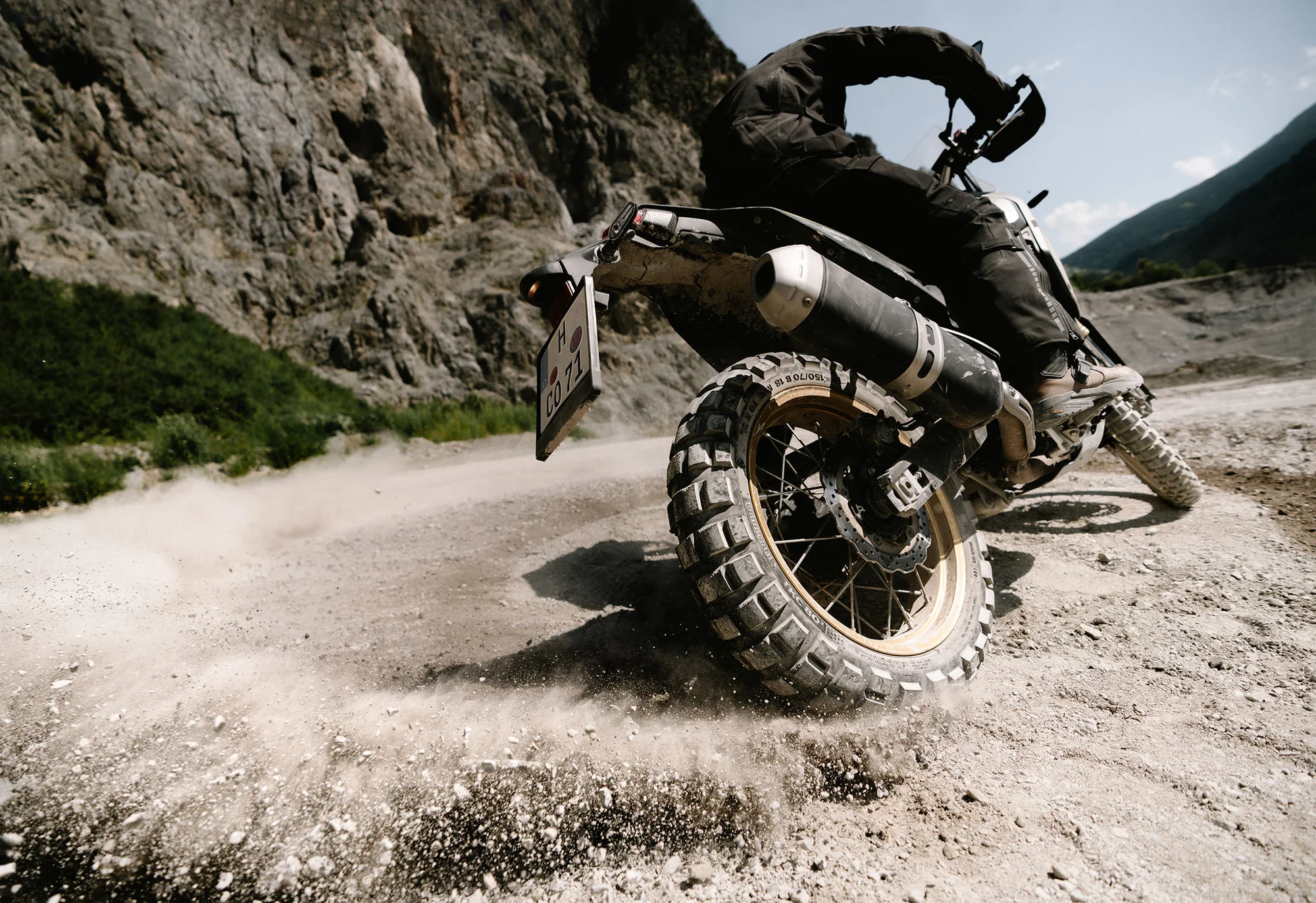
Tires play a major role in maintaining vehicle control on icy roads. They are the only parts of a vehicle that directly contact the road surface. When tires are worn, damaged, or unsuitable for winter conditions, their ability to maintain traction can decrease significantly.
Many drivers delay replacing old tires because the tread still appears acceptable during regular driving. However, shallow tread patterns provide less effective grip in snow and slush. This can make braking, acceleration, and steering more difficult.
Winter tires are designed to perform better in cold conditions. Their rubber compounds remain more flexible at low temperatures, while their tread patterns help maintain traction on snow and cold road surfaces.
Some winter tires also include specialized tread features that improve grip.
All-season tires may be suitable for moderate winter conditions, depending on their design and the local climate. However, they may not provide the same performance as dedicated winter tires in severe snow and icy conditions.
Drivers should regularly inspect tire tread depth and look for cracks, uneven wear, bulges, and other visible damage. Uneven tire wear may also indicate alignment or suspension problems that need attention.
Correct tire pressure is equally important. Cold temperatures can cause tire pressure to decrease, affecting handling and braking performance. Motorists should check pressure regularly using the manufacturer’s recommended specifications rather than relying on the appearance of the tires.
Drivers living in regions that experience regular snowfall should consider suitable winter tires before the cold season begins. In some locations, regulations may also require specific winter equipment during certain months.
7. Accelerating Too Quickly
Rapid acceleration is another common mistake that can make driving on icy roads dangerous. Drivers sometimes press the accelerator too firmly when moving away from traffic signals, climbing hills, or attempting to merge into traffic. This can cause the tires to spin without providing enough forward movement.
When tires spin on ice, they struggle to transfer engine power effectively to the road. Instead of moving forward smoothly, the vehicle may slide sideways or remain nearly stationary. This is particularly problematic on slopes and slippery intersections.
Gentle acceleration helps maintain traction. Drivers should apply gradual pressure to the accelerator and allow the vehicle to build speed slowly. Smooth throttle control reduces unnecessary wheelspin and helps maintain stability.
Vehicles equipped with traction control systems can help manage wheelspin by reducing engine power or applying braking force to individual wheels. These systems are useful, but they cannot create traction where very little grip exists.
Drivers should avoid racing away from traffic signals or trying to accelerate aggressively when the road surface is slippery. A slower start is generally safer and provides more control over the vehicle.
8. Failing to Prepare the Vehicle Before Driving
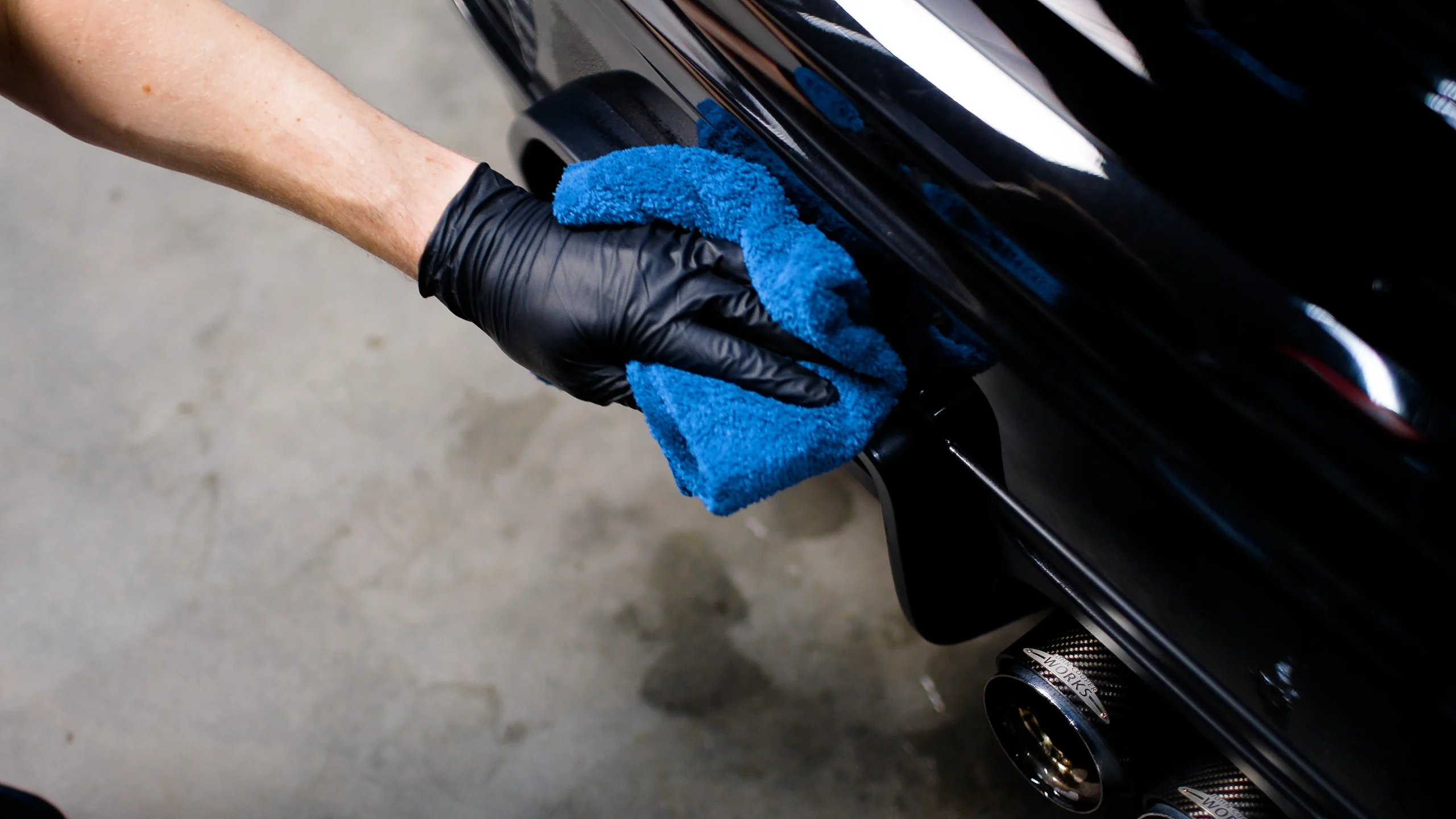
Many winter driving problems begin before the vehicle even leaves the driveway. Drivers sometimes underestimate the importance of preparing their cars for freezing conditions. Leaving without checking essential equipment can create unnecessary safety risks.
One common mistake is failing to remove snow and ice from the windshield, rear window, side windows, and mirrors. Limited visibility makes it difficult to recognize pedestrians, cyclists, traffic signals, and other vehicles.
Some motorists clear only a small section of the windshield and begin driving. This practice creates dangerous blind spots and reduces their ability to observe surrounding traffic.
All windows should be properly cleared before starting the journey.
Windshield wipers should also be inspected regularly. Damaged or frozen wiper blades may fail to remove water, snow, and road grime effectively. Drivers should ensure that their windshield washer fluid is suitable for the expected temperatures.
Battery condition is another important consideration. Cold weather can reduce battery performance, making it harder to start an engine. A weak battery that works during warmer months may fail when temperatures drop.
Drivers should also check headlights, brake lights, indicators, and heating systems. Proper lighting improves visibility, while an effective defrosting system helps prevent windows from fogging up during the journey.
9. Ignoring Weather Forecasts and Road Conditions
Checking weather information before travelling is an important part of safe winter driving. Some motorists focus only on their destination and estimated travel time without considering the conditions along the route.
Weather can change rapidly during winter. Rain may turn into freezing rain, temperatures can drop unexpectedly, and snowfall may reduce visibility within a short period. These changes can create hazardous road conditions even during relatively short journeys.
Drivers should check local weather forecasts before leaving home, particularly when travelling long distances. Information about freezing temperatures, snowfall, freezing rain, and strong winds can help motorists decide whether their journey is safe.
Road condition updates are equally valuable. Local transport authorities and highway agencies may provide information about closures, untreated roads, traffic disruptions, and hazardous sections. Reviewing these updates can help drivers avoid unnecessary risks.
Some roads become especially dangerous after sunset. Temperatures often fall during the evening and overnight, allowing wet surfaces to freeze. Drivers should consider these changes when planning departure times.
Visibility also deserves attention. Heavy snowfall, fog, and blowing snow can make it difficult to see other vehicles or road markings. In these situations, reducing speed and using appropriate vehicle lighting becomes essential.
If severe weather is expected, postponing a non-essential journey may be the safest decision. No appointment or routine activity is worth risking an accident in dangerous conditions.
10. Panicking When the Vehicle Starts Skidding
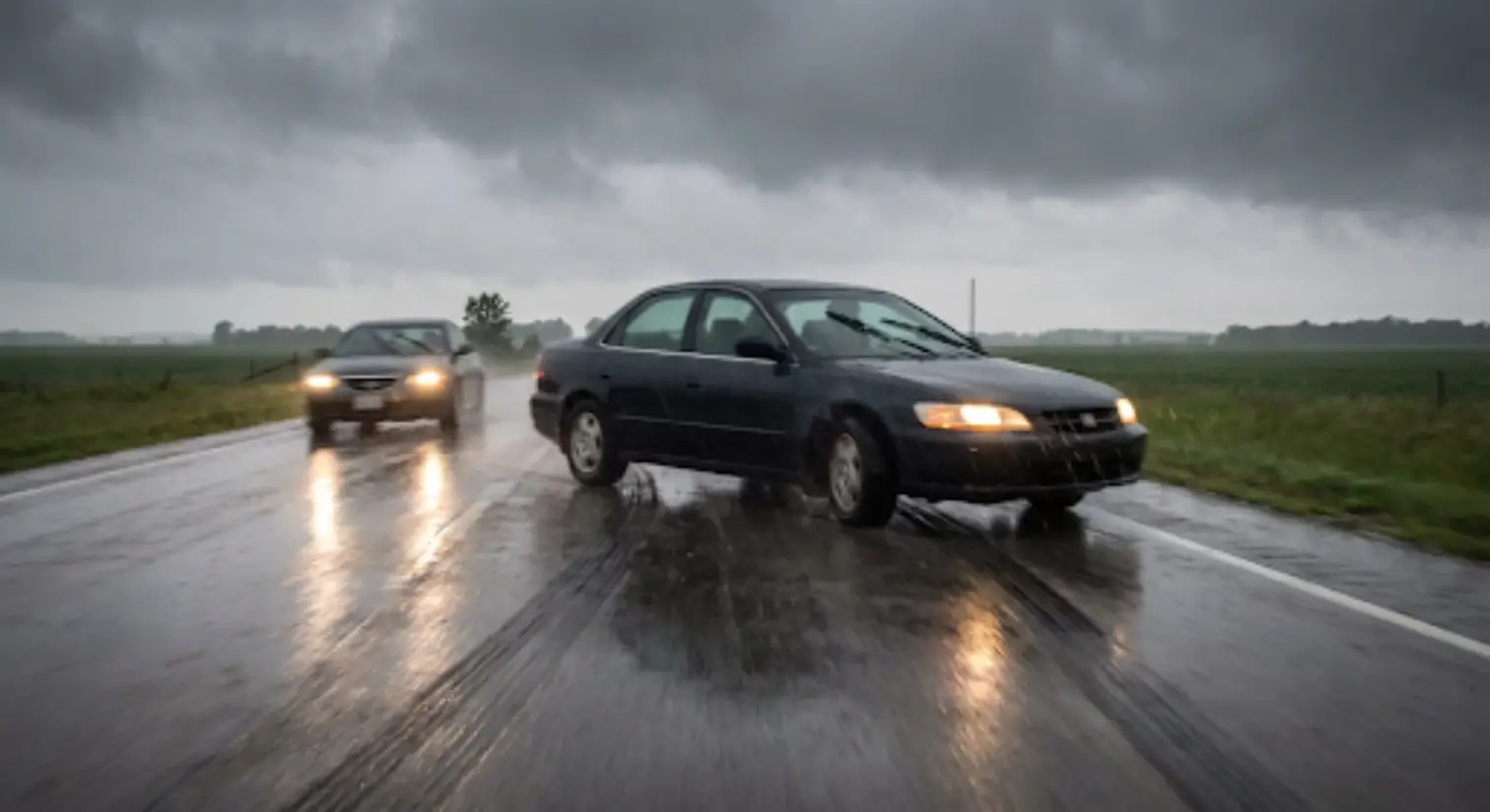
A vehicle beginning to skid can be frightening, particularly for drivers who have little experience with icy conditions. Panic often leads to sudden braking, sharp steering, or aggressive acceleration. These reactions can make the vehicle harder to control.
A skid occurs when tires lose some or all of their grip on the road. This can happen during braking, acceleration, or cornering. The vehicle may slide forward, move sideways, or rotate unexpectedly.
The first important step is to remain as calm as possible. Drivers should avoid making sudden movements and focus on maintaining control. Looking toward the intended direction of travel can help guide steering corrections.
If the rear of the vehicle slides sideways, drivers should generally steer gently in the direction they want the front of the vehicle to travel. This is commonly described as steering into the skid. Corrections should be smooth rather than exaggerated.
If the front tires lose traction, turning the steering wheel more sharply may not help. Drivers should ease off the accelerator and avoid forcing the vehicle to turn until the tires regain grip. The correct response depends on the type of skid and vehicle design.
Braking techniques also depend on the circumstances. Vehicles with ABS should generally receive firm, continuous brake pressure during emergency braking. In a non-emergency skid, sudden braking should be avoided whenever possible.
Drivers should not assume that electronic stability control or traction control will prevent every skid. These systems can help maintain stability, but they have physical limitations. Excessive speed and extremely slippery surfaces can still cause a vehicle to lose control.