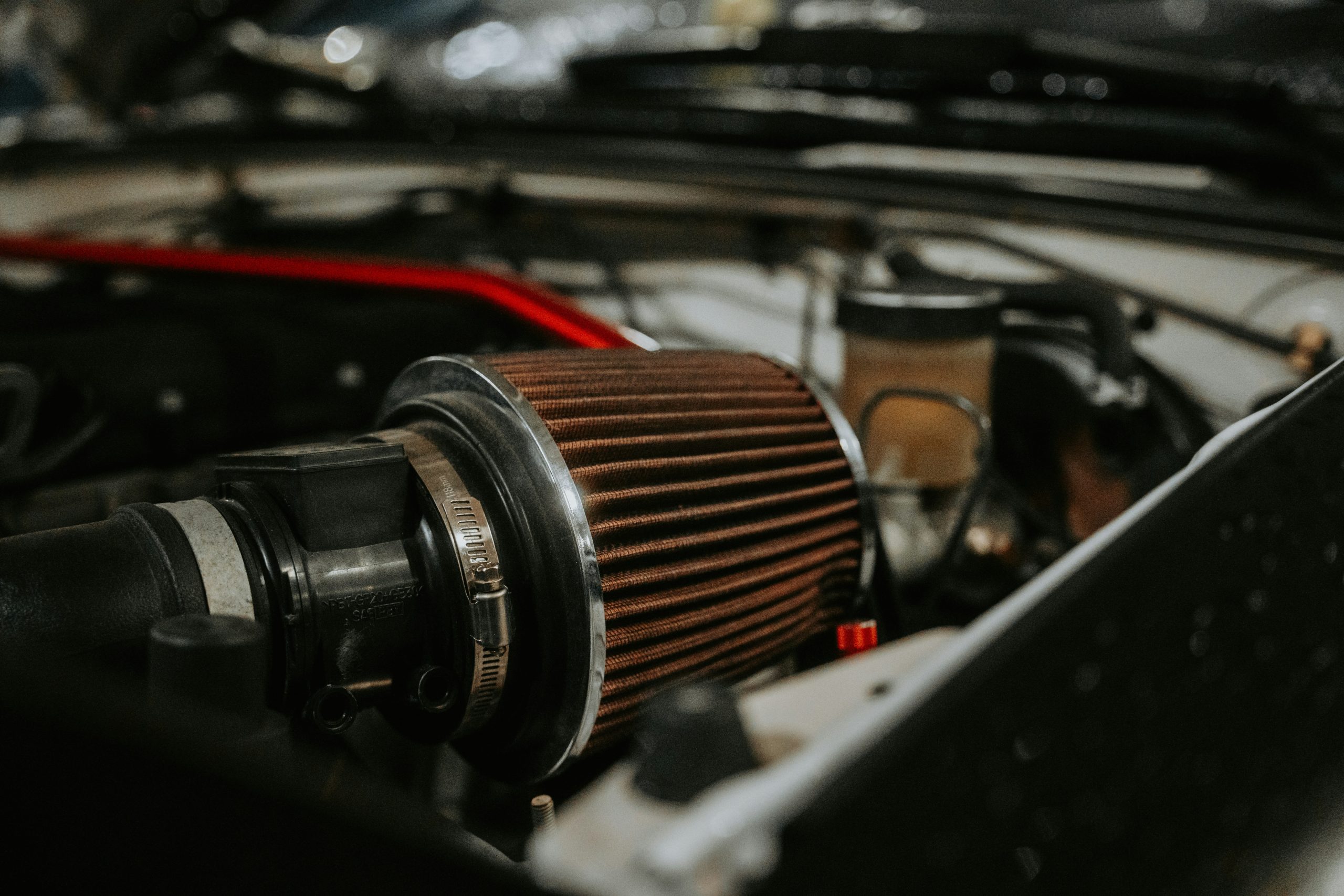
Car filters play an important role in keeping a vehicle clean, efficient, and reliable. They prevent dust, dirt, debris, and harmful particles from entering essential systems, including the engine, fuel system, cabin, and transmission.
Over time, these filters collect contaminants and gradually lose their ability to perform properly. Ignoring filter maintenance can lead to poor engine performance, reduced fuel efficiency, unpleasant cabin air, and expensive repairs.
Understanding which car filters need replacement and how often to change them helps drivers maintain their vehicles in good condition. This guide covers ten important car filters, their functions, replacement intervals, and warning signs.
1. Engine Air Filter
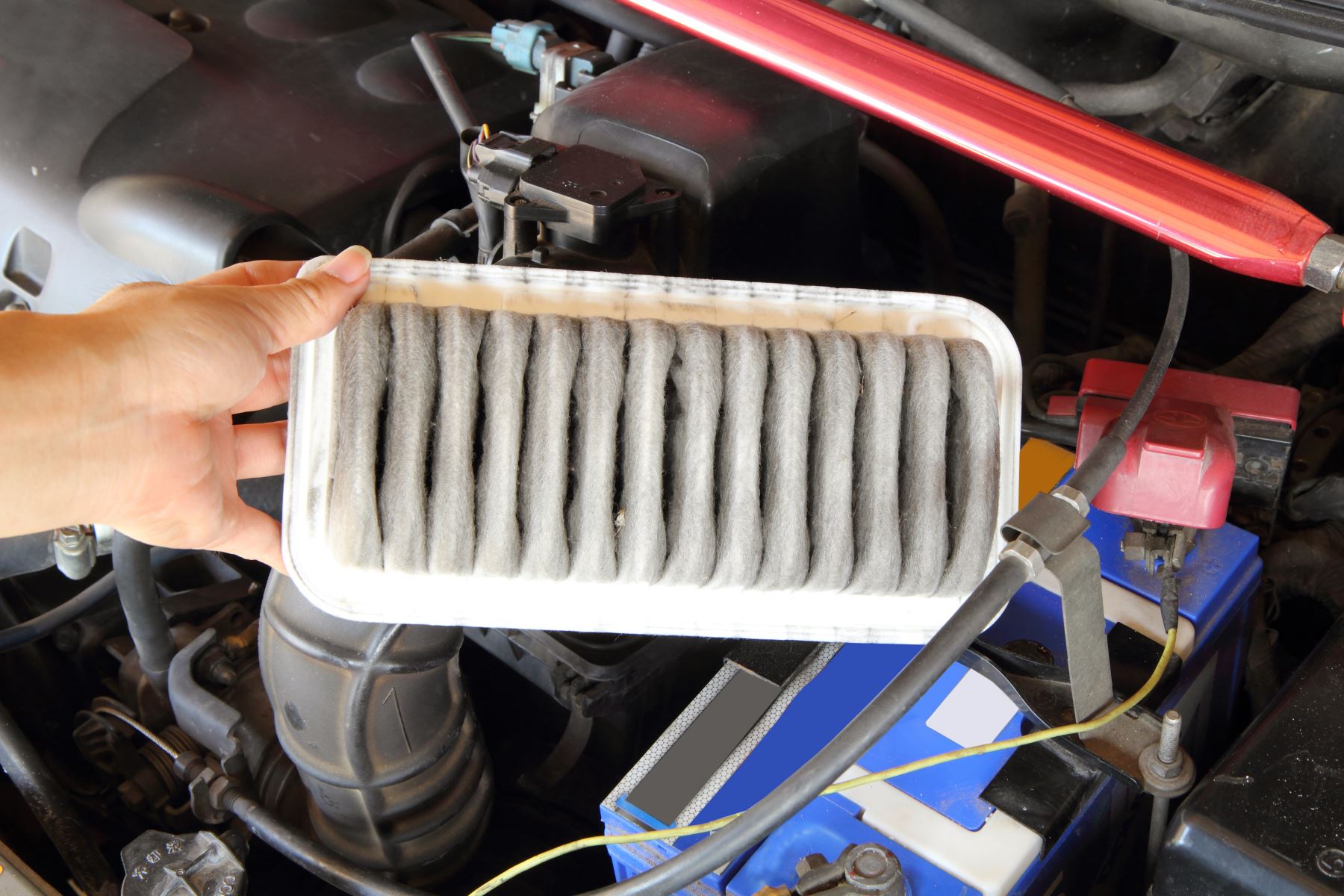
The engine air filter prevents dust, dirt, sand, leaves, and other airborne particles from entering the engine. Clean air is essential for proper combustion because the engine needs a suitable mixture of air and fuel to operate efficiently.
The filter captures contaminants before they reach sensitive engine components, helping reduce unnecessary wear and maintain consistent performance.
Most manufacturers recommend replacing the engine air filter every 15,000 to 30,000 miles, which is approximately 24,000 to 48,000 kilometres. However, the replacement interval depends on driving conditions, vehicle design, and the quality of the filter. Cars frequently driven on dusty roads may require more frequent replacements.
A dirty engine air filter can restrict airflow and affect engine performance. Drivers may notice sluggish acceleration, reduced fuel economy, or unusual engine behaviour. In some vehicles, a severely restricted filter can contribute to changes in engine operation and increased emissions.
Checking the engine air filter during routine servicing is a simple way to prevent these problems. Many filters are located inside a plastic air filter housing under the bonnet, making inspection relatively straightforward.
A technician can check its condition and determine whether cleaning or replacement is appropriate for that particular filter.
Replacing the engine air filter is generally inexpensive compared with repairing damage caused by neglected maintenance. A clean filter allows the engine to receive the required airflow while protecting internal components from abrasive particles.
Always choose a filter that matches your vehicle’s specifications. An incorrectly sized filter may not seal properly, allowing unfiltered air to enter the engine. Consult the owner’s manual for the correct replacement part and recommended service interval.
Drivers should pay particular attention to this filter during summer months and when travelling through construction areas, rural roads, or dusty environments. These conditions can cause dirt to accumulate faster than expected.
Regular engine air filter maintenance supports efficient combustion, protects the engine, and helps maintain dependable vehicle performance.
2. Cabin Air Filter
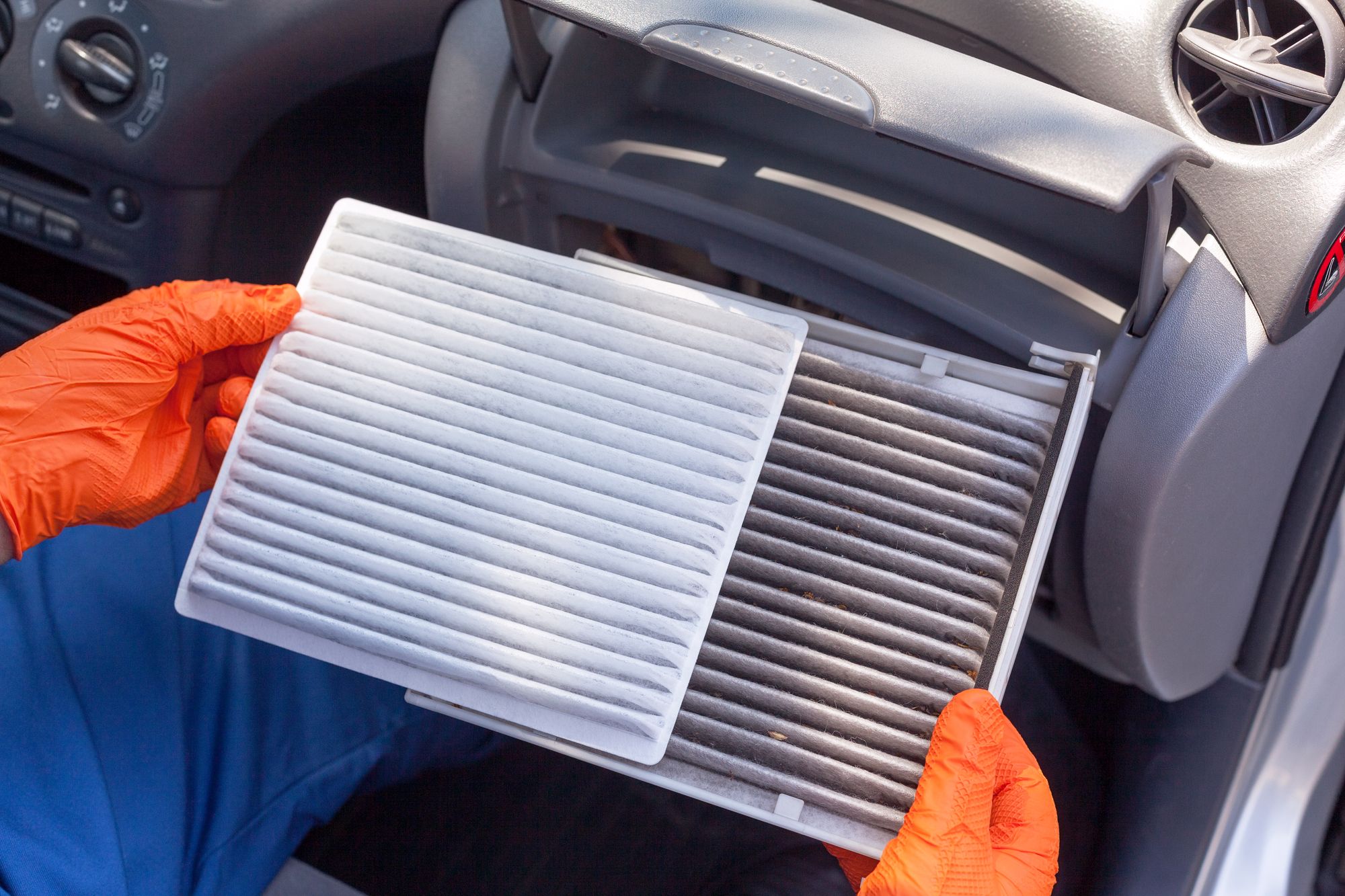
The cabin air filter cleans the air entering the passenger compartment through the heating, ventilation, and air conditioning system. It captures dust, pollen, road particles, and other airborne contaminants before they circulate inside the vehicle.
Some advanced cabin filters also contain activated carbon to help reduce certain unpleasant odours and gaseous pollutants.
Most cabin air filters should be replaced every 12,000 to 15,000 miles, or approximately 19,000 to 24,000 kilometres. Depending on the manufacturer’s recommendations and driving environment, replacement may be necessary sooner. Vehicles regularly driven through heavily polluted cities may collect contaminants more quickly.
A clogged cabin air filter can reduce airflow from the air conditioning vents. Drivers might notice that the AC takes longer to cool the cabin or that the blower seems weaker than usual. These symptoms can also have other causes, so a proper inspection is important.
An unpleasant smell when switching on the air conditioning is another possible indication of a dirty cabin filter. Moisture and accumulated organic material can contribute to odours within the ventilation system. Replacing the filter may help, but persistent smells can require professional cleaning.
The cabin air filter is particularly useful for people who regularly drive through busy urban areas. It helps reduce exposure to airborne particles inside the vehicle, making the driving environment more comfortable.
In most cars, the cabin filter is positioned behind the glove compartment, beneath the dashboard, or near the base of the windscreen. Its location varies by manufacturer, so checking the owner’s manual can save time during inspection or replacement.
When buying a replacement, consider the type of filtration required. Standard particulate filters capture dust and pollen, while activated carbon versions can help reduce certain odours and gases.
Changing the cabin air filter regularly supports better ventilation, improves passenger comfort, and helps the air conditioning system maintain proper airflow.
3. Fuel Filter
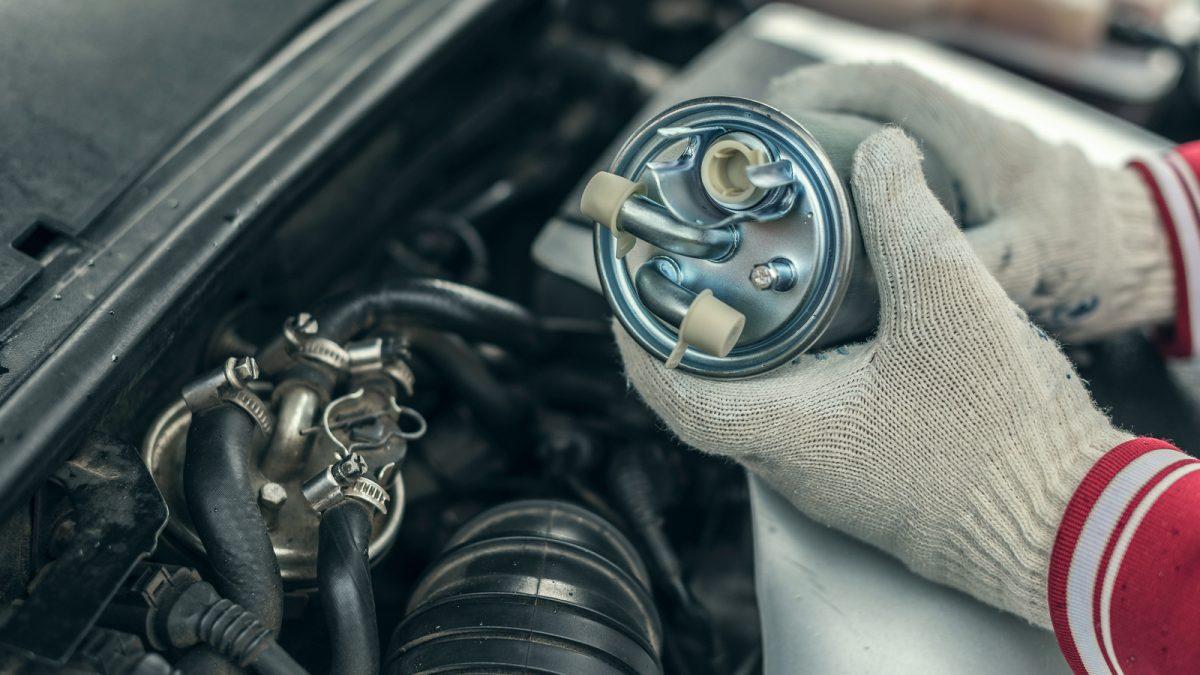
The fuel filter removes dirt, rust, water, and other contaminants from fuel before it reaches the engine’s fuel injection system.
Clean fuel is essential because modern fuel injectors contain small openings that can become clogged by particles. A properly functioning filter helps protect these components and supports consistent engine operation.
Fuel filter replacement intervals vary significantly between petrol and diesel vehicles. Some petrol cars have filters designed to last well beyond 60,000 miles, while certain diesel vehicles require replacement around 20,000 to 40,000 kilometres. The manufacturer’s service schedule should always take priority.
A blocked fuel filter can restrict the amount of fuel reaching the engine. This may cause difficulty starting the vehicle, hesitation during acceleration, reduced engine power, or unexpected stalling. These symptoms can also indicate problems with the fuel pump or injectors.
Diesel engines often require particular attention because their fuel systems can be sensitive to water and contamination. Some diesel vehicles include water separators that collect moisture before it reaches critical components. These systems must also be maintained according to manufacturer recommendations.
Fuel quality plays an important role in filter condition. Contaminated fuel can cause deposits to accumulate more quickly, increasing the likelihood of restricted fuel flow. Purchasing fuel from reputable stations and following recommended maintenance schedules can help protect the fuel system.
The fuel filter may be located inside the fuel tank, along the fuel line, or within the engine compartment. Some modern vehicles use integrated filter assemblies that are not designed for routine separate replacement.
Because fuel systems operate under pressure, replacing a fuel filter can require specialised tools and safety procedures. Professional servicing is recommended, particularly for modern petrol direct-injection and diesel systems.
Timely fuel filter maintenance helps maintain reliable fuel delivery, protects expensive injection components, and reduces the risk of engine performance problems.
4. Engine Oil Filter
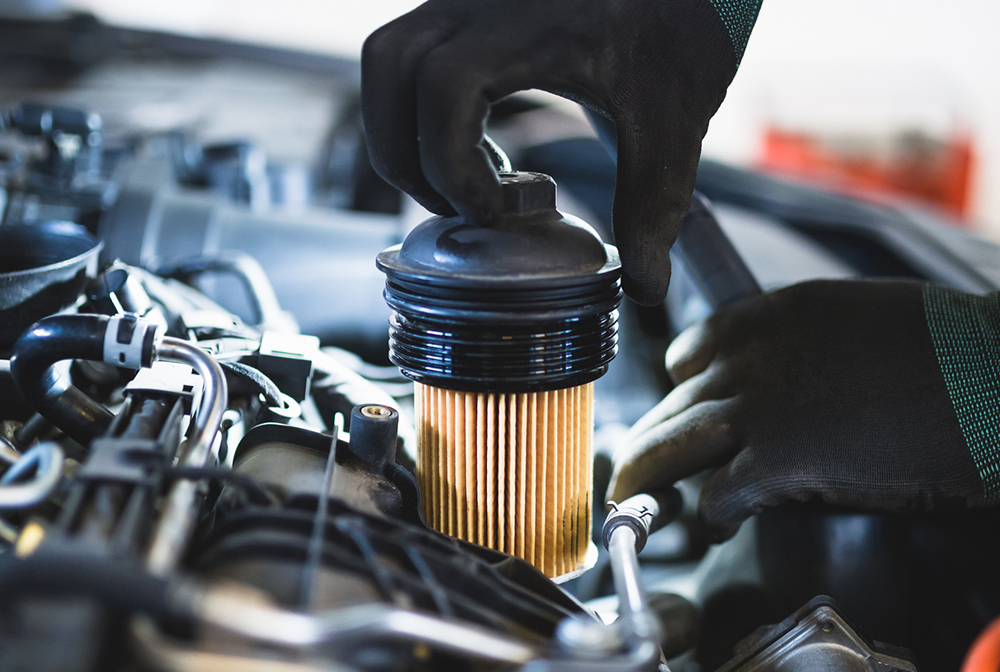
The engine oil filter removes dirt, metal particles, carbon deposits, and other contaminants from the engine oil. As oil circulates through the engine, it collects microscopic debris produced during normal operation. The filter captures many of these particles before the oil returns to lubricate important engine components.
Oil filters are generally replaced during every engine oil change. Depending on the vehicle, oil type, and service schedule, this may be every 5,000 to 10,000 kilometres or at a different interval specified by the manufacturer.
A dirty or clogged oil filter can reduce its ability to remove contaminants effectively. Many modern filters include a bypass valve that allows oil to continue circulating if the filter becomes excessively restricted. This protects against oil starvation, but it may allow unfiltered oil to circulate.
An oil filter that is not functioning properly can contribute to increased engine wear over time. Drivers should never assume that changing the engine oil alone is sufficient. The filter should receive attention during the same service.
Warning signs such as an oil pressure warning light, unusual engine noise, or oil leaks require immediate attention. These symptoms do not automatically indicate a faulty oil filter, but they should never be ignored.
Oil filters are available in different designs, including spin-on filters and cartridge filters. Each vehicle requires a specific filter type with the correct dimensions, pressure rating, and filtration characteristics.
Using a poor-quality or incorrect oil filter may affect lubrication performance. It is important to choose a replacement that meets the manufacturer’s specifications rather than selecting a filter based only on price.
Replacing the engine oil filter at the recommended interval helps maintain clean engine oil, supports effective lubrication, and protects important internal components from premature wear.
5. Transmission Fluid Filter
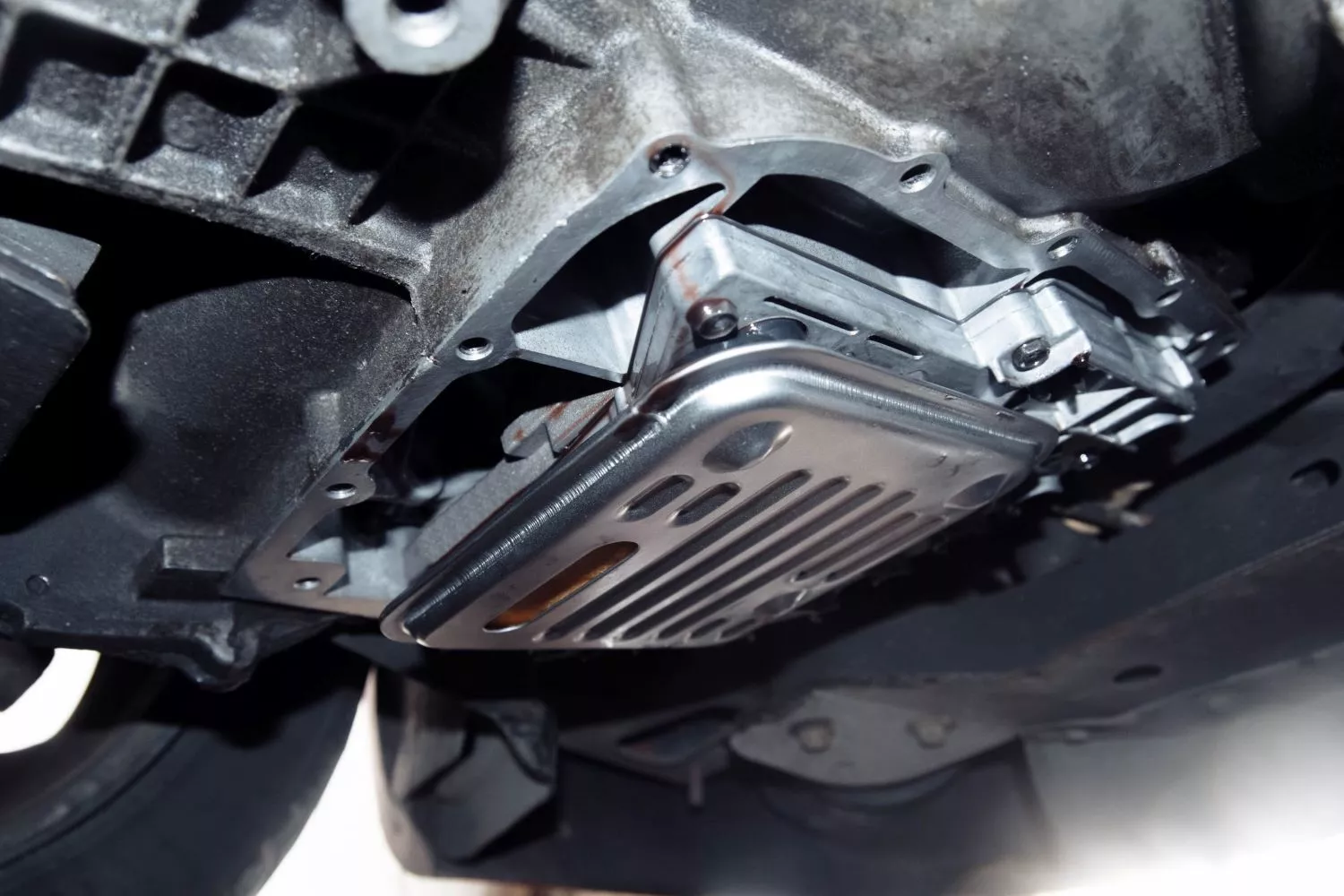
The transmission fluid filter helps remove debris and contaminants from the fluid circulating inside an automatic transmission.
Transmission fluid performs several functions, including lubrication, cooling, and hydraulic pressure transfer. Keeping this fluid clean is important for smooth gear changes and reliable transmission operation.
Replacement intervals vary according to transmission design. Some vehicles recommend transmission filter replacement during scheduled fluid servicing, while others use filters that are not intended for routine replacement. Certain transmissions have internal filters that require more extensive work to access.
A contaminated or restricted transmission filter can affect fluid circulation. Drivers may experience delayed gear engagement, rough shifting, slipping, or unusual transmission behaviour. However, these symptoms can also result from low fluid levels, worn components, or electronic faults.
Transmission filters are particularly important in vehicles that experience heavy traffic, frequent stop-and-go driving, or regular towing.
These conditions can increase transmission operating temperatures and place additional demands on the fluid and internal components.
Not every automatic transmission has a conventional replaceable filter. Some modern designs use internal strainers or integrated filtration systems. Therefore, checking the service information for the exact transmission model is essential.
Transmission servicing usually involves more than simply changing the filter. The correct fluid specification, filling procedure, and fluid level are equally important. Using an unsuitable transmission fluid can affect shifting quality and potentially damage the transmission.
Drivers should pay attention to unusual noises, fluid leaks, burning smells, and changes in gear engagement. Early diagnosis can prevent minor maintenance issues from developing into major transmission repairs.
Following the manufacturer’s transmission service schedule helps maintain fluid cleanliness, supports smooth gear operation, and extends the working life of transmission components.
6. Diesel Particulate Filter (DPF
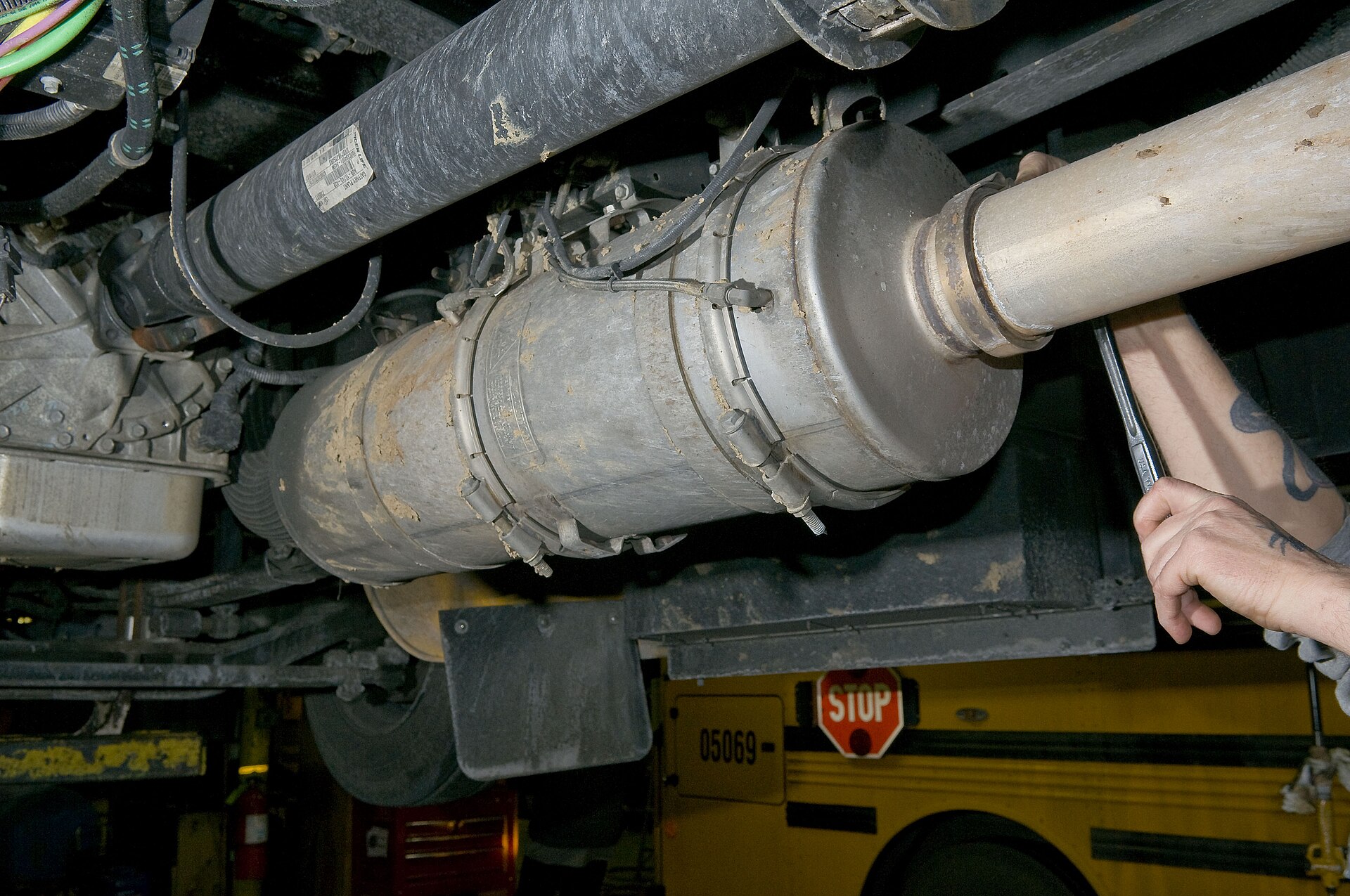
The diesel particulate filter is an emissions-control component designed to capture soot particles produced by diesel combustion. It reduces the amount of particulate matter released through the exhaust system. Modern diesel vehicles use DPF technology to meet emissions regulations and reduce harmful exhaust pollution.
Unlike conventional filters, a DPF is designed to clean itself through a process called regeneration. During regeneration, accumulated soot is burned at high temperatures and converted mainly into ash. This process allows the filter to continue functioning without requiring frequent physical replacement.
Regeneration can happen automatically when driving conditions allow the exhaust system to reach the required temperature. Some vehicles also use active regeneration, in which the engine management system adjusts operating conditions to increase exhaust temperature.
Frequent short journeys and repeated low-speed driving can prevent regeneration from completing successfully. As a result, soot may accumulate inside the filter, potentially triggering a dashboard warning light or reduced engine performance.
Drivers should follow the vehicle’s instructions when a DPF warning appears. Some vehicles require a particular driving procedure, while others need professional diagnostic equipment to initiate regeneration. Continuing to drive with a severe blockage can cause additional problems.
The DPF itself may last for many years, depending on vehicle usage, maintenance, and engine condition. However, ash gradually accumulates because it cannot be removed through normal regeneration. Professional cleaning or eventual replacement may become necessary.
A DPF warning should not be ignored or treated by removing the filter. Tampering with emissions equipment may be illegal and can cause the vehicle to fail an emissions inspection.
Proper engine maintenance, suitable engine oil, and appropriate driving habits help maintain DPF performance and reduce the likelihood of expensive exhaust system repairs.
7. Hydraulic Power Steering Filter
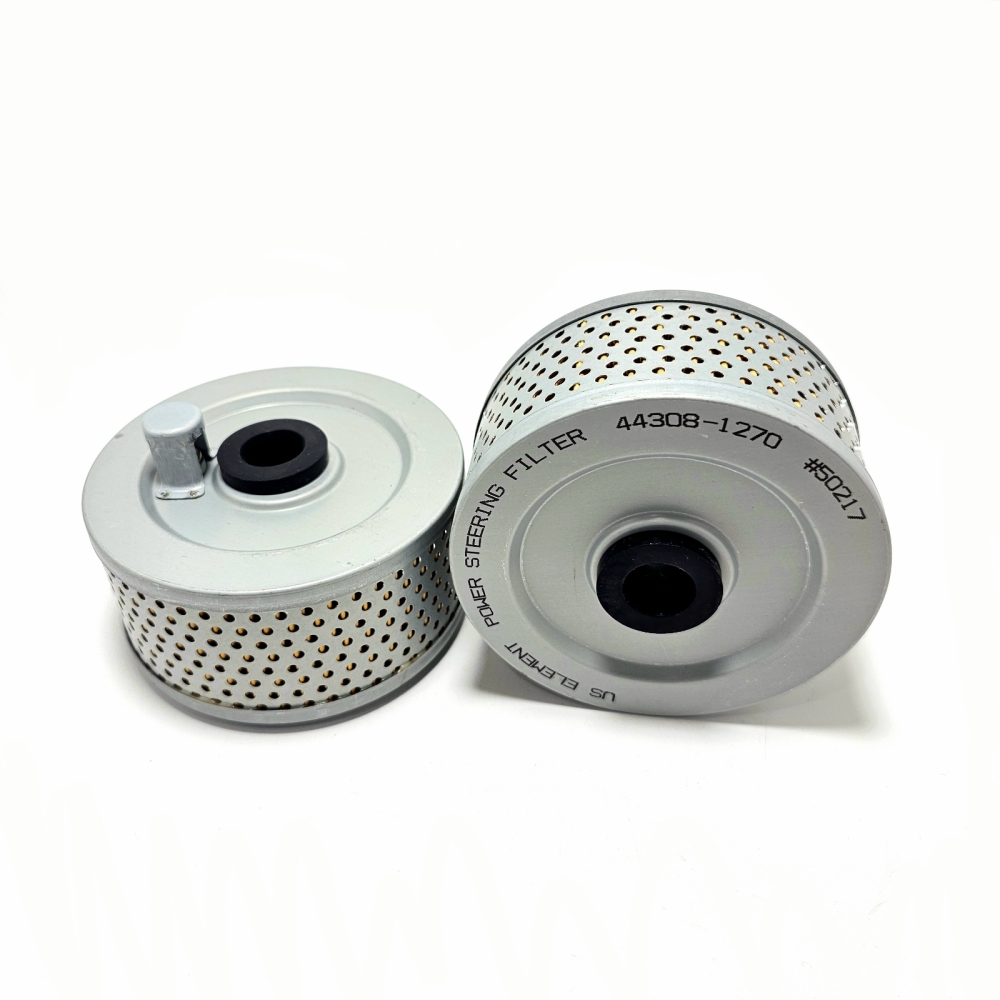
Some vehicles equipped with hydraulic power steering systems use a filter to remove contaminants from the steering fluid. This filter helps prevent dirt, metal particles, and other debris from circulating through the pump, hoses, and steering rack.
Unlike engine air or oil filters, power steering filters are not fitted to every vehicle. Some systems include an integrated filter inside the fluid reservoir, while others use an inline filter within the hydraulic circuit.
Replacement intervals depend on the vehicle’s design and service recommendations. Many manufacturers do not specify a routine replacement interval for a separate power steering filter. Instead, inspection and servicing are performed when necessary.
A restricted filter can affect hydraulic fluid circulation and place additional strain on the power steering pump. Drivers might notice heavier steering, whining noises when turning the wheel, or inconsistent steering assistance.
Contaminated steering fluid can also accelerate wear inside the steering pump and rack. Regular inspections help identify leaks, fluid deterioration, and other problems before they become more serious.
If your vehicle has a replaceable power steering filter, use a component that matches the original system specifications. Incorrect filters may restrict fluid movement or fail to capture contaminants properly.
Modern vehicles increasingly use electric power steering systems instead of hydraulic systems. These systems do not use traditional power steering fluid filters because they rely on electric motors and electronic controls for steering assistance.
Checking the steering system during regular servicing helps maintain smooth steering operation. If the steering becomes unusually heavy or noisy, have the system inspected rather than replacing the filter without confirming the cause.
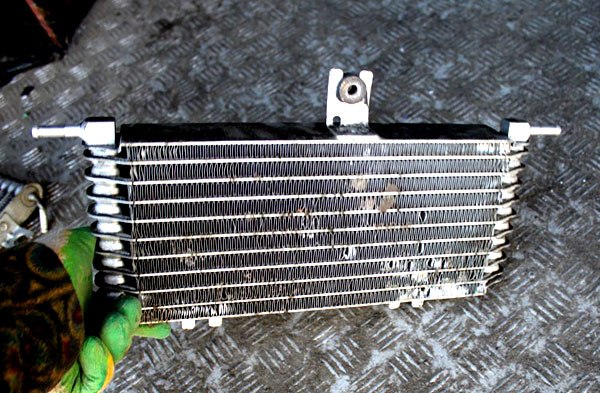
8. Automatic Transmission Cooler Filter
Some vehicles use a separate filter or filtration component in the automatic transmission cooling circuit. Its purpose is to capture debris before transmission fluid passes through the cooler and related components. This helps protect the cooling system and maintain clean fluid circulation.
The transmission cooler helps control fluid temperature by transferring heat away from the transmission. Proper cooling is essential because excessive heat can accelerate fluid deterioration and damage internal transmission components.
Not every vehicle has a separate transmission cooler filter. Some models use an integrated transmission filter, while others include an inline filtration component in the cooler lines. The exact design depends on the transmission and cooling system.
Replacement intervals vary widely. Some inline filters are replaced during transmission servicing, while others are designed for specific maintenance situations, such as repairs following internal transmission failure.
A restricted cooler filter can reduce fluid flow through the cooling circuit. This may contribute to increased transmission temperatures, poor shifting performance, or premature wear if the problem remains unresolved.
Vehicles used for towing, carrying heavy loads, or frequent driving in high-temperature conditions may place additional demands on their transmission cooling systems. Regular inspection is particularly important under these operating conditions.
When replacing this filter, technicians should also inspect the cooler lines, connections, and heat exchanger for leaks or contamination. Simply installing a new filter may not solve the problem if debris remains inside the cooling circuit.
Maintaining the transmission cooling system helps control operating temperatures, protect internal components, and support reliable automatic transmission performance.
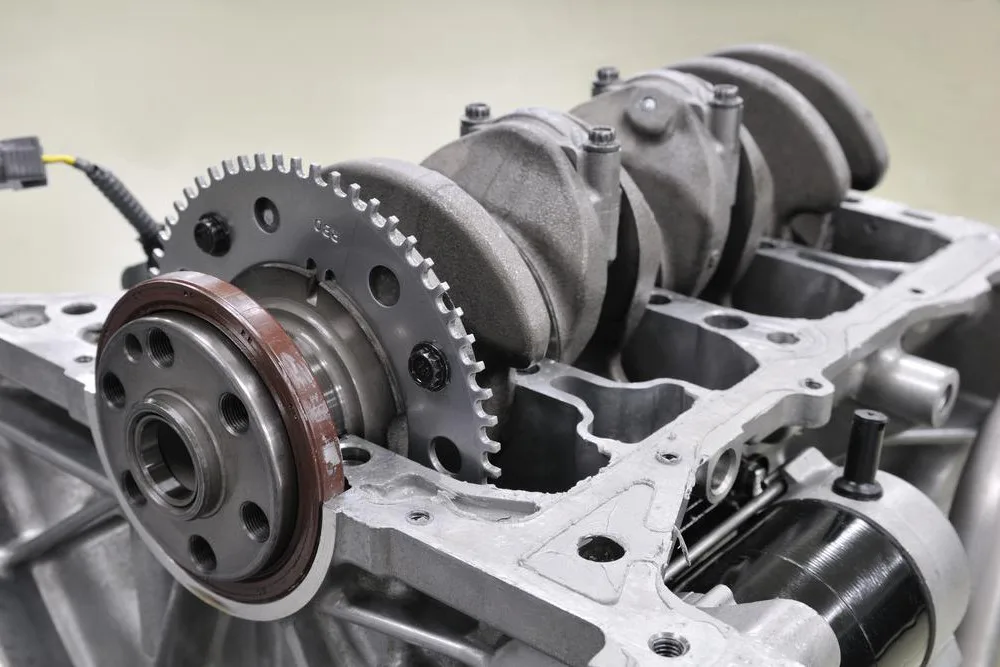
9. Crankcase Ventilation Filter
The crankcase ventilation filter, sometimes called an oil separator or breather filter, helps manage gases and oil vapour produced inside the engine crankcase. During combustion, a small amount of gas can pass the piston rings and enter the crankcase. This is commonly known as blow-by.
The ventilation system redirects these gases into the engine intake so they can be burned during combustion. Depending on the vehicle’s design, a filter or oil separator removes oil droplets from the gases before they return to the intake system.
Over time, oil deposits and contaminants can accumulate within the ventilation filter. A restricted component may interfere with crankcase pressure regulation and affect engine performance.
Possible warning signs include increased oil consumption, oil leaks, rough idling, or excessive oil vapour. These symptoms can also indicate other engine problems, so proper diagnosis is necessary.
Replacement intervals depend heavily on the engine design. Some manufacturers specify regular replacement, while others use integrated oil separators that are inspected or serviced only when required.
Diesel engines and turbocharged petrol engines may have more complex crankcase ventilation arrangements. These systems require the correct replacement components to maintain proper pressure control and prevent oil from entering areas where it should not.
Ignoring crankcase ventilation problems can contribute to oil leaks, increased deposits in the intake system, and unnecessary strain on engine seals. Routine inspections help identify restricted hoses, damaged valves, and clogged separators.
Maintaining the crankcase ventilation system supports cleaner engine operation, proper pressure management, and reduced oil contamination within the intake system.
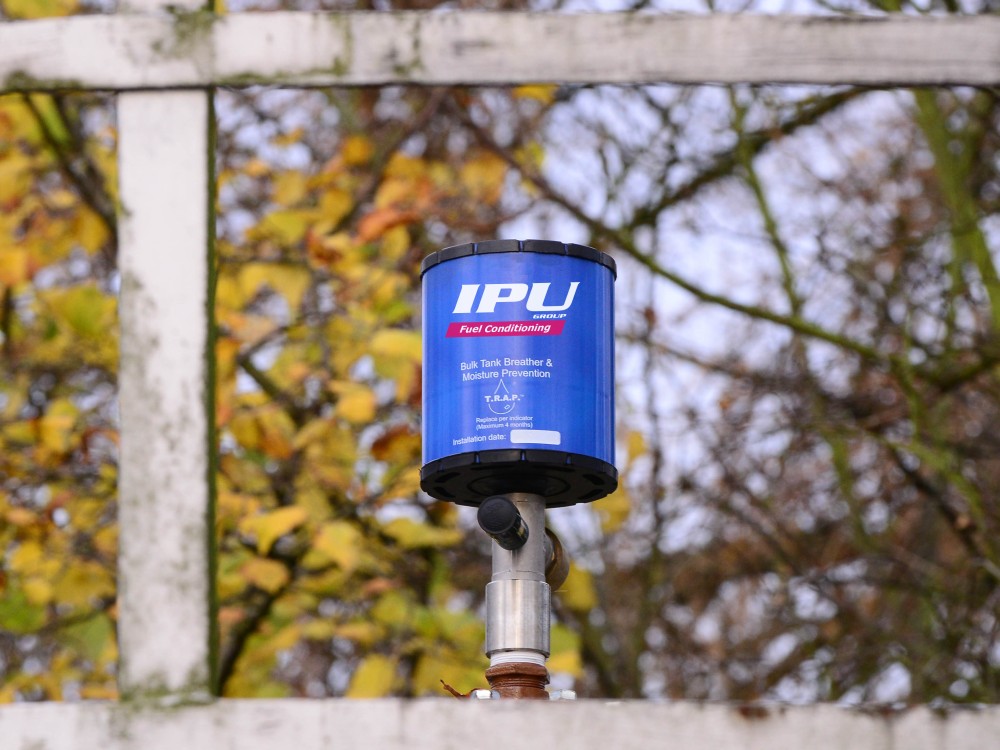
10. Fuel Tank Ventilation Filter
The fuel tank ventilation filter, commonly associated with the evaporative emissions control system, helps manage fuel vapours released from the fuel tank. In many petrol vehicles, the system includes an activated carbon canister that captures fuel vapours and stores them until the engine can burn them.
The system prevents petrol vapours from escaping directly into the atmosphere. A purge valve controls when stored vapours are directed into the engine intake, where they become part of the combustion process.
The activated carbon canister is designed to last for a long time. It does not usually require replacement at the same intervals as conventional engine filters. Replacement is generally based on inspection, diagnostic findings, or manufacturer recommendations.
A damaged or saturated canister can cause problems within the evaporative emissions system. Possible symptoms include a check engine light, fuel odours, difficulty refuelling, or problems with the vehicle’s emissions test.
Drivers should avoid repeatedly topping off the fuel tank after the pump automatically stops. Excess fuel can enter the evaporative emissions system and potentially damage the carbon canister.
Some vehicles also have ventilation filters or protective components designed to keep dust and debris away from the fuel tank’s venting system. Their service requirements depend on the vehicle’s specific design.
If the check engine light appears with an evaporative emissions fault code, a technician should inspect the fuel cap, hoses, valves, and carbon canister before replacing parts. Several different issues can trigger similar warning signs.
Keeping the fuel ventilation system in good condition helps control petrol vapours, supports emissions compliance, and prevents unnecessary fuel system problems.