
A car repair bill can become surprisingly expensive, especially when the mechanic starts adding parts, labor charges, and extra services you never expected. But before agreeing to pay the full amount, take a moment to ask a few smart questions. Many repair shops have room to adjust their prices, recommend less expensive parts, or remove services your vehicle does not urgently need.
The trick is knowing what to ask without making the conversation uncomfortable. Whether you visit a dealership or an independent mechanic, these 10 questions can help you challenge unnecessary expenses, understand the charges, and keep more money in your pocket.
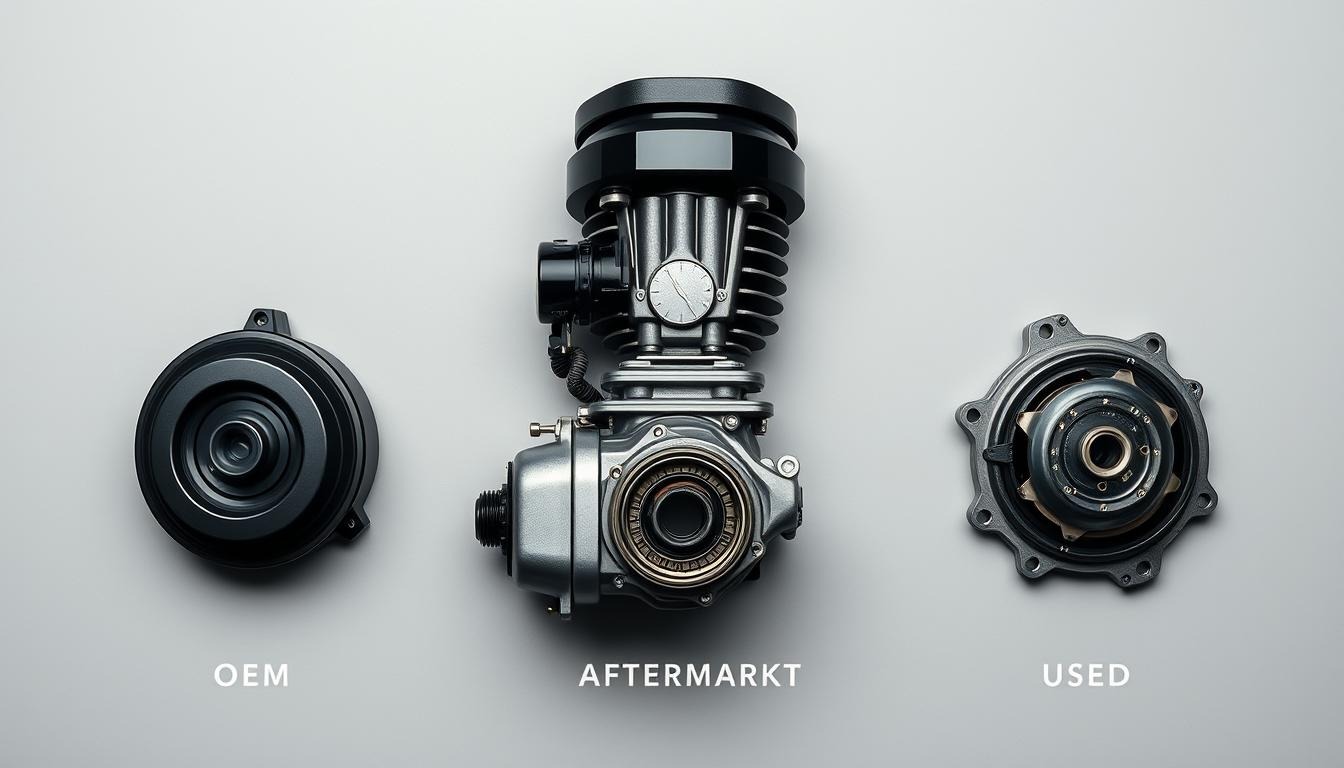
1. Can we use aftermarket or refurbished parts instead of OEM?
Original Equipment Manufacturer parts, the ones made or approved by your car’s brand, usually carry a hefty markup. You pay for the logo as much as the part itself. That is why this question is such a strong opener.
Aftermarket parts are made by independent companies and often meet the same performance standards at a lower price.
Refurbished parts, which have been rebuilt or restored to working condition, can cut costs even further. For many repairs, such as alternators, starters, and body panels, the difference in quality is small while the difference in price can be large.
Ask the advisor to quote both options side by side. Seeing the numbers on paper makes it easy to compare. If the shop offers a warranty on aftermarket or refurbished parts, get that in writing too.
Keep in mind that some situations still call for factory parts, such as vehicles under warranty or certain safety systems. Ask the mechanic for an honest opinion on which route makes sense for your car. A good shop will tell you plainly where you can save and where you should not.
2. Is it possible for me to source the parts myself?
Shops earn money on parts, and that profit is baked into your bill. When you ask to supply your own, you skip that extra layer of cost. Some shops say yes without blinking. Others will agree but charge a bit more for labor, and a few refuse outright.
If yours allows it, shop online or at a local parts store. Compare prices from two or three sellers, and double-check that the part matches your car’s year, make, model, and engine. Ordering the wrong one wastes time and money.
One potential drawback is that many repair shops do not offer warranties on customer-supplied parts. If the component fails, you could end up paying for the installation labor a second time. Always check the shop’s warranty and replacement policies before purchasing your own parts.
Get the part number from the shop first, so you know exactly what to order. Then keep your receipt and packaging in case you need a return.
It takes a little extra effort, but the savings on bigger jobs can easily reach hundreds of dollars. For small repairs, weigh the hassle against the discount.
3. Are There Any Alternative Brands for This Specific Component?
Sometimes, the price difference between replacement parts comes down to the brand rather than the actual function. A mechanic may quote a premium component without mentioning that other manufacturers produce compatible alternatives.
Ask which brands are available for the repair and whether a less expensive option meets the manufacturer’s specifications. For instance, reputable aftermarket companies produce filters, suspension components, ignition coils, and brake parts for many popular vehicles.
Request a comparison of the available options, including warranty coverage and expected durability. A trustworthy mechanic should be able to explain why one component costs more than another.
This question can prevent you from paying premium prices when a reasonably priced alternative would perform just as well.
4. Can You Break Down the Exact Labor Hours Billed for This Job?
Labor charges can account for a large portion of an automotive repair bill, so understanding how the shop calculates them is essential. Instead of accepting one large labor figure, request an itemized explanation showing the estimated hours for each task.
Many repair facilities use standardized labor guides to estimate how long particular repairs should take. These estimates help shops price jobs consistently, although the actual time required can vary depending on vehicle condition, rust, accessibility, and previous repairs.
Ask whether the quoted hours include diagnostic work, removing components, installation, and final testing. This makes it easier to identify duplicate charges or unexplained additions.
You are not accusing the mechanic of dishonesty by requesting this information. You are simply asking for a clear explanation of what your money covers.

5. Is there a bundled labor rate if I do these repairs together?
Some repairs overlap. When a mechanic takes apart your brakes to replace pads, much of the work needed for new rotors is already done. Charging you full labor for both jobs separately means you pay twice for the same effort.
That is where bundling comes in. Ask the shop whether combining repairs can reduce the total labor charge. Many shops will happily discount when the work shares steps, because it saves them time too.
Before you answer yes to the first quote, look at your whole to-do list. Is a belt due for replacement near the water pump? Are you planning an oil change next month? Handling nearby jobs in a single visit can trim labor and save you a second trip.
Be specific when you ask. Say something like, “Since you already have the wheel off, can you adjust the price for the extra work?” That phrasing is friendly and direct.
If the advisor says no, ask why. Sometimes there is a good reason, and other times a quick conversation with a manager changes the answer. Either way, you will know you asked.
6. What is your shop’s hourly rate compared to the book time?
Here is a question that makes the math visible. Your final labor charge is typically the shop’s hourly rate multiplied by the hours listed in a guide, known as book time. Both numbers matter, and you deserve to know each one.
Start by asking for the hourly rate. Rates vary widely depending on the shop, the region, and whether it is a dealership or an independent garage. Then ask how many book hours apply to your repair and where that figure comes from.
Once you have both numbers, compare. If the hourly rate sounds high compared with other shops nearby, say so. A quick phone call to two competitors can give you a useful benchmark. Mention what you found in a calm, respectful tone.
This question works because it asks the shop to justify its own pricing. Most advisors are happy to explain, and some will adjust a charge when they see you understand the formula.
Keep your tone curious, not combative. You are not trying to win a fight. You are trying to make sure the final number is fair, and clear math is the easiest way there.

7. Do you offer any discounts for seniors, military, students, or AAA members?
Plenty of shops keep price cuts tucked away and only apply them when somebody asks. It sounds too easy, but a ten-second question can sometimes take a noticeable chunk off the bill.
Common discounts include senior pricing, military and veteran savings, student rates, and deals for members of auto clubs like AAA.
Some shops also reward first-time customers, loyal repeat visitors, or people who book online. Others run seasonal promotions that never make it to the front desk unless you mention them.
Check before you go. Browse the shop’s website, look for coupons in your email or mailbox, and see whether your credit card, employer, or insurance provider offers repair perks. Bring a printout or pull it up on your phone.
When you ask, be pleasant and direct. “Do you have any discounts I might qualify for?” works fine. If you belong to a club or group, mention it right away and have your card ready.
Even a modest five or ten percent adds up on a large repair. If the answer is no, you lose nothing by asking, and the shop might remember you next time.
8. What Happens If I Defer This Specific Repair for Another Month?
Not every repair listed on an estimate requires immediate attention. Some problems affect vehicle safety, while others involve maintenance or components that can be monitored for a limited period.
Ask the mechanic what could happen if you postpone a particular repair for 30 days. Request a clear explanation of the risks, warning signs, and potential consequences of waiting.
For example, worn brake pads, leaking brake fluid, damaged tires, or steering problems may require immediate attention. A minor cosmetic issue or certain nonessential convenience features may be less urgent.
Never delay a repair that affects safe vehicle operation simply to save money. Instead, use this question to separate urgent work from services that can reasonably wait.
A responsible mechanic should explain the risks without pressuring you into approving every recommendation immediately.

9. Will you match a written estimate from the independent shop down the street?
Competition works in your favor. Before you commit to a big repair, collect at least one written estimate from another shop. Then bring it along and ask whether your current shop will match it.
Dealerships and chain shops often have more flexibility than they advertise. They want to keep your business, and a competitor’s quote gives them a reason to sharpen their pencil. Even if they cannot match the price exactly, they may come close or throw in a free service.
Make sure the estimates are truly comparable. Check that both quotes list the same parts, the same labor, and the same warranty. A lower price that uses cheaper parts or skips steps is not a fair comparison.
Be polite when you ask. Something like, “I got this quote from another shop, and I would rather stay with you if we can get closer,” keeps the conversation friendly.
If they say no, you still have the option to take your car to the other shop. Having a backup plan gives you confidence, and confidence changes the tone of any negotiation.
10. Can we prioritize just the safety essentials to fit my budget?
Sometimes a bill is simply bigger than your wallet. When that happens, say so. This question lets the advisor know you have limits and need help sorting the must-haves from the nice-to-haves.
Shops often list every recommendation they can find, from fluid flushes to cosmetic fixes. Those suggestions are not always wrong, but they are not always urgent either.
Ask the advisor to mark the items that affect safety and reliability, such as brakes, tires, steering, and lights, and to separate them from optional work.
Be honest about your budget. Many shops can offer payment plans, split the repairs across two visits, or recommend a lower-cost approach. You will not get that help unless you ask.
Get the final plan in writing. Ask for a revised estimate that lists only the approved work, and keep a copy of the old one for reference. That way, you can return later for the remaining items when you are ready.
A good advisor respects an informed customer. Speak up, set your limit, and let the shop work with you to find a fair solution.