Winter car maintenance can get expensive quickly, especially when a repair shop recommends several services you weren’t planning to pay for. For driver
s with a ten-year-old vehicle, every maintenance decision deserves a little extra thought. Age alone doesn’t mean your car needs an expensive round of treatments before temperatures drop. Some services protect your vehicle, while others offer little practical value when everything is working properly.
The trick is knowing which recommendations deserve your money and which ones can wait. From unnecessary fluid treatments to expensive winter upgrades, there are several charges you can avoid without neglecting your car. Here are ten services worth questioning before handing over your credit card this winter.
1. Transmission Fluid Flush
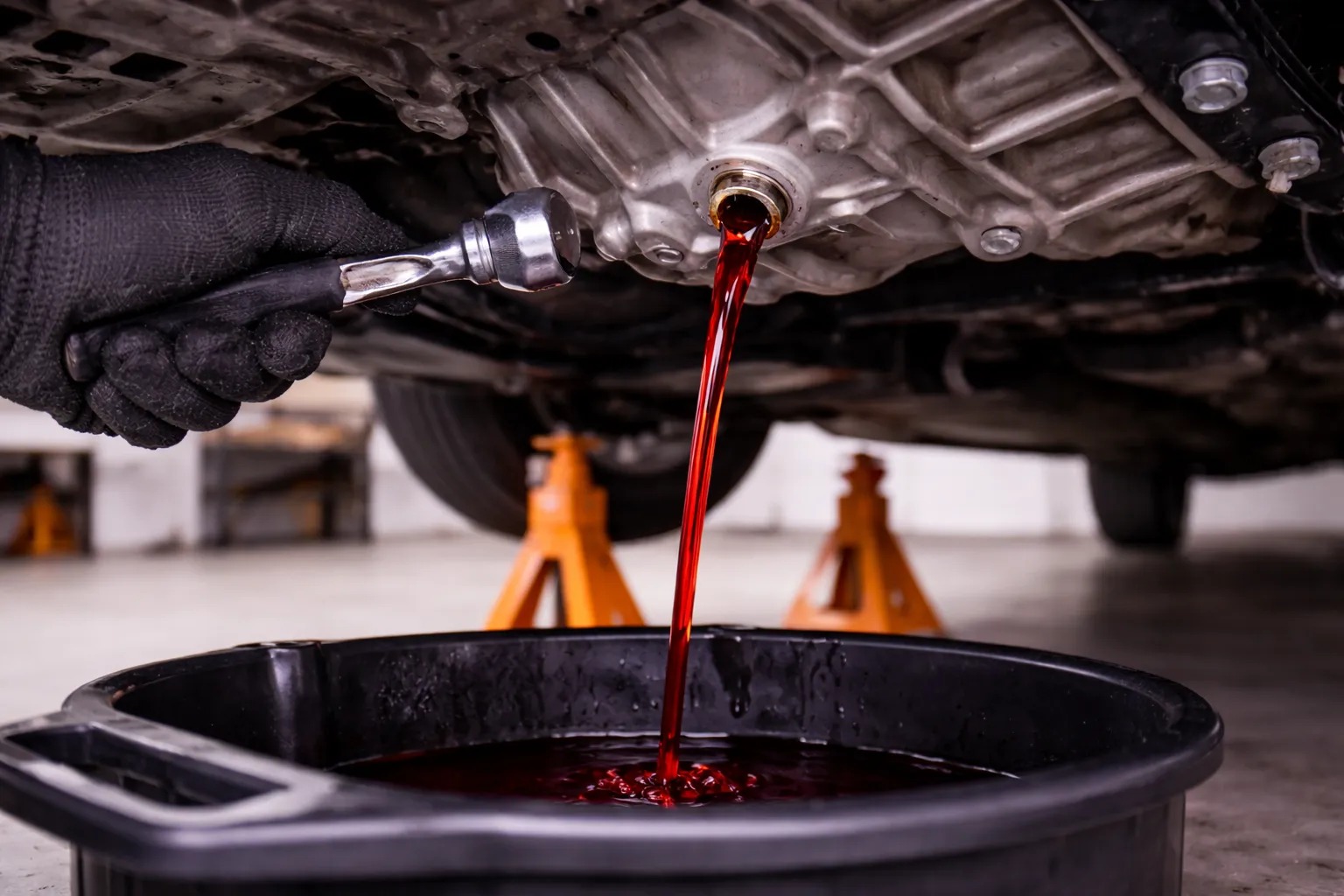
A ten-year-old transmission needs proper maintenance, but that doesn’t mean it requires an aggressive cleaning treatment every winter. One service worth questioning is a high-pressure transmission fluid flush, particularly if your vehicle has never received one before.
Although the service promises to remove old fluid and accumulated debris, forcing fluid through an aging transmission can sometimes create problems.
Dislodged deposits may interfere with narrow fluid passages, especially in a transmission that already has internal wear. In some cases, you could end up dealing with slipping gears or shifting problems that weren’t present before the service.
So, what’s a better option? If your manufacturer’s maintenance schedule recommends changing the fluid, ask a qualified mechanic whether a conventional drain-and-fill is appropriate.
This method replaces some of the old fluid without using high-pressure equipment to clean the entire system.
Pay attention to how your transmission behaves. Smooth gear changes, normal acceleration, and the absence of unusual noises are encouraging signs. If you notice delayed engagement, slipping, or harsh shifting, arrange an inspection rather than requesting a routine flush.
Before approving any transmission service, check your owner’s manual and ask the mechanic to explain the recommendation.
If everything works properly and no scheduled service is due, you may not need to spend money on a winter transmission flush.
2. Fuel Injector Cleaning Services
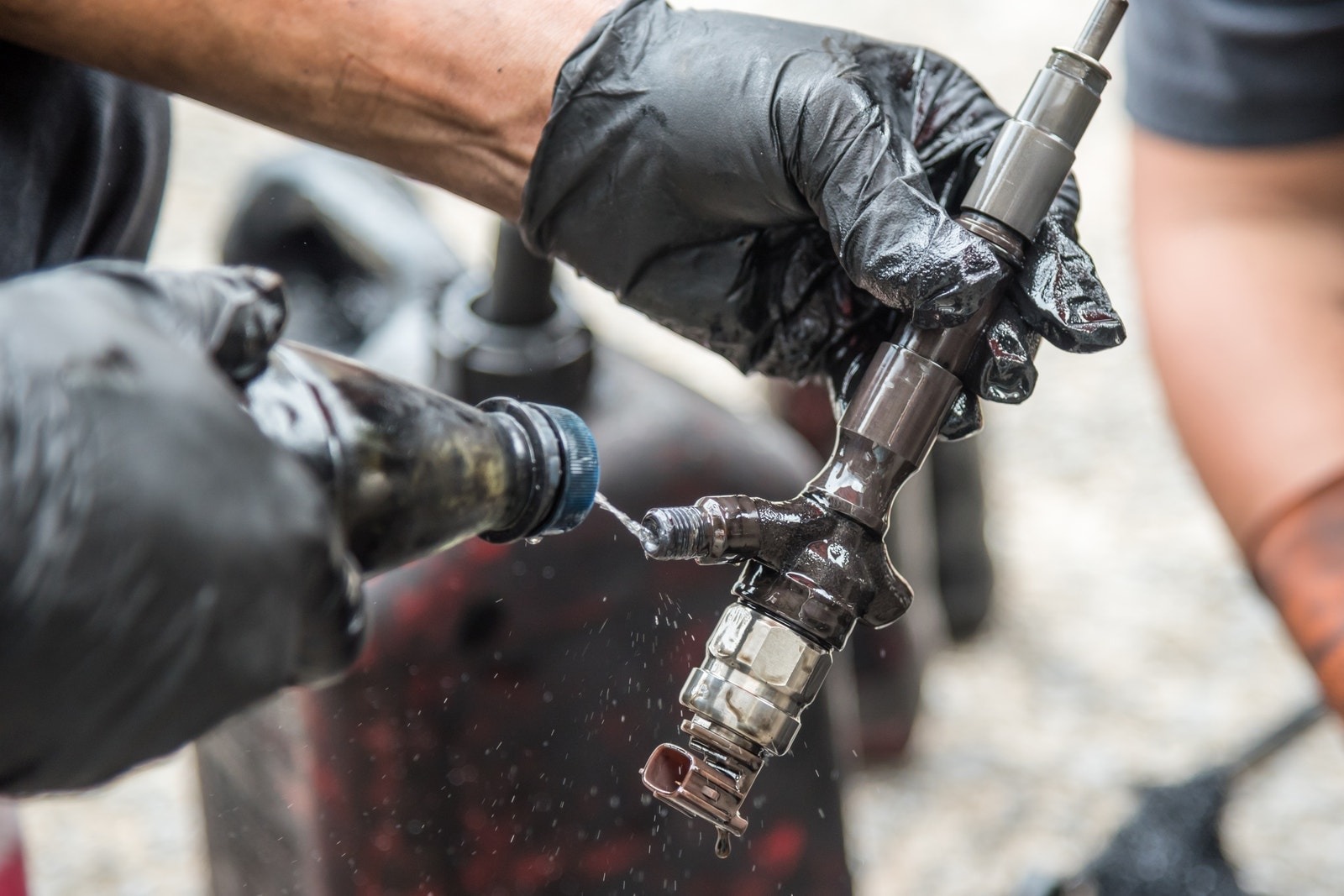
Professional fuel injector cleaning is another service you can consider when preparing a ten-year-old car for winter. Repair shops sometimes recommend expensive fuel system treatments as part of seasonal maintenance, even when the engine shows no signs of injector problems.
Fuel injectors deliver carefully measured amounts of fuel into the engine. Over time, deposits can accumulate and affect their performance. However, that doesn’t mean every older vehicle needs professional cleaning.
Consider how your car behaves during everyday driving. Does the engine start without difficulty? Does it idle smoothly? Can you accelerate without hesitation? If everything works normally, there may be no reason to pay for an expensive injector cleaning appointment.
A reputable fuel system cleaner approved for your vehicle may be a reasonable maintenance option when recommended by the manufacturer. These products are generally inexpensive and are added to the fuel tank according to the instructions on the bottle.
Professional cleaning becomes more appropriate when diagnostic testing identifies clogged injectors or other fuel delivery problems. Warning signs can include persistent rough idling, engine misfires, poor acceleration, and unusual fuel consumption.
Before accepting a triple-digit service charge, ask the mechanic what specific problem the cleaning will address.
If there are no symptoms or diagnostic findings, keep your money. Regular maintenance and quality fuel are often all a healthy fuel system needs.
3. Engine Oil Flushes
Engine oil maintenance becomes particularly important during winter because cold temperatures can make starting an older vehicle more demanding. However, paying for a chemical engine flush isn’t necessarily part of keeping your ten-year-old car healthy.
These treatments are advertised as a quick way to remove sludge, varnish, and other deposits from inside the engine. While certain cleaning procedures may be useful in specific situations, aggressive chemical flushing isn’t automatically beneficial for an older motor.
An engine that has accumulated heavy sludge may have underlying maintenance problems. Introducing cleaning chemicals without inspecting the engine first could loosen deposits that restrict oil flow or interfere with already compromised components.
Existing seal and gasket problems may also become more apparent after deposits are removed.
Instead of spending money on an unnecessary flush, concentrate on regular oil changes. Use the viscosity and specifications recommended in your owner’s manual, and replace the oil filter whenever the service is due.
If the previous owner neglected maintenance, ask a qualified mechanic to inspect the engine before attempting any intensive cleaning treatment. A gradual maintenance plan may be safer than an aggressive chemical procedure.
Also, don’t assume darker oil automatically means your engine needs flushing. Oil naturally becomes darker as it collects contaminants during normal operation.
Your best protection is consistent maintenance, not expensive winter cleaning packages. Save the extra money for repairs supported by an actual inspection.
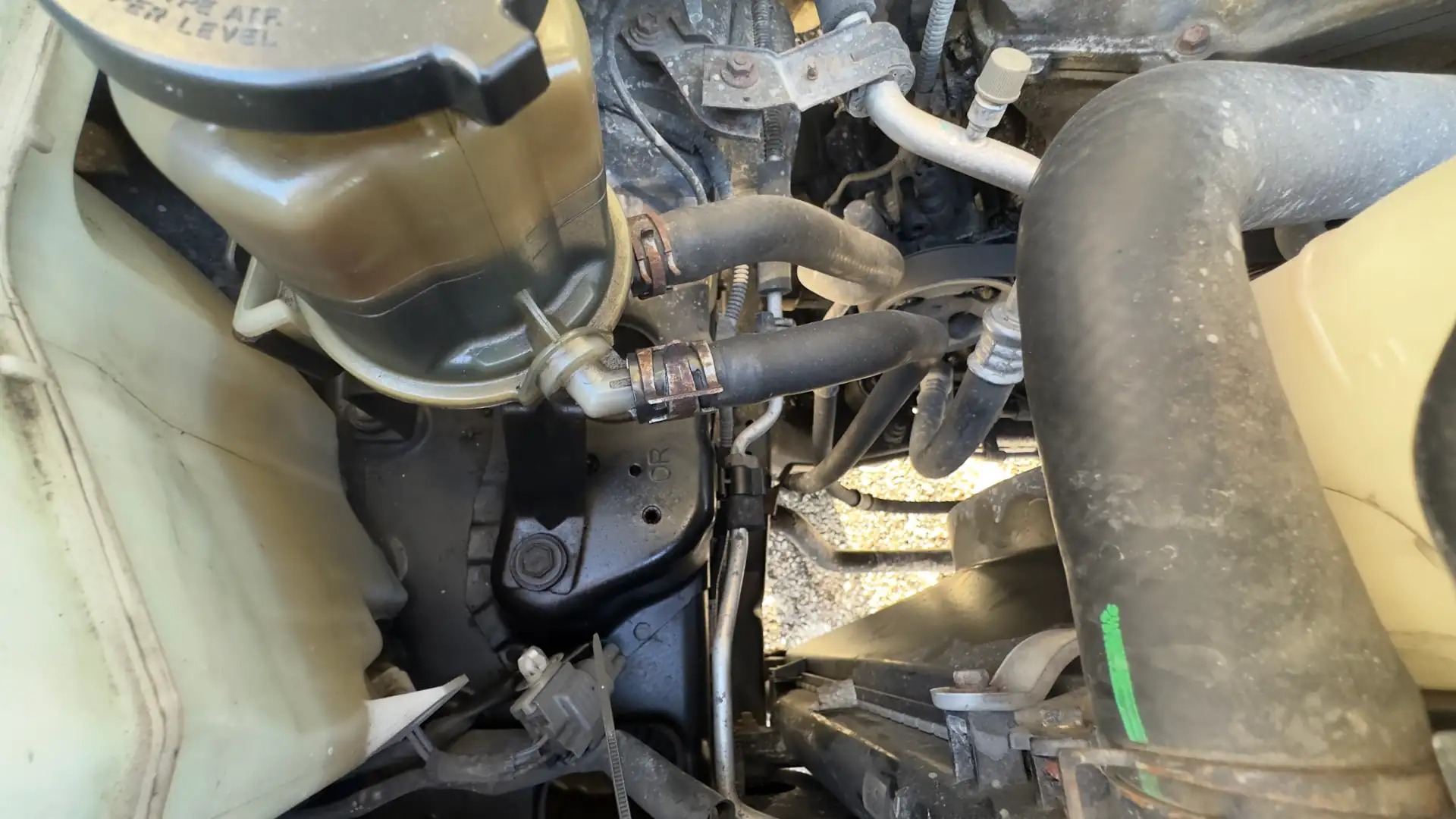
4. Power Steering Fluid Flush
Steering problems deserve attention, especially when icy roads and poor weather make vehicle control more demanding. However, that doesn’t mean every ten-year-old car needs a complete power steering fluid flush before winter.
Start with a simple inspection. Check the fluid reservoir, look for leaks, and pay attention to unusual sounds when turning the steering wheel. A whining pump, heavy steering, or visibly contaminated fluid deserves professional attention.
If the steering system operates quietly and responds normally, an expensive seasonal flush may be unnecessary. Checking the fluid level and using the correct manufacturer-approved fluid when topping it up may be sufficient.
Keep in mind that not all modern vehicles use hydraulic power steering. Some are equipped with electric power steering systems, which do not require traditional power steering fluid or fluid flushes.
Ask the service technician to identify the type of steering system installed in your vehicle before approving the work. There’s no reason to pay for a fluid service your car doesn’t need.
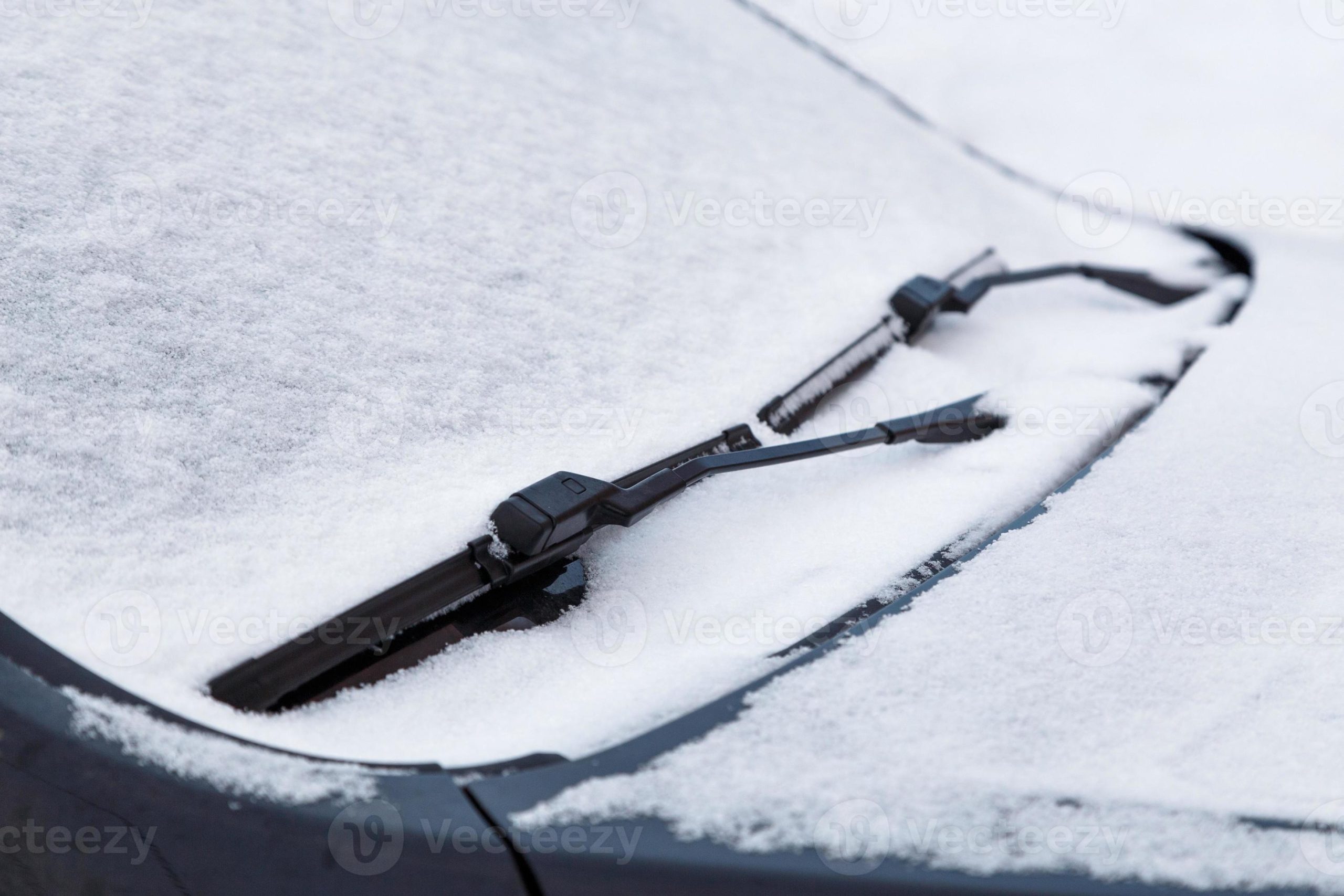
5. Premium Windshield Wiper Upgrades
Clear visibility is essential during winter rain, snow, and freezing conditions. Still, you don’t need the most expensive windshield wiper blades available to keep your view unobstructed.
Some retailers promote premium winter blades with special covers, advanced rubber compounds, and reinforced construction. These features can be useful in certain conditions, but they aren’t necessary for every driver.
Good-quality conventional or beam-style blades can handle ordinary winter driving when they’re properly fitted and maintained. What matters most is consistent contact with the windshield, effective water removal, and compatibility with your vehicle.
Before purchasing replacements, inspect your existing blades. If they leave streaks, skip across the glass, make excessive noise, or have cracked rubber, replacement makes sense.
Choose blades that fit your vehicle’s specifications rather than paying extra for a brand name or unnecessary packaging. Also, keep an ice scraper in your car and remove heavy ice manually. Never use your wipers to break through thick ice.
6. Professional Winter Wax or Ceramic Coatings
Road salt, moisture, and winter grime can damage automotive paint, making some form of exterior protection worthwhile. However, spending hundreds of dollars on professional winter paint treatments isn’t essential for every ten-year-old daily driver.
Ceramic coatings and professional wax treatments can provide useful protection, but their price may be difficult to justify if your vehicle already has faded paint, existing scratches, or neglected bodywork.
A basic wash followed by an affordable spray wax can offer a reasonable level of protection for drivers who maintain their vehicles regularly. The application is straightforward, and you can repeat it when necessary.
Pay particular attention to cleaning the wheel wells, lower body panels, and other areas where road salt collects. Leaving corrosive deposits on the vehicle can cause more trouble than skipping an expensive showroom-style treatment.
If your car spends most of its time outdoors, regular washing is a practical winter habit. Protecting the paint doesn’t have to become another major expense on your maintenance bill.
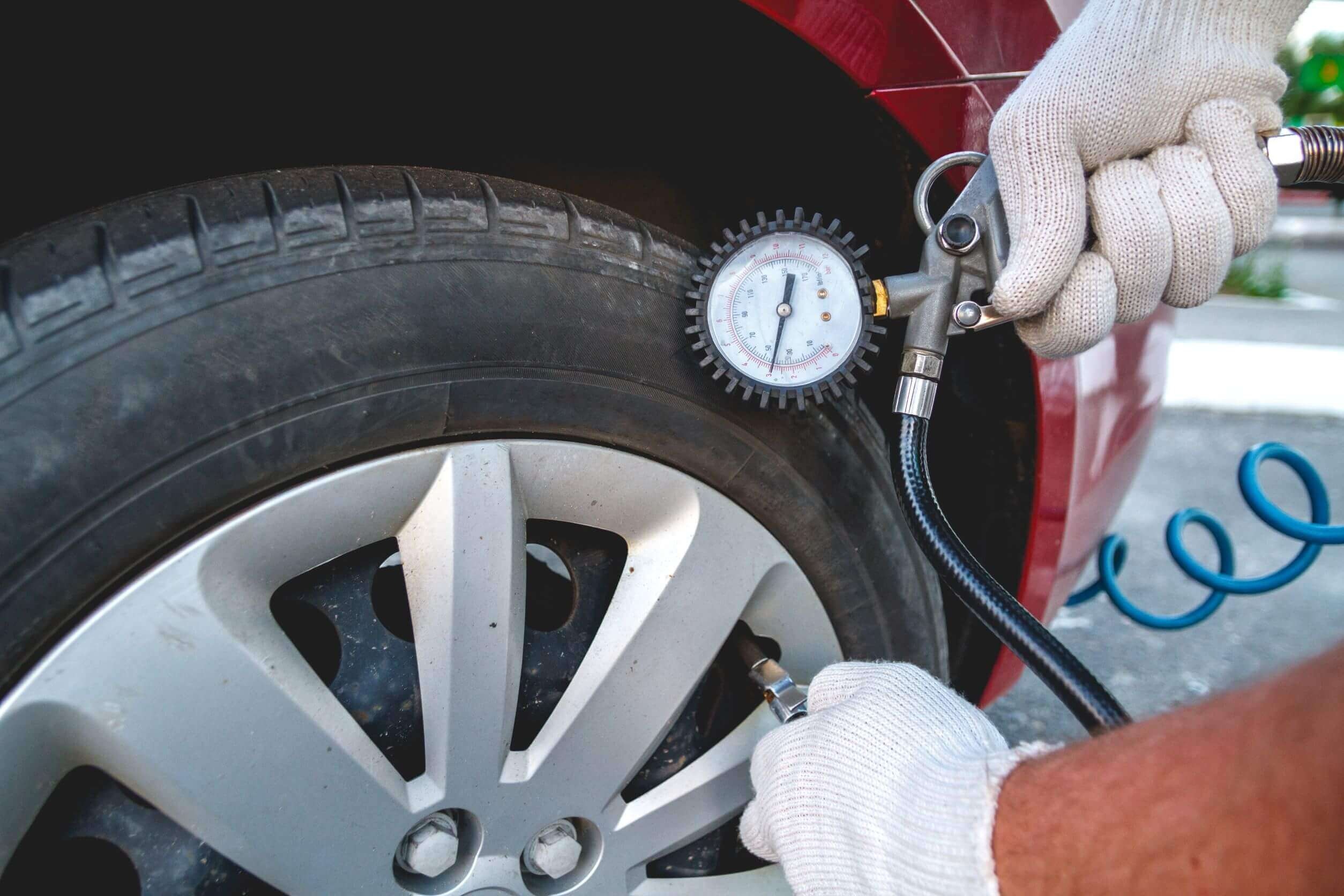
7. Nitrogen Tire Inflation
Nitrogen tire inflation is often advertised as a premium service that helps maintain tire pressure during cold weather. While nitrogen has certain properties that make it useful in specialized applications, ordinary drivers generally don’t need to pay extra for it.
It’s worth noting that ordinary air already contains approximately 78% nitrogen. This makes standard compressed air perfectly suitable for everyday tire inflation, without the need to pay extra for nitrogen filling.
Nitrogen-filled tires can experience slightly more stable pressure under certain conditions, but they aren’t immune to temperature-related pressure changes. Cold weather still affects tire pressure regardless of the gas used.
Instead of paying for a nitrogen package, purchase an inexpensive tire pressure gauge and check your tires regularly. Follow the recommended pressure listed on the driver’s door-jamb label, rather than relying on the maximum pressure printed on the tire itself.
If the pressure drops, add ordinary compressed air. Proper inflation, suitable tires, and regular inspections matter much more than paying extra for a premium filling service.
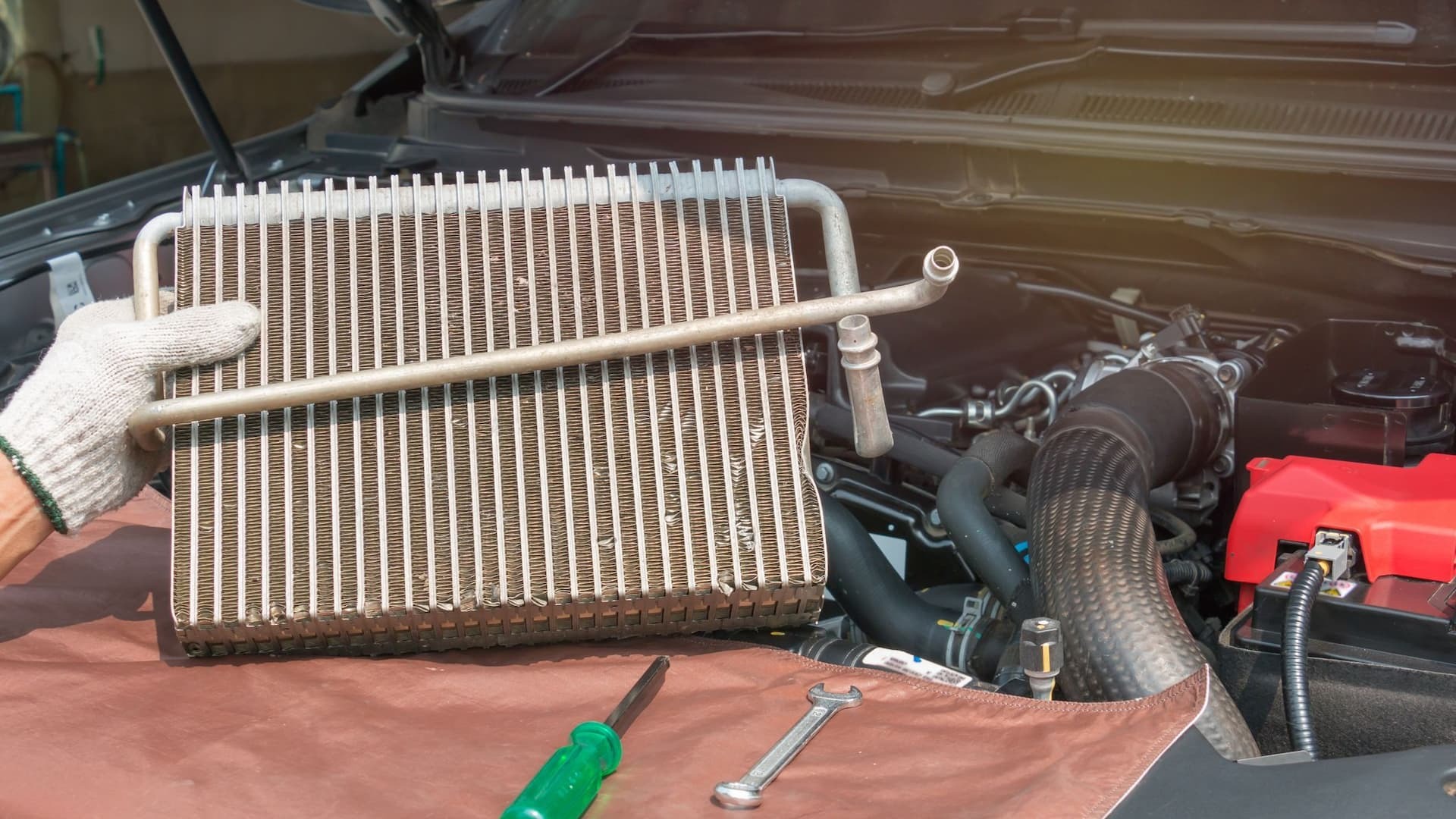
8. A/C System Seasonal Servicing
Your air conditioning system may not seem particularly important when temperatures fall, but it still plays a useful role during winter driving.
Many vehicles use the air conditioning system to remove moisture from cabin air, helping clear fogged windows. That makes the system useful even when you’re running the heater.
However, if your A/C worked properly during summer, there’s usually no reason to pay for an unnecessary winter recharge or seasonal servicing appointment.
Refrigerant doesn’t need to be replaced simply because the weather has changed. A properly functioning sealed system should retain its refrigerant without routine topping up.
If the air conditioning stops cooling, the windows remain foggy despite normal operation, or you notice unusual compressor noises, arrange a proper inspection.
Otherwise, leave the system alone and use the money for maintenance that your vehicle actually needs. Check your owner’s manual for any manufacturer-recommended operating or inspection guidance.
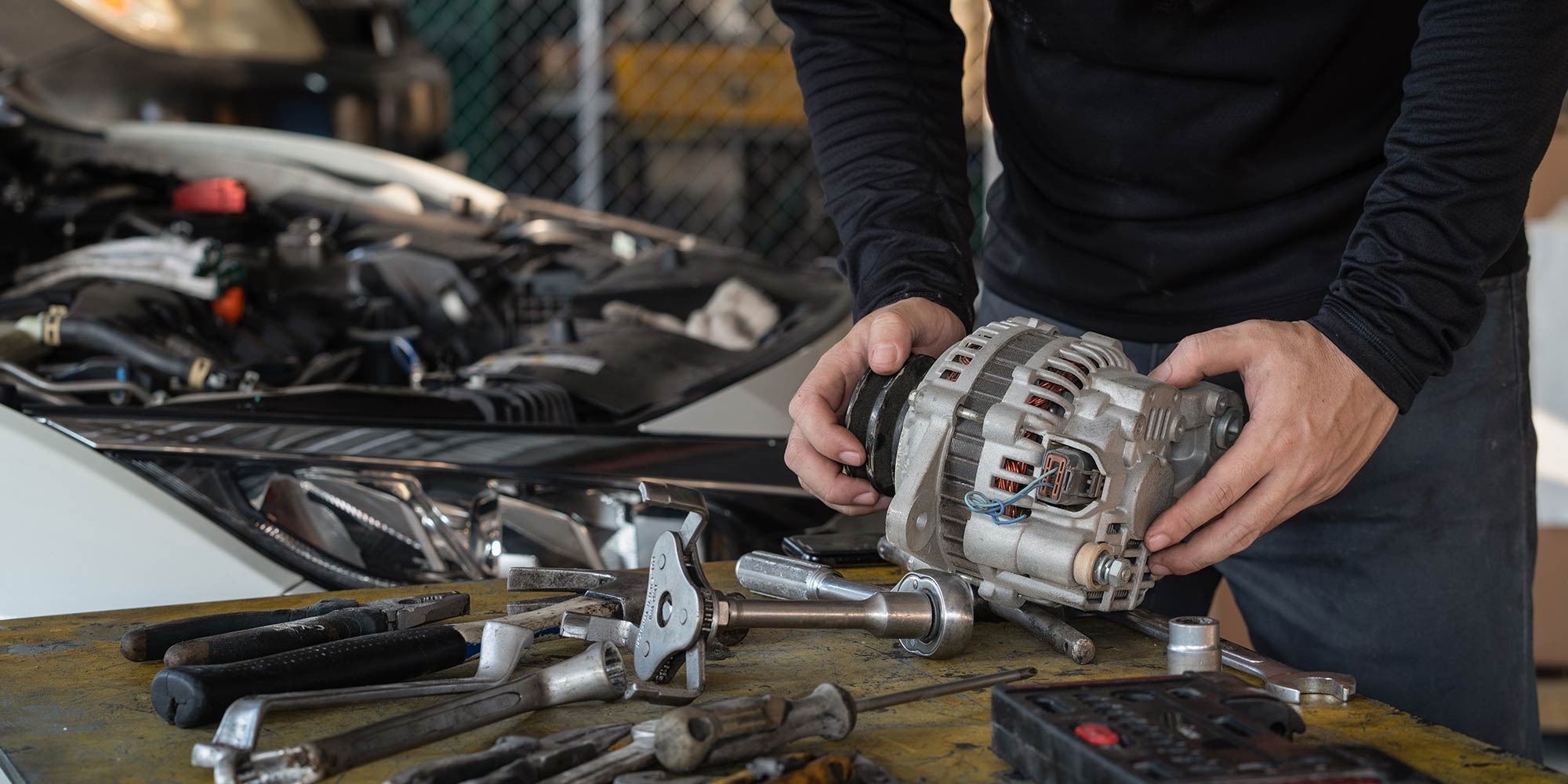
9. Preemptive Alternator Replacement
A ten-year-old alternator has certainly experienced years of use, but age by itself isn’t a good reason to replace it.
Winter places additional demands on a vehicle’s electrical system. Headlights, cabin heaters, rear-window defrosters, heated seats, and cooling fans can all increase electrical consumption.
That doesn’t mean an alternator that currently works properly should be removed simply because colder weather is approaching.
Before approving a replacement, request a charging-system inspection. A technician can test alternator output, battery condition, and related electrical connections to identify whether something is actually failing.
Watch for warning signs such as a battery warning light, dimming headlights, unusual electrical behavior, or repeated battery problems. These symptoms deserve attention because they may indicate an underlying charging issue.
If testing confirms that the alternator is operating within specifications, replacing it immediately could be an unnecessary expense.
A ten-year-old car needs sensible inspections, not automatic replacement of every component that has reached a certain age. Let diagnostic results guide the decision.
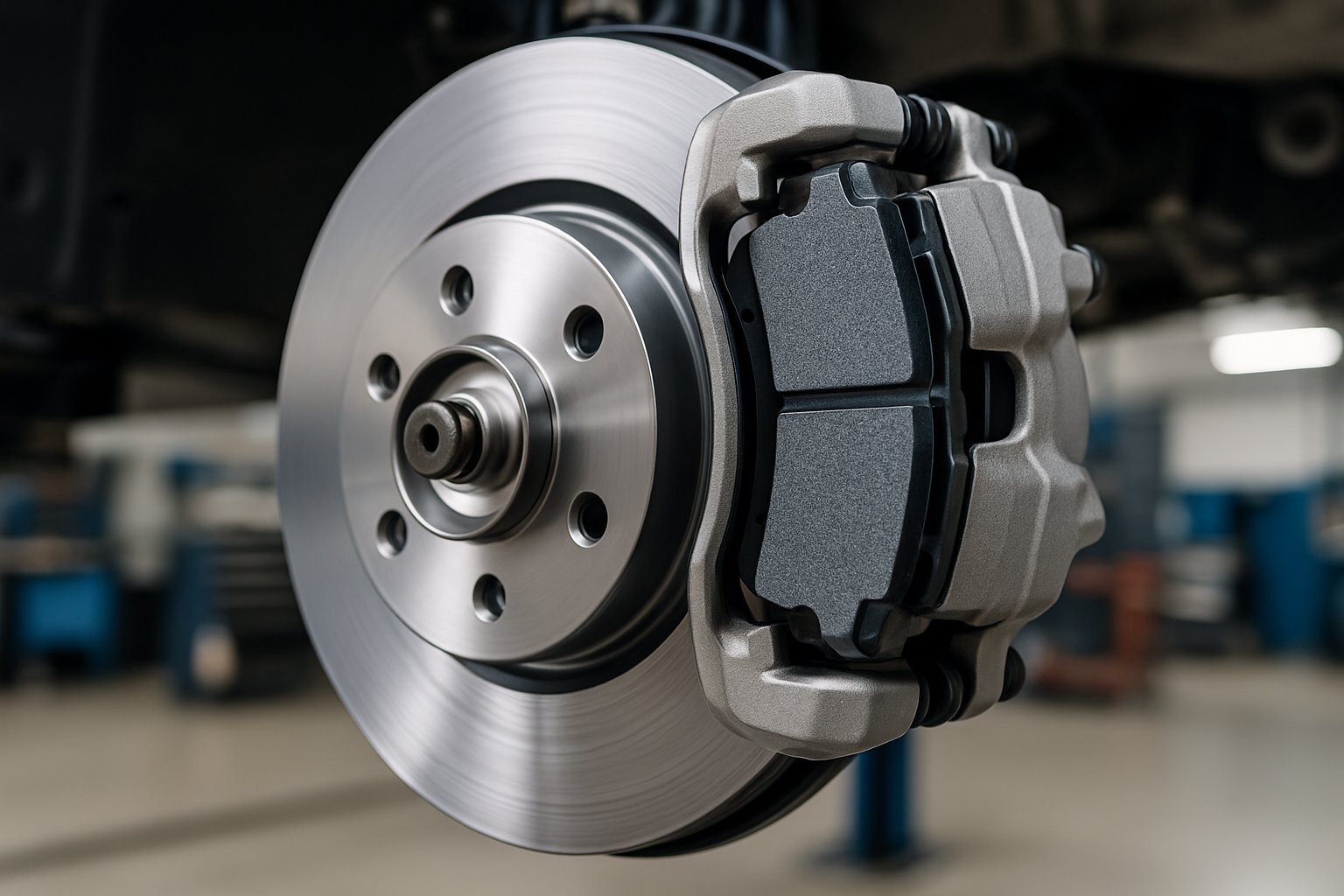
10. Premium Brake Pad Upgrades
Brakes are one area where cutting corners can create serious safety risks. However, paying extra for premium or performance-oriented brake pads doesn’t automatically make your ten-year-old car safer during winter.
Some service centers recommend expensive ceramic or heavy-duty upgrades when ordinary replacement pads would meet the vehicle’s requirements.
Unless your driving conditions or manufacturer specifications call for specialized equipment, these upgrades may offer little practical advantage.
Standard replacement pads designed for your vehicle can provide dependable braking performance when properly installed with compatible rotors and other components.
The important consideration is choosing pads that meet the manufacturer’s specifications and are appropriate for your vehicle’s weight and intended use.
Ask the mechanic to inspect pad thickness, rotor condition, brake fluid, hoses, and calipers. Worn pads, damaged components, and poor braking performance should never be ignored simply to save money.
Winter roads demand careful driving and reliable stopping power. Spend money on safe, correctly specified brake components rather than paying extra for marketing claims you may never benefit from.