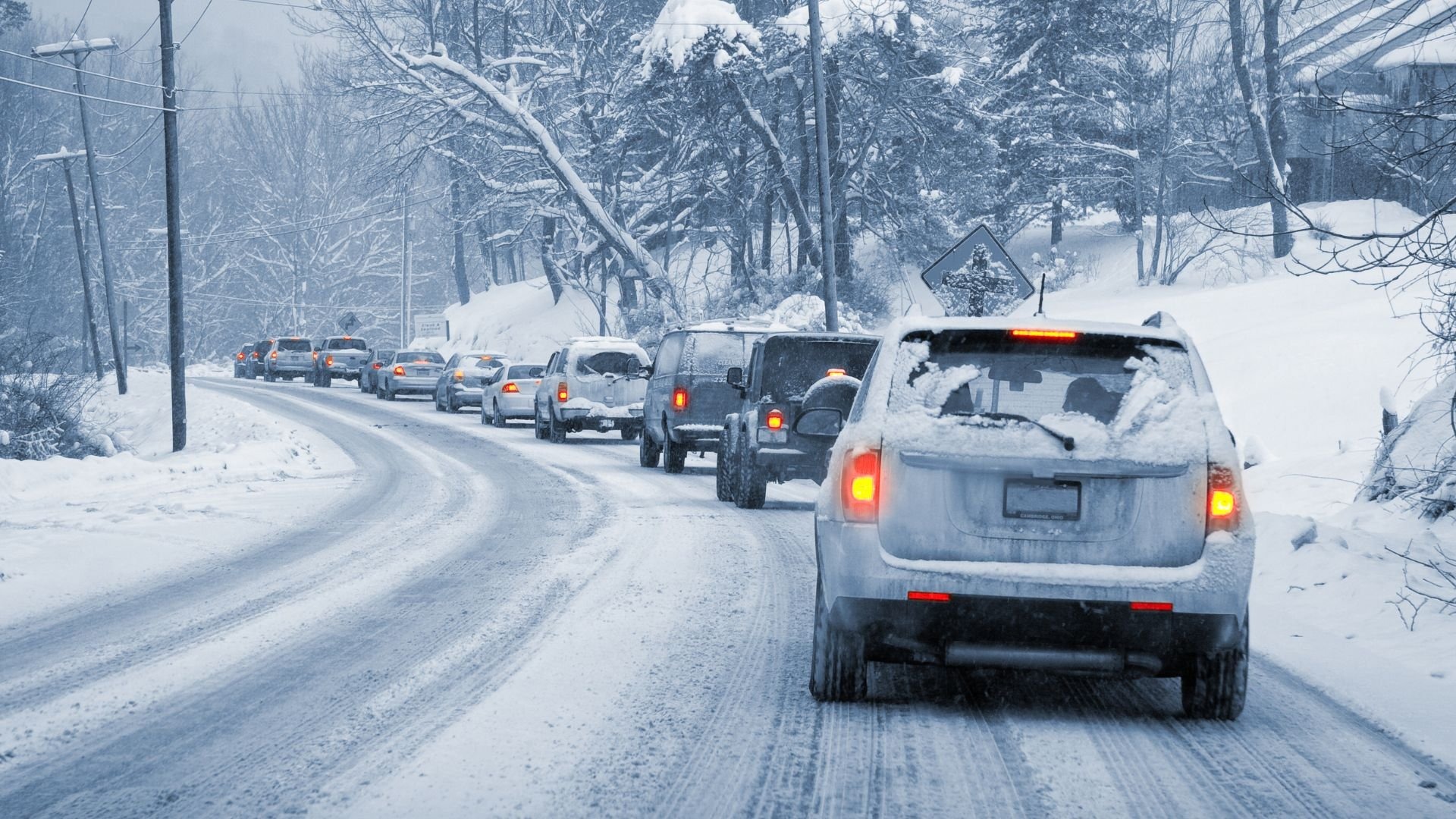
A winter road trip can take an unexpected turn when you cross a state line. The snow covering your vehicle, the tires on your SUV, and even the way you use your hazard lights could determine whether you’re following the law or risking a traffic ticket. Winter driving regulations aren’t identical across the United States, and rules that are perfectly acceptable in one state may be restricted in another.
This matters even more during holiday travel, when drivers cover long distances through several states in a single trip. Before packing your vehicle and heading toward colder destinations, take a moment to understand these ten winter driving rules that can change as soon as you cross a state border.
1. Snow on the Roof Laws (“Ice Missile” Laws)
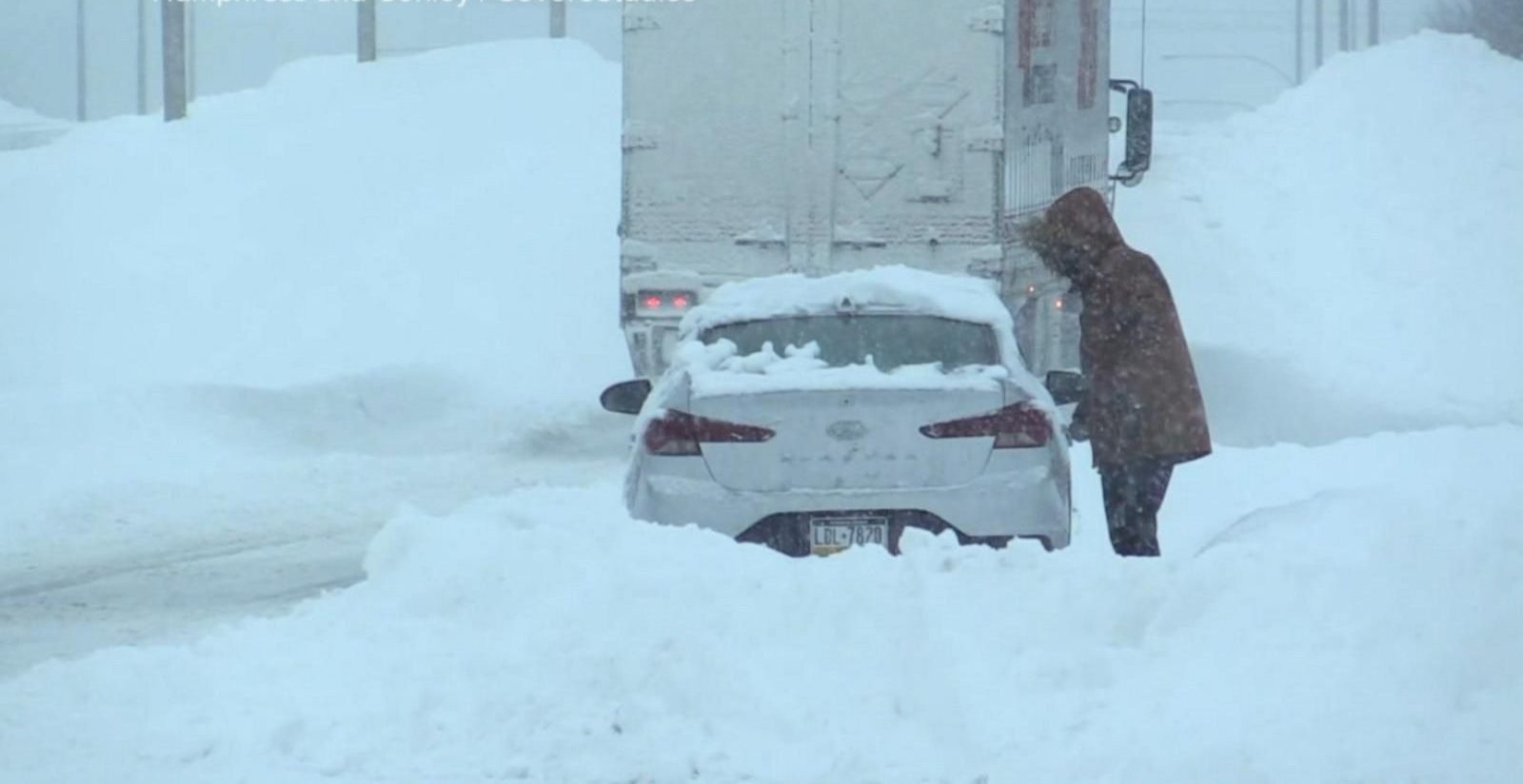
Driving with snow or ice covering your vehicle might seem harmless, especially when you’re only traveling a short distance.
However, several states take this issue seriously and have laws requiring motorists to clear accumulated snow and ice before getting behind the wheel. New Jersey,
Pennsylvania, Connecticut, and New Hampshire are among the states with regulations addressing snow and ice left on moving vehicles.
Why are authorities so concerned? Snow sitting on your roof can slide backward when you accelerate or brake. Large pieces of ice can also break loose at highway speeds, striking vehicles behind you, damaging windshields, or causing serious injuries.
Depending on the state and circumstances, drivers can face fines worth hundreds of dollars. Penalties may become considerably higher when flying ice causes property damage or physical harm, with some cases involving amounts between $650 and $850.
Holiday travelers should keep in mind that vehicle regulations vary from state to state. Something that is perfectly acceptable in one location could violate local laws in another and potentially lead to a traffic citation.
Fortunately, avoiding trouble is simple. Before starting your journey, use a long-handled snow brush to clear the entire roof, hood, trunk, windows, headlights, taillights, and license plate. Never assume clearing only the windshield is enough.
After extended parking stops, inspect your vehicle again for fresh accumulation. Taking a few extra minutes to remove snow protects other motorists, improves visibility, and helps you avoid unnecessary winter driving fines.
2. Mandated Chain-Carrying vs. “Use as Needed”
Planning a winter road trip through the western United States? Don’t assume your regular tires will be enough to get you through every mountain pass.
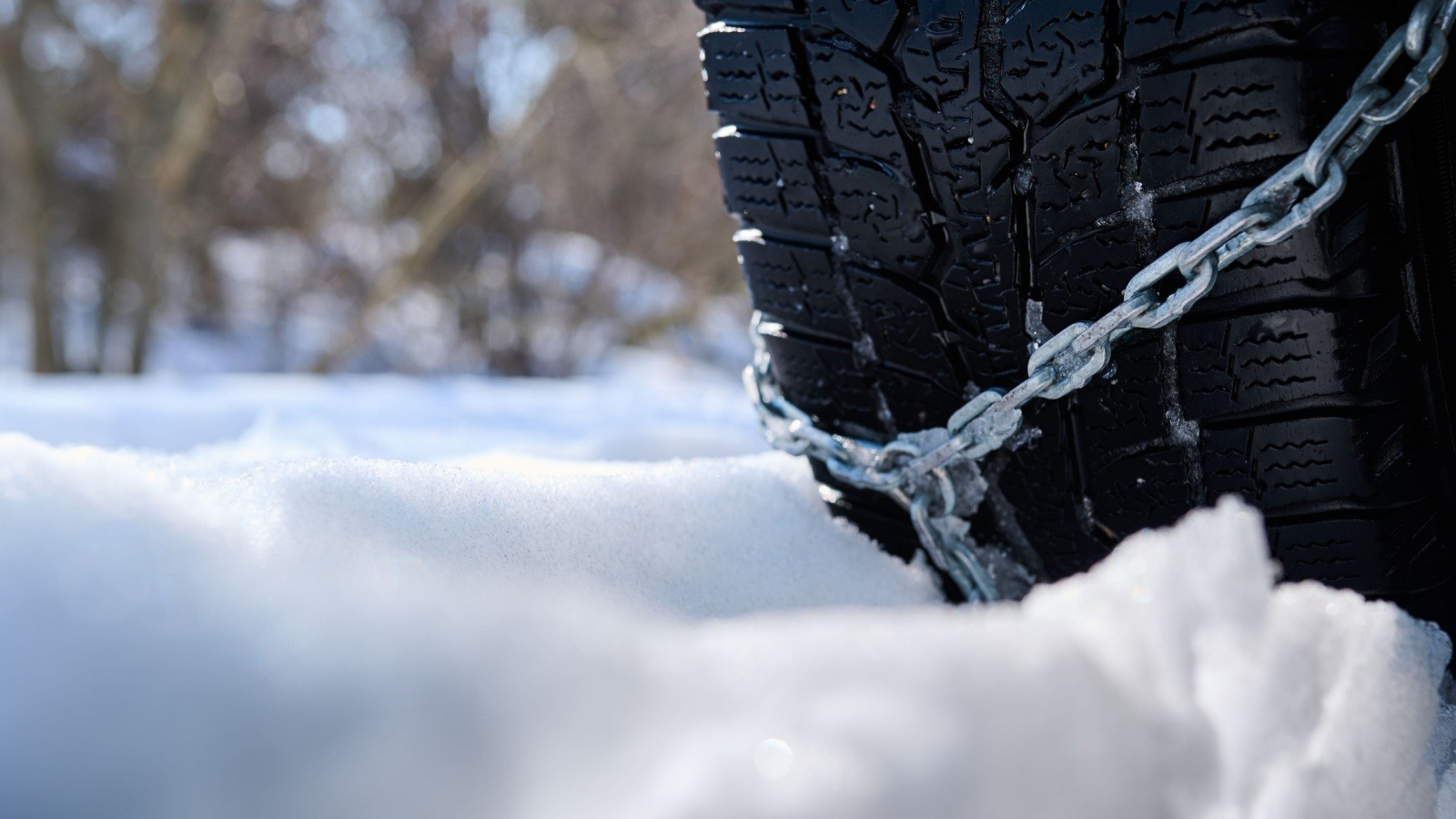
Tire chains are sometimes required on designated highways, even when the weather looks clear and snow hasn’t started falling.
States such as Colorado, Washington, and Oregon have winter traction regulations that can require drivers to carry or install approved tire chains under specific conditions.
These requirements may depend on the highway, current weather, vehicle type, and official chain-control announcements.
Pay particular attention when traveling through mountainous areas. Roadside signs can indicate when chains are required, and ignoring these instructions could result in a traffic citation or prevent you from continuing your journey.
Crossing state lines can introduce different restrictions. Oklahoma, for example, has regulations concerning truck tire chains because metal links can damage road surfaces when their use isn’t justified.
Certain exceptions may apply, so checking the local requirements before traveling is essential. Before leaving home, visit the transportation department websites for every state on your route.
Confirm whether chains must be carried, when installation becomes mandatory, and which types are approved for your vehicle.
Purchase chains that match your tire size and follow your vehicle manufacturer’s recommendations. Practice installing them in your driveway before your trip. Trying to understand unfamiliar equipment beside a snowy highway is hardly enjoyable.
Pack waterproof gloves, a flashlight, and a kneeling mat alongside your chains. These small preparations can make installation easier when temperatures drop.
A little planning can save you from roadside delays, unexpected fines, and unnecessary winter travel stress.

3. Studded Tire Calendar Deadlines
Studded tires can provide extra grip on icy roads, but their legal use comes with seasonal restrictions that vary between states. A tire that’s perfectly legal during winter in one location may become prohibited after a particular calendar date or when you cross into another jurisdiction.
Washington and Oregon generally require motorists to remove studded tires by March 31. Other states, including Ohio and Connecticut, have their own seasonal rules, with different permitted periods and applicable exceptions.
Why do these deadlines matter? Metal studs can damage road surfaces, particularly when temperatures rise, and pavement conditions no longer justify their use. State authorities therefore establish seasonal windows to balance winter traction needs with road preservation.
If you’re planning a holiday trip or traveling between states, check the studded tire regulations before departure. Don’t assume that the dates in your home state apply everywhere along your route.
Write down the permitted installation and removal dates for each state you expect to visit. If your journey falls close to a seasonal deadline, consider switching to approved non-studded winter tires before traveling.
It’s also worth contacting your tire shop to confirm whether your specific tires meet local requirements. Schedule removal appointments early, particularly when spring approaches and repair shops become busy.
4. The AWD/4WD “Chain-Up” Exemption Drop
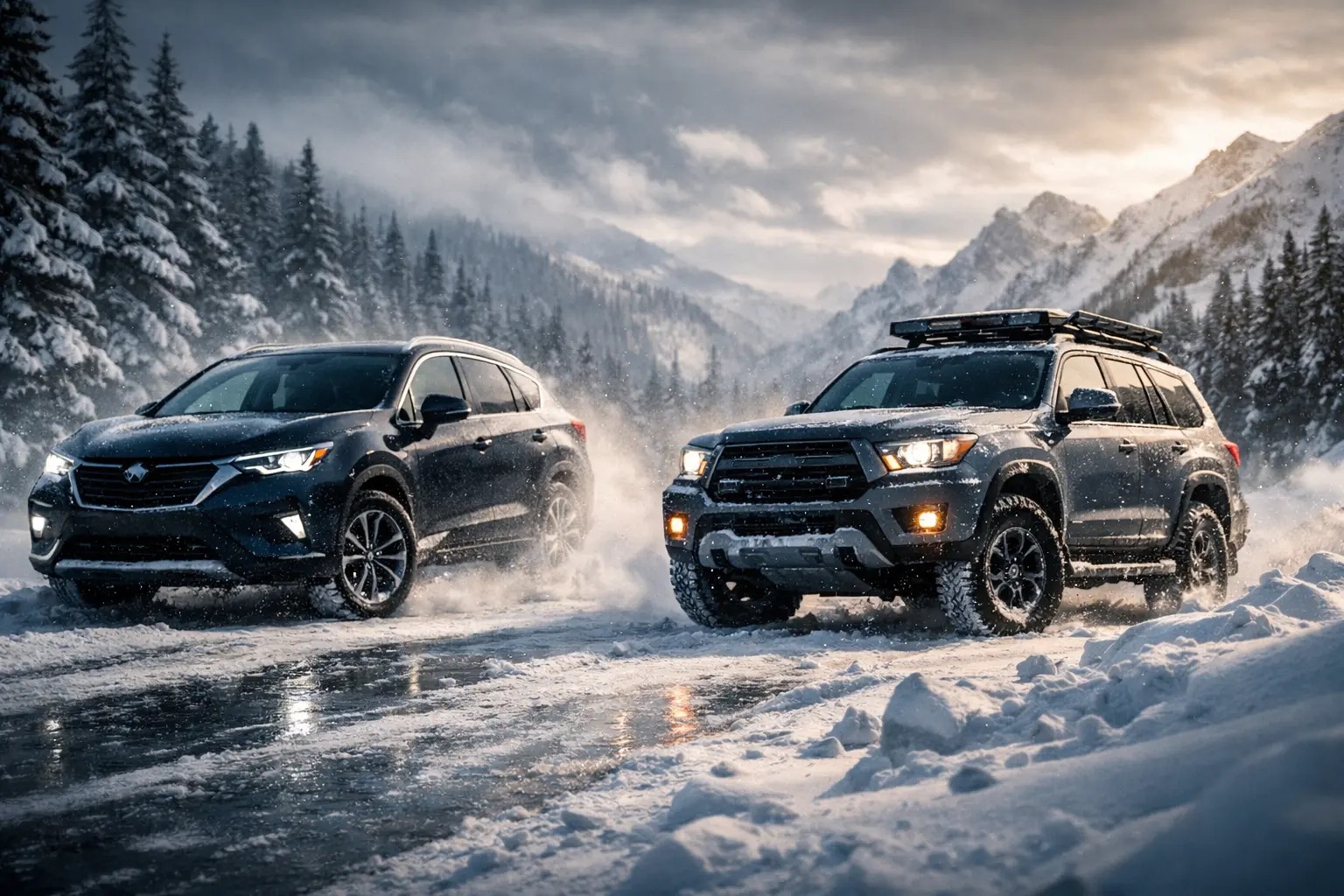
Many drivers believe that owning an all-wheel-drive or four-wheel-drive vehicle automatically eliminates the need for tire chains. That assumption can become expensive when winter road restrictions change across state borders.
Some states provide traction-law exemptions for qualifying AWD and 4WD vehicles. Colorado, for example, generally recognizes certain four-wheel-drive and all-wheel-drive passenger vehicles when they meet applicable tire and tread-depth requirements.
California and Washington have different chain-control systems. Under the most restrictive conditions, even AWD and 4WD vehicles may be required to install chains or other approved traction devices.
Why does this matter? All-wheel drive helps a vehicle accelerate and maintain traction, but it doesn’t guarantee that the tires can stop effectively on ice. Every vehicle still depends on tire grip when braking or turning.
A driver traveling through several western states should check the chain-control rules for each highway rather than assuming one exemption applies everywhere.
Read roadside signs carefully, especially when approaching mountain passes during heavy snowfall. Carry compatible traction equipment when required, and confirm whether your vehicle qualifies for an exemption.
Your SUV’s drivetrain may provide an advantage in winter conditions, but it doesn’t permit you to ignore posted chain requirements.

5. Absolute Bans on Metal Studs
Studded tires may be permitted in your home state, but that doesn’t mean you can legally use them everywhere you travel. Some states restrict or prohibit metal studs because they can damage road surfaces.
For example, Idaho permits studded tires during designated seasonal periods, subject to applicable restrictions. Minnesota and Illinois have generally prohibited ordinary studded tires, with limited exceptions under their respective laws.
This creates a problem for drivers traveling between states during winter holidays. A vehicle equipped with legally installed studded tires in one state may become noncompliant after crossing into another.
The issue isn’t simply whether the tires provide better traction. State transportation departments also consider pavement wear, road maintenance costs, and the effects of metal studs on highways.
Before setting out, check the studded tire regulations for every state on your itinerary. Don’t rely on a tire shop’s advice unless it accounts for the laws where you’ll be driving.
If your trip includes states with different restrictions, consider approved winter tires without metal studs. Modern winter tire designs can provide dependable cold-weather traction without creating the same legal concerns.
A quick regulatory check before departure can save you from an unpleasant roadside conversation and an avoidable fine.
6. Snow Emergency Route Mandates
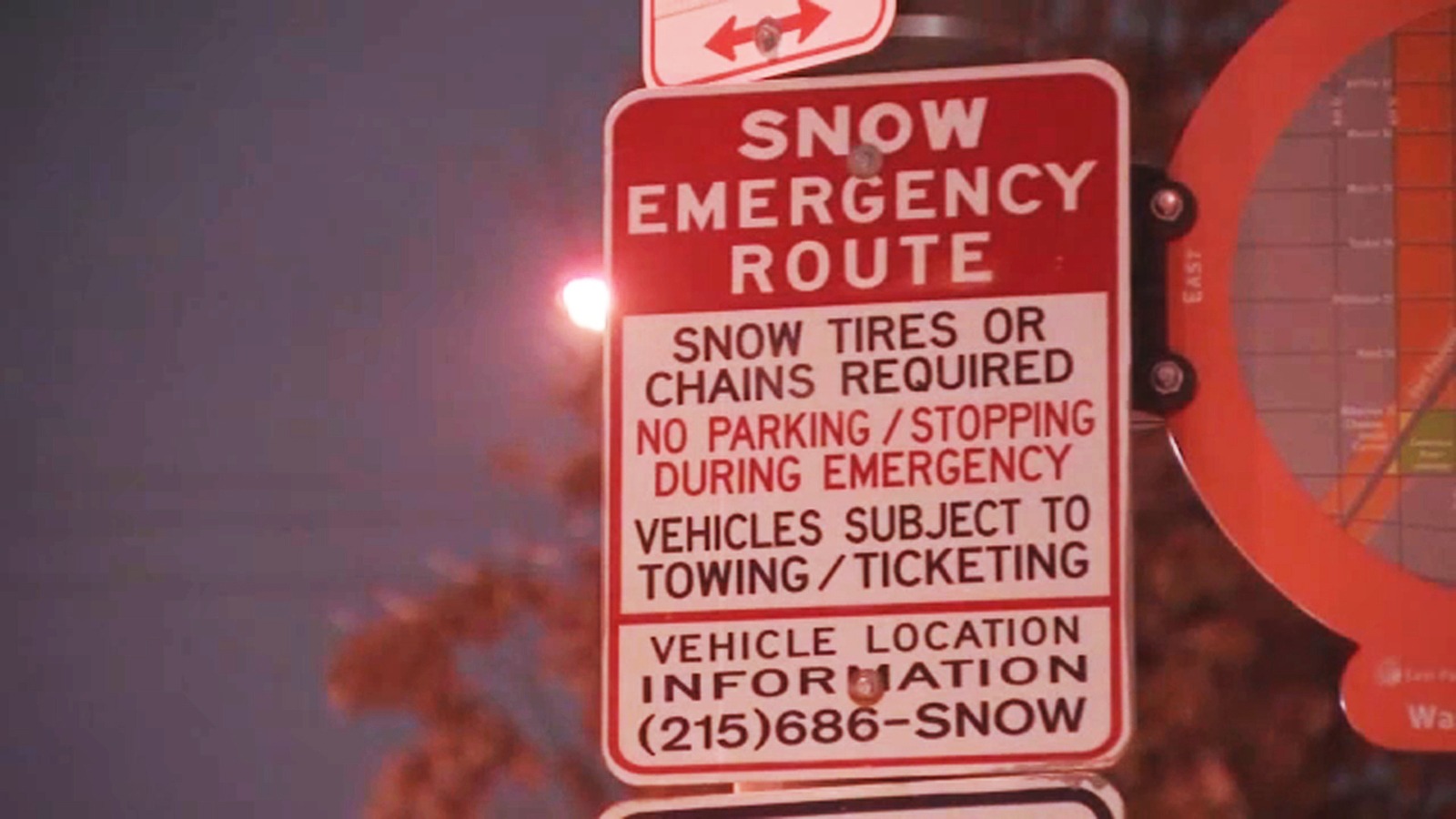
A heavy winter storm can trigger special driving restrictions that catch even experienced motorists by surprise. Some states allow local authorities to declare snow emergencies, temporarily changing which roads drivers can legally use and what equipment their vehicles must carry.
Maryland is one example. When a snow emergency is declared, designated snow emergency routes may become subject to special restrictions.
Drivers may be prohibited from using these roads unless their vehicles meet the applicable tire or traction requirements, such as having approved snow tires or chains on the drive axle.
Ignoring these restrictions can result in a traffic citation and create problems for snow removal crews and emergency responders.
Other states handle winter emergencies differently. Some issue declarations mainly to encourage motorists to avoid unnecessary travel, while others enforce specific restrictions on designated roads.
Before leaving home during a winter storm, check your state’s transportation department website, local news, and official emergency announcements.
Many transportation agencies also provide 511 phone services and mobile apps with updates about road closures and travel restrictions.
Keep an emergency kit in your vehicle containing a blanket, flashlight, shovel, phone charger, drinking water, snacks, and traction material such as sand.
Make sure your fuel tank is sufficiently filled before severe weather arrives. If authorities advise motorists to stay home, postpone your journey. Reaching a holiday destination isn’t worth risking your safety.
7. Minimum Tread Depth Escalation
Your tires might meet the ordinary legal requirements in your home state but fail to qualify under another state’s active winter traction regulations. That’s why checking tread depth before a long winter road trip is essential.
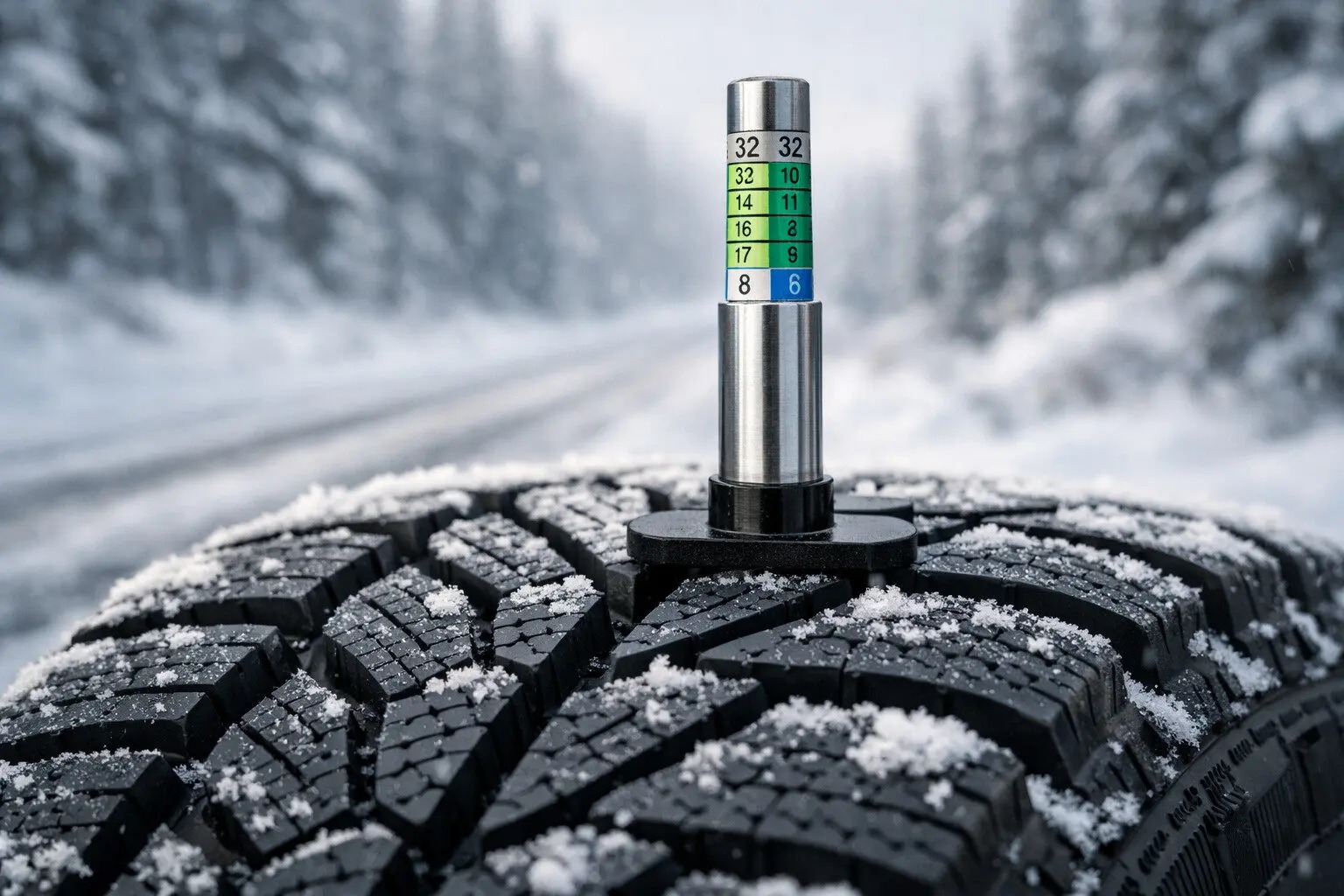
Many states use 2/32 of an inch as the minimum legal tread depth for ordinary passenger tires. However, Colorado has stricter requirements under its winter traction laws.
During applicable traction-law periods, standard tires generally need at least 4/32 of an inch of tread depth to meet the requirements.
Why does this matter? Tire tread helps channel water, slush, and melting snow away from the contact area. When tread becomes shallow, your tires may struggle to maintain grip on slippery roads.
Checking tire tread depth does not require expensive equipment. An inexpensive tread-depth gauge can provide a more precise measurement than relying on visual inspection. You can also use a penny as a simple warning indicator.
Insert the coin into a tread groove with Lincoln’s head facing downward. If you can see the top of his head, the tread may be too worn, indicating that the tire is approaching the point of replacement.
Inspect all four tires for uneven wear, cracks, bulges, and other signs of damage. Remember to check the spare tire as well.
If your tires are close to the applicable minimum, consider replacing them before traveling. A suitable set of winter tires can provide better traction and help you avoid unnecessary legal and safety problems.
8. High-Occupancy Vehicle (HOV) Lane Rules during Storms
Heavy snowfall can turn a routine highway journey into a frustrating traffic jam. When vehicles begin moving slowly, drivers may notice that some cars are using high-occupancy vehicle lanes with only one person inside.
This can create the impression that winter weather automatically suspends carpool restrictions. Unfortunately, that’s not how the rules work everywhere.
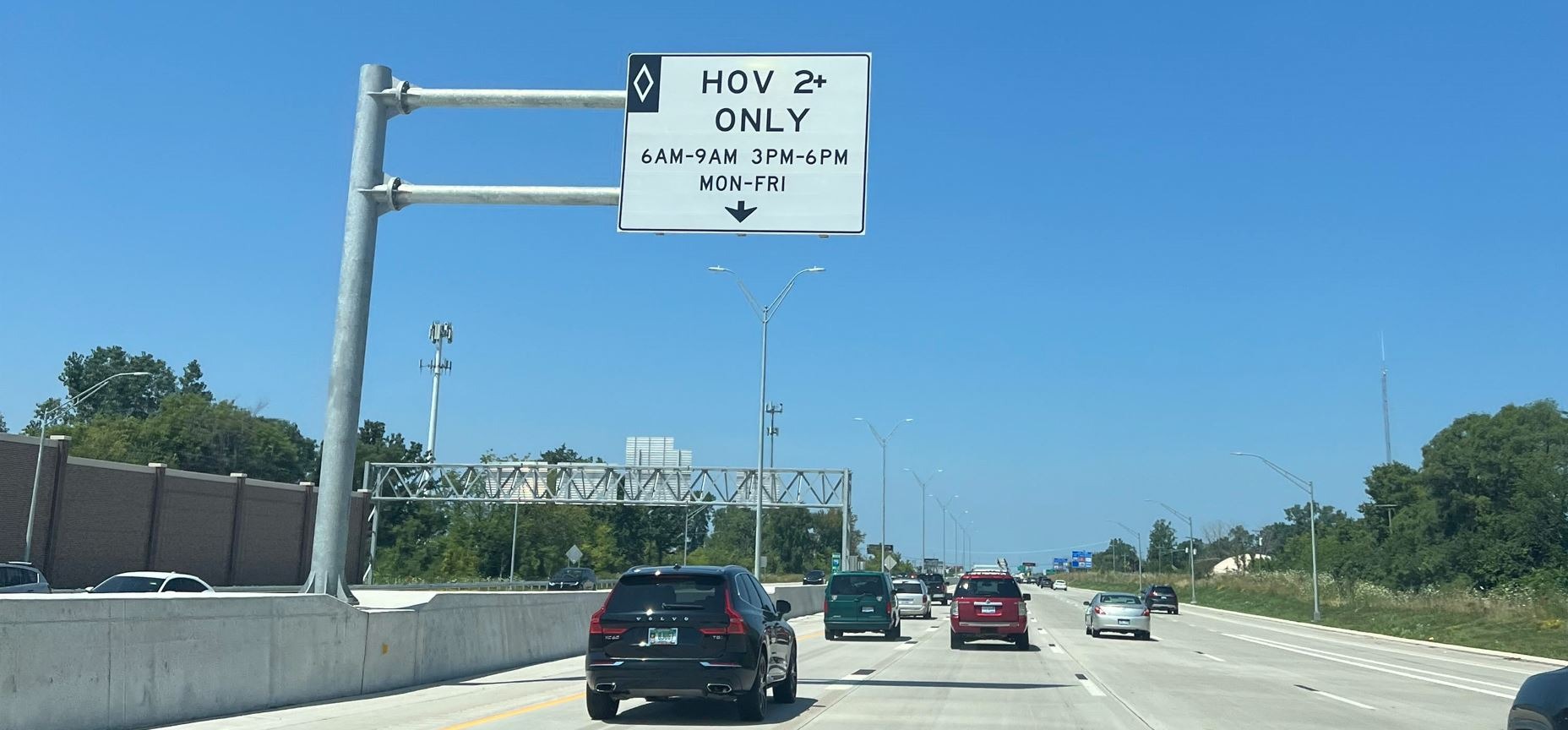
Some transportation authorities temporarily suspend HOV lane requirements during major winter storms or other emergencies to improve traffic movement. When an official suspension is announced, eligible single-occupant vehicles may use those lanes for the stated period.
Other states and local jurisdictions continue enforcing their normal occupancy requirements regardless of snowfall, icy roads, or poor visibility.
The rules can also differ according to the highway, operating hours, and type of express lane. A temporary suspension on one road doesn’t automatically apply to another.
Before entering an HOV lane, check overhead electronic signs and official transportation department updates. If there’s no clear announcement allowing single-occupant vehicles, assume the usual restrictions remain active.
Traveling with family members can make qualifying for an HOV lane easier, provided every passenger meets the applicable occupancy rules. However, don’t assume pets or other objects count as passengers.
When you’re uncertain, remain in the regular traffic lanes. Avoiding a citation is worthwhile, particularly when winter conditions already demand your full attention.
9. Hazard Light Activation While Driving
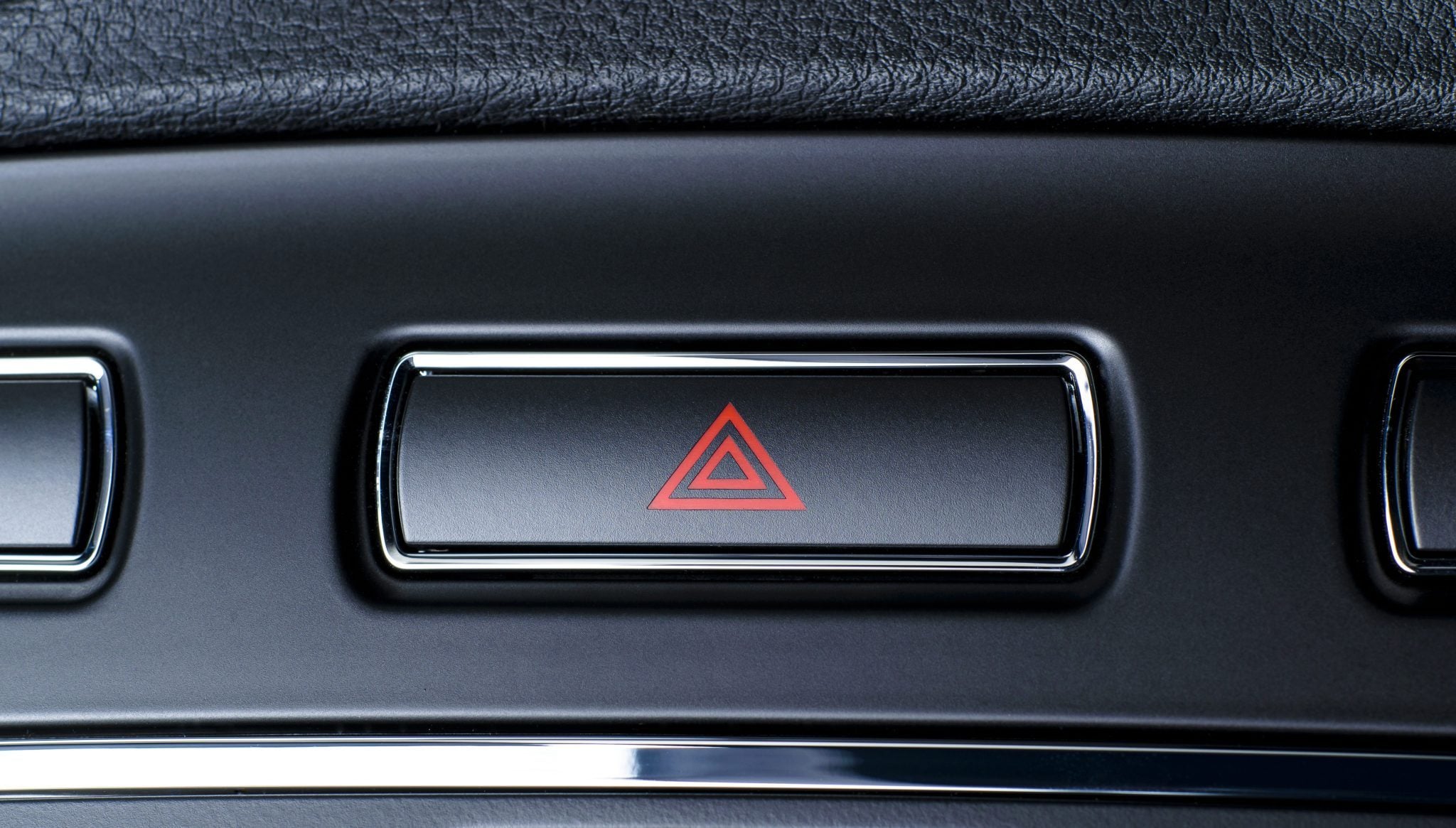
Heavy snowfall can make driving stressful, particularly when visibility drops and vehicles begin moving at unusually low speeds. Your first instinct might be to switch on your hazard lights so drivers behind you can spot your vehicle more easily.
While this may seem like a sensible safety measure, the law doesn’t treat moving vehicles with flashing hazard lights the same way in every state.
Texas and Ohio generally permit drivers to use hazard lights while moving under certain conditions. This can help alert surrounding motorists when visibility is poor or traffic is moving slowly during dangerous weather.
Florida and Illinois, however, have restrictions on using flashing hazard lights while a vehicle is in motion, subject to specific legal exceptions. That means a driving habit considered acceptable in one state could earn you a traffic citation after crossing into another.
This difference is particularly important during holiday road trips, when motorists may travel through several states in a single day. Don’t assume that the rules you’re familiar with at home automatically apply elsewhere.
Before setting off, check the official traffic regulations for every state on your route. If you’re caught in a snowstorm, reduce your speed, increase your following distance, and switch on your headlights when required. Avoid sudden braking and unnecessary lane changes.
If visibility becomes dangerously poor, find a safe place to pull completely off the roadway and wait for conditions to improve.
Hazard lights can be useful, but knowing when their use is legal is just as important as knowing when to activate them.
10. Windshield Wiper/Headlight Laws
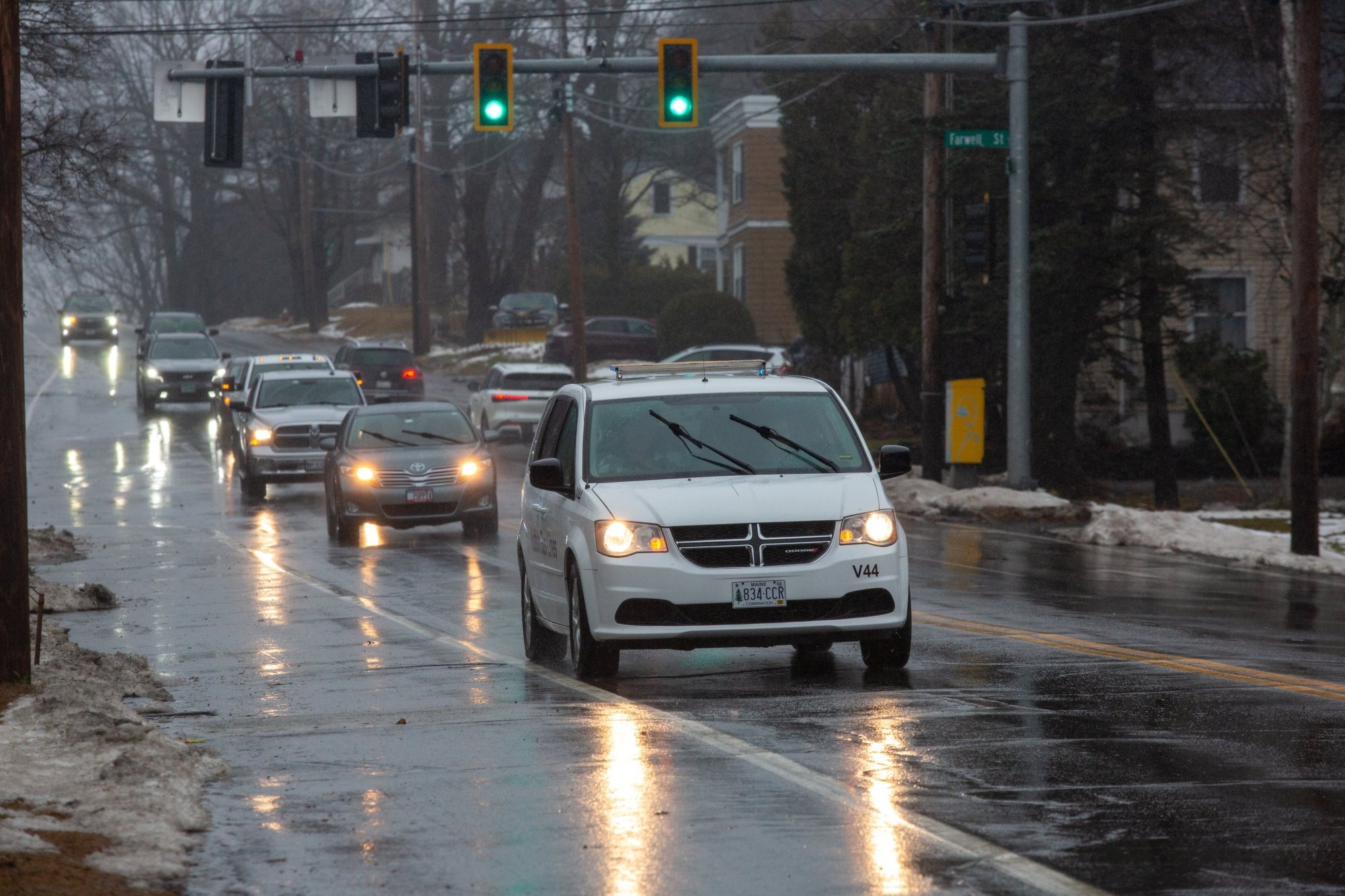
Even a brief winter shower can activate a road rule that many drivers forget. In some states, motorists are required to turn on their headlights whenever their windshield wipers are in use.
Several states, including Pennsylvania, North Carolina, and New York, have laws requiring headlights when windshield wipers are being used because of precipitation. The exact wording and conditions vary by state.
This requirement helps other motorists see your vehicle during rain, snow, sleet, and other conditions that reduce visibility. It also makes your vehicle easier to recognize from behind.
Some drivers assume daytime running lights are enough. However, these systems may not activate the rear taillights, leaving your vehicle less visible from behind during poor weather. Automatic headlights can also behave differently depending on the vehicle’s settings and lighting system.
When traveling across state lines, check whether the local law requires headlights whenever wipers are operating or only under particular weather conditions.
A practical habit is to switch on your full headlights whenever visibility drops, even when the sky is still relatively bright. Before leaving for a winter holiday trip, confirm that your headlights, taillights, brake lights, and windshield wipers work correctly.
A simple lighting check can help prevent a traffic citation while making your vehicle easier for other drivers to see.