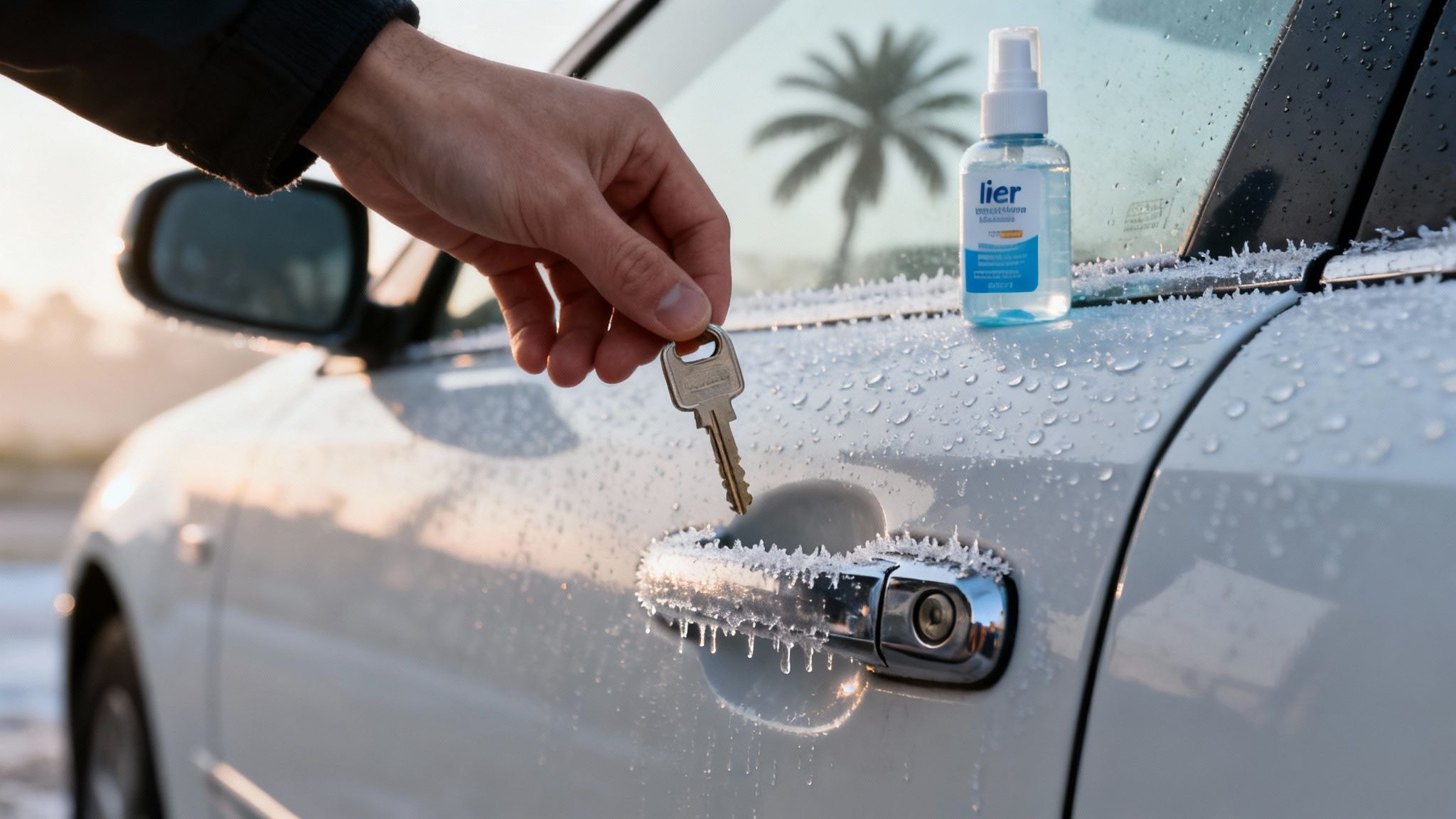
A frozen door lock can turn an ordinary winter morning into a frustrating experience. Whether you’re trying to unlock your car before work or get inside your house after spending time outdoors, ice trapped inside the lock can prevent the mechanism from moving. Fortunately, you don’t need expensive tools or professional assistance to solve this problem.
Several inexpensive products and everyday household items can help melt the ice, loosen stuck components, and restore normal operation. Many of these solutions cost less than $10 and take only a few minutes to apply. From commercial de-icer sprays to simple heat-based techniques, here are ten practical ways to fix frozen door locks without putting unnecessary strain on the mechanism.
1. Lock De-icer Spray
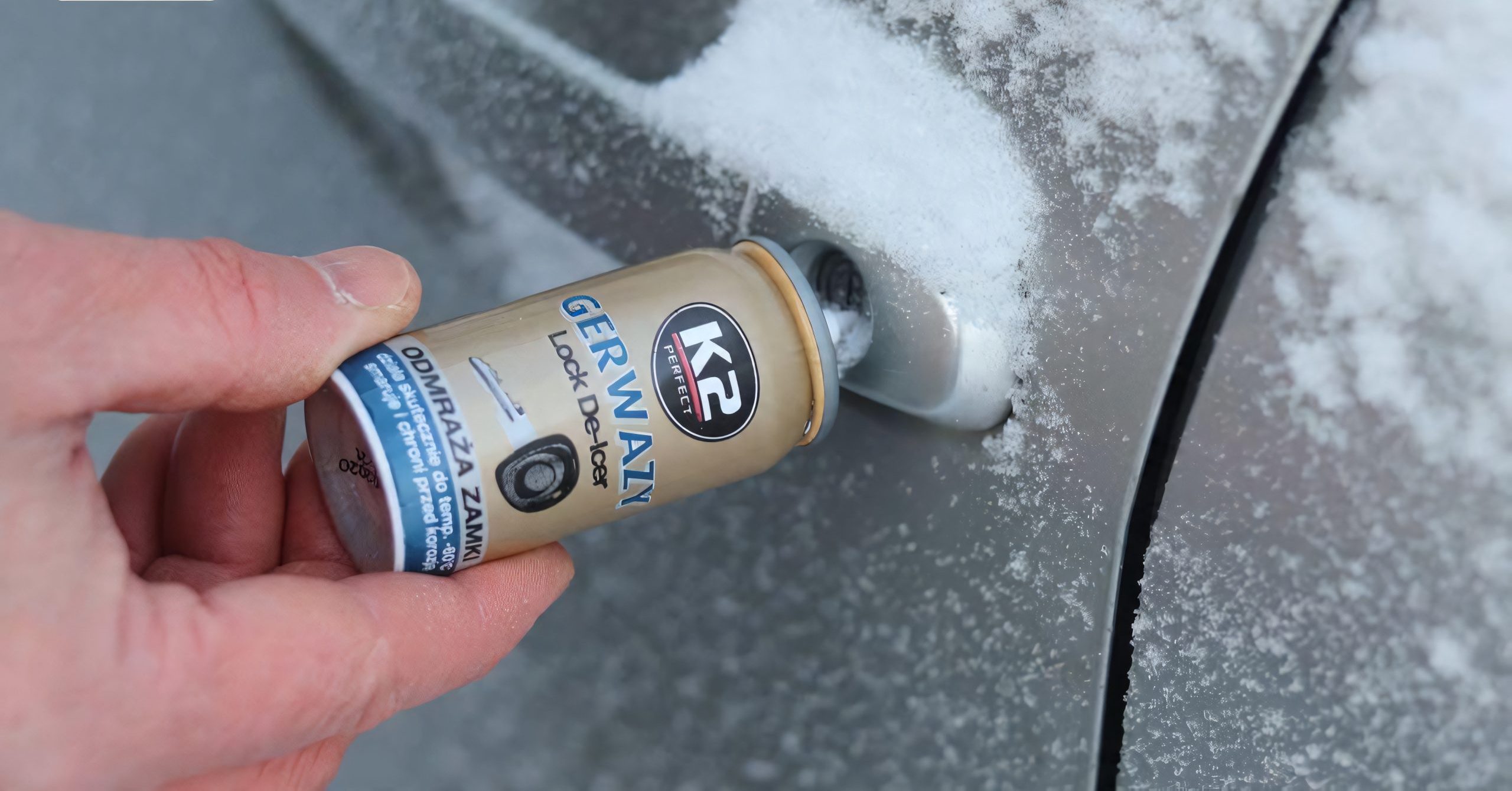
When ice prevents a door lock from working, a commercial lock de-icer spray is one of the easiest solutions to try. These products are specially formulated to dissolve ice inside small locking mechanisms, helping restore normal movement without requiring excessive force.
Most lock de-icer sprays cost between $4 and $7, making them an affordable addition to your winter emergency supplies. To use one, remove the protective cap and apply a small amount directly into the lock opening.
Allow the solution to work for several seconds, giving it time to penetrate the frozen area. Gently insert the correct key and turn it without applying too much pressure.
Some formulations also contain lubricating ingredients that help protect internal components against moisture. This can reduce the chances of another freeze shortly after treatment.
Keep a can somewhere accessible, preferably inside your home or bag rather than inside a locked vehicle. Always follow the manufacturer’s instructions, particularly when using the product on painted surfaces or electronic locking systems.
A little preparation can save considerable frustration during freezing weather.
2. Hand Sanitizer
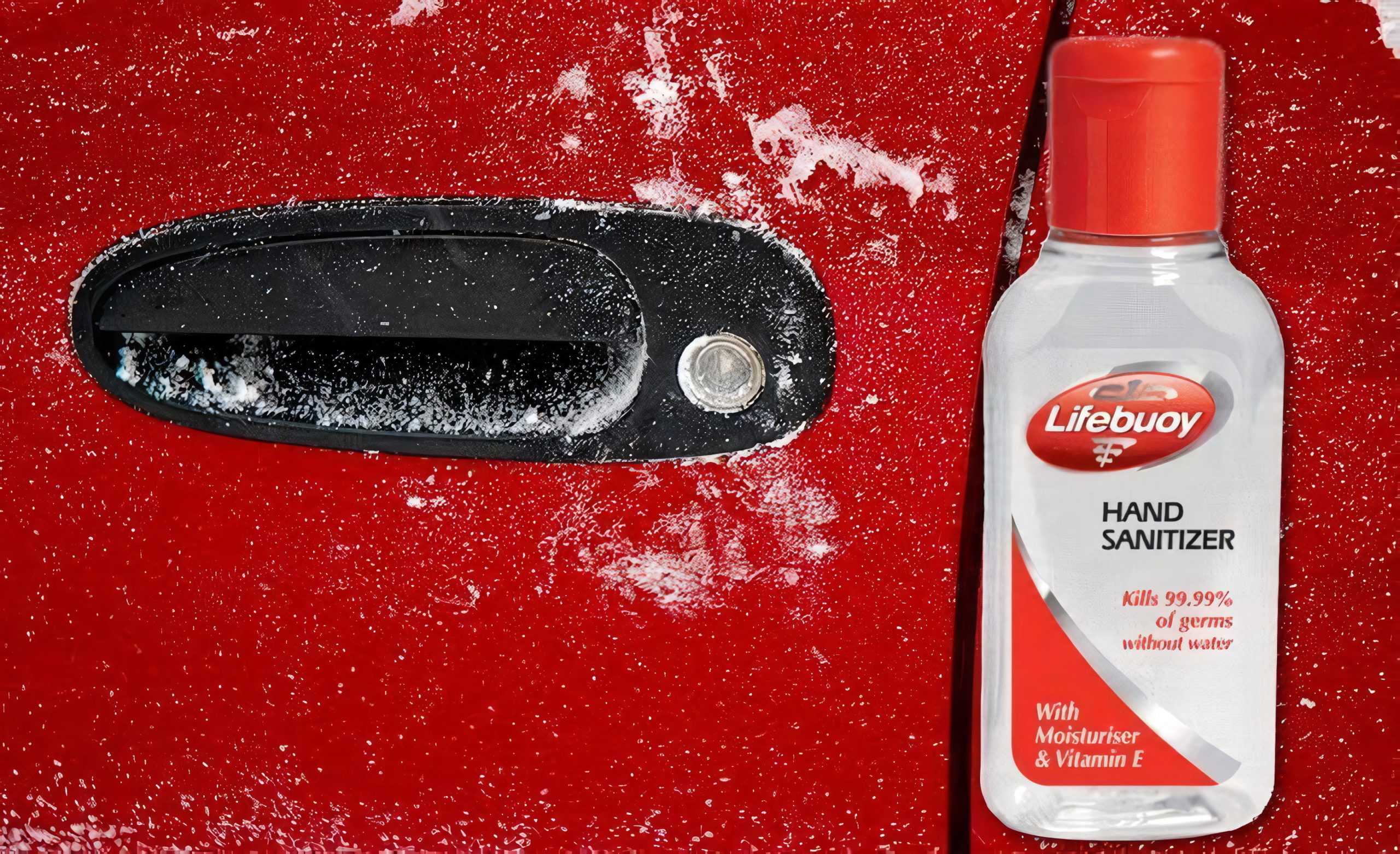
Have a bottle of alcohol-based hand sanitizer nearby? It might help when a frozen door lock catches you off guard.
Hand sanitizer commonly contains ethyl alcohol or isopropyl alcohol, ingredients that can help dissolve ice by lowering the freezing point of water. This makes certain alcohol-based formulations useful for loosening small amounts of ice inside a lock cylinder.
Start by checking the ingredient label. Choose a liquid sanitizer with a high alcohol concentration rather than a thick gel containing substantial amounts of moisturizers or fragrances.
Apply a small quantity to the metal key, then gently insert it into the lock. Give the alcohol a little time to work before attempting to turn the mechanism.
Avoid forcing the metal piece into the opening, especially if resistance remains. Repeat the application with a fresh, small amount if necessary.
One advantage of this method is convenience. Many households already have hand sanitizer in a purse, backpack, office drawer, or vehicle emergency kit. A small travel bottle generally costs less than $10.
Remember that alcohol-based products are flammable. Keep them away from flames, sparks, and heated surfaces until the alcohol has completely evaporated.
3. WD-40
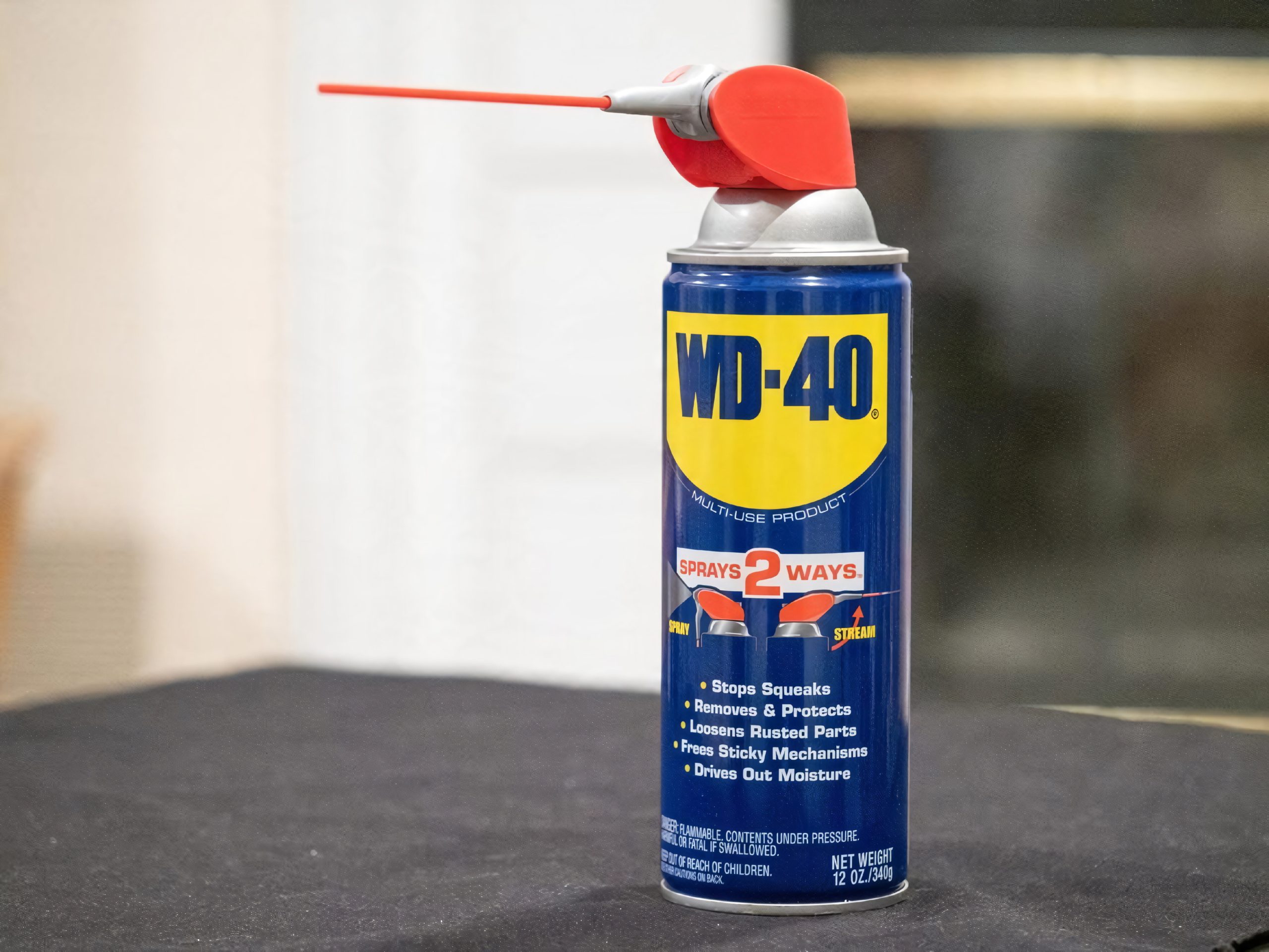
Moisture inside a door lock can create problems when temperatures drop below freezing. WD-40 is a familiar household product that can help displace moisture and loosen certain stuck mechanical components.
A standard can generally costs around $5 to $7, depending on the retailer and container size. Its spray nozzle, particularly when fitted with the precision straw, makes it easier to direct the product toward a small opening.
Before applying it, wipe away visible snow or water surrounding the lock. Attach the straw and use a brief spray rather than flooding the cylinder. Allow the product to penetrate, then gently test the mechanism with the correct key.
WD-40 Multi-Use Product is useful for moisture displacement, but it is not the best long-term lubricant for every lock. Some manufacturers recommend dedicated dry lock lubricants instead. Check the lock manufacturer’s maintenance instructions before using any spray.
Avoid spraying near electrical components, painted finishes, or sensitive electronic equipment unless the product label confirms compatibility.
For a frozen mechanical lock, this inexpensive product may help loosen moisture-related sticking. However, if the mechanism remains frozen after treatment, use a dedicated de-icer rather than repeatedly spraying additional lubricant into the cylinder.
4. Heated Key
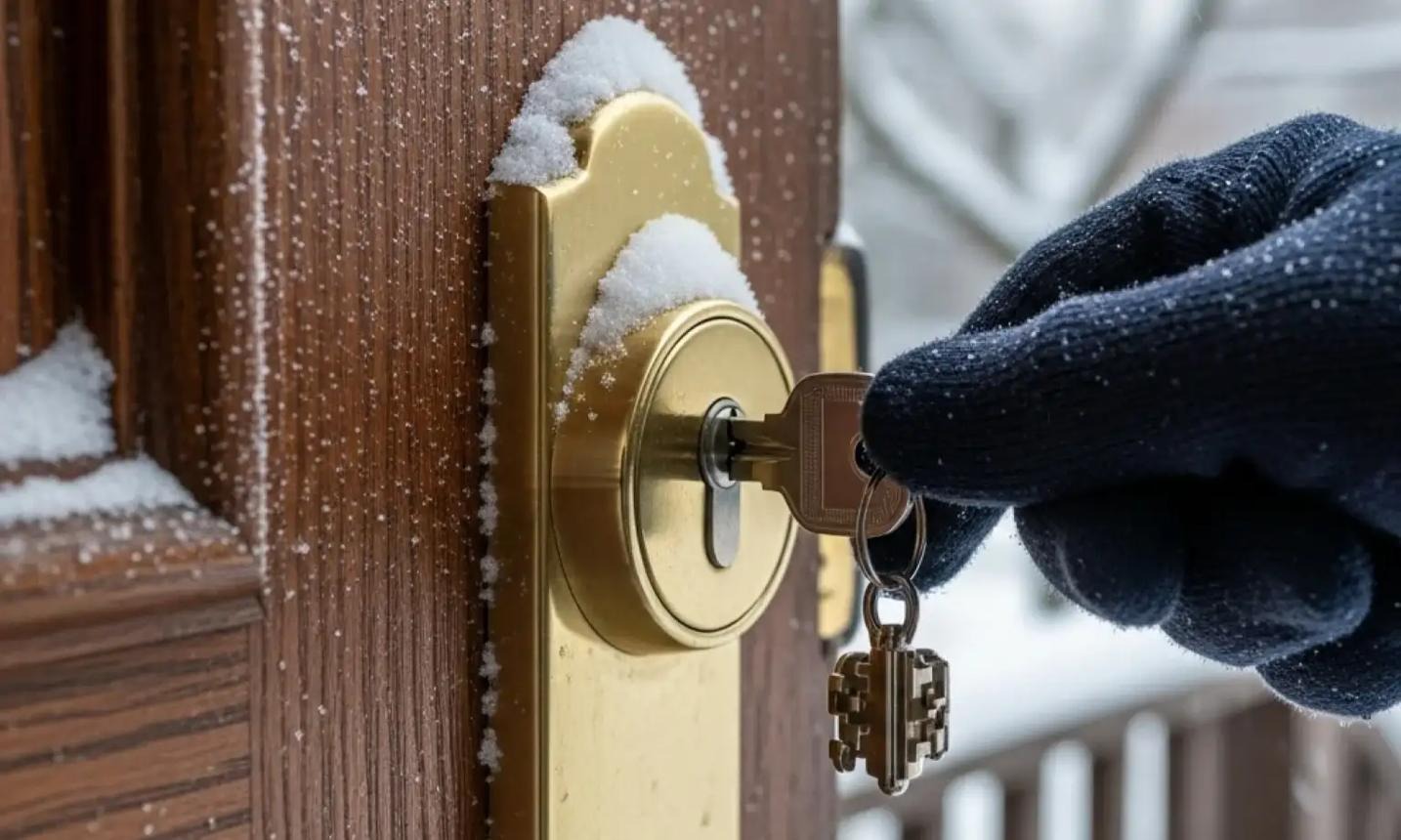
A metal key can transfer heat into a frozen lock, making gentle warming a useful approach when ice is preventing normal operation. However, this method requires care because excessive heat can cause burns, damage nearby materials, or create a fire hazard.
Rather than using a lighter or match, choose a safer warming method. Place the metal key in a sealed plastic bag and immerse the bag briefly in warm water. Remove it, dry the exterior thoroughly, and check that the metal is comfortably warm rather than hot.
Carefully insert the warmed metal into the lock cylinder and leave it in place for several seconds. This allows some heat to transfer to the surrounding metal components, helping loosen a small amount of ice.
If the first attempt does not work, repeat the process with freshly warmed, completely dry metal. Never force the key or twist it aggressively.
This approach costs virtually nothing if you already have access to warm water and a small plastic bag. It is particularly convenient when the frozen area is close to the cylinder opening.
Avoid heating a key with an open flame, as this introduces unnecessary risks and offers little control over the temperature.
5. Hair Dryer
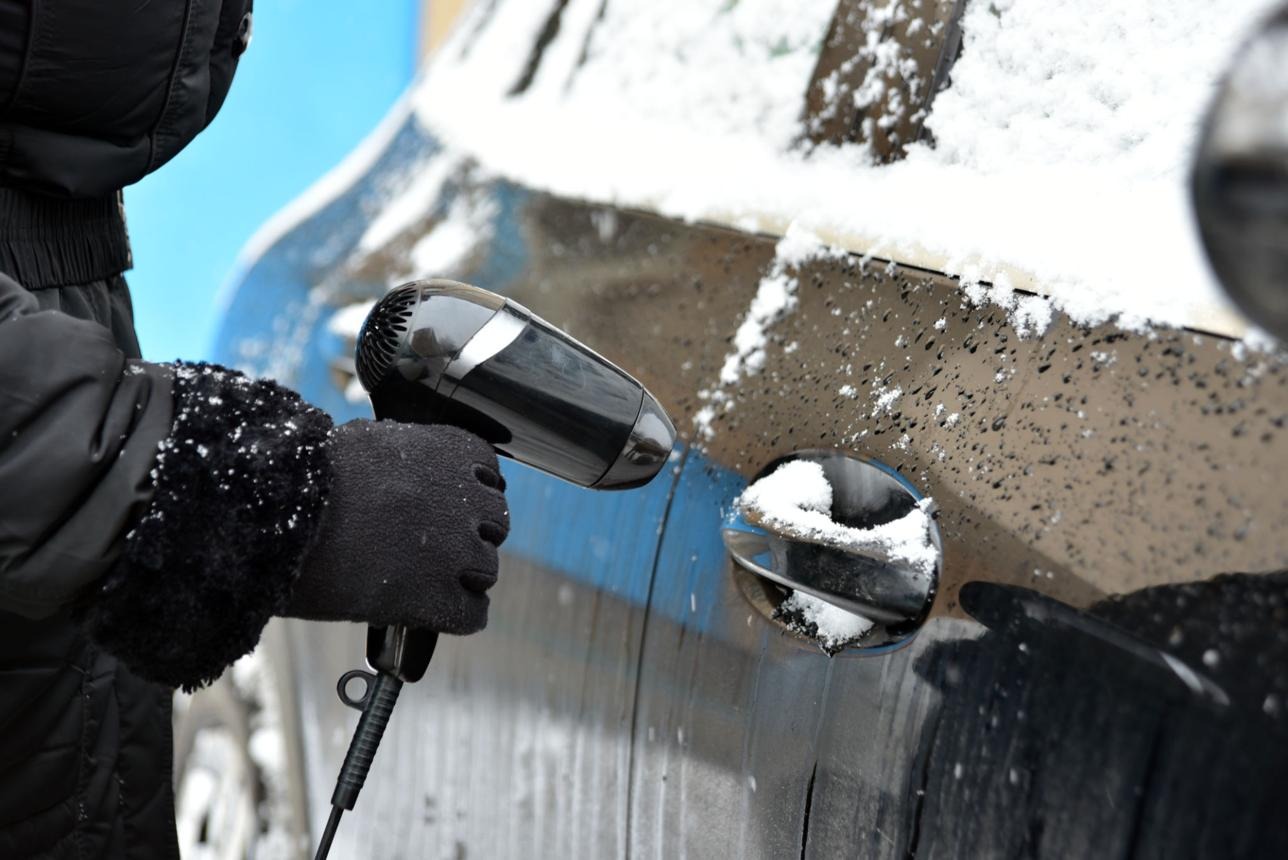
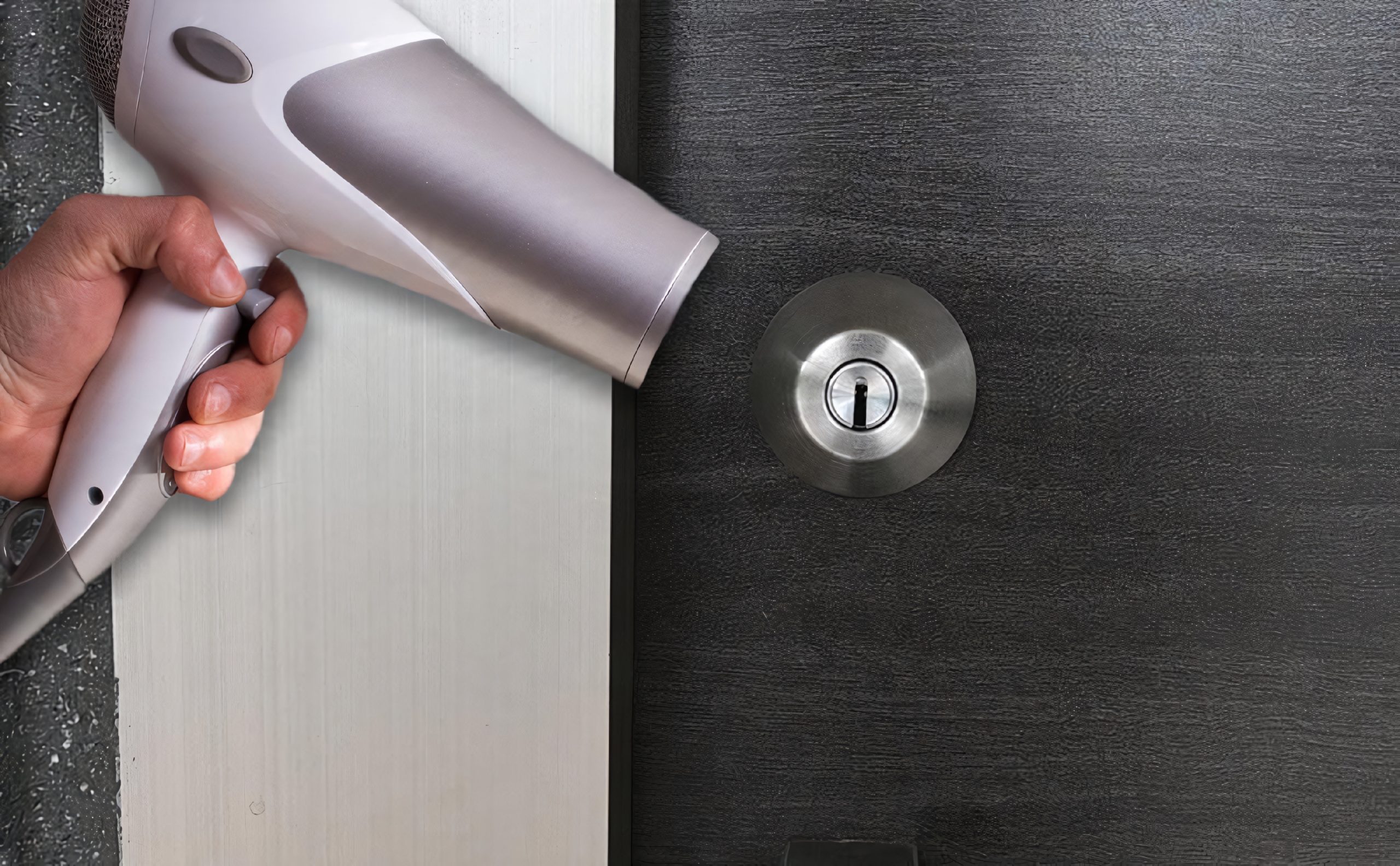
Sometimes the simplest way to loosen frozen ice is to apply gentle, consistent warmth. A hair dryer can help thaw a frozen door lock by warming the exterior metal surrounding the cylinder.
If you already own one, this method costs nothing extra. Start by connecting the appliance to a suitable indoor electrical outlet. If an extension cord is necessary, make sure it is rated for the appliance and suitable for the conditions.
Keep all electrical connections dry and away from snow or standing water. Set the hair dryer to a moderate or high heat setting and direct the airflow toward the frozen lock from a safe distance.
Keep the appliance moving instead of concentrating hot air on one small spot. Continue for a few minutes, checking periodically whether the mechanism has started to loosen.
Once the ice begins melting, gently test the lock using the correct key. Avoid applying excessive pressure if resistance remains.
Patience matters here. The objective is to warm the cylinder gradually, not expose it to sudden, intense heat. Excessive temperatures can damage paint, rubber seals, plastic trim, and nearby electronic components.
Never use a hair dryer in wet conditions or where water could enter electrical connections. If the area cannot be kept dry, choose a non-electrical de-icing method instead.
6. Warm Breath
What if you are outside without de-icer, a hair dryer, or any other heating equipment? Your own body heat may offer a temporary solution.
Warm breath contains heat that can help loosen a very small amount of ice near the opening of a frozen lock. Although this technique is less powerful than commercial products, it is free and requires almost no preparation.
To try it, place a clean drinking straw near the lock opening without inserting it deeply. Breathe gently through the straw, directing your warm breath toward the frozen area. Pause between breaths and allow the warmth to work gradually.
Repeat the process several times, then check whether the cylinder has started moving freely. If the lock remains frozen, avoid spending too much time repeating the technique.
One important limitation is that breath contains moisture, which can freeze again in extremely cold conditions and potentially worsen the problem. For this reason, this method should only be used as a temporary solution when the ice buildup is minimal.
It is best suited to situations where the freezing is light, and you have no other supplies available. For thicker ice or a completely immobilized mechanism, an alcohol-based de-icer will generally be more effective.
7. Warm Water Baggie
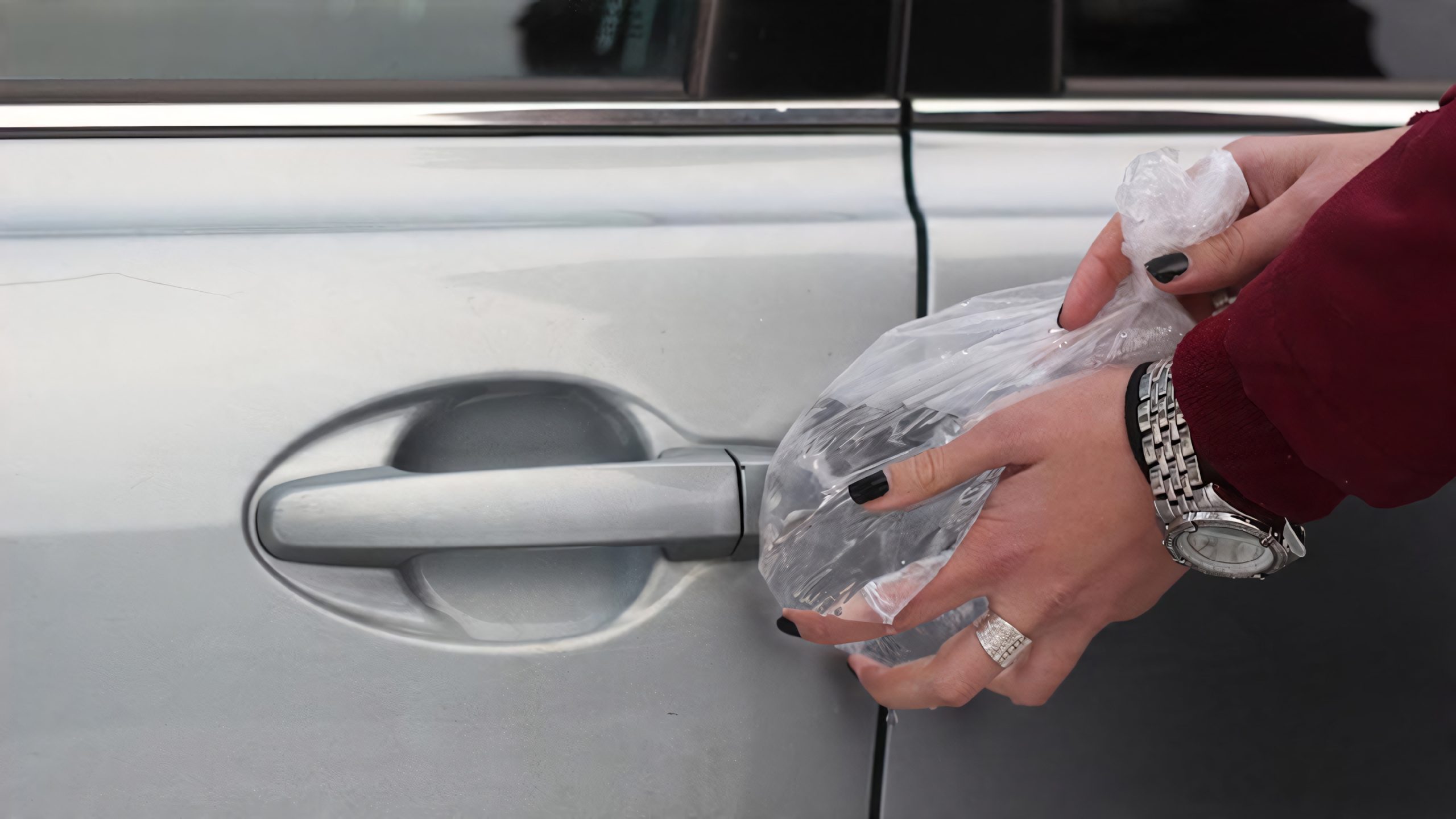
A sealed plastic bag filled with warm water provides a simple way to transfer heat to a frozen door lock without pouring liquid directly into the mechanism.
This method is particularly useful because water can hold heat long enough to warm a small metal surface. You only need a resealable plastic bag, some warm water, and a few minutes.
Fill the bag with comfortably warm water, leaving enough room to seal it securely. Check the closure for leaks before placing it against the frozen lock. Hold the bag gently against the cylinder and surrounding metal, allowing the warmth to transfer gradually.
Keep it in position for approximately one or two minutes, then remove it and check the mechanism. If necessary, refill the bag with fresh warm water and repeat the process.
Do not use boiling water. Extremely hot water can damage paint, rubber seals, plastic components, and certain finishes. It can also create a more serious freezing problem if residual moisture reaches the lock and freezes again.
After the lock becomes operational, dry the surrounding area thoroughly with a clean cloth.
This technique is inexpensive, easy to perform, and particularly helpful when you want to avoid introducing water directly into the internal locking components.
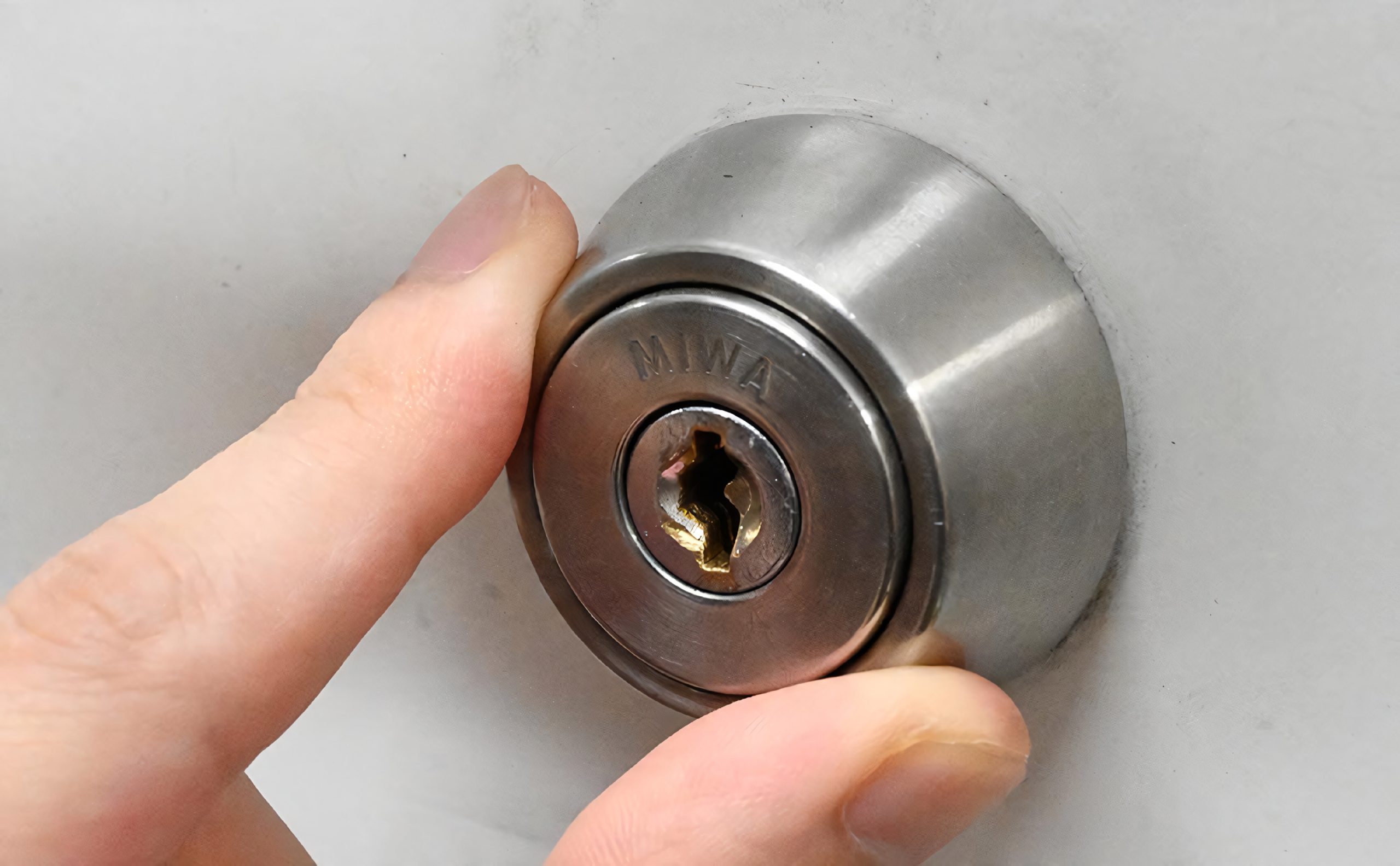
8. Friction Rubbing
Sometimes, a frozen lock needs only a little additional warmth to become operational again. Friction rubbing uses heat generated by your hands to warm the exterior metal surrounding the cylinder.
Unlike chemical treatments, this technique does not require special products, electricity, or additional equipment. It is a convenient option when you are outdoors and have nothing else available.
Begin by brushing away loose snow or frost around the lock. Place your thumb or the palm of your hand over the metal surrounding the cylinder. Rub the surface gently in small circular movements for approximately one or two minutes.
The friction generates a small amount of warmth, which can gradually transfer to the metal. Once the surface feels slightly warmer, check whether the locking mechanism has become easier to operate.
For better results in very cold weather, use thin gloves that allow you to maintain contact with the surface while protecting your skin.
Keep in mind that this technique has limitations. It will not produce enough heat to melt thick ice or thaw a deeply frozen locking mechanism. Its usefulness depends on the amount of ice present and the surrounding temperature.
Still, it costs absolutely nothing and can serve as a first attempt before reaching for commercial de-icing products.
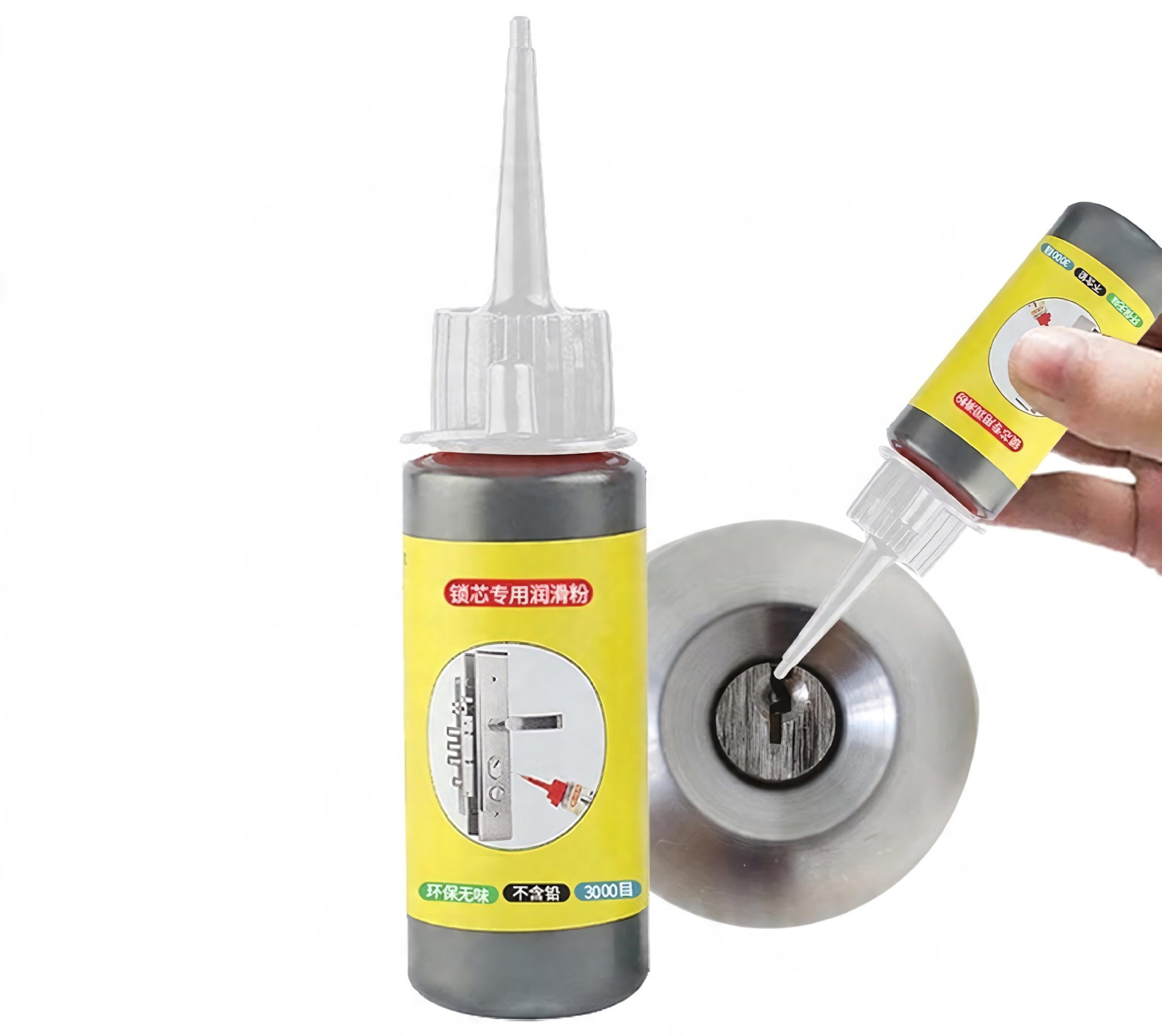
9. Graphite Powder
A door lock that frequently becomes stiff during winter may need proper lubrication in addition to occasional de-icing. Dry graphite powder is an inexpensive product designed to reduce friction between moving components inside compatible mechanical locks.
A small container typically costs around $3 to $5, making it an affordable maintenance option.
Graphite works by creating a dry lubricating layer between internal metal surfaces. Unlike many wet lubricants, it does not leave an oily coating that can collect dust and debris.
However, graphite does not melt ice. If the cylinder is currently frozen, thaw it completely before applying any lubricant. Once the mechanism is dry, follow the manufacturer’s instructions to apply a very small quantity of graphite through the appropriate opening.
Avoid using excessive powder because too much can accumulate inside the cylinder and interfere with smooth operation. Also, check compatibility first. Some modern locks, especially certain electronic and specialized security cylinders, require different lubricants.
Another important precaution involves mixing products. Do not combine graphite powder with oily sprays unless the lock manufacturer specifically recommends doing so.
Used correctly on compatible mechanical locks, graphite can help maintain smooth operation and reduce friction during cold weather. It is a useful addition to a basic household maintenance kit.
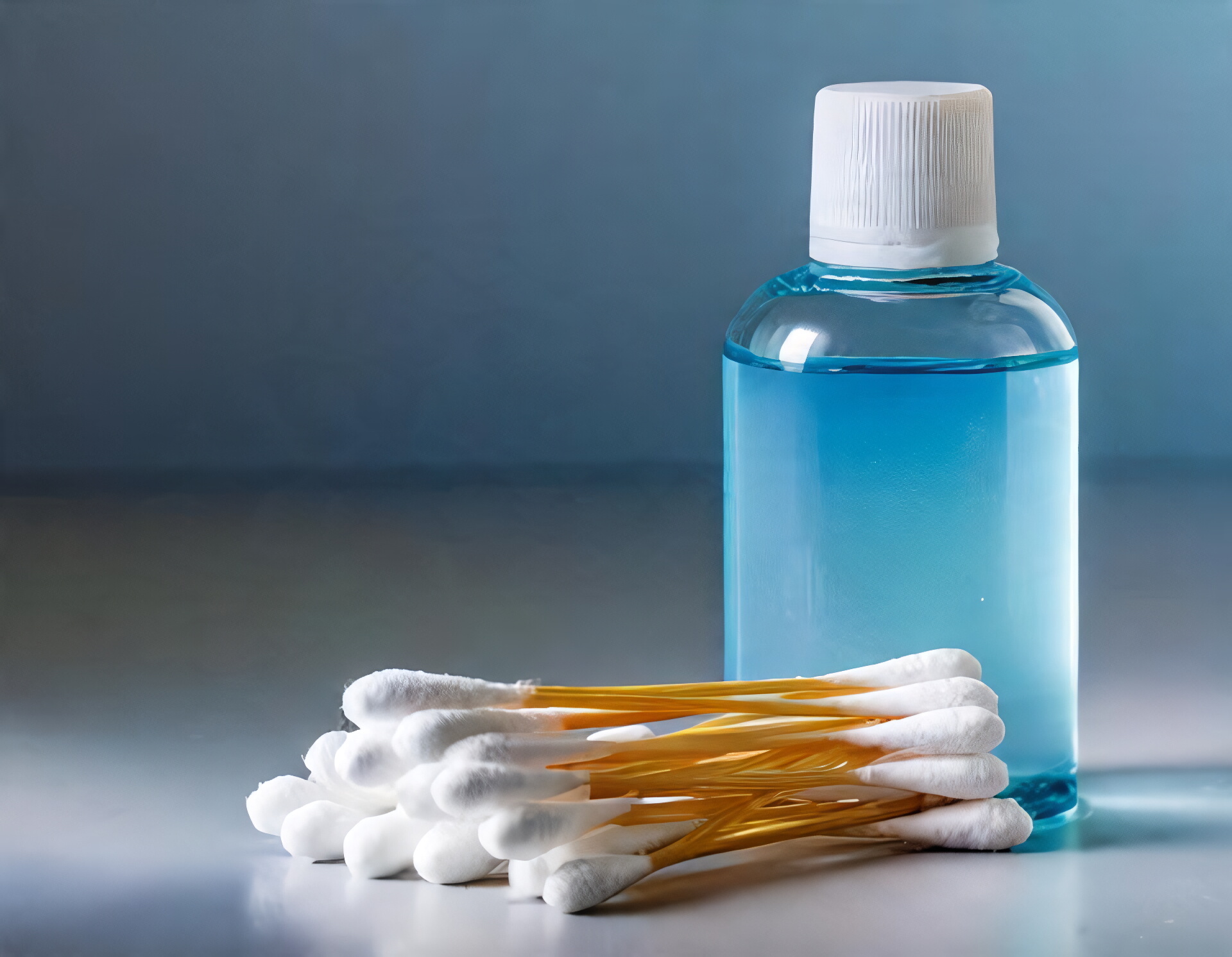
10. Rubbing Alcohol
Rubbing alcohol is another inexpensive household product that can help dissolve ice trapped around a frozen door lock. Standard isopropyl alcohol is commonly available at pharmacies and grocery stores, with smaller bottles often costing approximately $2 to $3.
Its usefulness comes from its ability to lower the freezing point of water. When applied carefully to a small amount of ice, it can help break down the frozen moisture and restore movement.
Start by checking the concentration on the bottle. A higher concentration, such as 70% or 91% isopropyl alcohol, is generally preferable to heavily diluted products. Apply a few drops to the metal key or use a lightly moistened cotton swab to treat the accessible opening.
Allow the alcohol to work for several seconds before gently testing the mechanism. Avoid pouring large quantities directly into the cylinder, as excessive liquid can affect certain lock components or finishes.
Once the ice has melted, wipe away excess moisture and allow the mechanism to dry. If the manufacturer recommends lubrication, use a compatible lock lubricant afterward.
Keep rubbing alcohol away from cigarettes, flames, sparks, and other ignition sources. It is highly flammable, so allow treated surfaces to dry completely before using any heat source.
This inexpensive solution is particularly handy because it is widely available and can be stored with other household maintenance supplies.