For decades, Ford and Mazda shared more than just business interests. Their partnership produced several cars, vans, and SUVs that carried Ford badges but relied heavily on Mazda engineering, platforms, and mechanical components. Some were almost identical to their Mazda counterparts, while others combined Mazda-developed foundations with Ford-specific styling, engines, and equipment.
This relationship became particularly important during the 1980s and 1990s, when both manufacturers looked for ways to reduce development costs, expand into new markets, and compete against growing Japanese and American competition. Ford gained access to Mazda’s experience in compact-car engineering, while Mazda benefited from Ford’s global manufacturing and distribution network.
The results were sometimes difficult to distinguish from ordinary rebadged vehicles. Models such as the Ford Laser and Ford Telstar were closely related to Mazda’s Familia and 626, respectively. Others, including the Ford Probe and Escape, involved deeper engineering cooperation. Here are eight Fords with surprisingly strong Mazda connections, and what actually sat underneath their Ford badges.
1. Ford Laser
The Ford Laser was one of the clearest examples of how closely the two manufacturers worked together. Introduced in 1981, the compact car was developed from Mazda’s Familia, better known internationally as the Mazda 323. Ford marketed it across Australia, New Zealand, Asia, and other selected markets, where it competed against small Japanese hatchbacks and family sedans.
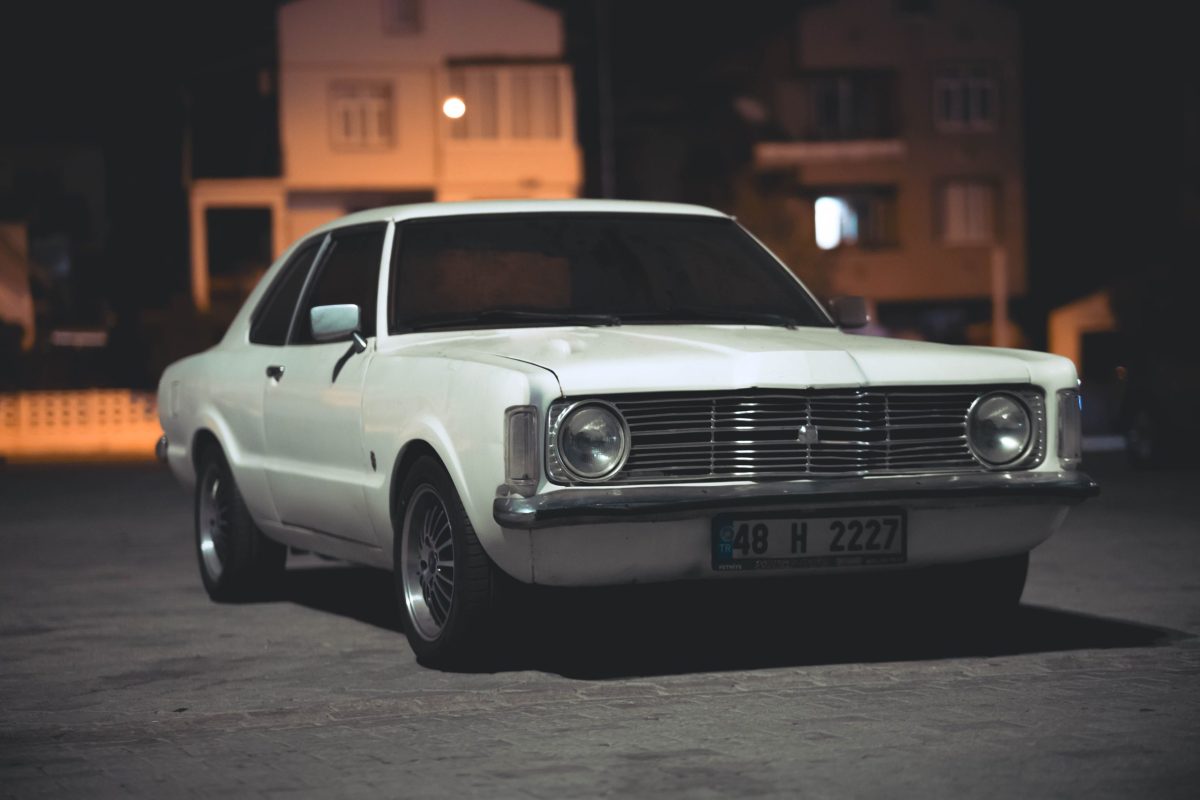
Underneath its Ford-specific styling, the Laser shared much of its mechanical foundation with the Mazda 323. This included its chassis, engines, and running gear, although specifications varied between generations and markets. Buyers could choose between hatchback and sedan configurations, while later versions introduced sportier variants, including the TX3.
The relationship became even more apparent in subsequent generations. The Australian market’s later Laser models retained close mechanical connections to the 323, with the final KN and KQ generations sharing extensive components and body structures with their Mazda relatives. Ford also benefited from Mazda’s established small-car manufacturing expertise rather than developing an entirely separate vehicle.
However, the Laser was not simply a 323 with different badges. Ford adjusted exterior styling, equipment levels, and suspension characteristics to suit its customers. Australian production also helped establish the model as a familiar local-market choice.
The Laser remained in production until 2002, when Ford replaced it with the Focus in several markets. Its long production history demonstrated how successful a shared Japanese engineering foundation could become under a different manufacturer’s name.
2. Ford Telstar
The Ford Telstar brought Mazda engineering into the mid-size family-car segment. Introduced in Japan in 1982 before reaching Australia in 1983, it was closely related to the Mazda 626, known domestically in Japan as the Capella. Ford positioned it as a replacement for the Cortina in Australia and as an alternative to established mid-size competitors in other markets.
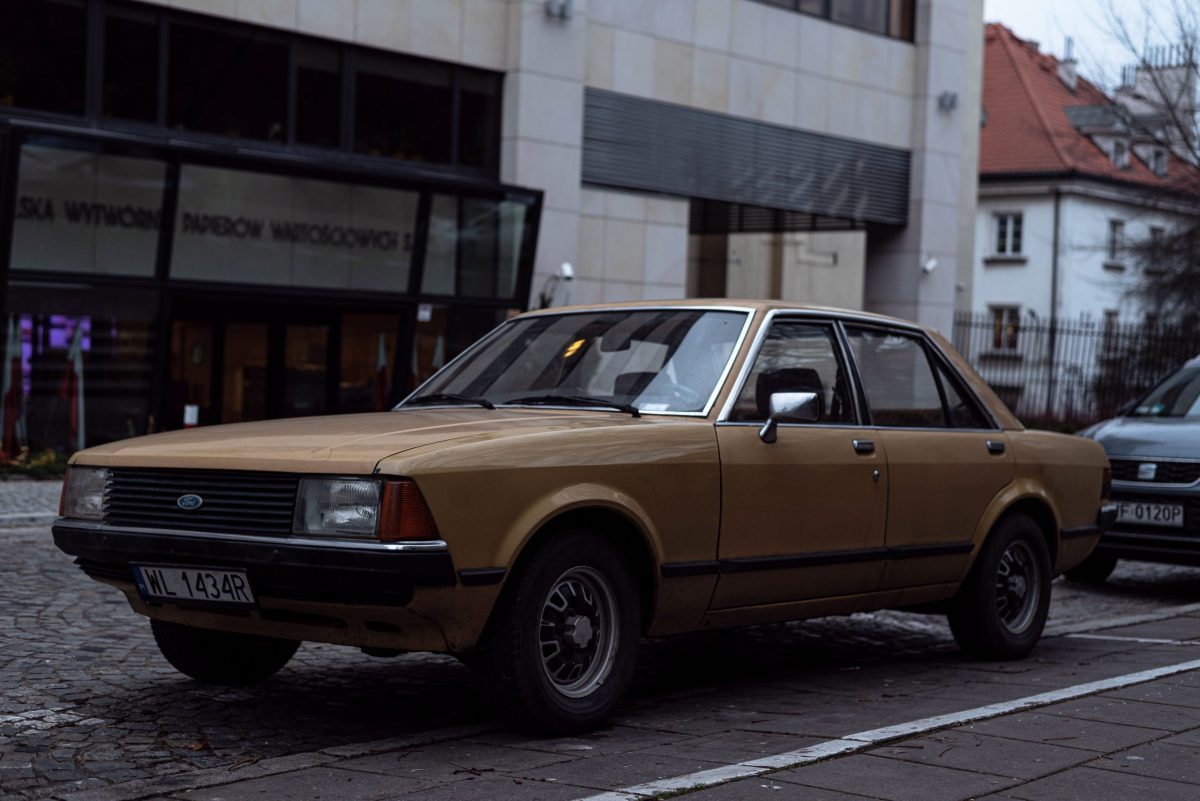
The connection went considerably deeper than shared engines. The Telstar used the same fundamental chassis architecture as the contemporary 626, with closely related mechanical components and powertrain configurations. Both vehicles were available in sedan and five-door liftback forms, although equipment and body styling differed according to the manufacturer and market.
Ford gave the Telstar its own visual identity through redesigned front and rear styling, distinctive grilles, and different interior treatments. The TX5 hatchback became particularly recognisable, while higher-specification models offered additional comfort equipment. Later generations also received more powerful engine options, including compact V6 engines.
The relationship remained consistent across successive generations. As Mazda updated the 626, Ford adapted the corresponding Telstar rather than developing a completely independent mid-size platform. This arrangement allowed Ford to compete in a segment where Mazda already had established engineering experience.
Australian sales continued until 1997, when the Mondeo took over its position in Ford’s passenger-car range. The Telstar was a particularly strong example of badge engineering because its Mazda origins extended well beyond the engine compartment.
3. Ford Festiva
The Ford Festiva had an unusual manufacturing arrangement that involved three automotive companies. Mazda designed and engineered the original small car, Kia manufactured it under licence in South Korea, and Ford marketed it in several international markets. Introduced in Japan in 1986, the Festiva subsequently reached North America and other regions.
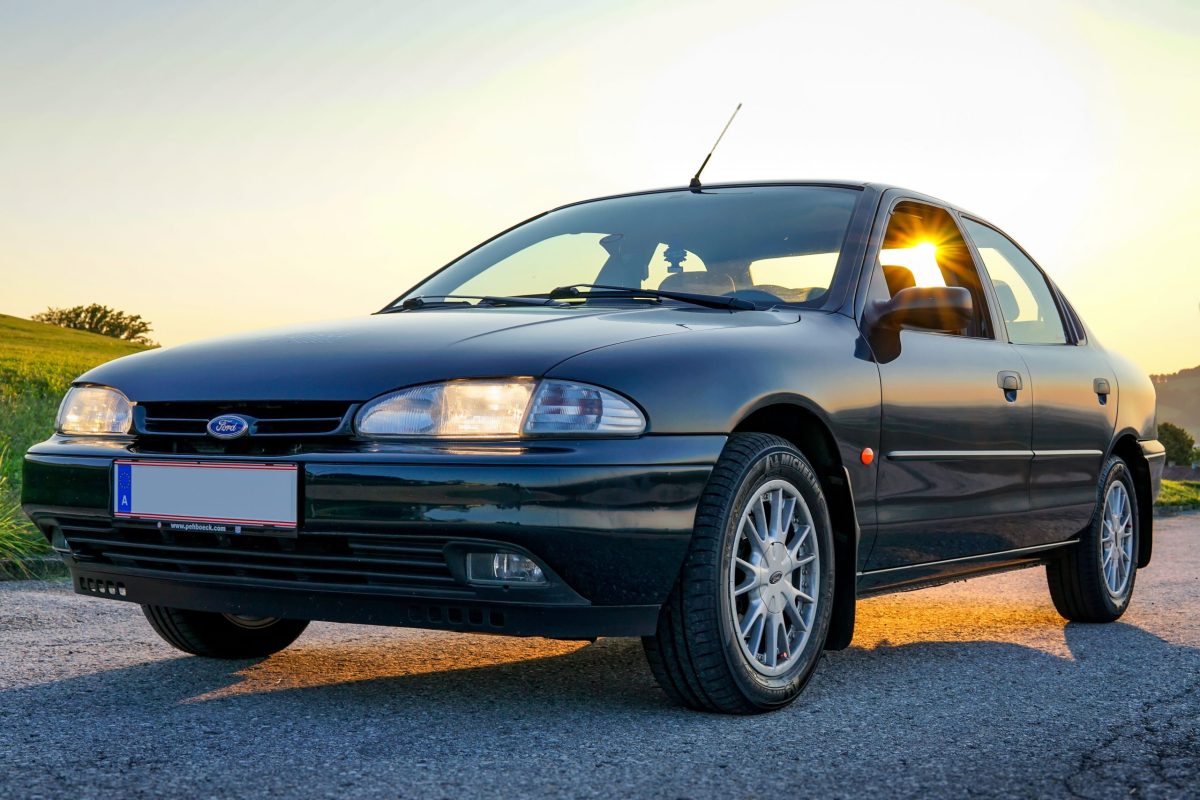
Its mechanical foundation came from Mazda’s DA platform, with Mazda-developed four-cylinder engines and front-wheel-drive architecture. The compact dimensions made it suitable for urban driving, while its relatively straightforward mechanical construction helped keep production and ownership costs manageable.
The Festiva also had several identities depending on where it was sold. In North America, it carried Ford badges, while European and Australian buyers encountered closely related versions under the Mazda 121 name. In South Korea, Kia marketed the underlying vehicle as the Pride. These differences reflected the complicated distribution arrangements between the manufacturers.
One important detail is that Ford did not manufacture every Festiva itself. Kia produced many examples, particularly those supplied to North America. Mazda’s engineering contribution remained central even when another company handled production.
Later versions expanded the model family further. The second-generation Festiva was closely related to the Mazda 121 Bubble, while the third-generation Japanese Ford Festiva Mini Wagon was based on the Mazda Demio.
The Festiva eventually disappeared from Ford’s international line-up as the company shifted towards its own Fiesta products. Nevertheless, it remains an interesting example of how Mazda engineering, Kia manufacturing, and Ford distribution could combine to create a single successful small-car family.
4. Ford Escort
The Ford Escort is usually associated with Ford’s European rally heritage and its long history as an affordable family car. However, the North American second-generation Escort, introduced for the 1991 model year, had a significant Mazda connection that many buyers might not have expected.
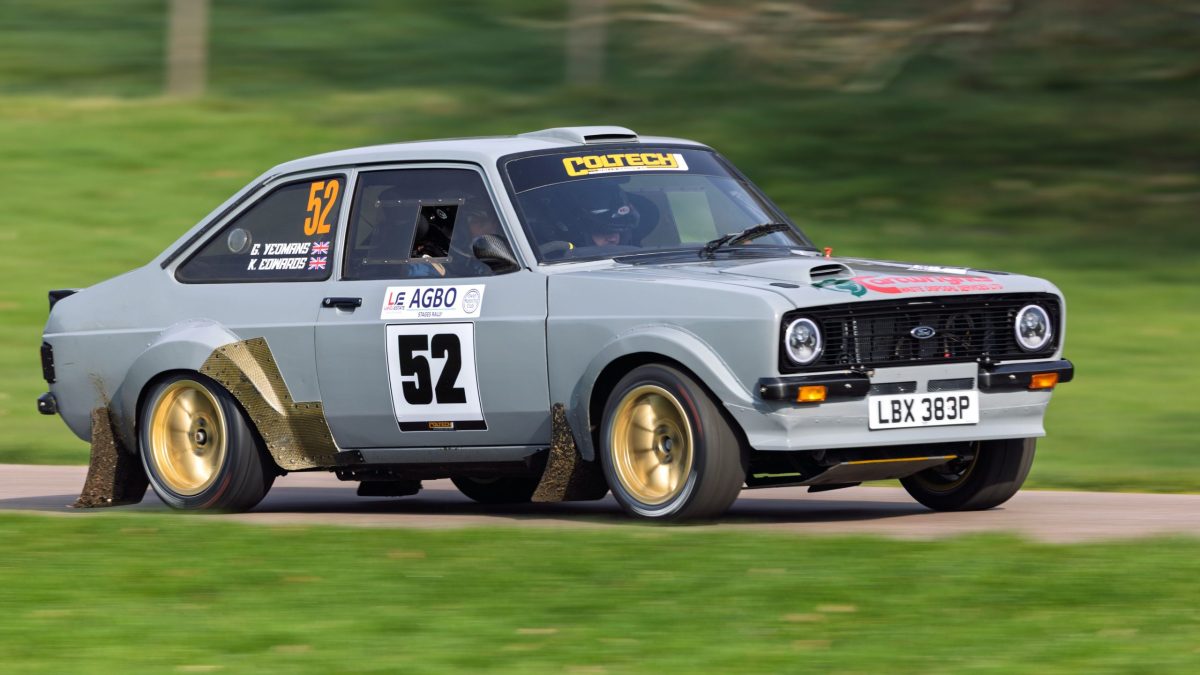
Ford developed this generation with Mazda and based it on the Mazda B platform, also known as the BG architecture. The same basic platform supported the Mazda 323 and Protegé. This represented a major change from the earlier North American Escort, which had relied on a different engineering foundation.
The shared platform improved vehicle packaging, suspension design, and development efficiency. Ford offered the Escort in several body styles, including a three-door hatchback, four-door sedan, and five-door wagon. Its Mercury counterpart, the Tracer, was also part of the same vehicle family.
The mechanical relationship was especially interesting in the sportier Escort GT. While regular versions retained Ford’s 1.9-litre CVH engine, the GT received Mazda’s 1.8-litre BP DOHC four-cylinder. Ford’s own engine-history documentation confirms that Mazda-manufactured 1.8-litre engines were introduced in the 1991 Escort GT.
That distinction matters because the entire Escort range was not mechanically identical to the Mazda 323. The platform was shared, but Ford retained certain powertrain choices and developed its own market-specific equipment.
The Mazda partnership helped Ford reduce development expenses while bringing a competitive compact car to North American buyers. The Escort remained an important part of Ford’s small-car strategy throughout the 1990s, even though its Mazda-derived foundations were not immediately obvious from its exterior.
5. Ford Probe
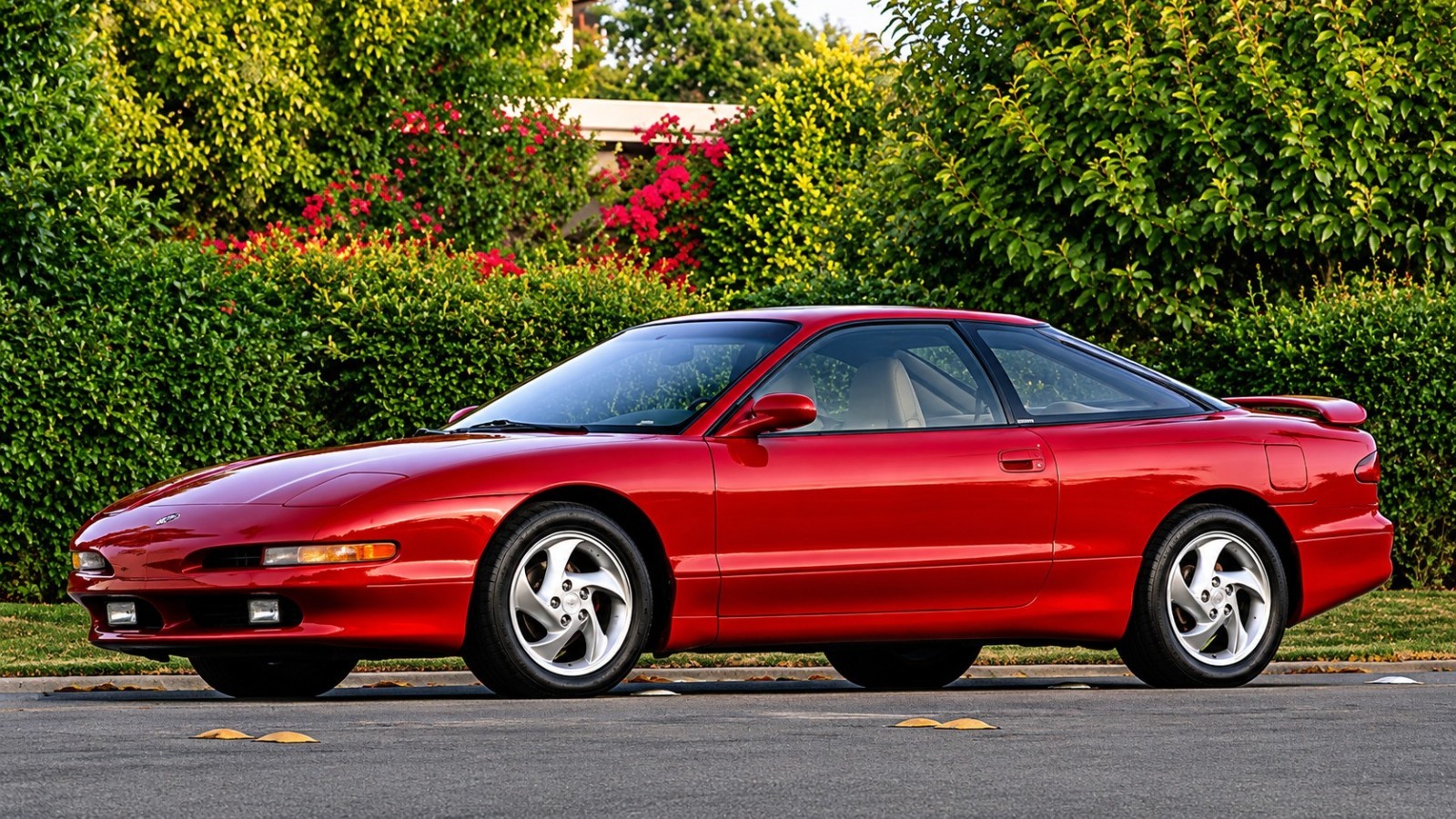
The Ford Probe was one of the most unusual products to emerge from the Ford-Mazda relationship. Developed as a front-wheel-drive sports coupe, it shared its fundamental engineering with Mazda’s MX-6 and 626. Although it carried Ford styling and branding, its mechanical origins were strongly connected to Mazda’s passenger-car development programme.
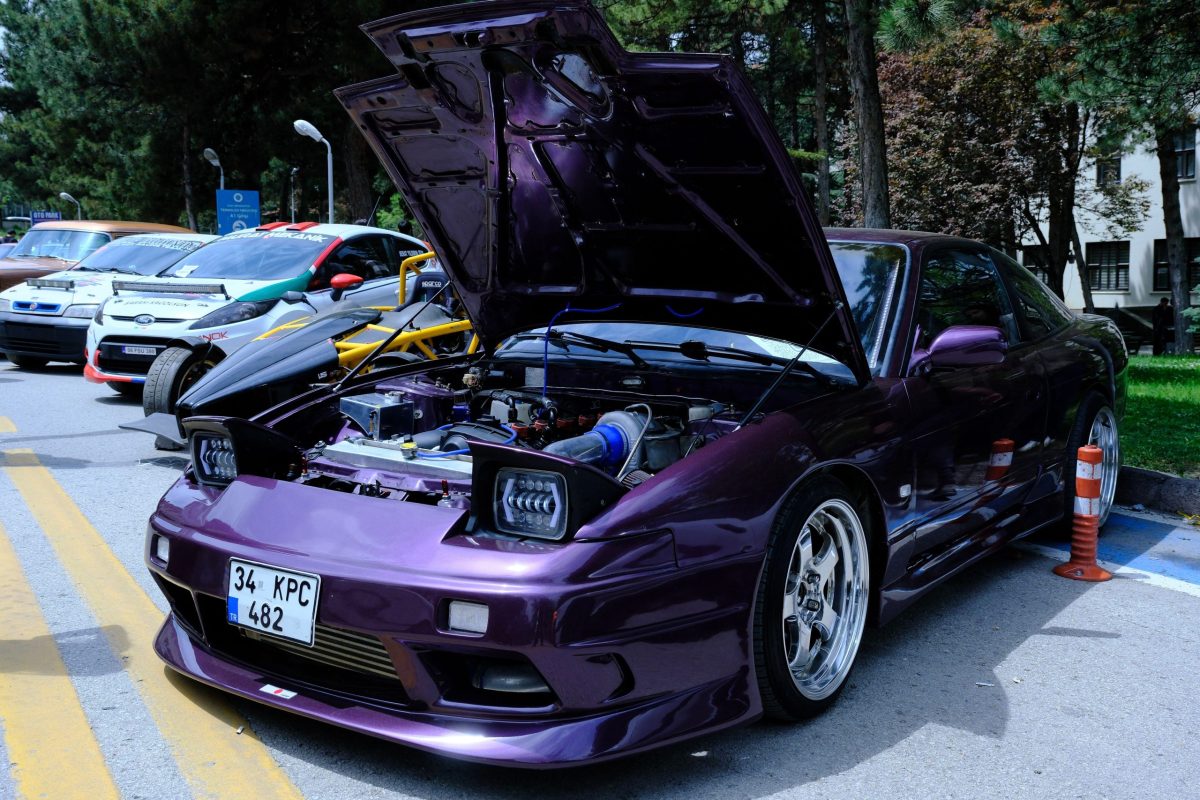
The first-generation Probe arrived for the 1989 model year. It used Mazda’s GD platform, which also underpinned the contemporary MX-6 and 626. Its available powertrains included Mazda’s 2.2-litre four-cylinder engine, with the GT receiving a turbocharged version. Some other versions also offered Ford’s 3.0-litre Vulcan V6.
Its design helped distinguish it from conventional family cars. The first-generation model featured pop-up headlights, a low bonnet, and a sloping aerodynamic body. These characteristics gave it a recognisable sports-coupe appearance without requiring an entirely separate mechanical development programme.
Ford introduced a second-generation Probe for 1993. This version continued the close relationship with the Mazda MX-6, using a revised shared platform and updated mechanical components. Its styling became more rounded, replacing the earlier generation’s pop-up headlights with fixed units.
The Probe was not a simple rebadged Mazda, however. Ford developed its own styling, equipment packages, and driving characteristics. Its identity was also shaped by Ford’s original intention to develop a potential successor to the Mustang, a plan that ultimately changed after strong reactions to the front-wheel-drive concept.
Production ended in 1997. The Probe remains a particularly interesting case because Mazda supplied much of the engineering foundation while Ford created a distinct sports coupe around it.
6. Ford Escape
The Ford Escape marked an important development in the relationship between the two companies. Unlike some earlier Fords that were essentially rebadged Mazda products, the Escape was developed jointly with Mazda as part of a shared vehicle architecture programme. Its closest counterpart was the Mazda Tribute, introduced around the same period.
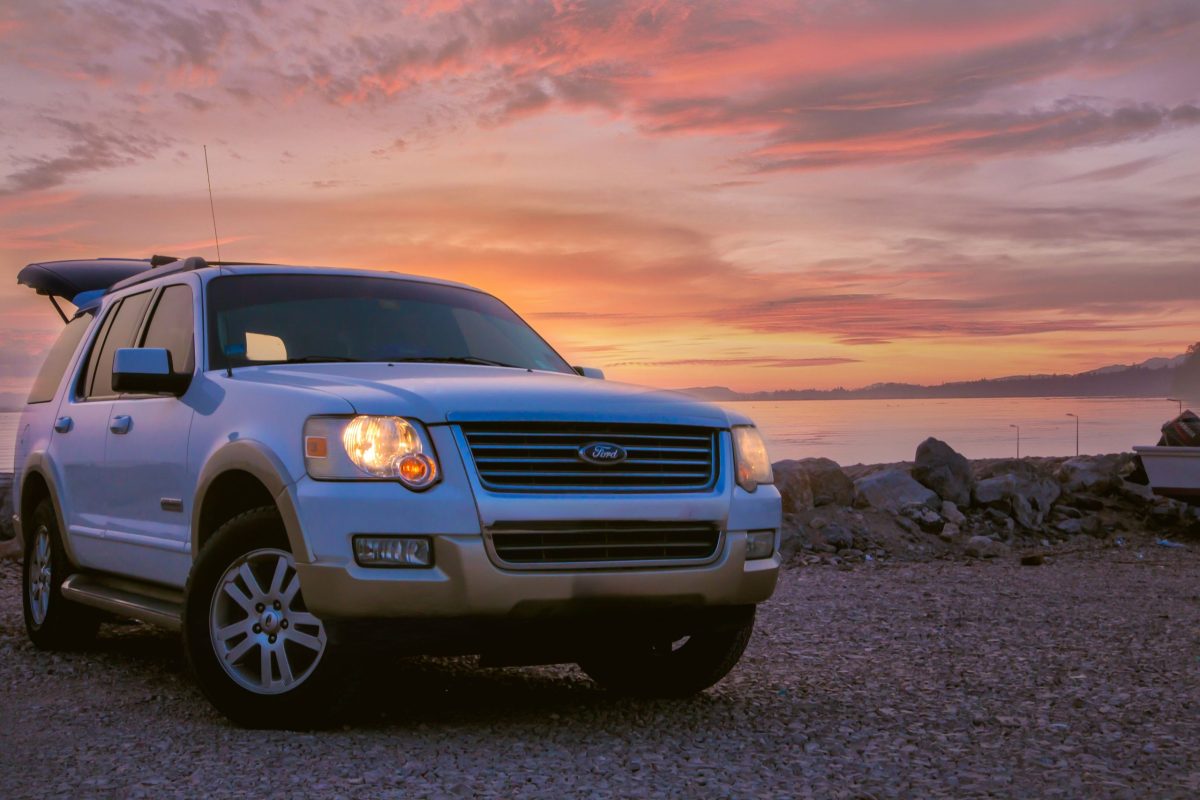
The first-generation Escape arrived in North America for the 2001 model year. It used the CD2 platform, developed jointly by Ford and Mazda and based on Mazda’s GF architecture, which was also associated with the Mazda 626. The arrangement allowed both manufacturers to enter the growing compact SUV segment without independently funding every stage of development.
The two SUVs shared their basic structure, suspension architecture, and several mechanical components. However, their exterior styling was deliberately different. Ford gave the Escape a more conventional SUV appearance, while Mazda designed the Tribute with a distinct front end and its own brand identity.
Engine options also reflected the partnership. The original Escape offered a 2.0-litre four-cylinder and a 3.0-litre V6, while the Tribute offered corresponding engine choices in different markets. Buyers could also choose front-wheel drive or four-wheel drive, depending on the version.
The collaboration extended beyond engineering. Mazda officially confirmed that the Tribute was its first vehicle jointly developed with Ford using a common architecture. The company also highlighted the integration of planning, engineering, purchasing, and manufacturing processes.
The Escape eventually gained a significant advantage through its position in Ford’s expanding SUV range. Its hybrid version, introduced for the 2005 model year, further expanded the model’s appeal. Although the Escape was never simply a Mazda with a Ford badge, its engineering history makes it one of the strongest examples of Mazda’s influence on a Ford product.
7. Ford Courier
The Ford Courier deserves a place on this list because it represents one of the earliest and most direct examples of Ford selling a Mazda-developed vehicle under its own name. Introduced in North America for the 1972 model year, the compact pickup was based on Mazda’s B-Series truck.
At the time, American buyers were showing increasing interest in smaller pickups from Japanese manufacturers such as Toyota and Datsun. Ford needed a competitive entry into this growing segment, but developing an entirely new compact truck would have required considerable investment. Partnering with Mazda offered a faster alternative.
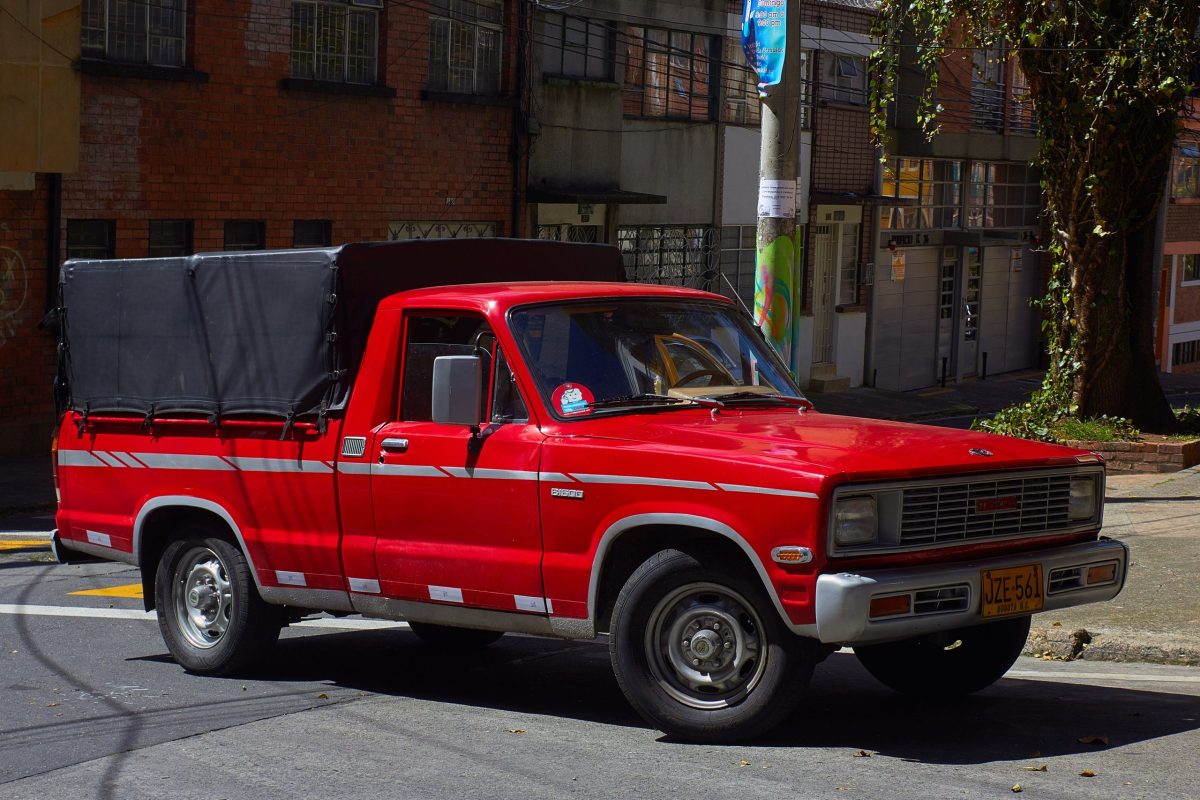
The original Courier was manufactured by Mazda and imported into North America for Ford distribution. It featured a conventional front-engine, rear-wheel-drive layout and a four-cylinder powertrain. Its compact dimensions, relatively economical operation, and practical cargo bed made it an alternative to Ford’s much larger domestic pickups.
The relationship was not limited to the first generation. Subsequent versions continued to draw heavily from Mazda’s B-Series engineering, although Ford gradually introduced its own changes. The second-generation Courier, for example, received revised styling and could be equipped with a Ford-built 2.3-litre engine alongside Mazda-supplied powertrain options.
This distinction is important because not every Courier retained Mazda mechanical components exclusively. Ford increasingly adapted the vehicle to its own requirements as the partnership developed.
The Courier also helped establish the commercial relationship that eventually expanded into passenger cars, SUVs, and shared manufacturing facilities. North American production ended when Ford introduced the Ranger in 1983, although the Courier name continued in international markets.
In many ways, the Courier was more than another badge-engineered pickup. It was one of the vehicles that helped establish the long-running Ford-Mazda partnership.
8. Ford Econovan
While Ford and Mazda shared several passenger cars, their cooperation also extended into commercial vehicles. The Ford Econovan was one of the clearest examples of this arrangement in Australia, where Ford marketed a version of Mazda’s Bongo-based E-Series van.
The Econovan became available in the Australian market during the early 1980s. It was designed around the practical requirements of small businesses, delivery operators, and fleet customers who needed a compact commercial vehicle rather than a full-size van.
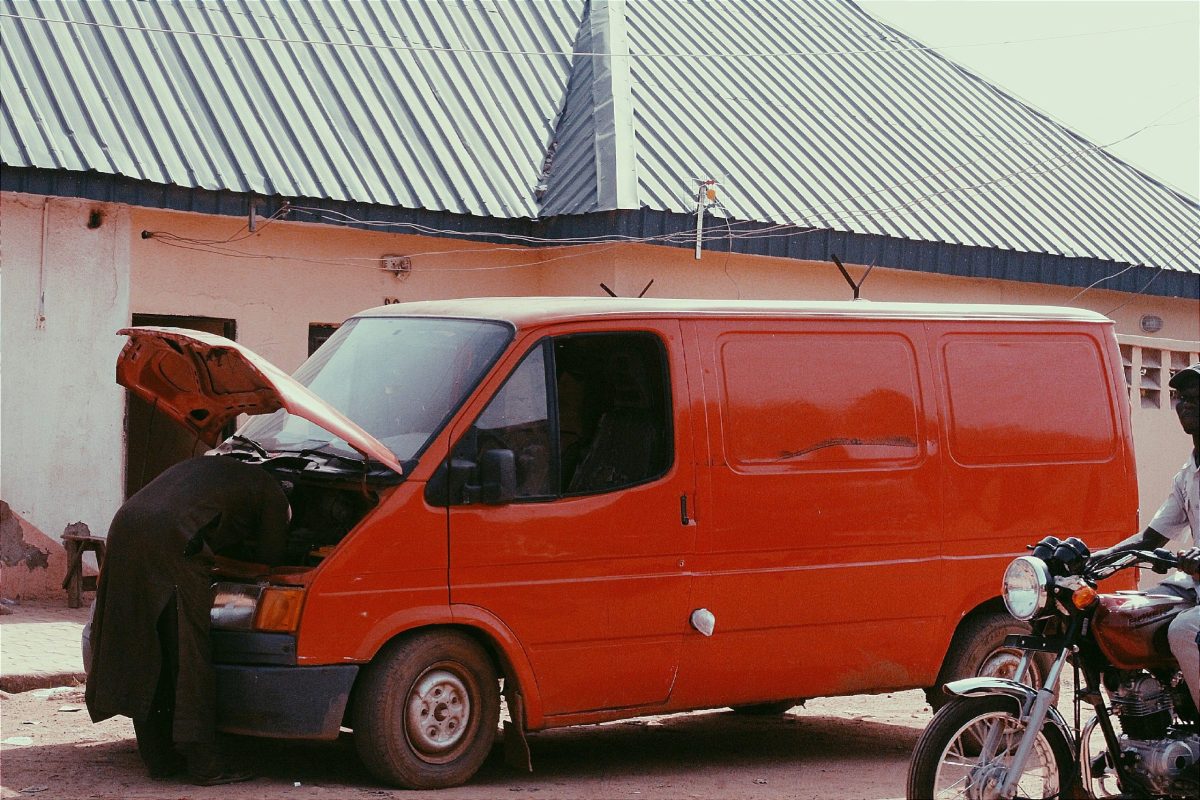
Its Mazda origins were particularly evident in its underlying construction. The vehicle shared its basic engineering with the Mazda Bongo, which was exported to several markets under the E-Series name. Depending on the generation and configuration, buyers could choose different engine options, body lengths, and cargo arrangements.
Ford also offered passenger-oriented versions of the same vehicle family. The Ford Spectron, for example, was marketed as a people carrier, while the Econovan focused primarily on commercial applications. This allowed Ford to serve different customer groups using an established Mazda-developed platform.
The relationship provided practical advantages for both manufacturers. Ford could expand its light-commercial vehicle range without developing an entirely new van, while Mazda benefited from the additional distribution and sales opportunities. The arrangement also reflected the broader strategy of sharing production and engineering resources during the companies’ partnership.
The Econovan remained in the Australian market for many years, with the final E-Series-based versions disappearing in 2006. Its history is a reminder that the Ford-Mazda relationship extended well beyond familiar passenger cars. Even Ford’s commercial vans sometimes had Japanese engineering at their core.