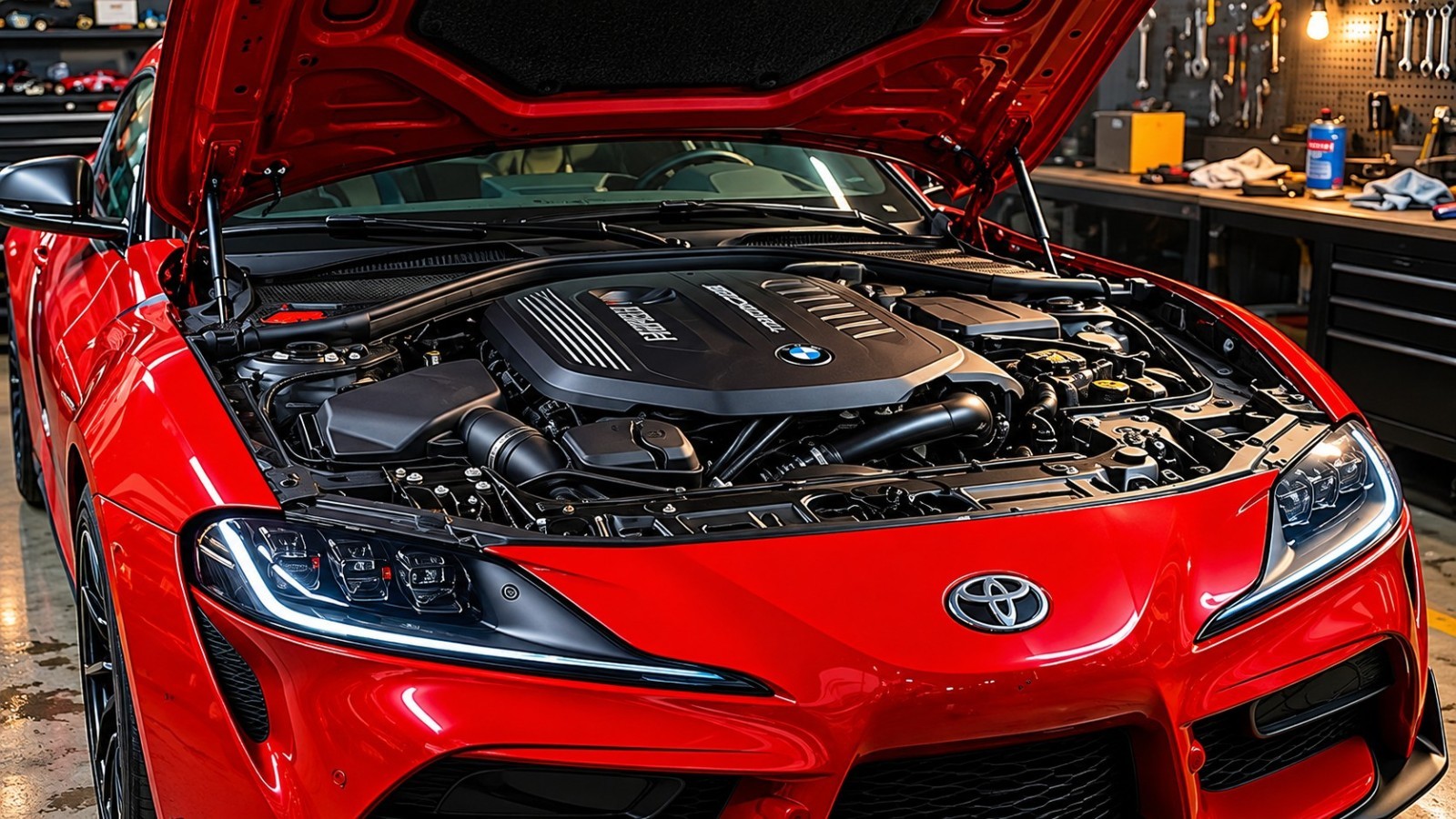
For decades, automakers have competed for buyers, pushed the boundaries of engineering, and fought for market share across segments ranging from family sedans to high-performance cars. However, some of the industry’s most recognizable brands share an unexpected connection, with certain models relying on engines developed by rival manufacturers.
These arrangements were not always the result of corporate partnerships or shared ownership. In several cases, manufacturers sourced powertrains from companies whose vehicles competed in the same market. Sometimes the decision came down to engineering expertise, production costs, reliability, or the need to bring a new model to market without developing an entirely new engine.
The result was a collection of unusual automotive combinations. A General Motors vehicle could use Toyota engineering, a Honda-branded SUV could rely on Isuzu mechanicals, and a British sports car could depend on a Japanese manufacturer’s high-revving four-cylinder.
Here are 10 cars whose engines came from rival automakers, along with the reasons these unusual powertrain arrangements happened and what they meant for the vehicles themselves.
1. Chevrolet Nova – Toyota Corolla Engine
The 1985 Chevrolet Nova was one of the clearest examples of an American car carrying Japanese engineering beneath its badge. General Motors had traditionally developed its own compact-car powertrains, but the Nova represented a different approach. Rather than creating an entirely new small car, GM worked with Toyota through a joint manufacturing venture called New United Motor Manufacturing, Inc. (NUMMI).
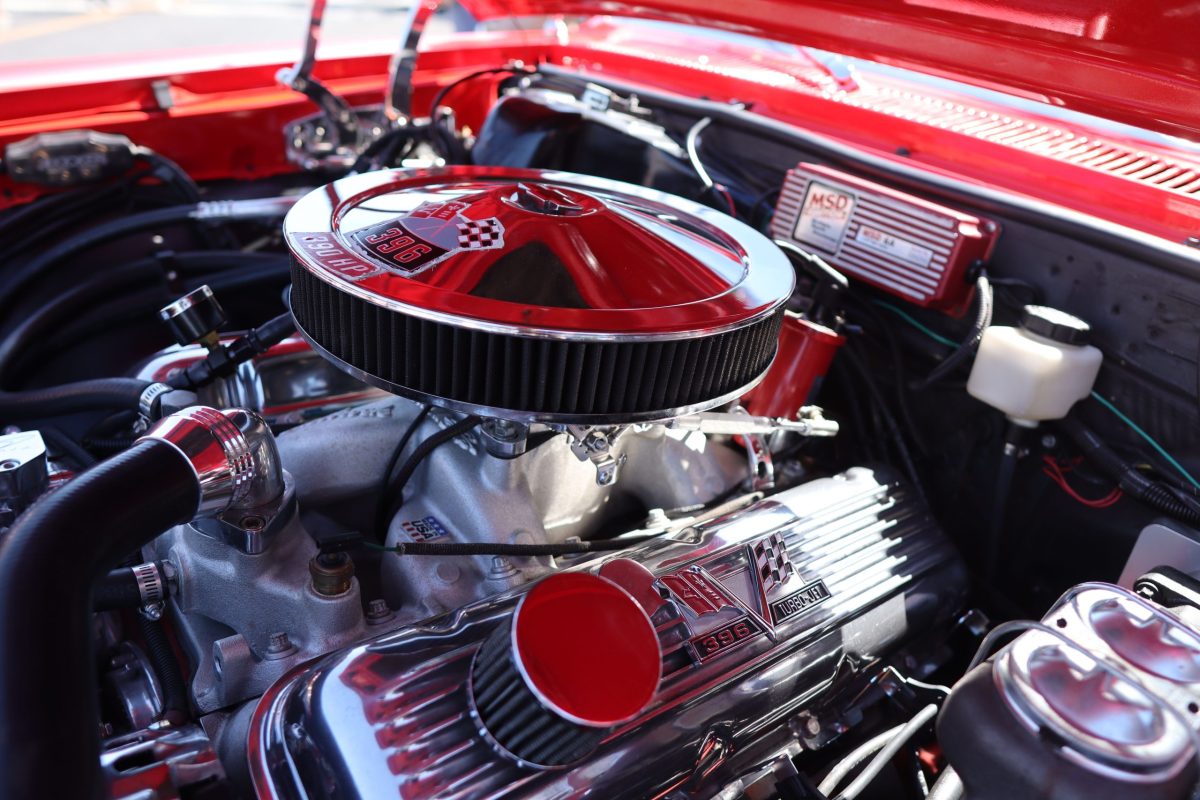
The resulting Nova was closely related to the Toyota Corolla. Its engineering foundation came from Toyota’s fifth-generation Corolla family, while Chevrolet supplied the branding and sold the vehicle through its dealer network. The 1985 model’s factory documentation identifies its four-cylinder engine as the Toyota 4A-family unit, with the 1.6-litre 4A-LC designation.
This arrangement was particularly interesting because the Corolla and Nova occupied the same competitive compact-car market. Toyota gained additional manufacturing capacity and access to GM’s American production experience, while Chevrolet acquired a ready-made small car with established Japanese engineering.
The partnership also helped GM understand Toyota’s production methods, particularly its approach to manufacturing efficiency and quality control. For buyers, the Nova offered practical transportation with a familiar Chevrolet identity. However, its close relationship with the Corolla meant it was never an entirely independent GM engineering project.
The Nova demonstrated that a manufacturer could compete against Toyota in showrooms while simultaneously relying on Toyota’s engineering expertise.
2. Pontiac Vibe – Toyota Engine
The Pontiac Vibe took the relationship between General Motors and Toyota even further. Introduced for the 2003 model year, the compact hatchback was developed through the same NUMMI partnership that produced the Chevrolet Nova. However, this time, the companies created a vehicle that combined GM’s design direction with substantial Toyota engineering.
Toyota’s official announcement stated that the Vibe was developed using the engineering, manufacturing, design, and technology resources of both companies. GM established the initial concept, while Toyota handled the vehicle’s engineering and development to meet the partners’ requirements.
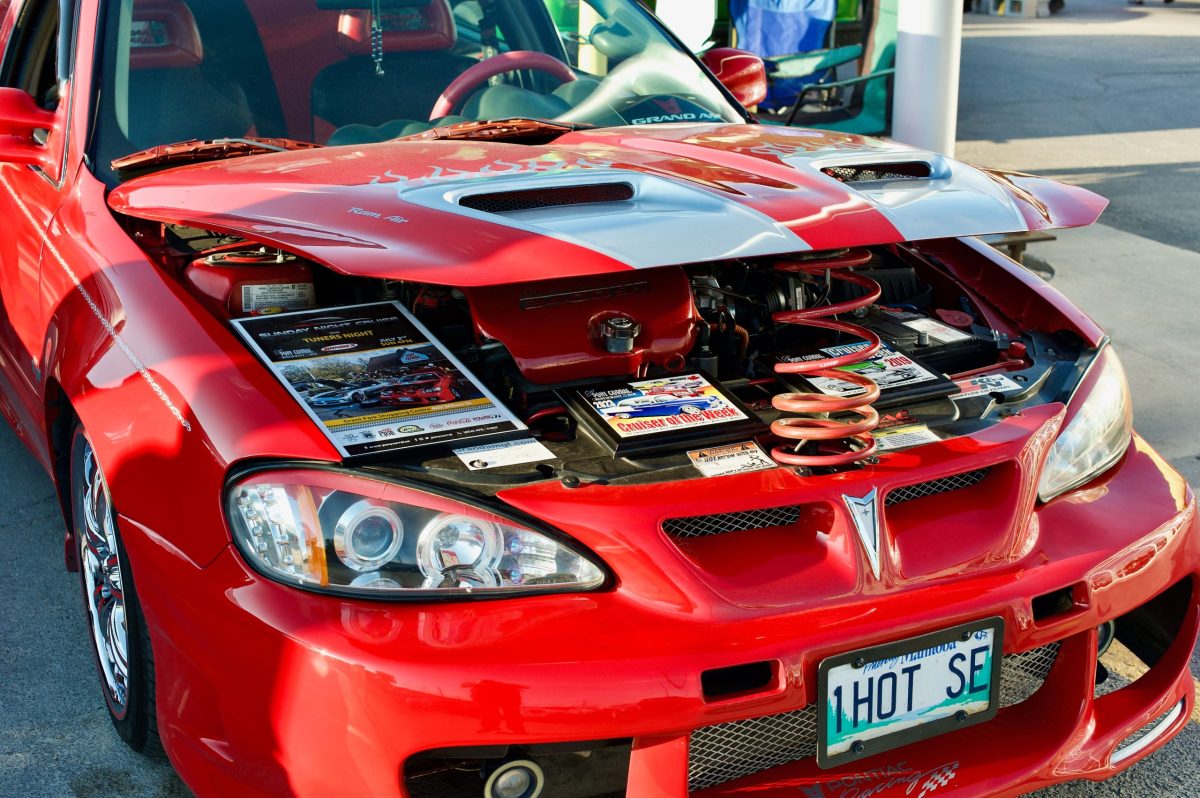
The Vibe offered Toyota-derived four-cylinder engines, including the 1.8-litre 1ZZ-FE and the higher-performance 2ZZ-GE in the first-generation GT. The latter was particularly interesting because it featured Toyota’s VVTL-i variable valve timing and lift technology, allowing the engine to deliver a more enthusiastic high-rpm character than the standard version.
Later Vibe models also received Toyota engine families, including the 2ZR-FE and 2AZ-FE, depending on the year and configuration. The exact powertrain varied across the production run, so the model year and trim matter when identifying a particular vehicle.
The Vibe’s relationship with Toyota was not simply an engine-supply arrangement. It shared substantial mechanical foundations with the Toyota Matrix, which was marketed under Toyota’s own badge. This created an unusual situation in which two manufacturers could sell closely related vehicles through competing dealer networks.
For Pontiac, the arrangement provided a practical and mechanically proven compact hatchback. For Toyota, it expanded the commercial value of its engineering beyond its own showrooms.
3. Saturn Vue V6 – Honda Engine
General Motors turning to Honda for a V6 engine was an unusual development, particularly because both manufacturers competed in the American SUV market. The 2004–2007 Saturn Vue V6 made this arrangement visible to buyers without advertising the fact that its engine came from another major automaker.
The first-generation Vue initially offered GM powertrains, but the V6 lineup changed significantly for 2004. Saturn introduced a 3.5-litre Honda-derived V6, identified by GM as the L66. The engine belonged to Honda’s J-series family and was paired with a five-speed automatic transmission supplied by Honda.
The powertrain produced approximately 250 horsepower and 242 lb-ft of torque, depending on the published rating and model specification. It represented a substantial improvement over the earlier Vue V6 configuration.
The engine also appeared in the sportier Vue Red Line, giving the compact SUV considerably stronger acceleration. Honda’s variable valve timing and lift technology helped the naturally aspirated V6 deliver a useful balance of everyday response and higher-speed performance.
Interestingly, this was not an isolated commercial transaction. GM and Honda had an eight-year supply agreement, and the arrangement also involved GM supplying diesel engines through Isuzu for Honda applications in Europe. SEMA reported that slightly more than half of the 290,000 Saturn Vues sold since 2004 had been equipped with the Honda 3.5-litre engine.
The arrangement ended with the 2008 Vue, when GM replaced the Honda-sourced V6 with its own engine options. Nevertheless, the earlier model remains an interesting example of two competing manufacturers exchanging powertrain technology to improve their respective products.
4. Honda Passport – Isuzu Engine
The first-generation Honda Passport was an unusual vehicle because it was not originally designed as a Honda. Introduced in the United States in 1993 for the 1994 model year, it was essentially a rebadged Isuzu Rodeo sold through Honda dealerships.
This arrangement gave Honda an entry into the growing American sport-utility vehicle market without requiring the company to develop an entirely new body-on-frame SUV. Isuzu already had experience producing rugged utility vehicles, making the Rodeo a suitable foundation.
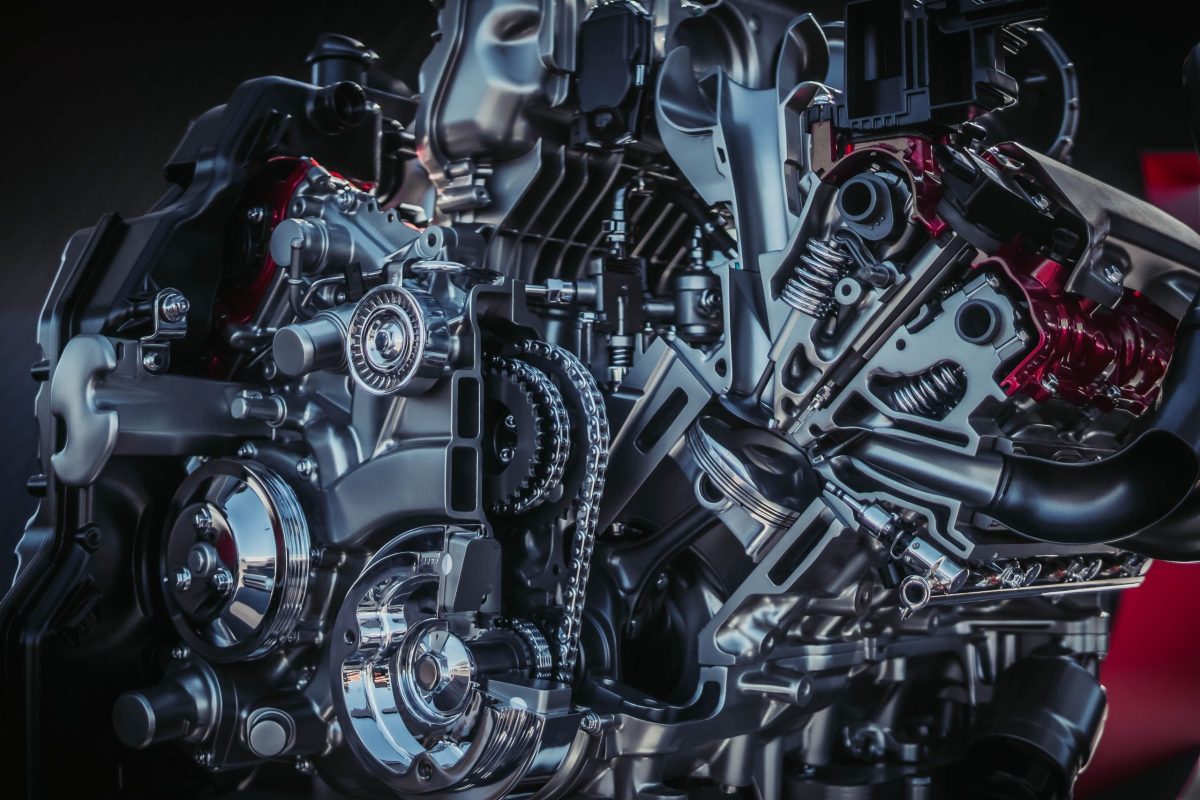
The Passport used Isuzu-developed engines rather than Honda’s familiar four-cylinder and V6 powerplants. Depending on the model year, buyers could find a 2.6-litre four-cylinder or a 3.2-litre 6VD1 V6. The latter became an important part of the vehicle’s appeal, providing the additional power needed for a midsize SUV.
The relationship was particularly interesting because Honda and Isuzu competed for buyers in the broader automotive market. Isuzu supplied the underlying vehicle and mechanical engineering, while Honda contributed its dealership network, branding, and customer reach.
There were practical limitations, however. Owners could not assume that every service procedure or replacement component would be identical to those used in other Honda vehicles. Many mechanical parts and diagnostic requirements were specific to Isuzu engineering.
The Passport was eventually discontinued in 2002, ending Honda’s first attempt at this particular SUV arrangement. Its history demonstrates how an automaker can enter a competitive segment by purchasing access to another manufacturer’s established engineering rather than starting from scratch.
5. Acura SLX – Isuzu Engine
The Acura SLX provides another example of Honda’s reliance on Isuzu engineering during its early expansion into the American luxury SUV market. Sold from 1996 through 1999, the SLX was closely related to the Isuzu Trooper, a vehicle already established in the body-on-frame SUV category.
Acura needed a larger utility vehicle to complement its passenger-car lineup, but developing a completely new SUV would have required considerable investment. Using the Trooper as a foundation allowed the luxury division to enter the segment more quickly.
Underneath the Acura badge was Isuzu’s 3.2-litre 6VD1 V6 engine. This was an Isuzu-developed powerplant, rather than a Honda-designed V6. It provided the SLX with the performance expected from a substantial four-wheel-drive SUV, while the underlying vehicle retained much of the Trooper’s mechanical architecture.
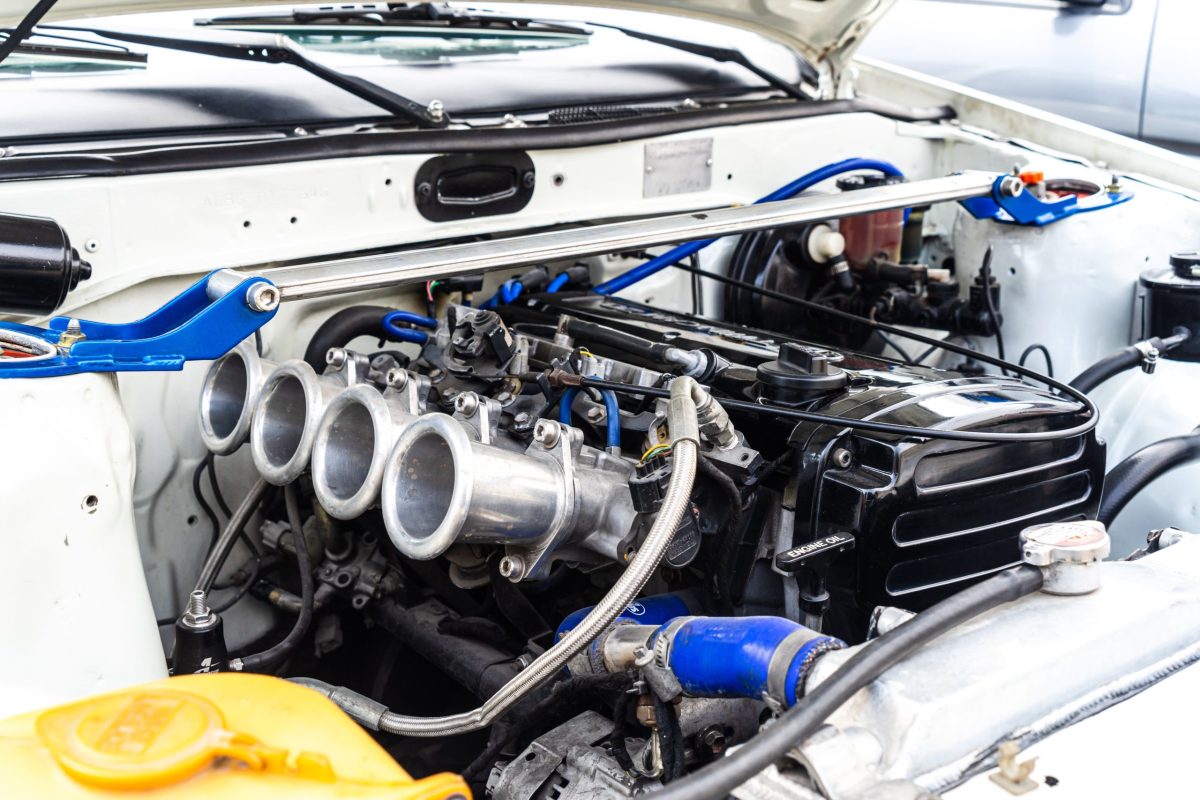
The SLX also received a 3.5-litre V6 in later model years, reflecting the evolution of the Trooper-based platform. Its four-wheel-drive hardware and body-on-frame construction distinguished it from the more car-like luxury crossovers that became increasingly popular later.
The commercial arrangement offered Acura a relatively straightforward route into a new category, although it created a challenge for brand identity. Buyers paying luxury-car prices were effectively purchasing a more upscale interpretation of an Isuzu product.
The SLX disappeared after the 1999 model year. Its successor strategy eventually moved towards Honda-developed SUV products, but the SLX remains a notable reminder that Acura once depended on a direct automotive rival for one of its most important mechanical components.
6. Isuzu Oasis – Honda Engine
Isuzu is better known for trucks, diesel engines, and rugged SUVs, but the company also sold a passenger minivan in North America during the 1990s. The Isuzu Oasis was introduced in 1996, and its mechanical origins were particularly surprising: it was essentially a Honda Odyssey wearing Isuzu badges.
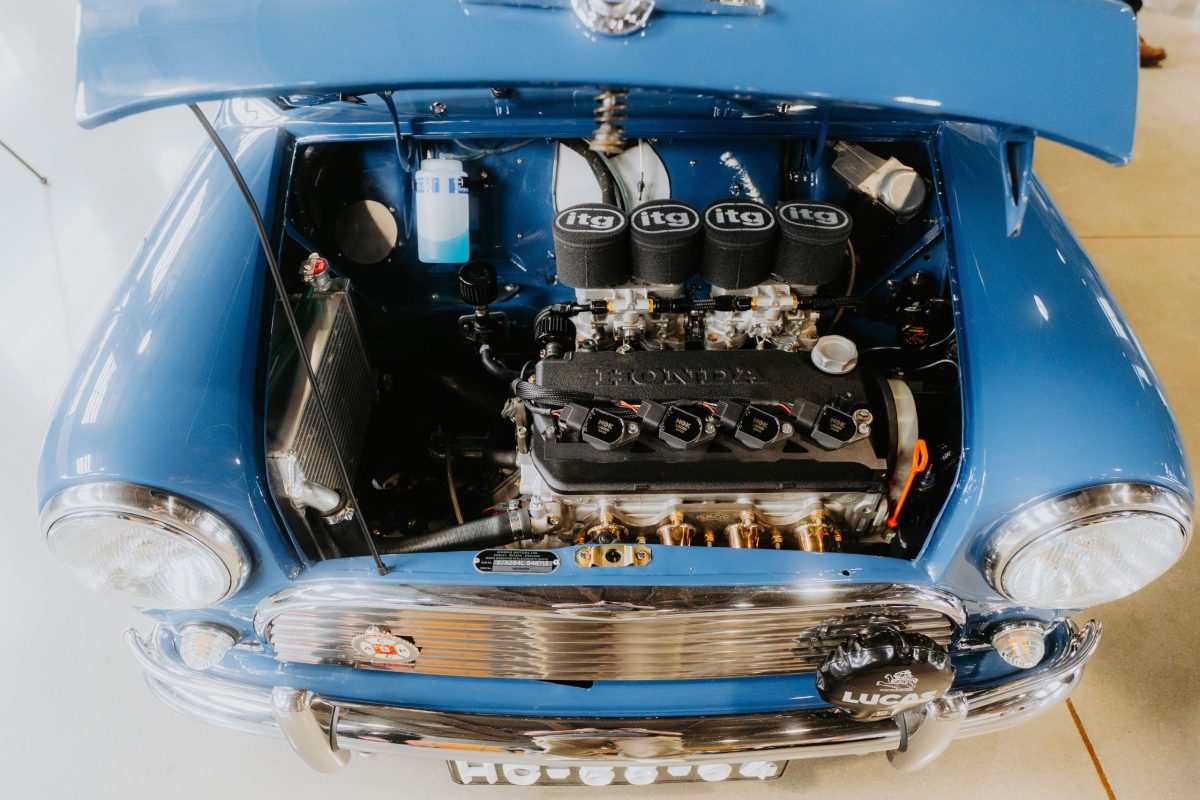
The original Oasis shared its basic design and powertrain with the first-generation Honda Odyssey. Depending on the model year, it used Honda’s 2.2-litre or 2.3-litre four-cylinder engine. These engines were developed by Honda rather than Isuzu, giving the Japanese manufacturer access to an established minivan without having to engineer a completely new vehicle.
This was an interesting commercial decision because Honda and Isuzu operated in overlapping automotive markets. Honda had already established the Odyssey as a family-oriented minivan, while Isuzu wanted to expand its passenger-vehicle offering in North America.
The arrangement allowed Isuzu to enter the segment with relatively limited development costs. It also meant the Oasis benefited from Honda’s existing engineering and manufacturing experience. For owners, the shared mechanical foundation made its relationship with the Odyssey particularly relevant when looking for maintenance information and replacement parts.
However, the Oasis struggled to establish a distinct identity. Its appearance, interior layout, and mechanical package were so closely related to the Honda that buyers had little reason to choose the Isuzu version over the original.
Production ended after the 1999 model year. The Oasis remains an interesting case of one manufacturer selling a vehicle powered by another company’s engineering while attempting to compete for the same family-car customers.
7. Dodge Stealth – Mitsubishi Engine
The Dodge Stealth was one of the more unusual American performance cars of the 1990s because its mechanical identity was closely connected to a Japanese sports car. Developed alongside the Mitsubishi 3000GT, the Stealth arrived for the 1991 model year and brought advanced Japanese engineering to Dodge’s performance lineup.
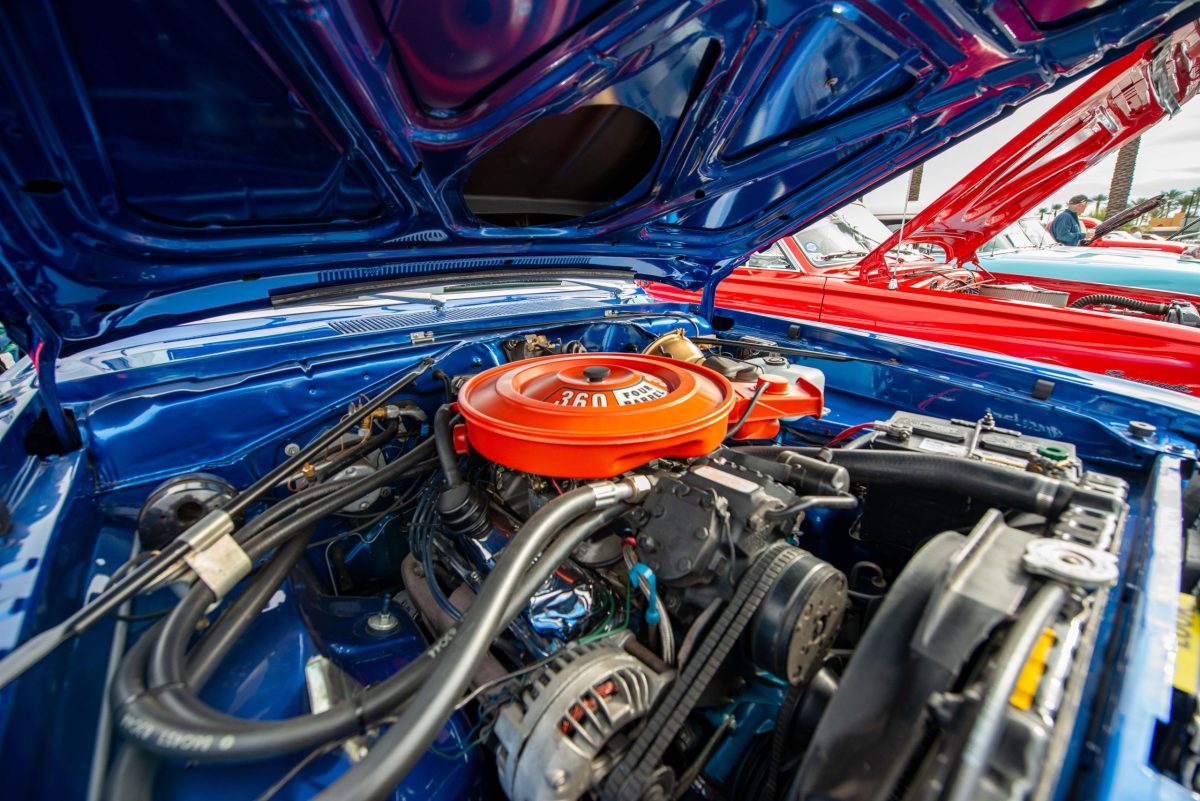
Its most important powertrain was Mitsubishi’s 3.0-litre 6G72 V6. Depending on the trim, the engine was available in naturally aspirated single-overhead-cam and dual-overhead-cam configurations. The range-topping R/T Turbo received the twin-turbocharged DOHC version, producing a factory-rated 300 horsepower and 307 lb-ft of torque in the original technical documentation.
The twin-turbo model was particularly advanced for its time. It combined forced induction with an available all-wheel-drive system, creating a performance package capable of challenging established sports cars from Japan, Europe, and the United States.
However, the Stealth was not simply a Dodge vehicle fitted with an independently sourced Mitsubishi engine. It was part of a much broader engineering and manufacturing arrangement, with the 3000GT and Stealth sharing their underlying development.
That distinction matters because Mitsubishi was not merely supplying an engine to an unrelated competitor. The two companies were selling closely related sports cars under separate brand identities.
The arrangement gave Dodge access to an advanced Japanese performance platform without the expense of developing one independently. It also helped Mitsubishi reach additional North American customers.
The Stealth ended production in 1996, but its Mitsubishi-developed V6 remains one of the most recognisable examples of cross-brand performance engineering.
8. Lotus Elise – Toyota Engine
Lotus built its reputation around lightweight construction, responsive handling, and engines that complemented the company’s focus on driving dynamics. However, several generations of the Elise relied on engines developed by Toyota, a manufacturer competing in the wider sports-car market.
The second-generation Elise 111R, introduced in the mid-2000s, used Toyota’s 1.8-litre 2ZZ-GE four-cylinder engine. Lotus’s own service documentation explicitly identifies Toyota Motor Corporation as the engine supplier. The Elise S also used Toyota’s 1ZZ-FE engine in place of the higher-performance 2ZZ-GE.
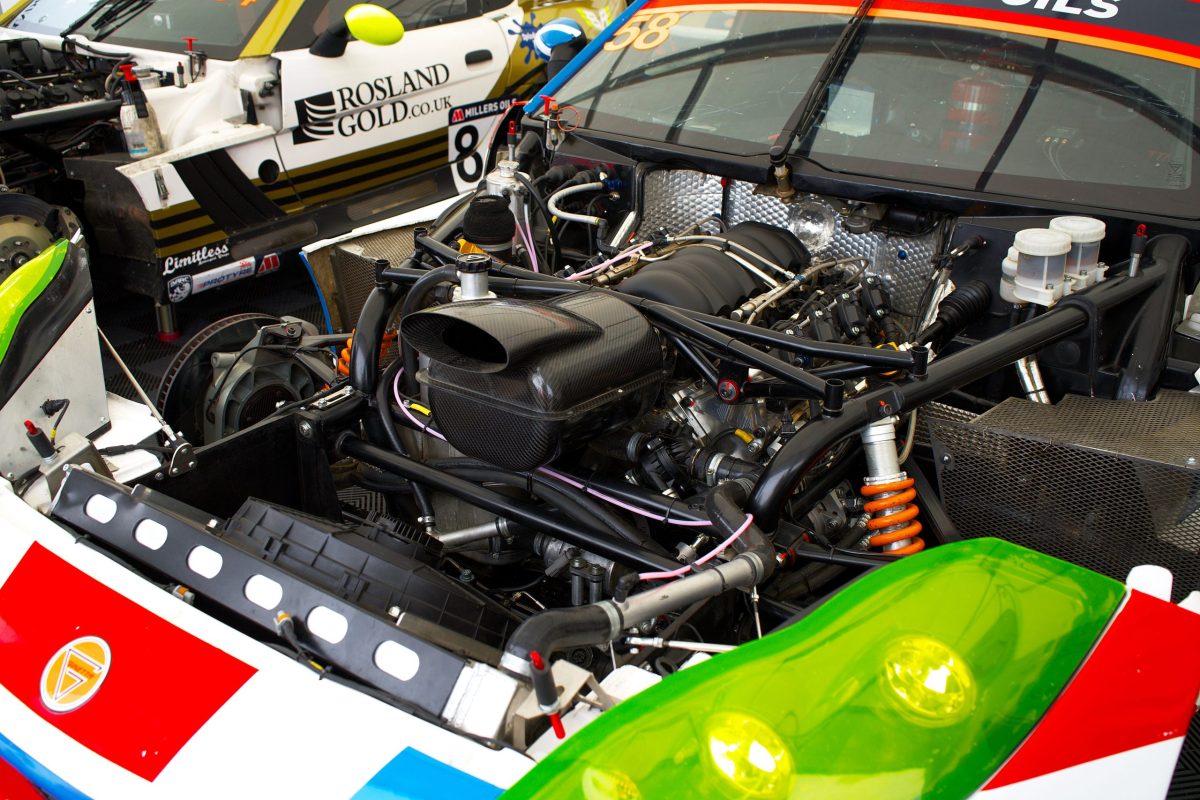
The 2ZZ-GE was particularly suitable for the Elise because of its compact dimensions and high-revving character. It featured Toyota’s VVTL-i technology, which combined variable valve timing with variable valve lift. This allowed the engine to provide usable low-speed performance while offering stronger power delivery at higher engine speeds.
In the standard Elise 111R specification, the engine produced approximately 189 bhp in European-market form. Lotus also adapted the powertrain for supercharged applications in certain Exige and Elise variants.
Toyota’s contribution extended beyond simply supplying engines. The partnership became an important part of Lotus’s broader powertrain strategy, and the relationship continued into later Elise development.
The partnership allowed Lotus to focus on its core engineering strengths, including chassis development, suspension tuning, aerodynamics, and weight reduction. Toyota provided a proven engine backed by established manufacturing capabilities and a strong reliability record.
The Elise showed that an engine from a much larger manufacturer could work exceptionally well in a specialised British sports car. Rather than weakening its identity, the Toyota powerplant helped Lotus deliver the driving experience its customers expected.
9. DeLorean DMC-12 – Peugeot-Renault-Volvo V6
The DeLorean DMC-12 is remembered for its stainless-steel body, gullwing doors, and appearance in the Back to the Future films. Its engine, however, had an equally interesting history involving three major European automotive manufacturers.
Instead of developing an entirely new powerplant, DeLorean selected the PRV V6, an engine developed through a joint venture involving Peugeot, Renault, and Volvo. The name itself came from the initials of the three manufacturers.
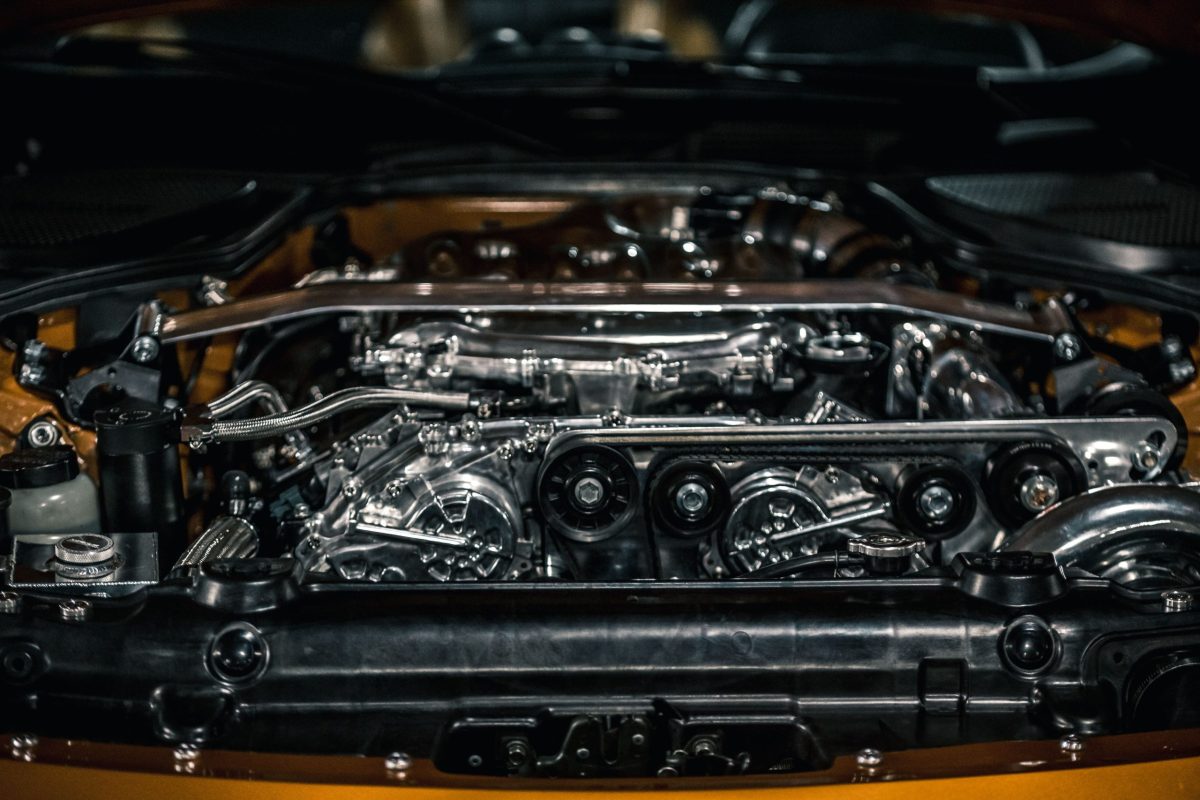
The engine was produced at the Douvrin facility in France and was used in vehicles from all three partner companies. DeLorean’s version was based on the 2.85-litre V6 configuration, adapted for the American-market DMC-12.
The production car used a naturally aspirated V6 mounted behind the passenger compartment. Its original output was approximately 130 horsepower, a relatively modest figure for a sports car with such dramatic styling.
The engine’s background also reflected the commercial realities of the DeLorean project. The company needed a production-ready powerplant that could meet regulatory requirements and be sourced without funding an expensive independent engine-development programme.
Although the PRV V6 was shared across several manufacturers, its reputation was mixed. Early versions used a 90-degree V6 configuration that produced uneven firing characteristics, while later developments addressed some of these engineering compromises.
The DeLorean’s relatively low power output became one of its biggest criticisms, particularly because its futuristic appearance suggested substantially greater performance.
Nevertheless, the DMC-12 remains a fascinating example of a small-volume sports-car manufacturer depending on an engine developed by established European automotive rivals.
10. Sterling 825 – Honda Engine
The Sterling 825 was an unusual British-American luxury car that relied on engineering developed through a relationship between Rover and Honda. Sold in the United States during the late 1980s and early 1990s, it was closely related to the Rover 800 and shared substantial mechanical foundations with the Honda Legend.
The relationship began because both manufacturers wanted to enter a larger passenger-car segment. Rover needed a successor to its ageing SD1, while Honda wanted a more substantial luxury model for markets where its existing lineup had limited representation.
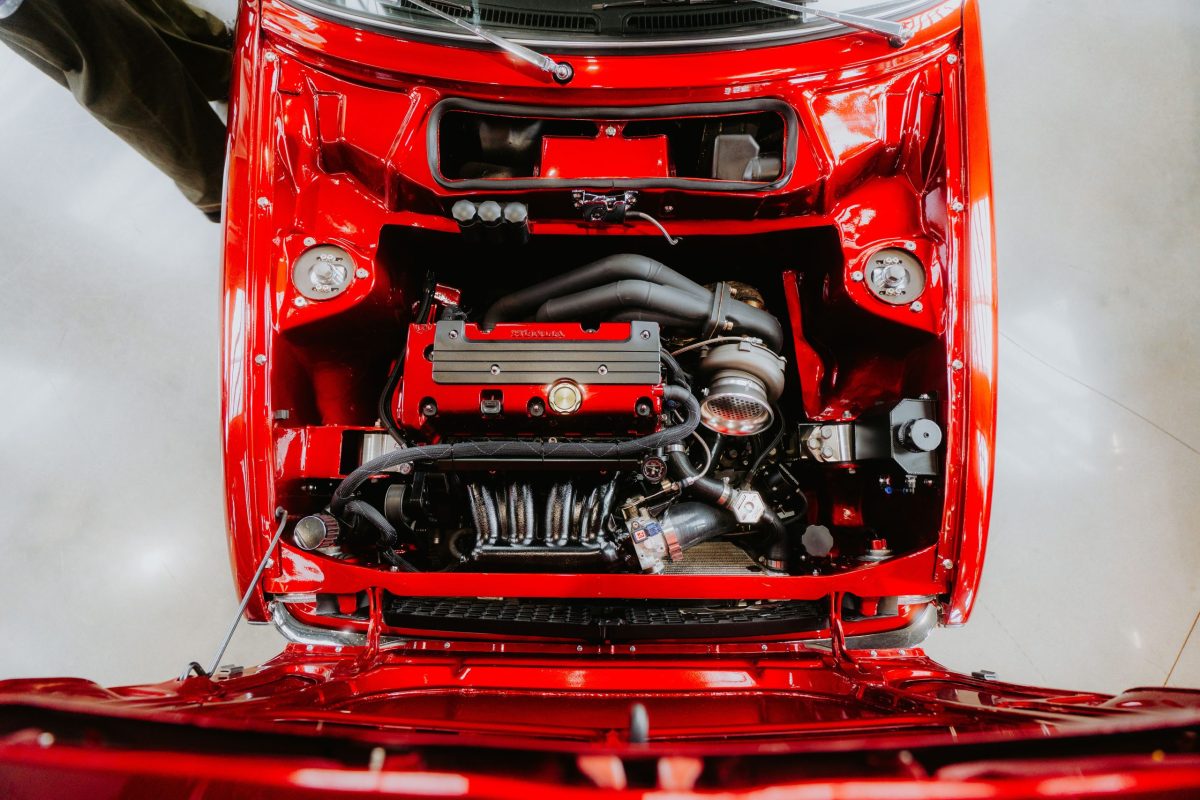
Under the development agreement, Honda supplied the V6 engine for the shared vehicle programme, while Rover developed a smaller four-cylinder engine and contributed to other engineering areas. The arrangement eventually produced the Honda Legend and Rover 800 families.
In the American market, the Rover-based car was sold as the Sterling 825. Early versions used a Honda-derived 2.5-litre V6, while later models received a larger 2.7-litre version. This gave the British-branded sedan access to Japanese engine technology without requiring Rover to independently develop a new V6.
The powertrain was particularly important because Sterling was trying to establish itself against established luxury manufacturers. Its combination of British styling, European market positioning, and Honda mechanical engineering offered a different proposition from conventional American luxury sedans.
However, the car’s commercial performance was affected by quality-control concerns and reliability complaints, which damaged the brand’s reputation in the United States.
Sterling eventually disappeared from the American market in the early 1990s. Its short-lived history nevertheless illustrates how a British manufacturer turned to a Japanese competitor for an essential part of its luxury-car engineering.