Buying a dependable vehicle is about more than choosing a familiar badge. Repair costs, unexpected breakdowns, and long-term ownership expenses can make a significant difference to a buyer’s experience.
Consumer Reports’ 2026 automotive reliability rankings offer a useful starting point, drawing on owner feedback and reported problems across different vehicle systems. Toyota takes the first position, followed by Subaru, Lexus, and Honda, while several other manufacturers also make the top 10.
These rankings reveal which brands have demonstrated stronger reliability trends and why buyers should examine individual models before making their next vehicle purchase.
1. Toyota: Predicted Reliability Score of 66
Rank 1 | Consumer Reports 2026
Toyota takes the top position in Consumer Reports’ 2026 predicted reliability rankings with a score of 66 out of 100. This is a particularly significant result because the manufacturer reclaimed first place after Subaru led the previous year’s reliability table.
Its performance reflects the strength of several established models, along with improvements in vehicles that previously faced reliability concerns. Consumer Reports evaluates reported problems across multiple vehicle systems, meaning the ranking reflects more than engine dependability alone.
One interesting example is the Toyota 4Runner, which received a predicted reliability score of 95 in the report. Its strong result makes it one of the standout performers in the brand’s lineup.
The SUV’s established mechanical approach and comparatively gradual development strategy are relevant considerations for buyers who prioritize durability. However, a high model score should not be interpreted as a guarantee that every individual vehicle will remain trouble-free.
The Toyota Tundra presents a different picture, earning a score of 41. That difference illustrates why shoppers should not assume every Toyota carries the same reliability prospects. The full-size pickup has experienced challenges associated with its newer generation, and its score is considerably below the 4Runner’s result.

Toyota’s first-place brand ranking is supported by an average across qualifying models rather than the performance of a single popular vehicle.
For American buyers considering a new sedan, SUV, or pickup, the manufacturer’s 66-point result makes it a strong starting point. Nevertheless, checking the specific model year’s reliability record, recalls, and service history remains essential before purchasing.
2. Subaru: Predicted Reliability Score of 63
Rank 2 | Consumer Reports 2026
Subaru finishes second with a predicted reliability score of 63, just three points behind Toyota. Although the manufacturer surrendered its leading position, its performance remains impressive, particularly considering that it has consistently appeared near the top of Consumer Reports’ reliability assessments.
One important reason behind Subaru’s reputation is its relatively consistent engineering approach, including the use of shared components across multiple models. Familiar mechanical foundations can help manufacturers avoid some of the problems associated with introducing entirely new technologies or heavily redesigned vehicles.
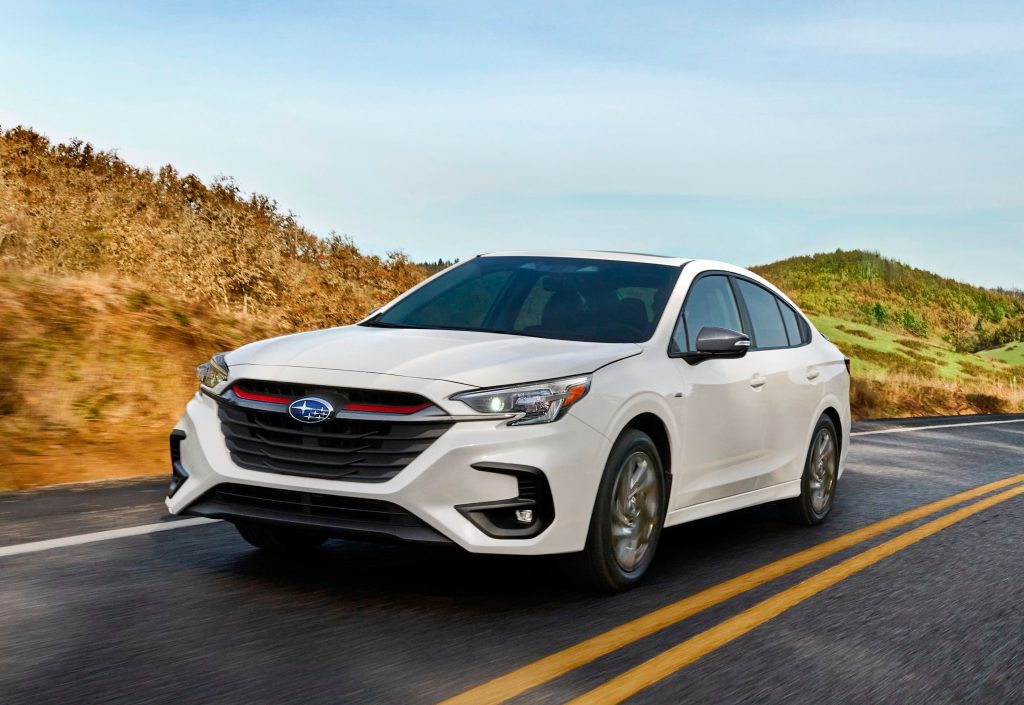
The Subaru Impreza is a particularly encouraging example, recording a predicted reliability score of 80. This compact car demonstrates that Subaru’s strengths are not limited to its larger SUVs.
Its practical design, standard all-wheel-drive system in the American market, and established mechanical package make it an interesting option for buyers seeking everyday transportation. The reliability result also gives prospective owners a useful reason to consider it alongside competing compact cars.
However, the Subaru Ascent tells a less convincing story. Its predicted reliability score stands at 41, creating a substantial difference compared with the Impreza.
As a three-row family SUV, the Ascent has a more complicated set of ownership requirements, and its weaker rating highlights the importance of evaluating individual vehicles rather than relying entirely on brand reputation.
Subaru’s second-place finish still represents a strong achievement in the 2026 table. Its 63-point score places it comfortably ahead of most manufacturers included in the survey.
For American families considering a Subaru, the Impreza provides a particularly promising reliability example, while shoppers interested in the Ascent should examine its specific model-year ratings carefully.
3. Lexus: Predicted Reliability Score of 60
Rank 3 | Consumer Reports 2026
Lexus secures third place with a predicted reliability score of 60, reinforcing its reputation as one of the strongest luxury manufacturers for long-term dependability. As Toyota’s premium division, Lexus benefits from sharing certain platforms, engines, and mechanical components with its mainstream counterpart.
However, the brand also develops vehicles with more sophisticated interiors, additional technology, and premium features. Its ability to maintain strong reliability ratings despite these additions makes its performance particularly noteworthy.
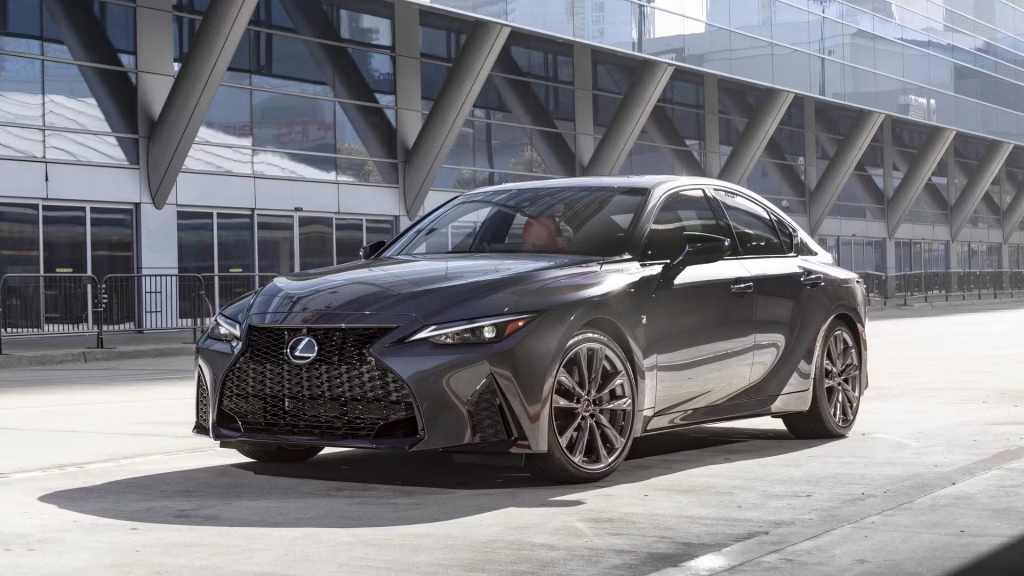
The Lexus IS is the standout performer in this year’s assessment, earning 84 points. This sports sedan combines a traditional luxury-car experience with a mechanical package that has demonstrated strong reliability.
For American buyers who want a premium vehicle without accepting unnecessary ownership uncertainty, the IS deserves consideration. Its score also places it considerably ahead of several competing luxury models in the survey.
There is another side to the manufacturer’s results, though. The Lexus NX Plug-in Hybrid receives a predicted reliability score of 42, creating a noticeable difference between two vehicles carrying the same badge.
Plug-in hybrid systems combine conventional engines with electric motors, batteries, and charging equipment, introducing additional components that can require attention.
Despite this weaker result, Lexus remains one of the strongest manufacturers in the 2026 reliability assessment. Its third-place position is supported by a lineup in which every model has average or better predicted reliability, according to Consumer Reports.
Buyers should still compare individual powertrains carefully, particularly when deciding between conventional hybrids and plug-in hybrids.
4. Honda: Predicted Reliability Score of 59
Rank 4 | Consumer Reports 2026
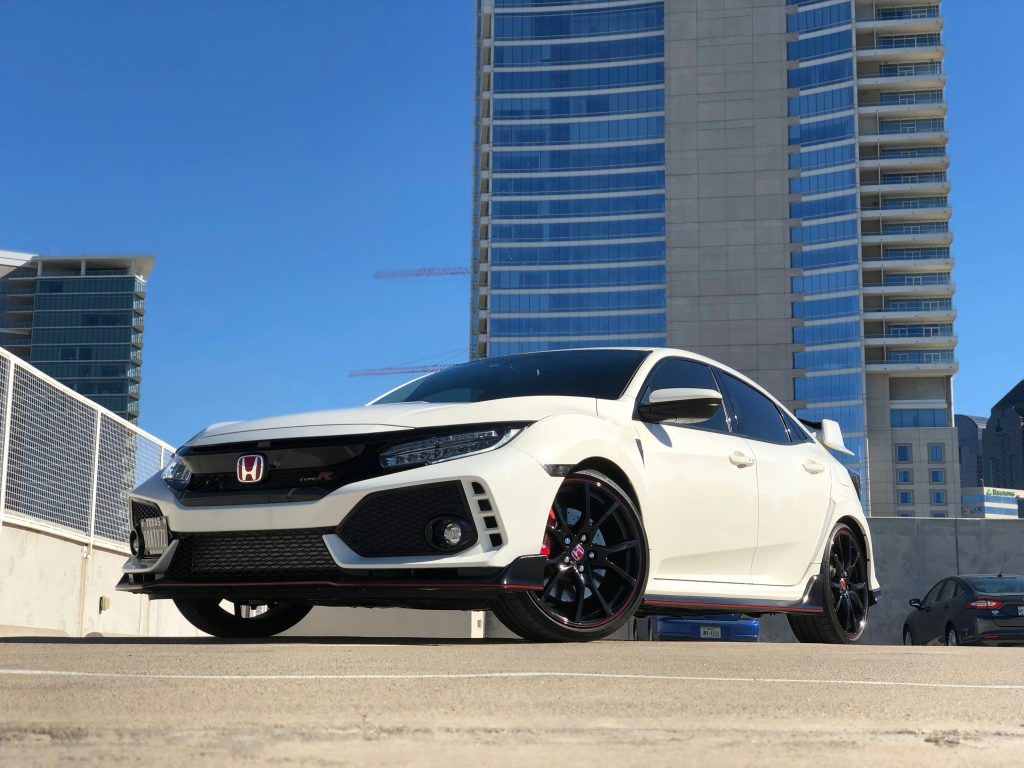
Honda earns fourth place with 59 points, narrowly trailing Lexus. The Japanese manufacturer has built a strong reputation in the United States through practical vehicles, relatively straightforward engineering, and powertrains that have developed a substantial ownership history.
Its performance in Consumer Reports’ latest assessment demonstrates that dependable transportation is not restricted to luxury manufacturers. Honda continues to compete near the top despite offering vehicles across several price categories.
An especially impressive result belongs to the Honda Passport, which achieves a predicted reliability score of 97. That is one of the highest individual model scores in the entire 2026 survey.
The midsize SUV appeals to buyers who need additional passenger and cargo space without moving into a larger three-row vehicle. Its reliability result gives it a particularly strong position among shoppers comparing family-oriented SUVs.
The picture changes considerably with the Honda Prologue, which records just 25 points. This fully electric SUV is developed through Honda’s collaboration with General Motors and uses GM’s Ultium-based electric vehicle architecture.
Its significantly weaker reliability prediction illustrates the challenges associated with newer electric vehicle technology, including battery systems, charging equipment, and electronic components.
The contrast between these two vehicles is worth paying attention to. Honda’s fourth-place brand ranking does not mean every model delivers the same ownership experience. The Passport is an exceptionally strong performer, while the Prologue requires more careful consideration.
Prospective buyers should examine the reliability history of the particular vehicle and its powertrain before committing to a purchase.
5. BMW: Predicted Reliability Score of 58
Rank 5 | Consumer Reports 2026
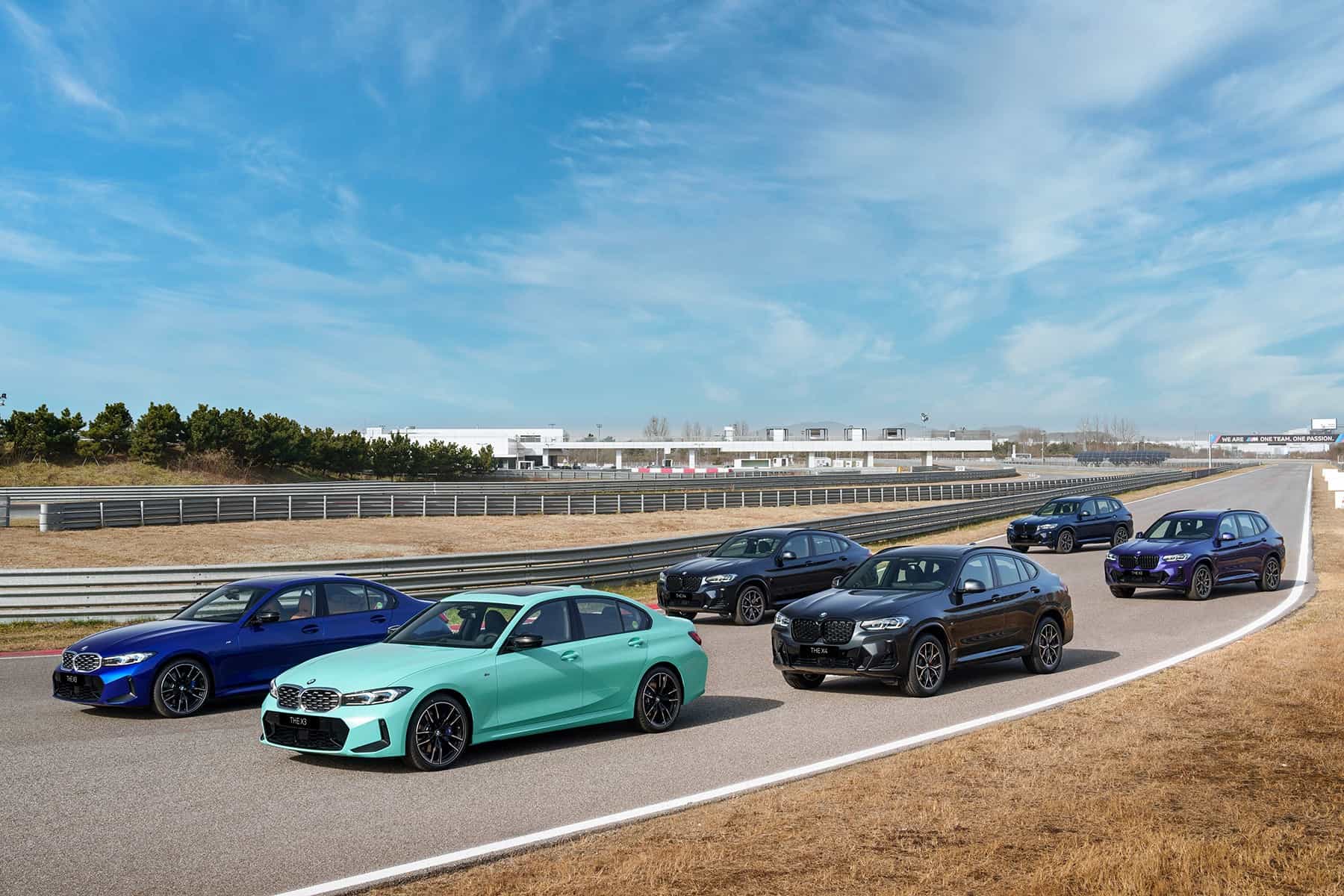
BMW is the highest-ranked European manufacturer in this reliability assessment, securing fifth place with 58 points. That achievement is noteworthy because European luxury vehicles frequently incorporate sophisticated engines, advanced electronics, and complex mechanical systems.
BMW’s position suggests that premium engineering and dependable ownership are not necessarily incompatible. The manufacturer has also benefited from relatively consistent development across several established vehicle platforms.
The BMW 2 Series leads the manufacturer’s individual model results with a predicted reliability score of 73. Its smaller dimensions and more focused vehicle architecture distinguish it from the brand’s larger luxury SUVs.
American buyers interested in a premium compact car can consider this result encouraging, particularly when comparing it with other European alternatives. The 2 Series demonstrates that a performance-oriented vehicle can also deliver a promising reliability prediction.
However, BMW’s performance is not equally strong across its entire lineup. The BMW X3 receives a score of 42, placing it considerably below the 2 Series. As a popular luxury compact SUV, the X3 combines several comfort, performance, and technology features that appeal to American families.
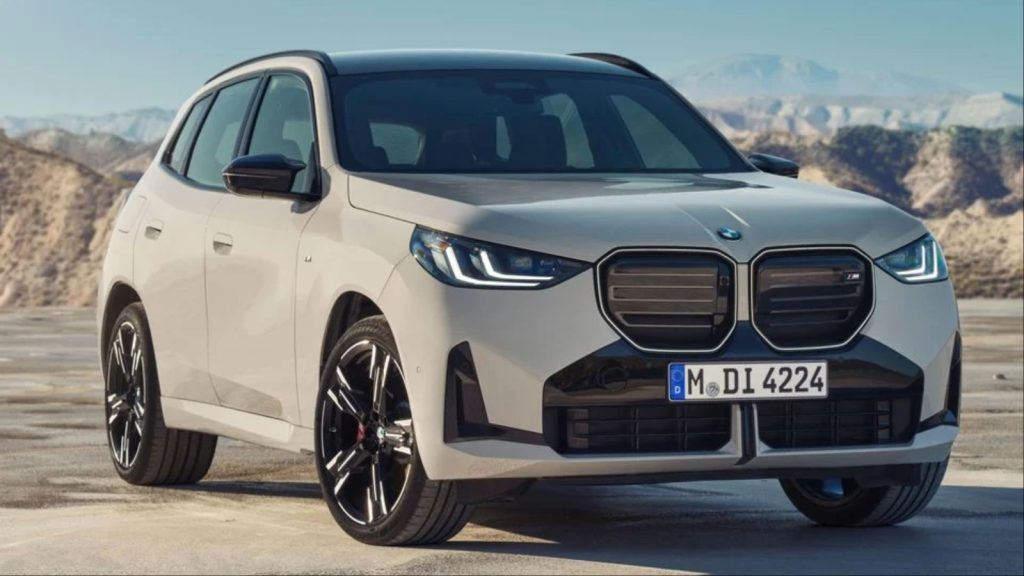
Nevertheless, its weaker result indicates that buyers should investigate its specific model-year reliability rather than assuming the manufacturer’s fifth-place ranking guarantees trouble-free ownership.
An important distinction is that BMW’s 58-point result represents an average brand reliability score, not a rating of its driving performance or luxury quality.
Consumer Reports evaluates reported problems across 20 trouble areas, including engines, transmissions, and vehicle electronics. BMW’s result makes it an appealing European option, but careful model selection remains necessary.
6. Nissan: Predicted Reliability Score of 57
Rank 6 | Consumer Reports 2026
Nissan takes sixth place with a predicted reliability score of 57, placing it just one point behind BMW. Its position is particularly interesting because the manufacturer competes in several high-volume American vehicle segments, including compact crossovers, midsize SUVs, and family transportation.
Nissan’s results indicate that the brand has several promising vehicles, although differences between individual models remain important when considering a purchase.
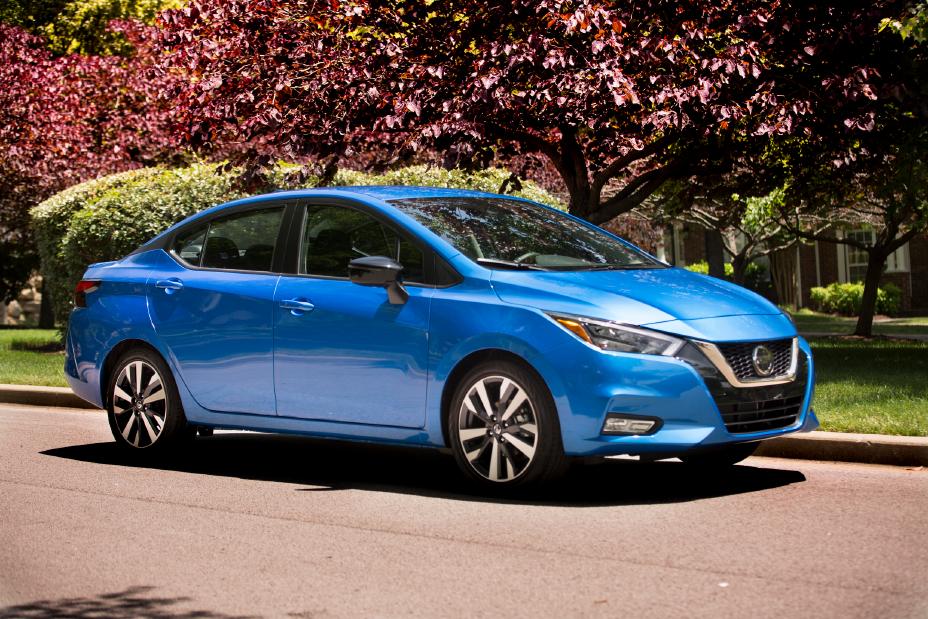
The Nissan Kicks is the manufacturer’s strongest performer, receiving a predicted reliability score of 76. This subcompact SUV is designed around everyday usability, manageable dimensions, and affordability.
Its relatively high score makes it an attractive candidate for drivers who primarily need dependable transportation for commuting, shopping, and city driving. Buyers looking for a smaller crossover can consider the Kicks a particularly promising option within Nissan’s lineup.
By comparison, the Nissan Murano earns 41 points. This midsize crossover offers a more premium cabin experience and additional space, but its reliability prediction is substantially weaker than the Kicks.
The difference demonstrates why a vehicle’s positioning and price do not necessarily indicate its expected mechanical dependability. A more expensive SUV can receive a lower reliability assessment than an entry-level model from the same manufacturer.
Nissan’s sixth-place finish is nevertheless a strong showing in the 2026 survey. Its 57-point score puts it ahead of several established competitors, including Acura, Buick, Tesla, and Kia.
For American shoppers, the Kicks deserves particular attention, while the Murano warrants closer examination of its model-year reliability information. Checking maintenance records and outstanding recalls is also advisable when considering a used example.
7. Acura: Predicted Reliability Score of 54
Rank 7 | Consumer Reports 2026
Acura occupies seventh place with 54 points, making it the second-highest-ranking luxury manufacturer from Japan after Lexus. As Honda’s premium division, Acura shares some engineering foundations and mechanical components with Honda vehicles while adding more upscale interiors, performance features, and technology.
Its position in the 2026 reliability table reflects a respectable performance, although its individual models show that the brand still has room for improvement.
The Acura Integra receives a predicted reliability score of 56. This premium compact car combines a practical hatchback body style with a sporty driving character. It offers an alternative to traditional luxury sedans for buyers who appreciate a more versatile design.
Its score is slightly above Acura’s brand average, making it a reasonable choice for shoppers who want premium features without stepping into a larger and more complicated vehicle.
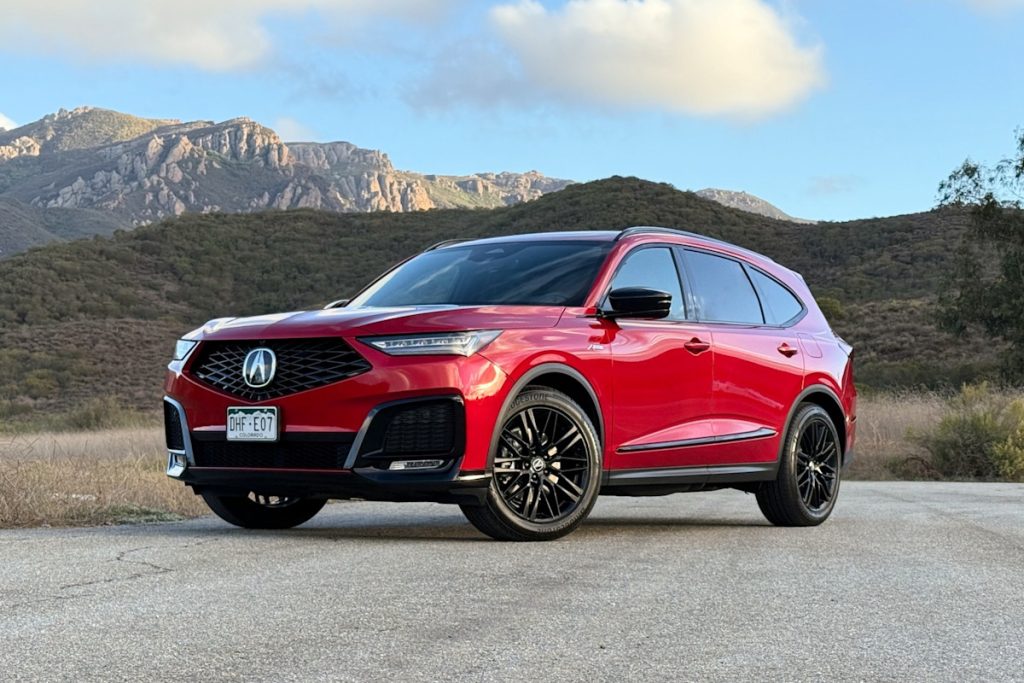
The Acura MDX, meanwhile, records 50 points. This three-row luxury SUV is designed for families who require additional seating, interior comfort, and substantial cargo flexibility.
Its score is below the Integra’s result, although the difference is relatively small compared with some other manufacturer lineups in this survey. Buyers considering the MDX should pay particular attention to the model year, powertrain, and equipment fitted to the vehicle.
Acura’s seventh-place position demonstrates that the manufacturer remains competitive among premium automotive brands. However, its 54-point result trails Lexus by six points and Honda by five.
For American buyers, the Integra and MDX offer different ownership propositions, and neither should be selected purely because of the Acura badge. Comparing individual reliability ratings provides a more useful picture than relying on brand reputation alone.
8. Buick: Predicted Reliability Score of 51
Rank 8 | Consumer Reports 2026
Buick is the highest-ranked American mainstream manufacturer in this particular reliability table, achieving 51 points. Its eighth-place finish is an encouraging result for a domestic brand competing against several Japanese and European manufacturers.
Buick’s lineup focuses heavily on crossovers and SUVs, making its reliability performance especially relevant to American households looking for comfortable daily transportation. The result also demonstrates that domestic manufacturers can deliver competitive reliability when individual models perform well.
The Buick Envision is the stronger example, earning a predicted reliability score of 61. This compact luxury-oriented SUV offers a comfortable cabin, practical passenger space, and features aimed at buyers who want something more refined than a basic family crossover.
Its result places it ten points above Buick’s brand average, making it a particularly interesting option for shoppers comparing compact premium SUVs.
Unfortunately, the Buick Enclave produces a considerably weaker result, scoring just 33 points. As a larger three-row SUV, it targets families requiring additional passenger capacity and interior flexibility.
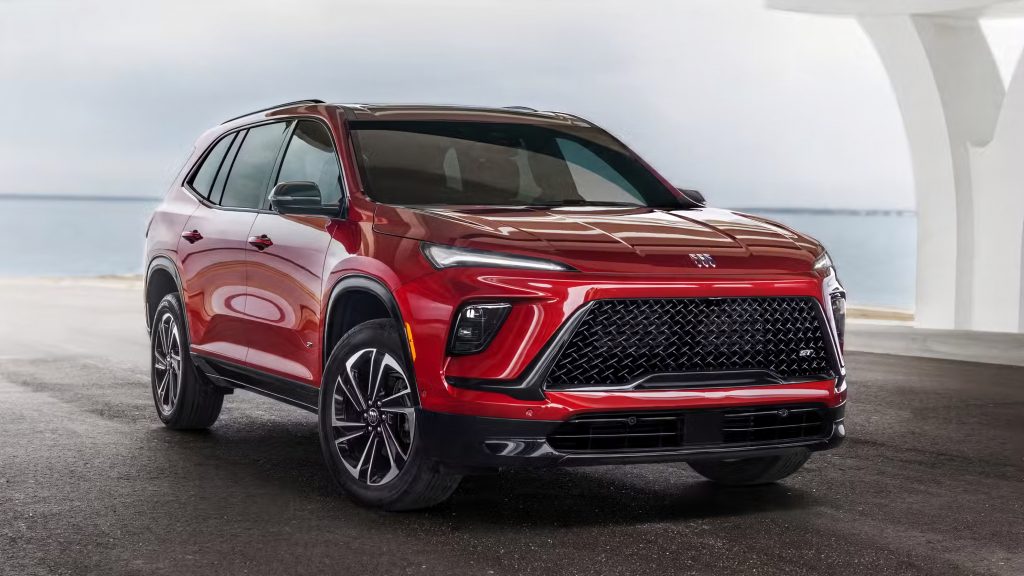
Its low prediction highlights the importance of evaluating complex family vehicles individually rather than assuming a manufacturer’s reputation applies equally to every model. Buyers considering the Enclave should investigate its specific model-year ratings and reported problem areas before purchasing.
Buick’s overall performance remains notable because it leads the American mainstream manufacturers in this survey. Its 51-point score also places it ahead of Tesla and Kia.
However, the difference between the Envision and Enclave shows why the manufacturer’s eighth-place ranking should be treated as a starting point, not a guarantee of reliability across its entire product range.
9. Tesla: Predicted Reliability Score of 50
Rank 9 | Consumer Reports 2026
Tesla reaches ninth place with 50 points, marking an important improvement for an electric vehicle manufacturer that has faced considerable reliability criticism in previous assessments. Consumer Reports notes that Tesla has climbed eight positions compared with the previous year’s brand reliability ranking.
Improvements across its lineup contributed to this progress, suggesting that the manufacturer’s manufacturing processes and vehicle development have matured in several areas. Its powertrain reliability has also been a notable strength.
The Tesla Model Y is the brand’s strongest performer, earning a predicted reliability score of 81. As one of America’s most popular electric SUVs, it combines an efficient electric powertrain with practical passenger accommodation and cargo capacity.
Consumer Reports identifies it as the most reliable electric vehicle in its 2026 assessment. This result is encouraging for shoppers who want an EV but remain concerned about the additional ownership risks associated with newer electric technology.
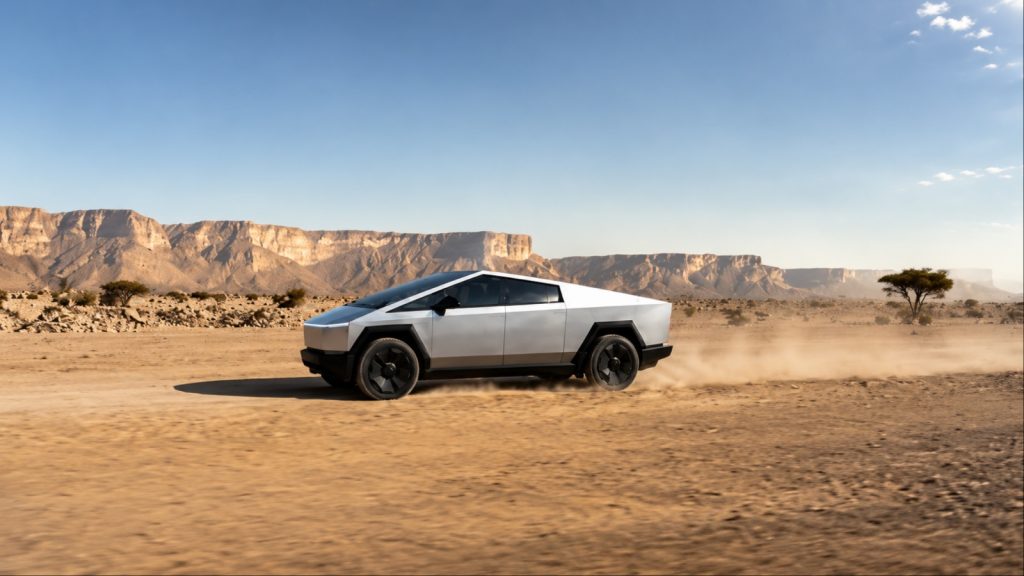
The Tesla Cybertruck, however, receives only 34 points. Its unusual construction, distinctive design, and relatively new vehicle platform make it a very different proposition from the established Model Y.
Its significantly weaker reliability prediction demonstrates that Tesla’s improvement has not extended equally to every product. Buyers interested in this electric pickup should pay particular attention to reported problems and recall information.
Tesla’s ninth-place position is significant because it puts the manufacturer ahead of Kia, Ford, and Hyundai in the reliability table. Nevertheless, its 50-point score indicates that improvements are still needed.
For American EV buyers, the Model Y currently presents a considerably stronger reliability case than the Cybertruck according to Consumer Reports’ findings.
10. Kia: Predicted Reliability Score of 49
Rank 10 | Consumer Reports 2026
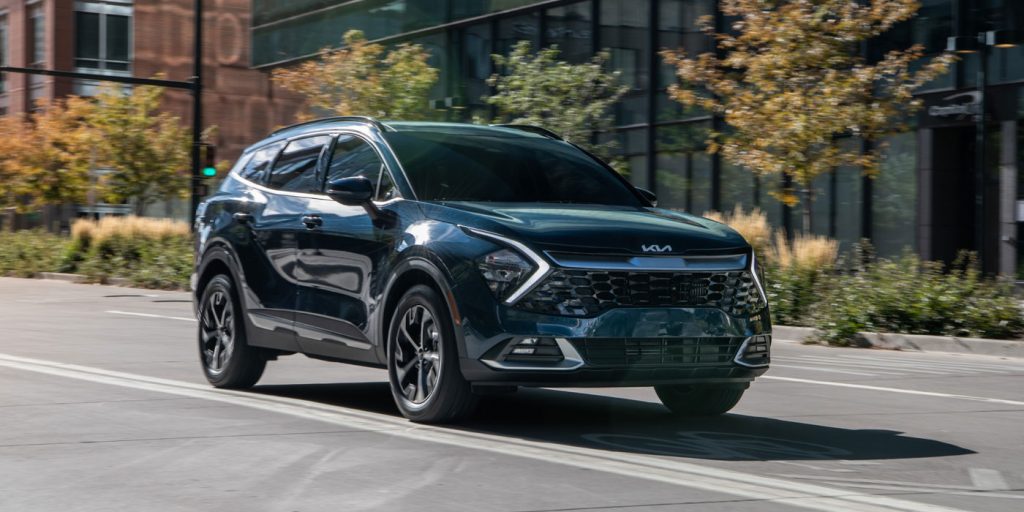
Kia completes the top 10 with a predicted reliability score of 49. Although the South Korean manufacturer finishes behind several Japanese and American competitors, its presence among the ten highest-ranking brands represents a positive result.
Kia has expanded its American lineup considerably over recent years, introducing updated SUVs, hybrids, and fully electric vehicles. However, Consumer Reports’ findings suggest that the type of powertrain can make a considerable difference when evaluating the brand’s vehicles.
The Kia Carnival Hybrid is the manufacturer’s strongest performer, recording a predicted reliability score of 72. This family-oriented minivan combines a gasoline engine with an electric motor to improve fuel efficiency without requiring external charging.
Its result is particularly encouraging for American families who need multiple passenger seats and practical everyday transportation. Conventional hybrids have generally performed better than plug-in hybrids and fully electric vehicles in Consumer Reports’ latest reliability assessment.
A very different result comes from the Kia EV9, which receives just 24 points. This all-electric three-row SUV offers substantial interior space, modern technology, and fast-charging capability.
However, its predicted reliability score places it considerably below the Carnival Hybrid. Reported problems involving newer electric vehicle systems are an important consideration for buyers comparing the two models.
Kia’s tenth-place finish is a reminder that an automaker’s reliability ranking should never replace individual model research. The Carnival Hybrid offers a promising result for shoppers seeking an electrified family vehicle, whereas the EV9 deserves more careful consideration.
For American consumers, checking warranty coverage, service availability, and model-specific reliability information can help avoid expensive ownership surprises.