A strong road-test score reflects more than quick acceleration or sharp handling. Consumer Reports evaluates how well vehicles perform in everyday driving, examining braking, ride comfort, handling, emergency maneuvers, fuel economy, cabin space, and controls.
Its brand ranking averages the road-test scores of each manufacturer’s current models tested by its experts.
The 2026 automotive report draws on road-test results from more than 200 new vehicles, making this a broad comparison rather than a judgement based on one standout model. Here are the 10 highest-scoring brands, ranked by their reported road-test scores.
1. BMW: 89
Consumer Reports road-test score: 89/100
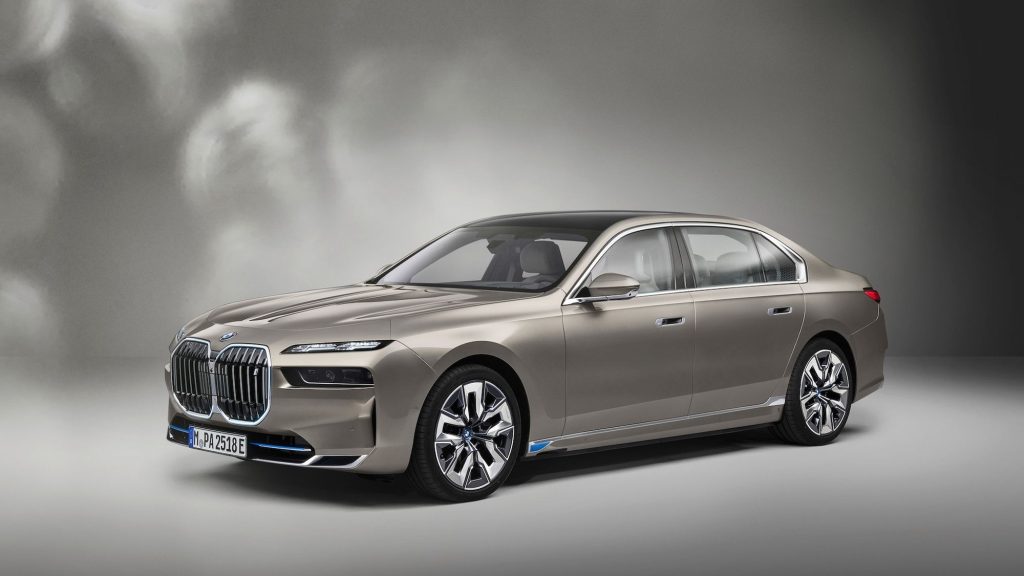
BMW takes first place with an average road-test score of 89, the highest among the 31 brands in Consumer Reports’ comparison. That result points to a lineup that performs strongly across several aspects of driving, rather than relying on one exceptionally capable model.
The score is especially notable because CR calculates brand averages using the current vehicles it has tested, so consistency across a manufacturer’s range matters.
The company’s reputation for driver-focused engineering is reflected in the areas CR evaluates. Its road tests examine acceleration, braking, ride quality, handling, and emergency avoidance, alongside practical details such as cabin space, controls, and infotainment usability.
A vehicle can feel exciting on a winding road yet lose points if its ride is uncomfortable, its controls are confusing, or its braking performance is less convincing. BMW’s leading average indicates that its tested models deliver a particularly strong combination of these qualities.
There is also an important distinction between this result and a reliability ranking. An 89 road-test score does not mean every BMW is trouble-free, inexpensive to maintain, or the best purchase for every driver.
CR combines road-test performance with reliability, owner satisfaction, and safety when calculating its broader vehicle and brand ratings. Those categories measure different things and should not be treated as interchangeable.
For shoppers, BMW’s first-place result makes its models worth considering when driving performance is a priority. However, the specific model, powertrain, equipment, and ownership costs still deserve individual attention.
The brand average is a useful starting point, not a substitute for checking the road-test and reliability results of the exact vehicle being considered.
2. Subaru: 88
Consumer Reports road-test score: 88/100
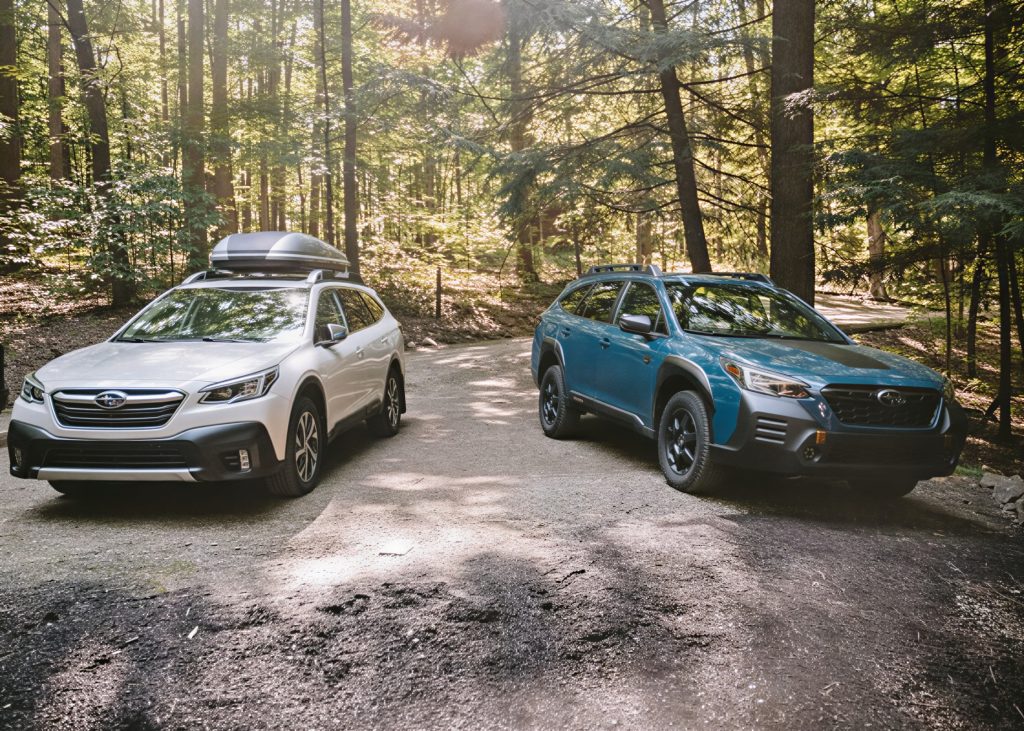
Subaru finishes just one point behind BMW, earning an 88 road-test score. That narrow gap places it firmly among the strongest-performing manufacturers in CR’s assessment.
Its second-place position is particularly interesting because Subaru’s range is built largely around practical crossovers, SUVs, and passenger cars, rather than a lineup dominated by high-performance luxury vehicles.
The brand’s appeal often comes from its combination of everyday usability and confident road manners. Many Subaru models use standard all-wheel drive, a feature that can provide useful traction on wet or slippery roads.
However, all-wheel drive alone does not guarantee a high road-test score. CR also assesses steering response, braking distances, ride comfort, acceleration, handling, and how effectively a vehicle avoids obstacles during emergency maneuvers. The brand’s 88-point average suggests its tested vehicles perform well across this broader set of measurements.
Subaru’s result also shows why a road-test ranking should be read separately from a brand’s reputation for durability. CR’s road-test score measures how a vehicle performs when evaluated by its experts.
Predicted reliability is based on owner survey information about problems experienced across different trouble areas. A strong result in one category does not automatically guarantee an equally strong result in the other.
For buyers comparing practical family vehicles, Subaru deserves attention because its high score is not limited to a single specialist model. Still, shoppers should compare the individual vehicle’s performance, cabin comfort, fuel economy, and reliability record before making a decision.
The two-point difference between Subaru and the leader is small, and the particular model that suits a buyer best will depend on more than the brand’s average.
3. Audi: 86
Consumer Reports road-test score: 86/100
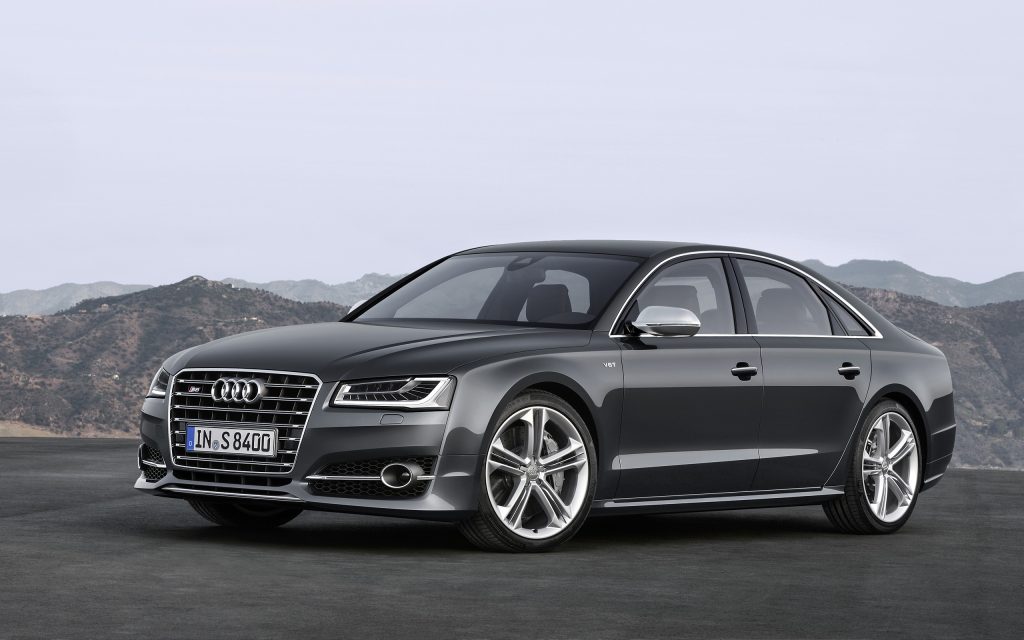
Audi earns third place with 86 points, putting it three points behind BMW and two behind Subaru. The result reflects the strength of its tested model range, which includes luxury sedans, performance-oriented cars, and SUVs.
Rather than judging a manufacturer by its fastest or most expensive vehicle, Consumer Reports averages the road-test scores of the current models it has evaluated. That makes consistency across different vehicle types an important part of the ranking.
Audi’s engineering approach places considerable emphasis on composed handling, cabin refinement, and confident performance. Its quattro all-wheel-drive system is a familiar feature across much of the lineup, although availability and configuration vary by model.
CR’s testing goes beyond checking whether a car accelerates quickly or grips well. Its experts measure braking performance, assess ride comfort, examine steering and handling, and put vehicles through emergency-avoidance manoeuvres. They also evaluate practical details such as interior space, controls, and infotainment systems.
That broader approach matters because luxury buyers expect more than a powerful engine and an attractive interior.
A vehicle needs to remain comfortable during ordinary commuting while responding predictably when the driver makes a sudden steering or braking input. Audi’s 86-point average suggests that its tested vehicles deliver a strong combination of these qualities.
There is, however, a reason not to interpret third place as an automatic buying recommendation. Audi’s brand-level road-test result does not establish that every model has the same performance or reliability.
Individual vehicles can differ considerably in ride comfort, powertrain behavior, fuel economy, and ownership costs.
Buyers should compare the specific Audi they are considering with direct competitors, especially if reliability and long-term maintenance expenses are major priorities. The score is a useful measure of driving performance, not a guarantee of trouble-free ownership.
4. Hyundai: 85
Consumer Reports road-test score: 85/100
Hyundai’s fourth-place finish is a strong showing for a mainstream manufacturer competing against several established luxury brands. Its 85-point average is only one point below Audi, demonstrating that a high-quality driving experience is not exclusive to expensive vehicles.
The ranking considers the tested models across Hyundai’s range, rather than giving the manufacturer credit for just one particularly impressive car.
One reason Hyundai’s result deserves attention is the variety of vehicles included in its lineup. The company sells compact cars, family SUVs, hybrids, and electric vehicles, giving CR several different types of vehicles to evaluate.
Its models also span a wide range of prices and performance levels. A compact commuter car has different priorities from a three-row SUV, yet both must deliver predictable braking, comfortable ride quality, and controls that are easy to operate.
Consumer Reports assesses these characteristics through more than 50 tests and evaluations. Its process includes instrumented acceleration and braking tests, handling assessments, emergency-avoidance maneuvers, and fuel-economy measurements.
Testers also examine cabin space, cargo capacity, infotainment, and the usability of vehicle controls. Electric vehicles receive additional assessments, including independently measured driving range and charging performance.
Hyundai’s 85-point result indicates that its tested vehicles perform particularly well in this demanding evaluation. It also gives shoppers a reason to include the brand when comparing mainstream alternatives with more expensive competitors.
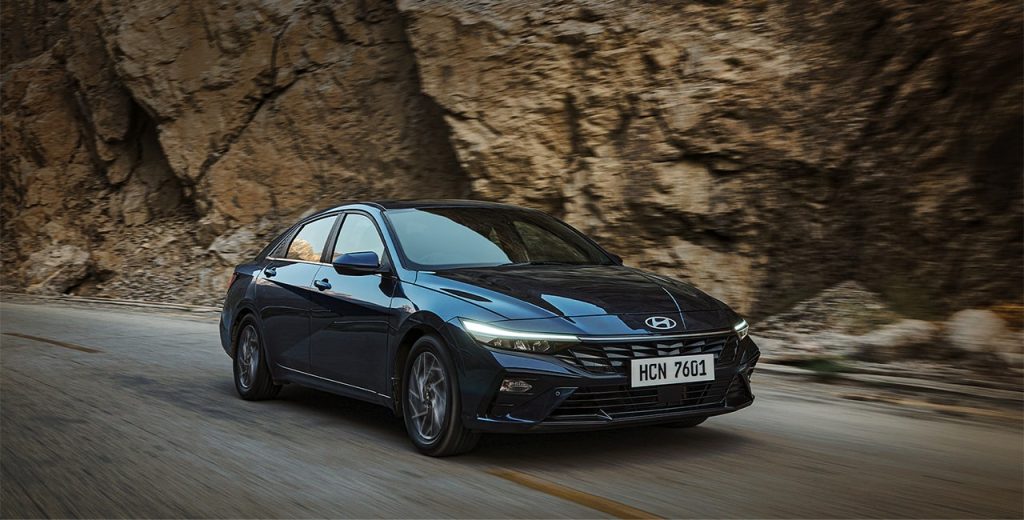
However, the average should not be mistaken for a statement that every Hyundai is equally accomplished. A buyer choosing between an Elantra, Tucson, or Ioniq 5 should examine each model’s individual road-test results, equipment, and powertrain.
Reliability also requires separate consideration. CR’s road-test score measures how vehicles drive and function during testing, while its reliability predictions come from owner-survey data. Hyundai’s strong road-test position is encouraging, but shoppers should examine both measures before making a purchase.
5. Porsche: 84
Consumer Reports road-test score: 84/100
Porsche takes fifth place with 84 points, delivering a strong result that reflects its emphasis on precise driving dynamics. The German manufacturer is known for sports cars, but its current range also includes luxury SUVs and electric vehicles.
Consumer Reports evaluates the models it has tested individually before calculating the brand average, so Porsche’s position reflects more than the performance of its celebrated sports cars.
A major part of Porsche’s appeal is how its vehicles respond to driver inputs. Steering precision, body control, and braking performance are particularly important characteristics in performance-focused cars.
CR’s testing measures these areas alongside acceleration, ride comfort, and emergency handling. Its experts also consider everyday usability, including cabin comfort, controls, and infotainment. This prevents a vehicle from earning a strong result simply because it is fast or entertaining on a smooth road.
Porsche’s lineup offers very different driving experiences. The 911 is a rear-engine sports car, while the Cayenne and Macan serve buyers who need SUV practicality. The Taycan brings fully electric performance into the brand’s range.
These vehicles have different purposes, but each must demonstrate convincing performance in the areas covered by CR’s road-test programme.
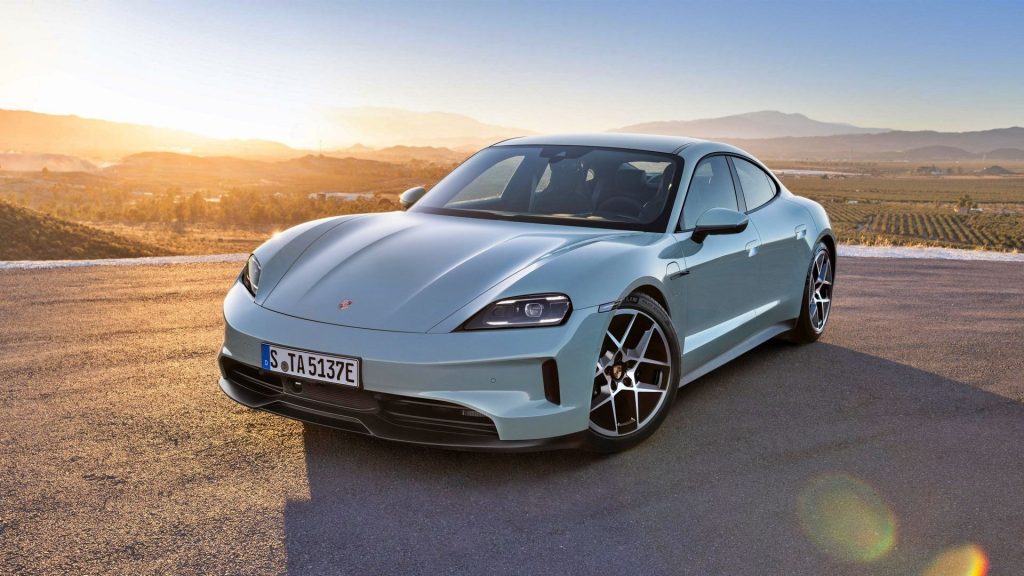
The 84-point average puts Porsche below the first four brands in this particular ranking, but it remains a strong result. Buyers should remember that a road-test score does not tell the complete ownership story.
Maintenance expenses, insurance premiums, reliability, and the cost of optional equipment can vary substantially between Porsche models.
Someone considering one should compare the individual model’s test results rather than assume that every vehicle performs identically. Its fifth-place finish is a useful indication of driving quality, particularly for shoppers who value handling and performance.
6. Kia: 83
Consumer Reports road-test score: 83/100
Kia earns 83 points, placing it in a tie with Genesis, Honda and Chrysler in the published road-test ranking. Its position is noteworthy because the brand competes across several mainstream segments, from affordable compact cars to three-row SUVs and electric crossovers.
A score this high suggests that Kia’s tested vehicles deliver a convincing driving experience across a varied product range.
The manufacturer’s lineup includes vehicles such as the K4, Sportage, Sorento, Telluride, EV6 and EV9. Their designs and powertrains are quite different, which makes a brand average more meaningful than judging the company by a single model.
CR’s testing examines how vehicles accelerate, brake and handle, but it also evaluates ride comfort, interior space, visibility, controls and infotainment usability. Electric models are assessed for their driving range and charging performance as well.
Kia has also expanded its electric-vehicle offerings with dedicated models built on Hyundai Motor Group’s E-GMP platform. Vehicles such as the EV6 and EV9 demonstrate how the company is applying its engineering resources to electric powertrains.
However, a modern platform or impressive specification sheet does not automatically translate into a high road-test score. The actual driving experience and performance during CR’s evaluations determine the result.
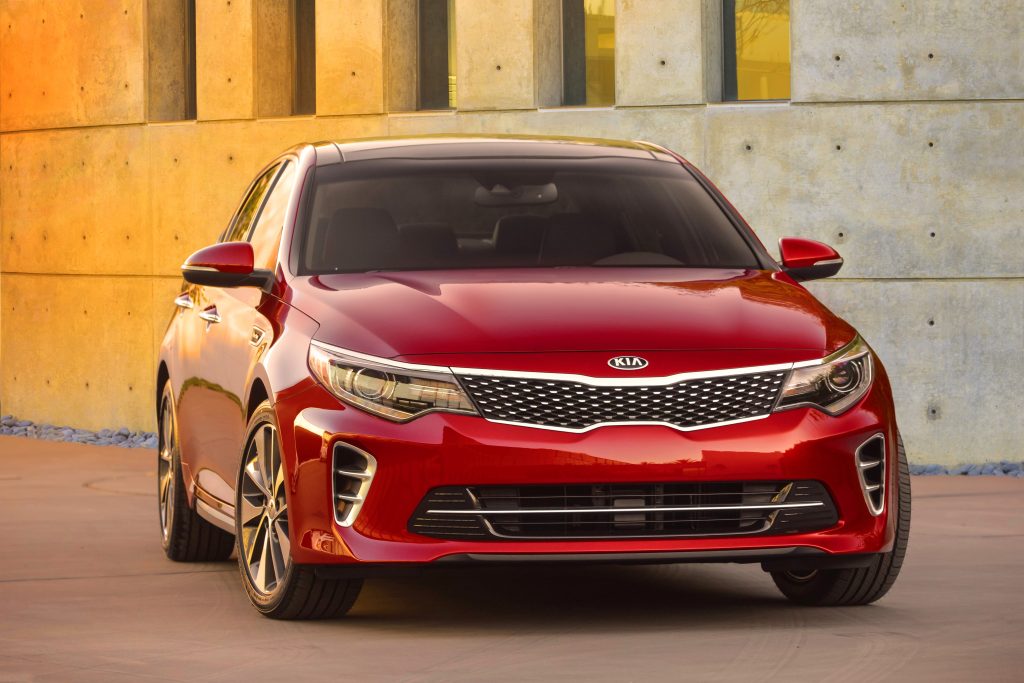
For buyers, Kia’s 83-point average makes the brand worth considering alongside more expensive competitors. Its broad range gives shoppers several choices depending on budget, passenger requirements and preferred powertrain.
Nevertheless, the score should not be mistaken for a reliability rating. Individual models can have different predicted reliability results, and ownership costs vary by vehicle. Checking the specific model’s road-test findings, reliability prediction and safety performance is a more dependable way to make a purchase decision.
7. Genesis: 83
Consumer Reports road-test score: 83/100
Genesis matches Kia with 83 points, securing a place among the ten highest-scoring brands. The South Korean luxury manufacturer competes in a different price category from its mainstream counterpart, offering premium sedans and SUVs designed to challenge established European and Japanese rivals.
Its position in this ranking indicates that its tested vehicles deliver a strong driving experience, even when compared with manufacturers that have decades of luxury-market experience.
Genesis models such as the G70, G80 and G90 sedans, along with the GV70 and GV80 SUVs, target buyers who want a quieter cabin, upscale materials and substantial equipment. The GV60 adds an all-electric option to the range.
These vehicles differ in size, powertrain and intended use, which makes the brand’s average more informative than the result of one individual model.
Consumer Reports assesses more than straight-line performance. Its road-test programme includes acceleration, braking, handling, ride comfort and emergency manoeuvres.
Testers also consider how easily drivers can operate the controls, use the infotainment system and settle into the cabin. For a luxury manufacturer, these details matter because a premium badge alone cannot compensate for poor usability or an uncomfortable ride.
However, Genesis’s road-test score should not be confused with its reliability performance. In CR’s 2026 brand report card, Genesis receives a lower predicted reliability assessment than several brands with the same road-test score.
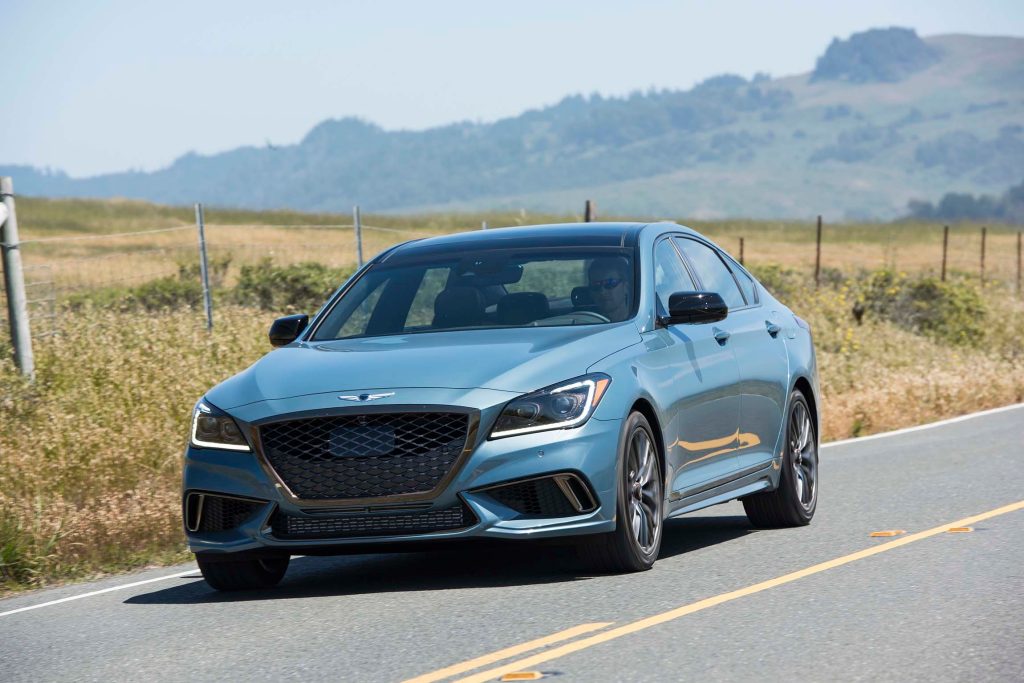
That difference demonstrates why shoppers should examine separate ratings rather than relying on one number.
For someone considering a luxury vehicle, Genesis deserves a place on the comparison list. Its 83-point result shows that the brand’s tested models can compete in driving quality. Before purchasing, buyers should still compare the exact model’s reliability record, warranty coverage, service availability and ownership costs.
8. Honda: 83
Consumer Reports road-test score: 83/100
Honda’s 83-point result places it alongside Kia, Genesis and Chrysler in the road-test rankings. The Japanese manufacturer has a broad US lineup, including compact cars, family sedans, crossovers and larger SUVs.
Its position is significant because it demonstrates that a mainstream brand can achieve a road-test score comparable to manufacturers selling considerably more expensive vehicles.
The lineup features popular models like the Civic, Accord, CR-V, HR-V and Pilot. While each caters to different needs, they share a common expectation in CR’s evaluations: providing a comfortable, dependable and user-friendly driving experience.
The testing programme measures acceleration and braking, examines handling and ride quality, and evaluates performance during emergency manoeuvres. It also considers interior comfort, visibility, controls and infotainment usability.
Honda’s engineering philosophy has traditionally focused on balancing everyday practicality with responsive driving characteristics. That balance is particularly important in vehicles used for commuting, family transportation and long-distance travel.
A car that feels composed on a highway but becomes tiring on rough roads may not perform as well in a comprehensive evaluation. Similarly, strong acceleration cannot make up for weak braking or confusing controls.
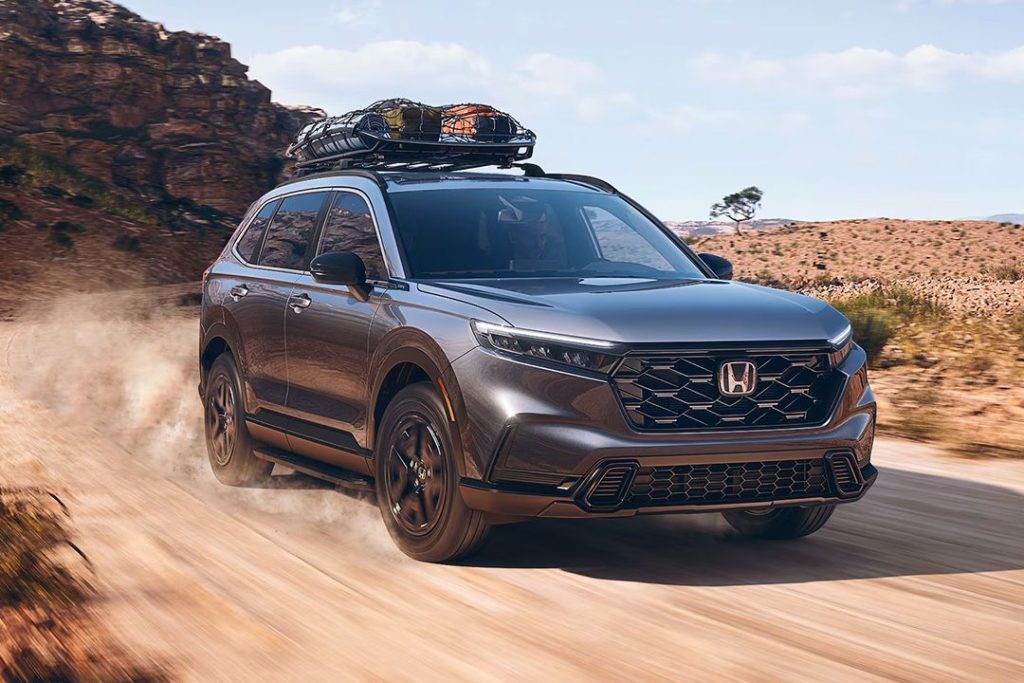
The brand’s result is also supported by its position in other parts of Consumer Reports’ 2026 assessment. Honda receives a high predicted reliability rating and strong owner satisfaction, although those are separate measurements from its 83-point road-test score.
For buyers, Honda offers a useful combination of mainstream pricing and competitive test performance. However, the brand average should not replace a model-specific comparison. A Civic and a Pilot have different driving characteristics, passenger requirements and running costs.
Checking the individual vehicle’s road-test results, reliability prediction and safety assessment will provide a much clearer picture before making a purchase.
9. Chrysler: 83
Consumer Reports road-test score: 83/100
Chrysler’s inclusion in the top ten may surprise shoppers who associate high road-test performance mainly with sports cars or luxury manufacturers. The brand receives 83 points, matching Honda, Kia and Genesis.
Its result is especially interesting because the current US lineup is heavily concentrated around the Pacifica minivan, rather than a wide selection of sedans and SUVs.
The Pacifica is designed primarily for family transportation, where passenger access, cabin flexibility and comfort are important. Its available seating configurations, sliding rear doors and configurable interior make it a practical alternative to a conventional three-row SUV.
The model is offered with a gasoline V6 powertrain, while the plug-in hybrid version combines a gasoline engine with electric propulsion. Availability can vary by model year and trim.
Consumer Reports does not award points simply because a vehicle offers plenty of space or useful family features. Its road-test programme examines braking, acceleration, steering response, handling, ride comfort and emergency manoeuvres.
It also evaluates controls, visibility, infotainment and cabin usability. A minivan must perform convincingly in these areas despite having a different purpose from a sports sedan or luxury crossover.
Chrysler’s 83-point result is a reminder that vehicle category does not determine road-test performance. A well-designed family vehicle can score as strongly as a premium model when it performs well across the evaluation. Nevertheless, the score only describes road-test performance, not the full ownership experience.
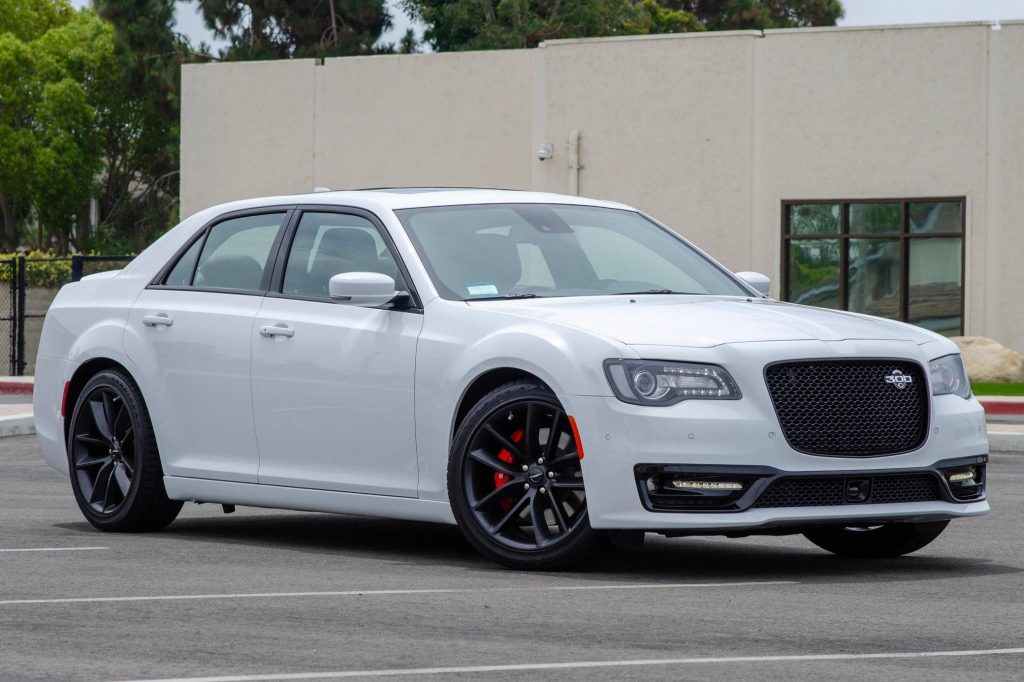
Prospective buyers should also take note of Chrysler’s low predicted reliability rating in Consumer Reports’ 2026 brand report card, which is an important factor to consider when evaluating the brand’s vehicles.
That makes it particularly important to check the specific Pacifica’s reliability information, recall history and maintenance requirements. Its road-test score is impressive, but it should not be the only factor in a buying decision.
10. Lincoln: 82
Consumer Reports road-test score: 82/100
Lincoln completes this list with an 82-point road-test score. The American luxury brand makes the top ten despite having a relatively focused lineup of SUVs.
Its position reflects the performance of the models Consumer Reports has tested, rather than a judgment based on brand reputation or price. The result also places Lincoln ahead of several other established luxury manufacturers in this particular comparison.
The US lineup includes vehicles such as the Corsair, Nautilus, Aviator and Navigator. These SUVs are designed around comfort, passenger space and premium features. Depending on the model, buyers can find turbocharged engines, hybrid assistance and available all-wheel drive.
The Navigator, for example, targets customers who need a large luxury SUV with substantial passenger and cargo capacity, while the smaller Corsair is intended for buyers who prefer a more manageable footprint.
CR’s road-test score takes a wider view than equipment lists or engine specifications. Its experts evaluate acceleration, braking, ride quality, handling and emergency manoeuvres. They also examine the driving position, interior controls, visibility and infotainment system.
These assessments help determine whether a vehicle feels well-engineered in everyday conditions, not just whether it offers an impressive specification sheet.
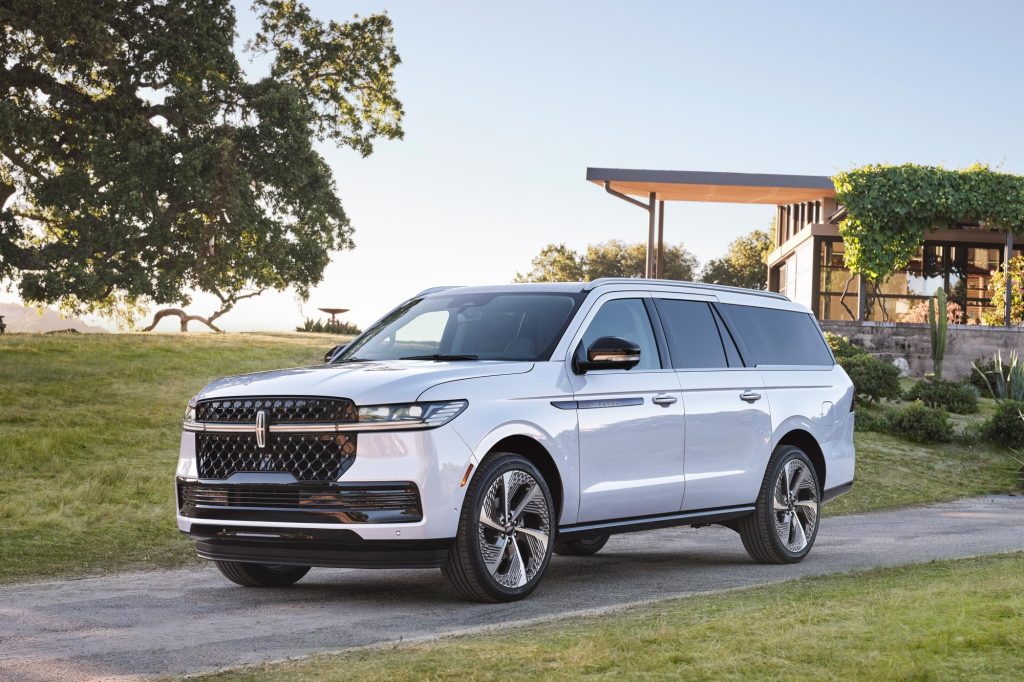
Lincoln’s 82-point result is respectable, but the brand’s position should be understood in context. Its score is seven points below Hyundai and four below Porsche, while remaining competitive with several manufacturers outside the top ten. The result does not establish that every Lincoln model delivers identical performance.
For shoppers considering a premium American SUV, Lincoln is worth evaluating, particularly if a quiet cabin and comfortable ride are priorities. Buyers should still compare individual models for handling, fuel economy, passenger space and reliability.
A strong brand-level road-test score is encouraging, but the best purchase depends on how the specific vehicle performs against its direct competitors.