Buying a new vehicle in the United States has become more expensive, with the average transaction price reaching an unprecedented level in October 2026. Kelley Blue Book reports that the average new-vehicle transaction price climbed to $51,109, surpassing the previous record of $50,614 set in December 2025.
Strong demand for expensive full-size pickup trucks and midsize SUVs helped push the industry average higher.
However, the figures do not mean every buyer is spending more than $50,000. Lower-priced compact cars and SUVs continue to attract customers, revealing a market increasingly divided by vehicle type and purchasing budget.
New-Vehicle Prices Surpass the Previous Record
The October average transaction price of $51,109 represents an increase of $649, or 1.3%, compared with September’s revised figure of $50,460. It is also 2.1% higher than the average recorded in October 2025. The previous record stood at $50,614, set in December 2025, meaning the latest figure exceeded that high by $495.
The increase is notable, but the annual growth rate is not unusually high by historical standards. Kelley Blue Book reported that the typical year-over-year increase for October over the longer term is approximately 3.6%.
The 2.1% increase in 2026 therefore indicates that the record price is being driven by a combination of vehicle mix and pricing rather than exceptionally rapid price inflation alone.
Another important figure is the average manufacturer’s suggested retail price, or MSRP. It reached $52,933 in October, increasing 1.4% from September and 2.4% compared with October 2025.
The gap between MSRP and the average transaction price reflects the difference between manufacturers’ suggested prices and the amounts negotiated in actual vehicle transactions.
Buyers should also understand what the $51,109 figure represents. Kelley Blue Book’s average transaction price is an industry estimate of vehicle prices before available incentives, taxes, and fees are factored in. It is not the final out-the-door amount a customer pays, nor does it represent the amount financed after a trade-in or down payment.
Incentives provided some relief in October, although they remained relatively limited compared with historical levels. The average incentive amounted to 6.8% of the transaction price, equivalent to approximately $3,490 per vehicle.
That was slightly higher than September’s 6.7% and October 2025’s 6.5%. The average incentive increased by around $130 compared with September and $252 compared with the same month last year.
Despite the increase, discounts have not returned to the levels commonly seen before the pandemic, when incentives exceeding 10% of vehicle prices were relatively common. Automakers and dealers have not needed to rely as heavily on discounts to move inventory, which has helped transaction prices remain elevated.
For consumers, the record is a reminder to distinguish between a vehicle’s advertised price, its negotiated selling price, and its final cost after taxes, fees, and optional products. A buyer may receive a substantial incentive on a particular model, while another vehicle with stronger demand may sell closer to its sticker price.
Full-Size Pickup Trucks and SUVs Push the Average Higher
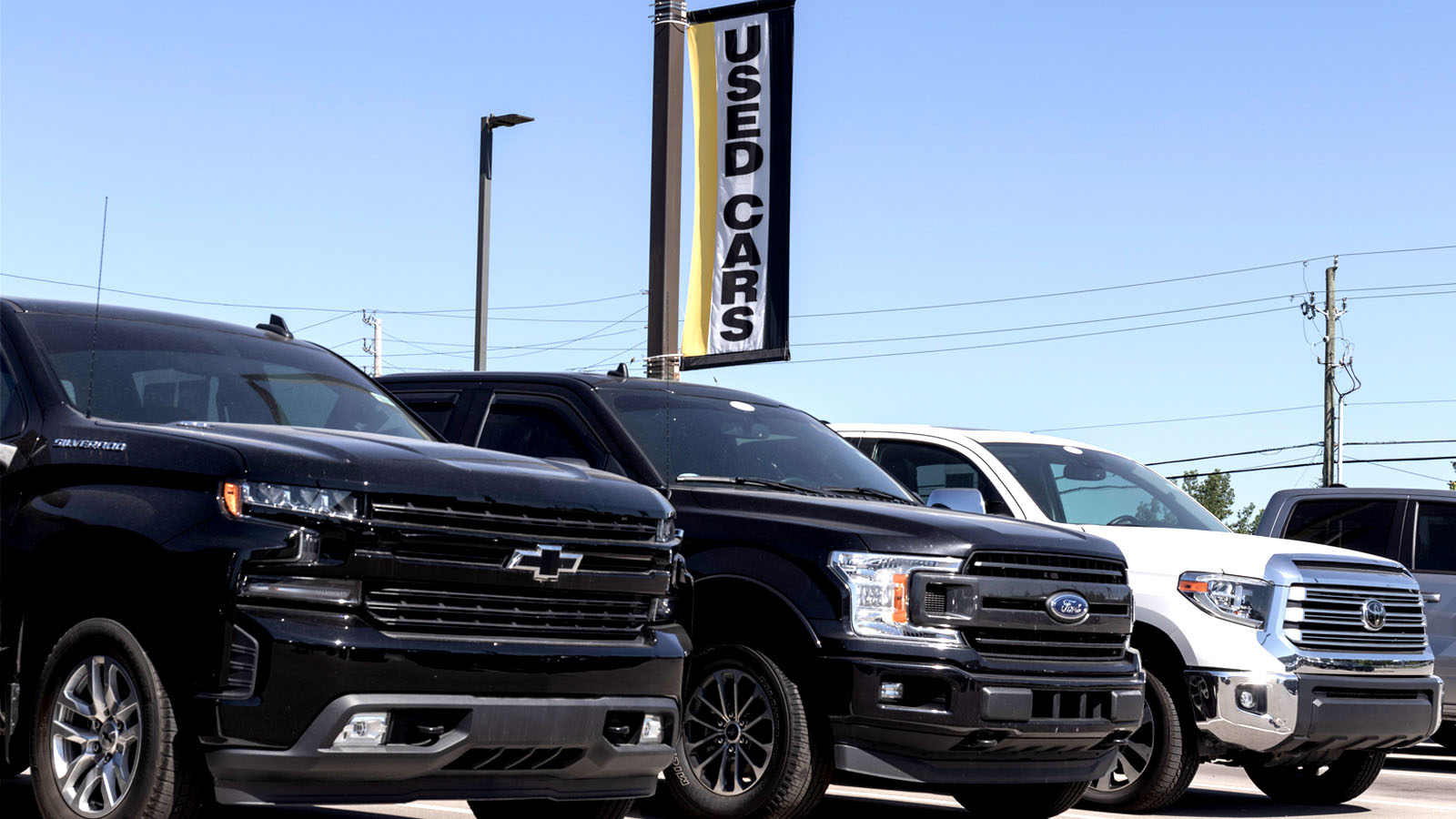
Vehicle selection played a major role in October’s record. Americans continued purchasing large SUVs and expensive pickup trucks, raising the average transaction price across the industry.
Full-size pickups recorded an average transaction price of $67,912, an increase of 1.4% compared with October 2025. That is approximately $16,800 above the industry average.
The figure reflects the types of trucks consumers are purchasing, including higher trim levels equipped with premium interiors, larger screens, advanced driver-assistance systems, powerful engines, and additional comfort features.
Full-size pickups are available in less expensive work-oriented configurations, but many buyers choose versions with substantially more equipment. Those higher-priced models contribute to the segment’s elevated average.
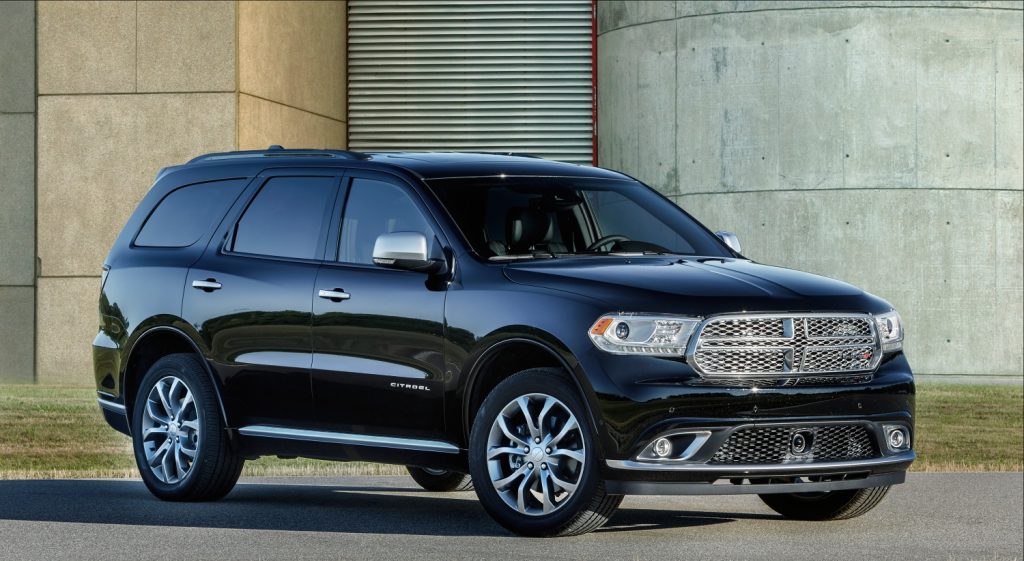
Midsize SUVs were another major contributor. They became the highest-volume vehicle segment in October, overtaking compact SUVs, which had held the position in September.
The segment recorded an average transaction price of $50,570, up 1.9% year over year. Sales volume also increased by nearly 10%, demonstrating that demand for these vehicles remained strong.
The five highest-volume vehicle segments accounted for 64.4% of all new-vehicle sales in October. Their average transaction prices show just how differently consumers are spending depending on the type of vehicle they choose.
- Midsize SUVs: $50,570, up 1.9% year over year.
- Compact SUVs: $37,895, up 4.3%.
- Full-size pickup trucks: $67,912, up 1.4%.
- Subcompact SUVs: $31,333, up 1.9%.
- Compact cars: $28,030, up 3.4%.
Compact SUVs and compact cars offer a much less expensive entry point than full-size pickups and larger SUVs. Compact SUVs averaged below $38,000, while compact cars remained close to $28,000.
Both categories also recorded year-over-year price increases, showing that lower-priced vehicles have not escaped the broader pricing pressure.
However, their sales growth provides an important counterpoint to the record industry average. Kelley Blue Book reported that vehicles priced between approximately $28,000 and $38,000 collectively gained 9.6% in sales volume year over year.
This suggests that buyers are still purchasing vehicles for less than the industry average, even as rising sales of higher-priced trucks and SUVs push the average price higher.
Erin Keating, executive analyst at Cox Automotive, explained that the average transaction price reflects product mix as much as affordability. In other words, the industry average does not mean every vehicle has suddenly become a $51,000 purchase.
The popularity of expensive models can raise the figure even when demand for more affordable cars and SUVs is also growing.
This distinction matters for buyers who assume that a record industry average means affordable options have disappeared. Compact vehicles remain available at considerably lower prices, although equipment, availability, financing costs, and dealer incentives can affect what customers ultimately pay.
Electric Vehicle Prices Rise Monthly but Remain Lower Year Over Year
Electric vehicles followed a somewhat different pricing pattern in October. The average transaction price for a new EV reached $56,220, increasing 1% from September. Despite the monthly rise, EV prices remained 2.7% lower than in October 2025.
This makes electric vehicles one of the segments where buyers may still find some relief compared with the previous year.
Incentives also remain considerably stronger for EVs than for the broader new-vehicle market. Kelley Blue Book estimated that electric-vehicle incentives represented 11.3% of the average transaction price in October. That compares with 6.8% for the industry as a whole. The EV incentive share was also higher than the 10.3% recorded in October 2025.
These discounts suggest that manufacturers and dealers are continuing to use incentives to attract electric-vehicle shoppers.
While the average EV transaction price remains above the industry average, available discounts can reduce the effective purchase cost for eligible buyers. Actual savings depend on the model, dealership, financing arrangement, and applicable incentive conditions.
Tesla’s average transaction price reached $54,194 in October. That figure declined from September but was 1.2% higher than a year earlier. Kelley Blue Book attributed part of the annual increase to stronger Cybertruck sales.
Cox Automotive estimated that Tesla sold 1,914 Cybertrucks during October, the model’s strongest monthly sales performance in more than a year. The estimated average Cybertruck transaction price was $92,380.
The difference between EV pricing and the wider market is worth watching. Electric vehicles remain more expensive than many conventional compact cars and SUVs, but higher incentive spending gives shoppers additional opportunities to negotiate.
Buyers should compare the final purchase price rather than judging affordability solely by the advertised MSRP or average transaction price.
Looking ahead, Kelley Blue Book expects average new-vehicle transaction prices to potentially set additional records in November and December.
December has historically been a strong month for transaction prices because more expensive next-model-year vehicles reach dealerships and luxury vehicle purchases can increase around the holiday season. Prices have often eased in January after the seasonal peak.

That seasonal pattern is not a guarantee that every vehicle will become cheaper in January. Individual models can follow different pricing trends depending on inventory, demand, production, and manufacturer incentives.
Buyers considering a new vehicle should compare offers across dealerships and check whether a particular model has meaningful discounts before waiting for a calendar-based price reduction.
October’s $51,109 average transaction price highlights the growing cost of buying a new vehicle in America. Strong demand for full-size pickups and midsize SUVs continues to lift the industry figure, while compact cars and smaller SUVs remain considerably more affordable.
The record is significant, but it does not tell the entire story of the market. Buyers still have options below $40,000, and the best deal will depend on the vehicle, available incentives, and the final negotiated price rather than the national average alone.