
A vehicle advertised at an attractive price can become considerably more expensive by the time a customer reaches the dealership’s finance office.
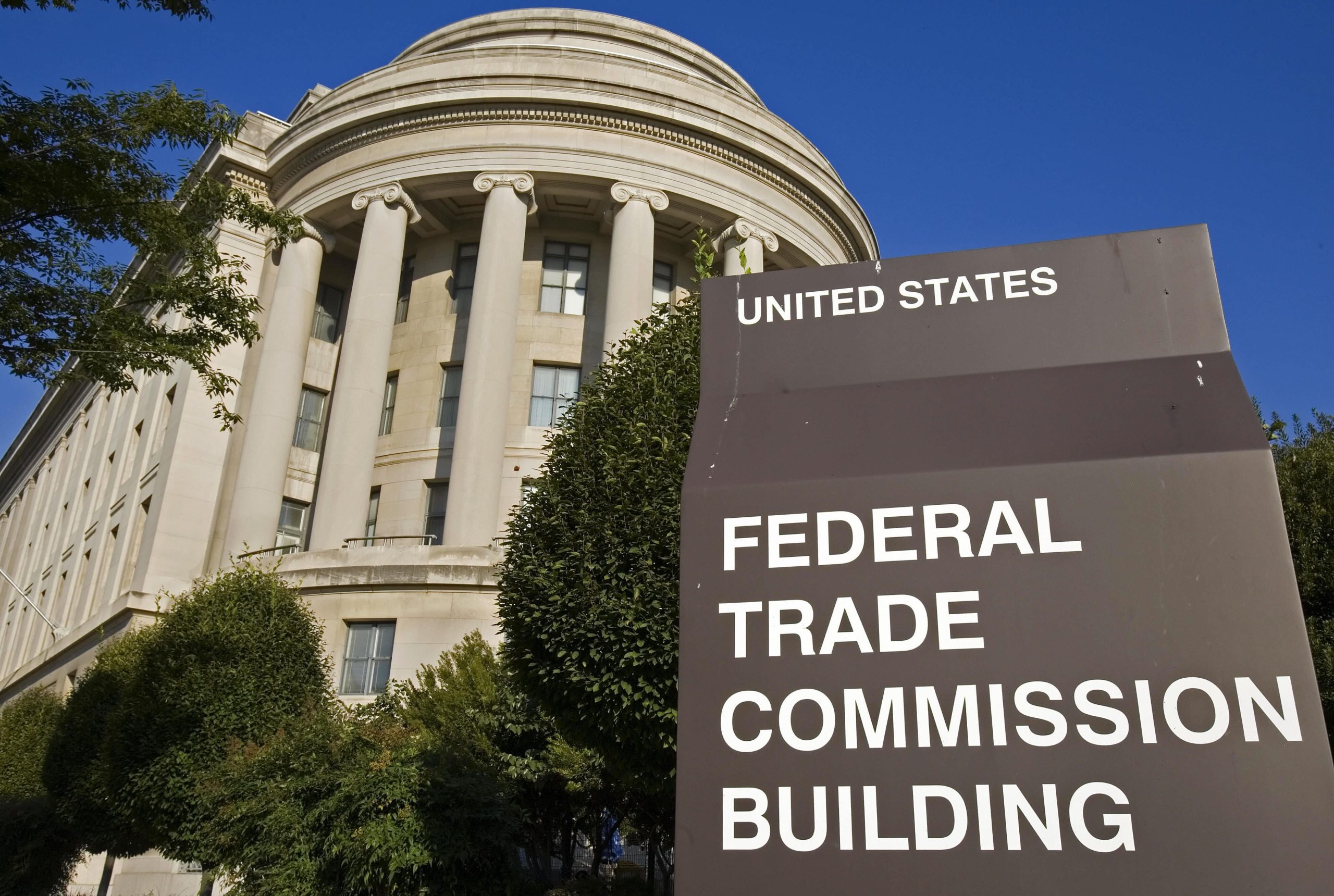
The Federal Trade Commission is taking action against Stream Auto Outlet, a Long Island dealership accused of using misleading advertised prices that did not reflect the actual cost of purchasing a vehicle.
According to the agency, customers were shown prices that excluded mandatory down payments, dealer fees, and unwanted add-on products. The proposed agreement is intended to make advertised prices more transparent and prevent consumers from being drawn into a dealership by offers that do not represent the amount they must pay.
How the Dealership Allegedly Advertised Prices That Buyers Could Not Get
The FTC’s complaint involves three related businesses operating under the Stream Auto Outlet name in New York. These include 324 W Merrick Ave Auto, LLC, located in Valley Stream, 189 Sunrise Auto Amityville LLC, based in Amityville, and 2232 Sunrise Hwy Auto LLC, located in Islip.
The agency alleges that the businesses used online vehicle advertisements to attract shoppers with prices that did not include the full amount customers would be required to pay.
One of the central allegations involves mandatory down payments. According to the FTC, customers could see an advertised vehicle price online, only to discover at the dealership that they had to provide thousands of dollars more as a down payment.
The agency said information about these requirements was buried in small-print disclaimers on a details page, which shoppers had to access through a pop-up and navigate alongside other disclosures.
The complaint also describes instances in which sales representatives allegedly confirmed advertised prices over the telephone without clearly explaining the additional required payment.
This matters because customers often contact several dealerships before deciding where to shop. If one dealer advertises a lower price by leaving out mandatory costs, its offer can appear more attractive than a competitor’s even when the actual purchase price is higher.
The FTC also alleges that the dealerships required customers to purchase additional products and pay dealer-imposed charges that were not included in the advertised prices.
Examples described in the complaint include a $4,000 warranty, a $1,995 dealer-preparation fee, a $2,700 LoJack product, and an $895 theft-protection product. A $175 documentation fee was also cited. These are allegations contained in the FTC’s complaint, not findings that every customer was charged every listed amount.
The agency highlighted an apparent contradiction between the dealerships’ advertising and their alleged sales practices. Stream Auto promoted its business with the slogan “NO FEES. NO GAMES. JUST CARS.” Yet, according to the complaint, customers continued to encounter charges that increased the amount they had to pay beyond the advertised price.
The FTC further alleges that the dealerships misrepresented certain fees set by the dealers themselves as charges required or regulated by the State of New York. This distinction matters because dealership-imposed fees should not be portrayed as mandatory government charges when they are not.
Consumers may reasonably assume that a fee described as legally required cannot be avoided, making accurate descriptions essential to transparent pricing.
What the Proposed FTC Order Would Require
The proposed order is designed to prevent Stream Auto from misrepresenting the costs or terms of purchasing, financing, or leasing a vehicle.
The main requirement is simple. Whenever the dealerships advertise a vehicle, they must clearly display the full price consumers are expected to pay. Only fees and charges legally required by the government may be excluded from the advertised price.
That means mandatory dealer fees and other required charges cannot simply disappear from the advertised figure. A dealership would not be able to promote a vehicle at a lower headline price and then add unavoidable costs after the customer arrives.
The price shown in an advertisement must represent the real amount a consumer would have to pay under the advertised offer.
The proposed order also addresses misleading statements about whether a fee, product, or service is optional or mandatory. Dealerships would be prohibited from misrepresenting whether a customer must purchase an add-on, use a particular financing arrangement, or pay a particular charge to obtain the advertised vehicle price.
The prominence of the disclosure is another important element. The order requires the total price to be displayed clearly and conspicuously, rather than hidden in small print or placed behind several clicks.
In practice, this would make it harder for a dealer to rely on a large, attractive headline price while burying the conditions that substantially increase the final amount.
The agreement is not limited to online advertisements. Its requirements address representations about vehicle costs and acquisition terms across the purchasing, financing, and leasing process.
This matters because a misleading offer can begin with an online listing, continue during a telephone conversation, and become even more confusing when a customer reaches the finance office.
However, the proposed order is not yet the same as a fully effective final court judgment. The FTC filed the complaint and stipulated final order in the U.S. District Court for the Eastern District of New York.
The agency says the order will have the force of law once a judge approves and signs it. The Commission voted 2-0 to authorize the filing.
The FTC announcement describes an agreement intended to resolve its claims, but the complaint’s allegations should not be confused with a court finding after a contested trial. The defendants’ agreement to the proposed order does not, by itself, establish that every allegation has been proven in court.
Why This Case Matters to Car Buyers and Other Dealerships
The Stream Auto case is part of a wider FTC effort to make vehicle advertising more transparent. In March 2026, the agency sent warning letters to 97 dealership groups, reminding them that advertised prices must include mandatory fees.
The FTC later published automobile pricing transparency guidance in September to explain how federal consumer-protection requirements apply to vehicle advertisements, discounts, documentation fees, and optional products.
The agency’s message is that a low advertised price should not depend on conditions that most customers cannot meet or charges that are not disclosed prominently.
A dealer should not make a price available only to customers who qualify for a particular financing arrangement, provide an undisclosed down payment, or purchase additional products that are presented as mandatory.
For shoppers, this case highlights several practical steps worth taking before visiting a dealership. First, ask whether the advertised price includes all mandatory dealer fees. Second, confirm whether the price requires a specific down payment, financing arrangement, trade-in, or other condition.
Third, request a written breakdown of the vehicle price and every additional charge before signing any paperwork.
Buyers should also examine optional products carefully. Extended warranties, theft-recovery systems, paint protection, service contracts, and other add-ons may be offered during the sales process.
Some can provide value depending on the vehicle and the buyer’s needs, but customers should be told clearly whether they are optional and how much they cost. A product should not be presented as compulsory if it is not required to purchase the vehicle.
It is equally important to compare the final prices of competing vehicles rather than relying exclusively on the figures displayed in search results or online listings.
A vehicle advertised for less money may become more expensive once mandatory fees and dealer-installed products are included. Requesting an itemized out-the-door price can help buyers identify those differences before making a trip to the dealership.
For dealers, the proposed order is a reminder that small-print disclaimers may not protect an advertisement if its headline price gives consumers a misleading impression.
Businesses need to review online listings, promotional campaigns, telephone sales scripts, and finance-office procedures to ensure that the same accurate pricing information is communicated at every stage.
The case also carries a competitive message. Dealerships that advertise genuine prices should not have to compete against businesses attracting customers with lower figures that cannot actually be honored. Transparent pricing makes it easier for shoppers to compare offers and rewards dealers that disclose costs from the beginning.
The FTC’s action against Stream Auto Outlet therefore goes beyond one Long Island dealership group. It reinforces the agency’s position that advertised vehicle prices should reflect what customers are genuinely required to pay, apart from government-mandated charges.
If the court approves the proposed order, the three Stream Auto businesses would be required to follow this pricing rule. Consumers should take note and verify the full cost of a vehicle before visiting a dealership, as the advertised price may not reflect the total amount they will actually have to pay.
