
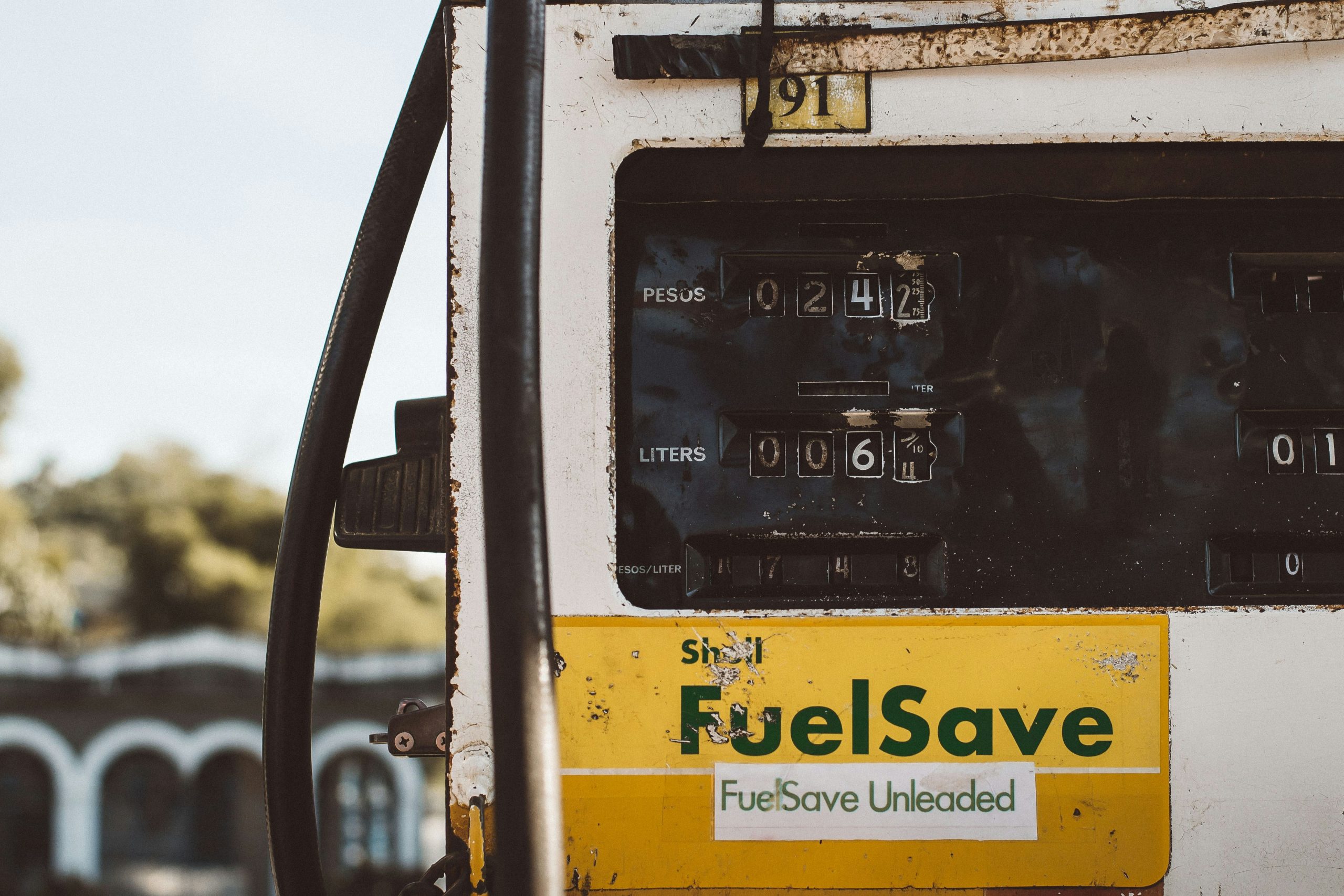
Winter driving can affect how efficiently a vehicle uses fuel. Lower temperatures change engine performance, increase tire resistance, and place additional demands on several vehicle systems. Drivers may notice more frequent trips to the fuel station even when their daily driving habits remain unchanged.
Cold starts, longer engine warm-up periods, low tire pressure, heavy heating use, and slippery road conditions can all contribute to reduced fuel economy. Understanding these factors helps drivers make smarter decisions during colder months.
By identifying common causes of higher fuel consumption, vehicle owners can improve their driving habits, maintain their cars, and reduce unnecessary fuel expenses.
1. Cold Engine Starts and Longer Warm-Up Times
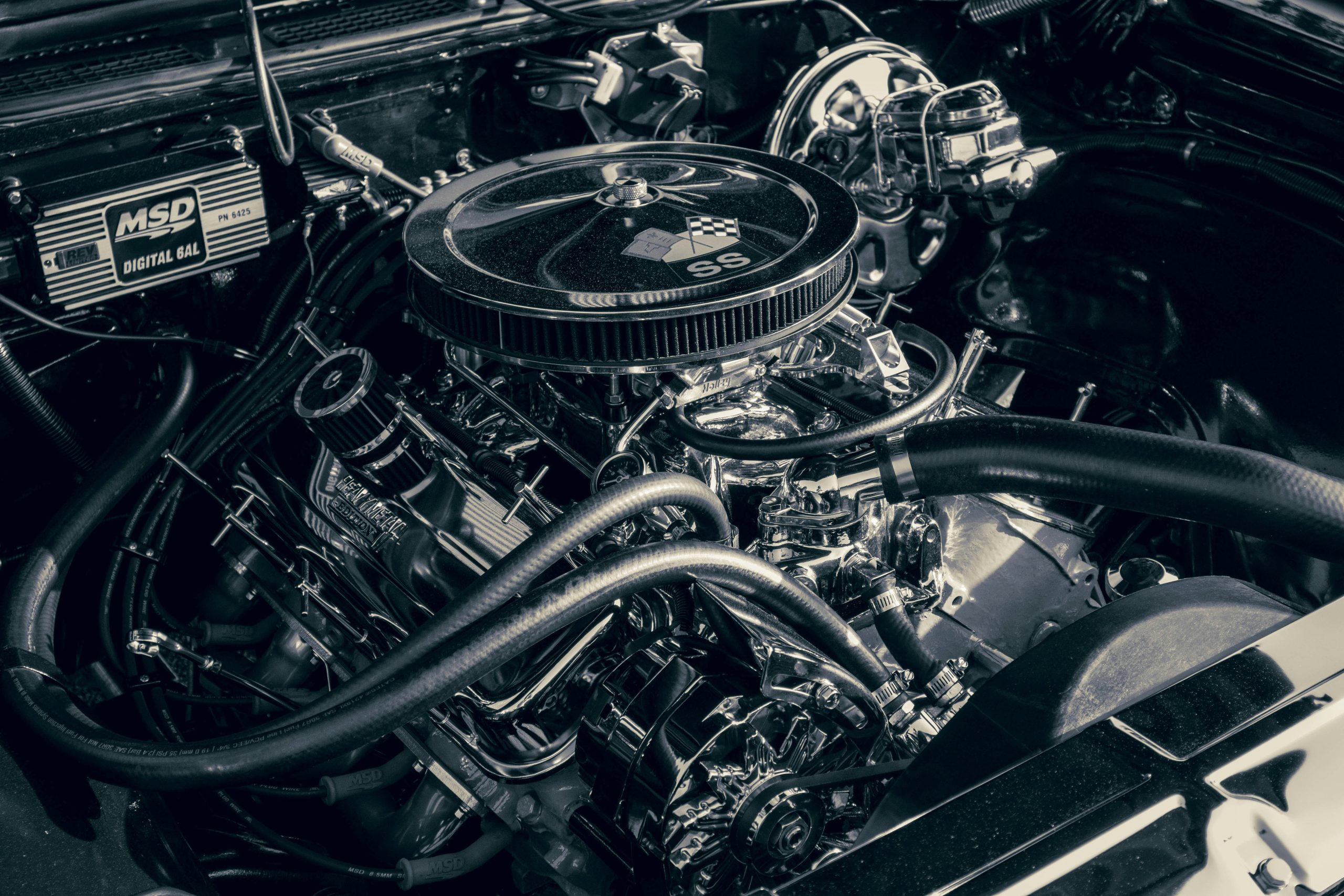
Cold engine starts are among the biggest reasons vehicles consume more fuel during winter. When temperatures drop, engine oil becomes thicker, making it harder for internal engine components to move freely.
The engine requires additional effort to operate smoothly, which can increase fuel consumption during the first few minutes of driving.
Modern vehicles use electronic fuel injection systems that adjust the fuel mixture according to engine temperature. When the engine is cold, the system supplies additional fuel to maintain stable operation. This process is normal, but it can reduce fuel efficiency until the engine reaches its usual operating temperature.
Short winter journeys make this problem more noticeable. If you drive only a few kilometres, the engine may not have enough time to reach its optimal temperature. As a result, the vehicle can spend much of the journey operating under conditions that require additional fuel.
Many drivers leave their vehicles running for several minutes before starting their journeys. Extended idling wastes fuel without covering any distance. Most modern fuel-injected vehicles need only a brief start-up period before they can be driven gently.
Driving at moderate speeds after starting the engine helps it warm up more efficiently than leaving it stationary. Avoid sudden acceleration, high engine speeds, and heavy loads during the initial minutes of driving.
Cold weather can also affect the battery and starter motor. A weak battery may struggle to turn the engine over, leading to repeated starting attempts. While this does not always cause significant fuel consumption, it can make winter vehicle operation less efficient.
Drivers should follow the manufacturer’s recommendations for cold-weather starting. Using the correct engine oil grade also helps maintain proper lubrication when temperatures fall.
Reducing unnecessary idling and allowing the engine to warm up through gentle driving can help limit winter fuel consumption. These simple habits also reduce unnecessary engine wear.
2. Low Tire Pressure in Cold Weather
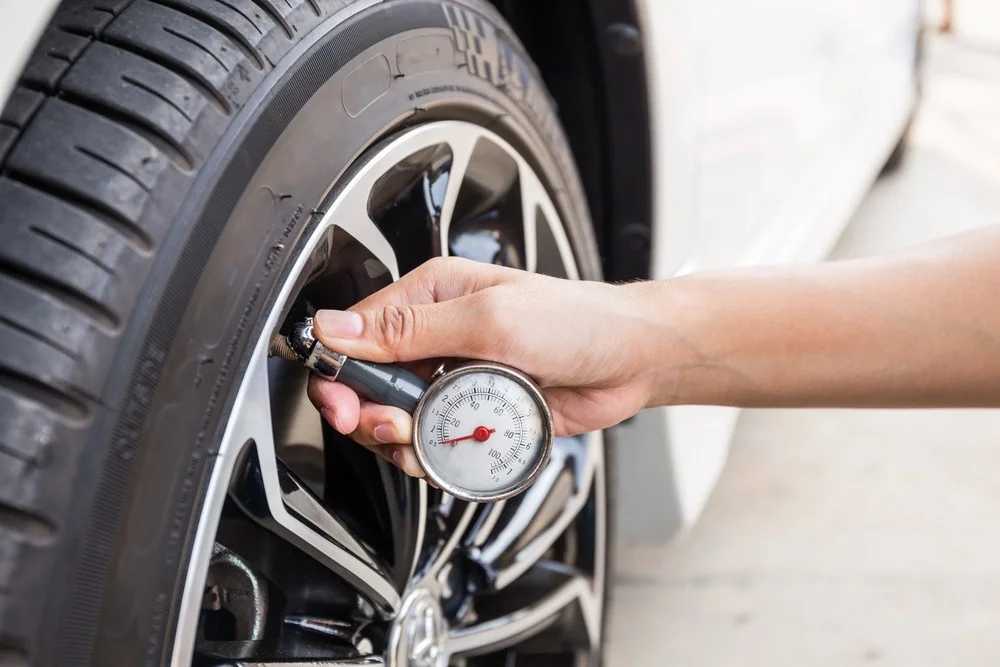
Tire pressure naturally decreases when outside temperatures fall. For every 10-degree Fahrenheit decrease in temperature, tire pressure typically drops by approximately 1 PSI. This change can affect how efficiently your vehicle moves along the road.
Underinflated tires create additional rolling resistance. This means the engine must work harder to move the vehicle forward. The extra effort increases fuel consumption and can gradually reduce your average mileage.
Many drivers do not check their tire pressure regularly during winter. They may assume that tires remain properly inflated as long as they look normal. However, a tire can be underinflated even when there is no obvious visual difference.
Checking tire pressure at least once a month is a useful maintenance habit. It is particularly important during seasonal temperature changes. Always measure tire pressure when the tires are cold for the most accurate reading.
Use the recommended pressure listed on the vehicle’s driver’s door sticker or in the owner’s manual. The maximum pressure printed on the tire sidewall is not the recommended operating pressure for your vehicle.
Underinflated tires can also affect handling, braking performance, and tire lifespan. On wet, icy, or snow-covered roads, maintaining the correct tire pressure becomes especially important for safe driving.
Avoid adding extra air simply because winter temperatures are low. Overinflating tires can reduce their contact with the road and create uneven tire wear. Follow the manufacturer’s recommended specifications instead.
Regular tire pressure checks help maintain proper road contact, improve handling, and reduce unnecessary rolling resistance. This small maintenance task can make a noticeable difference in fuel economy over time.
3. Excessive Use of the Car Heater and Defroster
Heating systems make winter driving more comfortable, but their operation can place additional demands on a vehicle. The actual effect on fuel economy depends on the vehicle’s design, climate control system, and the heating functions being used.
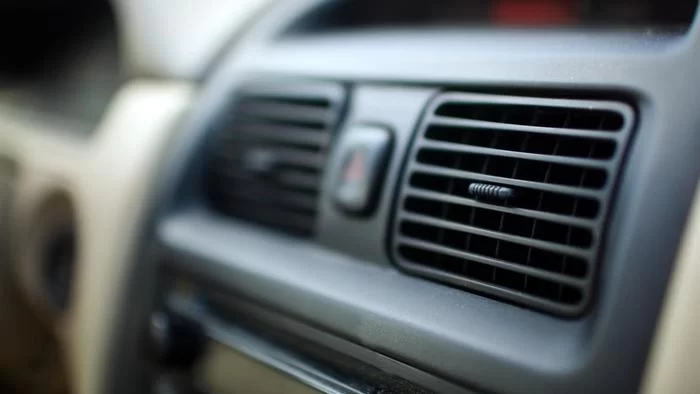
In most conventional petrol and diesel vehicles, cabin heating primarily uses heat produced by the engine. The heating system transfers this heat into the passenger compartment through a heater core. This means the cabin heater itself generally does not consume large amounts of additional fuel once the engine is warm.
However, the blower fan requires electrical power. The alternator supplies this power, and generating electricity places a small additional load on the engine.
The situation can be different when using air conditioning with the defrost setting. Many vehicles activate the air conditioning compressor to remove moisture from the cabin air and clear condensation from the windshield. This can increase engine load and fuel consumption.
Electric vehicles and hybrids may experience a more noticeable effect from cabin heating. Many electric vehicles use battery power to operate heating systems, which can reduce the distance available from a full charge.
Using heated seats and a heated steering wheel, when available, may provide personal warmth with less energy than heating the entire cabin. The actual savings depend on the vehicle and heating system.
Drivers should also avoid setting the cabin temperature unnecessarily high. A comfortable temperature helps maintain visibility and concentration without placing excessive demands on the climate control system.
Never switch off necessary defrosting functions simply to save fuel. Clear windows are essential for safe driving, especially when outside temperatures cause condensation or frost.
Using the heating system sensibly can improve comfort while limiting unnecessary energy consumption. Keep the windshield clear, choose reasonable temperature settings, and use vehicle-specific energy-saving features where available.
4. Using Winter Tires with Higher Rolling Resistance
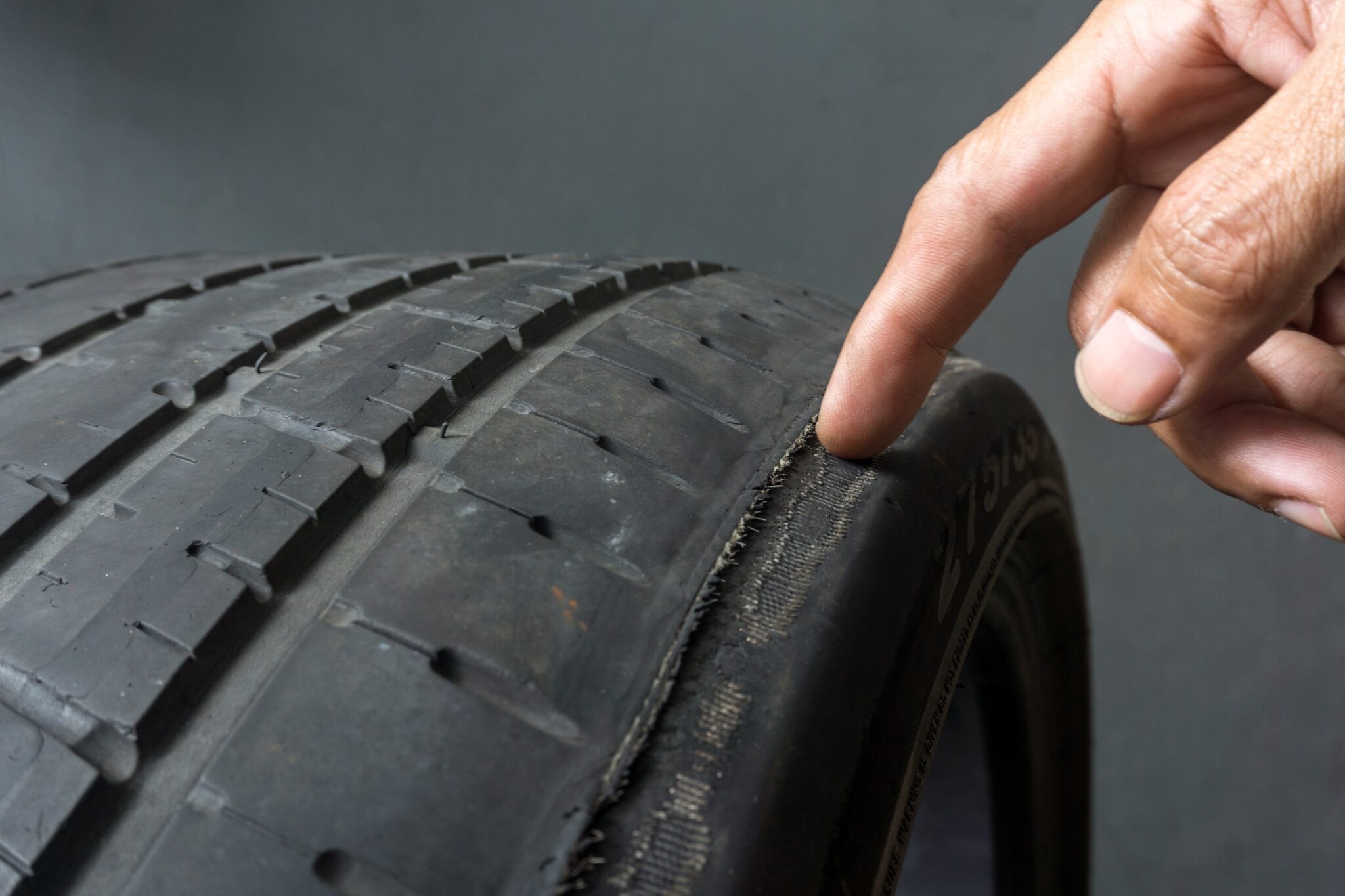
Winter tires are designed to provide better grip in cold conditions. Their rubber compounds remain flexible at lower temperatures, while their tread patterns help maintain traction on snow, ice, and cold road surfaces.
These features can sometimes increase rolling resistance compared with standard summer tires. Rolling resistance refers to the energy required to keep a tire moving along the road. Higher resistance can require more engine power and increase fuel consumption.
Winter tires often have deeper tread patterns and additional grooves called sipes. These features improve traction, but their construction may create slightly greater resistance during normal driving.
The impact on fuel economy depends on tire quality, tread design, vehicle weight, road conditions, and driving style. Not every winter tire has the same effect, and some modern models are designed to balance traction with efficiency.
Drivers should not avoid winter tires simply to save fuel. In regions where snow, ice, or freezing temperatures are common, suitable winter tires can provide important safety benefits.
Using the correct tire size is also essential. Tires that do not match the manufacturer’s specifications can affect handling, speedometer accuracy, and fuel economy.
Check tire condition throughout the winter season. Uneven wear, incorrect inflation, and damaged tread can reduce performance and increase resistance.
For drivers living in areas with mild winters, all-season tires may be suitable if they meet local driving conditions. However, the decision should depend on climate, road conditions, and manufacturer guidance.
Choosing appropriate tires helps maintain a balance between road safety and fuel efficiency. Proper maintenance is just as important as selecting the right tire category.
5. Driving on Snowy, Wet, or Slippery Roads
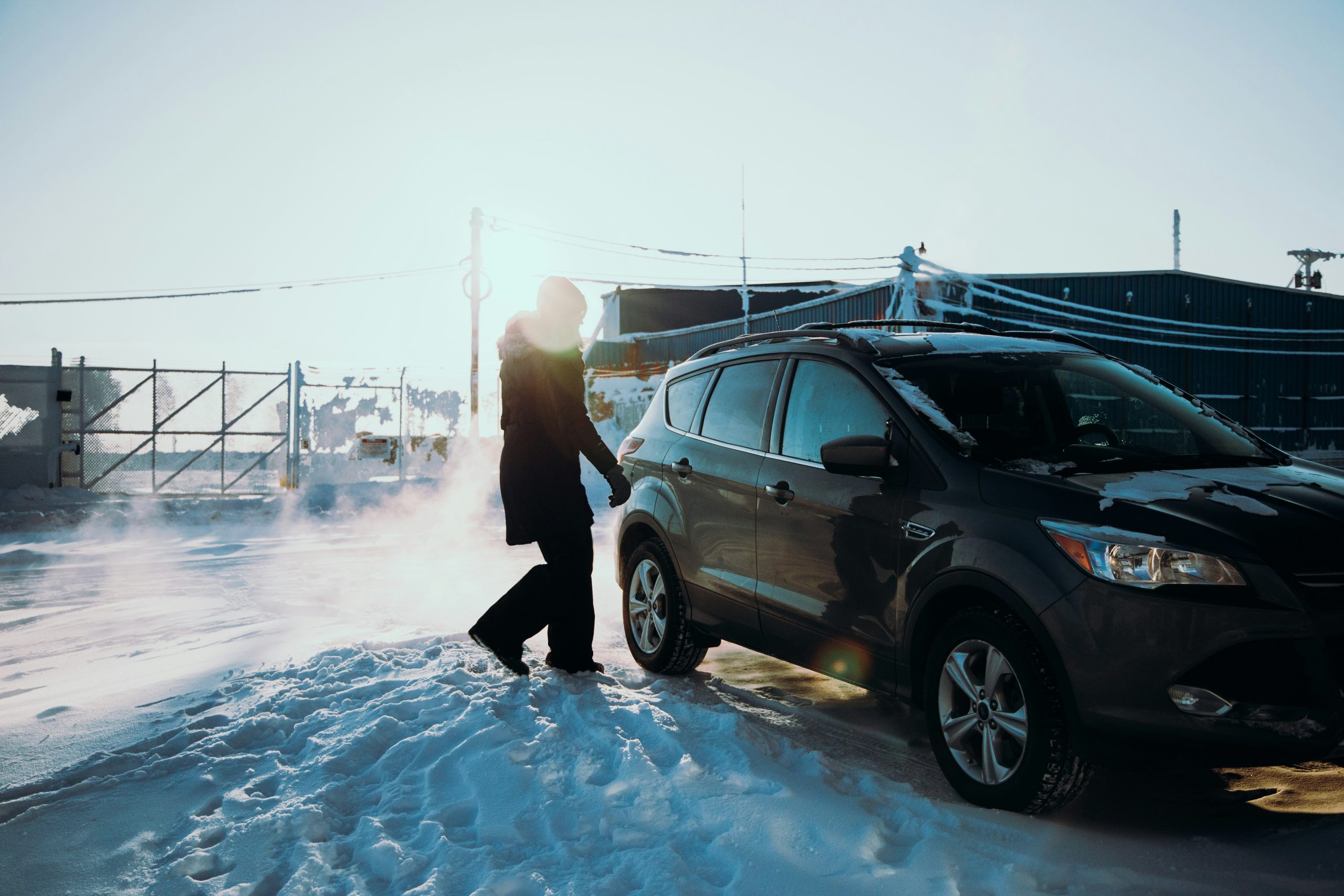
Winter road conditions can make vehicles consume more fuel than usual. Snow, ice, slush, and standing water create additional resistance between the tires and the road. The engine may need to produce more power to maintain movement under these conditions.
Driving on snow-covered roads also requires more careful acceleration. Sudden increases in speed can cause the tires to lose traction. When the wheels spin without moving the vehicle forward effectively, fuel is wasted.
Repeated braking and acceleration can further reduce fuel economy. Drivers often need to slow down for slippery corners, road obstacles, and changing traffic conditions. Accelerating again after every slowdown requires additional energy.
Wet roads can also increase rolling resistance. Water creates additional resistance around the tires, particularly when vehicles travel through deep puddles. This can make the engine work harder than it would on a dry road.
Maintaining a steady speed whenever road conditions permit can help reduce unnecessary fuel consumption. However, drivers should always adjust their speed to match visibility, traffic, and available traction.
Smooth acceleration is especially important during winter. Pressing the accelerator gently helps reduce wheel spin and makes it easier to maintain control on slippery surfaces.
Planning routes ahead of time can also help. Roads that are regularly cleared of snow may offer more predictable driving conditions than untreated routes with heavy snow accumulation.
Fuel economy should never take priority over road safety. Maintain a safe following distance, avoid sudden movements, and use appropriate tires for the conditions.

6. Carrying Unnecessary Weight in Your Vehicle
Extra weight can reduce fuel economy in any season, but winter driving often encourages people to carry additional items in their vehicles. Blankets, heavy clothing, emergency supplies, luggage, and unused equipment can gradually increase vehicle weight.
The heavier a vehicle becomes, the more energy it requires to accelerate. This is particularly noticeable during city driving, where vehicles frequently stop and start at traffic signals and intersections.
An overloaded vehicle can also place additional stress on its tires, suspension, and braking system. These effects may influence handling and increase operating costs.
Some drivers leave heavy objects in their trunks throughout the winter. Items that are useful during occasional trips may not need to remain in the vehicle every day.
Roof racks and cargo carriers can create additional aerodynamic resistance. When a vehicle moves at higher speeds, air resistance becomes an important factor in fuel consumption.
An empty roof rack can still affect fuel economy, particularly if it has a large or poorly streamlined design. Removing unused roof accessories can help reduce aerodynamic drag.
Before winter travel, check your vehicle and remove unnecessary objects. Keep essential emergency equipment, but avoid carrying items that serve no regular purpose.
Do not remove safety equipment, spare tires, or other essential items simply to reduce weight. A properly equipped vehicle is more important than achieving a small improvement in fuel economy.
Keeping your car reasonably light helps reduce the energy needed for acceleration. It also makes the vehicle easier to manage and can improve everyday driving efficiency.
7. Increased Idling During Cold Weather
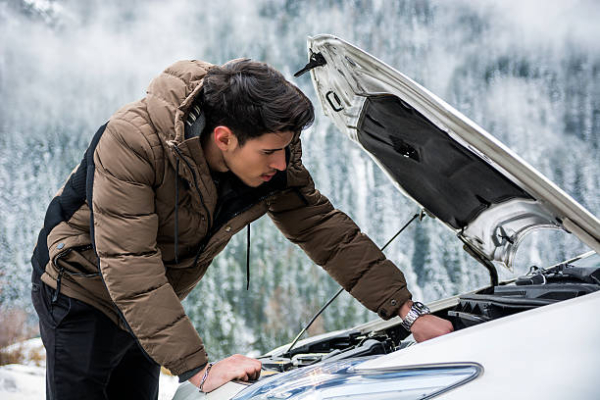
Idling becomes more common during winter because drivers want their vehicles to feel warm before getting inside. Some people also leave their engines running while waiting for passengers, clearing windows, or sitting in traffic.
An idling engine continues consuming fuel even when the vehicle is stationary. Since the car is not covering any distance, this fuel does not contribute to useful travel.
Extended idling can significantly affect fuel economy, particularly when it becomes a daily habit. The amount of fuel consumed depends on engine size, vehicle type, engine condition, and operating conditions.
Many modern vehicles are designed to operate efficiently shortly after starting. They generally do not require long stationary warm-up periods before being driven.
Idling for a short period may be necessary in certain situations, such as allowing the engine to stabilize or clearing a fogged windshield. However, keeping the engine running for extended periods is usually unnecessary.
Some vehicles also have automatic start-stop systems. These systems switch off the engine when the vehicle is stationary under suitable conditions and restart it when needed. This feature can help reduce fuel consumption in traffic.
Drivers should avoid using remote start systems for unnecessarily long periods. While these systems can improve comfort, extended operation without driving still consumes fuel.
It is also important to avoid idling in enclosed spaces such as garages. Exhaust fumes contain carbon monoxide, which can be extremely dangerous.
Reducing unnecessary idling is a simple way to improve winter fuel economy. Start the engine, allow it to stabilize, and drive gently when conditions are safe.
8. Poor Engine Maintenance and Dirty Air Filters
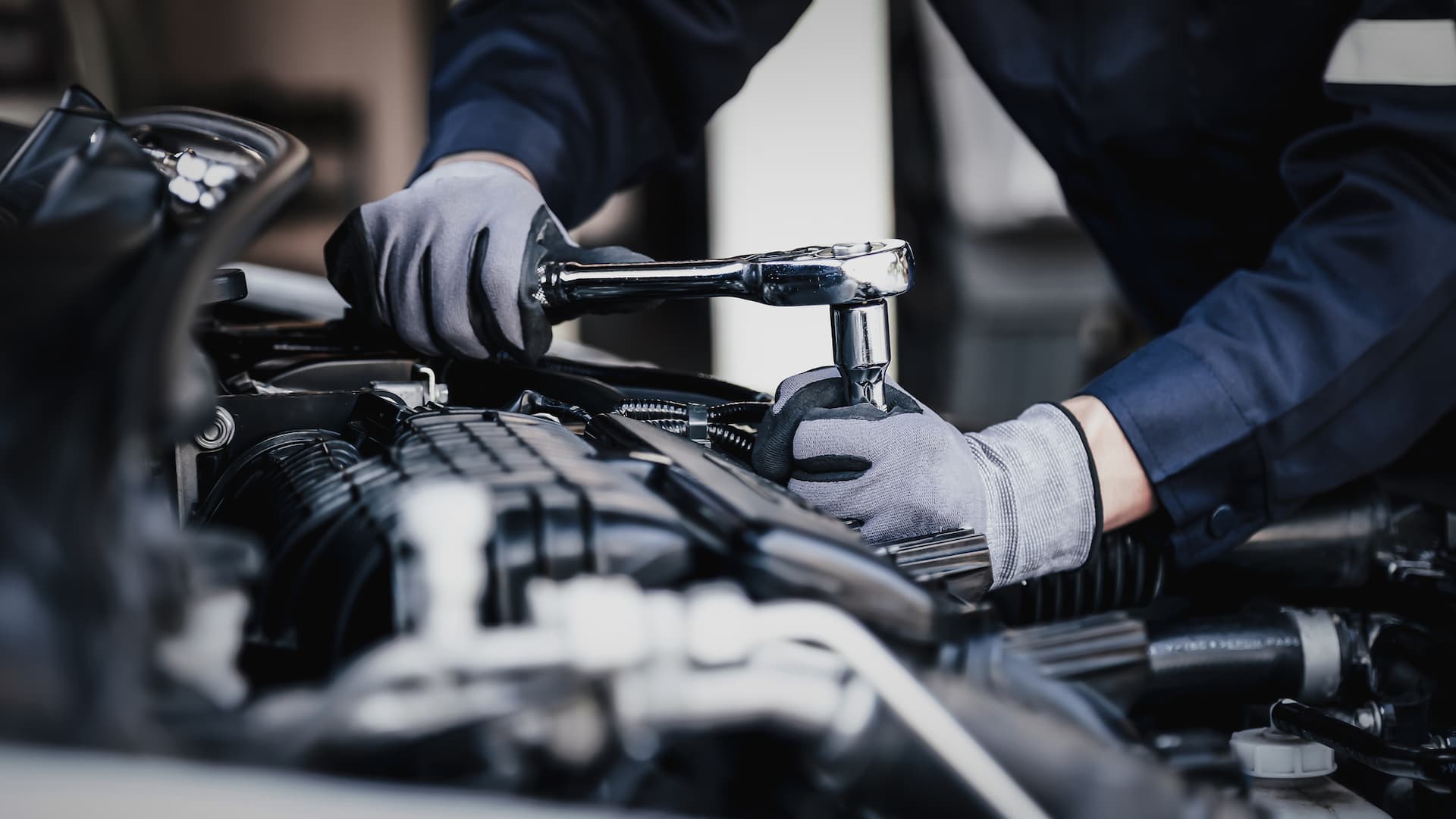
A vehicle’s engine needs regular maintenance to operate efficiently. Winter conditions can make existing mechanical problems more noticeable, especially when temperatures place additional stress on the engine and its components.
A dirty engine air filter can restrict airflow. Modern engine management systems adjust fuel delivery based on operating conditions, so a clogged filter does not necessarily cause a major increase in fuel consumption in every modern vehicle. However, severe restrictions can affect engine performance.
Old spark plugs can also contribute to inefficient combustion in petrol engines. Worn or damaged spark plugs may cause misfires, rough idling, and reduced engine performance. These problems can lead to higher fuel consumption.
Diesel engines have their own maintenance requirements. Faulty fuel injectors, clogged filters, and problems with the fuel system can affect combustion quality and efficiency.
Engine oil is another important factor. Using oil with an incorrect viscosity can increase internal friction and affect cold-start performance. The manufacturer-recommended oil grade should always be used.
A malfunctioning oxygen sensor or engine temperature sensor may also affect fuel delivery. These sensors help the engine control module determine how much fuel the engine needs under different operating conditions.
Drivers should pay attention to warning lights, unusual engine noises, rough running, and unexpected changes in fuel economy. Ignoring these symptoms can allow small problems to become expensive repairs.
Regular servicing helps identify maintenance issues before they affect vehicle performance. Follow the service schedule and replace filters, spark plugs, and fluids according to manufacturer recommendations.
A properly maintained engine generally operates more smoothly and efficiently. Routine inspections are especially useful before the colder months begin.
9. Aggressive Driving and Frequent Acceleration
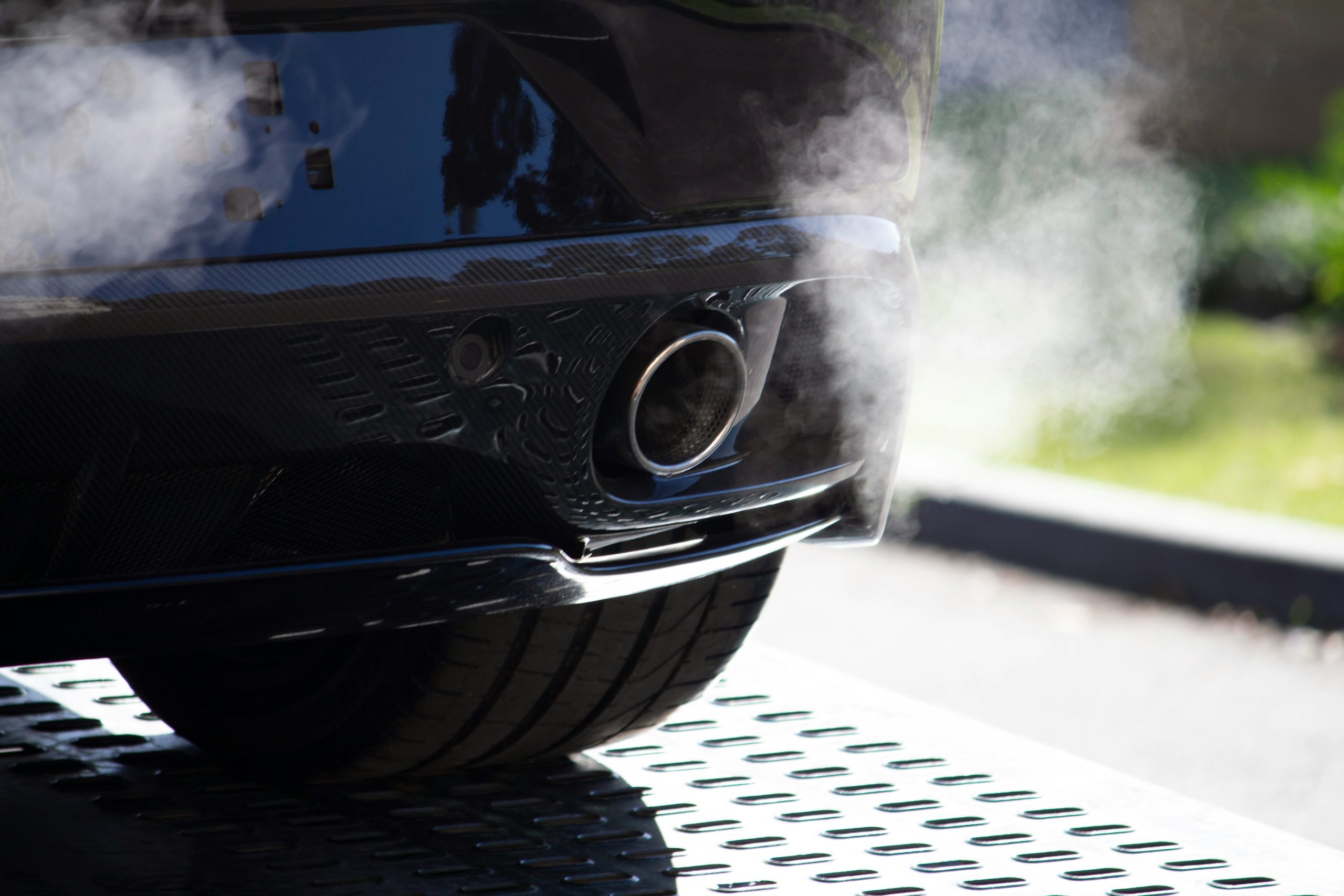
Driving habits have a direct effect on fuel consumption throughout the year. During winter, aggressive acceleration and sudden braking can become even less efficient because road conditions often require additional care.
Rapid acceleration demands more power from the engine. When drivers press the accelerator aggressively, the engine may inject additional fuel to produce the requested power.
Frequent changes in speed also reduce efficiency. Accelerating quickly, braking suddenly, and then accelerating again wastes energy that could have been used more effectively through steady driving.
Cold engines are particularly sensitive to heavy loads immediately after starting. Driving at high speeds or using aggressive acceleration before the engine warms up can increase mechanical stress and fuel consumption.
Maintaining a consistent speed can help improve fuel economy on suitable roads. Cruise control may be useful on dry highways with steady traffic, but it should not be used on slippery surfaces where drivers need direct control over acceleration.
Anticipating traffic conditions is another helpful habit. Looking ahead allows drivers to slow down gradually when approaching traffic signals, intersections, and slower vehicles.
Avoid unnecessary overtaking and rapid lane changes. These actions often involve additional acceleration and can increase fuel consumption without providing meaningful time savings.
Winter roads require controlled movements. Gentle steering, gradual acceleration, and smooth braking can help maintain traction while reducing unnecessary energy use.
Developing a calm driving style can improve fuel economy in every season. It also reduces tire wear, mechanical stress, and the risk of losing control on slippery roads.
10. Using the Wrong Fuel or Ignoring Fuel System Problems
Fuel quality and the condition of the fuel system can influence engine performance. During winter, certain fuel-related problems may become more noticeable, particularly in areas that experience very low temperatures.
Petrol and diesel vehicles have different fuel requirements. Using the wrong fuel type can cause serious mechanical problems and may prevent the engine from operating correctly.
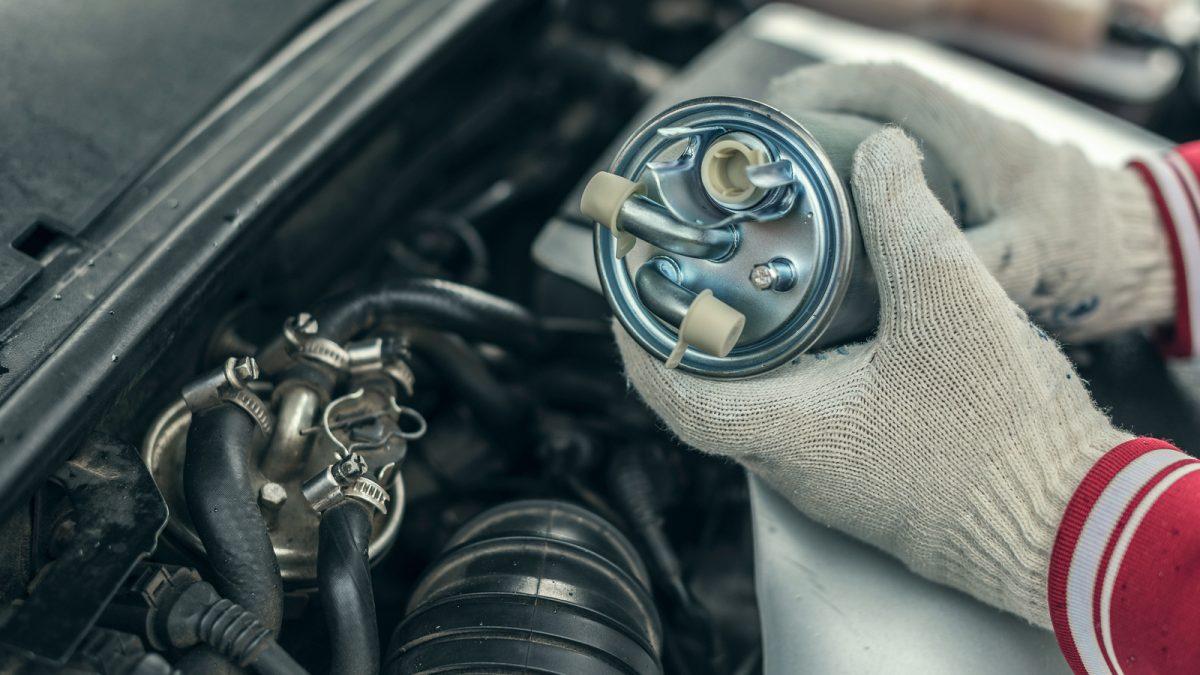
Diesel fuel can become more difficult to flow in extremely cold conditions. Paraffin wax crystals may form and restrict fuel filters or lines when temperatures fall below the fuel’s suitable operating range.
Winter-grade diesel is formulated to perform better under cold conditions. Drivers in regions with freezing temperatures should use fuel that meets local seasonal requirements.
Petrol vehicles can also experience fuel system problems caused by contaminated fuel, clogged filters, or faulty injectors. These issues may affect combustion and reduce engine performance.
Water contamination in the fuel system can create additional problems, particularly in diesel vehicles. In cold conditions, water can freeze and restrict fuel flow.
Using fuel from reliable stations and following the vehicle manufacturer’s fuel recommendations can help prevent unnecessary issues. Drivers should also pay attention to signs such as difficult starting, engine hesitation, and uneven idling.
Fuel additives should not be used without checking whether they are suitable for the vehicle and fuel type. Some products may not be compatible with specific engines or emissions systems.
Proper fuel selection and timely maintenance help keep the engine operating efficiently. If fuel economy drops suddenly, a professional inspection can identify whether a fuel system problem is responsible.
