
Winter driving across the United States can become challenging when snow, freezing rain, icy roads, and extremely low temperatures affect daily travel. While many sedans offer comfortable rides and impressive fuel economy, certain models and configurations can create difficulties during colder months.
Rear-wheel-drive layouts, limited ground clearance, performance tires, and expensive maintenance can make some vehicles less suitable for harsh winter conditions. Before purchasing a used or new sedan, buyers should understand how different vehicles perform when temperatures drop.
Here are nine sedans worth reconsidering before winter, along with their potential drawbacks and important ownership considerations.
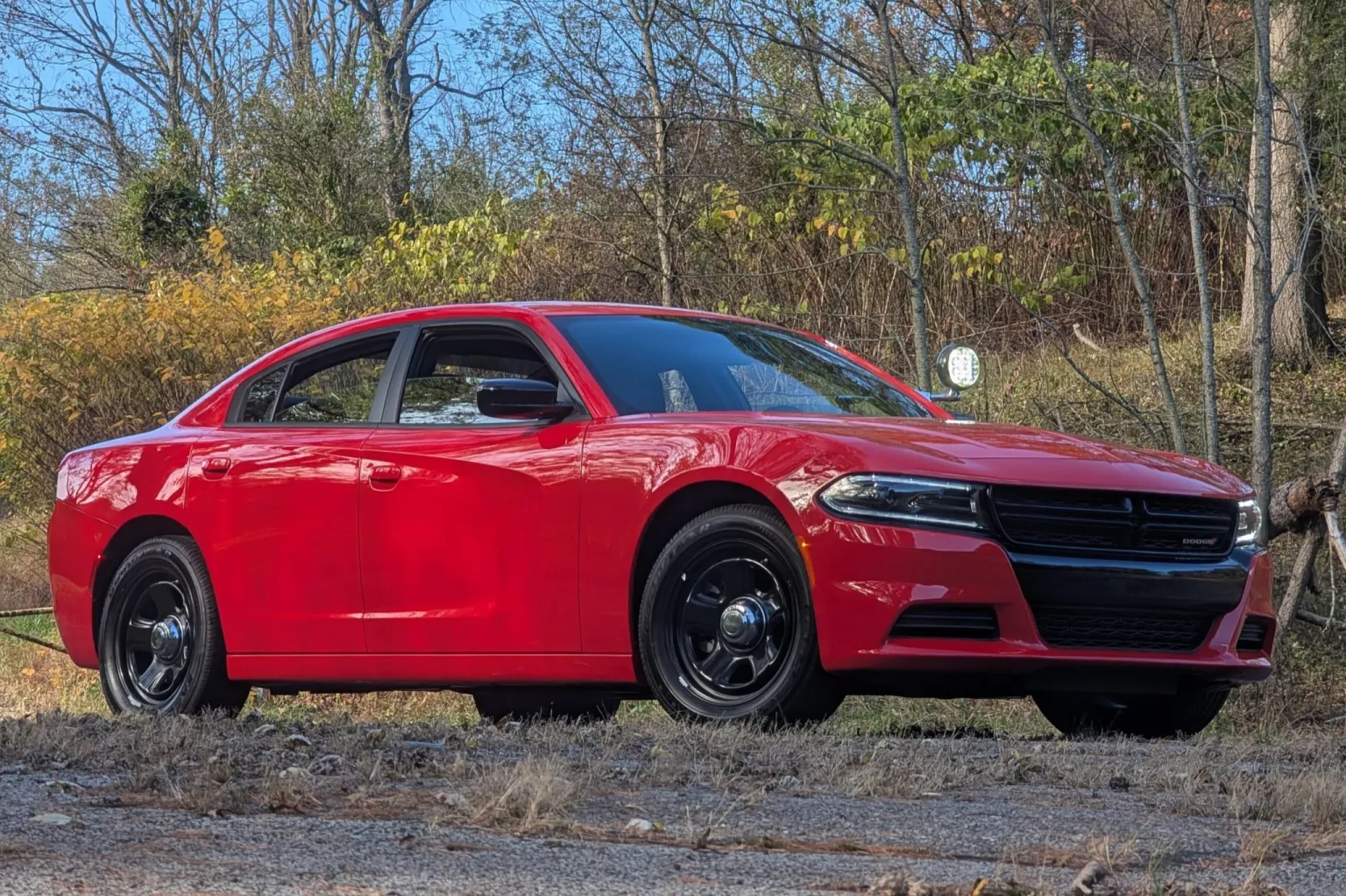
1. Dodge Charger RWD
The Dodge Charger RWD deserves careful consideration before winter because its rear-wheel-drive configuration can make driving on slippery roads more demanding. The car delivers strong performance and a comfortable cabin, but its power delivery requires attention when snow covers American streets.
Rear-wheel drive sends engine power to the rear wheels. On dry pavement, this arrangement provides engaging handling. On snow-covered surfaces, however, the rear tires can lose traction more easily when the driver accelerates aggressively.
The Charger’s relatively large dimensions also create challenges in certain winter situations. Narrow residential streets, snow-covered parking spaces, and tight urban corners can become difficult to navigate when snow accumulates along road edges.
Tire selection plays a major role in the Charger’s winter performance. Models equipped with summer performance tires are particularly unsuitable for freezing conditions. These tires lose flexibility in cold temperatures and provide significantly reduced grip on snow and ice.
Another consideration is the vehicle’s weight distribution and power output. Powerful engine options can overwhelm available traction when the driver applies too much throttle. Smooth acceleration and careful braking become essential when roads are slippery.
Maintenance expenses can also affect winter ownership. Older Chargers may require attention to their batteries, brakes, suspension components, and cooling systems. Cold weather can expose existing mechanical weaknesses, particularly in vehicles with neglected maintenance records.
Buyers who regularly drive through snowy regions should consider an AWD alternative or a Charger equipped with appropriate winter tires. The RWD version is not automatically unsuitable, but it requires greater preparation and careful driving habits.
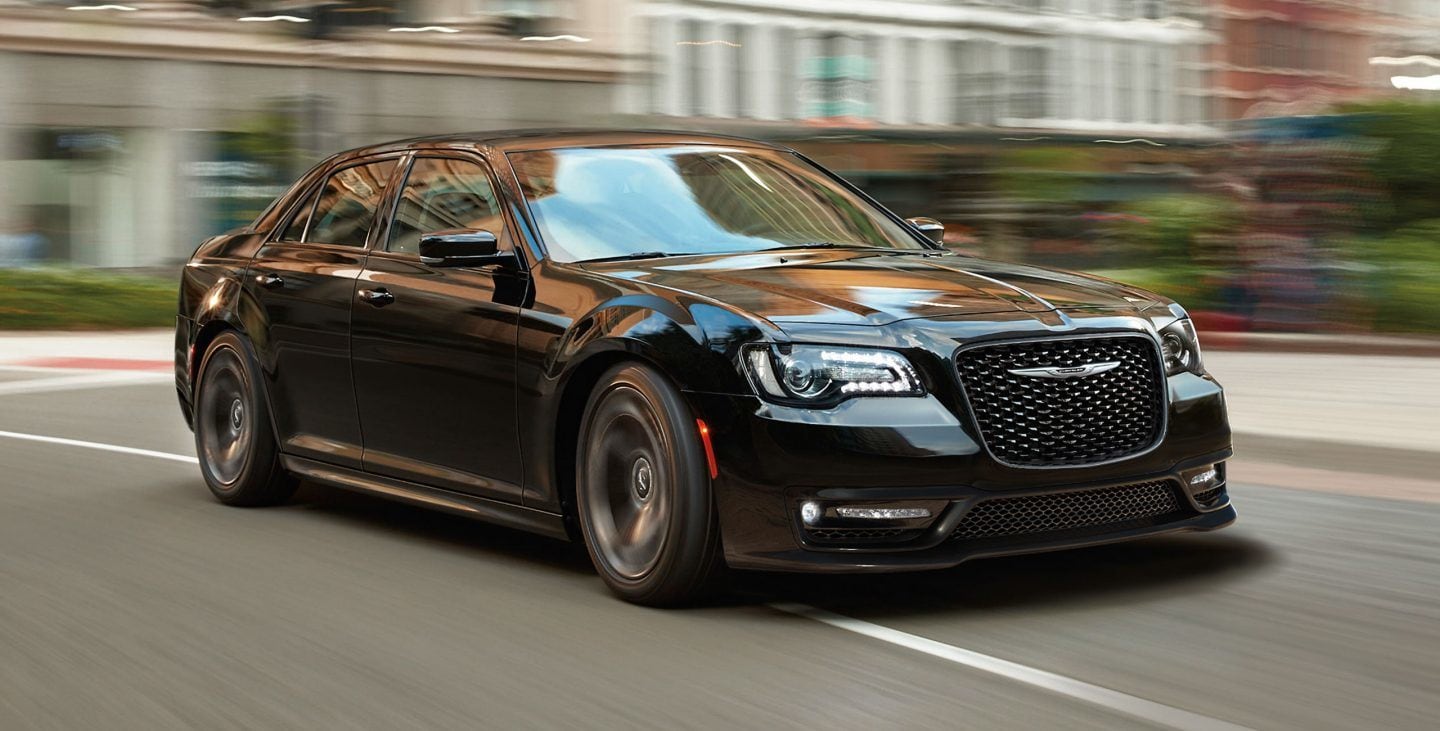
2. Chrysler 300 RWD
The Chrysler 300 RWD offers a spacious interior, comfortable seating, and a relaxed driving experience. However, its rear-wheel-drive layout makes certain versions less convenient for people who regularly encounter snow, ice, and freezing road conditions.
Its traditional rear-drive arrangement provides balanced handling during normal driving. Winter weather changes the situation because traction becomes less predictable when snow covers the pavement. Drivers must be especially careful when accelerating from intersections and climbing slippery roads.
The Chrysler 300 also has a substantial body and relatively large proportions. These characteristics make it comfortable on highways, but maneuvering through deep roadside snow can become difficult when available clearance is limited.
Older examples may also come with aging all-season tires. Tire condition matters considerably during winter because worn tread reduces the ability to maintain contact with wet and snowy surfaces. Replacing old tires should be a priority before colder weather arrives.
Some versions feature larger wheels and lower-profile tires. These setups can provide attractive styling and responsive handling, but they may offer less flexibility on damaged winter roads. Potholes hidden beneath snow can also damage wheels and tires.
Cold weather can affect older electrical systems and batteries. Buyers considering a used Chrysler 300 should inspect the battery, charging system, brakes, suspension, and heating equipment before purchasing.
The available V6 and V8 engines provide different performance characteristics. However, powerful rear-wheel-drive versions require additional attention when traction is limited. Drivers should avoid sudden acceleration and maintain a safe distance from surrounding traffic.
For people living in areas with frequent snowfall, an AWD sedan or a vehicle with stronger winter-oriented equipment may provide greater confidence. The Chrysler 300 RWD is better suited to buyers who understand its limitations and can prepare it properly.

3. BMW 3 Series RWD
The BMW 3 Series RWD is known for its responsive steering, premium interior, and enjoyable driving characteristics. Certain rear-wheel-drive versions, however, may not be the most practical choice for drivers who regularly travel through heavy snowfall.
BMW engineers design the 3 Series to deliver balanced road performance. Its rear-wheel-drive platform contributes to its handling characteristics, but slippery winter surfaces can make traction more difficult to manage.
The vehicle’s driving experience depends heavily on tire selection. Performance-oriented tires may work well during warmer months, but summer tires are unsuitable for freezing temperatures. Their rubber compounds become less flexible as temperatures fall.
Drivers purchasing a used 3 Series should examine its existing tire setup. Some previous owners may have installed inexpensive tires that offer limited winter performance. A proper set of winter tires can significantly improve traction and braking.
Ground clearance is also worth considering. The 3 Series is a low-slung sedan, which means deep snow can collect beneath the front bumper and underbody. This can become inconvenient on poorly cleared residential roads.
Maintenance costs represent another concern for used-car buyers. Older BMW models may require repairs involving suspension components, cooling systems, electrical equipment, and engine-related parts. Cold temperatures can make neglected maintenance problems more noticeable.
Winter preparation should include checking the battery, coolant, heating system, windshield washer fluid, and brake condition. Drivers should also understand the vehicle’s stability-control settings and avoid disabling safety systems on slippery roads.
The 3 Series can remain a capable winter vehicle when properly equipped. However, buyers who want straightforward winter transportation may prefer an AWD configuration or a sedan with a more practical ground-clearance and tire combination.
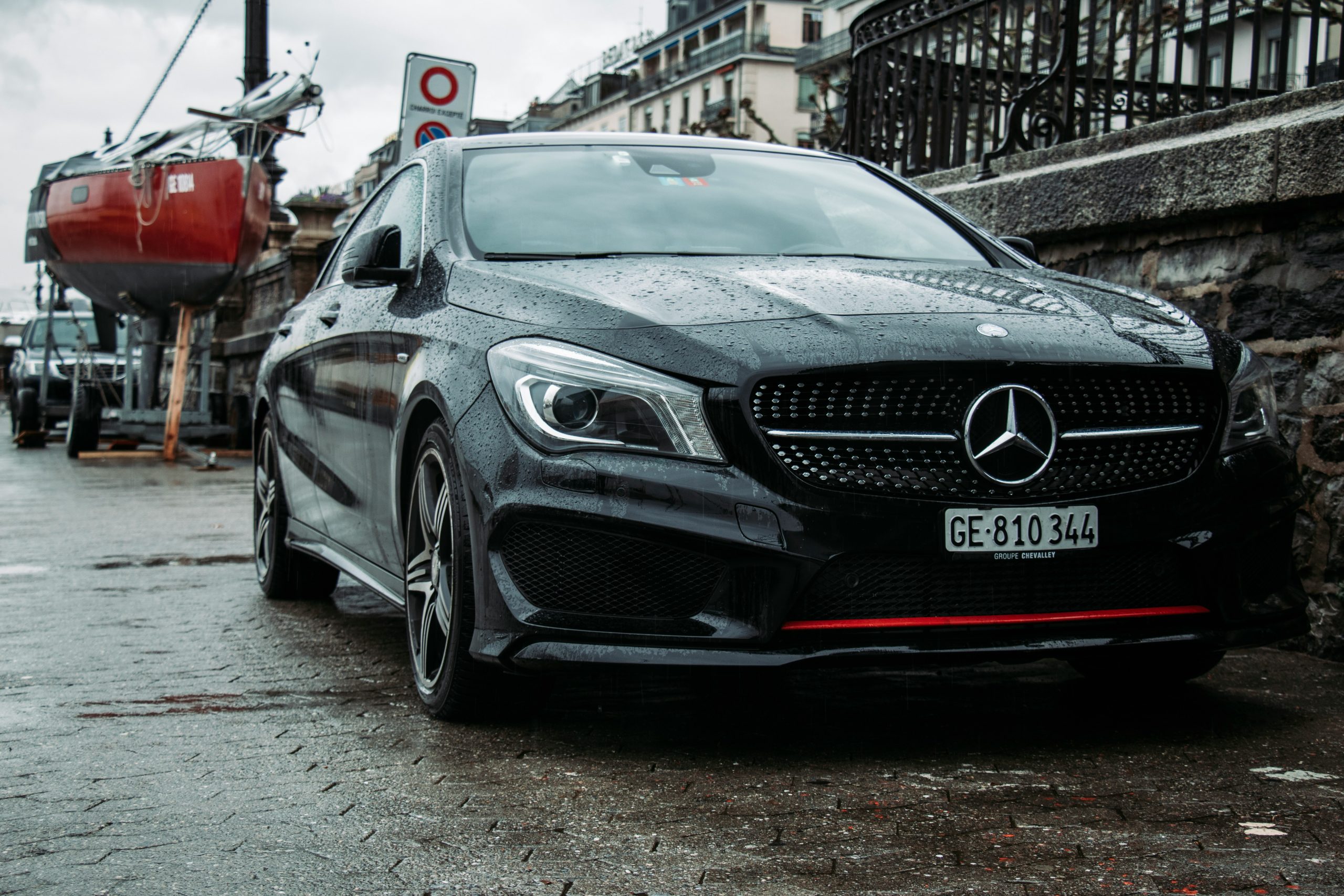
4. Mercedes-Benz C-Class RWD
The Mercedes-Benz C-Class RWD combines a premium cabin with refined road manners. Its comfort and technology make it attractive to many American buyers, but rear-wheel-drive versions require additional preparation before winter driving.
The rear-wheel-drive layout can become challenging when snow or ice reduces tire grip. Drivers may experience wheelspin during acceleration, particularly when starting from a stop on an inclined or poorly maintained road.
Modern C-Class models include electronic stability and traction-control systems. These technologies help manage wheelspin and improve vehicle stability, but they cannot completely overcome the limitations of unsuitable tires or extremely slippery surfaces.
Tire condition deserves particular attention. Used C-Class vehicles sometimes come with performance tires selected by previous owners. Such tires may deliver excellent handling in warm weather but provide inadequate traction in freezing conditions.
The sedan’s relatively low ride height can also create difficulties when snow becomes deep. Unplowed streets, parking areas, and steep driveways may expose the vehicle’s limited clearance.
Maintenance is another important consideration. Premium replacement parts, specialized servicing, and electronic repairs can increase ownership expenses. Buyers should review maintenance records and arrange a professional inspection before purchasing an older example.
Winter preparation should include testing the battery, inspecting brake components, checking coolant protection, and confirming that the heating and defrosting systems work correctly. A suitable winter tire package is also highly recommended.
The C-Class RWD is not a poor-quality automobile. Its limitations become more relevant in regions with regular snowfall, where an AWD version or a more winter-focused vehicle may provide greater convenience.
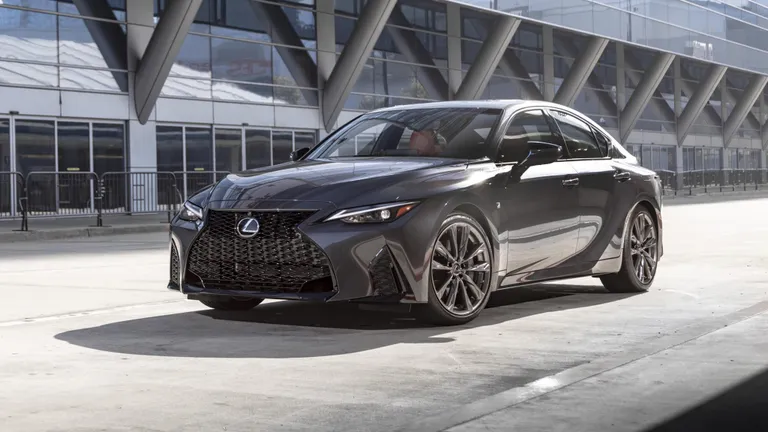
5. Lexus IS RWD
The Lexus IS RWD is appreciated for its comfortable interior, dependable engineering reputation, and engaging handling. However, rear-wheel-drive versions may require extra attention when winter conditions create slippery roads.
The vehicle’s rear-drive layout works effectively during normal weather. Snow and ice reduce available traction, which can make acceleration less predictable. Drivers unfamiliar with rear-wheel-drive vehicles may need time to adjust their driving techniques.
Lexus includes electronic safety systems designed to help maintain control. Traction control and stability management can reduce unwanted wheelspin, but their effectiveness depends on available tire grip.
The IS also has a relatively low stance. This design contributes to its road-focused handling, but it can become inconvenient when snow accumulates on unplowed roads. Deep snow may interfere with the vehicle’s front bumper and underbody.
Tire selection should be a priority for winter owners. Summer tires should not be used in freezing conditions. Dedicated winter tires provide better grip when temperatures remain low and roads become covered with snow or ice.
Used examples should receive a detailed mechanical inspection. Buyers should check the battery, brakes, suspension, tires, heating equipment, and fluid condition. Previous accident damage and neglected servicing can create additional concerns.
Cold temperatures may also affect tire pressure. Drivers should monitor inflation regularly because tire pressure generally decreases as outside temperatures fall. Correct inflation helps maintain predictable handling and braking.
The Lexus IS RWD can serve as a winter vehicle with suitable tires and responsible driving. However, people who frequently encounter heavy snow may find an AWD sedan more convenient for everyday transportation.
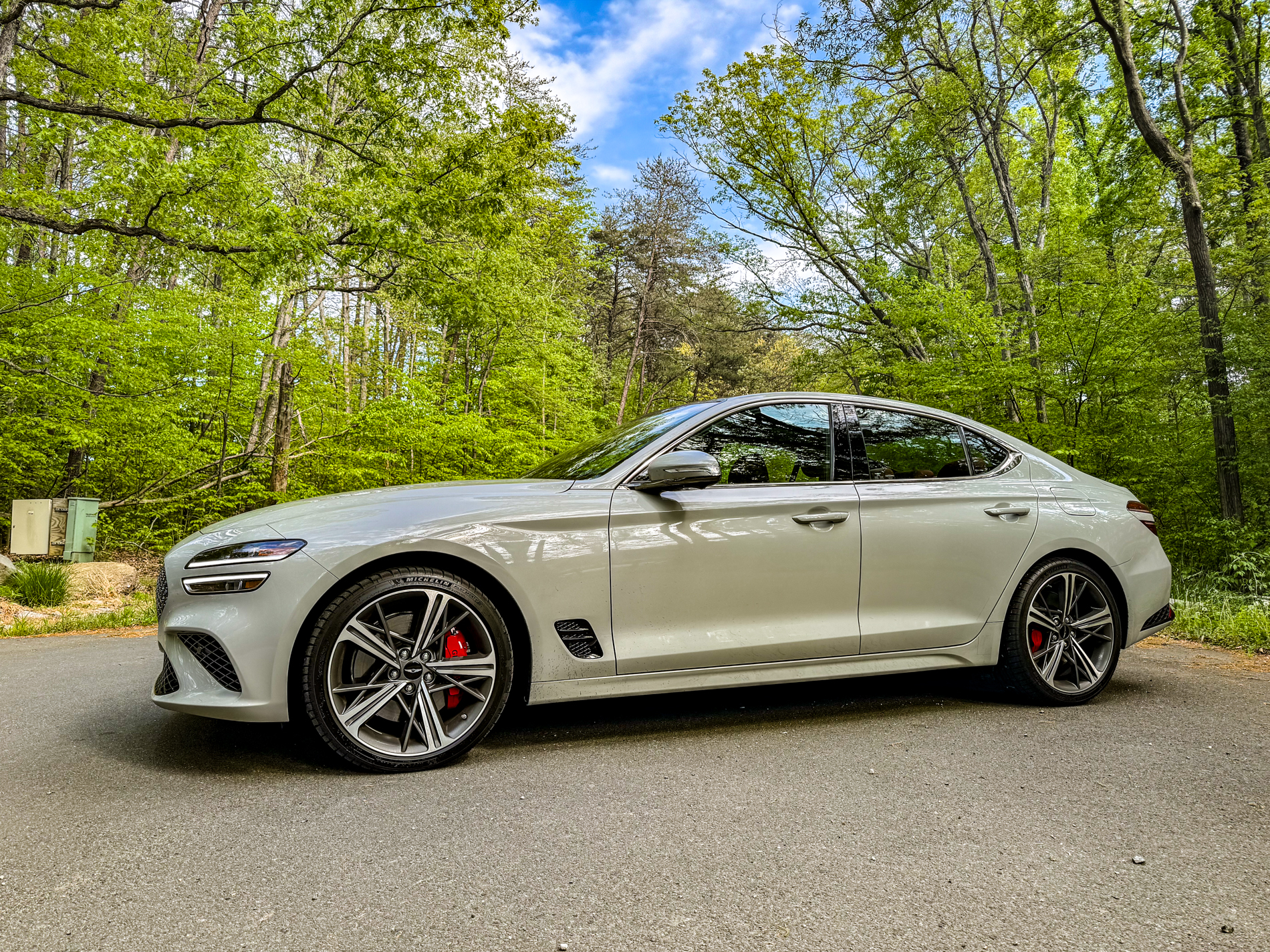
6. Genesis G70 RWD
The Genesis G70 RWD offers a combination of premium materials, athletic handling, and powerful engine options. Its rear-wheel-drive configuration, however, deserves attention from buyers who live in states with harsh winter weather.
The G70 is designed to provide an engaging driving experience. Its responsive acceleration and performance-oriented suspension can make it enjoyable during warmer months, but winter roads demand a more controlled approach.
Rear-wheel-drive vehicles depend on the rear tires for propulsion. When snow or ice reduces available traction, aggressive acceleration can cause wheelspin. Smooth throttle application becomes particularly important when driving uphill.
The vehicle’s available tire packages can also influence winter performance. Larger wheels and performance tires may look attractive, but summer-oriented rubber does not provide suitable grip in freezing temperatures.
Ground clearance presents another limitation. Like many sport-oriented sedans, the G70 sits relatively close to the road. Drivers may encounter difficulties when snow accumulates on residential streets or parking areas.
Maintenance expenses should also be considered. Genesis vehicles include sophisticated electronics and premium equipment, which may increase repair costs outside warranty coverage. Buyers should inspect the vehicle’s service history and confirm that important maintenance has been completed.
Before winter, owners should examine the battery, tires, brakes, coolant, windshield washer fluid, and defrosting system. A dedicated set of winter tires can make a meaningful difference in traction and braking performance.
The G70 is available with different drivetrain configurations depending on model year and trim. Buyers who regularly face snowy roads should investigate AWD versions rather than automatically selecting a rear-wheel-drive model.
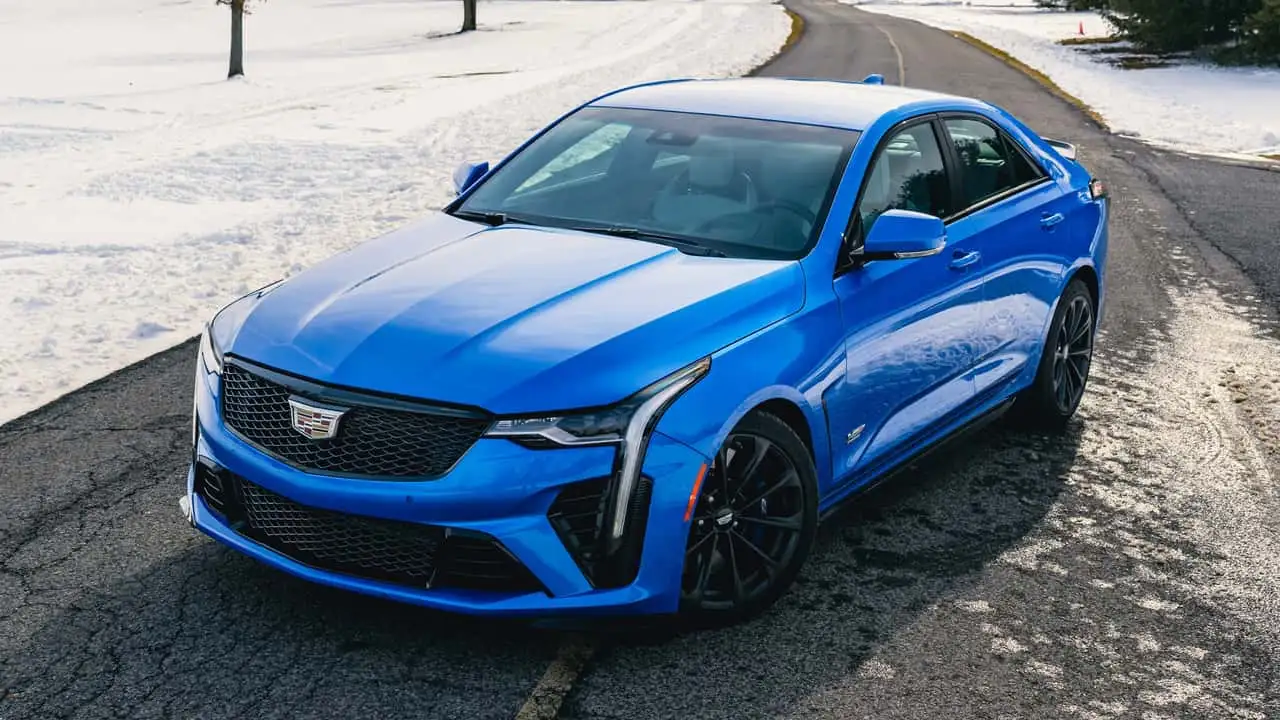
7. Cadillac CT4-V Blackwing
The Cadillac CT4-V Blackwing is a performance-focused luxury sedan with powerful acceleration and sharp handling. Its rear-wheel-drive configuration makes it a particularly demanding choice for drivers who frequently experience snow and icy conditions.
The vehicle’s high-performance engine produces substantial power. While this provides excellent acceleration on dry pavement, applying too much throttle on slippery roads can quickly exceed the available tire grip.
Its performance-oriented suspension and steering deliver an engaging driving experience. However, winter roads require slower inputs, greater stopping distances, and additional space between vehicles.
Tires are a major concern for this model. Performance-focused summer tires are not appropriate for freezing weather. Their compound and tread design are intended for warmer conditions, making them unsuitable for snow-covered roads.
The CT4-V Blackwing also has limited ground clearance compared with conventional family sedans. Deep snow can collect underneath the vehicle, making travel difficult when road maintenance is inadequate.
Ownership expenses are worth examining before purchasing. Performance brakes, specialized tires, premium fuel requirements, and high-performance replacement components can make maintenance more expensive than that of an ordinary sedan.
Winter preparation should involve selecting suitable tires, checking the braking system, testing the battery, and confirming that all driver-assistance features operate correctly. Drivers should also avoid aggressive driving modes when road conditions are poor.
The CT4-V Blackwing is better suited to enthusiasts who understand performance-car limitations and can store or equip the vehicle appropriately during winter. For routine travel through heavy snowfall, a practical AWD sedan may be a better choice.
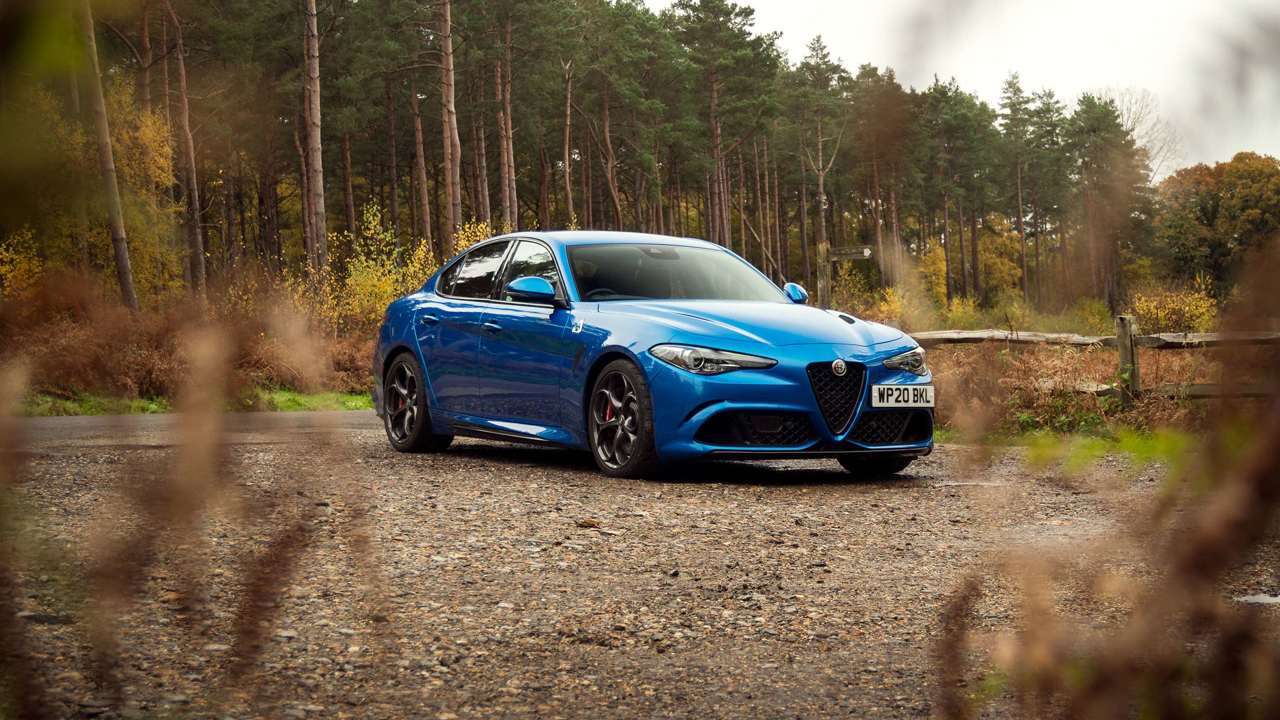
8. Alfa Romeo Giulia RWD
The Alfa Romeo Giulia RWD attracts buyers with its distinctive styling, responsive steering, and European driving character. However, its rear-wheel-drive versions may require additional care in regions where snow and freezing temperatures are common.
The Giulia offers a performance-oriented driving experience. Its balanced chassis provides enjoyable handling on dry roads, but winter conditions can reduce the available grip and make sudden steering or acceleration inputs less forgiving.
Rear-wheel drive is particularly relevant when starting on snow-covered roads. If the rear tires cannot maintain traction, the vehicle may struggle to accelerate smoothly. Electronic traction systems can help, but suitable tires remain essential.
The Giulia’s relatively low ride height can also become a problem when snow accumulates. Drivers may find it difficult to navigate deep roadside snow, steep driveways, and poorly cleared residential streets.
Tire selection should receive careful attention. Summer tires should be replaced with appropriate winter tires before freezing conditions arrive. Drivers should also check tread depth and ensure that all four tires are compatible.
Reliability and repair expenses are additional considerations for used-car shoppers. The Giulia features sophisticated electronics and specialized mechanical components. A complete service history can help buyers identify previous repairs and outstanding maintenance requirements.
Winter inspections should cover the battery, charging system, brakes, suspension, heating system, and engine fluids. Any warning lights or unusual noises should be investigated before temperatures become extremely low.
The Giulia can provide satisfactory winter transportation when equipped correctly. However, buyers who regularly encounter severe snowfall should consider its AWD version or a more practical vehicle designed for challenging road conditions.
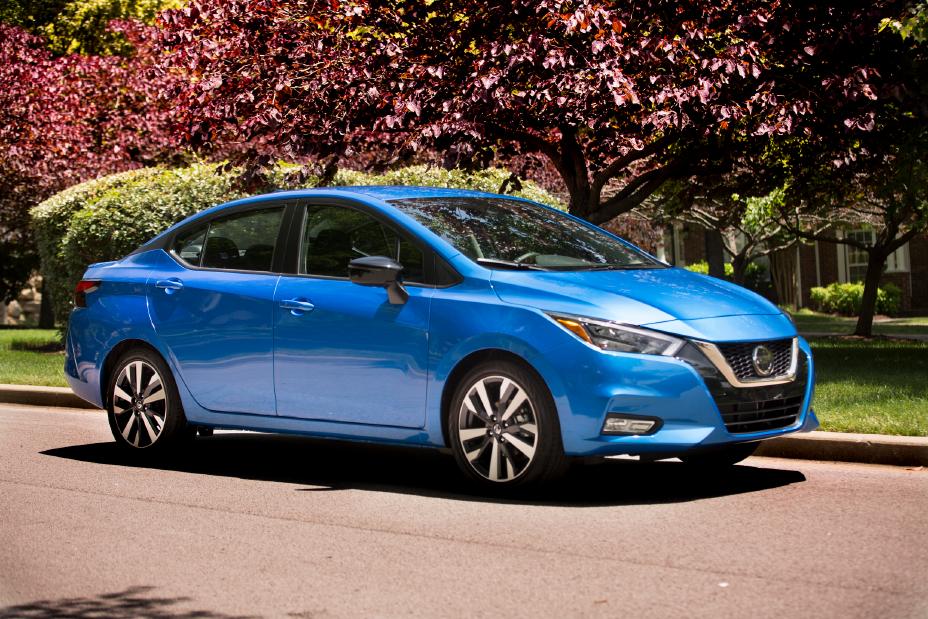
9. Nissan Versa Sedan
The Nissan Versa Sedan deserves consideration for a different set of winter-related reasons. Unlike the rear-wheel-drive performance sedans on this list, the Versa uses front-wheel drive, which generally provides useful traction in moderate snow.
Its affordability and fuel efficiency make it attractive to budget-conscious American buyers. However, certain older or poorly maintained examples may struggle when exposed to severe winter conditions.
The Versa has relatively modest engine output. This is not necessarily a disadvantage on slippery roads, but drivers may find acceleration limited when climbing snow-covered hills or merging into fast-moving traffic.
Ground clearance is another consideration. The Versa is a compact sedan designed primarily for regular road use. Deep snow can collect beneath its underbody, potentially making travel difficult on roads that have not been cleared.
Tire quality can significantly affect its winter capability. Budget-focused owners sometimes delay tire replacement or continue using worn all-season tires. This can reduce braking performance and make steering less predictable.
The vehicle’s compact size can also make it feel less substantial on certain highways during strong winter winds. Drivers should maintain appropriate speeds and avoid sudden steering movements when snow, slush, or crosswinds affect road conditions.
Used Versa buyers should inspect the battery, brakes, suspension, tires, heating system, and transmission service history. Cold weather can expose weaknesses in aging batteries and neglected mechanical components.
The Versa is not inherently a bad winter sedan. Its limitations are more noticeable in severe snowfall, on poorly maintained roads, and when equipped with unsuitable tires. Buyers in northern states should compare it with compact AWD alternatives before making a purchase.