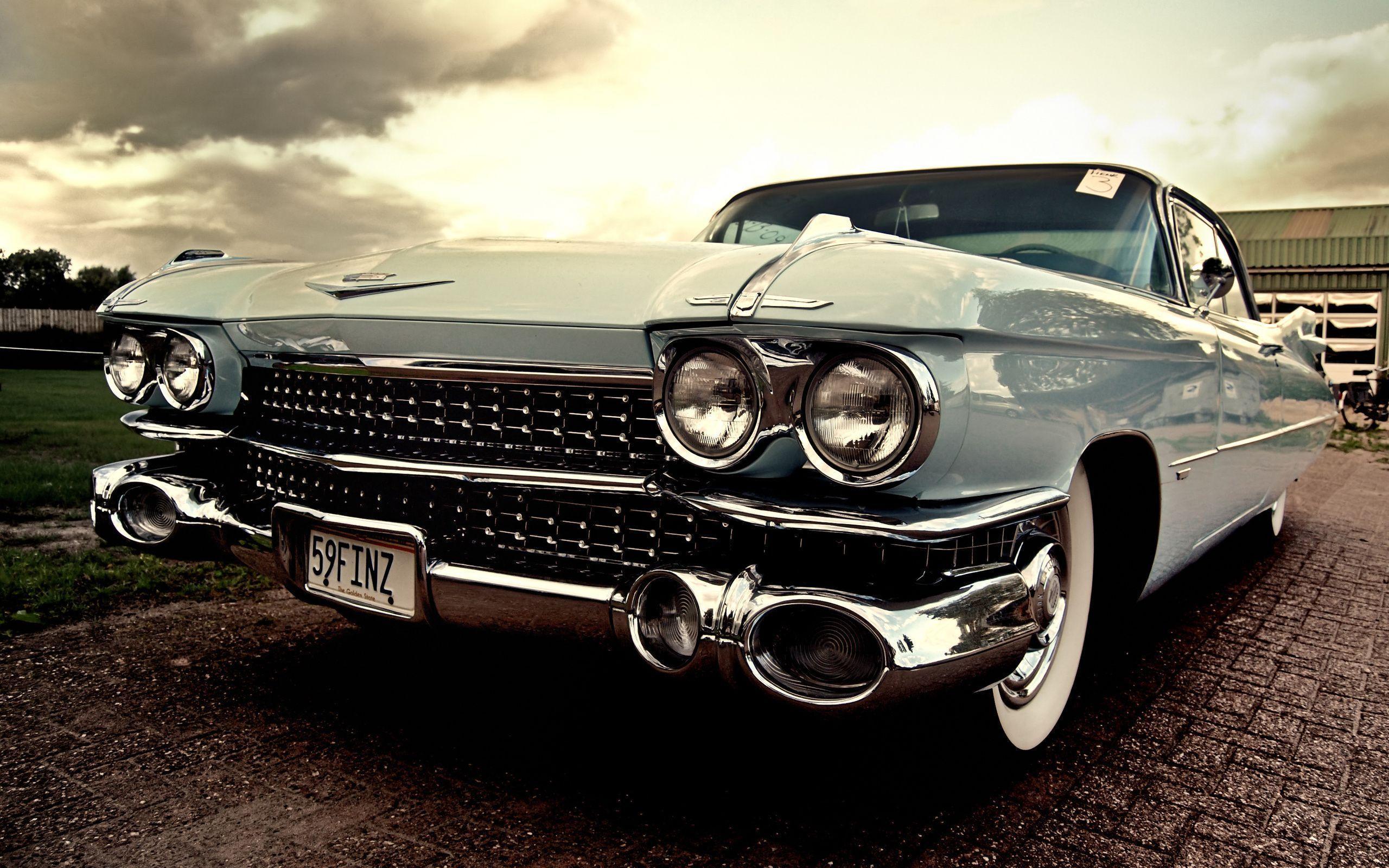
Selling an old car does not have to mean accepting the first offer you receive. Even a vehicle with high mileage or a few cosmetic flaws may be worth more when it is presented properly, priced realistically, and offered through the right channel.
The difference between a disappointing sale and a strong return often comes down to preparation, timing, and knowing what buyers value.
From checking its market price to keeping maintenance records ready, these six practical steps can help you protect your car’s value and negotiate a better deal in the U.S. used-car market.
1. Research Your Car’s Real Market Value Before Setting a Price
One of the easiest ways to lose money when selling an old car is to guess its value. Setting the asking price too low can cost you hundreds or even thousands of dollars, while pricing it far above comparable vehicles may discourage serious buyers.
Start by checking several valuation sources, including Kelley Blue Book, Edmunds, and current listings on major U.S. used-car marketplaces.
When using a valuation tool, enter the exact model year, make, model, trim level, mileage, ZIP code, and installed options. These details matter because two vehicles with the same badge can have different values depending on their equipment, condition, and local demand. Be honest when selecting the condition category.
A car with worn tires, damaged upholstery, warning lights, or significant body damage should not be described as being in excellent condition simply to obtain a higher estimate.
Pay attention to the difference between trade-in value and private-party value. Kelley Blue Book explains that trade-in estimates are generally lower because dealerships must account for reconditioning and other business costs.
Private-party values represent a different type of transaction and can provide a useful starting point when selling directly to another driver. Neither figure guarantees the final selling price.
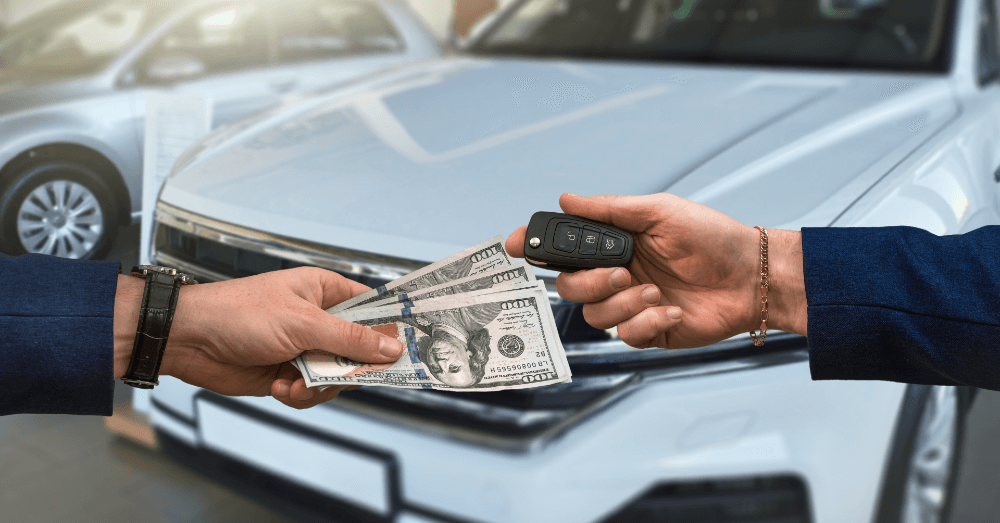
Next, compare at least five listings for vehicles similar to yours in your area. Look for comparable mileage, trim, condition, accident history, and equipment. Remember that advertised prices are asking prices, not confirmed sale prices. Use them to understand competition rather than assuming every seller will receive the amount displayed.
Finally, choose an asking price that reflects your car’s actual condition while leaving reasonable room for negotiation. A realistic price supported by local comparisons is more likely to attract qualified buyers than an inflated figure that sits online for weeks.
2. Consider a Private Sale Instead of Accepting the First Trade-In Offer
A dealership trade-in is convenient, but convenience can come at a financial cost. If your main priority is getting the highest possible amount for your old car, consider selling it privately.
You advertise the vehicle yourself, communicate with interested buyers, arrange inspections, and handle the transaction. That extra effort can give you access to a higher selling price than a dealer’s trade-in offer.
The difference comes from how dealerships calculate their offers. A dealer may need to inspect the vehicle, recondition it, prepare it for resale, cover operating expenses, and account for the possibility that it will take time to find another buyer.
Those costs influence the amount the dealership is willing to pay. Kelley Blue Book also explains that trade-in values are generally lower than private-party values for this reason.
However, a private sale is not automatically the better financial decision. You must consider advertising costs, time spent answering messages, arranging test drives, and completing paperwork. There are also safety concerns when meeting strangers.
Choose a public location, bring another person if possible, verify the buyer’s driving credentials before a test drive, and check with local law enforcement about designated safe-exchange locations.
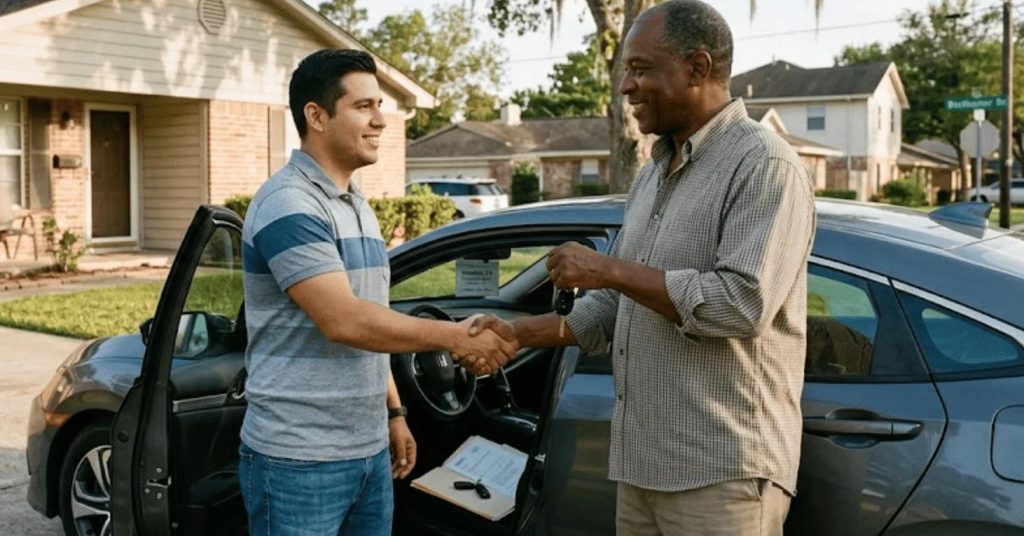
Get written offers from several dealerships and online car-buying services before deciding. Compare the actual amount you would receive, not just an advertised estimate. If you are buying another vehicle, also negotiate its purchase price separately rather than focusing only on the trade-in allowance.
A private sale may suit someone who has time and wants to maximize the return. A dealership or online buyer may be preferable when speed, convenience, and a simpler transaction matter more. The best choice is the one that gives you the strongest net result after considering both money and effort.
3. Clean and Detail the Car Before Showing It
First impressions matter when a potential buyer sees your car. Dusty paint, dirty floor mats, stained seats, and cluttered cup holders can make a vehicle appear neglected, even if its mechanical condition is reasonable. Spending time on presentation can help your car stand out against similar listings and give buyers more confidence when they inspect it.
Start with a thorough wash, including the wheels, tires, windows, door jambs, and areas around the trunk opening. Remove personal belongings, clean the dashboard and center console, vacuum the carpets, and wipe down the seats using products suitable for their material.
If the upholstery has stubborn stains, unpleasant odors, or embedded dirt, professional interior detailing may be worth considering.
Do not overlook small details. Clean headlights, remove old stickers if appropriate, organize the trunk, and make sure the windows are clear. If you have a second key, owner’s manual, cargo cover, or original accessories, put them together so buyers can see what is included. These details help present the vehicle as a complete package.
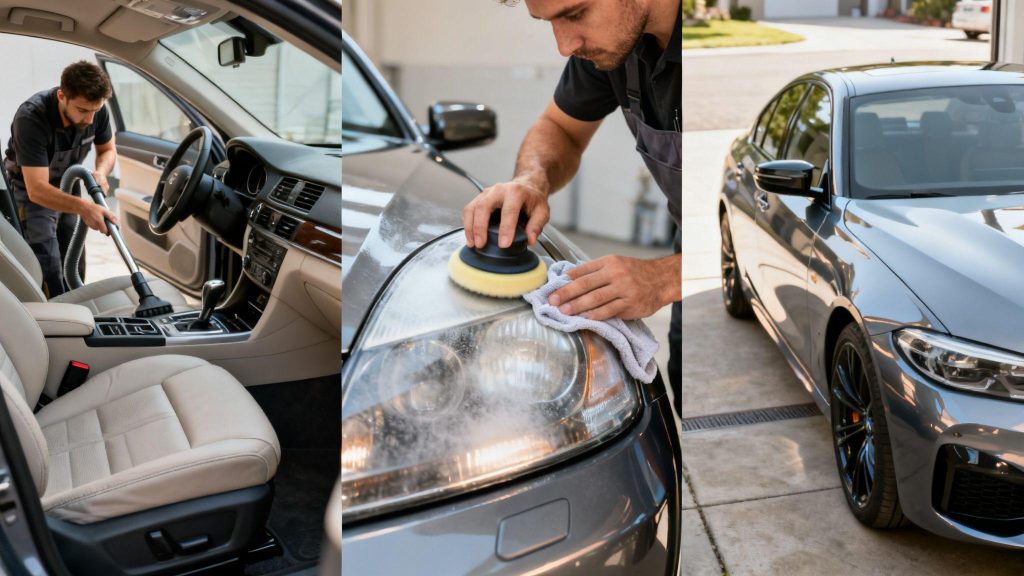
However, avoid spending heavily on cosmetic improvements that are unlikely to increase the selling price by a similar amount. A professional paint correction or expensive upholstery treatment may not make financial sense on a low-value vehicle. Concentrate on affordable improvements that noticeably improve cleanliness and presentation.
Consumer Reports recommends cleaning a vehicle before selling it, while Car and Driver also emphasizes photographing a clean car after removing personal belongings. A well-presented vehicle cannot hide mechanical problems, but it can make a more convincing first impression and help serious buyers assess its actual condition.
4. Gather Maintenance Records and Fix Affordable Problems
A buyer is not just purchasing a vehicle. They are also taking on its maintenance history and the possibility of future repair bills. Showing that you have looked after the car can make a meaningful difference during negotiations.
Collect service invoices, oil-change receipts, tire replacement records, brake work, battery replacements, and documentation for major repairs. Arrange them by date so a prospective buyer can follow the vehicle’s maintenance history without sorting through a pile of paperwork.
If you no longer have every receipt, contact the repair shops or dealerships that serviced the vehicle. Some may be able to provide copies of previous invoices or a summary of recorded work.
A clear maintenance timeline is more useful than simply telling buyers that the car has been well maintained. Kelley Blue Book identifies service records as valuable supporting documents when preparing a vehicle for sale.
Next, arrange a basic mechanical inspection and identify problems that could affect the sale. Replacing a failed bulb, worn wiper blades, or a damaged mirror may be inexpensive compared with the concern these faults create during a viewing.
However, do not automatically authorize major repairs. Ask for an estimate first and compare the likely improvement in selling price with the repair cost.
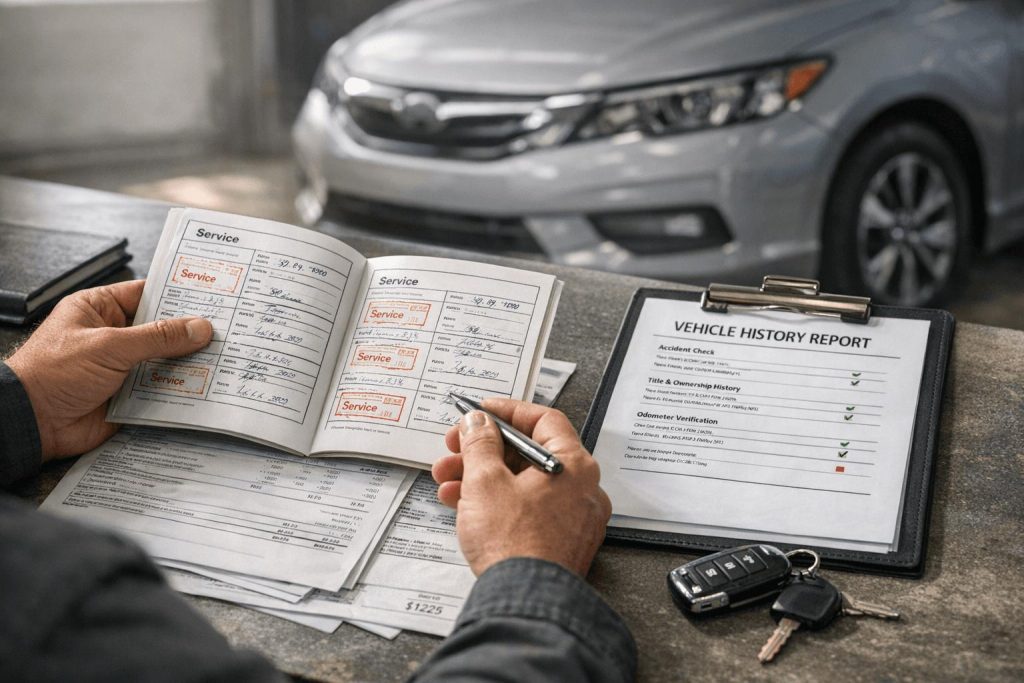
For an older vehicle, it may be more sensible to disclose a known issue and adjust the asking price than spend several thousand dollars attempting to eliminate every defect. Keep invoices for any work completed shortly before the sale.
Honesty is essential. Do not erase warning lights, conceal leaks, or describe unfinished repairs as completed. Buyers may arrange their own inspection, and undisclosed problems can damage trust or create disputes. Documented maintenance, sensible repairs, and transparent explanations give you a stronger position when negotiating.
5. Create a Detailed Listing With Clear, Recent Photographs
A strong listing can attract more serious buyers and reduce the number of people who contact you just to ask basic questions. Instead of writing a vague description such as “runs great, good condition,” give buyers the information they need to decide whether the vehicle is worth viewing.
Include the model year, make, model, trim, current odometer reading, asking price, title status, and general location. Mention useful equipment such as all-wheel drive, a backup camera, heated seats, or a recently replaced set of tires, but only if your vehicle actually has those features.
Explain what maintenance has been completed and identify known mechanical or cosmetic problems. If the vehicle has an accident history or a branded title, do not hide it.
Photographs are just as important as the written description. Take pictures after cleaning the car, preferably in good natural light. Capture the front, rear, both sides, wheels, tires, dashboard, front and rear seats, cargo area, and odometer.
Include clear close-ups of scratches, dents, worn upholstery, or other noticeable defects. Buyers appreciate seeing the vehicle as it actually looks rather than discovering damage after travelling to inspect it.
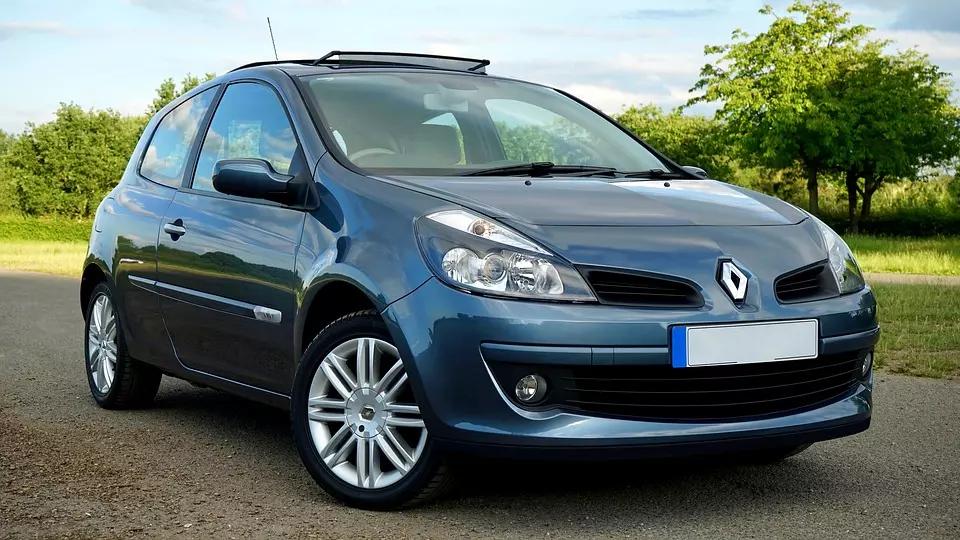
Autotrader recommends using clear photographs from multiple angles and providing accurate details about maintenance, equipment, and known issues. Its guidance also warns against inconsistent pricing and descriptions that exaggerate a vehicle’s condition.
Avoid filters or editing that changes the appearance of the paint, hides damage, or makes worn components look new. A listing that accurately represents the vehicle may receive fewer casual inquiries, but it is more likely to attract buyers whose expectations match the car. That can save time during negotiations and reduce the chance of a deal falling apart at inspection.
6. Negotiate Carefully and Complete the Sale Safely
Getting a promising offer is only half the job. The final negotiation, payment, and ownership transfer determine how much money you actually receive and whether the sale creates problems afterward.
Decide your minimum acceptable price before meeting buyers. That gives you a clear boundary and prevents pressure from pushing you into accepting an offer you will regret.
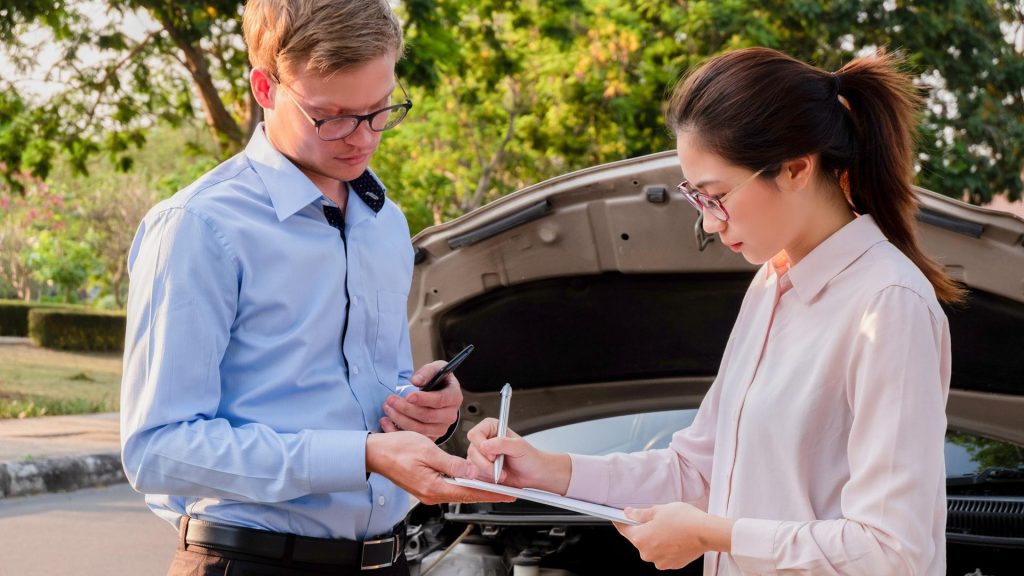
When someone negotiates, ask whether they have inspected the vehicle and whether their offer depends on a mechanic’s evaluation. A reasonable buyer may request an independent inspection, and allowing one can demonstrate confidence in your description.
Agree in advance who will pay for the inspection. If the buyer identifies a genuine problem, consider whether the repair cost justifies a price adjustment. Do not feel obliged to accept an unexplained demand for a large discount.
Be cautious with payment scams. Do not accept screenshots or emails as proof that money has arrived. Verify payment directly with your bank before handing over the keys or signing over the title.
Be especially wary of overpayment arrangements, requests to refund excess money, suspicious cashier’s checks, or buyers who want to complete the transaction without seeing the vehicle. Autotrader specifically warns sellers about overpayment and unusual payment arrangements.
Prepare a written bill of sale showing the buyer and seller, vehicle identification number, sale price, date, and agreed condition. State requirements differ, so check your state DMV’s rules for title assignment, odometer disclosure, license plates, and notice of sale.
Remove your personal belongings and electronic data, including saved navigation addresses and paired phones. Cancel or update insurance only after the transfer is properly completed and you no longer have responsibility for the vehicle.