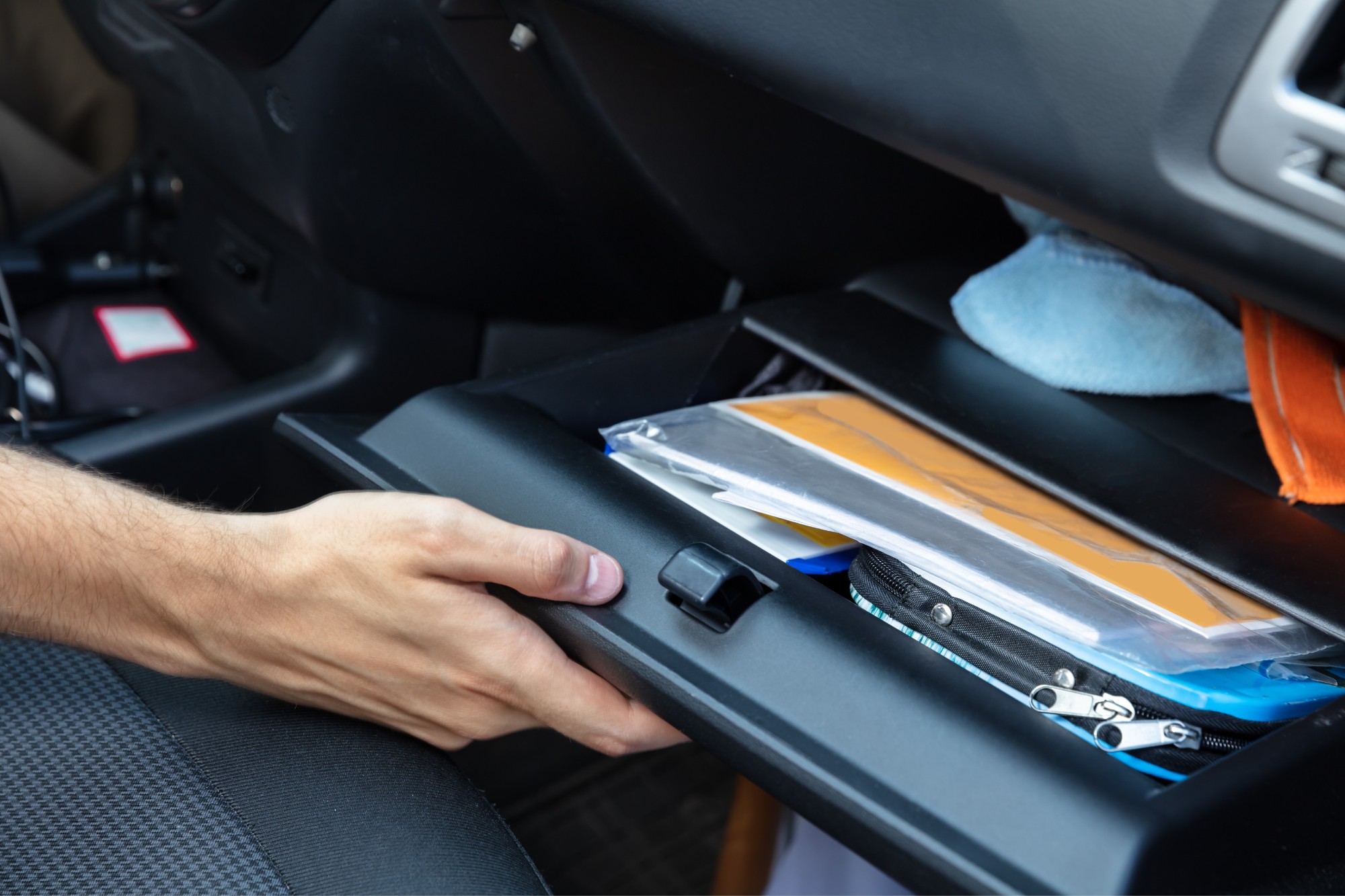
A glove box is small, but the items inside it can make a big difference when something goes wrong on the road. Whether you are dealing with a traffic stop, a minor breakdown, an unexpected delay, or a medical emergency, having a few essentials within reach can save time and reduce stress.
The trick is to keep useful items organized without filling the compartment with clutter. From important vehicle documents to a reliable emergency contact list, these are seven practical things worth keeping in your glove box, especially if you drive regularly across the United States.
1. Vehicle Registration and Proof of Insurance
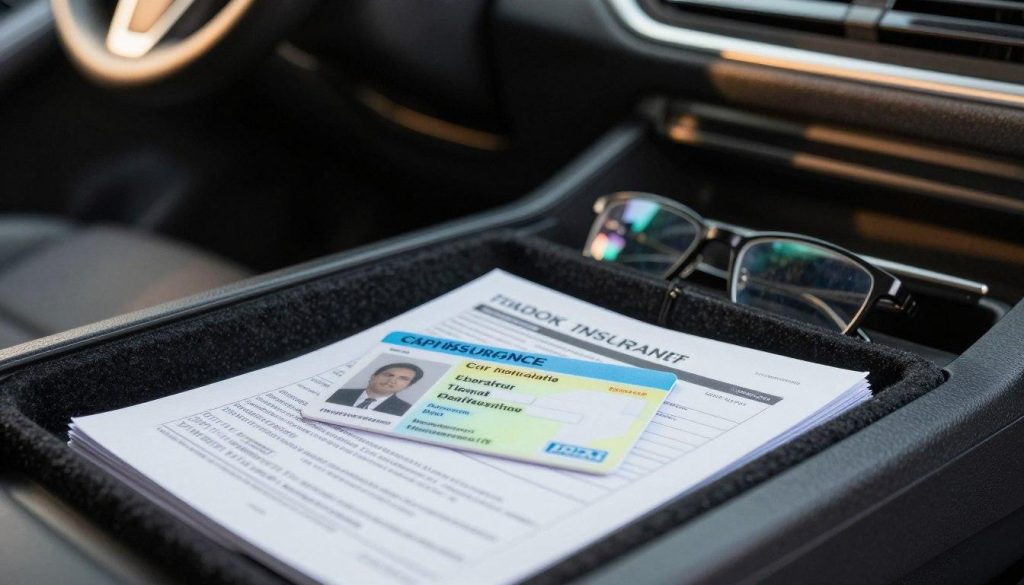
Your vehicle registration and proof of insurance should be among the first things you keep in the glove box. These documents may be needed during a traffic stop, after a collision, or when dealing with certain vehicle-related administrative matters.
Having them in one predictable location means you are not searching through your phone, wallet, or other compartments when you need them.
In the United States, vehicle registration requirements are handled by individual states. Drivers generally need to carry or be able to provide valid registration documentation, although the exact rules and accepted formats differ.
Insurance requirements also vary by state. Most states require drivers to maintain some form of financial responsibility, commonly liability insurance, and proof may be requested by law enforcement or after a crash. Check your state’s motor vehicle agency and insurance department for the specific rules that apply to your vehicle.
A practical approach is to keep the current registration card and your insurer’s latest proof-of-insurance card together in a slim document sleeve.
Some states and insurers accept digital proof of insurance, but a printed copy can be useful if your phone battery dies, the device is damaged, or you cannot access the relevant app. Do not assume a digital document is accepted for every purpose in every state.
Before placing paperwork in the glove box, remove expired registration cards and outdated insurance documents. Keep sensitive information protected from unnecessary exposure, and avoid leaving unrelated financial papers in the car.
If you regularly drive a vehicle that belongs to someone else, confirm that its registration and insurance documents are current and accessible. A little organization now can prevent an avoidable scramble later.
2. Your Vehicle Owner’s Manual
The owner’s manual is one of the most useful items to keep in your vehicle, yet many drivers leave it at home or forget where they stored it.
This booklet is written for your specific make, model, and model year, making it a valuable reference when a warning light appears, a dashboard control is unfamiliar, or you need to check a recommended maintenance procedure.
Modern vehicles can have complicated instrument panels and features. A symbol that looks unfamiliar may indicate anything from low tire pressure to a problem with the braking system. The manual explains what the warning indicators mean and, importantly, whether the vehicle should be stopped or can be driven to a repair facility.
It also identifies the correct fluid specifications, tire-pressure information, fuse locations, jump-starting instructions, and maintenance intervals for that particular vehicle. These details can differ significantly between models, so guessing based on another car’s instructions is not a good idea.
Keep the original manual in its designated glove-box sleeve if one is provided. If the compartment is too small, store it in a secure pocket elsewhere in the cabin where the driver can reach it safely while parked.
For vehicles without a physical booklet, download the manufacturer’s official digital version before you need it. Do not depend entirely on an internet connection, particularly when travelling through areas with poor mobile coverage.
The manual is not a replacement for professional help when a serious warning appears. For example, an oil-pressure warning or an overheating alert may require you to stop safely rather than continue driving while searching for an explanation.
Use the manual to understand the warning and follow its instructions. Keeping it close gives you vehicle-specific information instead of relying on guesswork, random online advice, or memory.
3. A Compact First-Aid Kit
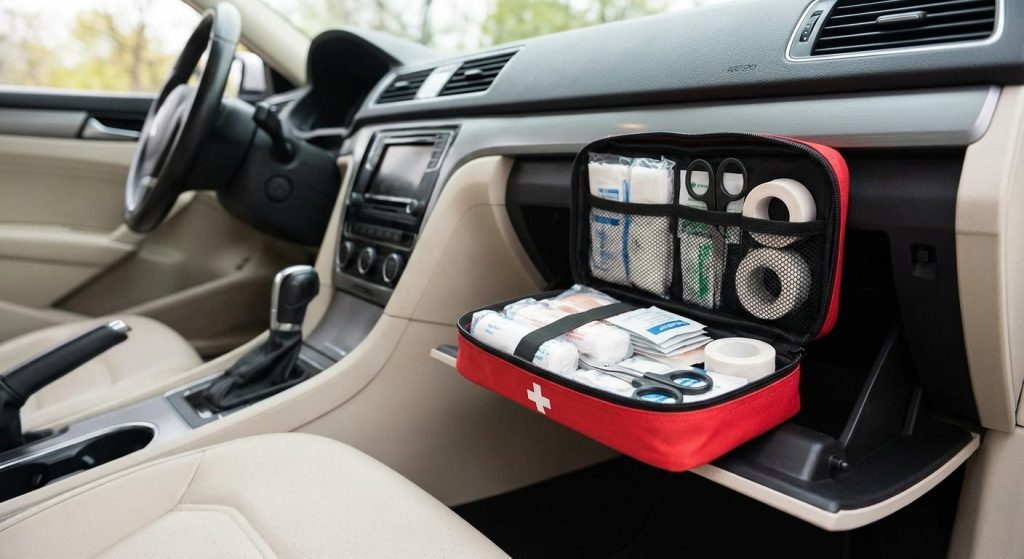
A minor injury can happen anywhere, including during an ordinary commute. A compact first-aid kit gives you basic supplies for handling small cuts, scrapes, blisters, and other minor problems until proper medical assistance is available. It is especially useful when travelling with children, older passengers, or people who may need regular medication.
Choose a small, organized kit containing adhesive bandages in different sizes, sterile gauze pads, medical tape, antiseptic wipes, disposable gloves, and small scissors.
Tweezers can also be useful for removing superficial splinters. Keep the contents in their original packaging where possible, and check expiration dates periodically. Replace anything that has been used, damaged, or exposed to moisture.
Do not treat a first-aid kit as a substitute for emergency medical care. Serious bleeding, suspected fractures, burns, chest pain, or injuries following a major collision require appropriate professional attention.
If someone is seriously injured, call 911 and follow the emergency operator’s instructions rather than attempting a complicated treatment yourself. Drivers should also avoid moving an injured person unless there is an immediate danger, such as fire or approaching traffic.
Temperature is an important consideration. A glove box can become extremely hot during summer, potentially damaging certain medical supplies and medications.
Store temperature-sensitive medicines according to their packaging instructions, and do not leave essential prescriptions in a hot vehicle. If your kit contains medication, check with a pharmacist about appropriate storage.
The National Highway Traffic Safety Administration includes a first-aid kit among its recommended vehicle emergency supplies. A compact version can fit in many glove compartments, while a larger kit can be stored elsewhere in the cabin or trunk.
4. A Flashlight and Spare Batteries
A flashlight may seem like a basic item, but it becomes extremely useful when something goes wrong after dark. Imagine discovering a warning light on a poorly lit road, dropping an important document beneath the passenger seat, or needing to inspect a tire in a dark parking area.
Your phone’s flashlight can help, but using it drains the battery you may need for navigation, roadside assistance, or an emergency call.
Choose a compact LED flashlight that is easy to operate with one hand. A model with a simple power button is often more practical than one with complicated settings.
Check its brightness and battery type before buying, and make sure replacement batteries are easy to find. Keeping a spare set in a small protective case can prevent an otherwise useful flashlight from becoming useless when its power runs out.
A rechargeable flashlight is another option, especially if you regularly charge it at home. However, do not assume it will always be ready when needed. Check its charge periodically and avoid storing it for months without testing it.
If you choose a battery-powered model, remove leaking or damaged batteries promptly and follow the manufacturer’s storage recommendations.
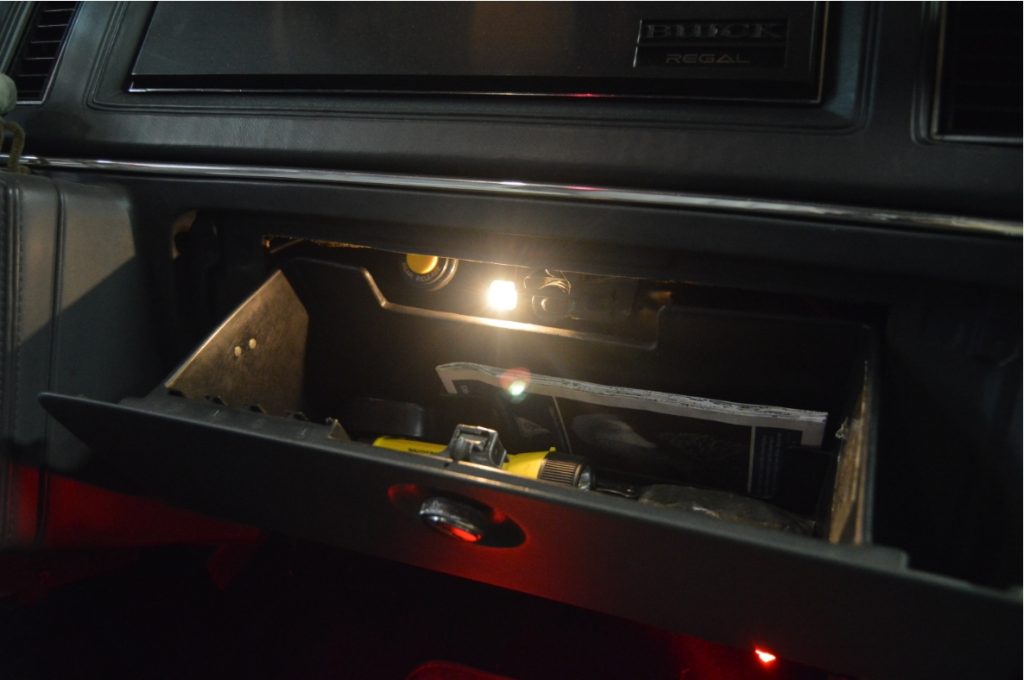
The glove box is a convenient location because the light remains accessible without opening the trunk. It can help you read paperwork, locate controls, or see inside the cabin when parked safely. For inspecting the engine bay or changing a tire, a headlamp can be even more practical because it leaves both hands free.
NHTSA specifically lists a flashlight among recommended emergency roadside supplies, while the National Safety Council also recommends keeping one with spare batteries in a vehicle emergency kit. It is a small purchase that can make an inconvenient situation much easier to manage.
5. An Emergency Contact Card and Roadside Assistance Details
Your phone may contain dozens of useful contacts, but it is not always dependable during an emergency. The battery can run out, the screen can break in a collision, or mobile service may be unavailable in a remote area. A small printed emergency contact card provides a backup when digital information cannot be accessed.
Include the phone numbers for your roadside assistance provider, auto insurance company, preferred repair shop, and one or two trusted emergency contacts.
If you have a vehicle warranty or roadside assistance membership, write down the relevant policy or membership number as well. Keep the information brief and readable so someone can find the right number without sorting through several pages.
It can also be helpful to include basic information about the vehicle, such as its make, model, and license plate number. Avoid putting unnecessary personal information on a card that could be seen by anyone opening the glove compartment. In particular, do not include passwords, banking details, or sensitive account credentials.
Before travelling, confirm that the roadside assistance number is current and that you understand what the service covers. Some plans provide towing only within a certain distance, while others may include battery assistance, flat-tire help, lockout service, or fuel delivery.
Coverage depends on the provider and membership terms, so check your own agreement rather than assuming every service is included.
The National Safety Council recommends keeping important emergency numbers accessible, and Utah State University Extension also advises storing contact information for family members, insurance providers, and mechanics. A printed card takes up almost no space and provides a useful backup when your phone is unavailable.
6. A Phone Charging Cable and Backup Power Source
A working phone can be essential during a breakdown, accident, or unexpected delay. It allows you to contact emergency services, call roadside assistance, access navigation, and inform someone about your location.
Keeping a charging cable in the glove box means you have a backup even if you normally carry one in your bag or use wireless charging.
Choose a cable that matches your phone and the vehicle’s available charging ports. Some older cars have USB-A connections or a 12-volt outlet, while newer models may offer USB-C ports. Check compatibility before buying an adapter or cable.
A compact power bank can provide another option if the vehicle’s electrical system is not working, but it should be charged periodically and stored according to its manufacturer’s temperature guidance.
Heat deserves special attention. Glove compartments can become hot when a vehicle is parked in direct sunlight. Lithium-ion power banks and phones should not be left in excessive heat because high temperatures can damage batteries and, in extreme circumstances, create a fire risk.
If the cabin becomes very hot, take the power bank with you rather than leaving it inside for extended periods.

Do not handle or connect charging equipment while driving if it requires you to look away from the road or take your hands off the wheel. Set up your phone before starting the journey, use hands-free features where appropriate, and pull over safely if you need to troubleshoot a connection.
AAA recommends keeping a cell phone and car charger in the glove compartment as part of an emergency vehicle setup. NHTSA also identifies a phone and charger as important roadside supplies. This simple combination can help you stay connected when a trip does not go according to plan.
7. A Pen, Small Notepad, and Accident Information Checklist
A pen and small notepad are easy to overlook, but they can be surprisingly valuable after an accident or during an unexpected roadside situation. If your phone is damaged, its battery is dead, or you need to exchange information with another driver, having something to write with provides a simple backup.
Use the notepad to record the date, time, location, and basic details of an incident. If another vehicle is involved, you may need to note its license plate number, make, model, and color, along with the other driver’s name and contact information.
You can also record insurance details and contact information for witnesses, where appropriate. Keep the notes factual and avoid arguing about who was responsible at the scene.
A printed accident checklist can make the process easier. It might remind you to check for injuries, call 911 when necessary, contact your insurer, and document vehicle damage when it is safe to do so.
Photographs can provide useful evidence, but never step into moving traffic or put yourself at risk to take them. Follow instructions from emergency responders and law enforcement.
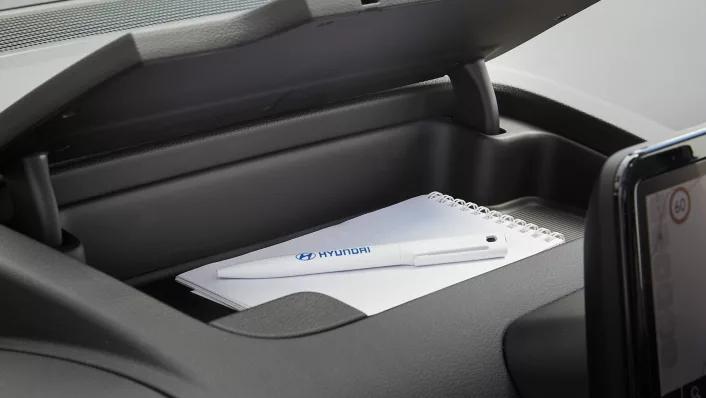
The notepad can serve other purposes too. You might write down a roadside assistance reference number, a repair estimate, or directions when your phone is unavailable. Choose a small notebook that fits comfortably in the glove compartment and use a pen that works reliably. A basic ballpoint pen is usually sufficient.
Do not treat handwritten notes as a replacement for official accident reports or insurance procedures. Requirements differ by state, and some collisions must be reported to law enforcement under specific circumstances.
Check your state’s rules and your insurer’s instructions. This inexpensive item simply gives you a practical way to preserve important details when you need them.