
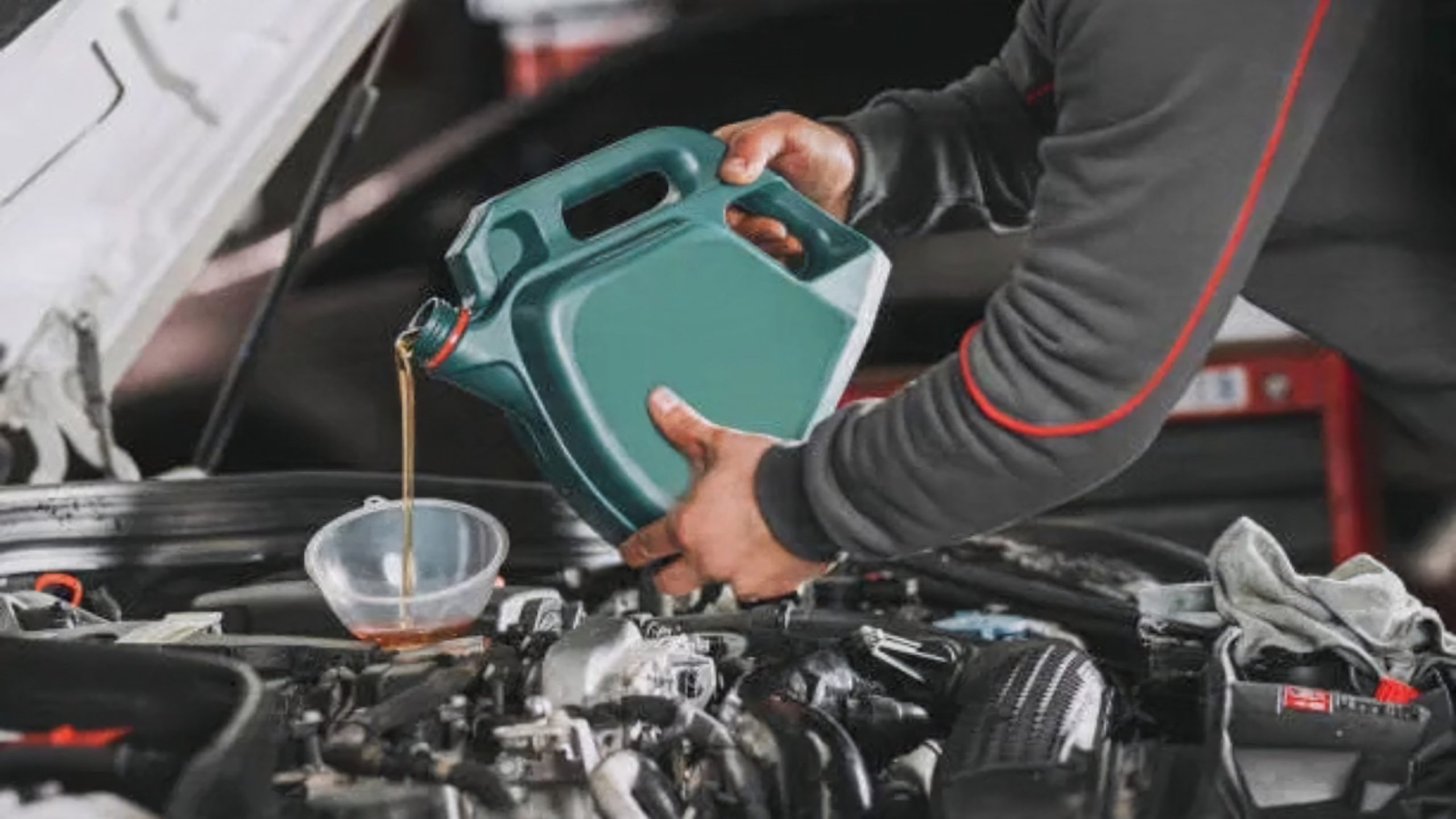
You check the dipstick, only to discover that your engine is down another quart. Sound familiar? Some engines develop serious oil consumption problems long before reaching 100,000 miles, leaving owners constantly topping up and wondering where the oil is going. In many cases, the problem comes down to weak piston rings, defective valve seals, poor engine design, or faulty crankcase ventilation systems.
What starts as a minor inconvenience can eventually lead to expensive repairs or even complete engine failure. Whether you already own one of these vehicles or are considering buying a used car, knowing which engines have a history of excessive oil consumption can save you considerable money and frustration. Here are 10 engines that have attracted complaints from owners for burning through oil.
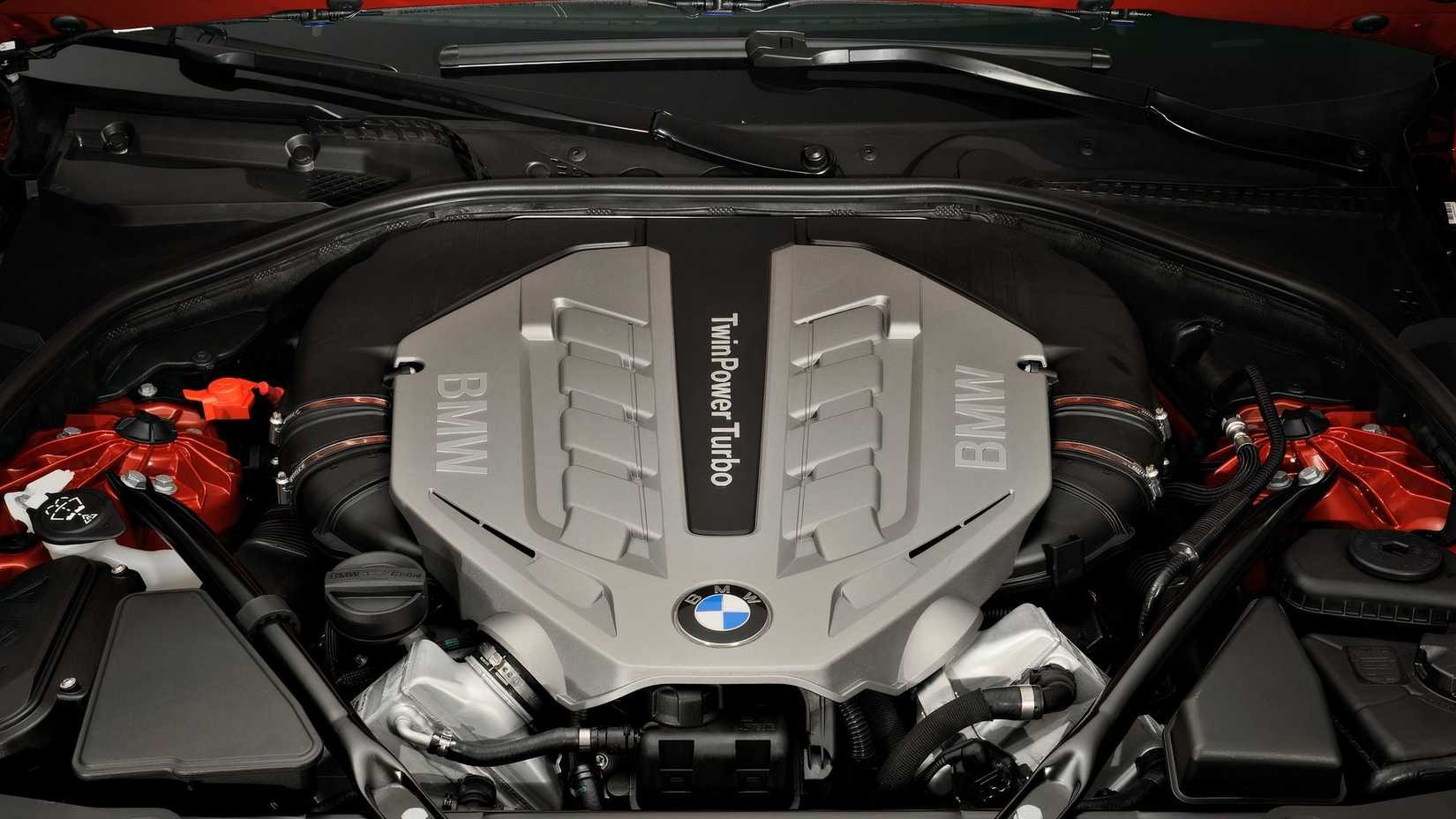
1. BMW N63 4.4L Twin-Turbo V8 (2008-2019)
BMW’s N63 4.4-litre twin-turbo V8 is known for its performance, but owners need to pay close attention to its oil level. One reason is the engine’s unusual design. Its two turbochargers sit inside the V-shaped space between the cylinder banks.
This arrangement helps deliver power, but it also exposes components to high temperatures. The heat can damage valve stem seals and contribute to piston ring wear, allowing engine oil to enter the combustion chambers and burn.
BMW fitted this engine to several models, including the 550i, 650i, 750i, X5, X6 and M5. These vehicles offer acceleration, yet some owners have reported having to add oil between scheduled services. In certain cases, the engine uses enough oil to require more than one top-up before the next service appointment.
For owners, regular oil checks are essential. Do not wait for a dashboard warning before checking the dipstick, because running with too little oil can damage the turbochargers, bearings, and other engine parts.
If you notice that the level keeps dropping, ask a qualified mechanic to find the cause instead of simply adding more oil.
Anyone planning to buy a used BMW with the N63 should request its service history. Arrange an inspection with a mechanic who understands BMW engines, and ask whether the valve stem seals, piston rings, or other affected parts have been repaired.
It is sensible to keep a bottle of the correct engine oil in the boot. Careful checks and timely repairs can help prevent a costly engine failure.
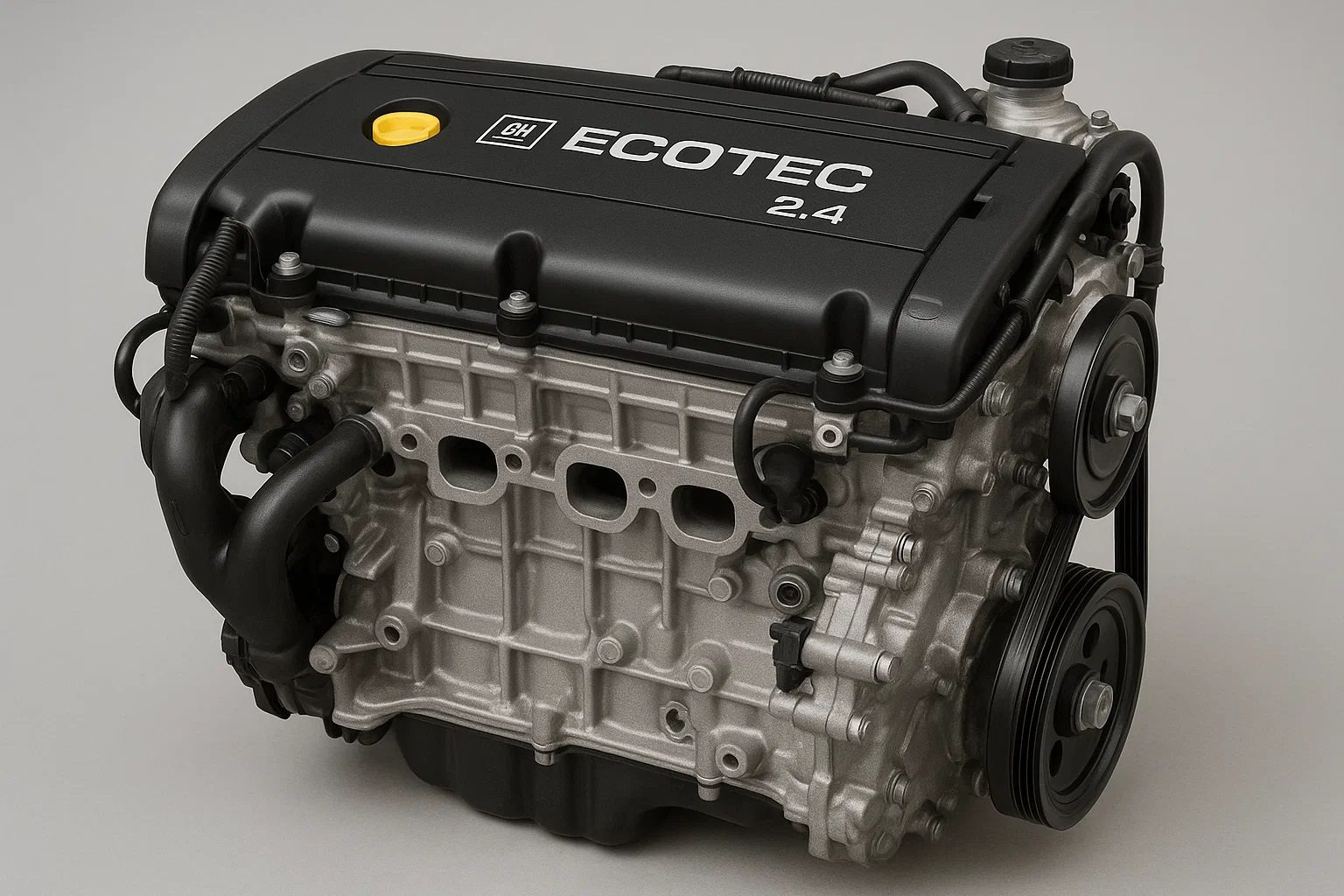
2. GM 2.4L Ecotec 4-Cylinder (2010-2017)
General Motors designed the 2.4L Ecotec engine to deliver better fuel economy, but its piston ring design became a source of trouble for many owners. The engine uses low-tension piston rings to reduce friction and improve efficiency.
Unfortunately, some of these rings fail to maintain enough pressure against the cylinder walls, making it difficult to remove excess oil. As a result, oil enters the combustion chambers and burns while the engine is running.
This problem has affected several popular vehicles, including the Chevrolet Equinox, GMC Terrain, and Buick Verano. Some owners have reported losing about one quart of oil every 800 to 1,200 miles, even when their vehicles have covered fewer than 80,000 miles.
For many drivers, this means spending extra money on engine oil between scheduled services. If you own a vehicle with this engine, make a habit of checking the dipstick regularly.
Checking the oil at every other fuel stop can help you notice unusual consumption before it causes further damage. Keep a record of every top-up, as this information may be useful when requesting warranty assistance.
Before buying a used model, ask whether the piston rings have been replaced with updated parts. Request maintenance records and find out how frequently the previous owner added oil. A professional inspection can also reveal signs of oil leaks or internal engine problems.
Always use oil that meets the manufacturer’s specifications, and never ignore a falling oil level. Early attention can prevent expensive repairs.
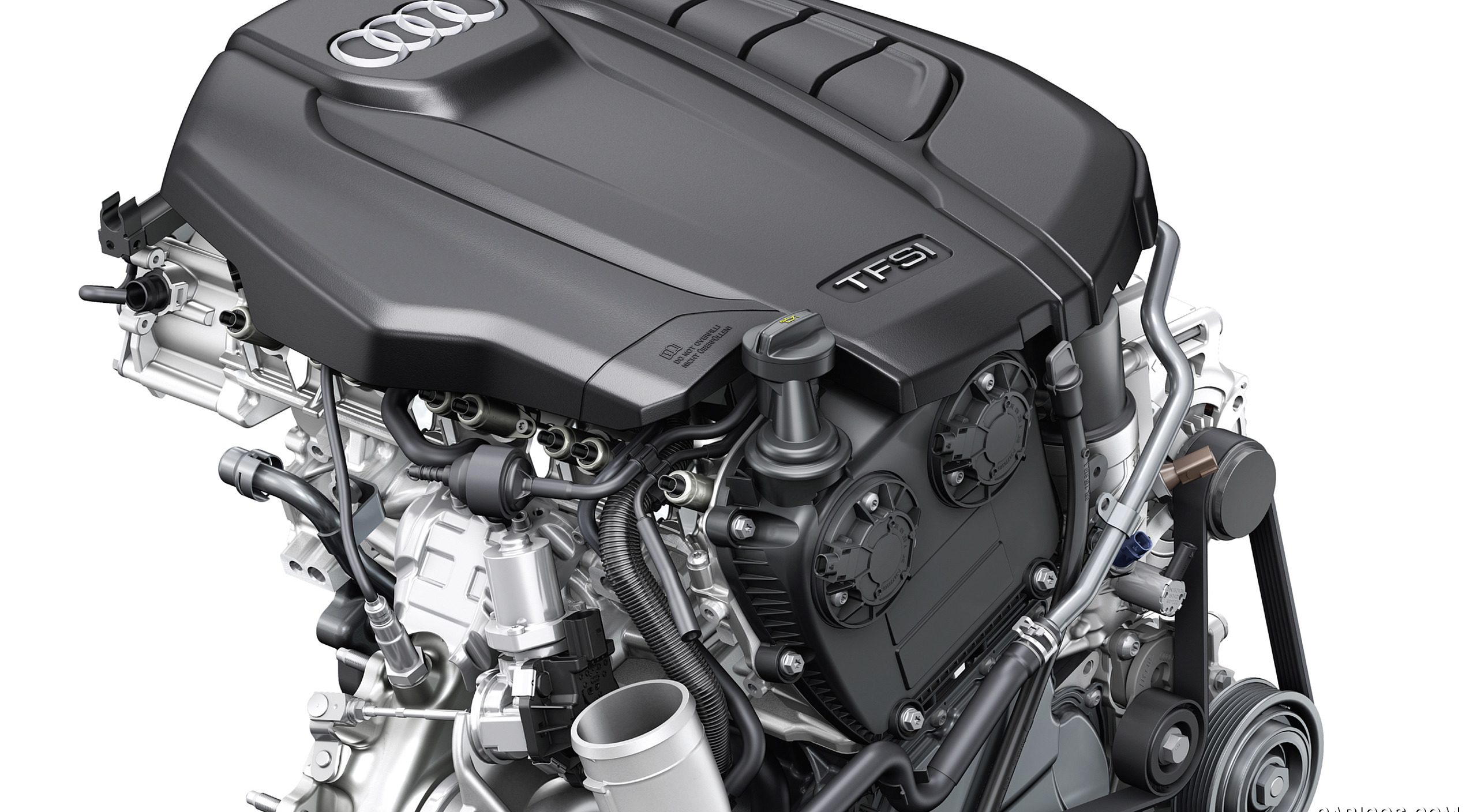
3. Audi/VW 2.0L TFSI Turbo 4-Cylinder (2009-2014)
Some early versions of Volkswagen Group’s 2.0L TFSI engine became known for consuming excessive amounts of oil. The EA888 engine family experienced problems involving poorly designed piston ring tolerances and faulty positive crankcase ventilation (PCV) valves.
These faults allowed engine oil to enter the combustion chambers and burn during normal operation. The complaints became serious enough to result in a class-action lawsuit involving certain Audi vehicles.
This engine was fitted to several popular models, including the Audi A4, A5 and Q5, as well as the Volkswagen GTI. While these vehicles offer enjoyable driving performance, their oil consumption problems have caused frustration for many owners.
When the PCV valve stops working properly, it can interfere with crankcase pressure regulation and allow oil to enter the intake system. Poorly performing piston rings create another problem by allowing oil to pass the pistons and burn inside the cylinders. This can lead to frequent oil top-ups and expensive engine repairs if ignored.
If you own one of these vehicles, check the oil level manually and pay attention to how quickly it drops between services. Ask an Audi or Volkswagen dealer whether updated piston rings, replacement PCV components, or other corrective repairs have been installed.
For used-car buyers, maintenance records deserve careful attention. Ask the seller about previous oil consumption problems and request proof of completed repairs. Having the vehicle inspected by a mechanic familiar with these engines can help you avoid an expensive purchase mistake.
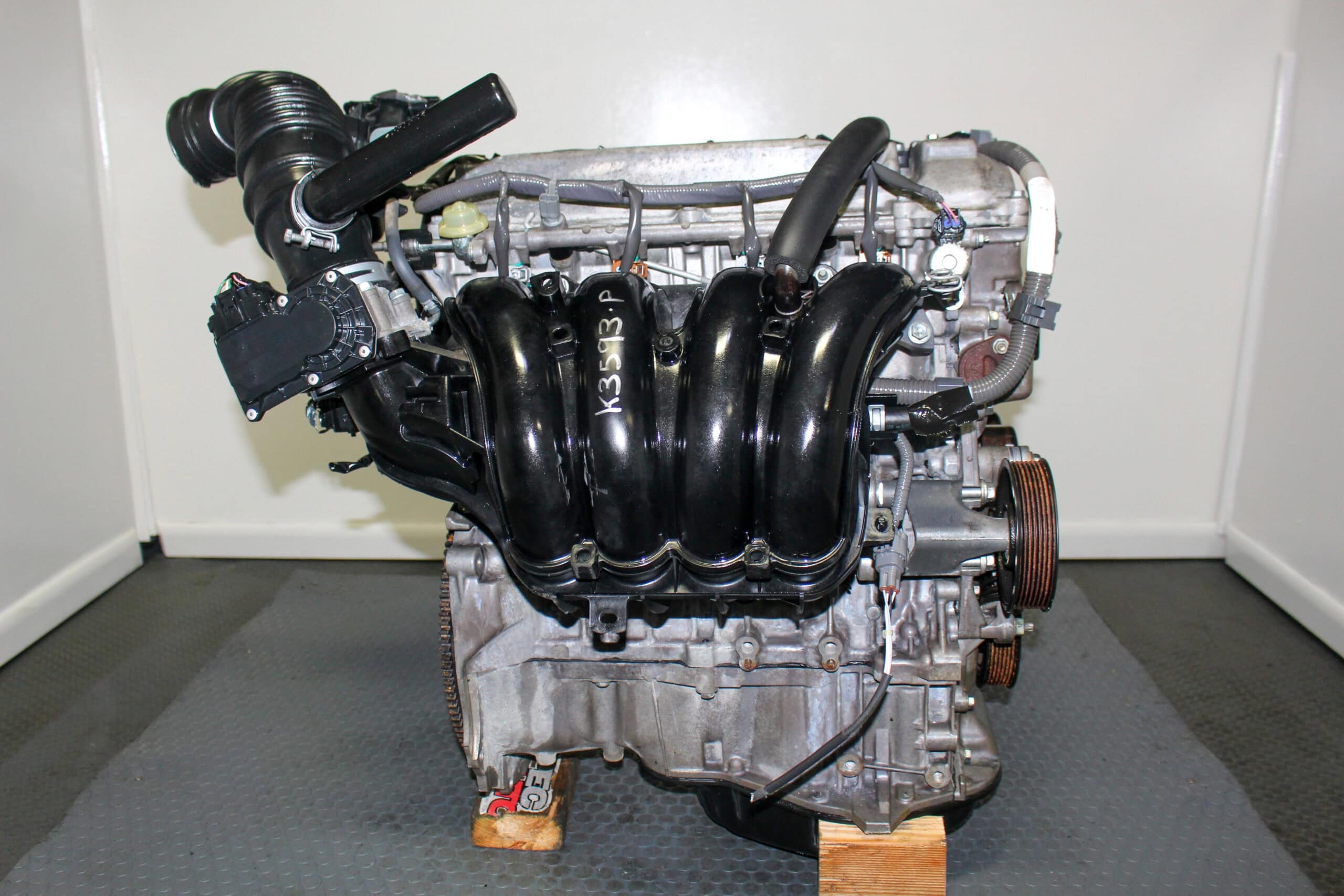
4. Toyota 2AZ-FE 2.4L 4-Cylinder (2006-2011)
Toyota is famous for building dependable engines, but the 2AZ-FE 2.4L is an example of how even reliable manufacturers can produce problematic designs.
Its main weakness involves the piston oil-control system. Carbon buildup can restrict the small oil-return holes in the pistons, preventing oil from draining properly. This can cause the oil-control rings to become ineffective, allowing excessive oil to enter the combustion chambers and burn.
The engine was used in several popular vehicles, including the Toyota Camry, RAV4, Scion tC, and Matrix.
Toyota acknowledged the issue through a warranty enhancement program covering certain affected vehicles, extending coverage to 10 years or 150,000 miles under applicable conditions.
If you own one, contact a Toyota dealership with your VIN to determine whether any coverage or assistance remains available.
Watch for falling oil levels between services, particularly if the engine regularly needs additional oil.
Although regular oil changes can help reduce deposits, they cannot reverse an existing piston design problem. When shopping for a used model, prioritize vehicles with documented repairs and a complete maintenance history.
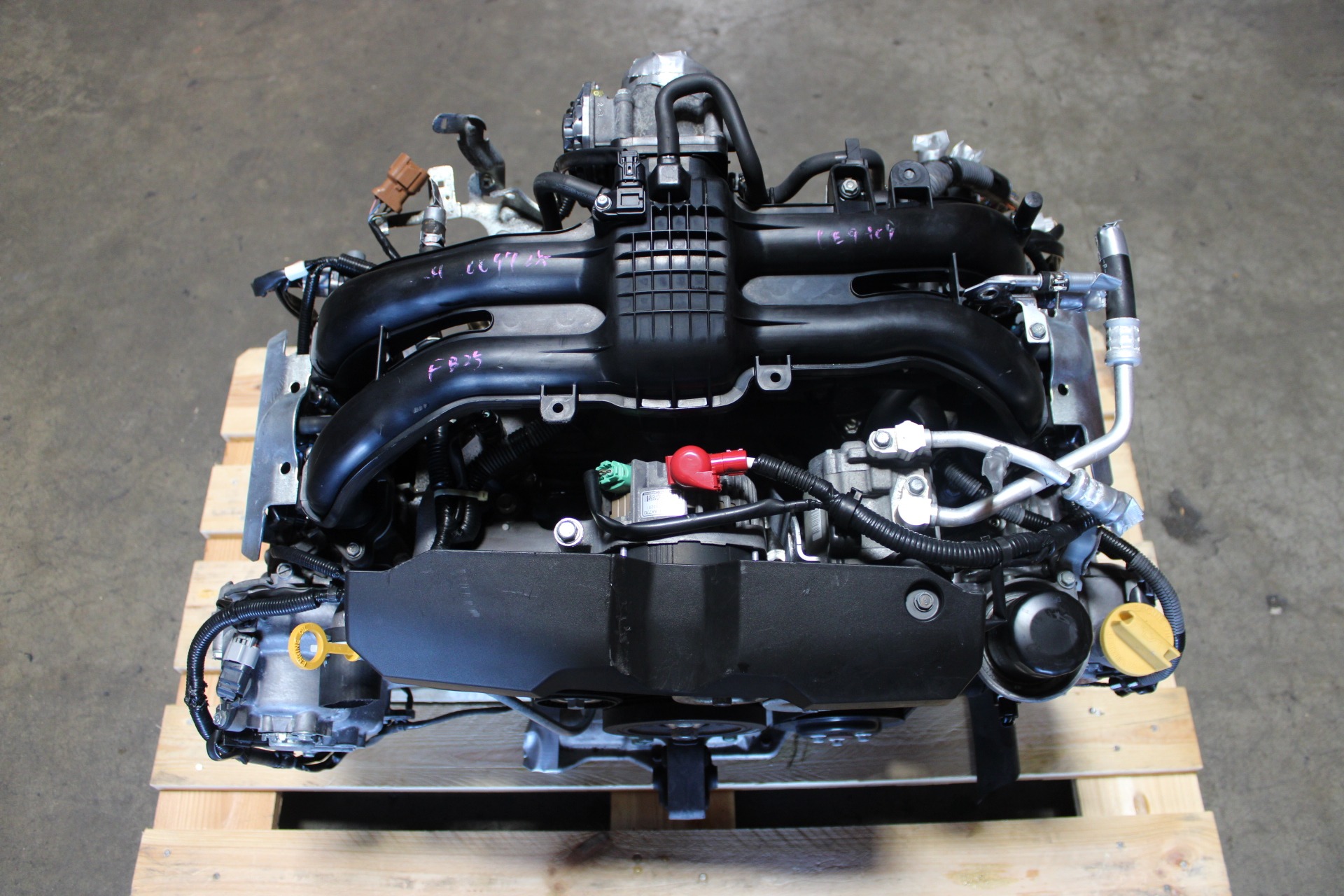
5. Subaru 2.5L FB25 & EJ25 Boxer 4-Cylinder (2011-2015)
Subaru’s boxer engines have a distinctive design that places the cylinders horizontally on opposite sides of the crankshaft.
Although this arrangement helps provide a lower centre of gravity and good vehicle balance, certain versions have developed excessive oil consumption problems.
Some owners have reported that oil passes the piston rings and enters the combustion chambers, where it burns during normal engine operation. Early FB-series engines, in particular, experienced complaints involving low-tension piston rings that struggled to control oil properly.
The problem affected several popular Subaru models, including the Forester, Outback, Impreza, and Legacy. Many drivers appreciate these vehicles for their handling and all-wheel-drive performance, but frequent oil top-ups can make ownership frustrating.
The complaints became serious enough to result in a class-action settlement covering certain affected vehicles.
If you own a Subaru with one of these engines, make a habit of checking the dipstick, especially before travelling long distances. Running the engine with insufficient oil can damage internal components and lead to expensive repairs.
Contact an authorised Subaru dealership to find out whether your vehicle qualifies for any settlement benefits, extended warranty coverage, or repair reimbursement. Keep your maintenance receipts and records of every oil top-up.
Some owners report better results with different oil brands or viscosities, but always follow the specifications in your owner’s manual.
When buying a used Subaru, ask whether the piston rings have been replaced and request proof of the repair. A vehicle with documented engine repairs and proper maintenance records is a safer purchase.
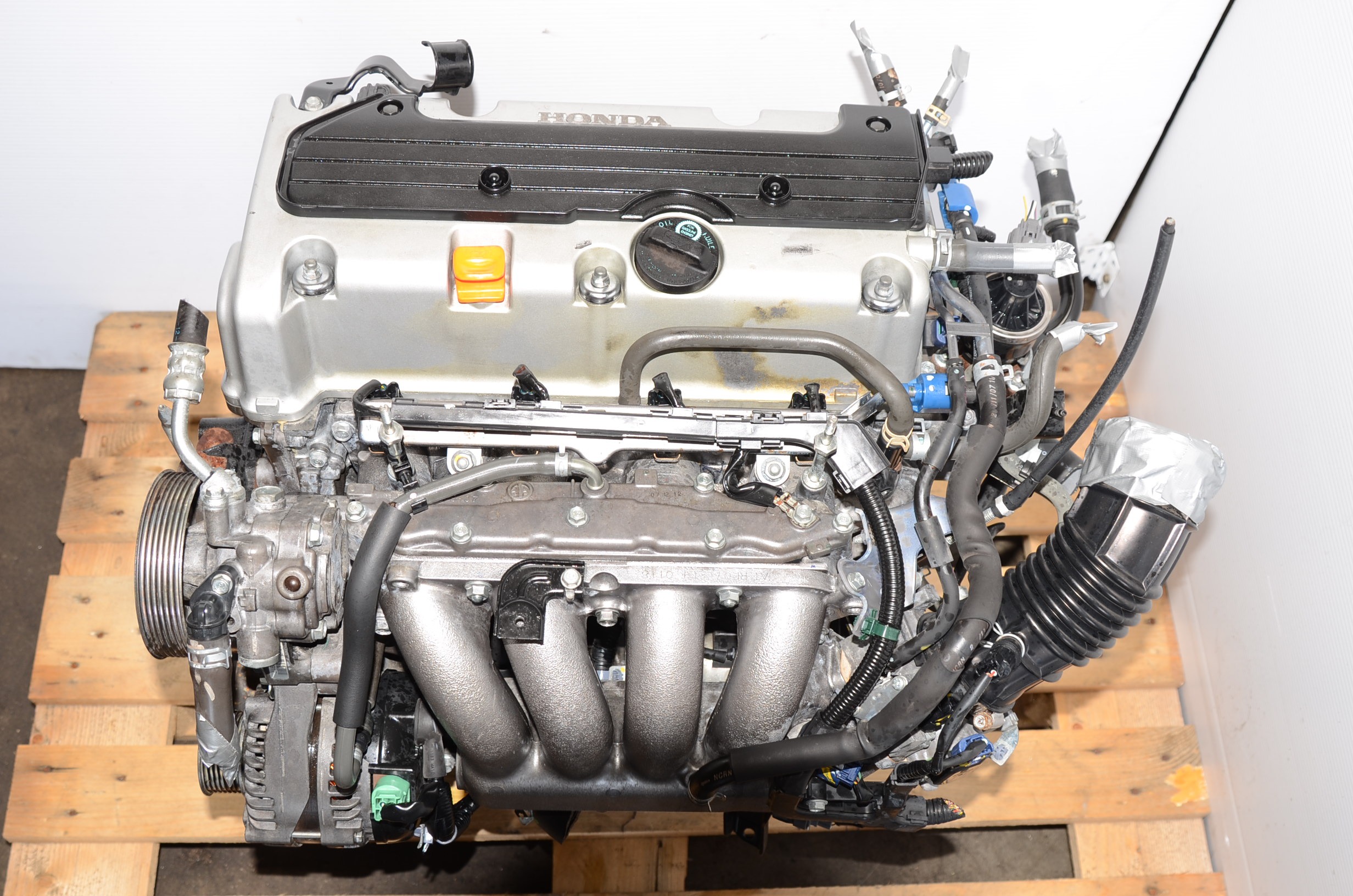
6. Honda 2.4L K24 4-Cylinder (2008-2011)
Honda is rarely associated with this type of problem, but some K24 engines produced during these years developed a significant issue. Excessive cylinder wall wear and carbon buildup could cause the piston rings to stick, leading to engine-related problems.
When rings stick, they cannot control oil properly. Oil slips past, burns, and leaves the owner topping off more often than expected.
The affected motors went into the Accord and CR-V. Honda responded by extending the warranty on affected engines to 8 years or 125,000 miles, which was a reassuring step for owners.
Check whether your car qualifies for the extension. A call to a Honda dealer with your VIN will answer that quickly. Keep your maintenance records, since proof of regular service can strengthen a claim.
Do not wait for symptoms to get worse. Watch for blue smoke at startup, a falling oil level, or a burning smell. Any of these deserves a quick inspection.
If you are shopping for a used Accord or CR-V from this period, ask for repair history and have a mechanic run a compression test. A few minutes of checking can help you avoid a costly surprise.
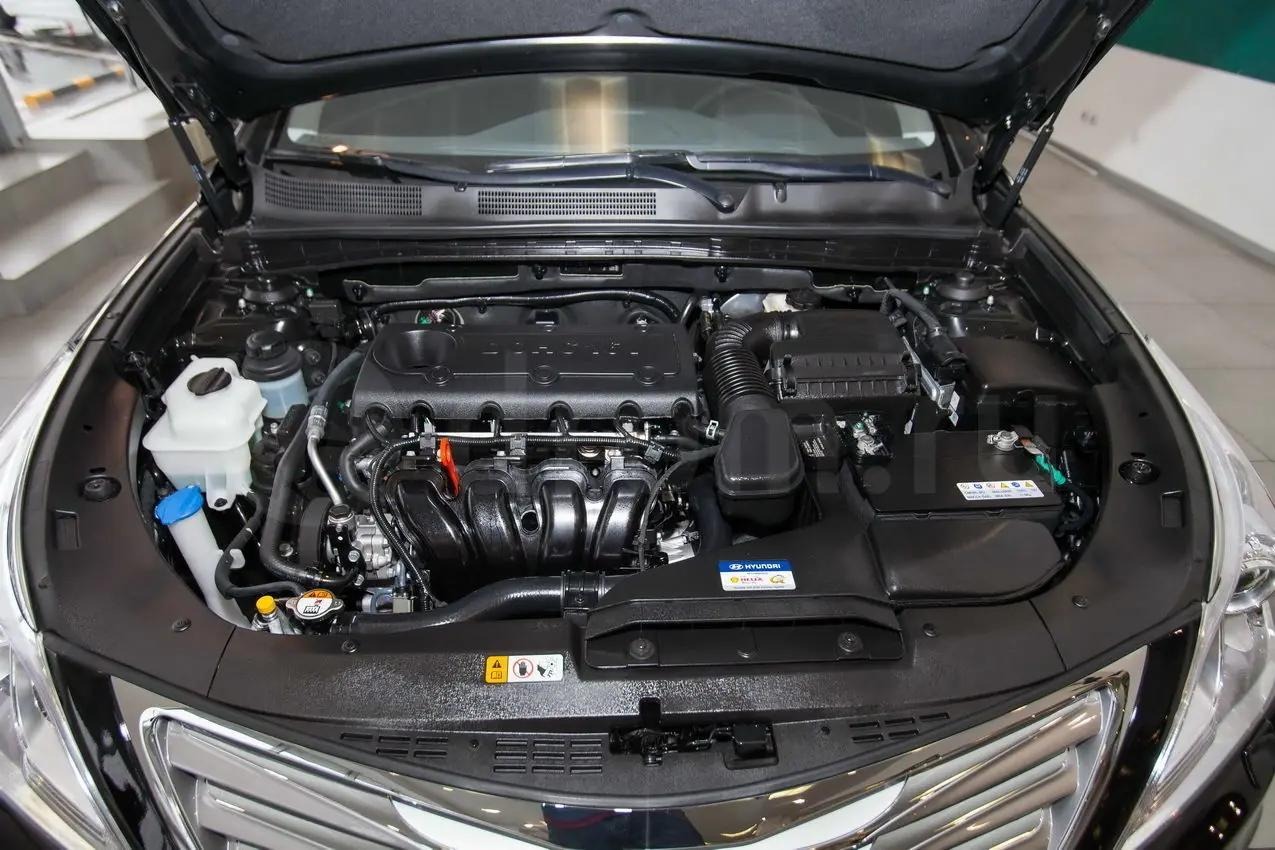
7. Hyundai/Kia 2.4L Theta II and 2.0L Nu 4-Cylinder (2011-2019)
Hyundai and Kia have faced numerous complaints from owners of vehicles fitted with certain 2.4L Theta II and 2.0L Nu engines. These engines have been associated with excessive oil consumption, premature piston ring wear, and manufacturing debris that can restrict oil passages.
When lubrication becomes inadequate, internal components may wear faster, increasing the risk of connecting rod bearing failure. In some cases, owners have experienced serious engine damage before their vehicles reach 100,000 miles.
Several popular models use these engines, including the Hyundai Sonata and Santa Fe, as well as the Kia Optima and Sportage.
Many families bought these vehicles because they offered good features and reasonable running costs, making unexpected engine repairs particularly frustrating.
For owners, checking the dipstick regularly is essential. Do not depend entirely on the dashboard warning light, as the oil level may already be dangerously low before it comes on. Keep records of every oil change, top-up, and repair carried out.
Hyundai and Kia have introduced recalls, service campaigns, and warranty extensions for certain affected vehicles. Contact an authorised dealership with your VIN to find out whether your car qualifies for assistance.
If you notice knocking sounds, ticking noises, or reduced engine power, stop driving and arrange an inspection. Anyone buying a used model should request maintenance records and confirm that applicable recalls and engine repairs have been completed.
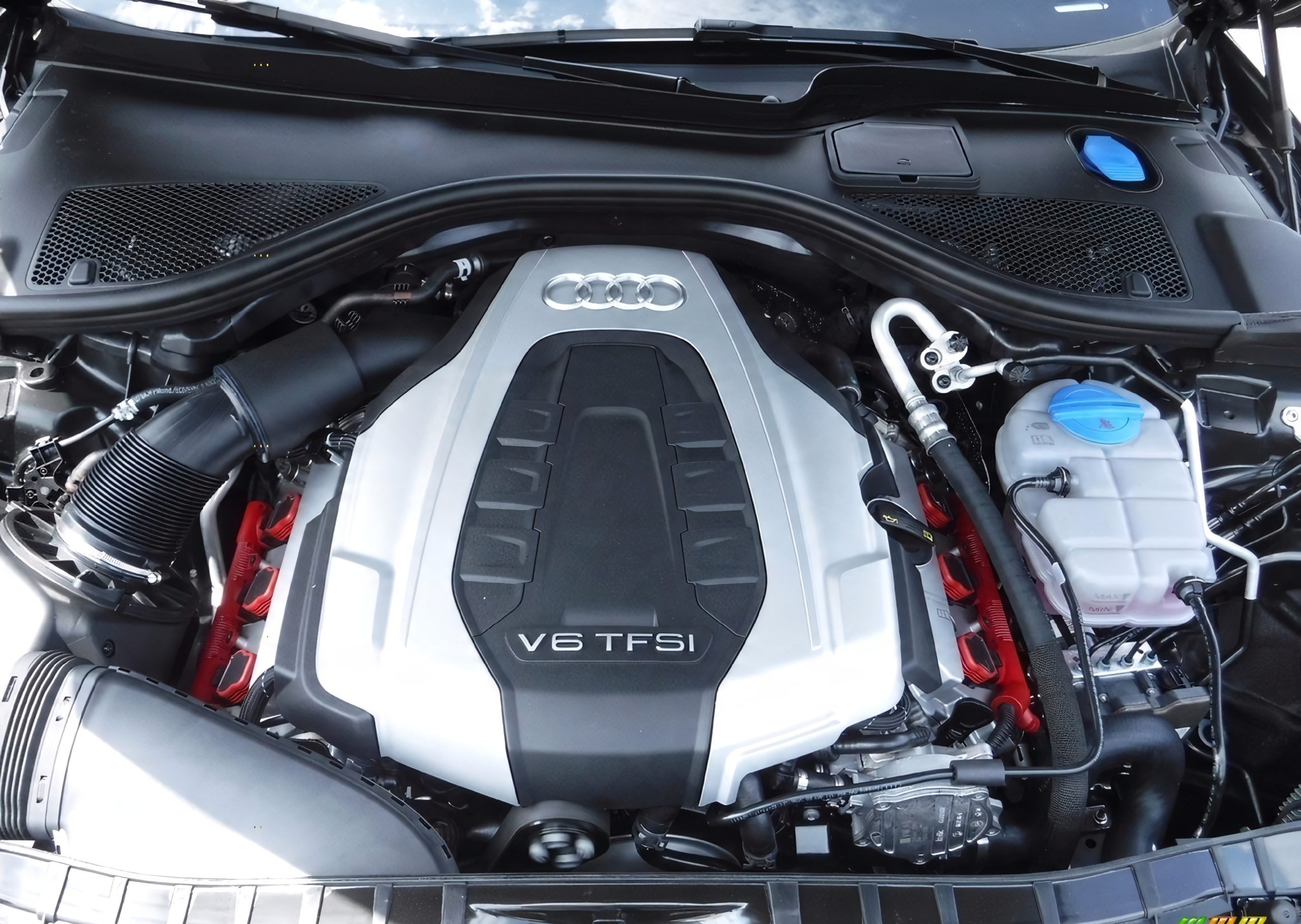
8. Audi 3.0L Supercharged V6 (2010-2017)
Audi’s supercharged 3.0L V6 offers impressive acceleration and smooth performance, but certain versions have developed oil consumption problems as mileage increases.
The main areas that require attention are the crankcase ventilation system and piston rings. When the positive crankcase ventilation (PCV) valve becomes faulty, it can interfere with pressure regulation inside the engine and allow oil to enter the intake system.
The oil then burns during normal engine operation. Worn piston rings can also allow oil to pass into the combustion chambers, making the problem worse.
Audi fitted this engine to several models, including the S4, A6, A7, and Q7. Although these vehicles provide an enjoyable driving experience, frequent oil top-ups can become an additional expense for owners.
If you own one, make a habit of checking the dipstick between scheduled services. A steady drop in oil level should not be ignored, even when there are no visible leaks beneath the vehicle.
Ask a qualified mechanic to inspect the PCV system, check for oil entering the intake, and examine the engine for signs of internal wear.
Replacing a faulty crankcase breather valve may cost less than allowing the problem to continue and damage other engine components.
For anyone buying a used Audi, request maintenance records and ask whether the vehicle has experienced excessive oil consumption. Arrange an inspection with an Audi specialist before making payment.
Checking for exhaust smoke, oil leaks, warning lights, and previous engine repairs can help you avoid an expensive purchase mistake.
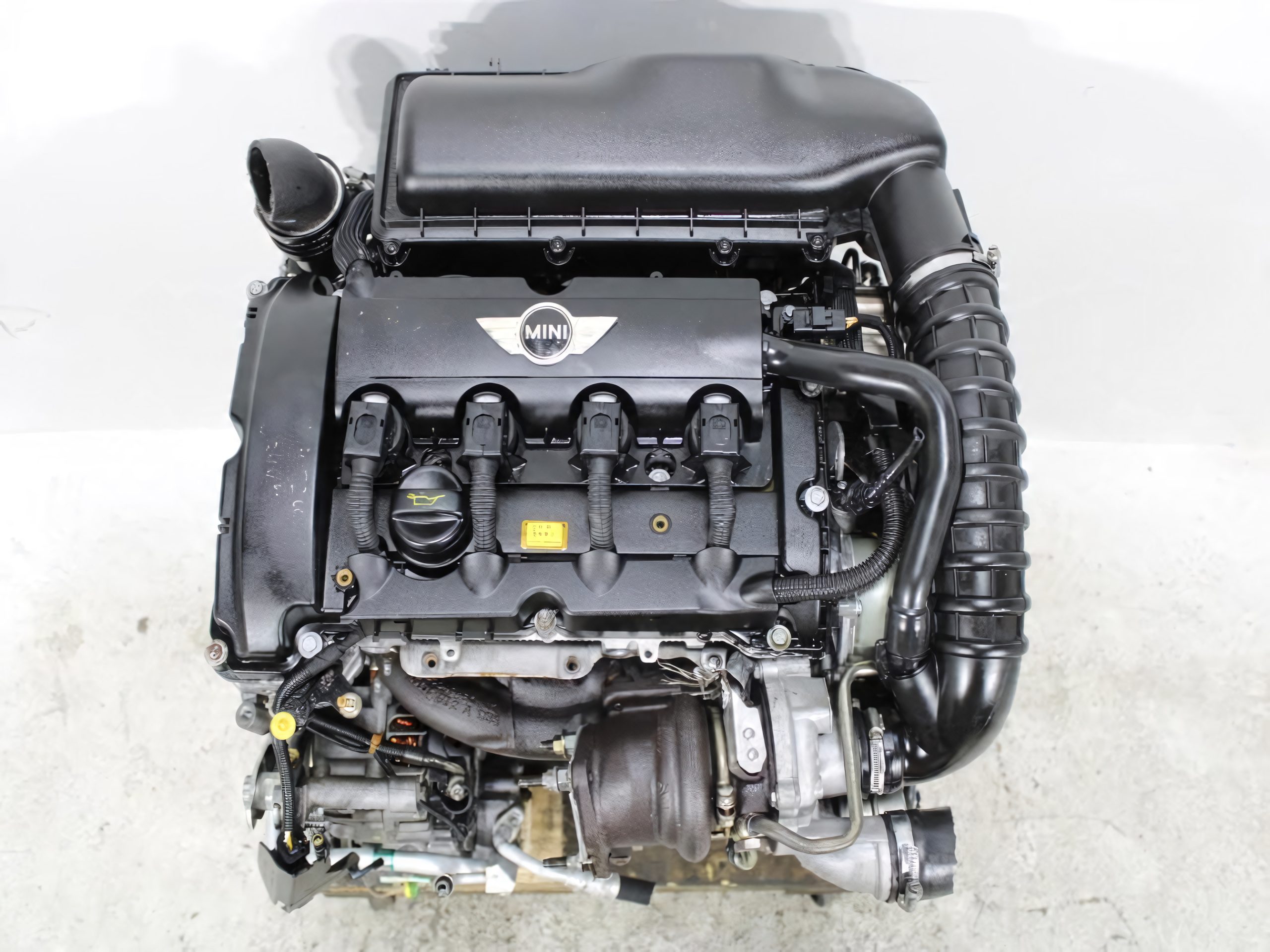
9. Mini/BMW 1.6L Prince Turbo 4-Cylinder (2007-2013)
Mini’s 1.6L Prince turbocharged four-cylinder engine delivers lively performance, but certain versions have developed several reliability problems that owners should understand.
Common faults include deteriorating valve stem seals, leaking turbocharger oil seals, and failures within the positive crankcase ventilation (PCV) system.
When these components stop working properly, engine oil can enter the intake or combustion chambers and burn during operation. This leads to frequent oil top-ups and can eventually result in expensive repairs.
The engine was fitted to popular models such as the Mini Cooper S and Mini Clubman. Although these cars are enjoyable to drive, poor maintenance can make them costly to own.
One area that deserves particular attention is the timing chain tensioner. This component depends on proper lubrication to maintain the correct tension on the timing chain.
When the engine runs with insufficient oil, the tensioner may not receive adequate lubrication, increasing the risk of chain noise and serious engine damage.
Owners should check the oil level regularly and listen for unusual rattling, especially when starting the engine in the morning. Persistent noise around the timing chain area requires immediate attention from a qualified mechanic.
Before buying a used Mini, ask for maintenance records and find out whether the valve seals, turbocharger seals, PCV system, or timing chain components have been replaced.
Arrange an inspection with a Mini specialist, paying attention to oil leaks, exhaust smoke, and unusual engine sounds. Avoid vehicles with unexplained oil loss or poor service histories, as neglected problems can lead to expensive engine repairs.
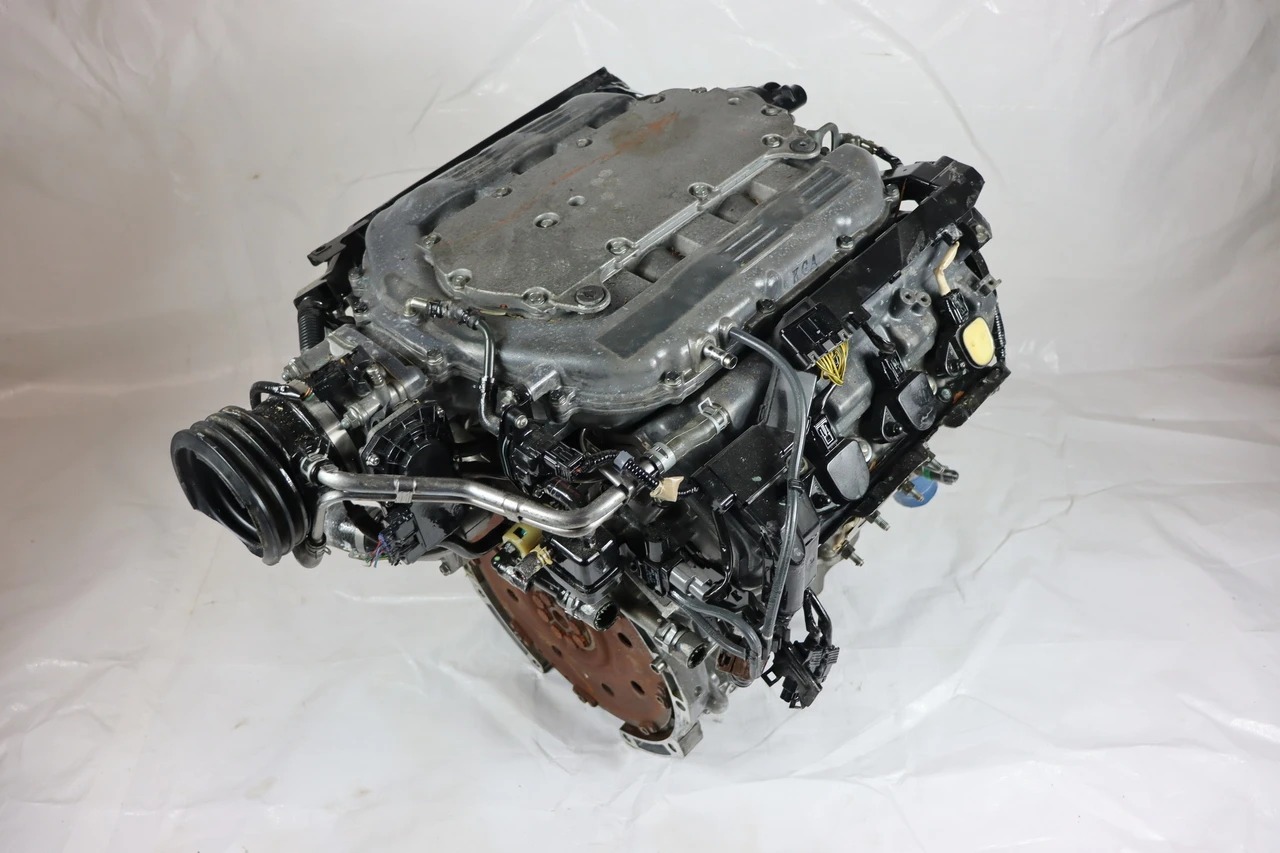
10. Acura 3.7L J37 V6 (2009-2014)
Acura’s 3.7L J37 V6 rounds out this list with a problem that caught some owners by surprise.
The engine uses an aluminum block with specialized cylinder wall surfaces rather than conventional iron sleeves. In certain applications, premature cylinder wall and piston ring wear can contribute to excessive oil consumption.
The J37 appeared in vehicles such as the Acura MDX, TL, and ZDX.
Although these vehicles offer strong performance and a comfortable driving experience, oil consumption concerns have made proper maintenance particularly important.
Acura introduced warranty extensions for certain affected engines, depending on the model and applicable coverage conditions. Owners should contact an Acura dealership with their VIN to establish whether their vehicle qualifies.
Regularly check the dipstick and keep track of how much oil the engine requires between changes. A gradual increase in consumption can otherwise go unnoticed until the problem becomes more serious.
If you are shopping for a used Acura with this engine, request complete maintenance records and ask whether any warranty-related repairs have been completed.
Pay particular attention to evidence of previous piston or cylinder-related work. A documented repair history can help reduce the risks associated with buying one of these vehicles.
