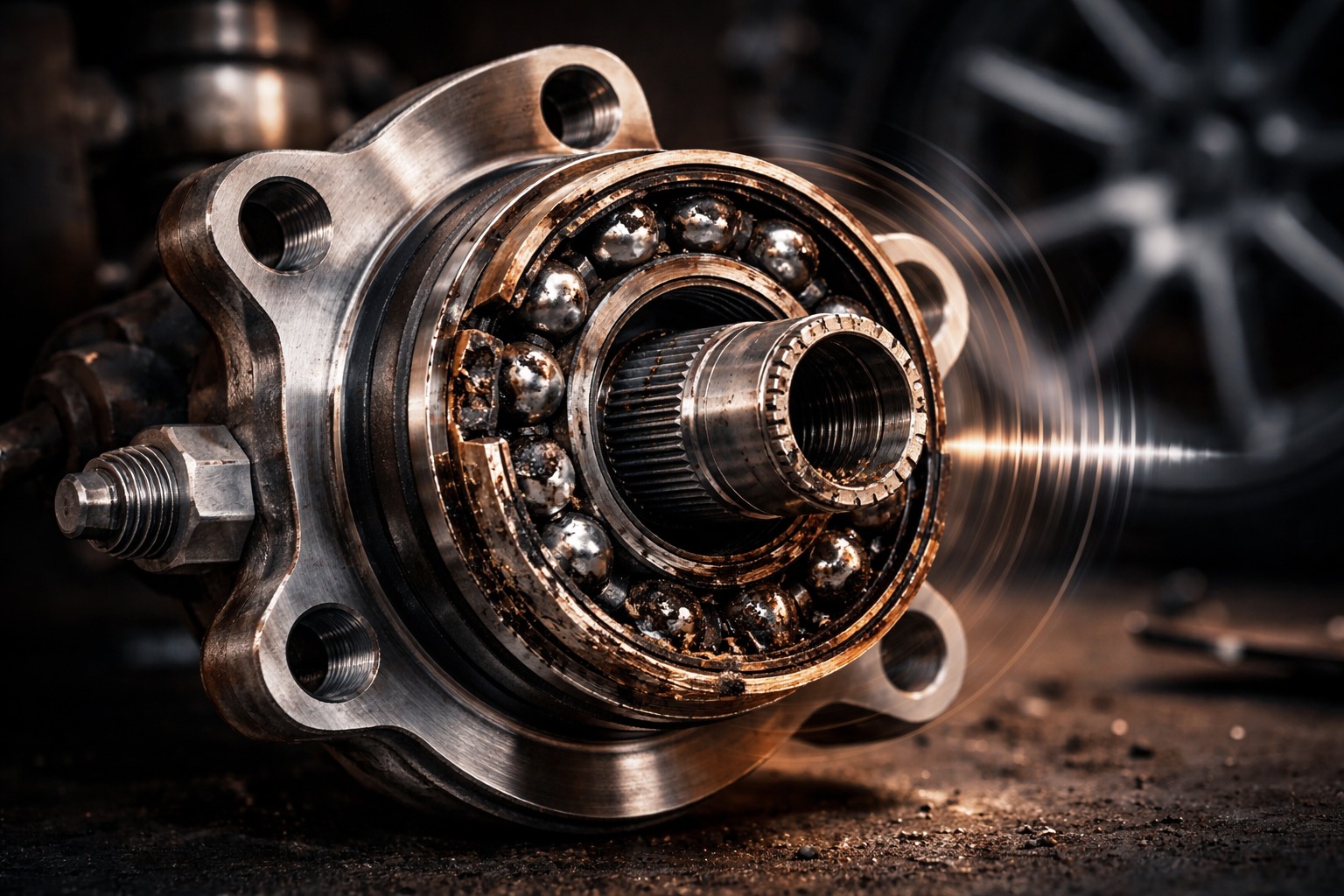
A strange humming sound from your wheels might seem harmless at first, especially when your car still drives normally. However, that noise could be an early warning that a wheel bearing is wearing out. Ignoring it can put more than your vehicle’s comfort at risk. A failing wheel bearing can affect steering, damage nearby components, interfere with braking systems, and, in severe cases, cause a wheel to lock up or separate from the vehicle.
What makes this problem particularly concerning is that the damage can progress while everything appears fine from the driver’s seat. Understanding what happens when you continue driving with a failing wheel bearing can help you recognize the danger, avoid expensive repairs, and make safer decisions before a minor mechanical problem becomes a roadside emergency.
What Does A Bad Wheel Bearing Actually Mean?
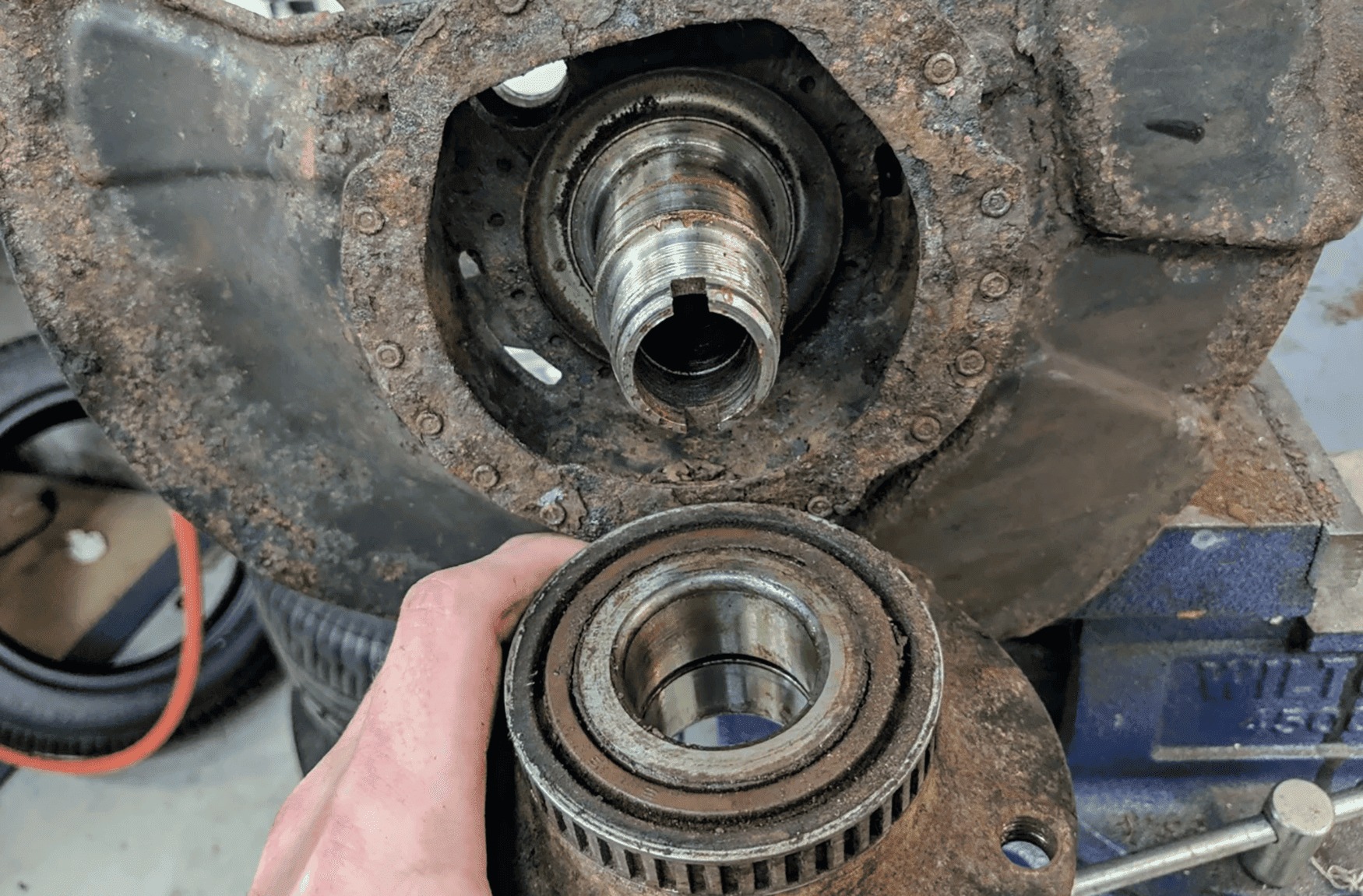
A wheel bearing is a small but essential component that allows each wheel to rotate smoothly while supporting the vehicle’s weight.
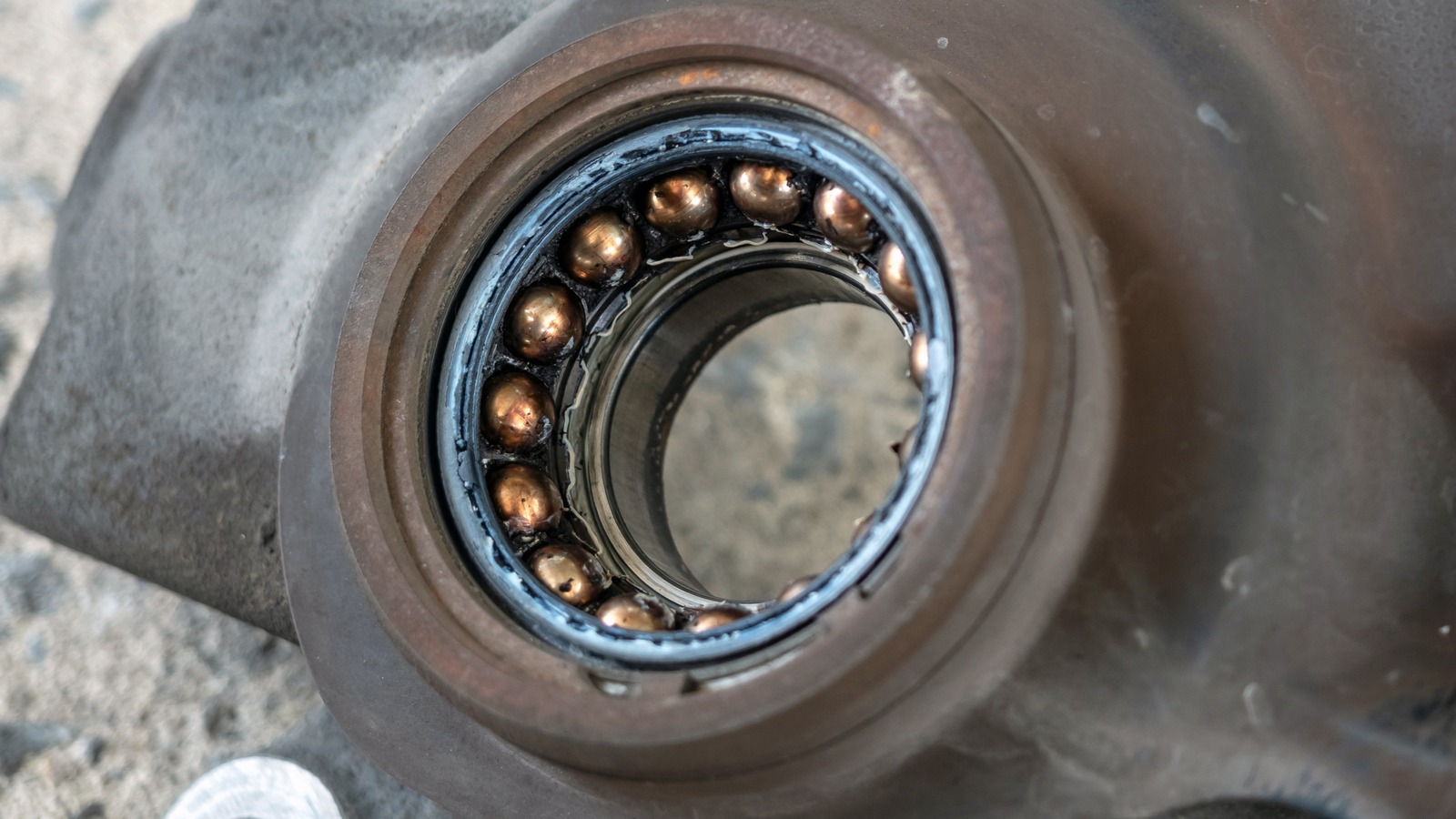
It consists of steel balls or rollers positioned between two metal rings, with grease inside to reduce friction and heat. Depending on the vehicle, the bearing may be a separate component or part of an integrated wheel hub assembly.
When the bearing begins to wear, its internal surfaces gradually lose their smooth finish. The rollers may develop flat spots, the grease can deteriorate, and small gaps can develop between moving parts.
These changes make the wheel rotate less smoothly and place additional stress on surrounding components. Think of it as a support system that is gradually losing its ability to do its job.
The wheel may continue spinning, but it is no longer operating under the conditions it was designed for. This explains why a car can appear perfectly drivable even when its wheel bearing is already damaged.
The danger comes from continuing to use the vehicle without addressing the problem. Every rotation places additional pressure on an already weakened component.
Sources such as The Motor Guy explain how internal wear can progress from a simple humming noise to excessive wheel movement and eventual bearing failure.
What Happens If You Keep Driving With a Bad Wheel Bearing?
The first consequence is usually increased friction inside the wheel assembly. As the bearing deteriorates, its moving surfaces no longer roll smoothly against one another. Instead, they create resistance, heat, and vibration.
The longer the vehicle operates under these conditions, the harder it becomes for the damaged bearing to support normal driving forces.
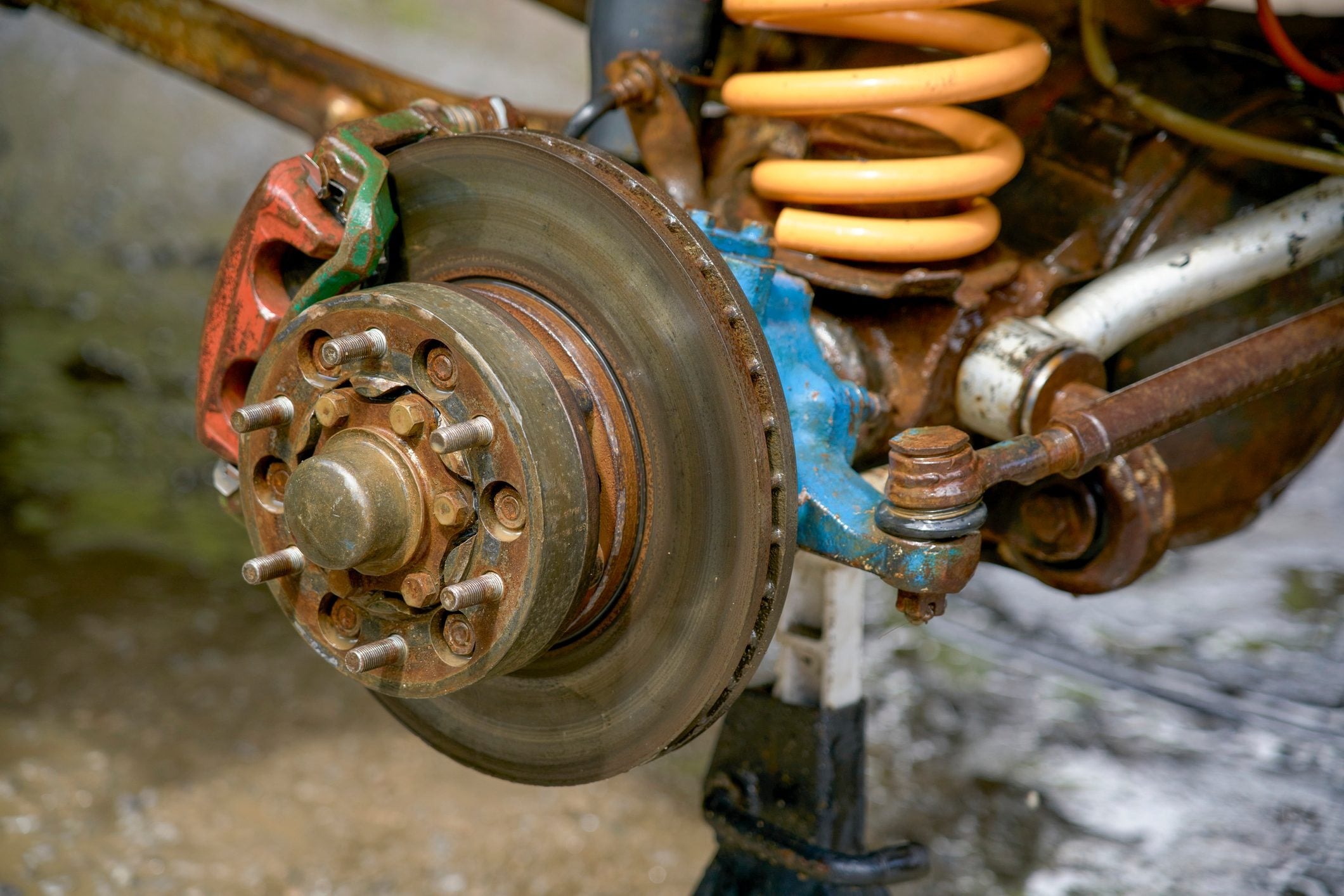
Another problem is the damage that spreads to nearby components. The wheel hub, axle, brake rotor, and other connected parts may experience additional stress as the bearing develops excessive movement.
What could have been a relatively straightforward replacement may turn into a much larger repair.
There is also the financial burden to consider. Replacing a worn bearing early generally costs less than repairing several damaged wheel-end components.
Detroit Axle explains that a repair initially estimated at $300 to $800 per wheel can exceed $1,000 when surrounding parts require attention. Actual costs depend on the vehicle, parts, and labor rates.
For drivers who keep postponing repairs, the consequences can become increasingly expensive. A problem that started with a faint noise may eventually require a new hub assembly, additional suspension work, and brake-related repairs.
Ignoring the warning does not make the problem disappear. It simply gives the damaged component more time to affect the rest of the vehicle.
The Escalation of Noise and Vibration Is the First and Most Reliable Warning
Listen carefully the next time you drive. A failing wheel bearing often announces itself through sounds that become more noticeable as the vehicle gains speed.
Initially, you might hear a soft humming or droning noise. It can resemble the sound of tires traveling over rough pavement, making it easy to mistake for ordinary road noise.
As the internal surfaces deteriorate, however, the sound may develop into a deeper growl, rumble, or grinding noise.
The pattern matters just as much as the volume. Unlike engine-related sounds that may change with acceleration or engine speed, bearing noise generally follows wheel speed. You may notice that it becomes louder as the vehicle moves faster or changes when you turn.
Vibration can accompany the noise. Drivers may feel unusual shaking through the steering wheel, floor, or seats. These sensations occur because the damaged bearing can no longer maintain smooth and consistent wheel rotation.
Consider what happens during a highway journey. A sound that was barely noticeable during a short trip may become much more obvious after several miles.
That does not mean the bearing has suddenly become damaged. It may indicate that existing wear is progressing under continued use.
KT Bearing discusses how damaged rolling surfaces produce noise and vibration as metal components repeatedly pass over worn areas. These symptoms deserve prompt attention, particularly when they become louder or are accompanied by steering changes.
Heat Builds Fast Inside a Damaged Bearing
A healthy bearing spins smoothly on a thin film of grease. A damaged one grinds metal against metal, and friction creates heat. Heat then speeds up the damage, which creates more friction, and the cycle feeds itself.
That is why a bearing can seem stable one day and fall apart the next. The grease breaks down under rising temperatures, and the surfaces inside get rougher with every mile. Long highway drives are especially harsh, because higher speeds mean more spinning and more heat.
You might notice a burning smell near the wheel, or a hub that feels much hotter than the others after a drive. Be careful touching it, since it can be hot enough to burn you. Either one tells you the bearing is struggling.
This is also why the question “How far can I drive on it?” has no safe answer. A short, slow trip to the shop with mild humming may be fine.
A three-hour road trip is a different story, because the extra time and speed give heat a chance to do serious harm. If you must drive, keep it short, keep it slow, and head straight to a repair shop.

Excessive Wheel Play Makes Steering Unpredictable and Unsafe
A wheel bearing does more than allow a wheel to spin. It also helps keep the wheel properly supported and positioned. When the bearing becomes badly worn, unwanted movement can develop between the wheel hub and its supporting assembly.
This movement is commonly described as wheel play. Instead of remaining firmly positioned, the wheel may develop looseness or wobble. The driver might notice that the steering feels less precise, particularly when traveling at higher speeds or moving through bends.
Imagine trying to guide a shopping cart with a loose wheel. Even small movements can make it harder to maintain a straight path.
A vehicle experiencing bearing-related wheel play faces a much more serious version of that problem because the wheel is part of a system responsible for controlling a heavy moving machine.
The steering may begin to feel unstable, and the vehicle could pull toward one side. Uneven tire wear may also develop because the wheel is no longer maintaining its intended position under load.
These symptoms are especially concerning when they appear together. A humming noise alone requires inspection, but a humming noise accompanied by noticeable wobbling or loose steering calls for immediate action.
Holts explains that bearing failure can affect vehicle handling and, in severe circumstances, cause the wheel to seize or separate from the vehicle. A mechanic should inspect any suspected wheel play rather than assuming the problem is limited to tire balance or alignment.
When steering stability becomes unreliable, continuing to drive is an unnecessary risk. Arrange professional assistance instead of attempting to complete a normal journey.
ABS and Traction Control Systems Fail When the Bearing Sensor Ring Is Damaged
Modern vehicles use Anti-lock Braking Systems (ABS) and traction control to improve braking and stability. Both systems rely on wheel speed sensors to monitor wheel rotation.
On many vehicles, these sensors work alongside the wheel bearing assembly through a magnetic encoder ring. When a bearing becomes badly worn, excessive movement can interfere with sensor readings or damage the encoder ring.
As a result, the ABS or traction control warning light may appear on the dashboard. Some electronic safety features may also stop working until the fault is repaired.
This creates an added risk during hard braking or acceleration. Without functioning ABS, the wheels may lock under heavy braking, while disabled traction control can make it harder to manage wheelspin on slippery surfaces.
However, an illuminated ABS warning light does not always indicate a bad wheel bearing. Damaged wiring, faulty sensors, and other electrical problems can cause similar warnings.
A professional diagnostic inspection can identify the actual fault. If the bearing is responsible, replacing it and checking the sensor system can help restore normal operation.
What to Do the Moment You Hear That Noise
The good news is that identifying the issue can start with a few simple observations. Note when the noise occurs, whether it gets louder as the vehicle gains speed, and whether it changes when turning left or right. These details can help a mechanic narrow down the possible cause and diagnose the problem more quickly.
Next, book an inspection right away. A shop can lift the car, spin the wheel, and check for play or roughness in a few minutes. Many will tell you quickly whether the bearing is the cause or whether the noise comes from tires or another part.
Until you get there, drive gently. Stay off the highway if you can, avoid heavy loads, and skip long trips. If you notice grinding, shaking, a burning smell, or sloppy steering, pull over safely and arrange a tow.
When you approve the repair, ask about replacing parts in pairs on the same axle, and make sure the shop checks the hub nut torque and the ABS sensor after installation.
Then relax. A bearing replaced early costs less, keeps your car safer, and spares you the roadside drama. Your future self, standing happily in a driveway instead of on a highway shoulder, will thank you.