A child who has outgrown a booster seat may not be ready to use an ordinary seat belt just yet. Starting January 1, 2027, California parents will face a new requirement under Assembly Bill 435 (AB 435) that makes seat belt fit an important part of child passenger safety. The law affects children ages 8 through 15 and introduces a five-step test that determines whether a child can safely ride using a regular seat belt without a booster.
Parents who fail to secure their children properly could face fines approaching $490 after applicable assessments. With the January deadline approaching, families have a good reason to check how their children’s seat belts fit before their next car ride.
What California’s AB 435 Means for Parents Starting January 1, 2027
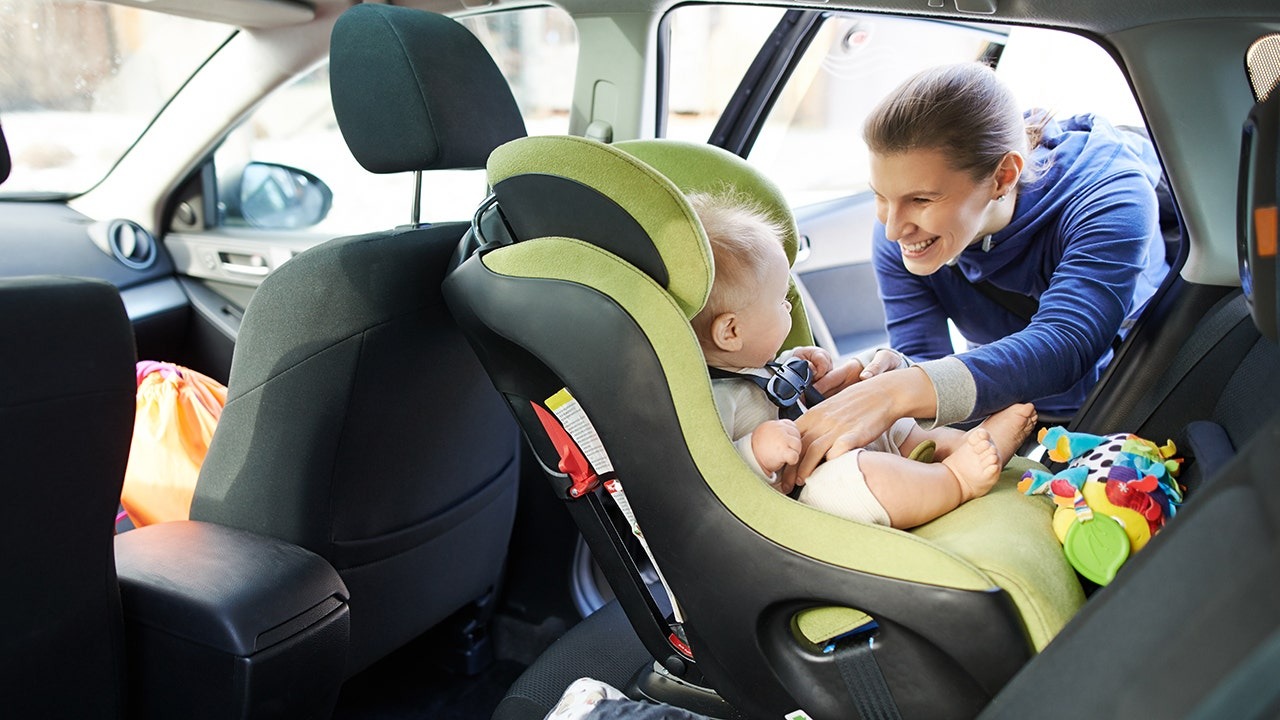
January 1, 2027, brings an important change to California’s child passenger safety requirements. Under Assembly Bill 435, children ages 8 through 15 must use an appropriate child passenger restraint system unless they can meet all five requirements of the new seat belt fit test.
Previously, parents could generally move children out of booster seats once they reached age 8 or a height of 4 feet 9 inches. The updated law places greater emphasis on how the vehicle’s seat belt actually fits the child rather than relying on age or height alone.
This means an 11-year-old who is still too small for an adult seat belt may need to remain in a booster seat. A younger-looking child who meets every part of the test may use a regular seat belt without additional restraint.
The requirement applies to parents, legal guardians, and drivers transporting children on California roads. The legislation was signed into law on October 7, 2025, and its relevant provisions become operative on January 1, 2027.
For families, the key takeaway is simple. Reaching a certain age does not necessarily mean a child is ready to stop using a booster seat.
The Five-Step Seat Belt Test Every Parent Needs to Know
The new requirement centers on five physical checks that determine whether a vehicle’s seat belt fits a child correctly. Each one must be satisfied before the child can ride without a booster.
First, the child must sit with their back completely against the vehicle seat. Slouching or leaning forward can change how the belt rests on the body.
Second, the child’s knees must bend naturally over the edge of the seat. If the legs extend straight forward without the knees reaching the seat edge, the vehicle seat may be too deep.
Third, the shoulder belt must cross the middle of the chest and shoulder. It should never rest against the neck or slide off the shoulder.
Fourth, the lap belt must sit as low as possible and touch the child’s thighs. A belt resting across the stomach can cause serious abdominal injuries during a crash.
Finally, the child must maintain this correct sitting position throughout the entire journey. Passing the test while sitting still for a few seconds is not enough if the child regularly slouches or moves out of position.
All five conditions matter. Missing even one means the child should continue using an appropriate booster or other approved restraint system.
Which Children Must Follow the New California Booster Seat Rules?
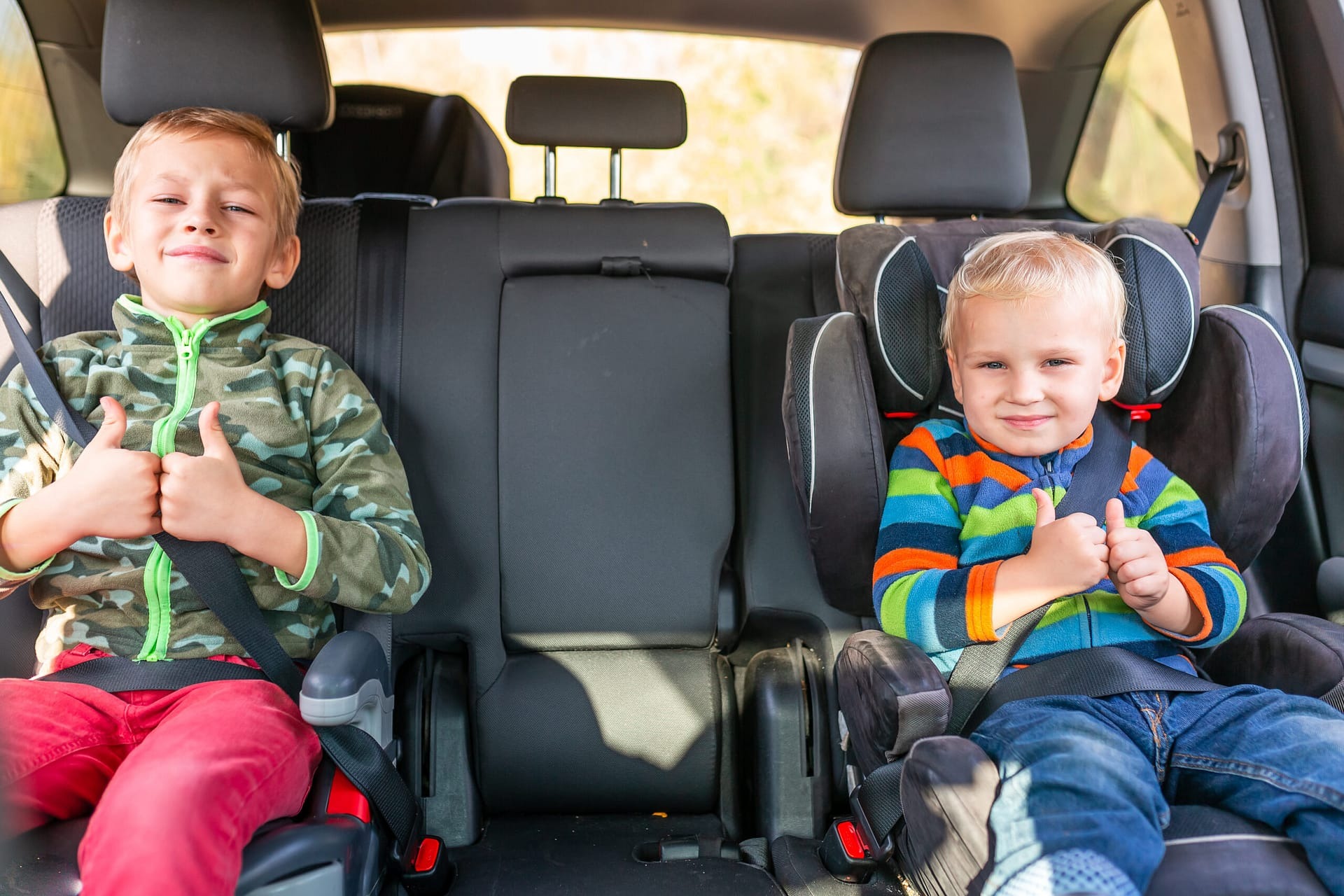
The new requirements apply to children who are at least 8 years old but have not yet reached their 16th birthday. This includes elementary school children, middle school students, and teenagers who may already consider themselves too old for booster seats.
Consider a 10-year-old who has recently started riding without a booster. If the shoulder belt touches the child’s neck or the lap belt crosses the stomach, the child does not meet the new standard.
The appropriate restraint system must remain in use until the five conditions can be satisfied.
A 14-year-old is not automatically exempt simply because they are a teenager. Physical size, seating position, and the fit of the vehicle’s seat belt still matter.
Children under 8 remain subject to California’s existing child restraint requirements. They generally must ride in an appropriate car seat or booster seat in the back seat, subject to the applicable legal exceptions.
For children aged 16 and older, California’s regular seat belt requirements apply.
Parents should also understand that AB 435 does not mean every child between 8 and 15 must use a booster regardless of size. A child who passes all five checks can legally use a regular seat belt.
This distinction is important because children of the same age can have very different body sizes and proportions.
Why a Regular Seat Belt Can Be Dangerous When It Does Not Fit Properly
Seat belts are designed to protect occupants by distributing crash forces across stronger parts of the body. For adults and larger children, the lap and shoulder belts generally provide the intended positioning. Smaller passengers may not receive the same protection when the belt does not fit correctly.
A lap belt positioned across the stomach can place excessive force on the abdomen during a collision. This may cause internal injuries because the belt is not resting against the stronger pelvic area and upper thighs.
The shoulder belt creates another concern. When it crosses the neck or face, a child may instinctively move it behind the back or underneath an arm to feel more comfortable. Unfortunately, doing so removes important protection and can increase the risk of serious injuries.
A poorly fitting belt can also encourage slouching. The child may slide forward to reach the floor or bend their legs awkwardly to find a comfortable position.
Booster seats address these problems by raising children to a height that allows the vehicle’s existing seat belt to fit correctly. They are not simply accessories for younger passengers. Their purpose is to position the body so the restraint system can do its job.
The five-step test gives parents a practical way to identify when a regular seat belt is suitable.
How Much Parents Could Pay for Violating the New Law
A seat belt violation involving a child can create an unexpected financial burden for a family. Under California Vehicle Code Section 27360.6, the statutory fine for a first conviction under the applicable child restraint provisions is $100. A second or subsequent conviction carries a statutory fine of $250.
However, the amount a driver actually pays can be higher after court costs and applicable penalty assessments are added. UC Davis Health describes the potential total as nearly $500 for each child who is not properly secured.
This is why parents should not focus only on the base fine when considering the financial consequences. The final amount can depend on the applicable court schedule and assessments.
There is also an educational component to the law. Depending on the circumstances and eligibility requirements, a court may reduce or waive a first-offense fine for an economically disadvantaged defendant who completes an approved child passenger safety education program.
The financial penalty is only one reason to take the requirement seriously. An improperly restrained child faces a greater risk of injury during a collision.
Checking seat belt fit before January is a much easier step than dealing with a citation or the consequences of inadequate protection.
What Parents Should Do Before the January 2027 Deadline
Families do not need to wait until the new year to check whether their children are ready to use regular seat belts. In fact, testing the fit now gives parents time to make any necessary adjustments.
Start by having your child sit in the vehicle’s regular seating position. Check all five requirements carefully, paying particular attention to where the lap and shoulder belts rest.
Repeat the assessment in every vehicle the child regularly uses. A child might fit properly in the back seat of one family vehicle but need a booster in another because seat dimensions and belt positioning vary.
If your child does not pass, continue using a booster seat that meets applicable federal safety standards. Follow the manufacturer’s instructions for the child’s height and weight limits.
Parents can also seek help from certified child passenger safety technicians. UC Davis Health offers information about car seat checks, while the California Highway Patrol provides guidance on child passenger restraints.
Do not forget to check how your child sits during an ordinary journey. A child who passes the test while sitting upright may still need a booster if they cannot maintain that position throughout the ride.
A few minutes of careful checking can prevent confusion when the new requirement becomes effective.
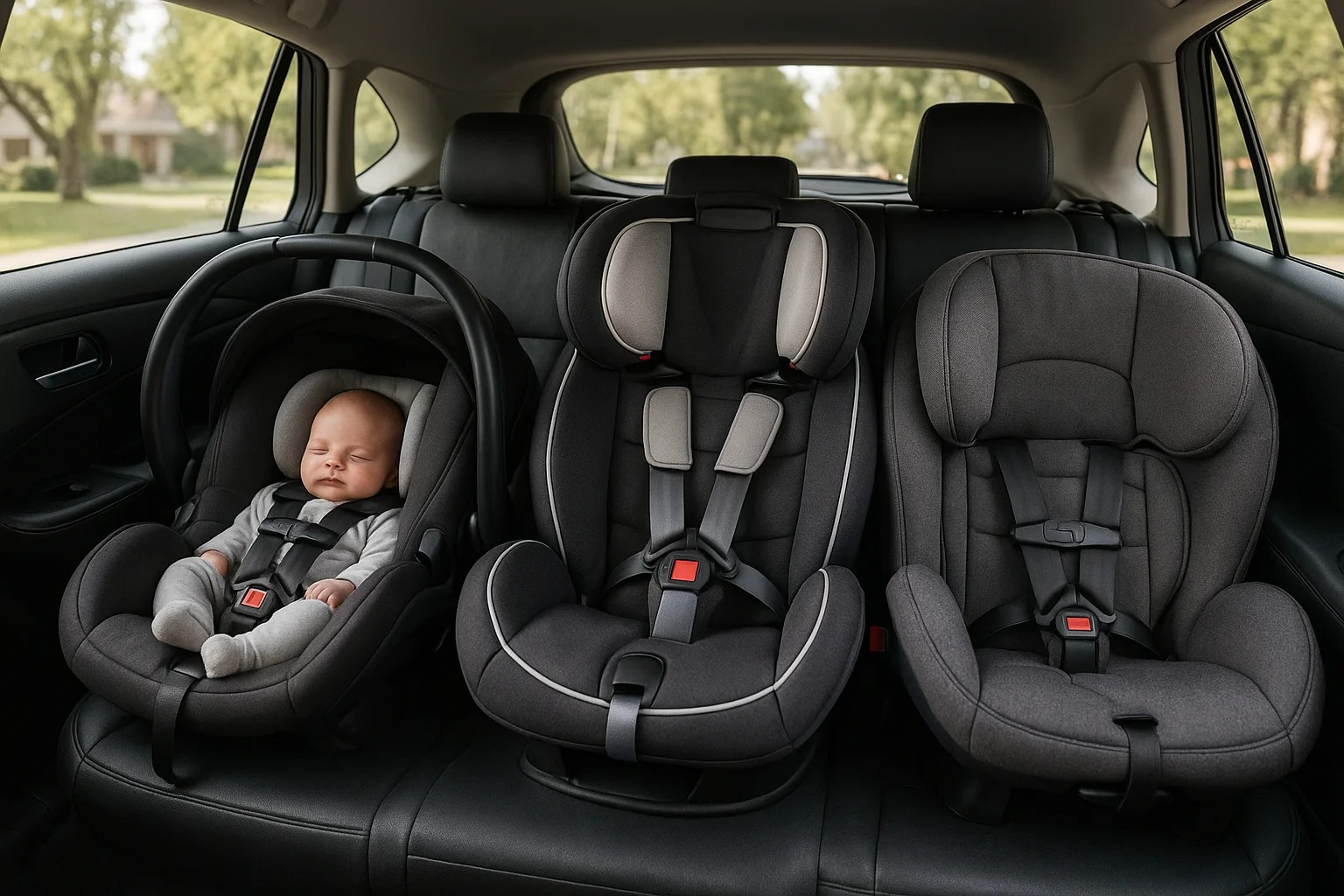
Why the Back Seat Remains the Safest Choice for Children
Passing California’s five-step seat belt test does not automatically mean a child should move to the front passenger seat. Proper seat belt fit and seating position are two separate safety considerations.
The National Highway Traffic Safety Administration and the American Academy of Pediatrics recommend that children younger than 13 ride in the back seat whenever possible.
This recommendation helps protect younger passengers from injuries associated with front passenger airbags during a collision.
Even when an older child can wear a regular seat belt correctly, the back seat remains the preferred location for younger passengers.
Parents should also remember that the five-step test is not a one-time assessment that guarantees a child will fit every vehicle seat.
Different cars have different seat depths, belt positions, and seating arrangements. A child should be checked again whenever the vehicle changes.
California’s AB 435 encourages parents to pay attention to actual seat belt fit rather than making assumptions based on birthdays or appearance.
The January 1, 2027, deadline allows families to review their current arrangements and make adjustments before enforcement begins.
A properly fitted restraint can make a real difference when a crash occurs. Keeping children secure should never be treated as a formality or something to check only when a new law takes effect.