Filling up your gas tank can feel very different depending on where you drive. A vehicle that delivers reasonable mileage on an open highway may consume far more fuel during daily commutes, traffic jams, and repeated stops at intersections.
This difference becomes especially noticeable in large SUVs and powerful sports cars with thirsty engines. While highway driving often allows these vehicles to operate more efficiently, city driving puts extra demands on their engines.
For drivers who spend plenty of time behind the wheel, those differences can add up at the pump. Here are 10 gasoline-powered vehicles with some of the widest estimated gaps between city and highway fuel economy, along with what makes each one so expensive to run around town.
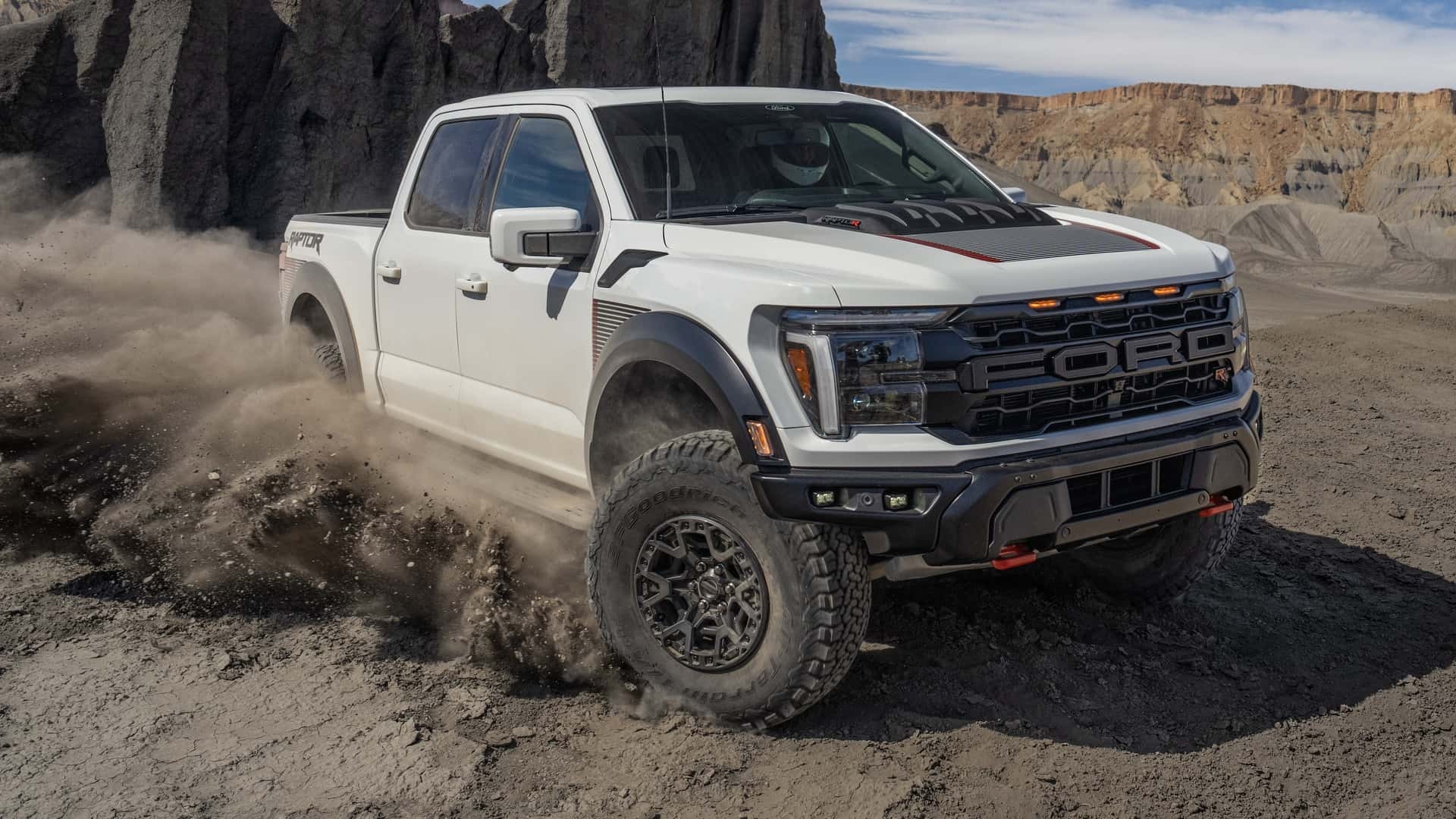
1. Ford F-150 Raptor R
Estimated fuel economy: 10 MPG city / 15 MPG highway
The Ford F-150 Raptor R is built for drivers who want serious off-road ability combined with enormous V8 power. Its supercharged 5.2-liter engine delivers impressive performance, but that capability comes with a considerable appetite for gasoline.
With an estimated 10 MPG in city driving and 15 MPG on the highway, the difference is particularly noticeable for owners who regularly travel through busy urban areas.
City driving is especially demanding because the Raptor R carries substantial weight and uses a powerful engine that consumes considerable fuel during acceleration.
Repeated stops, traffic congestion, and frequent speed changes make matters worse. Even when the truck is moving slowly, its engine may consume fuel without covering much distance.
Highway driving gives the Raptor R a better opportunity to maintain a consistent speed, reducing the repeated acceleration that hurts city mileage. However, its large tires, aggressive off-road equipment, and powerful engine still prevent it from becoming an economical commuter.
For someone who uses this pickup mainly for recreation, towing, or off-road adventures, the fuel expense may be an acceptable part of ownership. Daily city commuters should be prepared for frequent trips to the gas station.
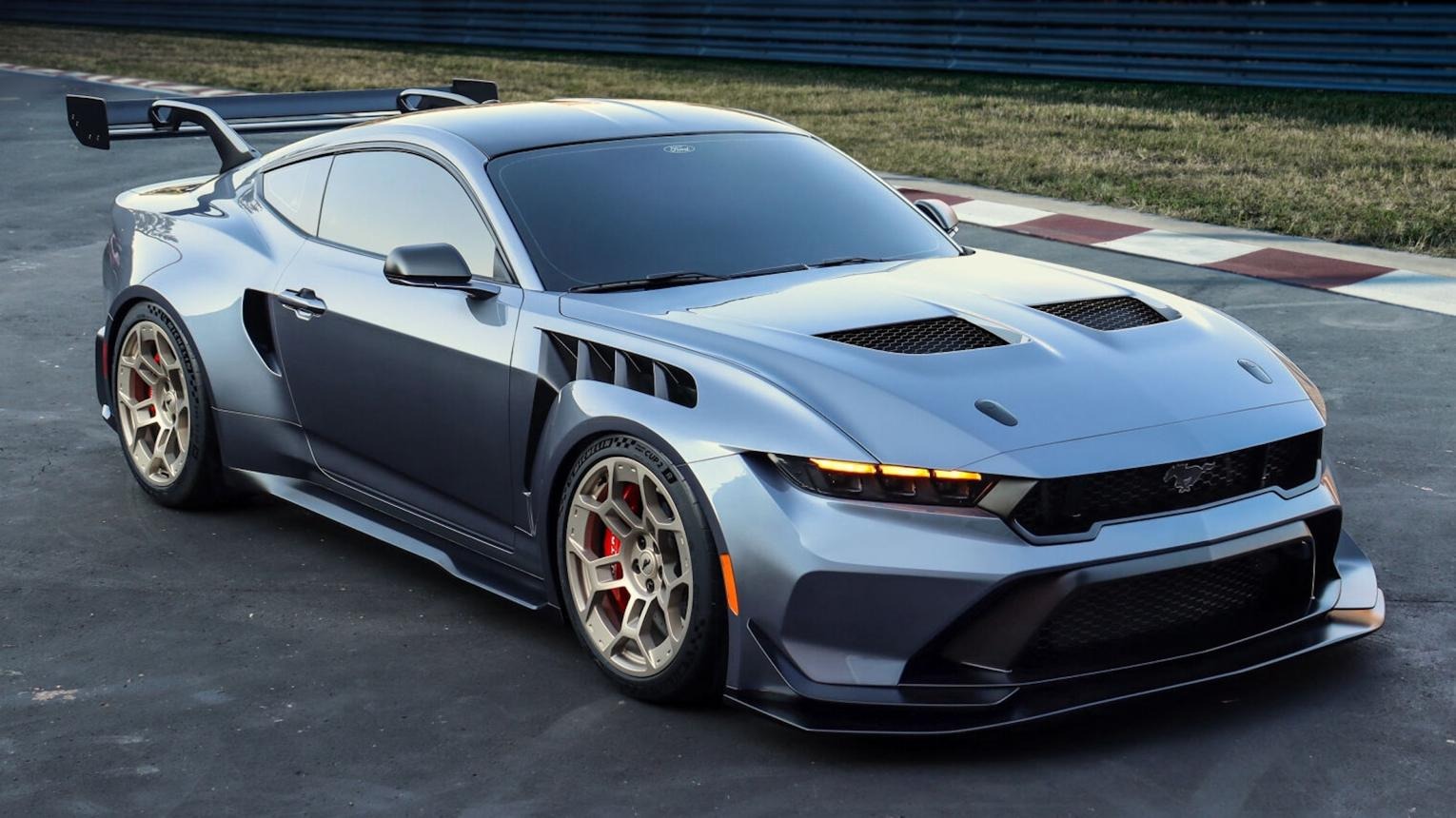
2. Ford Mustang GTD / High-Performance V8 Variants
Estimated fuel economy: 11 MPG city / 16 MPG highway
The Ford Mustang GTD represents a performance-focused approach to American sports car engineering. Its aggressive design, powerful V8 performance, and track-inspired equipment are intended to deliver an exciting driving experience rather than exceptional fuel economy.
With estimated ratings of 11 MPG in the city and 16 MPG on the highway, drivers can expect a five-mile-per-gallon difference between the two driving conditions.
That gap becomes expensive when the vehicle spends most of its time in congested areas. A high-performance engine requires fuel to produce the power that makes the Mustang GTD so appealing.
During stop-and-go driving, frequent acceleration demands additional energy, while idling consumes gasoline without moving the car forward. Repeatedly accelerating from traffic lights can make city fuel consumption particularly frustrating.
Highway cruising offers a more favorable environment. Once the car reaches a steady speed, the engine does not need to deliver the same repeated bursts of acceleration required in urban traffic.
Still, buyers should remember that these are approximate figures supplied for this comparison, not a substitute for the EPA rating of a specific production configuration.
The GTD is a specialized performance vehicle, and its fuel expenses are part of the ownership commitment.
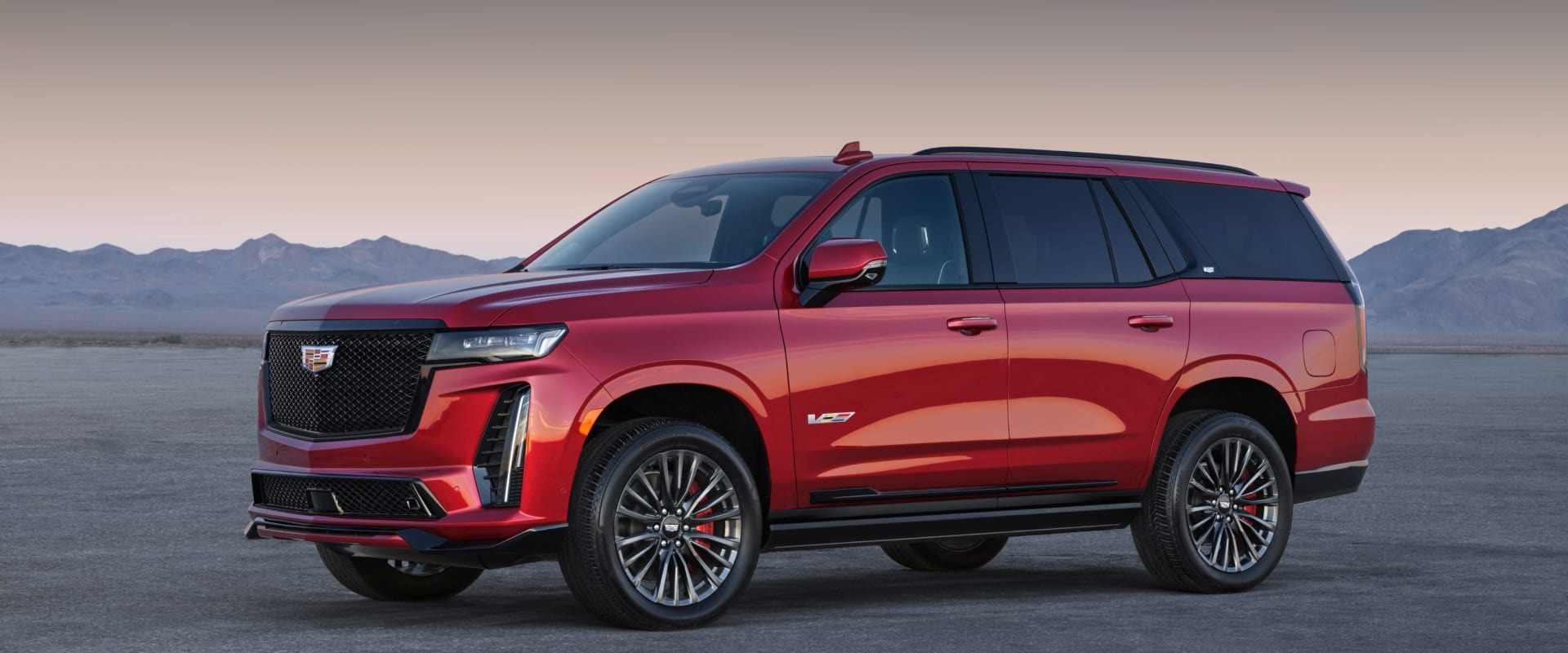
3. Cadillac Escalade-V
Estimated fuel economy: 11 MPG city / 16 MPG highway
Luxury and performance come together in the Cadillac Escalade-V, but its impressive size and supercharged 6.2-liter V8 engine make fuel consumption a serious consideration.
This full-size luxury SUV delivers enormous power and a comfortable cabin, yet its estimated 11 MPG city and 16 MPG highway ratings reveal how much driving conditions influence its gasoline requirements.
The Escalade-V has a substantial curb weight, meaning its engine must work hard to get the vehicle moving. Every time the driver accelerates from a traffic light, the engine needs to overcome that weight.
Frequent stops and slow-moving traffic make the situation worse because the vehicle repeatedly uses fuel without covering much distance.
On highways, the SUV benefits from more consistent speeds and fewer interruptions. The engine can operate under steadier conditions, allowing the vehicle to achieve better mileage than it typically manages in urban traffic.
However, highway driving does not turn this luxury SUV into an economical vehicle. Its large dimensions, powerful engine, and performance-focused setup still require considerable gasoline.
For buyers who value interior space, premium features, and strong acceleration, the Escalade-V offers plenty of appeal.
Those considering it as a daily commuter should calculate expected fuel expenses carefully, particularly if their routine involves heavy traffic.
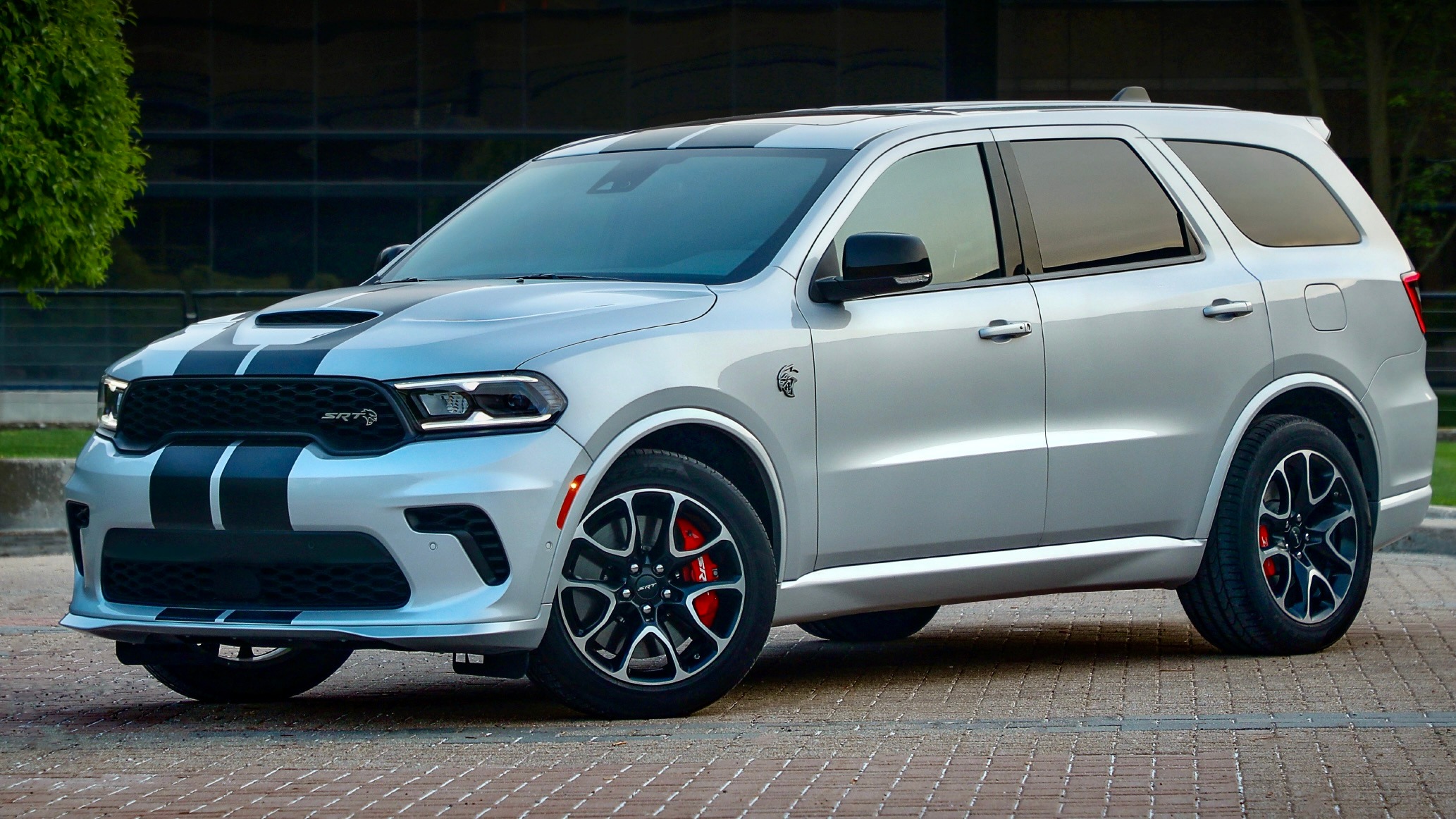
4. Dodge Durango SRT Hellcat
Estimated fuel economy: 12 MPG city / 17 MPG highway
The Dodge Durango SRT Hellcat takes the familiar family SUV formula and adds an enormous dose of performance. Its supercharged 6.2-liter V8 engine produces extraordinary power, making it an unusual choice for drivers who want both passenger space and sports-car-like acceleration.
That performance comes with an estimated fuel economy of 12 MPG in city driving and 17 MPG on the highway. A five-MPG difference might not sound dramatic at first, but it can make a real difference when gasoline purchases become a regular household expense.
Urban driving places additional demands on the Hellcat’s engine. The vehicle must repeatedly accelerate its heavy body from a complete stop, and the supercharged V8 consumes substantial fuel when producing strong acceleration.
Traffic congestion adds another problem because the engine may remain running while the SUV moves only short distances.
Highway cruising helps reduce some of that waste. A steady speed means fewer hard acceleration events, allowing the engine to operate more consistently.
Still, the Durango SRT Hellcat is not designed around fuel savings. It appeals to drivers who want exceptional power in a practical-looking SUV.
Anyone considering this model should think carefully about their driving routine. If most trips involve crowded streets and short journeys, the gasoline bill may become one of the least enjoyable parts of ownership.
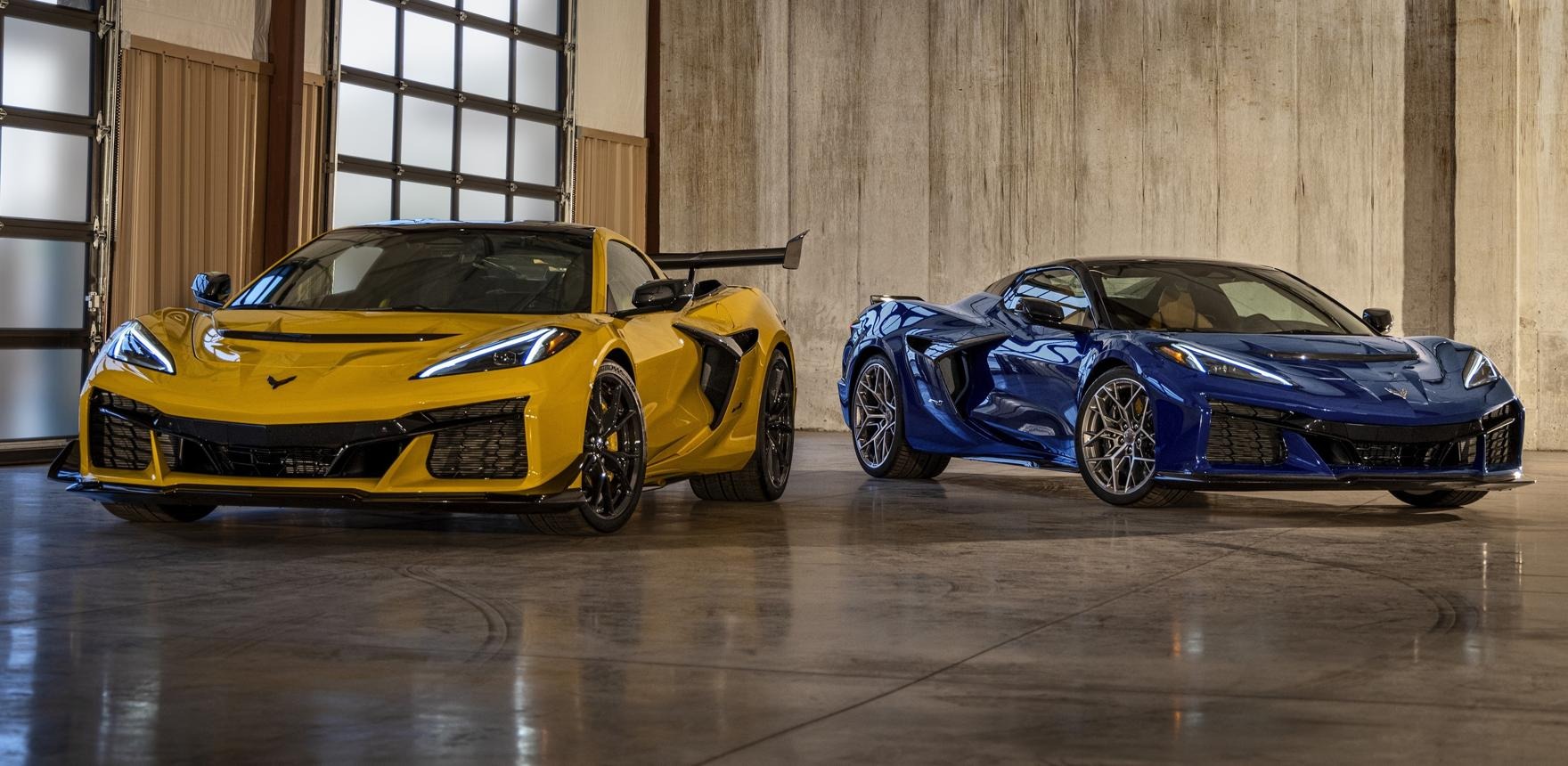
5. Chevrolet Corvette ZR1 / Z06
Estimated fuel economy: 12-13 MPG city / 18-19 MPG highway
Think a sports car guzzles gas no matter where you drive it? The Corvette ZR1 and Z06 tell a more interesting story. They rate about 12 to 13 MPG in the city and 18 to 19 on the highway, a 6 MPG gap that ranks among the widest on this list.
Here’s why. Performance engineering thrives on open roads, where a steady pace lets a sleek, relatively light body slip through the air and keeps the engine in a comfortable range. Highway figures look respectable for a car this powerful.
City streets flip that picture completely. Stoplights, low gears, and constant throttle changes keep the engine working hard without ever settling down.
Now do some quick math. Say you drive 200 miles a week. At 12 MPG, that burns nearly 17 gallons. At 18 MPG, it burns about 11. That’s more than five gallons of difference every single week, and at typical pump prices, the yearly gap lands in the hundreds of dollars.
A weekend canyon run treats your budget gently, while a daily crawl downtown does the opposite. If you’re considering a Corvette as an everyday car, run your commute honestly before you sign anything.
Count the miles spent in traffic, the miles spent cruising, and compare them against the ratings. The same machine can feel economical or expensive depending entirely on where it spends its time.
Smooth, gradual acceleration helps trim the waste, and so does combining errands into fewer trips. Small habits matter more than you’d think.

6. Jeep Wrangler Rubicon 392
Estimated fuel economy: 13 MPG city / 17 MPG highway
The Jeep Wrangler Rubicon 392 combines traditional off-road capability with the muscle of a powerful 6.4-liter V8 engine. It appeals to drivers who want serious performance without giving up the Wrangler’s familiar four-wheel-drive system and rugged construction.
However, that power comes with a considerable appetite for gasoline, particularly during everyday city driving. Its estimated fuel economy is 13 MPG in the city and 17 MPG on the highway, creating a four-to-five-MPG difference.
Although this gap is smaller than those of some other vehicles on this list, the Wrangler still consumes plenty of fuel during ordinary commutes. Drivers who frequently travel through congested streets may find themselves visiting gas stations more often than expected.
Several design features help explain its fuel consumption. The Wrangler’s upright windshield, boxy body, and relatively high ground clearance create considerable aerodynamic resistance.
Unlike sleeker passenger vehicles, it must work harder to push through the air, especially at higher speeds. Its heavy construction and large off-road tires also require additional energy to keep moving.
City driving adds another challenge. Repeated acceleration from traffic lights, frequent braking, and long periods of congestion place extra demands on the V8 engine. Highway cruising allows more consistent speeds, helping improve fuel economy.
For owners who regularly enjoy off-road adventures, the gasoline expense may be an acceptable part of the experience. However, drivers who primarily need a daily commuter should consider whether the Rubicon 392’s performance justifies its higher fuel costs.
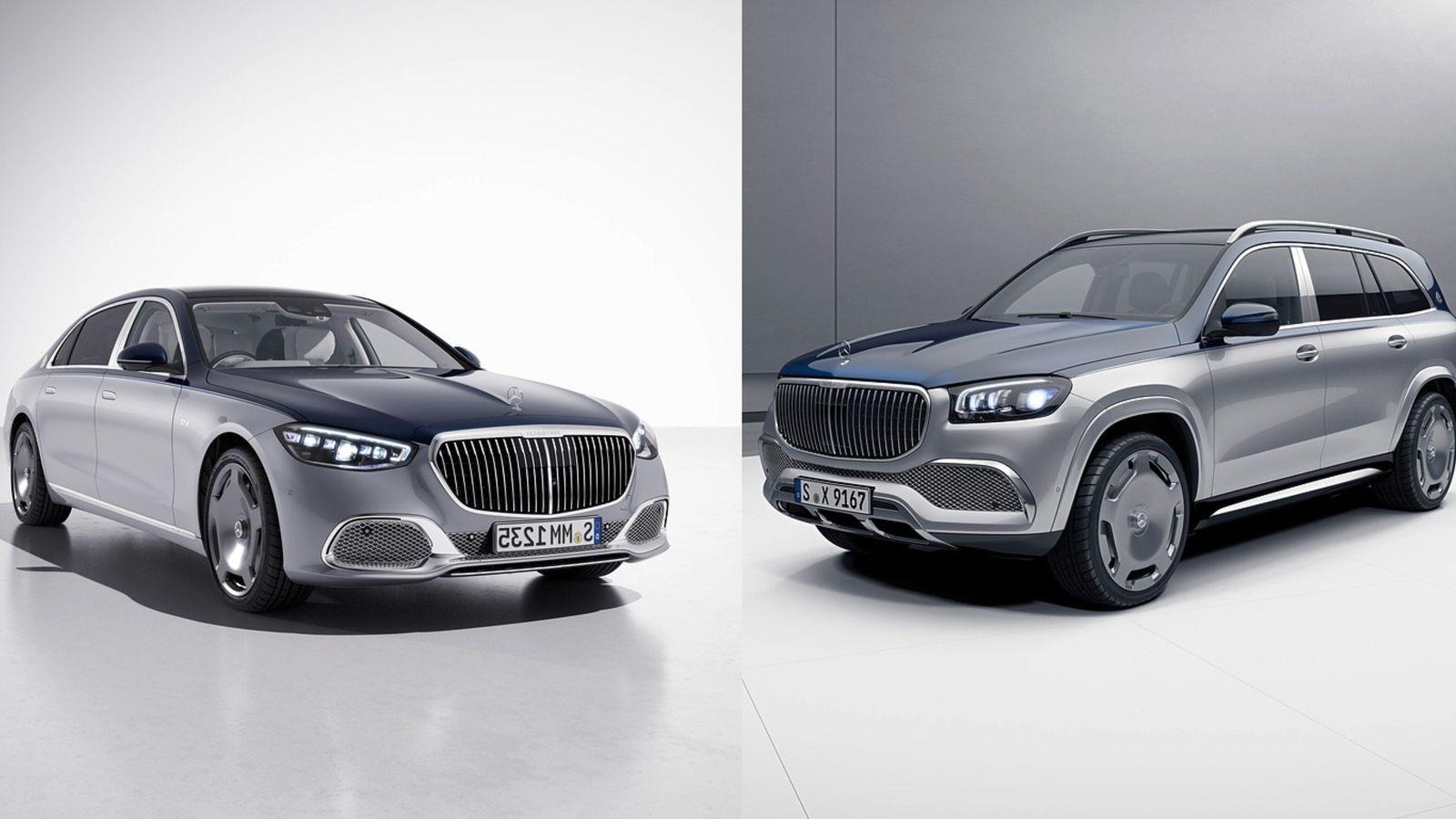
7. Mercedes-Maybach S680 / GLS600
Estimated fuel economy: 13 MPG city / 19 MPG highway
The Mercedes-Maybach S680 and GLS600 represent two different interpretations of luxury motoring. One delivers an exceptionally refined sedan experience, while the other offers the elevated seating position and additional passenger space of a premium SUV.
Both are associated with powerful engines and substantial vehicle weight. The S680 uses a V12 engine, while the GLS600 features a twin-turbocharged V8. Their approximate fuel economy figures in this comparison are 13 MPG in city driving and 19 MPG on the highway.
That six-MPG difference reflects the additional fuel demands created by urban traffic. Large luxury vehicles require considerable energy to accelerate, especially when their engines are designed to deliver effortless performance.
Frequent stops, slow-moving traffic, and extended idling can make city journeys particularly expensive. Highway cruising provides a more favorable environment because the engine can maintain a steadier operating speed.
Luxury equipment also contributes to the ownership experience, but buyers should remember that premium comfort does not automatically mean economical operation. Large wheels, substantial weight, and powerful engines all influence fuel consumption.
These approximate figures should be checked against the EPA rating for the exact model, engine, and model year. The S680 and GLS600 are different vehicles, so their official ratings should not be assumed to match.
For buyers seeking exceptional refinement, their fuel requirements may be an acceptable expense. Anyone prioritizing low running costs should consider more economical alternatives.
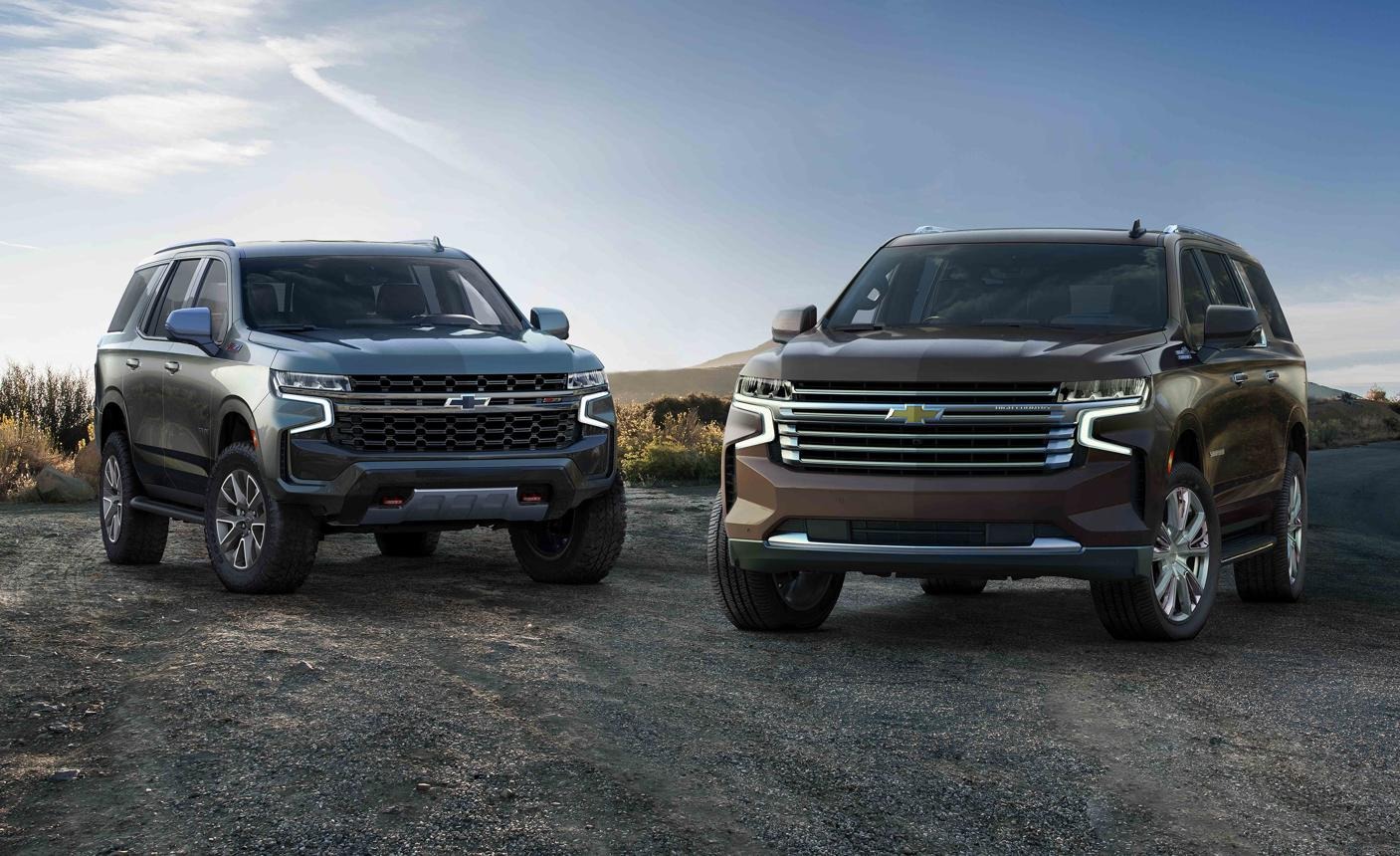
8. Chevrolet Tahoe / Suburban 4WD
Estimated fuel economy: 14 MPG city / 20 MPG highway
The Chevrolet Tahoe and Suburban are familiar choices for families who need generous passenger space, substantial cargo capacity, and the ability to handle long journeys.
Their large cabins and available V8 power make them appealing to drivers who regularly transport several passengers.
However, their size comes with a fuel economy penalty, particularly in city traffic. The estimated figures for the 6.2-liter V8 four-wheel-drive versions are 14 MPG in the city and 20 MPG on the highway.
That six-MPG difference can become noticeable for households that use these SUVs every day. Their weight requires considerable energy during acceleration, and frequent braking means much of that energy is lost during stop-and-go driving.
Highway travel gives these vehicles a better opportunity to deliver improved mileage. Once the Tahoe or Suburban reaches a steady cruising speed, the engine can operate under more consistent conditions without repeatedly accelerating a heavy body from rest.
The larger Suburban also provides additional cargo and passenger room, making it useful for long family trips. Still, carrying more passengers and luggage can affect fuel consumption, particularly when the vehicle is fully loaded.
Prospective buyers should compare the EPA ratings for the exact engine and drivetrain configuration. Two SUVs with similar appearances can have different fuel economy figures.
These Chevrolet models offer practical space and versatility, but frequent city driving can make their gasoline requirements an important household expense.

9. Land Rover Defender 110 / 130
Estimated fuel economy: 14 MPG city / 19 MPG highway
The Land Rover Defender 110 and 130 combine rugged styling, four-wheel-drive capability, and premium interior features. Their design makes them appealing to drivers who want a vehicle suitable for everyday transportation and demanding outdoor trips.
Yet their estimated fuel economy of 14 MPG in the city and 19 MPG on the highway shows that their size and mechanical equipment come with additional gasoline demands.
The Defender’s upright body creates considerable wind resistance, particularly at higher speeds. Its weight and four-wheel-drive architecture also require energy, while larger engines provide the power needed to move the vehicle and handle challenging driving conditions.
City traffic makes matters worse. Repeated acceleration, braking, and idling increase fuel consumption, especially when the vehicle is carrying passengers or equipment.
Highway travel generally produces better mileage because the engine can maintain a more consistent speed. Still, the Defender’s shape and weight prevent it from achieving the fuel economy associated with smaller passenger vehicles.
Engine choice matters here. The 110 and 130 have been offered with different powertrains depending on model year and market. Turbocharged V8 and inline-six versions should not automatically be assigned identical official ratings.
Anyone considering one should check the EPA information for the precise configuration. The Defender offers versatility and substantial capability, but drivers who spend most of their time in congested areas should budget carefully for gasoline.
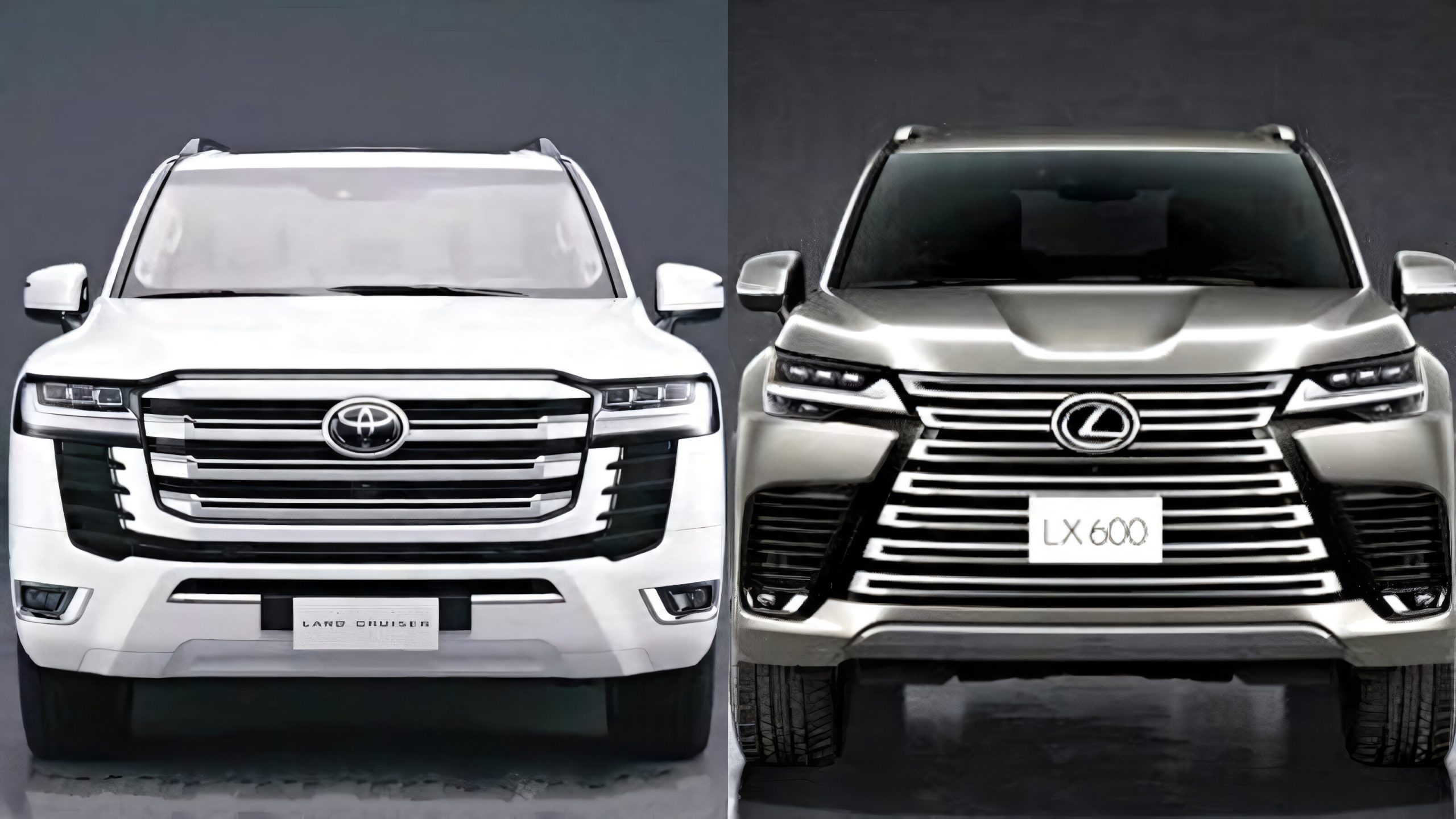
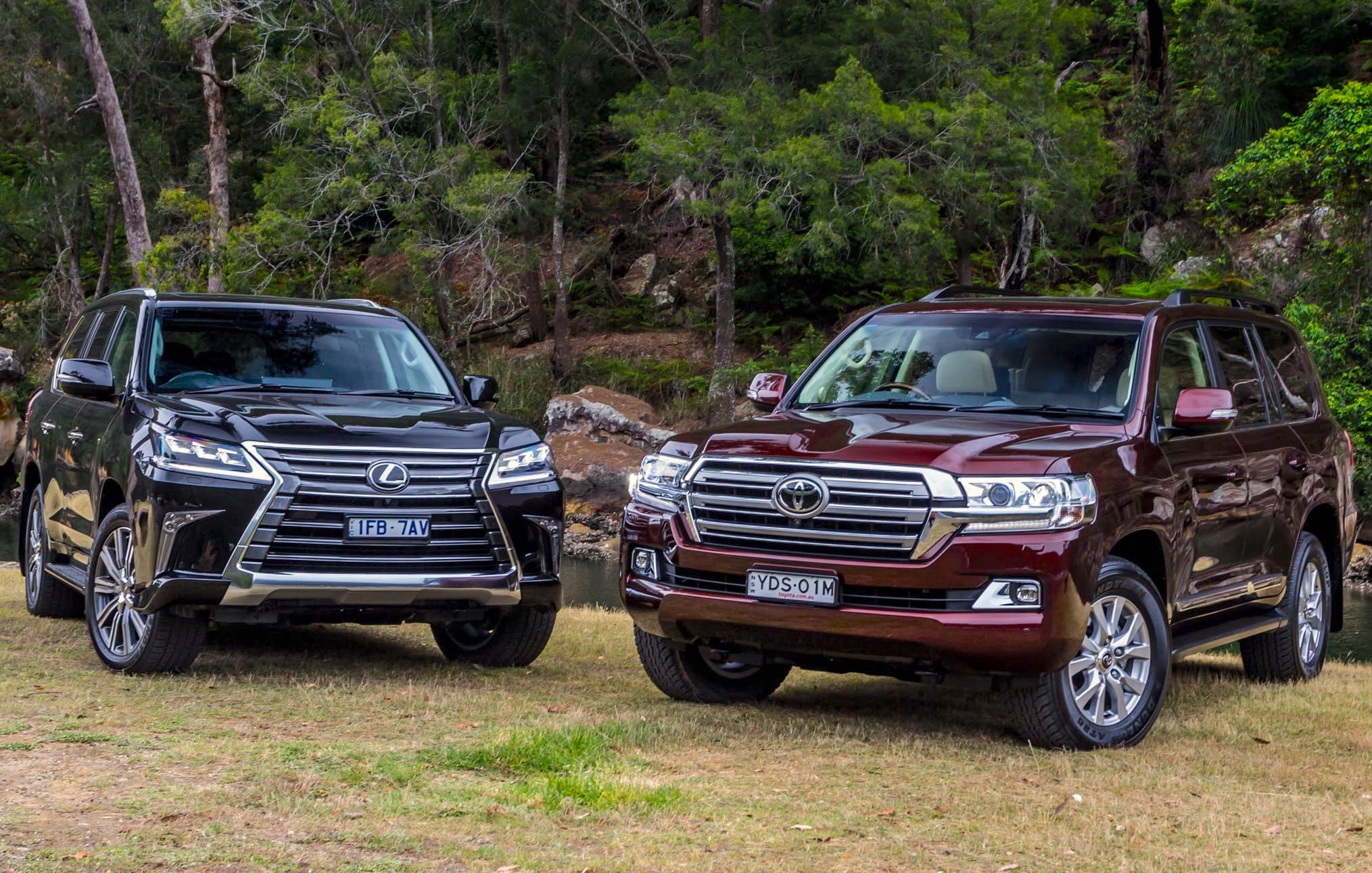
10. Toyota Land Cruiser / Lexus LX 600 (3.5L Twin-Turbo V6)
Estimated fuel economy: 17 MPG city / 22 MPG highway
Last up is the most efficient entry on the list, and it still carries a gap. The Land Cruiser and Lexus LX 600 rate about 17 MPG in the city and 22 on the highway, a 5 MPG gap.
Why would a smaller twin-turbo V6 still struggle in town? Weight is the answer. These are heavy body-on-frame luxury SUVs, and every red light forces them to burn energy overcoming inertia again and again.
Gridlock makes it worse, since the engine works hard for very few miles. The compact V6 does help, which is why both vehicles sit higher than the V8 giants above them.
Still, the pattern holds. Highway cruising rewards them, and stop-and-go punishes them. Run the numbers for a typical 150-mile week. At 17 MPG, that’s nearly nine gallons. At 22 MPG, it’s closer to seven. The gap is smaller in dollars than on the V8 models, yet it never disappears.
When choosing a vehicle from this list, consider how much of your daily driving involves city traffic, as this is where fuel economy differences become most noticeable. Fuel prices vary depending on location, so potential savings will differ, but the MPG gap between models remains unchanged.
Check the official ratings for the exact trim you want, because small differences between versions can change the math.
These figures are approximate, so weather, tire pressure, cargo, and your own driving style will all push real-world results up or down. Pick the vehicle that fits your routine, and the pump will finally stop surprising you.