A car that feels solid in year one can feel very different in year seven. Reliability is a long game. The real test begins when the warranty ends. Researchers surveyed owners of vehicles that were five to ten years old.
The study covered 26 brands and used model years 2014 through 2019. Owners reported problems across 20 trouble areas. These ranged from squeaky brakes to engine and transmission failures. Each issue was weighted by severity. Scores were then averaged across six model years for every brand.
The results reward patience. Brands that redesign slowly tend to age well. Brands that chase big technology leaps often struggle later. One analyst said conservative updates improve a lineup step by step.
Read the list with care. It shows brand averages, not guarantees. A great brand can still build a weak model year. A weak brand can still build a strong one.
This countdown covers the top 11 brands from that first study. Scores are out of 100. Later updates shuffled a few positions. The leaders stayed the same.
1. Lexus (Score: 75)
Lexus sits alone at the top. Its score of 75 was the best of all 26 brands. It held first place when the ranking began. Later updates kept it there. The reason is discipline. Lexus rarely rushes new technology into its cars. It refines proven parts year after year. Owners see fewer surprises as the odometer climbs.
Look at the ES sedan and the RX crossover. Both share mechanical roots with popular Toyota products. That shared engineering spreads testing across millions of vehicles. Problems get found and fixed early.
The cabin tells the same story. Switches still feel solid after a decade. Leather and trim hold up well. Rattles stay rare. Power equipment holds up too. Windows, seats, and climate systems keep working. Those small failures add up on lesser brands. They rarely add up here.
Hybrids help the brand. Lexus has sold gas-electric models for many years. Their drive systems have a strong record. That experience carries over to the whole lineup.
Lexus is not perfect. Older infotainment systems feel dated and clumsy. The touchpad controller frustrates some drivers. Still, an annoyance is not a breakdown.
Used prices reflect this strength. Clean examples cost more than rivals of the same age. Buyers are paying for peace of mind. Many find the premium worthwhile. Check the service history anyway. Even great cars suffer from neglect.
2. Toyota (Score: 72)
Toyota finished a close second. Its score of 72 sat far above the third-place brand. The gap was described as commanding. That says a lot about how consistent the company is.
Toyota and Mazda models made up half of the first used-car top picks list. That list was built on reliability and safety data. Few brands can claim such broad strength.
Think about the Camry and the Corolla. Both have long histories of steady improvement. Engineers change them slowly and carefully. Each generation inherits proven hardware.

The Prius deserves its own mention. Its hybrid system has racked up huge mileage in taxis and family cars. Battery failures are far less common than many fear. Owners often keep these cars for a decade or more.
Trucks and SUVs follow the same pattern. The Tacoma, 4Runner and Highlander are known for holding value. High resale prices tell the story. Buyers trust what they cannot see.
Toyota does have weaker spots. Some redesigned models have shown early problems. The newest generations bring new engines and new systems. Time will show how they age.
For the 2014 to 2019 window, though, the record is excellent. Check each model year before buying. Brand strength is a head start, not a promise.
3. Mazda (Score: 59)
Mazda takes the bronze medal. Its score of 59 was well ahead of the field behind it. Few expected a smaller brand to beat so many giants. The result came from smart engineering choices.
Mazda kept its powertrains simple. Many models used naturally aspirated engines. They also used conventional automatic transmissions instead of continuously variable ones. Fewer exotic parts meant fewer exotic failures.
The MX-5 Miata earned a top pick in the used sports car category. The 2019 model won that spot. It proves that fun and durability can coexist. Few sports cars can say the same.
The Mazda3 and CX-5 carry the same philosophy. They look sharp and drive well. They also keep running without drama. That blend is rare in the compact class.
Here is the twist. Mazda ranks only 14th in the latest new-car predictions. The drop came from a wave of all-new models. The CX-70 and CX-90, plus their plug-in versions, are new territory for the brand.
That contrast teaches a useful lesson. Used reliability looks backward. New reliability looks at recent changes. Mazda proves a brand’s history can differ from its present. Shop the older Mazdas with confidence. Approach brand-new designs with a little caution.
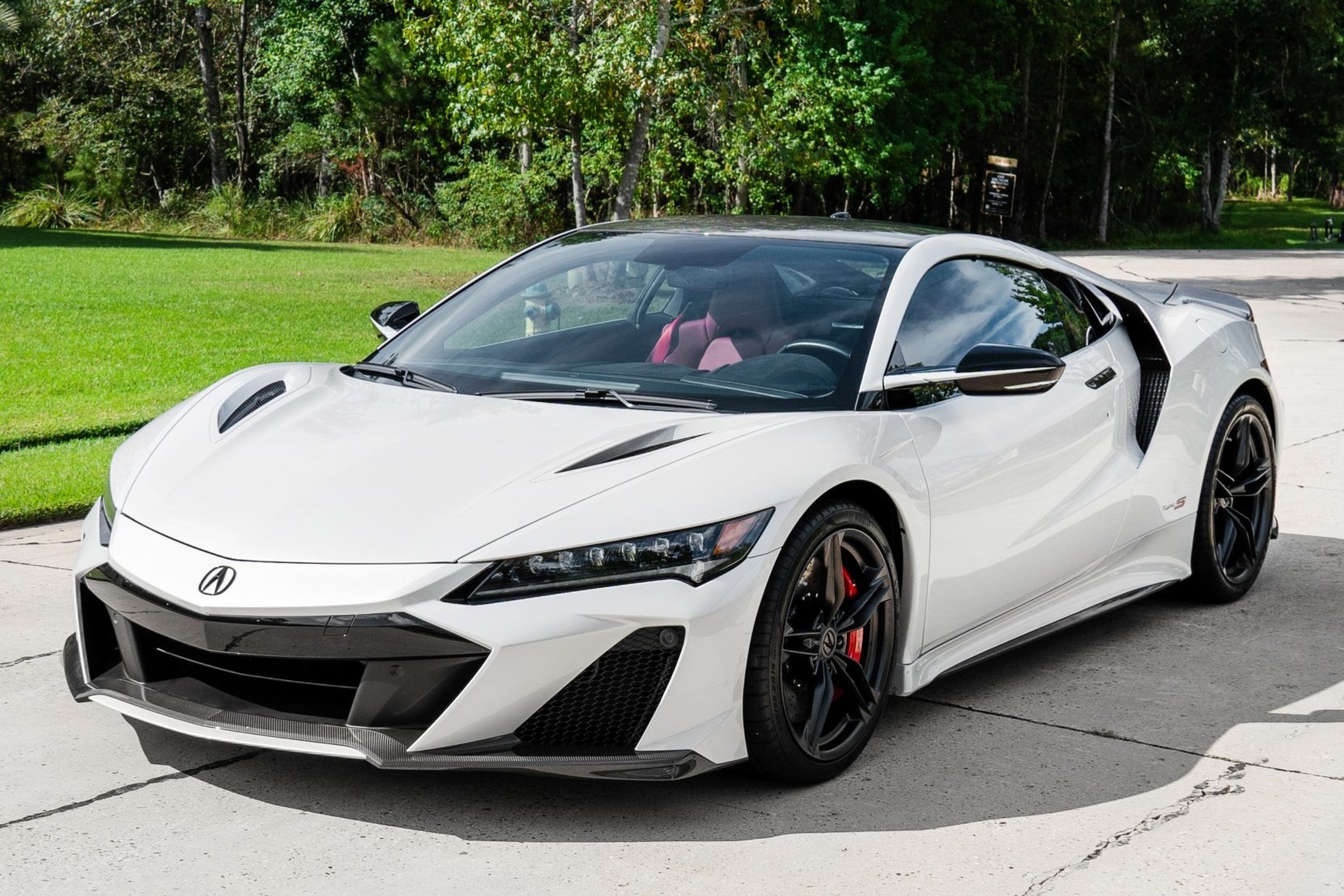
4. Acura (Score: 57)
Acura finished fourth. Its score of 57 trailed Mazda by only two points. The brand benefits from Honda engineering. That link has paid off for years.
The MDX, RDX and TLX are the core of the lineup. Each one builds on strong Honda hardware. Engines are generally durable. Build quality feels tight and careful.
Acura also adds comfort and features. Owners get leather, strong audio and good sound insulation. Those extras rarely fail early. That is not true for every luxury badge.
Some trouble spots do exist. Certain model years drew complaints about transmissions. Others faced criticism over touchscreen controls. These issues were not universal.
Acura has a slight edge in used value. Its cars cost less than German rivals. Repairs also tend to cost less. Over time, that gap becomes real money.
Later updates swapped Acura and Honda in the order. Honda moved ahead in the newest results. The two remain near each other either way. Their shared roots explain the closeness.
Smart shoppers should look at the powertrain first. Some engines and gearboxes have better records than others. Ask for maintenance proof. Then enjoy a luxury car that rarely misbehaves.
5. Honda (Score: 55)
Honda completes the top five. Its score of 55 shows steady, dependable work. The brand has built its name on that. It rarely chases fads. The Civic and Accord anchor the lineup. Both have long records of low running costs. Mechanics know them well. Parts are easy to find.
The HR-V earned a spot on the used top picks list. The 2018 model was recommended among small SUVs under $15,000. That price point is where reliability matters most. Budget buyers cannot afford surprises.
Honda has had hiccups. Some turbocharged engines from the late 2010s showed oil dilution complaints. These mostly affected certain cold-weather owners. Fixes and updates followed.
Still, the pattern is clear. Honda fixes problems rather than hiding them. Each generation tends to be stronger than the last. Owners notice that over time.
Honda also benefits from simplicity. Many trims offer the same mechanical parts. That makes service easier and cheaper. It also spreads reliability across the lineup.
In later results, Honda climbed above Acura. That fits its recent record. The brand is now close to the very top. It remains a safe default for used buyers.
6. Buick (Score: 47)
Buick is the surprise of the top ten. A domestic brand in sixth place caught many readers off guard. Its score was 47. That beat several luxury names.
Buick also did better used than new. It climbed several places compared with its new-car ranking. Researchers credited a lack of troublesome new models. Consistency paid off.
The Encore, Enclave, Regal and LaCrosse form the core of the story. Many used Buicks are quiet and comfortable. They drive like cars from a calmer era. Owners rarely complain.
Buick continues to impress in current surveys. It ranks as the top domestic brand for new-car reliability. It came in eighth in the latest results. Only the Enclave drew a below-average mark.
Prices also help. Used Buicks often sell for less than comparable Japanese models. That makes them a bargain for careful buyers. Depreciation has already done its work.
Some caution applies. Not every Buick is equal. Check the exact model and year before buying. Brand averages hide individual weak spots. Buick shows that American cars can age well. It simply needs the right formula. Slow changes and proven parts are that formula.
7. BMW (Score: 46)
BMW lands in seventh with a score of 46. That puts it ahead of Mercedes-Benz and Audi. Many people expect German cars to struggle with age. BMW did better than that stereotype.
The 3 Series and 5 Series carry much of the praise. Their engines are strong when maintained well. Their chassis stay tight for years. Driving pleasure lasts.
Complexity is still the enemy. Turbocharged engines and heavy electronics add risk. Some four-cylinder engines from the early 2010s had timing chain trouble. Certain V8s also drew repair headaches.
Maintenance matters more here than almost anywhere. Skipped oil changes can be deadly. Cheap parts can cause new problems. Owners who follow schedules are rewarded.
BMW also benefits from a large dealer and specialist network. Independent shops know these cars well. Parts are plentiful. That keeps repair times shorter.
The latest brand report card shows BMW near the top. It ranked second behind Subaru. That reflects strong road tests and owner satisfaction. Reliability helps the case. A used BMW can make sense. Pick a well-documented example. Budget for upkeep. Then enjoy a car that still feels special.
8. Subaru (Score: 46)
Subaru ties with BMW at 46. It ranks one place lower in the countdown. The brand has a loyal following for good reasons. Owners love its practicality.
The Outback, Forester, Crosstrek and Impreza dominate the lineup. Each one offers standard all-wheel drive. That adds complexity compared with front-drive rivals. Subaru handles it better than most.
Some known issues exist. Certain engines have shown oil consumption problems. Continuously variable transmissions have drawn mixed feedback. These concerns appear on specific model years.
Even so, Subaru ages gracefully. Bodies hold up well in harsh weather. Interiors stay functional. Suspensions take rough roads without complaint. The brand also earns praise in other categories.
It was named the top brand in the latest report card. That marked the second year in a row. Safety and owner satisfaction help that result. Resale values stay strong. That signals trust in the used market. Buyers expect long service. Subaru delivers more often than not.
Smart shoppers should check engine records. Look for oil change history and transmission service. Those two items tell the story. A well-kept Subaru can serve for many years.
9. Nissan (Score: 45)
Nissan takes ninth place with a score of 45. That is a respectable result. It is also a mixed one. The brand has strong cars and weak ones. The big controversy is the continuously variable transmission.
Several Nissan models used it widely. The Altima, Sentra and Rogue are the main examples. Owners have reported shuddering and premature failures.
Yet the brand still ranks above Mercedes-Benz. That means other models are doing real work. Trucks like the Frontier use more traditional automatic transmissions. Simpler hardware often lasts longer.
Nissan also builds reasonable engines. Many four-cylinder units run for years with basic care. Problems usually start elsewhere. Gearboxes and electronics cause the loudest complaints.
Prices make Nissan tempting. Used examples are cheap. That can tempt buyers into skipping inspections. It is a mistake. Read the service records carefully. Look for fluid changes on the transmission. Test drive for any hesitation. A single warning sign can save thousands.
Nissan teaches an honest lesson. A brand average hides big differences between models. Choose the model, not just the badge. That approach works for every brand on this list.
10. Mercedes-Benz (Score: 43)
Mercedes-Benz finishes tenth with a score of 43. That keeps it inside the top ten. It also sits below several mainstream names. Luxury does not equal durability.
The C-Class, E-Class and GLC are the volume sellers. Their ride quality remains superb. Their cabins feel expensive even when old. Few rivals match that mood.
Complexity is the price. Air suspension systems can fail with age. Electronics can misbehave. Sensors and modules add up to costly repairs. Maintenance costs are also high.
Parts cost more than on Japanese rivals. Labor rates at specialists are not cheap. Owners should budget accordingly. Mercedes still scores better than Audi and Volkswagen in this study. That is a quiet victory. It shows that German engineering is not a single standard. Each brand has its own record.
Smart buyers can still find value. Choose simpler models with fewer options. Avoid cars with heavy air suspension systems if cost matters. Pick a well-documented example. A used Mercedes can be a joy. It can also be a money pit. The difference is knowledge and preparation. Do the homework first.
11. Cadillac (Score: 42)
Cadillac rounds out the list at eleventh. Its score of 42 tied with Mini and Lincoln. The brand performs better used than new. That is a notable shift.
Time helps Cadillac. By year five, early software and design flaws are often fixed. Prices have also dropped sharply. Bargain hunters can find real luxury for modest money.
Popular models include the ATS, CTS, XT5 and Escalade. Each has fans for different reasons. The Escalade offers size and presence. The sedans offer sharp handling.
The infotainment system has been a known sore point. The touch-based CUE interface drew many complaints. Slow responses and glitches were common. It is a reminder that tech ages fast.
Mechanical issues are less dramatic. Many engines are solid when maintained. Transmissions are decent. Electrical gremlins appear more often than major breakdowns.
Cadillac sits slightly behind Buick in this ranking. Both belong to General Motors. Their results show how much model choice matters. The same parent can produce different outcomes.
For shoppers, Cadillac offers style and comfort at a low entry price. Inspect the electronics thoroughly. Test every screen and control. Then decide if the discount is worth it.