Every year, Consumer Reports asks its members one blunt question. Would you definitely buy this same car again? The answers become the owner satisfaction score.
The latest ratings come from the 2025 Annual Auto Surveys, which cover about 380,000 vehicles. CR averaged the 2023 to 2025 model years, plus a few 2026 models.
Only owners who answer “definitely yes” count toward the score. The question asks them to weigh price, performance, reliability, comfort, and enjoyment together. That is a high bar. A lukewarm “probably” does not help a model here.
This score is not a reliability score. CR’s Steven Elek notes that a car can have below-average reliability and still make owners happy. Keep that in mind as you read.
The list below mixes electric trucks, a sports car, a luxury SUV, a hatchback and a minivan. They look different, but they share one thing. Each one delivers what its buyer expected. Figures come from CR’s published 2026 ranking. One outlet lists the Kia Carnival Hybrid at 81%, while others say 80%. I flag that in its section.
Quick Satisfaction Table
| Rank | Model | Would Buy Again |
|---|---|---|
| 1 | Rivian R1T | 91% |
| 2 | Chevrolet Corvette | 88% |
| 3 | Land Rover Defender | 88% |
| 4 | Porsche 911 | 85% |
| 5 | Tesla Model Y | 82% |
| 6 | BMW i5 | 81% |
| 7 | Mini Cooper | 81% |
| 8 | Kia Carnival Hybrid | 80% |
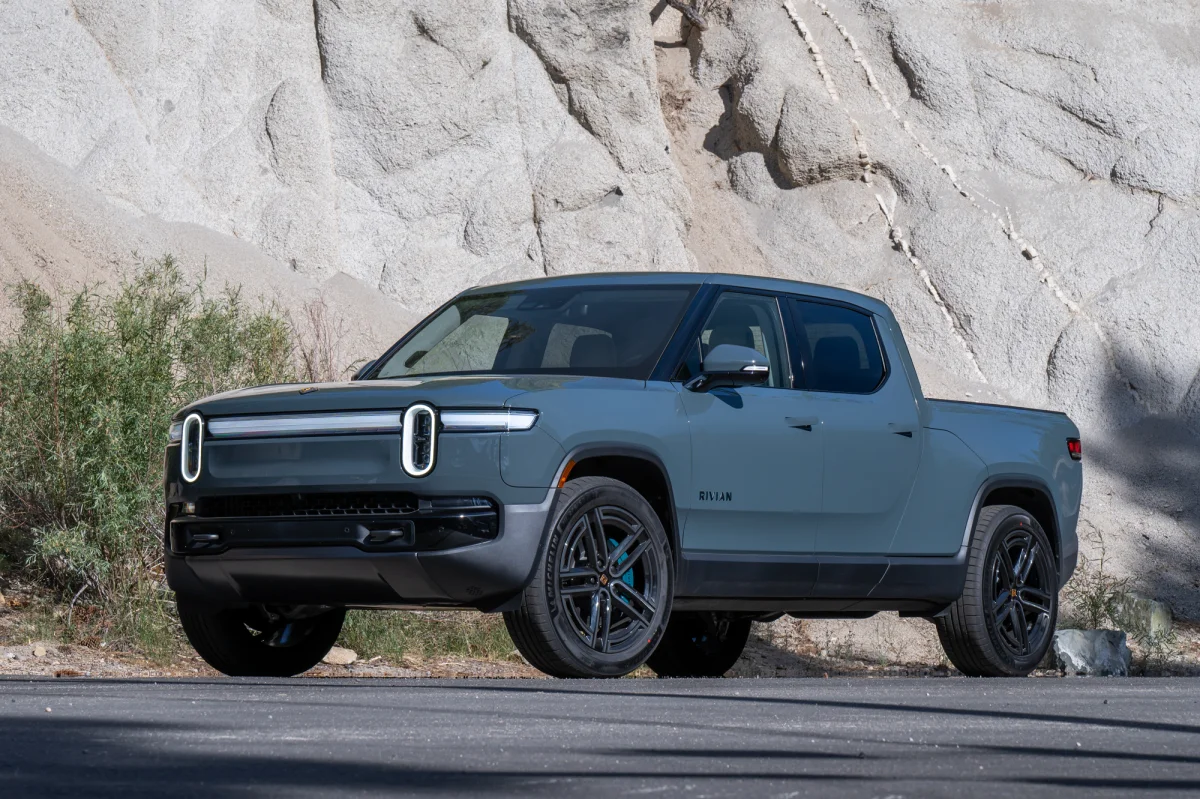
1. Rivian R1T: 91%
The R1T’s 91% is the highest owner satisfaction score of any vehicle for 2026. It sits well clear of the pack. The next models trail it by three points. Rivian is also the top-scoring brand at 85%. It has held that spot for three years in a row. The loyalty is not a one-year fluke.
The R1T is priced from $72,990 to $119,990. It is rated at 70 mpg. That is serious money for a pickup. Owners still say it was worth it. The R1S shows how much the truck stands out. Owners of the SUV gave it 79%. That is a strong score, yet 12 points below the truck.
Here is the twist. CR’s earlier list flagged 2023 Rivian models as used vehicles to avoid because of below-average reliability. Even so, 88% of R1T owners and 84% of R1S owners said they would buy again.
That gap tells you how CR’s score works. Owners were happy despite the reliability concerns. Rivian redesigned and improved both models for the 2025 model year.
Why do owners love it? The truck is a different kind of pickup. It pairs electric torque with storage and tech that feel fresh. Many buyers pick it as a lifestyle choice, not a work tool.
That emotional pull shows up in the survey. People who choose a niche brand often feel strongly about it. There is a caution. A high score reflects the owners who bought one. That group leans toward early adopters. They accept quirks that a mainstream buyer might not.
Still, a 91% score is hard to argue with. Few vehicles in any class earn that kind of loyalty. For anyone shopping for an electric truck, the R1T sets the benchmark.
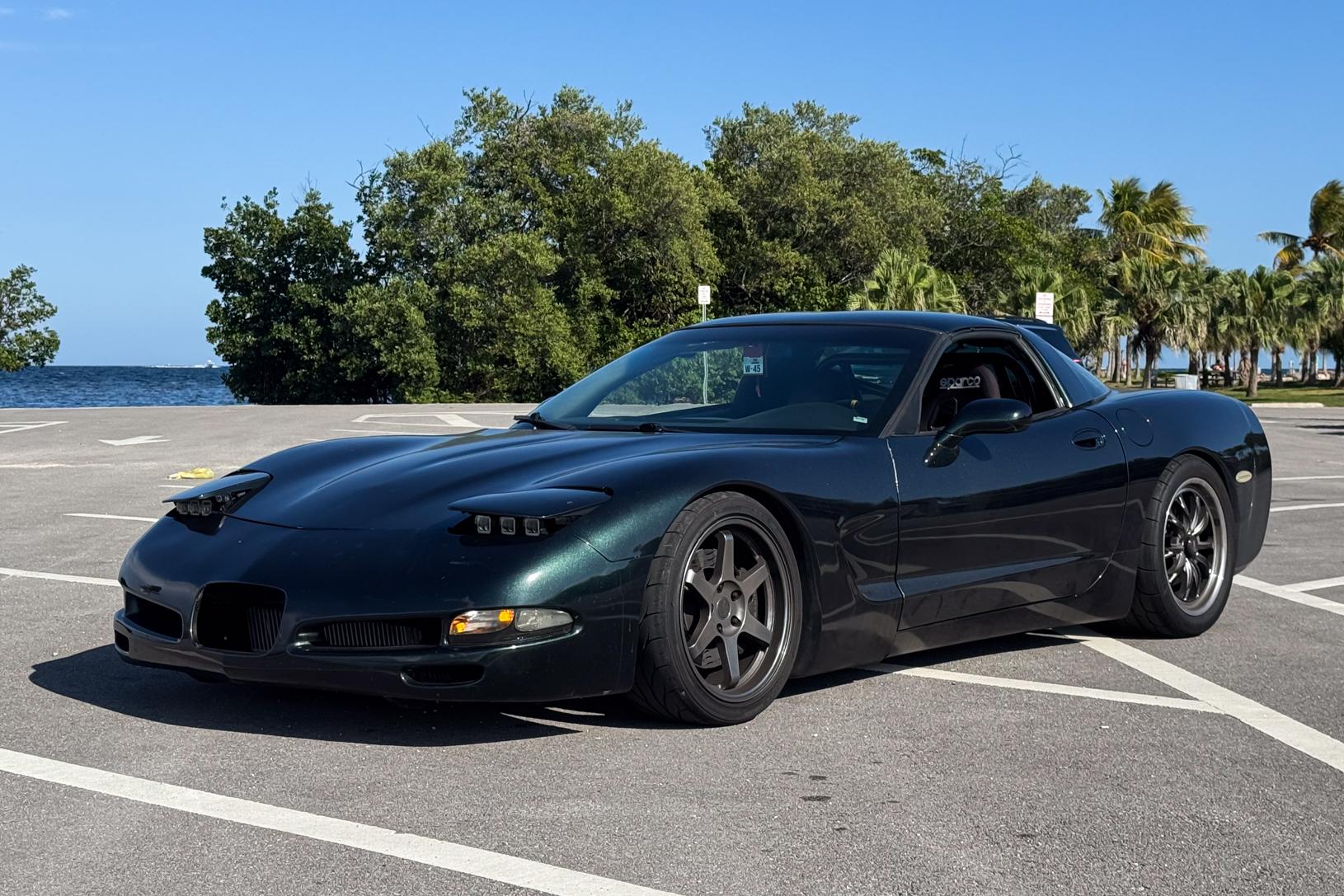
2. Chevrolet Corvette: 88%
Nearly nine in ten Corvette owners, 88%, would buy it again. That keeps the Corvette near the top year after year. The streak is real. In an earlier survey, the Corvette was the most satisfying vehicle for the second year in a row, with 94%. A later list put it at 92%. So the 2026 score is a dip, but a small one.
Pricing runs from $70,000 to $228,100. The car returns 19 mpg. That range covers a base car and a very fast one. Both groups of owners seem pleased.
CR credited the 2020 redesign for much of the appeal. It said the car could be mistaken for a Ferrari or Lamborghini. That is a bold comparison for an American sports car.
The value story matters here. A Corvette gives exotic looks and speed for far less than an exotic badge. Owners notice that every time they drive it.
Sports cars also tend to score well in this survey. Buyers choose them for fun, not for need. When the car delivers fun, they say yes again. Compare that with a family crossover. Those buyers want space and quiet. They judge it on a long list of small things. A sports car only has to thrill.
The mpg figure is modest. Owners clearly do not mind. Nobody buys a Corvette to save at the pump. For a shopper, the lesson is simple. Buy this car for the driving.
If that is your goal, the data says you will likely be happy years later. The wide price spread is worth noting. Trim choice changes the experience a lot. Test the version you can truly afford.
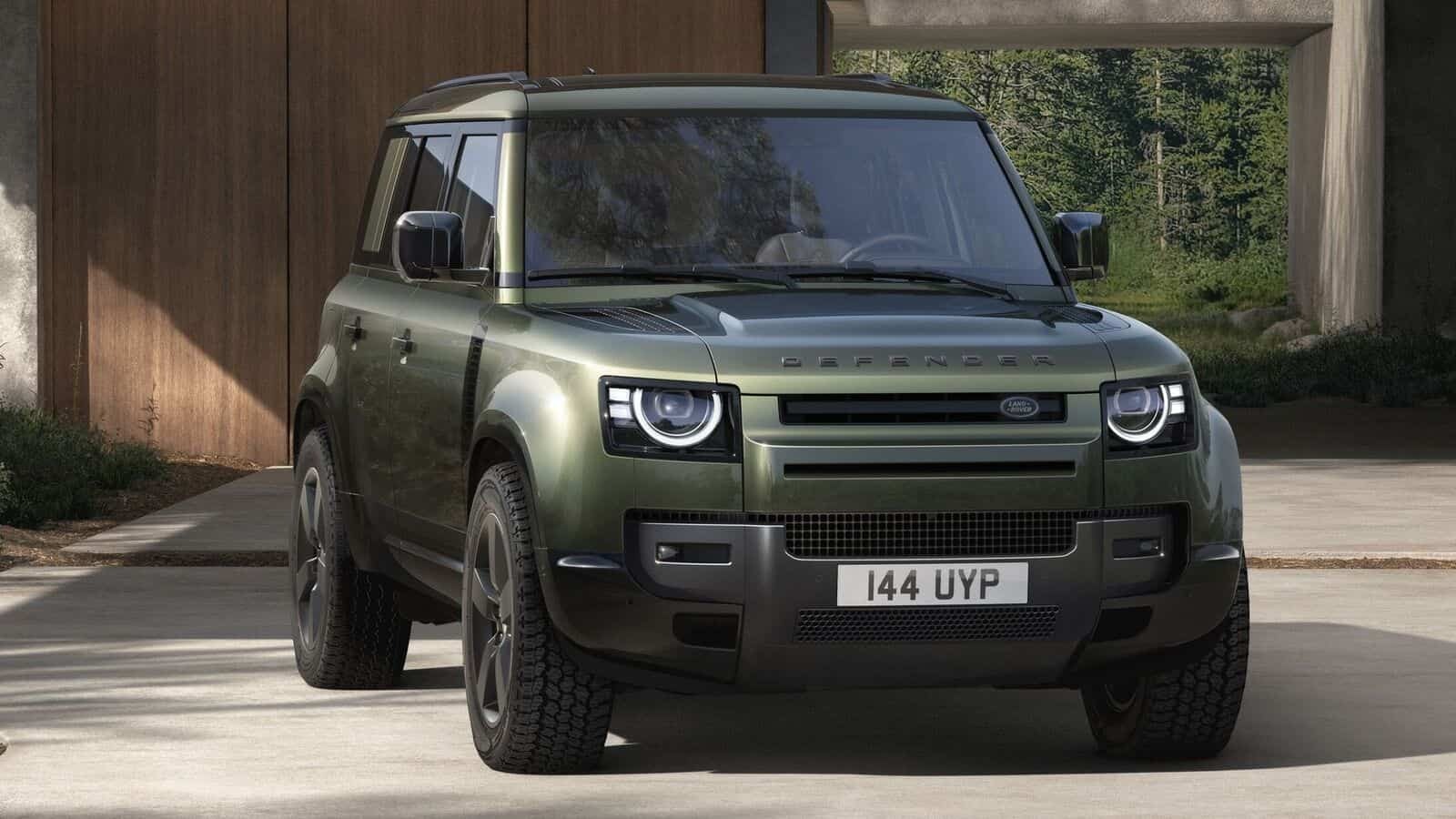
3. Land Rover Defender: 88%
The Defender ties the Corvette at 88%. It is priced from $63,500 to $168,700 and gets 18 mpg. That tie is notable. Land Rover is not known as a reliability champion. The Defender shows why satisfaction and reliability are different things.
CR itself warns that the cars owners love are not always the ones that excel in its testing. The Defender fits that pattern well. So why do owners stay loyal? Character is the answer. The Defender has a rugged, retro-modern look. It stands apart from the crossover crowd.
Buyers here pay for image and capability. They want a vehicle that looks ready for anything. Many never leave pavement, but they like knowing they could.
Price spread matters too. The range runs from $63,500 to well past $168,000. A buyer at the top end gets a very different car from one at the bottom. Both appear to be satisfied.
The 18 mpg figure is thirsty. Owners accept it. That tells you how strongly the design and presence resonate. There is a lesson about expectations. A buyer who expects a luxury off-roader with personality gets exactly that. The score measures whether the car met the promise.
Contrast this with brands that overpromise. Some models in CR’s least-satisfying list scored in the 20s and 30s. Those buyers expected more than they received. The Defender sits at the opposite end.
Be careful, though. A high satisfaction score does not remove ownership risk. Check CR’s reliability data and warranty terms before you sign. A happy owner today may still face repair bills later. For the right buyer, the Defender is hard to replace. It offers a mix of toughness and style that few rivals match. 88% of owners agree.
4. Porsche 911: 85%
Porsche 911 owners rate it at 85%. The pricing is the steepest on this list. It runs from $132,300 to $284,300. That makes the 85% more impressive. A buyer who spends this much expects near perfection. Most owners say the car delivers.
Autoguide noted that the 911 is the highest-rated Porsche model. That fits the brand’s strength. Porsche as a brand also placed second in its comparison at 77%.
The 911 has a long identity. Its shape and rear-engine layout are famous. Owners buy into a history, not only a spec sheet. The car is also usable every day. Many sports cars punish their owners with harsh rides and little room. The 911 is known for being livable. That helps satisfaction hold up over years.
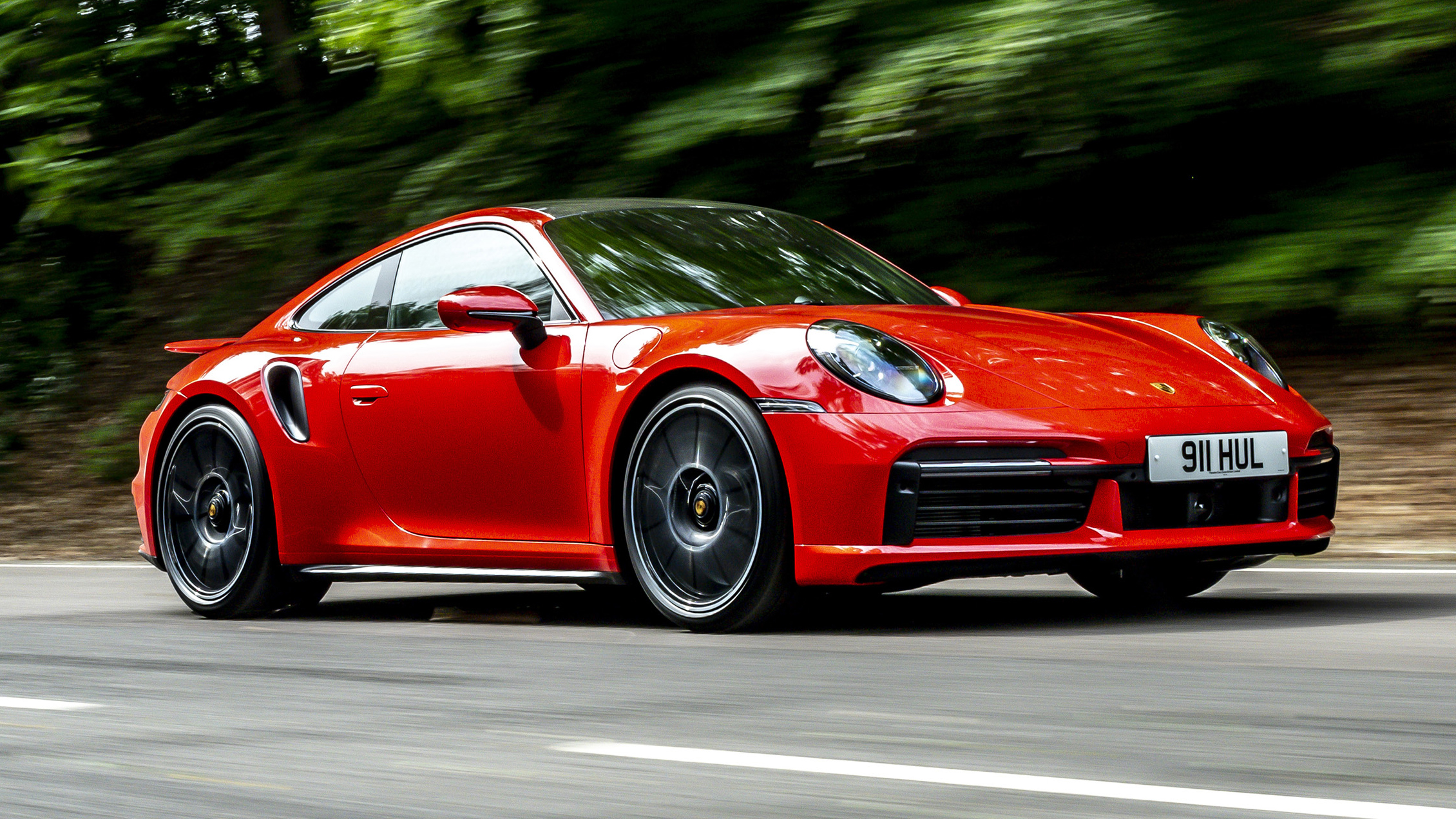
Compare it with the Corvette. The Corvette scores three points higher at a much lower starting price. Yet the 911 owner pays far more and still reports strong loyalty. Prestige counts for something here.
There is a flip side. A very expensive car invites very high expectations. A small flaw feels bigger at this price. The 85% suggests Porsche mostly avoids that trap.
Fuel economy was not provided in the published data. Buyers in this class rarely shop by mpg anyway. They shop by feel, sound, and badge. Notice the scale of the score gap. The 911 sits only three points under the Corvette. For about double the entry price, that is a fair match. Buyers should ask which car suits their taste.
If you want a precision sports car, the 911 is a safe pick by this measure. Just budget carefully. Options and upkeep can add up fast. The takeaway is clear. Heritage, daily usability, and brand strength all show in the number. The 85% is a quiet endorsement of Porsche’s formula.
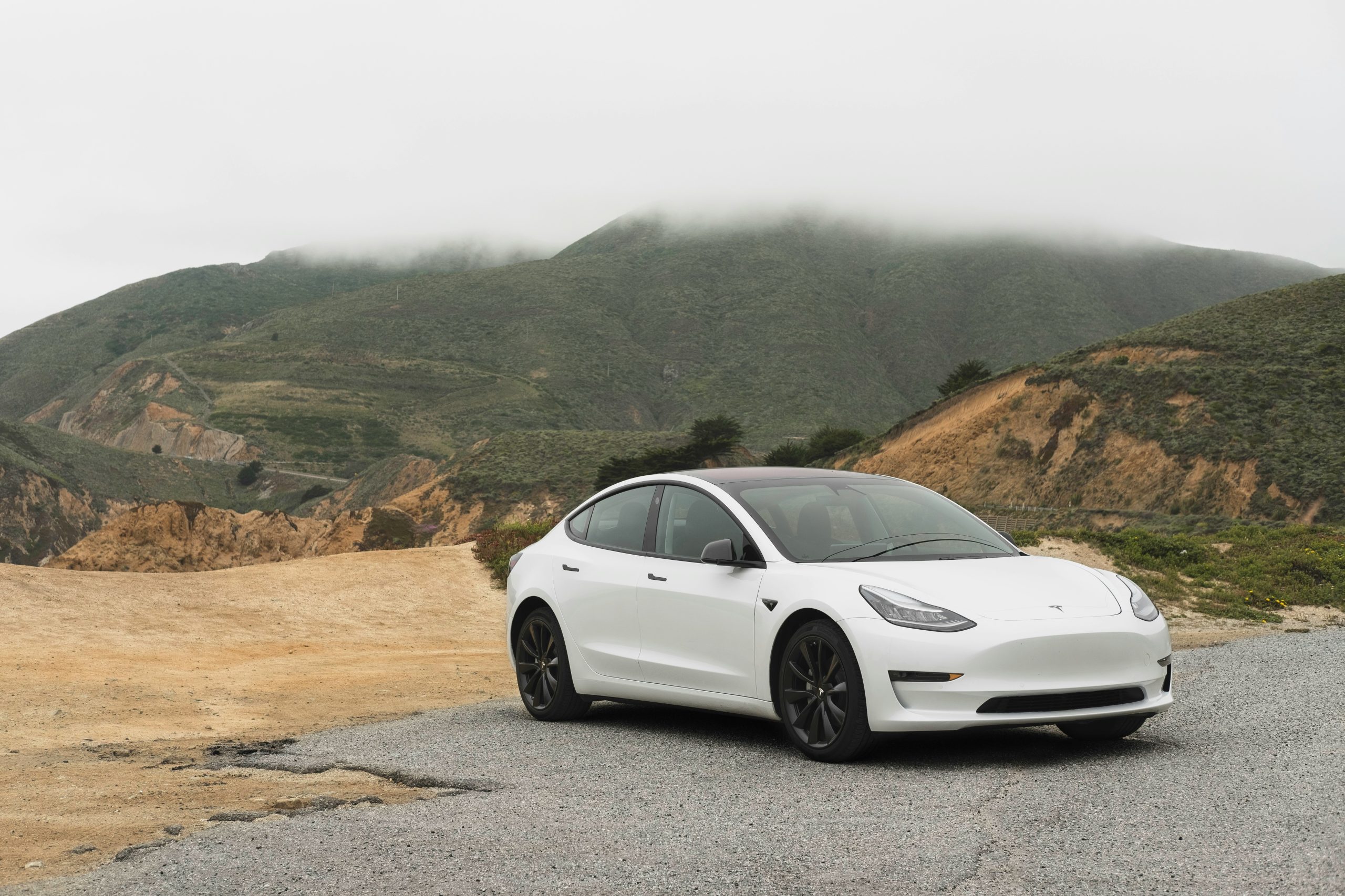
5. Tesla Model Y: 82%
Tesla’s highest-rated model is the Model Y, at 82%. That is far above the brand average. Only 69% of owners said they would pick Tesla again as a brand.
So the Model Y pulls the average up. Other Tesla models do worse. Even the Cybertruck reached 73%, despite widely discussed quality issues. That line from the Cybertruck data is telling. Owners can forgive flaws when a car feels special. Satisfaction is not just about build quality.
The Model Y is the practical Tesla. It is a family-sized electric crossover with strong charging access. Many owners buy it as a first EV. It makes electric life easy.
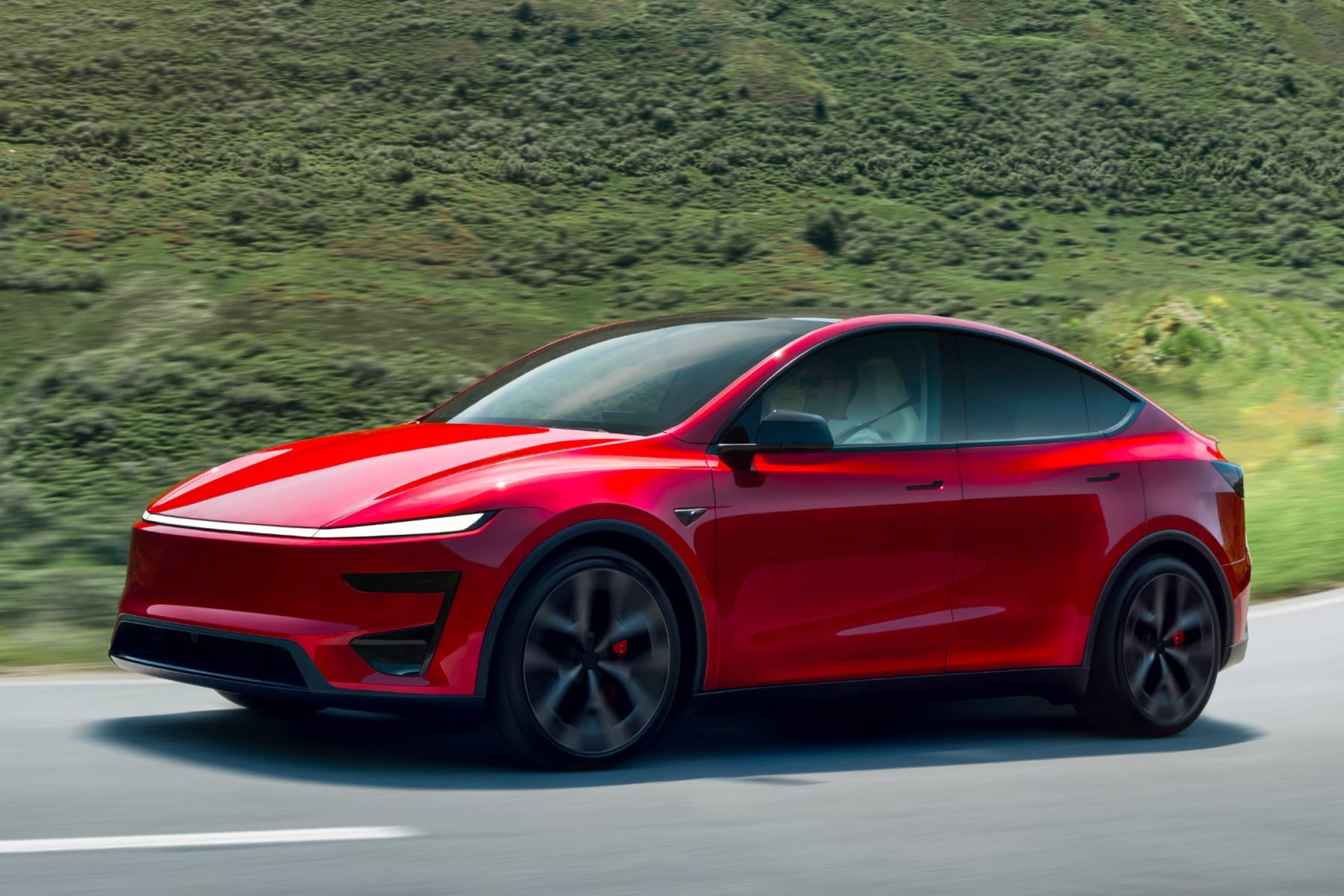
Tesla’s slide matters too. In 2016, a striking 91% of Tesla owners said they would buy the brand again. That has fallen to 69%. The Model Y is holding up better than the brand.
Tesla now ranks fourth among brands, behind Rivian, BMW and Subaru. The brand is still in the top group. It just no longer owns the top spot. Why does the Model Y beat its siblings? Likely because it fits more buyers. It offers space, range and a simple ownership routine. Fewer compromises mean fewer disappointed owners.
There is a note of caution. CR scores come from a survey of its members. They skew toward informed buyers. The result may not match every shopper’s experience.
Still, 82% is strong. Only a handful of models beat it. For a mainstream-priced electric crossover, that is a very good showing. If you are weighing an EV, this score is useful. It says owners are happy with the daily experience. Pair it with reliability data before you decide.
6. BMW i5: 81%
BMW i5 owners place it at 81%. It is the electric version of the brand’s well-known midsize sedan. BMW, as a brand, has been strong. BMW ranks second among all brands, at 71%. The i5 beats that average by ten points.
BMW has another entry nearby. The X5 also scores 80%. So the brand lands two models in the top ten. That points to broad strength, not a single hit.
An earlier list also showed the BMW i4 at 83% and the X5 at 84%. BMW owners have been happy for several years running. The i5 extends that run.

Why do buyers like it? The i5 blends a familiar sedan shape with electric power. It feels like a BMW first and an EV second. That lowers the risk for traditional buyers.
Sedans are also a smaller market now. Buyers who still want one tend to care about the driving feel. They know what they want. That makes satisfaction easier to earn.
Compare that with the weaker electric entries. Audi’s Q4 E-Tron scored just 39%, and the Honda Prologue scored 37%. The i5 shows that electric does not mean unhappy owners.
Details like price and range were not in the sources I verified, so I will not guess. Check current figures before you shop. They shift with trim and incentives.
The lesson is about execution. BMW kept what owners like and added electric power. That formula avoids the surprises that sink other EVs. If you want a luxury EV sedan, the i5 deserves a test drive. The 81% suggests owners feel they got what they paid for.
7. Mini Cooper: 81%
Mini Cooper owners also give it 81%. It ties the BMW i5. That is notable for a small hatchback. Mini is a BMW-owned brand. The shared strength shows. Both sit in the high range of CR’s survey.
The brand has a record of this. In CR’s 2024 brand ranking, 77% of Mini owners said they would definitely buy again. That is a very high figure for a small-car maker.
Small cars often score lower. Buyers pick them for price and then notice the compromises. The Mini avoids that. Owners pick it for fun, not only for cost.
The appeal is personality. The look is playful. The driving feel is lively. Those are emotional reasons, and emotional reasons build loyalty. Think about who buys one. Most Mini owners chose it over cheaper, more practical hatchbacks. They knew the trade-offs. That makes disappointment less likely.
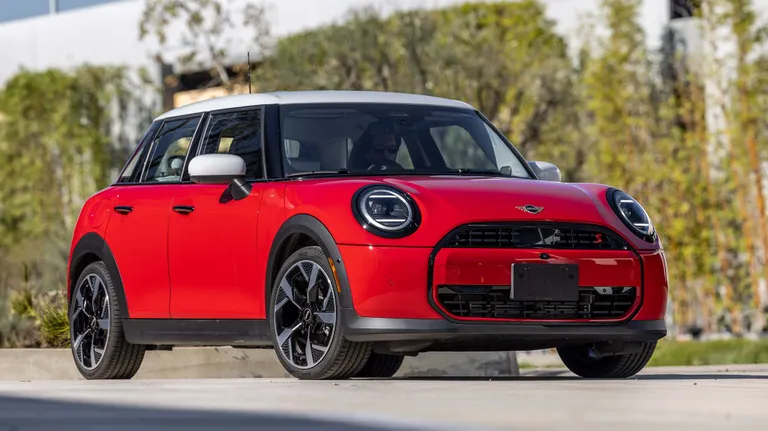
The contrast with mainstream compacts is clear. In an earlier survey, models like the Kia Forte and Nissan Altima scored around 51%. Those cars serve a need. The Mini serves a want.
There is a lesson for buyers. If you choose a car for how it makes you feel, you are more likely to stay happy. If you choose only on price, satisfaction can fade.
The data I verified does not include price or mileage for the Mini. Check current figures with a dealer. Do not rely on old numbers. Also remember that a satisfaction score is not a repair record. A fun car can still cost more to keep.
Read CR’s reliability page next to this number. The Mini Cooper proves small can be loved. An 81% score puts it in rare company. It sits with far more expensive machines.
8. Kia Carnival Hybrid: 80%
The Kia Carnival Hybrid scores 80% in Autoblog’s reading of CR’s list. One outlet shows 81%. Either way, it is a standout in a tough segment. Minivans are not glamorous. Buyers choose them for space and ease. That makes high satisfaction harder to earn.
Look at the rival numbers. The Chrysler Pacifica Hybrid scored only 43% on CR’s least-satisfying list. The gap with the Carnival Hybrid is huge, near 40 points.
The hybrid system likely helps. In an earlier survey, CR’s Jake Fisher said nearly every hybrid outscored its conventional cousin. Lower fuel costs make owners happier.
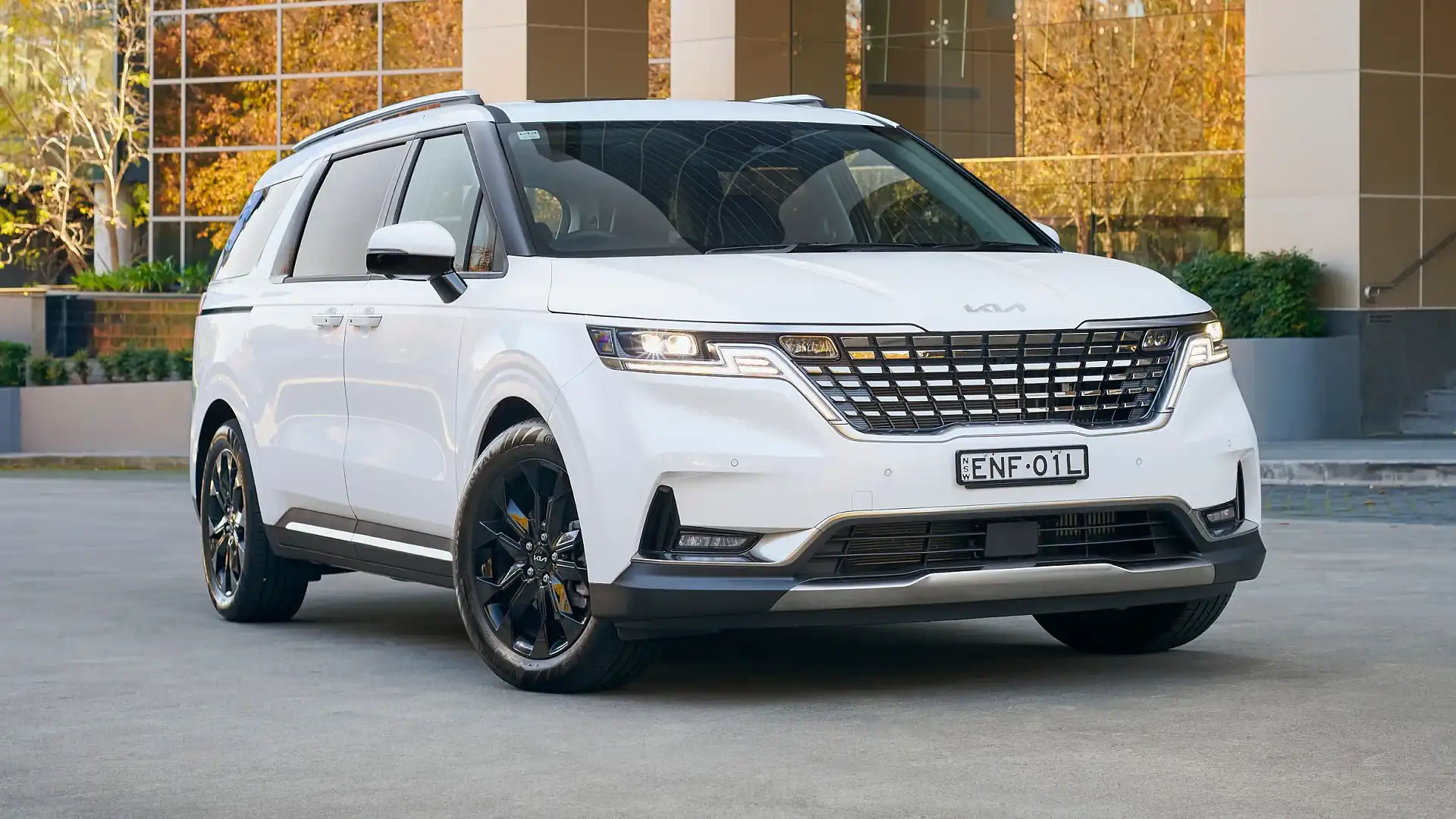
CR also found that owners often cite low ownership costs and strong fuel economy. A family hauler that sips fuel earns easy praise. Kia’s brand score is more modest. In 2024, 63% of Kia owners said they would buy again. So the Carnival Hybrid beats its brand by a wide margin. That is a model-level success.
The Carnival is also a different take on the minivan. It is styled more like an SUV. Buyers who dislike the minivan image may find it easier to accept. A family car lives a hard life. Spills, trips and school runs test every feature. A score of 80% suggests it holds up to that routine.