
Owning a car becomes much easier when replacement parts are affordable and readily available. Nobody wants to spend hundreds of dollars waiting for a specialized component when a routine repair could be completed with an inexpensive, commonly stocked part.
Fortunately, several popular vehicles in the United States benefit from large aftermarket networks, strong parts availability, and relatively reasonable repair expenses.
Their popularity also encourages manufacturers and aftermarket suppliers to produce compatible components in large quantities. Here are 10 cars that make everyday maintenance and replacement-part shopping easier without requiring an expensive luxury-car budget.
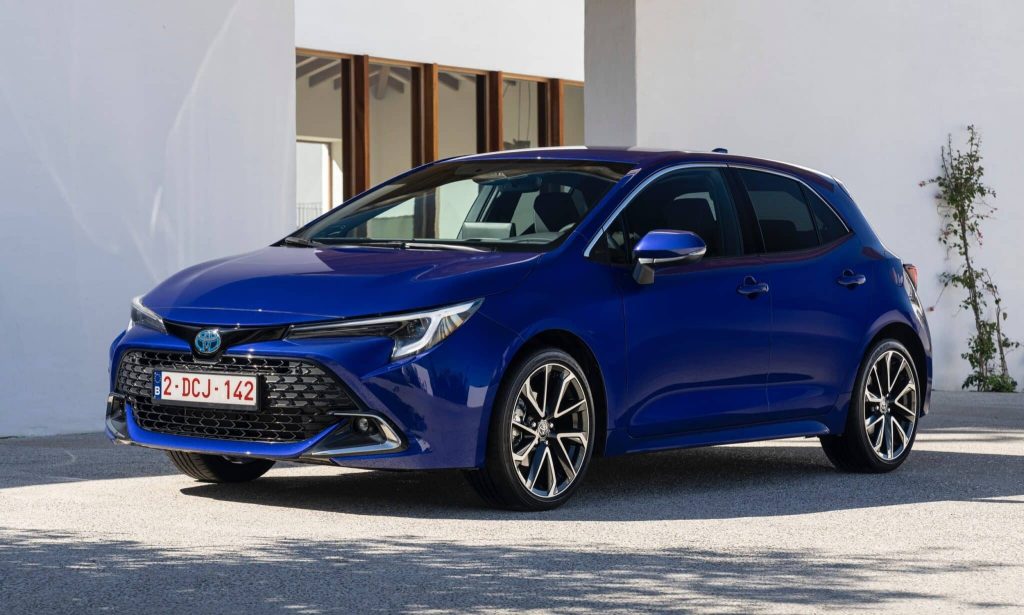
1. Toyota Corolla
The Toyota Corolla is one of the strongest choices for drivers who want affordable replacement parts without sacrificing everyday practicality. Its enormous presence on American roads has encouraged a competitive aftermarket industry, giving owners plenty of choices when shopping for routine service components.
Whether someone needs brake pads, air filters, spark plugs, wiper blades, belts, or replacement suspension components, the Corolla is generally well supported by automotive parts retailers.
Its popularity also benefits owners looking beyond original Toyota components. Companies such as Denso, Bosch, NGK, and other established suppliers offer replacement products for various Corolla applications.
Buyers can compare original equipment, aftermarket, and economy-grade options depending on their budget and repair requirements. However, compatibility matters because components differ between engine configurations and model years.
The financial figures support its reputation for economical ownership. RepairPal estimates the Corolla’s average annual repair and maintenance expense at $362, compared with $652 across all vehicle models. It also gives the car a 4.5 out of 5 reliability rating, placing it first among 36 compact cars in its assessment.
That does not mean every Corolla component is inexpensive. A catalytic converter, transmission assembly, or electronic control unit can still produce a substantial bill.
Nevertheless, the availability of commonly needed service parts gives owners more purchasing options and helps independent mechanics source components without relying exclusively on dealerships.
For used-car buyers, the Corolla offers several practical advantages, including readily available parts, well-established mechanical systems, and relatively affordable repairs. These qualities make it a practical option for keeping maintenance and ownership costs under control.
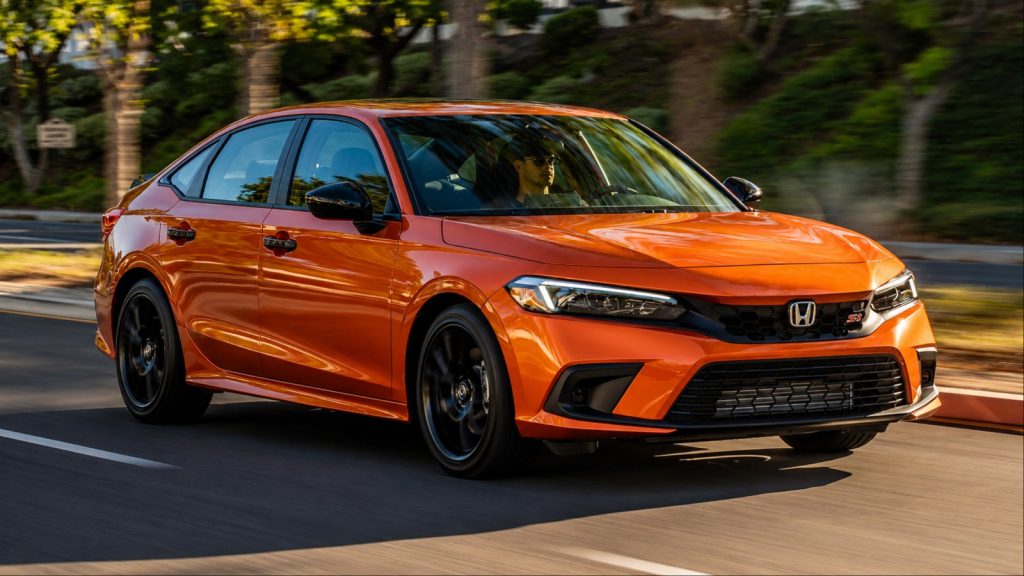
2. Honda Civic
The Honda Civic has spent decades building a reputation as an easy vehicle to maintain, and its replacement-parts ecosystem is a major reason. Its popularity among commuters, students, families, and automotive enthusiasts has created strong demand for both original equipment and aftermarket components.
Consequently, owners can usually find multiple choices for everyday repairs rather than being restricted to a single supplier.
Consider the components that typically wear out during normal driving. Brake pads, rotors, filters, ignition coils, spark plugs, wheel bearings, and suspension bushings are widely supported across many Civic generations.
Owners can compare prices from national automotive retailers, independent parts distributors, and online suppliers. There is also a substantial selection of performance and replacement accessories, although compatibility depends heavily on the specific generation and engine.
RepairPal estimates the Civic’s average annual repair and maintenance cost at $368, considerably below its reported $652 average for all vehicle models. Its reliability assessment also awards the Civic 4.5 out of 5, placing it third among 36 compact cars.
One advantage is the availability of experienced independent mechanics. Because the Civic is so common, many repair shops already understand its routine servicing requirements. That can make it easier to compare labor estimates and avoid unnecessary dealership expenses.
There are exceptions worth remembering. Turbocharged Civic versions, hybrid models, and higher-performance Si and Type R variants can have more expensive specialized components than ordinary naturally aspirated versions. A replacement turbocharger or advanced electronic component will never cost the same as a basic air filter.
Still, for everyday ownership, the Civic remains an attractive option. Its established aftermarket support and competitive repair costs make finding replacement components considerably less complicated than it is for many less common vehicles.
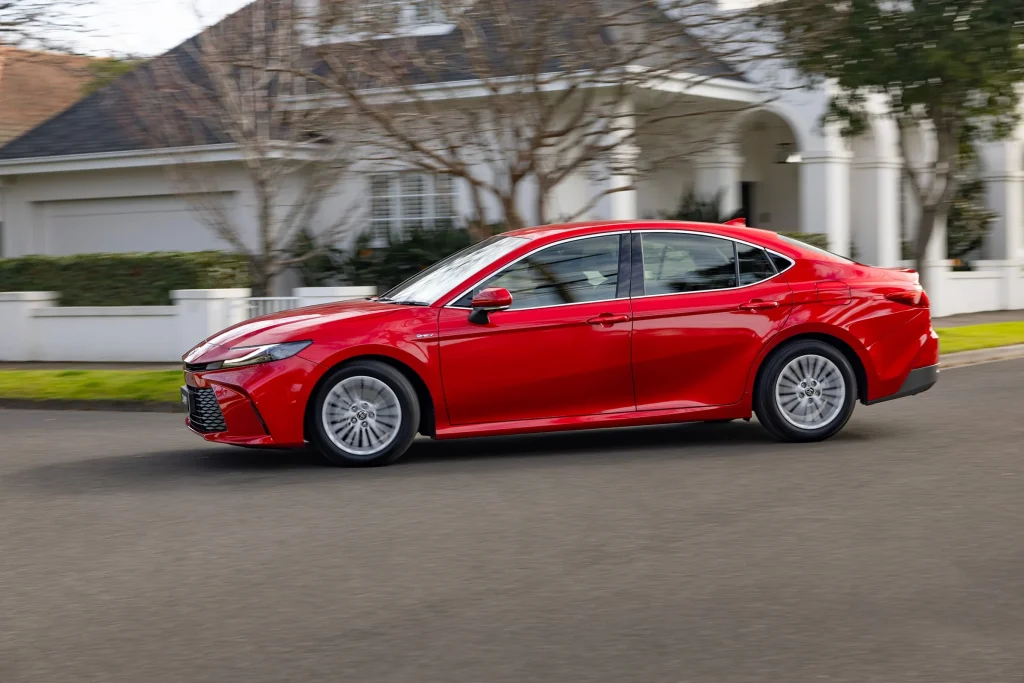
3. Toyota Camry
The Toyota Camry deserves a place on this list because its popularity has created a strong replacement-parts market across the United States. From basic maintenance items to more substantial mechanical components, owners have access to numerous suppliers, making it easier to compare prices instead of purchasing everything directly from a Toyota dealership.
Commonly replaced components include brake pads, rotors, engine air filters, cabin filters, spark plugs, alternators, starters, and suspension parts.
Many of these are produced by established aftermarket manufacturers, giving buyers a choice between original-equipment replacements and more affordable alternatives. The Camry’s long production history also means that older generations have a substantial supply of used and aftermarket components.
RepairPal estimates the Camry’s average annual repair and maintenance expense at $388, compared with $652 for all vehicle models. Its reliability rating is 4.0 out of 5, placing it third among 24 midsize cars in the company’s assessment.
One particularly useful advantage is the availability of compatible parts through large American automotive retailers. Drivers can shop for routine components at stores such as AutoZone, O’Reilly Auto Parts, Advance Auto Parts, and NAPA, although availability varies by location and model year.
There is a distinction between inexpensive routine parts and major repairs. Hybrid battery components, advanced driver-assistance sensors, and newer electronic modules can cost considerably more than conventional service items. Buyers should also check engine and trim compatibility before ordering.
For someone planning long-term ownership, the Camry offers a practical combination of widespread parts support and relatively modest repair expenses. Its popularity makes it easier to find mechanics familiar with the vehicle, while competition among suppliers gives owners greater control over routine maintenance spending.
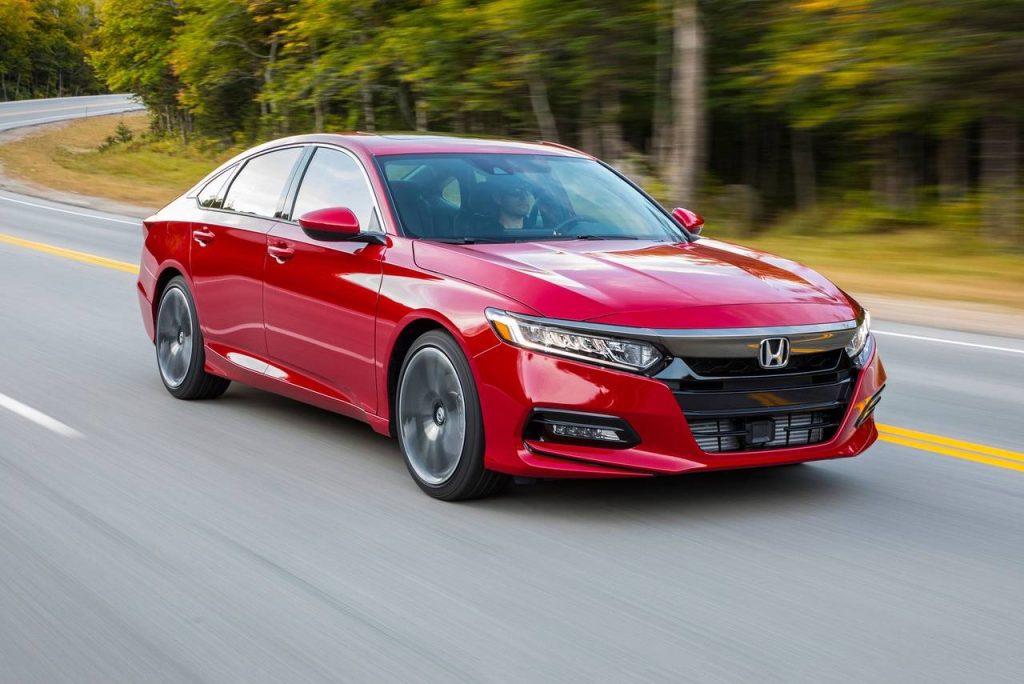
4. Honda Accord
The Honda Accord makes a strong case for affordable parts availability because it combines a large American owner base with an established network of independent suppliers. It has been sold in the United States for decades, meaning replacement components are available for numerous generations rather than just the newest models.
That matters when a vehicle starts accumulating mileage. Brake pads, rotors, control arms, filters, ignition components, wheel bearings, and alternators are among the commonly available replacement items. Owners can compare products from different manufacturers and choose according to their preferred balance of price, durability, and warranty coverage.
The Accord also benefits from Honda’s extensive independent repair ecosystem. Many general repair shops regularly service these sedans, which makes sourcing ordinary mechanical components less complicated.
A mechanic is also more likely to have previous experience diagnosing common Accord problems than unfamiliar issues on a low-volume imported model.
RepairPal puts the Accord’s average annual repair and maintenance cost at approximately $400, while its midsize-car reliability ranking places it first among 24 models, with a 4.5 out of 5 rating.
However, not every Accord is equally inexpensive to repair. Newer turbocharged versions, hybrid models, and vehicles with advanced safety technology can require more expensive specialized components. A replacement radar sensor or hybrid battery is not comparable to the price of an ordinary brake pad set.
Still, the Accord remains an attractive option for buyers who want a comfortable family sedan without unnecessarily expensive routine maintenance. Its widespread presence, competitive parts market, and strong repair cost figures make it easier to maintain than many less common midsize vehicles.
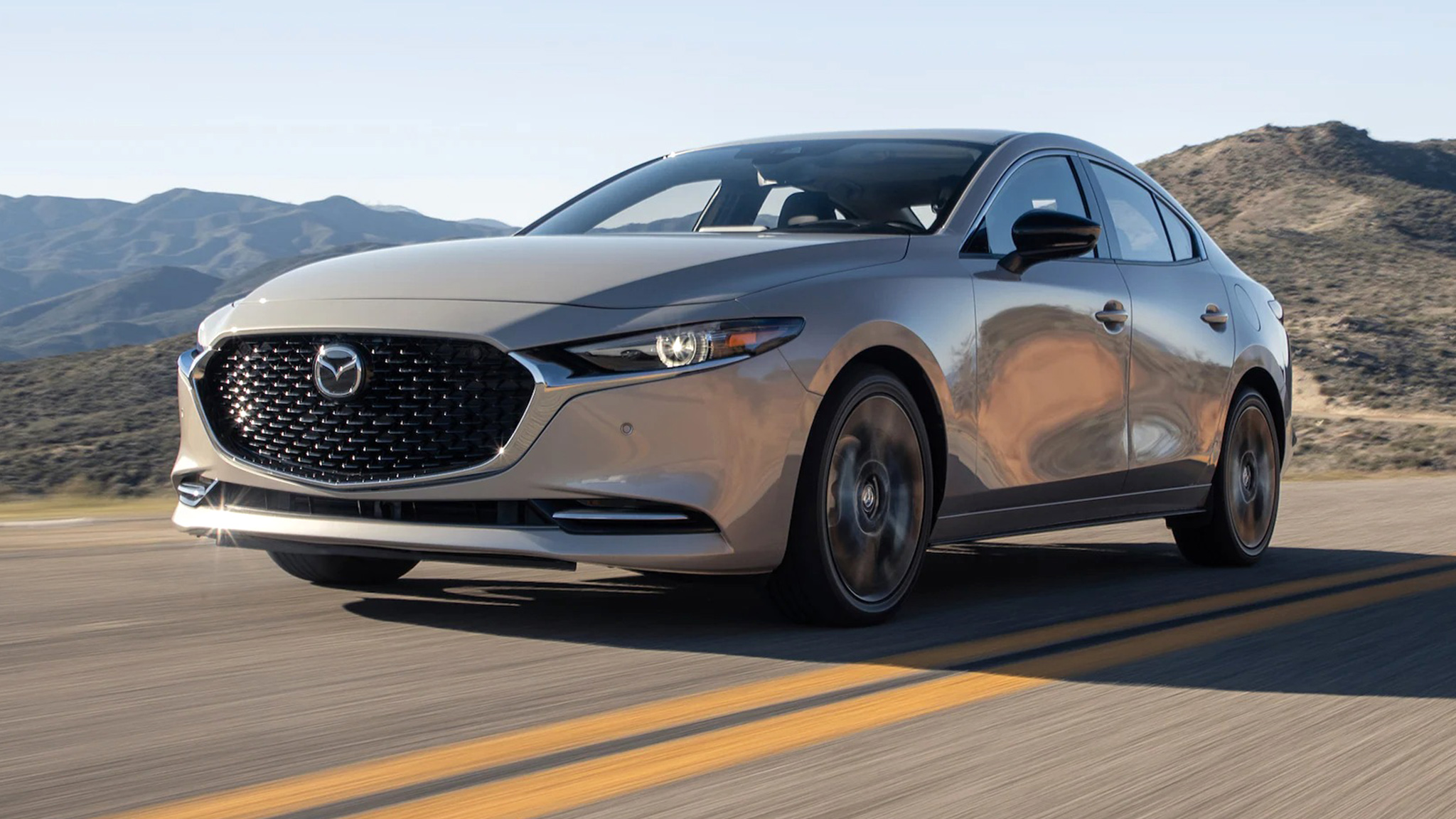
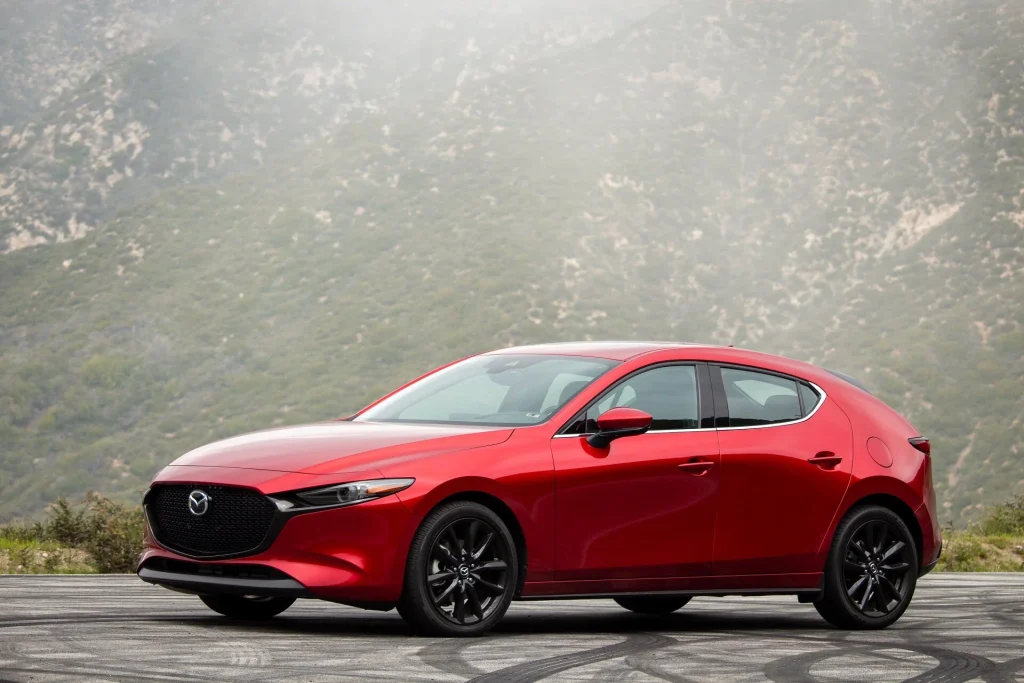
5. Mazda3
The Mazda3 is an appealing choice for drivers who want a compact car with accessible replacement components and relatively reasonable maintenance expenses. Although it does not sell in the same enormous numbers as the Corolla or Civic, it has an established presence in the American market and benefits from a healthy selection of aftermarket parts.
Its conventional mechanical layout helps with routine servicing. Depending on the model year and engine, owners can find replacement brake components, filters, spark plugs, ignition coils, suspension parts, belts, and cooling-system components through established American retailers.
Several independent manufacturers also supply replacement components for Mazda’s Skyactiv engines.
Another advantage is the availability of independent repair shops familiar with Mazda vehicles. Owners are not necessarily tied to dealership servicing for ordinary maintenance, and competing suppliers provide opportunities to compare prices. This can be particularly useful once the factory warranty expires.
RepairPal estimates the Mazda3’s average annual repair and maintenance expense at approximately $433, below its reported $652 average across all vehicle models. Its reliability rating is 4.0 out of 5, placing it ninth among 36 compact cars in the assessment reported by FinanceBuzz using RepairPal data.
The Mazda3 is not completely free from expensive repairs. Certain engine components, automatic transmission parts, and electronic modules can cost considerably more than ordinary maintenance items. Parts compatibility also changes between generations, so checking the vehicle identification number before purchasing is important.
For everyday ownership, however, the Mazda3 offers a useful balance. Its replacement components are supported by an established aftermarket network, and its average repair expenses remain relatively competitive.
Buyers who want something different from the usual Honda and Toyota choices can consider this Mazda without automatically accepting luxury-car maintenance costs.
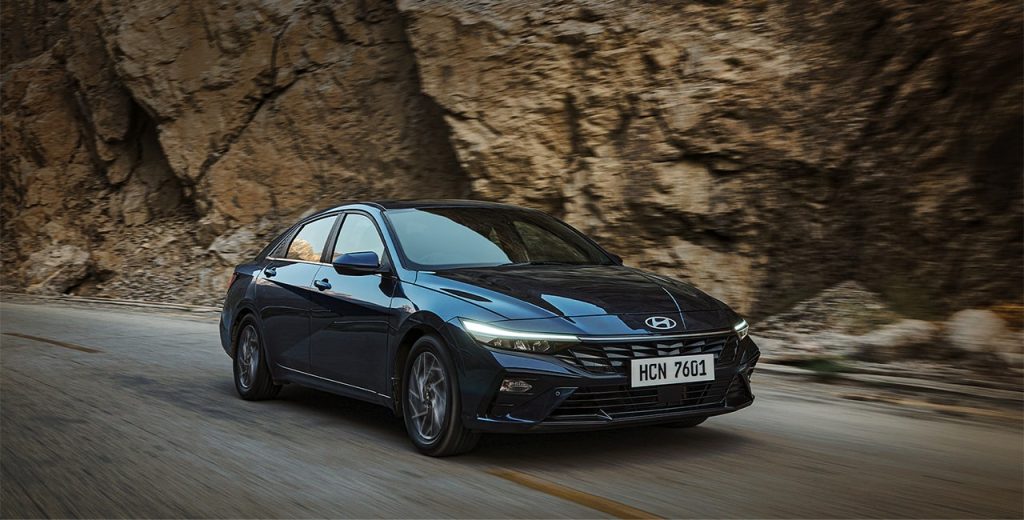
6. Hyundai Elantra
The Hyundai Elantra is another compact sedan with a strong advantage when it comes to shopping for replacement parts in the United States.
Its widespread use as a commuter vehicle has encouraged aftermarket suppliers to manufacture compatible service components, giving owners several options beyond purchasing directly from a Hyundai dealership.
Routine maintenance is where this availability becomes especially useful. Engine filters, cabin filters, brake pads, rotors, spark plugs, ignition coils, batteries, and suspension components are widely represented in the American replacement-parts market.
Depending on the generation, buyers can also find aftermarket alternatives for starters, alternators, and cooling-system components.
Hyundai’s popularity has helped independent mechanics become familiar with its common mechanical systems. This means owners can often obtain maintenance and repair estimates from several workshops instead of relying on one service provider. Competitive sourcing can make a noticeable difference when a vehicle needs multiple replacement items.
RepairPal’s published model-level data has placed the Elantra’s average annual repair cost at approximately $452, below the $526 average for compact cars in the dataset. The same data reports a 4.0 out of 5 reliability rating.
There are important exceptions. Some newer Elantra models use turbocharged engines, dual-clutch transmissions, or advanced electronic equipment, depending on trim and configuration.
Their specialized components can be more expensive than those fitted to basic versions. Owners should also check whether a replacement part is covered by Hyundai’s warranty before paying for it independently.
For budget-conscious buyers, the Elantra remains a sensible option. It offers a broad selection of commonly needed replacement components, plenty of independent repair support, and relatively affordable routine servicing compared with many vehicles in higher market segments.
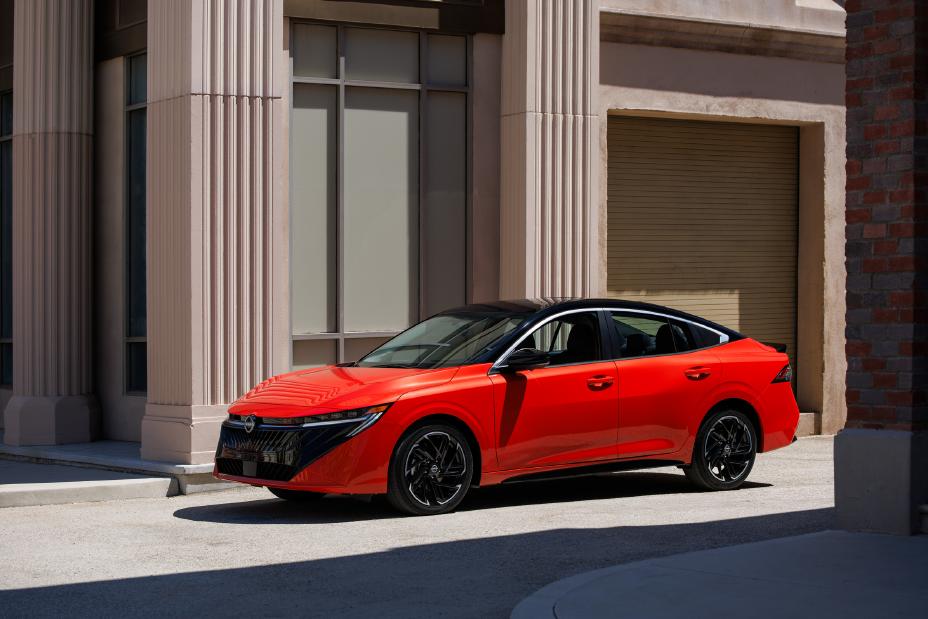
7. Nissan Sentra
The Nissan Sentra is worth considering for drivers who prioritize affordable everyday replacement parts. It has been sold in the United States for several generations, creating a substantial market for compatible maintenance components and repair products.
Its compact-sedan positioning also means that many routine parts are relatively straightforward to source.
Owners can find commonly replaced items such as brake pads, rotors, filters, spark plugs, batteries, wheel bearings, and suspension components through established automotive retailers. Multiple aftermarket manufacturers offer compatible products, allowing drivers to compare original-equipment replacements with more economical alternatives.
Another benefit is the number of independent repair facilities familiar with Nissan vehicles. Routine servicing does not necessarily require a dealership appointment, and common mechanical repairs can often be handled by general automotive technicians. This gives owners additional flexibility when comparing parts prices and labor estimates.
RepairPal estimates the Nissan Sentra’s average annual repair and maintenance cost at approximately $491, compared with its reported $652 average across all vehicle models. Its model-level data also indicates that owners visit repair shops for unscheduled repairs approximately 0.2 times annually.
One component that requires careful attention is the continuously variable transmission (CVT) found in many Sentra generations. While routine maintenance parts are generally easy to source, a major transmission failure can lead to costly repairs or replacement. Owners should follow Nissan’s recommended fluid specifications and service intervals to help maintain transmission reliability.
That distinction is important because inexpensive filters and brake components do not guarantee that every repair will be cheap.
Nevertheless, for ordinary maintenance and commonly replaced mechanical items, the Sentra benefits from an established parts market that makes ownership more manageable for budget-conscious drivers.
8. Kia Forte
The Kia Forte offers an advantage for budget-conscious owners, with a wide range of affordable replacement parts available. Although Kia ended Forte production in the United States after the 2024 model year, owners can still access parts for maintenance and repairs.
Its long production run and substantial sales presence have created an established supply of original-equipment and aftermarket components.
For routine maintenance, buyers can find brake pads, rotors, oil filters, air filters, spark plugs, ignition coils, batteries, and suspension components through major American parts retailers. Independent manufacturers also supply compatible components for different Forte engine and trim configurations.
This competition gives owners opportunities to compare prices rather than automatically purchasing the most expensive available option.
The Forte’s relatively conventional compact-car engineering also helps independent mechanics handle many common repairs.
Owners can obtain service estimates from local garages and compare replacement components from several suppliers. That flexibility is useful when the vehicle is no longer covered by its original warranty.
RepairPal’s historical model-level data places the Kia Forte’s average annual repair and maintenance expense at approximately $451, below its reported $652 average across all vehicle models.
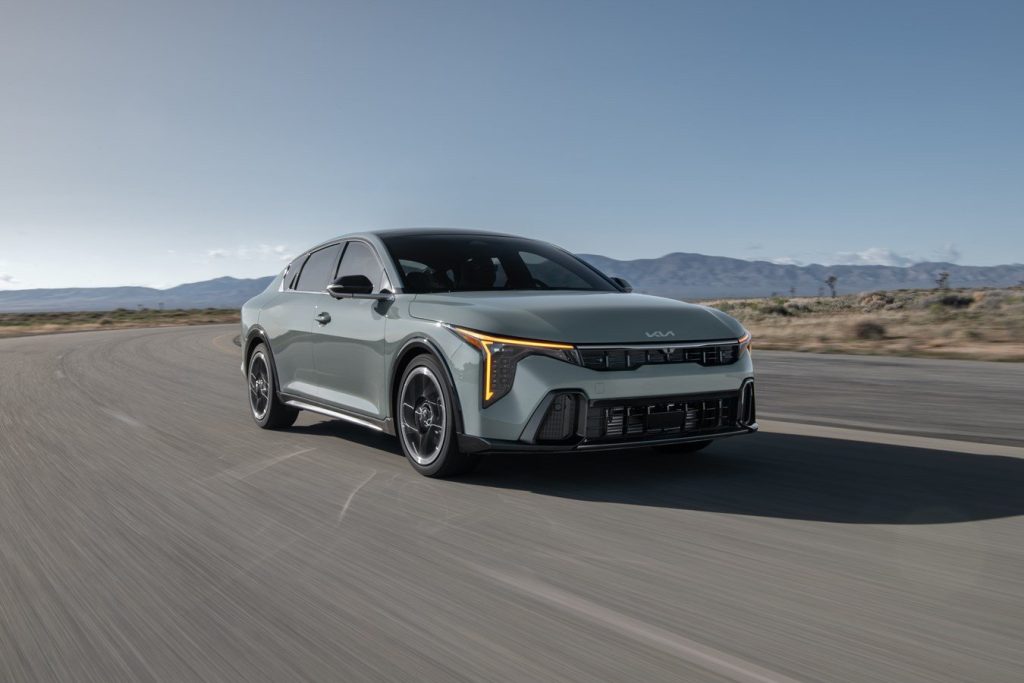
However, buyers should not assume every Forte component is inexpensive. Turbocharged GT versions have additional performance-related hardware, while newer examples can contain expensive electronic equipment. The availability of parts also varies according to model year, engine, and trim.
The Forte remains a practical used-car option for someone who wants affordable routine servicing without purchasing a vehicle with a limited repair network. Its discontinued status is worth considering when shopping for newer examples, but its existing aftermarket support makes it far from an unusual vehicle to maintain.
9. Toyota Prius
Hybrid vehicles sometimes receive a reputation for expensive maintenance because of their advanced technology, but the Toyota Prius demonstrates why that assumption is not always accurate. Its long history in the American market has created a substantial network of mechanics, suppliers, and specialized repair facilities familiar with its hybrid systems.
For ordinary servicing, Prius owners can find conventional replacement items such as brake pads, cabin filters, engine air filters, spark plugs, wiper blades, tires, and suspension components through mainstream automotive retailers.
Some components are also shared across related Toyota applications, although compatibility must always be confirmed using the vehicle’s year and configuration.
The regenerative braking system can help reduce friction-brake wear under suitable driving conditions because the electric motor performs part of the vehicle’s braking work. However, this does not mean brake inspections are unnecessary. Corrosion, caliper problems, and other mechanical issues can still develop.
RepairPal estimates the Prius’s average annual repair and maintenance expense at approximately $408, significantly below its $652 average across all vehicle models. Its midsize-car reliability listing places it among the less expensive models to maintain.
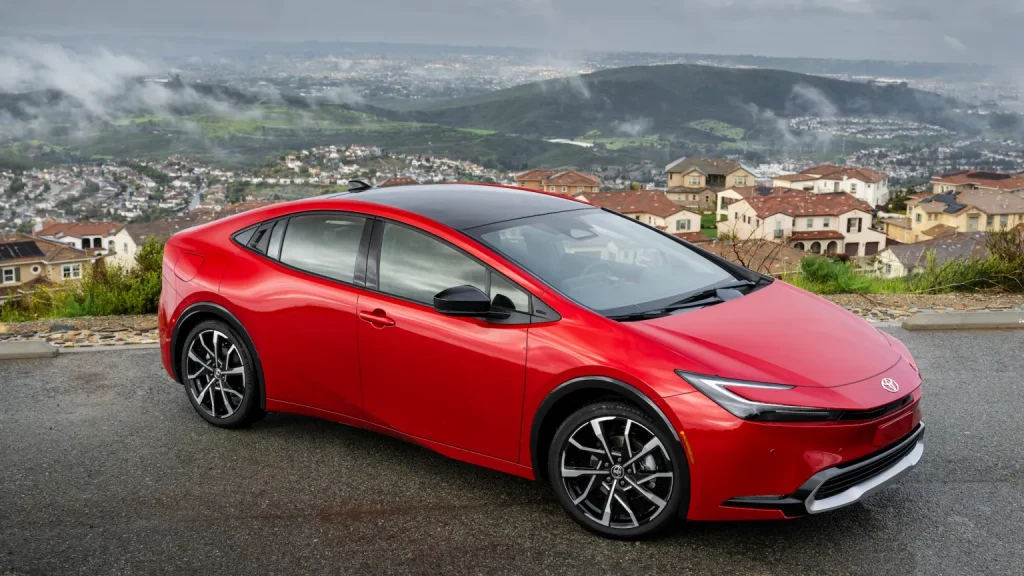
The hybrid battery is a notable exception, as replacing a high-voltage unit can cost significantly more than purchasing standard replacement parts. Inverter failures and other issues involving the hybrid system may also require specialized diagnostic equipment and expertise.
Nevertheless, the Prius benefits from years of hybrid development and a large American owner base. Independent hybrid specialists are available in many regions, giving owners alternatives to dealership servicing.
For drivers who want a fuel-efficient vehicle without automatically accepting high routine maintenance expenses, the Prius deserves serious consideration.
10. Hyundai Sonata
The Hyundai Sonata rounds out this list because it combines a large American customer base with a well-established replacement-parts market.
As a midsize sedan, it has been sold in multiple generations, giving aftermarket manufacturers plenty of reason to produce compatible components. Owners can therefore find many routine service items without depending entirely on Hyundai dealerships.
Its replacement-parts selection covers everyday necessities such as brake pads, rotors, oil filters, cabin filters, engine air filters, spark plugs, ignition coils, alternators, and suspension components.
Major American automotive retailers and independent distributors carry products for different Sonata generations, although availability depends on the particular engine and trim.
The Sonata also benefits from an established independent repair network. General repair shops regularly service Hyundai vehicles, making routine mechanical work easier to arrange.
Owners can compare aftermarket brands, original-equipment replacements, and labor estimates before approving a repair. That flexibility is particularly useful for older vehicles approaching higher mileage.
RepairPal estimates the Sonata’s average annual repair and maintenance expense at approximately $458, below the $526 average for midsize cars in its published reliability assessment.
Naturally, not every Sonata has identical maintenance requirements. Turbocharged versions, hybrid models, and newer vehicles equipped with sophisticated electronic systems can have more expensive replacement components.
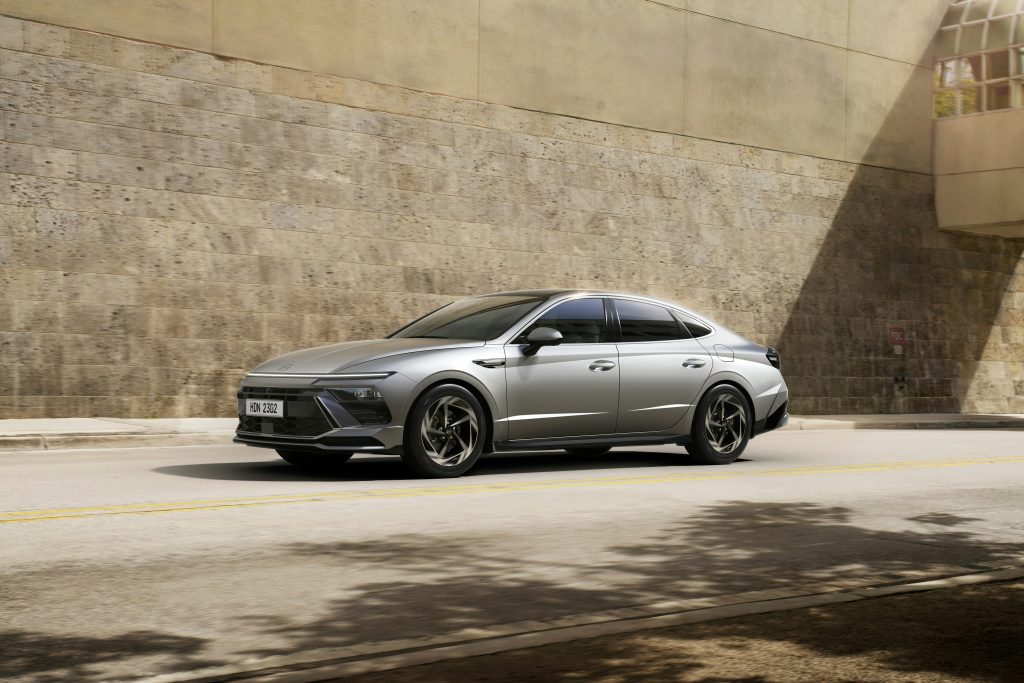
Engine-related repairs can also become costly, particularly when a problem involves major internal components rather than routine service items.
The important advantage is the availability of commonly needed parts. A driver replacing filters, brakes, or ordinary suspension components has several purchasing options and does not necessarily need to visit a dealership.
For used-car shoppers, the Sonata is worth considering when affordable maintenance and practical family transportation are priorities. Its established parts network and competitive repair expenses make it a sensible alternative to less common midsize sedans.
