
Some car repairs require more than a good mechanic and a well-equipped workshop. Modern vehicles increasingly depend on manufacturer-specific diagnostic software, programming equipment, calibration systems, and specialized mechanical tools that ordinary garages may not have.
From resetting electronic suspension systems to programming replacement control modules, certain jobs can become difficult without access to the right equipment.
Although independent repair shops can obtain many of these tools through manufacturer programs, the investment is not always practical for smaller businesses. Here are eight examples of repairs where dealership-level equipment can make a significant difference.
1. Subaru Outback
Repair: Windshield replacement and EyeSight camera calibration
Replacing a windshield sounds like a straightforward job, but on a Subaru Outback equipped with EyeSight driver-assistance technology, the work does not necessarily end when the new glass is installed.
The forward-facing stereo cameras sit near the windshield and monitor the road to support functions such as adaptive cruise control, pre-collision braking, and lane-related assistance. If their position or viewing angle changes, the system may no longer interpret the road accurately.
Subaru’s service documentation makes camera adjustment an essential part of certain windshield replacement procedures. A 2021 Subaru technical service bulletin specifically instructs technicians to complete the EyeSight camera inspection, adjustment, and automatic adjustment procedures after windshield replacement.
It warns against returning the vehicle before the required procedures have been successfully completed.
This is where specialized equipment becomes important. Depending on the model year and procedure, technicians may need Subaru-specific diagnostic software, calibration targets, positioning equipment, and a suitable workshop environment. Simply installing a new windshield and clearing warning lights is not an acceptable substitute.
Independent glass specialists can perform this work if they have the appropriate equipment, training, and access to Subaru repair information. However, a small glass shop without camera calibration facilities may need to send the vehicle to a qualified calibration center or Subaru dealership.

The potential consequences make this more than a convenience issue. Incorrectly calibrated cameras can affect the operation of important driver-assistance features.
Owners should therefore confirm that calibration has been completed and documented before collecting the vehicle. A successful windshield installation alone does not guarantee that EyeSight is functioning correctly.
2. Toyota Camry
Repair: Engine computer and electronic control module reprogramming
A Toyota Camry can develop an issue that requires more than replacing a faulty sensor or installing a new electronic component. Sometimes, the solution involves updating the software inside an existing control module.
This process, known as flash reprogramming, changes the electronic instructions that govern particular vehicle functions. It is a specialized procedure because the wrong software or an interrupted programming session can damage the module.
Toyota provides its Techstream diagnostic platform and calibration files through its Technical Information System (TIS). The manufacturer also supports approved J2534 programming interfaces, allowing qualified independent repair facilities to carry out certain ECU updates without purchasing a complete dealership diagnostic setup.
Why does this matter during an actual repair? Imagine a Camry experiencing a drivability concern covered by a Toyota technical service bulletin. If the manufacturer has released a revised engine control module calibration for that specific vehicle and problem, updating the software may resolve the issue without replacing the computer.
The correct calibration must match the vehicle’s applicable model, engine, and ECU combination.
Toyota explicitly warns that interrupted flash programming can permanently damage a vehicle controller. The computer, interface, and electrical supply must remain stable throughout the procedure.
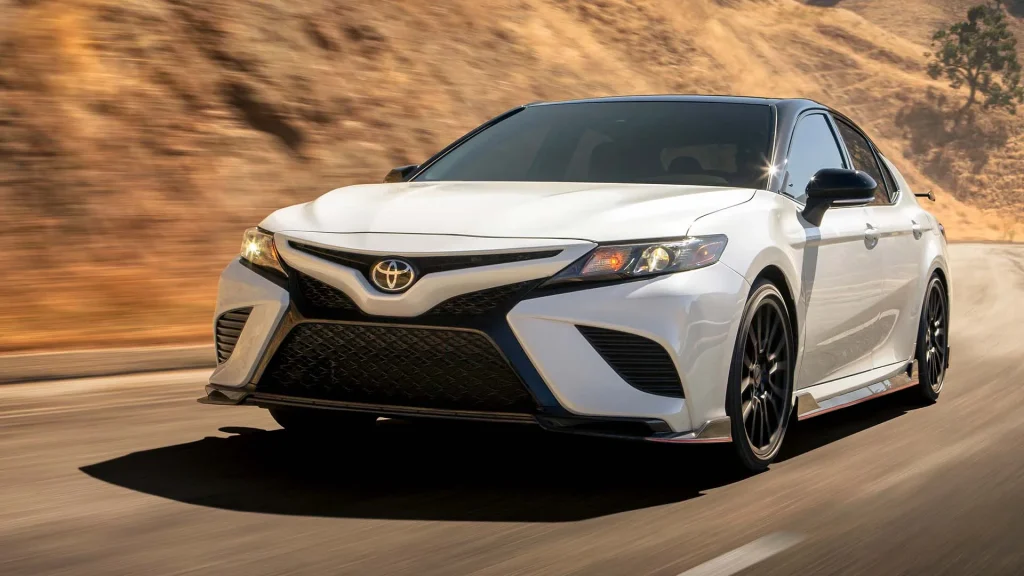
A basic OBD-II scanner cannot perform every manufacturer-specific programming task. A garage needs compatible hardware, the correct software subscription, and access to the applicable calibration files. This is why some smaller workshops refer such jobs to Toyota dealerships or electronics specialists.
Importantly, this is not a dealership-exclusive repair. Toyota makes approved programming options available to independent professionals, but the equipment and procedural knowledge still represent a meaningful investment.
3. Mercedes-Benz E-Class
Repair: Transmission control module replacement and SCN coding
Replacing a transmission control module in a Mercedes-Benz E-Class is not always a matter of disconnecting the old computer and plugging in a replacement.
Certain models require an additional manufacturer-specific procedure called Software Calibration Number (SCN) coding. This process ensures that the replacement control unit receives the correct software configuration for the vehicle.
Mercedes-Benz uses its XENTRY Diagnosis platform to perform this work. The system communicates with the vehicle and accesses the manufacturer’s online infrastructure to obtain the appropriate coding information.
Without this procedure, a newly installed module may not be configured correctly for the vehicle’s transmission and associated electronic systems.
There is a documented example involving certain Mercedes-Benz vehicles built on the 205 platform. A manufacturer repair instruction published through the National Highway Traffic Safety Administration (NHTSA) specifically directs technicians to connect XENTRY Diagnosis and perform SCN coding in the transmission control unit.
It also requires the vehicle’s electrical supply to remain above 12.5 volts during the procedure. This requirement makes the job more complicated for independent garages. A generic OBD-II scanner may identify transmission fault codes, but it cannot necessarily perform the required online coding operation.
The workshop needs compatible diagnostic equipment, an appropriate software subscription, internet access, and knowledge of Mercedes-Benz programming procedures.

The good news is that XENTRY equipment and access are available to qualifying independent repair businesses. Dealership ownership is not mandatory. However, not every neighborhood garage has invested in this technology.
For owners, the important consideration is whether the repair facility can complete the entire replacement and coding process. Installing the hardware without performing the required configuration may leave the original problem unresolved.
4. Ford F-150
Repair: Replacement body control module and programmable module installation
A Ford F-150 can require specialized programming when an electronic control module is replaced. One particularly important example is the body control module, which manages numerous electrical functions throughout the truck.
Depending on the model year and configuration, these can include exterior lighting, interior electronics, locking functions, and other body-related operations.
The challenge begins after the replacement component is physically installed. The new module may need vehicle-specific configuration and software before it can operate correctly. Ford calls one of its procedures Programmable Module Installation (PMI), which transfers or establishes the appropriate information for the replacement module.
Ford’s official diagnostic platform, Ford Diagnostic and Repair System (FDRS), supports these procedures on applicable newer vehicles.
Its documentation identifies compatible communication equipment, including the Vehicle Communication Module 3 (VCM3), the Vehicle Communication and Measurement Module (VCMM), and certain J2534-compatible interfaces.
Ford’s October 2026 technical instructions also demonstrate how demanding module programming can be. They require a fully charged 12-volt battery, reliable internet connectivity, stable diagnostic connections, and careful adherence to the software’s instructions.
The document even provides a recovery procedure for situations where programming leaves a module blank.
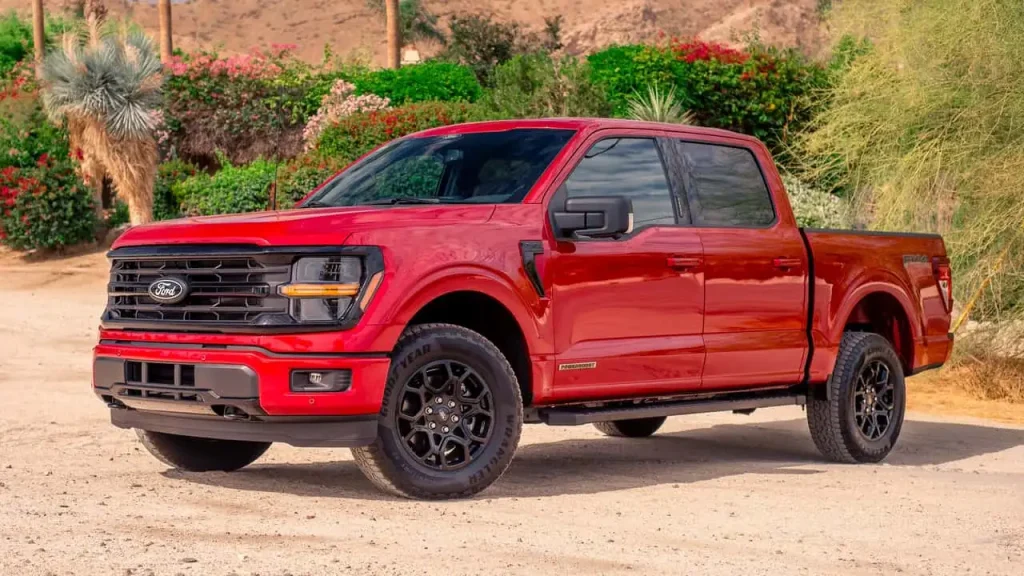
This is not equipment every independent repair shop keeps on hand. A garage may have the mechanical ability to remove and replace the module but lack the software subscription or compatible interface to finish the job.
Fortunately, Ford makes its diagnostic software available to independent professionals through Motorcraft Service. Therefore, this is not strictly a dealership-only repair. Nevertheless, owners should verify that their chosen workshop can perform the required programming, not just install the replacement component.
5. BMW X5
Repair: Adaptive LED headlight module replacement and programming
A damaged headlight on a BMW X5 can turn into a much more complicated repair than simply removing the old assembly and fitting a replacement. Modern BMW adaptive lighting systems contain electronic modules that control functions such as beam positioning, light distribution, and cornering illumination.
When certain components are replaced, the vehicle may require additional programming and coding before the lighting system operates correctly.
BMW’s technical documentation provides a specific example involving the X5 F15 generation. A service bulletin covering certain vehicles equipped with adaptive headlights describes problems involving the headlight driver module and instructs technicians to use BMW’s ISTA/P diagnostic software to program and code the vehicle when the specified conditions are met.
The process can become more involved when an entire headlight assembly or its electronic control units need replacement.
BMW’s body and paint training documentation explains that replacement adaptive lighting components may have different hardware and software versions. These components must be adapted to the vehicle using the prescribed repair instructions.
This is where a specialized diagnostic setup becomes necessary. ISTA provides BMW-specific diagnostic and programming functions that ordinary code readers generally cannot reproduce. Independent workshops can obtain access through BMW’s Aftersales Online System, so the equipment is not restricted to franchised dealerships.

For smaller garages, however, purchasing compatible interfaces, maintaining software access, and training technicians may not be financially practical. A shop might be able to replace the physical headlight but lack the resources to complete the electronic adaptation.
Owners should therefore ask whether the quoted repair includes programming, coding, and any required headlight aiming. Without completing the applicable procedures, a new lighting assembly may not function as intended.
6. Chevrolet Tahoe
Repair: Forward radar sensor replacement and adaptive cruise control calibration
Replacing a damaged radar sensor on a Chevrolet Tahoe can require a procedure that many ordinary repair shops are not equipped to perform.
The forward-facing radar sensor supports driver-assistance features, including adaptive cruise control. Its position and electronic calibration are important because the system relies on accurate measurements of vehicles and objects ahead.
General Motors service documentation for the 2021 Chevrolet Tahoe explains that replacing or removing and reinstalling the long-range forward radar sensor requires a calibration procedure. The repair involves connecting a compatible diagnostic scan tool and initiating the radar sensor’s long-range learning process.
Interestingly, the calibration is not necessarily completed inside the workshop. According to the service procedure, the Tahoe may need to be driven under specific road conditions while the diagnostic equipment remains connected.
The recommended conditions include speeds above 35 mph, relatively straight roads, and surrounding traffic or stationary roadside objects that help the radar system establish its reference points. A typical calibration may take approximately 10 to 30 minutes.
GM also notes that a radar mounting bracket tilted more than four degrees from level can prevent proper calibration. Technicians must therefore inspect the mounting hardware and correct any alignment issues before proceeding with the learning procedure.
This repair requires more than a conventional OBD-II reader. The workshop needs a compatible scan tool capable of accessing the relevant GM diagnostic functions. Some aftermarket professional scanners support this operation, meaning dealership ownership is not essential.
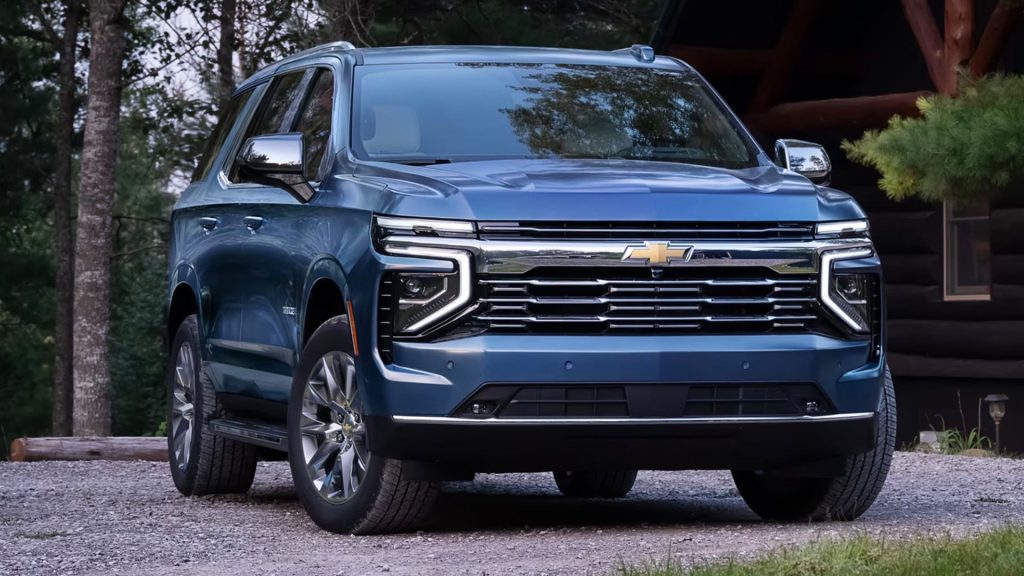
However, smaller garages without suitable equipment may refer the job elsewhere. Since incorrectly functioning radar systems can affect adaptive cruise control, owners should ensure the calibration is completed before relying on these features again.
7. Jeep Grand Cherokee
Repair: Quadra-Lift air suspension control module replacement and programming
The Jeep Grand Cherokee equipped with Quadra-Lift air suspension has a repair requirement that can catch an ordinary garage off guard. Replacing its air suspension control module (ASCM) does not necessarily complete the job. The replacement computer must also receive the appropriate software before the suspension system can operate correctly.
This is particularly relevant to the 2021 and 2022 Grand Cherokee WL models. A Mopar technical service bulletin, numbered 08-109-22 and dated May 19, 2022, specifically addresses software incompatibility in replacement ASCM units.
It explains that a newly installed module can trigger diagnostic trouble code U0300-00, indicating internal control module software incompatibility. The prescribed solution is to flash the module with the latest available software.
The same requirement appears in later manufacturer documentation. A 2025 Stellantis bulletin covering certain 2024 Grand Cherokee and Grand Cherokee L models equipped with Quadra-Lift also calls for ASCM reprogramming when the specified software-related fault occurs.
Symptoms can include disabled ride-height adjustment or a suspension that lowers but refuses to rise.
The equipment needed for this procedure is not an ordinary code reader. Jeep dealerships use the wiTECH diagnostic platform to access vehicle modules and perform manufacturer-specific programming.
The technician must also maintain a stable electrical supply during the software update because an interrupted programming session can create additional problems.
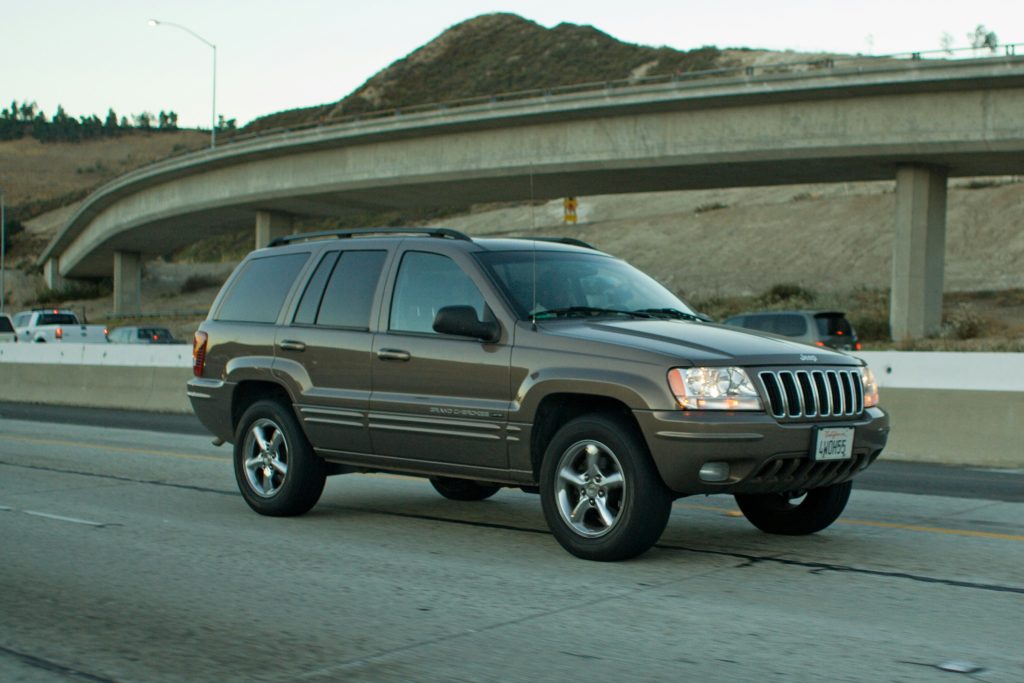
Independent repair facilities can obtain access to wiTECH, so this is not exclusively dealership work. Nevertheless, the required subscription, compatible hardware, and experience may be beyond the resources of smaller garages.
For owners, the important point is that installing a replacement suspension computer is only part of the repair. The module must also be correctly programmed and the system checked before the vehicle returns to normal use.
8. Honda Civic
Repair: Immobilizer control unit replacement and key registration
Losing the ability to start a Honda Civic after replacing an electronic security component can be frustrating, but the problem is not necessarily a faulty replacement part. Modern Honda immobilizer systems use electronic communication between the vehicle’s control modules and programmed ignition keys.
When certain components are replaced, the vehicle must be taught to recognize the new hardware and authorized keys.
Honda’s service documentation specifically requires its Honda Diagnostic System (HDS), or the newer i-HDS platform, for applicable immobilizer registration procedures.
A manufacturer repair document published through NHTSA explains that replacing an immobilizer control unit requires rewriting it with i-HDS. Without completing this procedure, the engine cannot start.
The process involves more than connecting a scanner. Technicians need the replacement component, the programmed ignition keys, the appropriate security information, and compatible diagnostic software. The system then guides the technician through the registration procedure so that the new component recognizes the correct keys.
This requirement also applies to certain control-module replacements. Honda’s Civic service procedures describe using HDS to transfer relevant data, register immobilizer keys, and update the engine control module when necessary.
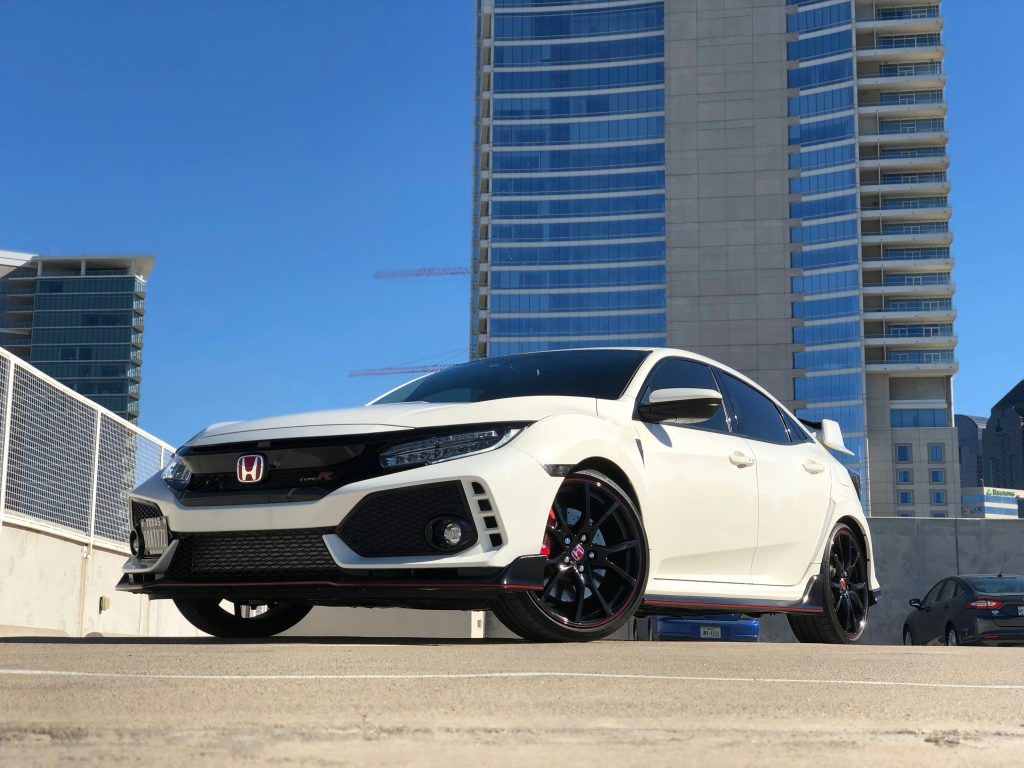
There is an additional security restriction in the United States. American Honda requires qualified security professionals registered with the National Automotive Service Task Force (NASTF) to access certain key codes and immobilizer information. Its official service website identifies a separate Vehicle Security Professional subscription for these functions.
Consequently, a general mechanic might physically replace the failed component but still be unable to complete the security programming.
Independent specialists can perform this work when properly registered and equipped, so dealership ownership is not mandatory. However, owners should confirm that the shop can complete immobilizer registration before authorizing the replacement.